The day’s big reveal is a wall of snow towering beside the road at Murodo, a high point on the Tateyama Kurobe Alpine Route. It appears only during the spring opening, usually from mid-April to late June, and the mountain journey to reach it is part of the show: six kinds of transport carry you across a striking range of elevations and scenery.
I like two things in particular: the Kanazawa bus departure makes a complex route easier to manage, and a guide keeps the many transfers and meeting times from becoming a puzzle. I also like that the route has something to offer beyond spring snow, from summer greenery to autumn color.
The trade-off is a long, tightly timed day. Some stops may feel brief, and the advertised starting price does not include the Alpine Route ticket, which you pay for separately on the day.
At a glance
- Six transport experiences: Cross the mountain route using a succession of transport modes, with a guide helping coordinate the changes.
- A spring-only snow spectacle: Walk beside the Snow Wall at Murodo during the seasonal opening, generally from April 15 to June 25.
- Kurobe Dam up close: See Japan’s largest dam, a striking feat of engineering set among the mountains.
- A full day from Kanazawa: Bus transport from the city removes the need to plan separate connections to the route.
- Extra ticket cost: The tour starts at $126.30, but the Alpine Route ticket costs ¥10,940 for adults and ¥5,480 for children ages 6 to 11.
- A guide who keeps things moving: English, Chinese and Japanese-speaking guide service is included, though the assigned guide and languages may vary.
- At a glance
- The Snow Wall is the headline, but the route is the show
- Leaving Kanazawa for a long day in the Alps
- Six transport modes, one carefully timed crossing
- Murodo: snow, altitude and the season’s main attraction
- Kurobe Dam: engineering on a mountain scale
- The true price: tour fare plus the mountain ticket
- A guide helps, but the clock still matters
- Weather, stamina and a few useful cautions
- Should you book the Kanazawa day tour?
- FAQ
- How long is the tour?
- Where does the tour depart from?
- Is the Tateyama Kurobe Alpine Route ticket included?
- When can I see the Snow Wall?
- What does the tour include?
- What should I wear for a spring visit?
- Can a child under 2 join for free?
- More Tours in Nakaniikawa
- More Tour Reviews in Nakaniikawa
The Snow Wall is the headline, but the route is the show
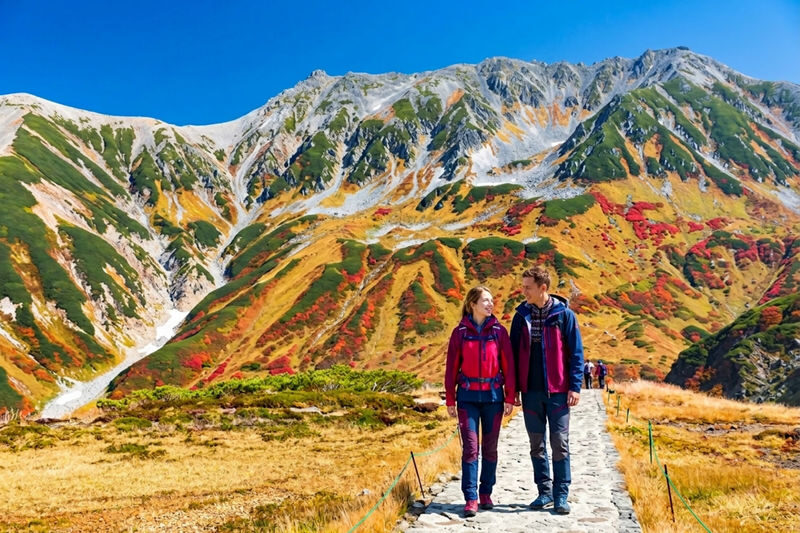
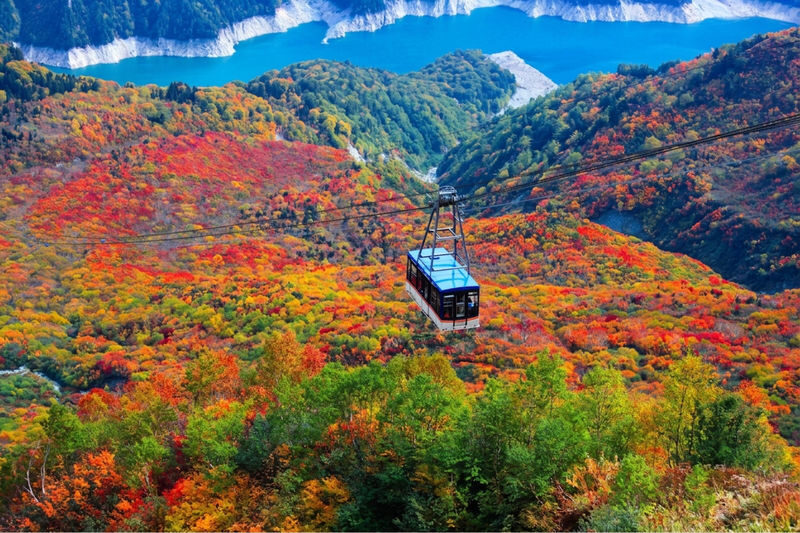
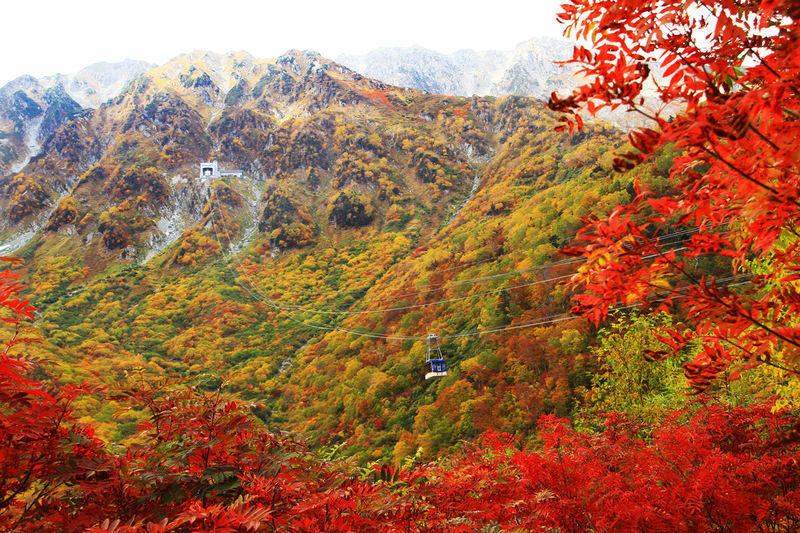
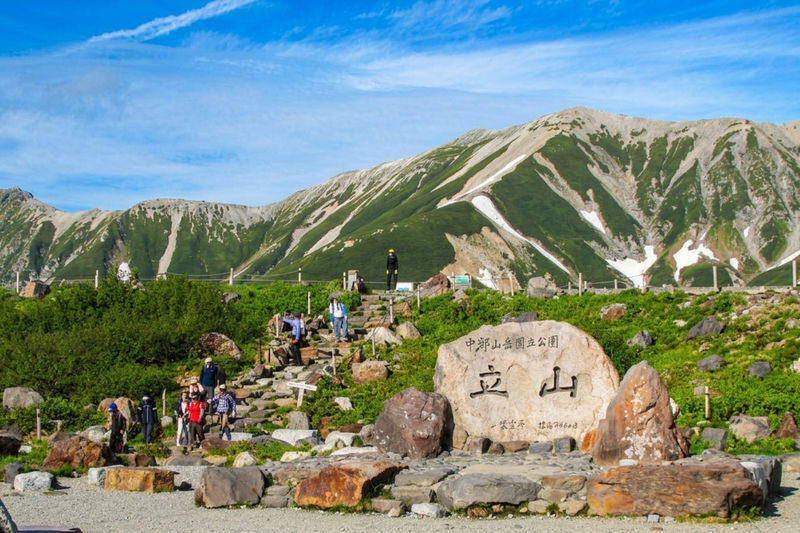
At Murodo, the Snow Wall, known as Yuki-no-Otani, turns a mountain road into a corridor cut through towering banks of snow. It is a seasonal sight, not a year-round attraction: the Alpine Route opens from April 15 to November 30, and the snow-wall period is generally April 15 to June 25.
That short window makes spring the obvious choice if the wall is your main reason for going. Still, snow conditions and weather can affect what is open and what you can see. A storm can delay access or close the wall, so treat the spectacle as a possibility rather than a guarantee.
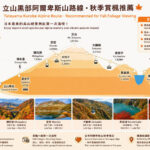
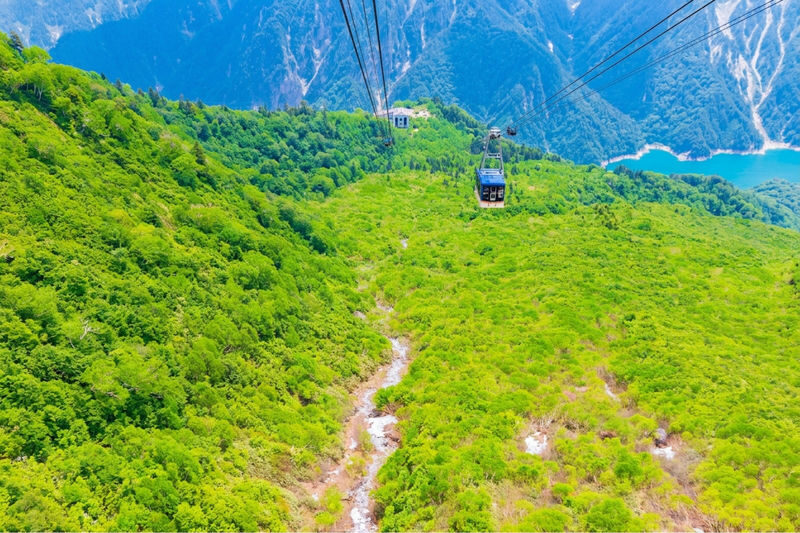
There is also more to the day than one photogenic stop. The route crosses a large change in elevation and connects six kinds of transport. You move through a succession of mountain settings, with the scale and character of the scenery shifting along the way. The trip is as much about getting across the Alps as it is about arriving at one viewpoint.
Leaving Kanazawa for a long day in the Alps
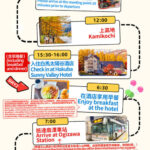
The tour begins with a bus from Kanazawa, departing near the Kanazawa Port, or West Exit, of JR Kanazawa Station. The meeting point is about a one-minute walk from the station. Look for the Group Bus Stop signs and head right. You need to arrive at least 10 minutes before departure, since the bus leaves on time and late arrivals are treated as a no-show.
Your exact departure time is set according to the mountain entry slot and is sent in a pre-departure notice, no later than three days before the tour. Check your messages, including email or WhatsApp if needed, rather than assuming a fixed start time. You will also receive the guide or driver’s contact information at least one day before departure.
This is not a quick outing. The return to JR Kanazawa Station is listed as roughly 7 p.m. to 11 p.m., depending on the day’s departure time and traffic. The schedule can also shift with weather and conditions on the route. I would keep the evening clear, especially if you have a train, dinner reservation or another activity in mind.
Six transport modes, one carefully timed crossing
The tour’s most practical feature is the way it takes the planning burden off your shoulders. The Alpine Route requires a series of transport connections, and all mountain transportation is reserved by the operator. You do not need to book those tickets yourself. Instead, the guide leads the group through the changes, explains where to board and reminds you where and when to meet again.
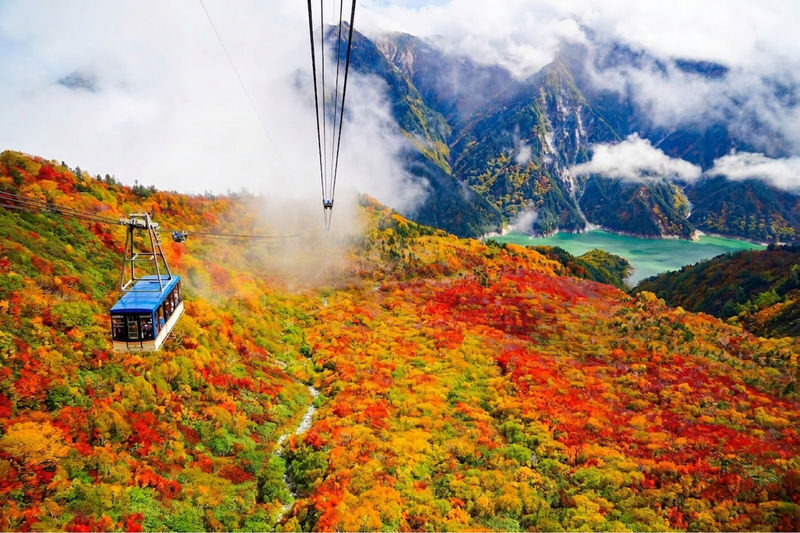
The route includes six kinds of transport, with cable cars among the experiences described. Each transfer is a small part of the adventure, but it also gives the day its brisk rhythm. You will need to listen for instructions and keep an eye on the time. Guides including Vivian, Anna, Wen Ling and Yukino have been praised for clear explanations, language skills and help with keeping groups organized. Those names are examples, not a promise of who will lead your tour.
This setup is especially useful if you are new to the route, traveling with children or simply do not want to manage a chain of transport reservations on your own. The flip side is less freedom to linger. The tour leader must move the group onward to make the next connection, and some stops may be short. One traveler found 15 minutes at certain points too little for photos. If you prefer to set your own pace, a group schedule may feel restrictive.
Murodo: snow, altitude and the season’s main attraction
Murodo is the stop to watch most closely if you are coming for the snow. During the spring opening, you can walk beside the Snow Wall and take in the unusual scale of the snowbanks. The high-altitude setting also means conditions can feel very different from Kanazawa. From April to June, the area is cold, and snow may remain on walking paths.
Pack warm, windproof and waterproof layers, plus sunglasses for glare off the snow. Waterproof, non-slip shoes are a sensible choice. The tour calls for walking shoes and casual clothing, but spring conditions deserve more thought than an ordinary city day. The general rule is simple: dress for the mountain, not for the weather you left behind.
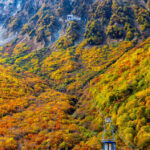
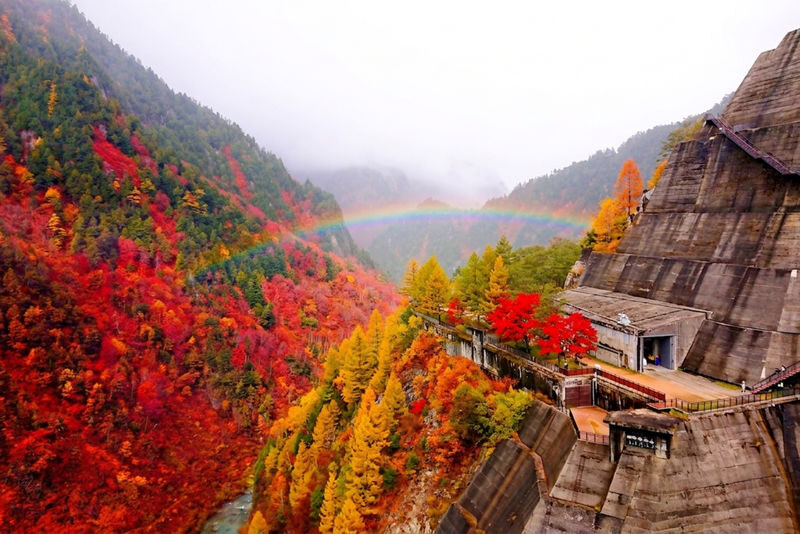
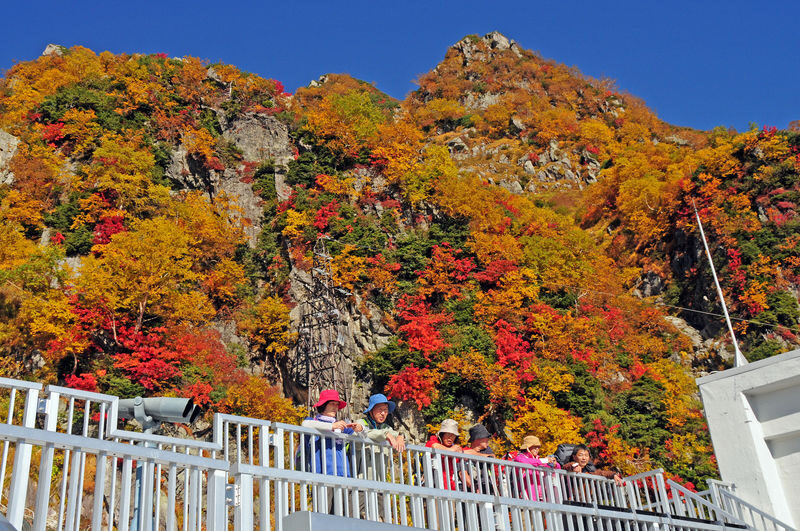
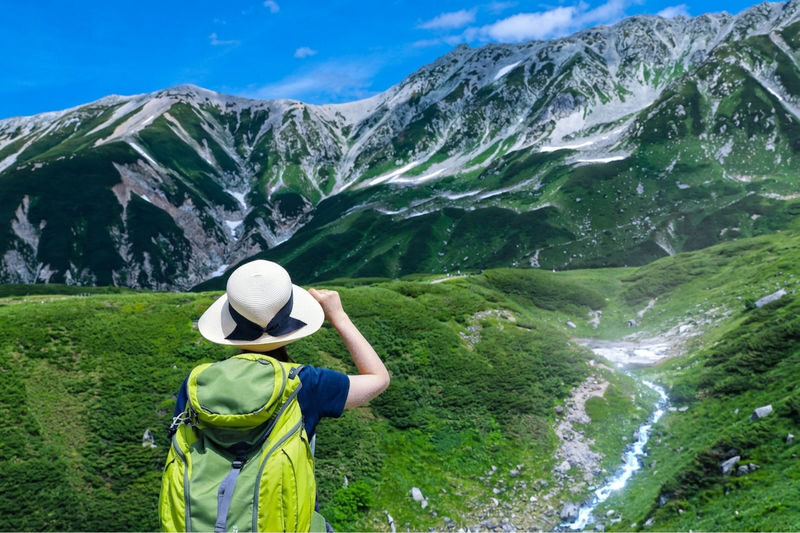
Murodo is not just a snow-wall stop. The route’s scenery changes with the calendar. July and August bring green mountain views and cooler conditions than the lowlands. September and October are known for autumn color, while November offers a quieter, early-winter feel. The snow wall is exclusive to spring, but the route itself is open for much of the year.
A small seasonal treat is included during certain dates. From April 15 to June 25, the tour provides sasa sushi, a local Hokushin’etsu specialty. From June 26 through the end of September, the gift changes to ice cream. It is a modest extra, not a meal, so plan to bring food or buy something along the way if you need lunch. Meals and drinks are not included.
Kurobe Dam: engineering on a mountain scale
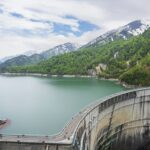
Kurobe Dam gives the day a different kind of drama. Instead of snow and high peaks, the focus is on the scale of a major engineering work set in a mountain environment. The tour describes it as Japan’s largest dam, and the appeal is immediate when you see the structure up close.
This stop helps explain why the Alpine Route is more than a scenic drive. The mountain crossing combines natural views with large-scale infrastructure, and the dam is one of the clearest examples. You may have limited time to look around, particularly if connections are tight, so follow the guide’s meeting instructions before wandering off for photos.
The dam can be a rewarding stop even if you are not usually drawn to engineering. The contrast between the built structure and the surrounding mountain scenery gives you a strong sense of the scale involved. Just remember that the day is organized around moving across the route, not spending hours at any single site.
The true price: tour fare plus the mountain ticket
The advertised fare starts at $126.30, covering bus transport, a guide and travel agency liability insurance. The biggest extra is the Alpine Route ticket, arranged by the tour team but paid separately to the guide on the day: ¥10,940 for adults age 12 and older, or ¥5,480 for children ages 6 to 11. Children under 2 who do not use a separate seat can join free, subject to the stated conditions.
That extra charge matters when comparing this tour with other ways of visiting. The price is not an all-in ticket to the mountain route. It is payment for the Kanazawa transport, organization and guiding, while the separate fare covers the Alpine Route transport itself. Meals, drinks, personal expenses and personal travel insurance are also excluded.
For me, the value rests on convenience. The operator reserves the mountain transportation, and the guide coordinates the sequence of transfers. That can save you substantial planning work, particularly for a one-day visit from Kanazawa. But if you enjoy organizing connections yourself and want more time at each stop, compare the independent option before deciding.
A guide helps, but the clock still matters
The most consistently praised part of the tour is the guide’s practical role: explaining the sequence, pointing out meeting places and helping the group stay on schedule. Several named guides, including Vivian, Anna and Wen Ling, have been singled out for clear multilingual instructions and attentive help. One guide even helped a guest with knee problems find priority entry or seating where available. That is a welcome kindness, but it should not be treated as a guaranteed service.
The guide may speak English, Chinese or Japanese, but the combination can vary. If you book with friends or family on separate orders, include each other’s order numbers in the booking notes. Otherwise, the operator cannot guarantee that you will be placed in the same group.
The experience is also shaped by the group. Seats on the bus are assigned on site and cannot be selected in advance. You may be seated beside someone of another gender. The itinerary requires cooperation at each transfer, so keep your phone charged, listen closely and be ready to move when it is time to go.
Weather, stamina and a few useful cautions
Mountain weather can change the plan. The order of stops, time at each place and route may be adjusted for weather, traffic or conditions on site. Severe weather, natural disasters, accidents or government orders can also lead to a change or cancellation. Even a day that begins with rain may clear later, but no one can promise good visibility or an open snow wall.
This is a high-mountain trip with a long transport day. The operator advises people with limited mobility, pregnancy or certain medical conditions, including high blood pressure or epilepsy, not to join. There is no age limit, but anyone under 18 must travel with an adult, and anyone over 80 must be accompanied by family or friends. If you have a health concern, tell the operator when booking and consider carefully whether the pace suits you.
Each person may bring one piece of luggage, and smaller vehicles may be used depending on group size. If you have a large bag, mention it in the booking notes. Child seats are not available. Infants under 2 may ride without a separate seat, held on an adult’s lap, with one infant per adult.
Should you book the Kanazawa day tour?
Book this tour if you want to see the Tateyama Kurobe Alpine Route without arranging the mountain transport yourself, and you are comfortable with an early, long day and a firm group schedule. It is particularly appealing in spring if the Snow Wall is high on your list, though weather can still affect access.
Think twice if you need a slow pace, have mobility or health concerns, or want long stretches of free time at each stop. Also compare the full cost carefully: the tour fare is only part of the bill, since the mountain ticket is paid separately.
For a first visit from Kanazawa, the convenience is the strongest argument. You get a guide, bus transport and coordinated mountain connections in one demanding but memorable day. If you can accept a little rushing in exchange for a lot of scenery, it is a practical way to cross the Alps.
One-day tour to the Tateyama Kurobe Alpine Route from Kanazawa
“The tour guide was friendly and explained things clearly, but the itinerary felt a bit rushed. We only stayed at some attractions for 15 minutes, w…”
FAQ
How long is the tour?
It is a one-day tour, with the return to JR Kanazawa Station estimated between 7 p.m. and 11 p.m. The actual timing depends on the departure slot, traffic and conditions.
Where does the tour depart from?
The meeting point is near the Kanazawa Port, or West Exit, of JR Kanazawa Station. It is about a one-minute walk from the station. Follow signs for Group Bus Stop and walk to the right.
Is the Tateyama Kurobe Alpine Route ticket included?
No. The tour team arranges the ticket, but you pay the guide on the day. The listed fare is ¥10,940 for adults age 12 and older and ¥5,480 for children ages 6 to 11.
When can I see the Snow Wall?
The Snow Wall at Murodo is a spring attraction, generally available from April 15 to June 25. Weather and mountain conditions can affect access.
What does the tour include?
The fare includes bus transport, an English, Chinese or Japanese-speaking guide, and travel agency liability insurance. Meals, beverages, personal expenses, personal travel insurance and the Alpine Route ticket are not included.
What should I wear for a spring visit?
Wear warm, windproof and waterproof clothing. Sunglasses help with snow glare, and waterproof, non-slip shoes are recommended because snow may remain on the paths.
Can a child under 2 join for free?
Yes. A child under 2 can join free if they do not occupy a separate seat. The child must be held on an adult’s lap, and each adult may bring one such child. Child seats are not available.