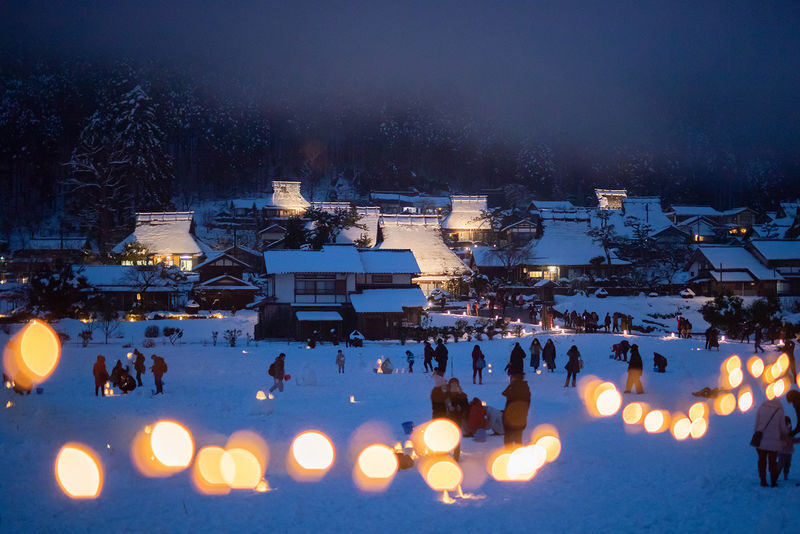
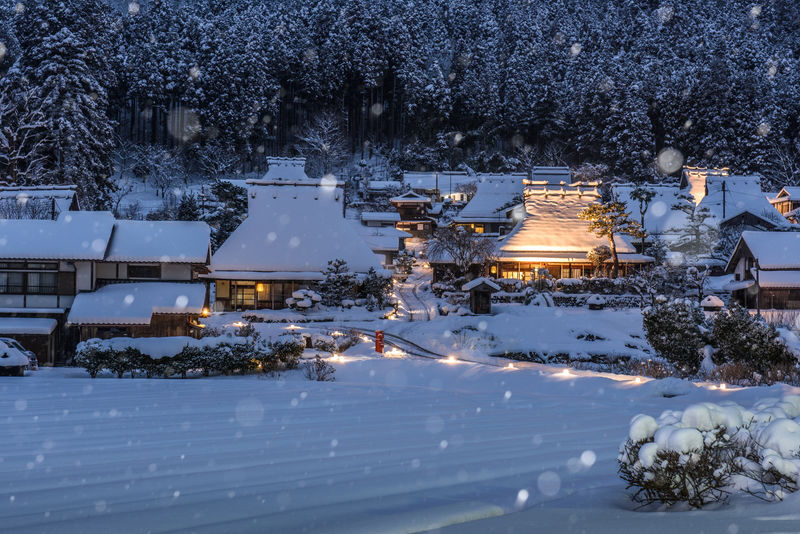
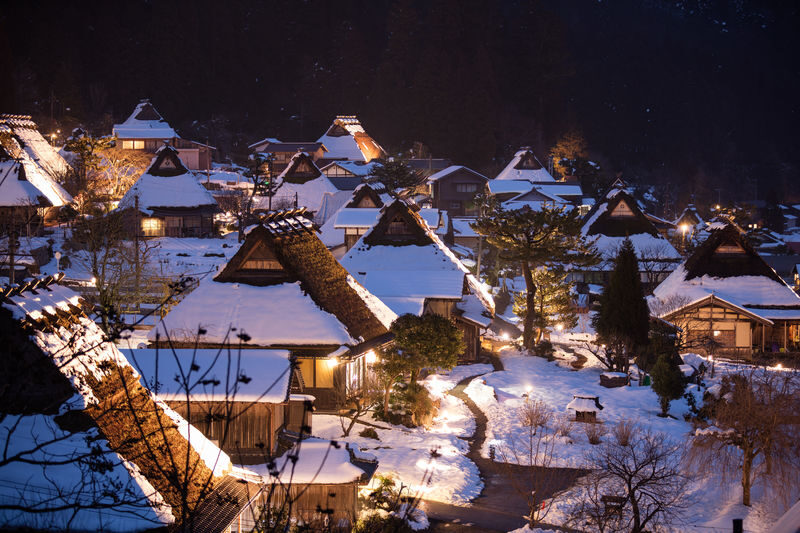
Kayabuki no Sato is at its most striking after dark, when lanterns and illuminated thatched houses set the snowy village aglow. I like the chance to make a snow lantern yourself, then see it displayed, and the easy bus ride means you can enjoy the evening without managing winter transfers.
The main catch is the weather: snow is not guaranteed, and the village can be bitterly cold even when conditions are clear. I also like the stop for local dairy treats, but the visit is brief, and this is a long day built around one evening destination.
- Key points to know
- A winter village, not a snow guarantee
- What the Namba itinerary actually covers
- A short stop for Miyama dairy
- Three hours among the thatched houses
- Lantern photos, cold hands, and realistic expectations
- Does the price make sense?
- Who should take this tour?
- Booking details worth checking
- Should you book it?
- FAQ
- Is snow guaranteed at Kayabuki no Sato?
- How long do you spend at Kayabuki no Sato?
- Is the snow lantern-making activity included?
- What is included in the tour price?
- What should I bring for the translation service?
- Can children join the tour?
- More Winter Activities in Nantan
- More Tours in Nantan
- More Tour Reviews in Nantan
- Not for you? Here's more nearby things to do in Nantan we have reviewed
Key points to know
 1 / 7
 2 / 7
 3 / 7
 4 / 7
 5 / 7
 6 / 7
 7 / 7
- The evening is the main event: The tour allows about three hours at Kayabuki no Sato for the winter illumination and village visit.
- Lantern-making is free: Tools are provided, but places are first-come, first-served, so head over early.
- Snow is a bonus, not a promise: The festival is held in winter, but the village may not be snow-covered on your date.
- You get a short local-food stop: Miyama Megumi Milk Studio and the roadside station are scheduled for about 30 minutes.
- The Namba day is long: Plan on departure at 12:30 and return around 21:50, subject to traffic and weather.
- Bring your own earphones: The tour uses real-time voice and text translation in English and Chinese.
A winter village, not a snow guarantee
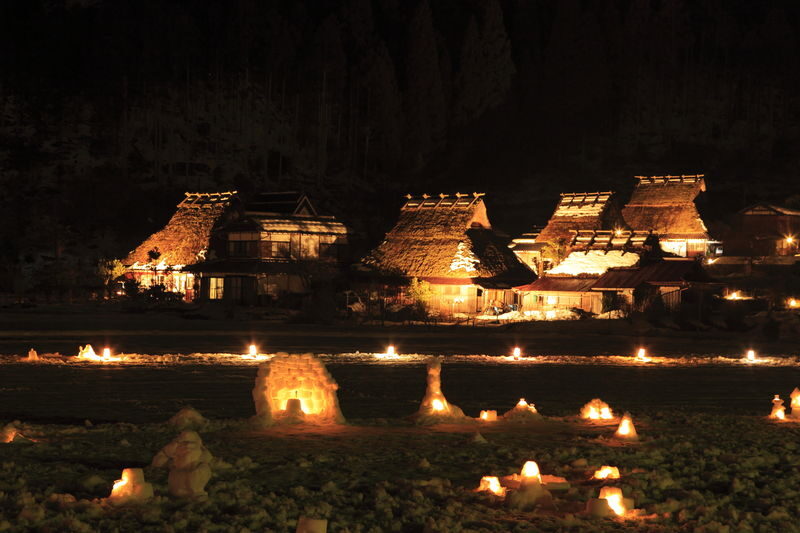
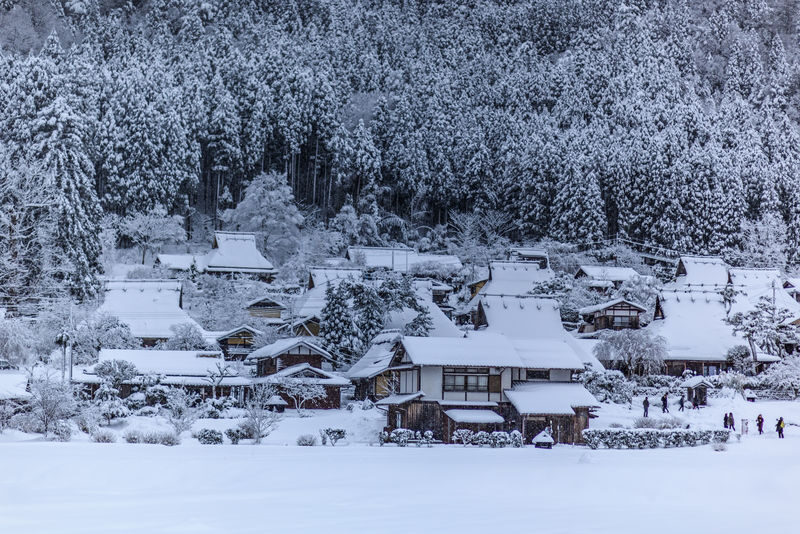
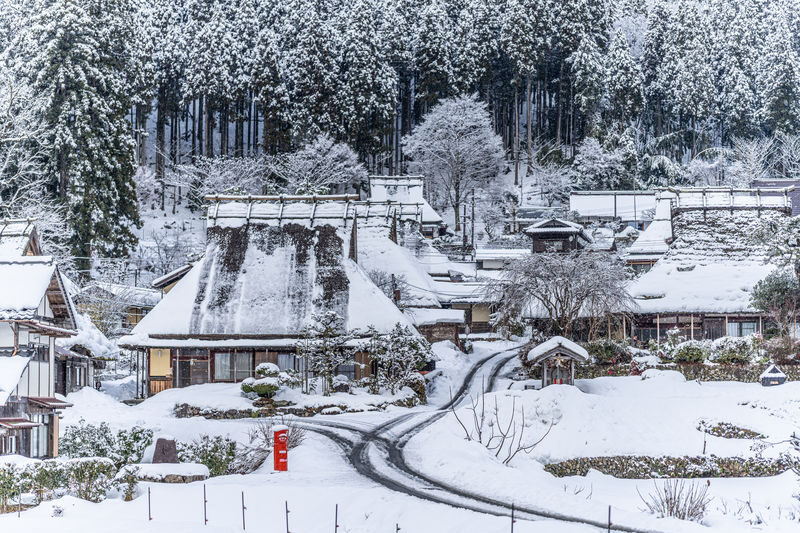
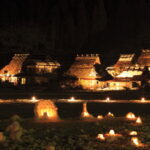
This tour’s appeal lies in the contrast between Kayabuki no Sato’s old thatched roofs and the small points of light scattered through the winter dark. The festival features more than 900 lanterns and 18 illuminated thatched houses. If snow has fallen, it adds a soft white frame to the scene. If it has not, the lanterns and traditional buildings still provide the evening’s central attraction.
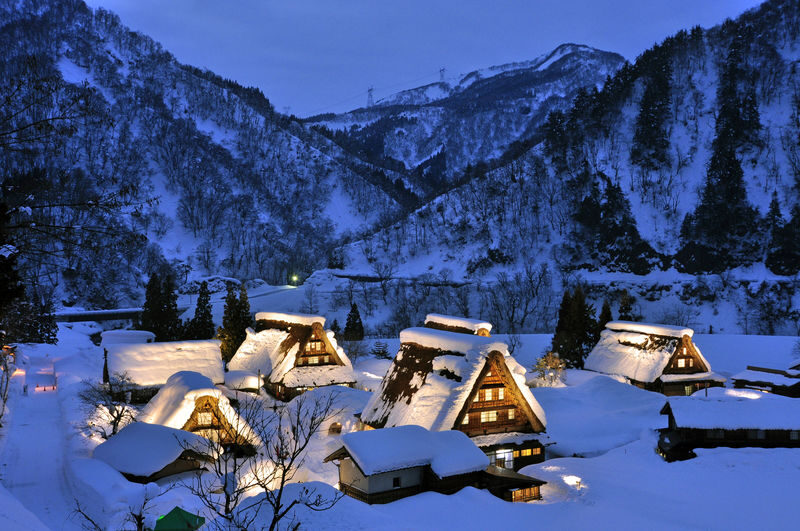
I would book this for the village and its winter illumination, not on the assumption that you will find deep snow. One January visit was described as having no snow at all, while other January dates brought snowy views. That difference can change the mood and the photographs, so keep your expectations flexible.
The night is also cold. One visitor who loved the scenery stressed just how chilly it was, and that is sensible advice. Bring gloves, a scarf, a warm coat, and shoes that can handle cold or snowy ground. Standing outside to watch lanterns and take photos is less fun when your toes have given up first.
You can also read our reviews of more tours and experiences in Nantan
What the Namba itinerary actually covers
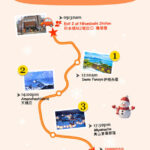
The Namba version begins at 12:30 at the OCAT Building, 1 Chome-4 Minatomachi, in Osaka’s Naniwa Ward. Look for the person holding a yellow LIMON flag and arrive at least 10 minutes early. The tour information says late arrivals and no-shows are not refundable, so this is not a good day to test how long it takes to find the meeting point.
The listed route is a Miyama day trip, with a stop at Miyama Megumi Milk Studio and an evening visit to Kayabuki no Sato. Although the broader tour description mentions Amanohashidate and Ine no Funaya, they are not included in the Namba itinerary provided here. If those coastal sights are your reason for booking, confirm the exact package route before paying.
The Namba schedule returns to Osaka Namba at about 21:50. Traffic and weather can shift the timing, particularly in winter. This is a substantial outing, but the bus handles the trip to and from rural Miyama, sparing you the work of arranging transfers or driving on winter roads.
There are also Umeda and Kyoto departure options at the same advertised starting price of US$75.69. The detailed times and meeting points above apply to Namba, so check the details for your chosen departure rather than assuming every option follows the same schedule.
A short stop for Miyama dairy
At about 15:15, the bus stops for roughly 30 minutes at Miyama Megumi Milk Factory, also identified as the Miyama Roadside Station Store. It is a chance to stretch your legs, take a short rest, and try local dairy products. Dairy sweets are a particular draw, so this stop can be a pleasant taste of the area rather than just a restroom break.
Keep your expectations in proportion to the time. Half an hour is a quick pause, not a long meal or an in-depth visit. If you want to browse or buy something, do that early in the stop rather than assuming you will have time at the end. Personal purchases are not included in the tour price.
Three hours among the thatched houses
The main visit begins around 16:00 at Kayabuki no Sato and lasts about three hours. That block gives you time to see the village in the afternoon light, take part in the lantern activity if places remain, and stay as the evening illumination comes on. The change from daylight to dark is part of the appeal: you are not simply arriving for a quick photo and getting straight back on the bus.
The village’s thatched houses are the reason to look beyond the lantern count. The lights give the historic buildings a seasonal setting, but the houses themselves make the visit distinctive. With 18 homes illuminated and more than 900 lanterns around the village, the scene should offer plenty to look at and photograph without requiring a complicated plan.
A snow lantern-making activity is included at no extra charge, with tools provided. Arrive early within your village visit if you want to join, since places are first-come, first-served. Your lantern can then be displayed in the village. The activity adds a hands-on moment to an outing that might otherwise be mostly walking and taking pictures.
The tour information calls the visit a guided tour, and the most useful guide role here is practical as well as interpretive. Attentive introductions to the sights and help with taking photos have made a difference on past visits. No guide names are provided, so you cannot request a particular person, and the tour’s real-time translation service is worth using if you need language support.
Lantern photos, cold hands, and realistic expectations
This is a strong outing for photography, especially if you enjoy night scenes and traditional buildings. A camera or phone is useful, and a tripod may help if you want steadier low-light shots. Just remember that carrying gear through a cold evening is part of the bargain. Warm shoes and gloves are at least as important as your camera settings.
The snow is the biggest variable. A snowy village can look like a winter postcard, but the festival still has value if the ground is bare: the lanterns and lit houses remain. What you should not do is pay for this trip expecting a guaranteed snow scene. If snow is essential to your plans, the risk of a clear or relatively snow-free visit may outweigh the convenience of the tour.
The same goes for the cold. The schedule puts the longest stop in the evening, when temperatures can feel especially sharp. Dress for standing outdoors, not just for the bus ride. A warm coat, gloves, scarf, and shoes suited to winter conditions will help you stay for the illumination rather than cutting your visit short.


Does the price make sense?
At a starting price of US$75.69, the main value is transport. Miyama is a rural destination, and a round-trip bus lets you spend the day on the village visit instead of working out connections or driving in winter conditions. The price also covers the snow lantern activity, though food, dairy products, and other personal spending are extra.
The outing is not a packed sightseeing circuit. For the Namba option, the day runs roughly nine hours and twenty minutes, with a brief dairy stop and about three hours in Kayabuki no Sato. That suits you if the village illumination is the point of the trip. It is less appealing if you expect several major attractions, a long meal, or a close look at multiple towns.
A score of 3.7 out of 5 from three ratings suggests a mixed, very small sample rather than a firm verdict. The difference in experiences points to the practical issue: snowy scenery and a friendly guide can make the day feel special, while a snow-free visit can disappoint someone who booked mainly for the winter postcard. I would weigh the price against the bus convenience and the chance to see the festival, not against a promise of perfect snow.
Who should take this tour?
I would recommend it to you if you want an easy evening trip from Osaka or Kyoto, enjoy traditional architecture, and are happy to let weather shape the mood. Families can join with children aged three and up. Children from three to 12 must be accompanied by a paying adult.
It is also a good fit if you like taking photos, want to try a simple seasonal activity, or would rather ride a bus than piece together rural transport. The English and Chinese voice and text translation service can help with language access. Bring your own earphones to use it.
I would think twice if you dislike cold evenings, need a guaranteed snow scene, or want the coastal stops mentioned in the broad description. The confirmed Namba schedule is focused on Miyama. And if your priority is a leisurely meal or extensive shopping, the short roadside stop will feel more like a break than a destination.
Booking details worth checking
The tour is operated by Shinki Kanko Co., Ltd. and offers Namba, Umeda, and Kyoto departure packages from US$75.69. The schedule can change with traffic and weather. Your mobile voucher is valid only for the date and time booked, so check the departure details carefully and arrive early.
The operator may cancel in extreme weather or other unforeseen circumstances, with the choice to reschedule or request a full refund. For a customer-service question, English support is available on weekdays from 10:00 to 17:00; the listed WhatsApp contact is available in English from noon on the tour date. Travel or accident insurance is recommended, though not required.
Should you book it?
Book this tour if the thought of lantern-lit thatched houses appeals more than a tightly packed sightseeing day. The bus, free lantern-making activity, and three-hour village visit give the evening a clear purpose, while the dairy stop adds a small local-food pause. Go prepared for cold, and treat snow as a welcome extra rather than a guarantee.
Skip it if the trip only makes sense to you with deep snow or if you want Amanohashidate and Ine included. For the right expectations, this is a practical way to see Miyama’s winter village after dark without having to manage the journey yourself.
Miyama’s Thatched Village Winter Lantern Festival
“The tour guide was very attentive, introduced the sights diligently, and helped everyone take photos. The snow scenery was beautiful, and it was a…”
FAQ
Is snow guaranteed at Kayabuki no Sato?
No. Snow can make the village especially picturesque, but conditions vary, and the village may be snow-free on the tour date.
How long do you spend at Kayabuki no Sato?
The scheduled visit is about three hours, starting at approximately 16:00. The schedule may change due to traffic or weather.
Is the snow lantern-making activity included?
Yes. It is free, and tools are provided. Places are first-come, first-served, so arrive early during the village visit.
What is included in the tour price?
Round-trip transfers are included. Personal expenses and tips are not included.
What should I bring for the translation service?
Bring your own earphones to access the real-time voice and text translation service, which is available in English and Chinese.
Can children join the tour?
Yes. Participants must be at least three years old. Children aged three to 12 must be accompanied by a paying adult.