Ine’s old boat houses, Amanohashidate’s long sandbar, and Miyama’s thatched roofs make an unusually varied day out from Osaka or Kyoto. You get a fishing village, a celebrated coastal view, and a quiet rural hamlet in one trip, with transport between them taken care of.
I like the contrast between the stops, and the freedom to explore each at your own pace once the group arrives. I also like that guides including Lai, Huahua, and Joe have been praised for clear explanations, practical help, and taking photos. The main catch is the long day: distant stops, a fixed schedule, and possible weather changes leave less room to linger.
- Ine by boat: See the village’s distinctive funaya, with boat storage on the water level and homes above.
- Amanohashidate from above: Take an optional cable car or monorail to the viewpoint, then try the famous upside-down view between your legs.
- Free time with a purpose: Lunch and much of the sightseeing are self-guided, so you can choose where to eat and how to spend your stop.
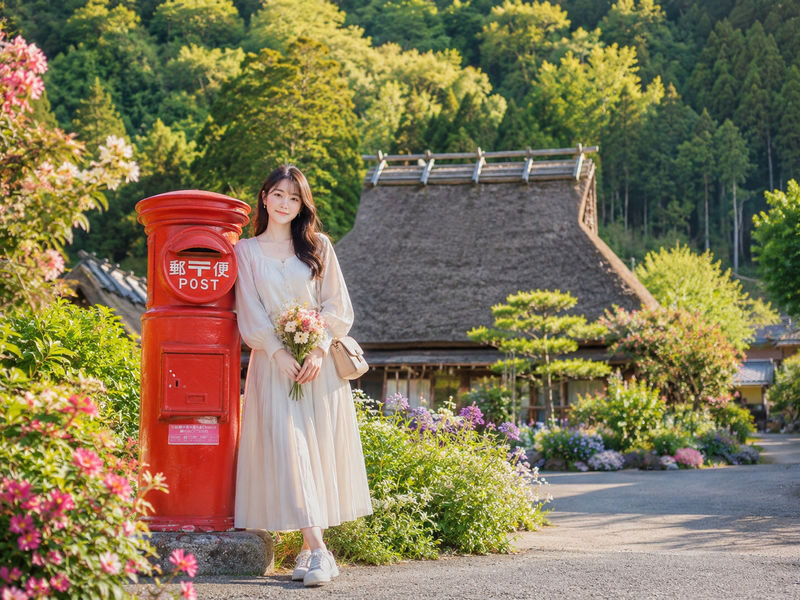
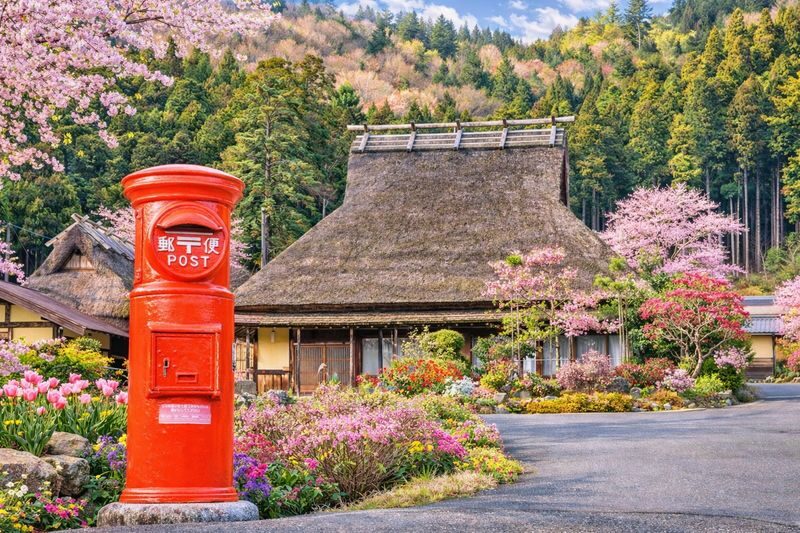
- Miyama’s lived-in village: Walk among thatched homes, fields, and the well-known red mailbox, while remembering this is a real community.
- Know your add-ons: Some plans exclude both the boat and cable car. Check the exact package before booking.
- A full day on the road: Expect an early start, several hours of driving, and a return time that can shift with traffic and weather.
- Three very different corners of northern Kyoto
- Setting out from Osaka or Kyoto
- Ine Bay and the funaya from the water
- Amanohashidate, the sandbar that flips upside down
- Miyama’s thatched roofs and quiet lanes
- Guides, pacing, and what the price covers
- Practical details before you book
- Should you book this day trip?
- FAQ
- How long is the tour?
- Where is the Osaka meeting point?
- Are the Ine boat cruise and Amanohashidate cable car included?
- Is lunch included?
- What happens at Ine Bay?
- What can I see at Amanohashidate?
- Is Miyama a working village?
- How much luggage can I bring?
- Can children join the tour?
- What is the cancellation policy?
- More Tours in Nantan
- More Tour Reviews in Nantan
- Not for you? Here's more nearby things to do in Nantan we have reviewed
Three very different corners of northern Kyoto

This tour links places that are beautiful for quite different reasons. At Ine, the appeal is a working coastal village and its unusual houses. At Amanohashidate, it is the view across a pine-covered sandbar. At Miyama, it is the slower pace of a mountain settlement where thatched roofs remain part of everyday life.
That variety makes the day worthwhile if you want to get beyond central Kyoto or Osaka but do not want to plan several rural bus connections yourself. The trade-off is distance. You cover a lot of ground, so this is not a slow country ramble or a tour with hours at every stop.
The published schedule starts around 7:20 and expects to return around 18:20, though the drive back can take longer. Think of this as a long, organized outing, not a relaxing half-day excursion.
Setting out from Osaka or Kyoto
The Osaka meeting point is in Dotonbori, by Kani Doraku Dotonbori East Store. Arrive about 15 minutes early and look for staff wearing an Easy Go vest or logo. The group leaves on time, and late arrivals or no-shows are not refunded.
Departure options vary. Some packages start in Osaka, others in Kyoto, and the available inclusions differ. The Osaka direct-to-Ine option, for example, excludes the boat and cable car. Other packages include one or both, while some let you choose a version without them. Read the package name carefully, rather than assuming the headline price covers every activity.
The transport is shared. For groups of four to 13, the vehicle may be a car or minivan; larger groups may travel by minibus or coach. Vehicle size depends on the day’s numbers. One account described a small, older vehicle and a bumpy ride on mountain roads, while others found their minivan comfortable and spacious. If you are tall, traveling with children, or sensitive to winding roads, keep that variation in mind.
The guide may also be the driver in a small group. With larger groups, a separate driver and guide may be assigned. English and Chinese-speaking guide service is advertised, but the actual language arrangement can vary with the group, so a specific language is not guaranteed.
You can also read our reviews of more tours and experiences in Nantan.

Ine Bay and the funaya from the water
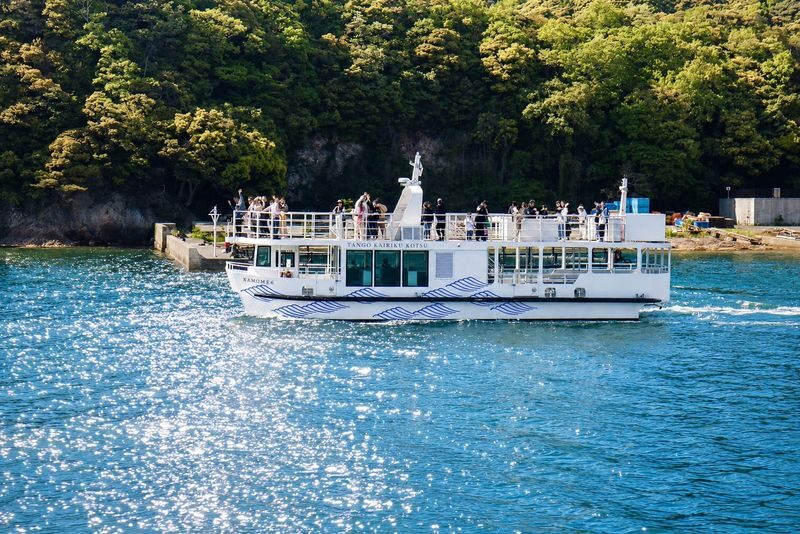
The first major stop is Ine, a seaside settlement known for its funaya, or boat houses. More than two hundred line the waterfront. Traditionally, the lower level is used to store boats, with living space above, so the buildings meet the sea in a way that gives the village its distinct character.
The sightseeing boat offers a useful view of the row of houses from the bay. It is a gentle way to take in the setting, and on some trips the boat ride has included feeding seagulls. That depends on the boat service and conditions, so treat it as a possible extra rather than a promise.
The cruise costs about 1,200 yen when it is not included in your selected package. Weather or capacity can affect whether it operates. In heavy snow, for example, the boat may not run. If seeing the village from the water is a priority, choose a package that includes the cruise, but remember that inclusion cannot override a weather cancellation.
The stop is relatively short compared with the time spent travelling. That is enough to get a sense of Ine and take in the bay, but you may wish you had longer to walk the village. Stay alert to the meeting time, especially if you leave the waterfront to explore.
Amanohashidate, the sandbar that flips upside down
Amanohashidate is one of Japan’s Three Scenic Views. Its long, narrow sandbar stretches across the bay, lined with pine trees. From the right viewpoint, it appears to rise toward the sky, which is why the famous view is called Hiryu-kan, or Flying Dragon View.
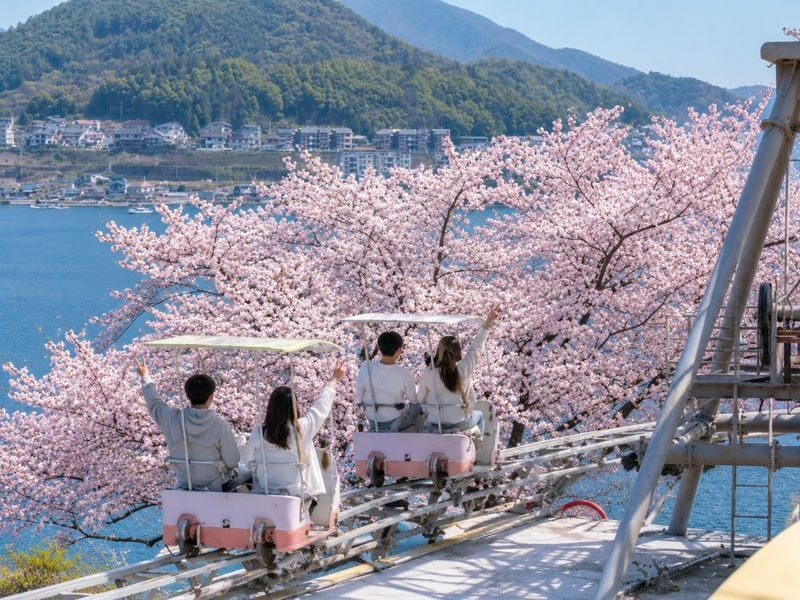
To see it from above, you can take a cable car or monorail up Monju Mountain. The general ticket costs about 1,000 yen if it is not included in your package. The chairlift is another option mentioned on some departures. The ascent is part of the fun, but fog, rain, or snow can obscure the view. If the weather turns, the viewpoint may not deliver the postcard scene you hoped for.
At the top, try matanozoki: bend forward and look at the sandbar upside down between your legs. It is a playful local custom, and the reversed view can make the sandbar seem to float in the sky. You do not need to take it too seriously. It is a simple, memorable way to see a familiar view differently.
The schedule also gives you time to visit Chion-ji Temple, draw a fan-shaped fortune, and try chiezuke, a sweet rice cake associated with wisdom. Nearby, the rotating bridge at Kaisenkyo turns to let boats pass. The bridge, temple, viewpoint, and lunch options all compete for your time, so decide what matters most before setting off from the bus.
Lunch is at your own expense, with time to choose a restaurant nearby. Some people bring a snack or meal to save time for the viewpoint and temple. That can be practical, especially if the stop feels short, but leave room to enjoy a local meal if that is part of the appeal for you.
A common pinch point is trying to do everything at Amanohashidate. The viewpoint, a walk by the sandbar, temple, bridge, and lunch make a full menu for a limited stop. I would prioritize the viewpoint and one or two nearby sights rather than race through every option. If you want a long, unhurried visit, a self-drive trip or a separate overnight stay will suit you better.
Miyama’s thatched roofs and quiet lanes
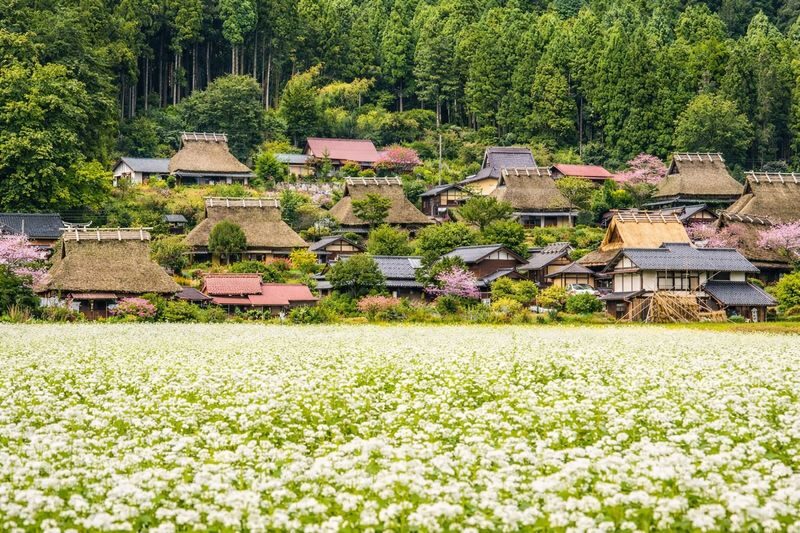
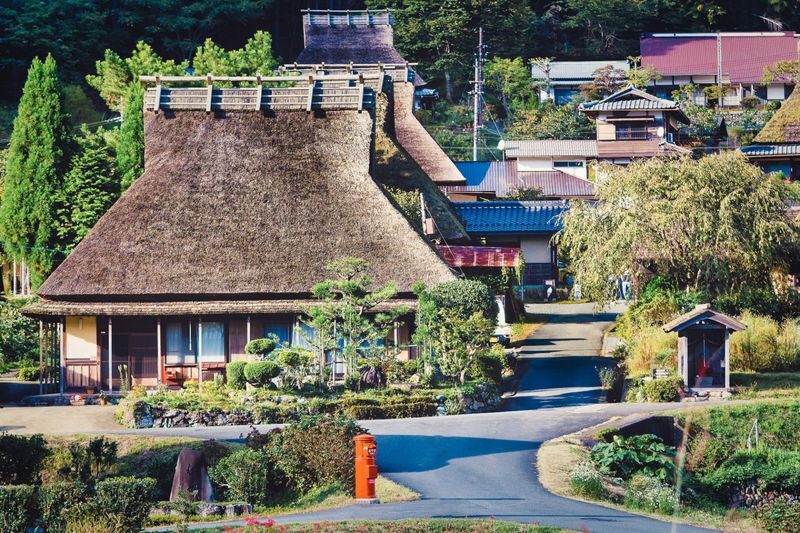
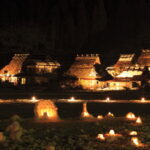
The final stop is Miyama Kayabuki no Sato, a village of traditional thatched-roof houses. It is often grouped with Shirakawa-go and Gokayama among Japan’s notable thatched villages, but Miyama has its own quieter, rural feel. Residents still live here, so treat the lanes and homes as a neighborhood, not a film set.
The red mailbox, thatched roofs, and surrounding fields are the classic photo subjects. The village changes with the seasons: spring blossoms, summer greenery, autumn color, and winter snow. Snow can make the roofs especially striking, but winter weather can also affect roads and other parts of the itinerary.
Allow time to stroll rather than treating Miyama as a quick photo stop. The village is small, and the visit is self-guided, so you can move at your own pace within the allotted time. Some shops may close by late afternoon, so do not leave food or shopping until the last minutes. Miyama milk soft-serve is a local treat when available, but opening hours and seasonal conditions can affect what you find.
The village’s charm is its lived-in quality and calm, not a long list of attractions. If you expect a large heritage complex or a full afternoon of activities, you may find the stop modest. If you enjoy traditional architecture and a short walk through a rural settlement, it makes a fitting end to a day of contrasting scenery.
Guides, pacing, and what the price covers
The starting price is listed from $51.15, but that figure needs context. Round-trip transport, tolls, parking, and fuel are included, along with guide service. The boat, cable car, meals, drinks, and personal purchases may cost extra, depending on the package you book.
For a rough budget, add about 1,200 yen for the Ine boat and 1,000 yen for the Amanohashidate cable car if they are not covered. Food and drinks are on top of that. Check whether your plan includes neither, one, or both before comparing prices. A slightly higher package price may be better value if it includes the activities you already intend to do.
The value lies largely in not having to coordinate rural transport between three far-flung stops. The service turns several separate journeys into one day with a set schedule. That convenience matters if you have limited time in Japan, or if figuring out local connections feels like a chore. It matters less if you prefer complete control over your pace.
Guides have received praise for being friendly, organized, and helpful with explanations and photos. Lai, Huahua, and Joe are names associated with especially warm accounts, but the assigned guide changes. Treat those names as examples of the service style, not a guarantee of who will lead your departure. Commentary may be secondary to driving when one person handles both jobs.
The schedule is fixed enough to keep the day moving, but sightseeing is mostly self-guided. That is a useful balance if you like hearing context and then wandering on your own. It also means you should listen closely to meeting instructions and return on time. The shared vehicle will not wait for late arrivals at stops.
Practical details before you book
The tour requires at least six participants. If the minimum is not met, you may be offered another date or a full refund. The operator may also cancel if numbers fall below the minimum close to departure.
One standard-sized piece of luggage per person is allowed. Additional pieces cost 2,000 yen each and must be noted in advance; without notice, boarding may be refused. Children aged three and older pay the adult rate. Children under three can join free, but need to be declared in advance and sit on a guardian’s lap without a separate seat.
Weather can change the order of activities or make outdoor stops and the boat unavailable. The operator may adjust or reduce parts of the schedule for safety or other conditions, and there is no refund for changes caused by weather, traffic, holidays, or crowds. Pack for the season, wear comfortable shoes, and keep a light layer handy.
If you choose a Kyoto departure, a teamLab Biovortex visit may be possible after the tour, depending on the plan and drop-off. The museum is listed as open until 21:00, with last entry at 19:30, and a visit is best given 1.5 to 2 hours at minimum. Its full recommended visit is longer, so buy tickets in advance only if your timing and energy allow. Do not assume the Osaka departure includes this option.
The published Osaka return estimate is 18:20, but traffic and weather can push it later. Avoid booking another activity for that evening. If you cancel, the stated terms allow a full refund when you do so at least 24 hours before the activity date; late arrivals and no-shows are not refunded.
Should you book this day trip?
Book it if you want to see Ine, Amanohashidate, and Miyama in one day without organizing the transport yourself. The mix of boat houses, a famous coastal viewpoint, and traditional homes is unusually varied, and the guide can make the day easier to navigate.
Skip it if you want long, quiet visits, dislike a tightly timed group schedule, or need certainty about the boat and viewpoint in all weather. For most people with a free day and an appetite for a long ride, the strongest value is simple: three far-apart places become manageable in one outing. Choose the package with care, budget for any excluded activities, and leave your evening open.
Amanohashidate & Ine Bay Sightseeing Boat & Kyoto Miyama Thatched Village One-Day Tour (Departing from Osaka/Kyoto)
“This trip truly left a deep impression on me. Every place we visited was breathtaking. Tour Guide Lai took wonderful care of us and gave us plenty…”
FAQ
How long is the tour?
The tour is scheduled for about 11 hours, with a departure around 7:20 and an expected return around 18:20. Traffic and weather can delay the return.
Where is the Osaka meeting point?
Meet at the front of Kani Doraku Dotonbori East Store, at 1-3 Dotonbori 1-chome, Chuo-ku, Osaka. Arrive about 15 minutes early.
Are the Ine boat cruise and Amanohashidate cable car included?
That depends on the package. Some options include both, while others exclude them. When not included, the boat is about 1,200 yen and the cable car general ticket is about 1,000 yen.
Is lunch included?
No. The tour provides time for a self-guided lunch, and you pay for your own meal and drinks.
What happens at Ine Bay?
You can take a sightseeing boat to view Ine’s funaya boat houses from the water. The cruise may be affected by weather or capacity.
What can I see at Amanohashidate?
You can visit the viewpoint by cable car or monorail, try the upside-down matanozoki view, and explore Chion-ji Temple and the rotating bridge, depending on time and conditions.
Is Miyama a working village?
Yes. Miyama Kayabuki no Sato is a village where people still live. Visitors should respect the homes and local community while walking around.
How much luggage can I bring?
Each person may bring one standard-sized piece of luggage. Extra pieces cost 2,000 yen each and should be declared when booking.
Can children join the tour?
Children aged three and older pay the adult rate. Children under three can join free if declared in advance, but they do not receive a seat and must sit on a guardian’s lap.
What is the cancellation policy?
A full refund is available if you cancel at least 24 hours before the activity date. Late arrivals and no-shows are not refunded.