A trip from Tokyo’s fish stalls to Miyajima’s sea-level shrine gate gives you a quick sweep through some of Japan’s most memorable sights. I like the contrast between the big-city stops and the quieter, more reflective hours at Hiroshima’s Peace Memorial Park.
I also like that the tour handles much of the transport and admission planning, and includes a guide throughout. The trade-off is a packed route with long coach rides, one brief shinkansen journey and no overnight in Kyoto, so you’ll see a lot but have limited time to linger.
- The highlights at a glance
- A fast route through Japan’s main sights
- Tokyo: a market, a skyline and old Asakusa
- Mount Fuji: views first, context second
- Iga and Osaka: ninja stories, castle walls and neon
- Kyoto: four famous sights, one long day
- Himeji and Hiroshima: a castle, an island and a memorial
- What the price covers, and what it doesn’t
- Who will get the most from this tour?
- Should you book it?
- FAQ
- Does the tour include international flights?
- Where does the tour start and finish?
- How many people are in the group?
- Are meals included?
- Is the shinkansen used for the Hiroshima-to-Osaka journey?
- Are single rooms available?
- The Best Of Tokyo!
- More Tours in Tokyo
- More Tour Reviews in Tokyo
- Not for you? Here's more nearby things to do in Tokyo we have reviewed
The highlights at a glance
- Tsukiji’s food stalls: You have time to look around the outer market and choose seafood or sushi from the area’s restaurants and stalls.
- Mount Fuji from Gotemba: The peace park offers mountain views, while the World Heritage Centre adds context about Fuji’s geology and place in Japanese art.
- Iga’s ninja museum: A distinctive stop on the way to Osaka, focused on the history and culture of ninja in feudal Japan.
- Kyoto in one day: Visit Fushimi Inari, Arashiyama and Kinkaku-ji, but expect a full schedule and a return to Osaka that evening.
- Himeji and Hiroshima: See Himeji Castle en route, then visit Miyajima’s Itsukushima Shrine and Hiroshima’s Peace Memorial Park.
- A guided group format: English-language guiding, daily breakfast and coach transportation simplify the route, though group size can reach 40.

👉 See our pick of the 25 Best Guided Tours In Tokyo
A fast route through Japan’s main sights
This nine-day trip links Tokyo, the Mount Fuji area, Hamamatsu, Osaka, Kyoto, Himeji and Hiroshima. It suits you if you want a guided overview of several regions without arranging every train, hotel and entry ticket yourself.
The pace is brisk. You’ll change hotels several times, spend substantial time on the road and cover Kyoto as a day trip from Osaka. The itinerary makes room for major landmarks, but it is not designed for slow mornings or long, unplanned explorations.
The tour starts in Tokyo and ends in Osaka. The first night is planned at Hotel Mystays Premier Narita or a similar three-star hotel, in Narita rather than central Tokyo. You make your own way there, so check your arrival airport and transfer plans before booking. The tour does not include airport transfers or flights.
You can also read our reviews of more tours and experiences in Tokyo.



Tokyo: a market, a skyline and old Asakusa
Day 1 is deliberately light: arrive, reach the hotel independently and rest. That is useful after a long flight, but the Narita hotel location means you should not assume you’ll be able to stroll into central Tokyo that evening.
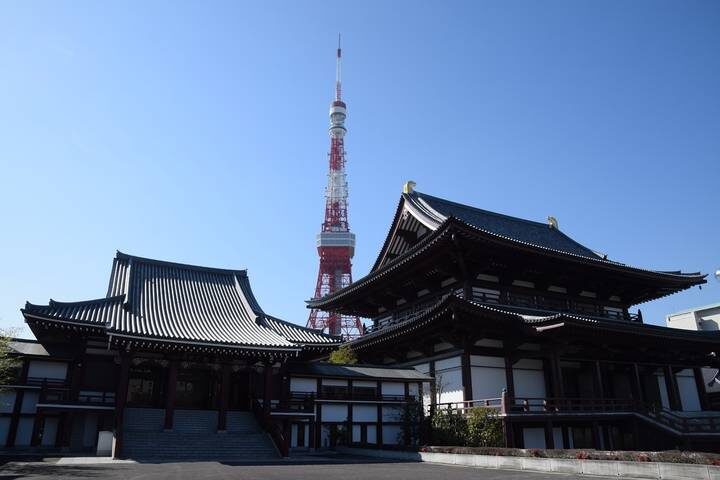
On Day 2, the group visits Odaiba, the Tsukiji Fish Outer Market, the Tokyo Metropolitan Government Building and Asakusa. Odaiba’s views take in Tokyo Harbour, Rainbow Bridge and a replica Statue of Liberty. Tsukiji is the practical food stop: browse produce and seafood, then buy a snack or sit down for sushi or sashimi if time allows. Those meals are at your own expense.
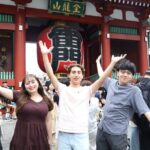
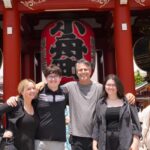
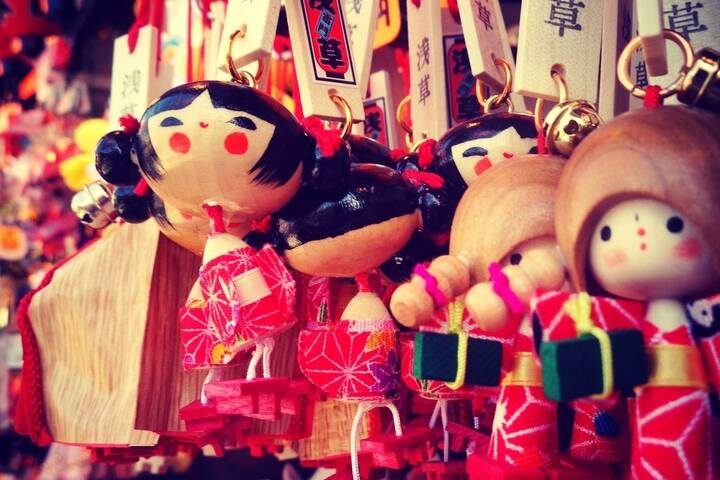
The observation deck at the Tokyo Metropolitan Government Building is about 200 metres up, giving you a broad view over the city. In Asakusa, Kaminarimon’s giant lantern marks the entrance to Nakamise-dori, a shopping street leading toward Sensoji, also called Asakusa Kannon Temple. It’s a good place to pick up a traditional snack or souvenir, though it can be crowded.
This is a lively first touring day with several stops, not an in-depth Tokyo visit. Your hotel shifts to Loisir Hotel Shinagawa Seaside or a similar property for the night. The named hotel is in Shinagawa, so expect a different base from the first night.
Mount Fuji: views first, context second
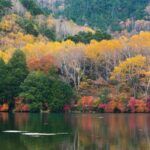
Day 3 heads toward the Mount Fuji area. Gotemba Peace Park is the scenic stop, with views of the mountain when conditions cooperate. Fuji can be hidden by cloud, so treat the view as a possibility rather than a promise. One person on a September departure found this part disappointing, a useful reminder that weather has the final say.
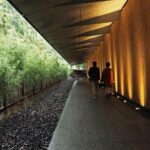
The next stop, the Mt. Fuji World Heritage Centre, gives the day more substance than a photo stop alone. Architect Shigeru Ban designed the distinctive cone-shaped building, with a wooden lattice exterior. Inside, exhibits cover Fuji’s geology and history, as well as its cultural presence in Japanese art and literature.
Afterward, the coach continues to Hamamatsu, where the evening is free. Hotel Crown Palais Hamamatsu or a similar three-star property is planned. Hamamatsu is a practical overnight stop, but the evening is not a guided food or sightseeing outing. Restaurant options near the hotel may be limited, especially after a late arrival, so ask the guide about dinner choices before the coach sets off or keep a convenience-store meal in mind.
Iga and Osaka: ninja stories, castle walls and neon
The route to Osaka includes the Iga-ryu Ninja Museum, which explores ninja history and culture. It is a change of pace from the grand temples and castles, and one of the itinerary’s more unusual stops. The tour description does not specify how long you’ll have there, so don’t count on an extended visit.
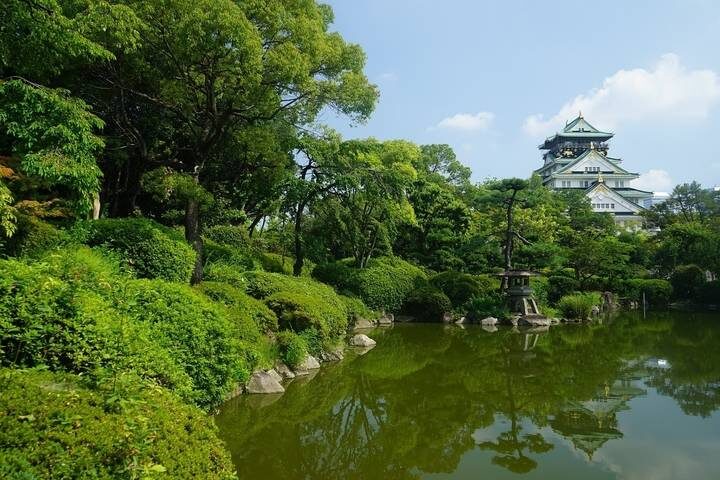
Osaka Castle follows. Built by Toyotomi Hideyoshi in 1583, it is tied to Japan’s unification in the late 16th century. The grounds and fortress are substantial, but timing matters: a rushed visit near closing can leave little time to understand the place. If the castle is a priority, ask early how much time is planned inside and whether the tour’s entrance arrangements are confirmed.
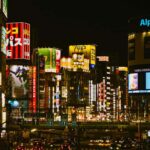
The day ends in Dotonbori, where huge signs, including the Glico running man and Kani Doraku crab, make the district easy to recognize. This is a good place to explore on foot, browse shops and choose your own dinner. You stay at Hotel it Osaka Shinmachi or a similar three-star hotel. The Osaka hotel is used again on several nights, which cuts down on repeated packing.
Kyoto: four famous sights, one long day
On Day 5, the group travels from Osaka to Kyoto by shinkansen, then visits Fushimi Inari Taisha, Arashiyama Bamboo Grove, Togetsukyo Bridge and Kinkaku-ji, the Golden Pavilion. The rail ride is included, but it is only a short Osaka-to-Kyoto segment, not a long cross-country journey. The itinerary is ambitious for one day.
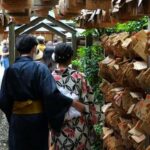
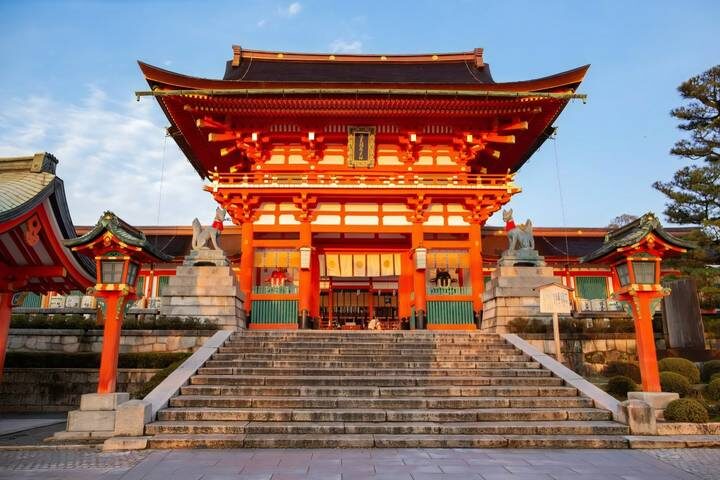
Fushimi Inari is known for its thousands of red torii gates winding up forested Mount Inari. You can walk through a section of the gates and visit the shrines along the route. The full mountain walk takes much longer than a quick group stop, so expect to sample the place rather than cover every path.
Arashiyama’s bamboo grove is striking, but its compact, popular path can feel busy. Nearby Togetsukyo Bridge looks over the Katsura River and surrounding hills. The final stop, Kinkaku-ji, is famous for its gold-leaf-covered exterior reflected in a pond. It’s a carefully framed view, but the visit follows a set path and can be short when the schedule is tight.
You return to Osaka rather than sleeping in Kyoto. That saves a hotel move, but it means you miss the chance to explore Kyoto in the evening or return to a favorite temple the next morning. If Kyoto is your main reason for going to Japan, consider a tour with an overnight there or plan a separate stay.
Day 6 is free in Osaka or the surrounding area. This break is welcome after several full touring days. Use it to rest, explore independently or catch up on the Osaka neighborhoods you missed. The tour does not specify optional guided activities for the day.


Himeji and Hiroshima: a castle, an island and a memorial
Day 7 takes you from Osaka toward Hiroshima, stopping at Himeji Castle. Often called the White Heron Castle, it is one of Japan’s best-preserved original medieval castles. Its scale and white exterior make it a standout, but the interior involves steep stairs. Wear shoes you can manage on steps, and ask the guide what to expect before entering. The castle visit is included, though the amount of time available will shape how much you can see.
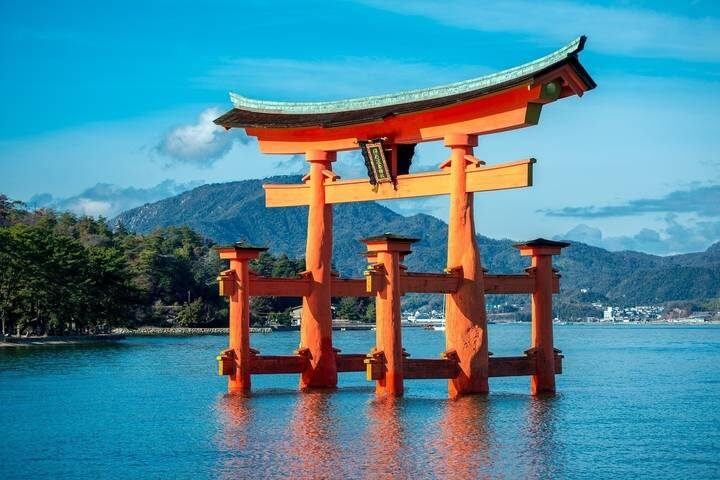
You continue to Hiroshima and stay at HOTEL MYSTAYS Hiroshima Peace Park or a similar three-star hotel. Day 8 begins with Miyajima Island and Itsukushima Shrine, whose torii gate appears to float when the tide is high. The effect depends on the tide, so the view will not look identical at every visit. The shrine and island setting offer a striking change of mood from the city’s memorial sites.
Back in Hiroshima, the group visits Peace Memorial Park and the Atomic Bomb Dome, which preserve the memory of the 1945 bombing and its victims. These are places to give time and attention, not just photograph. The schedule then returns to Osaka by coach. The drive is long, and the combination of a full day and several hours on the road may feel tiring.
That return journey is the tour’s clearest transport compromise. One account of the route described the drive as nearly five hours and suggested that the shinkansen would be more comfortable. The listed rail inclusion is only the short Osaka-to-Kyoto trip, so check the current transport plan if avoiding a long coach ride matters to you.
What the price covers, and what it doesn’t
Prices start at $2,025, based on the cheapest room option and twin or double sharing. For eight hotel nights, daily breakfast, a professional guide, coach transport, the Kyoto shinkansen ride and monument admissions listed in the itinerary, that can be reasonable value if you want a largely organized trip. The price does not include international or domestic flights, travel insurance, airport transfers, optional activities, lunches, dinners or personal spending.
Single rooms cost extra. The amount can vary, so request a current quote rather than relying on an old departure’s price. The tour is listed as a group of 20 to 40, with the operator generally aiming for about 20. A larger group can mean more time gathering and boarding, especially on a tight sightseeing day.
The listed accommodation is three-star, but location and condition can vary by property. The Osaka hotel, Hotel it, received particularly strong praise for its accommodation, location, service and food. Other practical feedback has pointed to older rooms at some hotels and properties in residential areas rather than central districts. Breakfast quality may also vary. Treat the named hotels as examples, since similar properties may be substituted.
The operator’s category ratings are strongest for transport and guiding, but individual tour quality can differ. A guide named Susanna received particular praise; that does not guarantee she will lead your departure. Other accounts describe limited commentary, late starts, unclear hotel-arrival instructions and problems with vehicle comfort or communication from the back of the bus. Ask how updates are shared, whether the guide will explain sites on foot, and what vehicle is planned for your group.
Who will get the most from this tour?
I’d consider this trip if you have nine days, want an English-speaking guide and value seeing several headline sights over spending long stretches in one city. Families and first-time visitors may appreciate the organized transfers and included entries. The stated physical rating is low intensity, but that does not mean every stop is effortless: Himeji Castle has steep stairs, and days can involve plenty of walking and long periods in a coach.
It is less suited to you if Kyoto deserves several days, if you want detailed cultural commentary at every stop, or if long bus journeys are a deal-breaker. Hiroshima is especially worth seeing, but the return to Osaka after Miyajima and the memorial sites makes Day 8 a demanding one. Ask for the exact departure schedule, hotel names, coach arrangements and daily timing before paying.
Should you book it?
Book this tour if your priority is a guided sampler of Japan’s major sights, with hotels and intercity transport arranged for you. The combination of Tokyo, Fuji, Kyoto, Himeji and Hiroshima is compelling, and the included admissions and breakfasts add practical value.
Skip it, or compare it with a slower itinerary, if you want more time in Kyoto or Hiroshima, dependable long-distance rail travel, or extensive cultural explanation from your guide. Before booking, confirm the departure date, room type, first-night hotel location and how the long Hiroshima-to-Osaka return is handled. Those details will tell you whether this brisk overview fits the way you like to travel.
9 Days Highlights of Japan with Hiroshima by Tomato Travel
“My Fuji visit was disappointing. Susanna was a great guide.”
FAQ
Does the tour include international flights?
No. International and domestic flights are not included. You also make your own way to the first hotel and to the airport at the end.
Where does the tour start and finish?
The tour starts in Tokyo and ends in Osaka. The first night is planned at Hotel Mystays Premier Narita or a similar hotel in Narita.
How many people are in the group?
The maximum group size is 40. The operator says it usually aims for about 20 people.
Are meals included?
Breakfast is included each day. Lunches, dinners and personal food purchases are not included.
Is the shinkansen used for the Hiroshima-to-Osaka journey?
The listed shinkansen ride is from Osaka to Kyoto. The Hiroshima-to-Osaka return is described as coach transport.
Are single rooms available?
Yes. Twin or double share is the default price basis, and a single supplement applies for solo room occupancy. Check the current supplement when requesting a quote.