Japan packs a remarkable range into this route: Kyoto’s red shrine gates, Nara’s free-roaming deer, a possible snow-monkey sighting and, if the weather cooperates, Mount Fuji above Lake Kawaguchi. By the time you reach Tokyo, you’ve crossed from old temple towns to a huge modern capital.
I like the mix of guided visits to important sites and free time to choose your own pace, especially in Kyoto and Tokyo. I also like that the route reaches beyond the big cities to Kanazawa and the Japanese Alps. The trade-off is a tight schedule: long bus rides and packed sightseeing days leave limited time to linger or eat a leisurely lunch.
At a glance
- Kyoto’s signature sights: See the Golden Pavilion, a Zen garden and Fushimi Inari’s thousands of red torii gates.
- A full route across Honshu: Travel from Osaka through Nara, Kanazawa, Nagano and the Fuji region to Tokyo.
- Snow monkeys, with a weather caveat: Jigokudani requires a walk on forest paths and stairs, and snow or ice can force a change of plan.
- German-speaking guidance: A local guide accompanies the group from day 2 to day 11; group size is 20 to 38.
- Several optional excursions: Hiroshima and Miyajima, Takayama and Shirakawa-go, and Nikko offer ways to add more, at extra cost.
- Check the meal details: The information gives conflicting answers about whether breakfast is included, so confirm what your departure price covers.
- Kyoto’s temples reward a focused eye
- Nara’s Buddha and deer make a memorable stop
- Kanazawa offers gardens, with an optional Alps detour
- Nagano and the Fuji region bring a change of pace
- Tokyo shifts from shrine forest to city views
- The guide is a major part of the value
- What the price covers, and what to confirm
- Is Japan Bonsai the right fit for you?
- FAQ
- Where does the tour start and end?
- Is the tour conducted in English?
- Are flights included?
- Are airport transfers included?
- Are meals included?
- What is the group size?
- How physically demanding is the tour?
- Which optional excursions are available?
- Is travel insurance included?
- What is the single-room supplement?
- The Best Of Osaka!
- More Tours in Osaka
- More Tour Reviews in Osaka
- Not for you? Here's more nearby things to do in Osaka we have reviewed
Kyoto’s temples reward a focused eye

After flying from Frankfurt to Osaka, you meet your guide and transfer by bus to Kyoto. The first day on the ground is mainly a travel and settling-in day, so don’t expect a full sightseeing program straight after landing. The tour begins in earnest on day 3.
Kyoto’s guided day takes in the Imperial Palace Gosho grounds, Kinkakuji (the Golden Pavilion), a Zen garden and Fushimi Inari Shrine. Each stop has a distinct feel: the palace grounds offer space and historical context, Kinkakuji pairs its gold-covered pavilion with carefully arranged gardens, and the Zen garden invites you to pause rather than tick off another sight. At Fushimi Inari, the path runs beneath thousands of red gates. You can walk part of it without needing to complete the whole route.
That’s a full day, and the stops are not close together in spirit or scale. The guide can help explain what you’re seeing, but you may wish for more time at some sites. One participant described the schedule as so packed that there was little time to enjoy places or have lunch in peace. Build in that possibility, and carry water and a snack rather than counting on a long meal break.
Day 4 gives you a choice. You can stay in Kyoto and explore independently, or pay for an optional Shinkansen excursion to Hiroshima and Miyajima. Hiroshima’s Peace Park is an important stop, while Miyajima is known for its celebrated torii gate by the water. The high-speed train is an appealing way to cover distance, but the excursion means adding a long day to an already busy trip. Confirm the cost and exact program before you book.
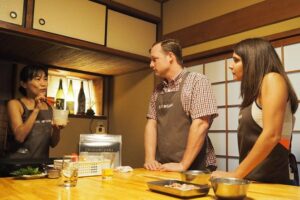
👉 See our pick of the 24 Best Workshops And Classes In Osaka
Nara’s Buddha and deer make a memorable stop
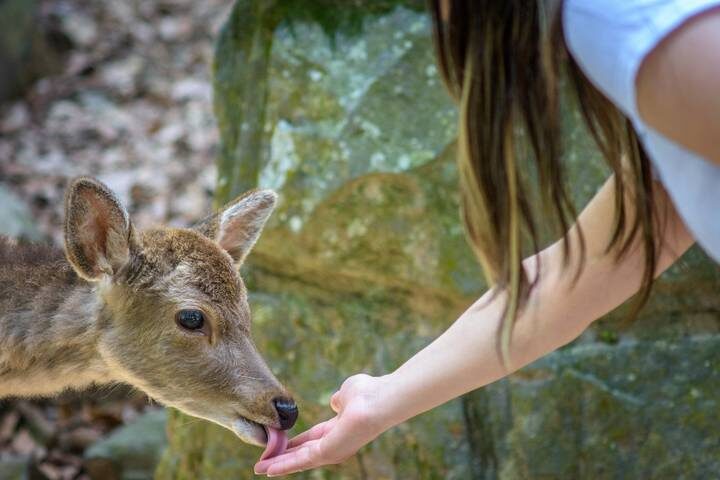
On day 5, the coach takes you to Nara, Japan’s former capital. At Todai-ji, the main draw is the enormous seated bronze Buddha. Then you walk through Nara Park, where sika deer roam freely. It’s a striking combination of sacred site and everyday public space, and a welcome change of scene after several temple visits.
The stop is followed by a bus journey north to Kanazawa. This is one of the route’s longer transitions, so think of the day as sightseeing plus travel, not a leisurely Nara visit followed by a relaxed evening. You have free time after reaching Kanazawa, but how much you get will depend on the day’s timing.
You can also read our reviews of more tours and experiences in Osaka.



Kanazawa offers gardens, with an optional Alps detour
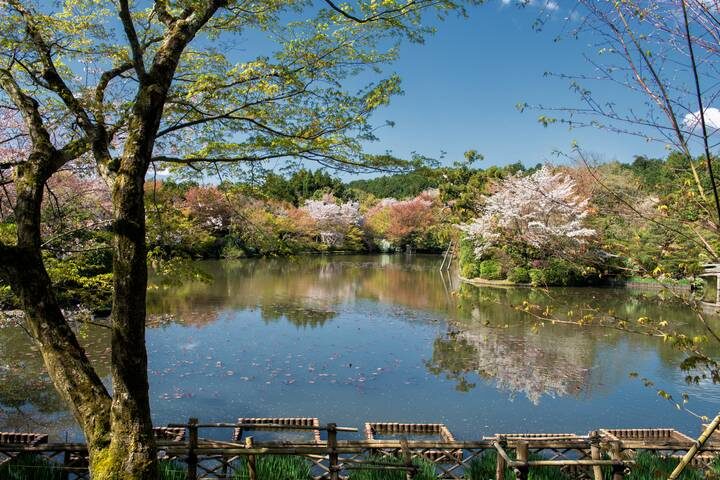
Kanazawa’s main included sightseeing comes on day 7, with a visit to Kenrokuen, one of Japan’s three celebrated landscape gardens, and the grounds of Kanazawa Castle beside it. The garden is a useful contrast to Kyoto’s temple settings: here, the appeal is the considered arrangement of paths, water and plantings. If gardens are a priority for you, this is one of the tour’s most worthwhile stops.
Day 6 is free for your own plans, or you can join an optional excursion to Takayama and Shirakawa-go. Takayama is known for its old town and mountain setting; Shirakawa-go is a UNESCO World Heritage Site. The extra trip adds variety, but it also means choosing another organized day rather than resting or exploring Kanazawa at your own pace. The package information names a Kyoto and Nikko excursion package at €255, but does not clearly explain how that price relates to every optional trip. Ask what is included before deciding.
Nagano and the Fuji region bring a change of pace
After Kanazawa, the coach continues to Nagano, where you visit Zenkoji, one of Japan’s oldest temples. A distinctive feature is the pitch-black underground passage beneath the temple. You feel your way through its dark labyrinth, a simple but memorable break from looking at buildings and gardens from the outside.
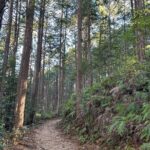
The next morning brings Jigokudani Monkey Park near Yamanouchi. Reaching the monkeys involves about a 30-minute walk each way on forest trails and stairs. You may see Japanese macaques bathing in the hot springs, but it depends on conditions and luck. Snow and ice can make the trail impassable, in which case an alternative program is offered. If walking on uneven ground is difficult for you, take this into account when assessing the tour’s medium activity rating.
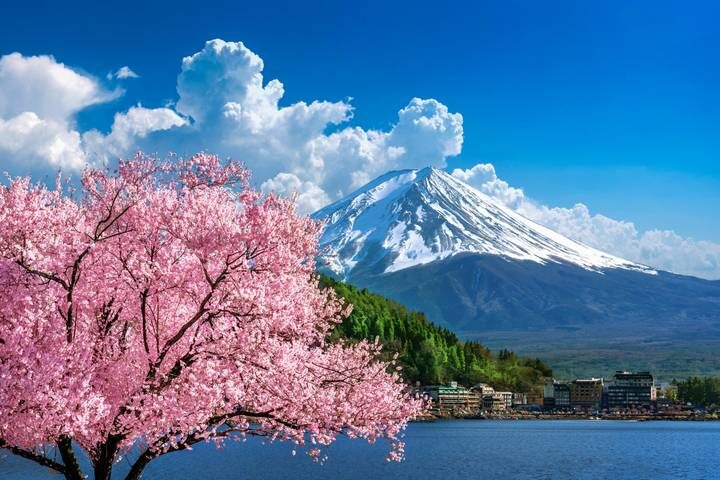
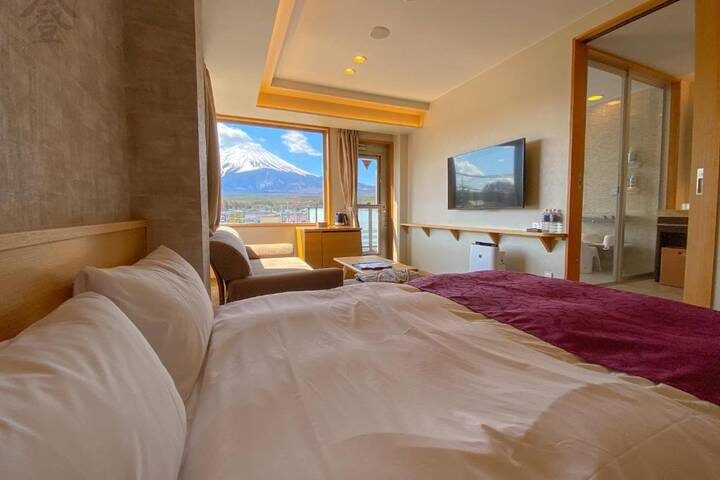
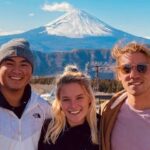
From there, the bus continues to the Mount Fuji Five Lakes region. At Lake Kawaguchi, the view of Fuji depends on the weather. Clear skies can make this one of the trip’s finest photo stops; cloud can hide the mountain entirely. The hotel has a Japanese onsen, so you can end the day with a hot spring bath. Bring the right swimwear expectations: onsen etiquette may differ from what you’re used to, and it’s worth asking your guide about local rules.
Tokyo shifts from shrine forest to city views
The route reaches Tokyo on day 9, beginning with Meiji Shrine in a large park. From there, you walk through Harajuku and along Omotesando Boulevard, where independent shops and upscale boutiques sit side by side. The day finishes at the Tokyo Metropolitan Government Building in Shinjuku, whose upper floors offer city views.
This is a quick introduction, not a thorough tour of Tokyo. You’ll have a free day on day 10 to choose your own neighborhood or join an optional excursion to Nikko, a UNESCO shrine city. Nikko adds historic sites beyond the capital, but it uses up the time you might otherwise spend exploring Tokyo. If the city is a main reason for your trip, consider keeping the day free.
An optional Tokyo highlights tour is also offered on the morning of departure. The airport transfer is scheduled for early evening to Narita or Haneda, but check your flight time and the day’s exact arrangement before adding the tour. The return flight reaches Germany on day 12, which is why the trip spans 12 calendar days even though the final sightseeing and departure day is day 11.
The guide is a major part of the value
This is a fully guided group tour, conducted in German, with a local German-speaking guide from day 2 through day 11. That’s important: if you don’t speak German comfortably, this is not the right trip for you. The group size ranges from 20 to 38, large enough to bring a social feel but also large enough that moving between stops can take time.
The guide is the tour’s strongest asset. The guide category score is 5 out of 5, and accounts describe detailed explanations, attentive help and useful tips beyond scheduled sightseeing. A good guide can make the difference between recognizing a temple and understanding why it matters. You should still expect a group pace, not a private tour.
Transport also scores well, but that doesn’t make the bus journeys short. The route covers a lot of ground, and long drives are a recurring concern. One practical criticism is that some journeys might work better by Shinkansen, leaving more time at destinations. The scheduled Hiroshima excursion does use the bullet train, but the main route is by coach.
What the price covers, and what to confirm
The advertised starting price is from $3,910 for the cheapest room. It includes scheduled flights from Frankfurt to Osaka and back from Tokyo, airport transfers in Japan, coach transport, sightseeing and entrance fees listed for the program, a German-speaking guide, and Rail & Fly in second class with ICE use. Those inclusions give the price real value if you want flights, transport and major sightseeing arranged together.
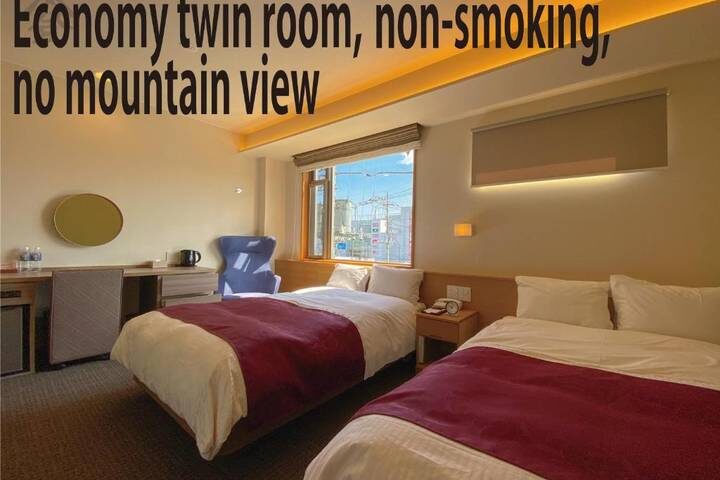
The listed hotels range from two to four stars: three nights in Kyoto, two in Kanazawa, one in Nagano, one in Fujikawaguchiko and two in Tokyo. The single-room supplement is €655 per person. The hotel list adds up to nine nights, while other trip information refers to eight nights, so confirm your exact accommodation count for the date you’re considering.
There is also a discrepancy about breakfast. The meal information says breakfast is not included, while another answer says it is. Don’t assume either way: ask the operator to confirm breakfast, and check whether your price includes any other meals. Lunch and dinner are described as your own choice, with recommendations from local guides. Travel insurance and voluntary tips for guides and bus drivers are not included.
Optional excursions cost extra. The listed Kyoto and Nikko package is €255, but the relationship between that package and the Hiroshima, Takayama and Shirakawa-go options is not fully clear. Get a written breakdown of which trips are available on your date and what each one costs. The operator is rated 4.3 out of 5, with an 88 percent response rate and a typical response time of one day.
Is Japan Bonsai the right fit for you?
I’d choose this trip if you want a broad first look at Japan, prefer traveling with a German-speaking guide, and value having transport and major sights organized. You’ll get temples, gardens, mountain towns, a possible snow-monkey encounter, Fuji views and Tokyo in one journey. The guide’s role and the range of stops are genuine strengths.
I’d look elsewhere if you want long, unhurried visits, a deep focus on Tokyo, or a trip built around food, wildlife or modern rail travel. The schedule leans heavily toward temples, shrines, castles and gardens, with several long coach rides. Before paying, confirm the meal plan, hotel-night count and optional-excursion prices. If those details suit you and you’re happy to keep moving, Japan Bonsai is a practical way to cover a lot of ground in 12 days.
Tour – Japan Bonsai (12 Days) by Bavaria Fernreisen
“The program was a little too full. There was hardly any time to enjoy the places or have lunch in peace. Less is sometimes more. The tour guide was…”
FAQ
Where does the tour start and end?
The tour starts in Osaka and ends in the Tokyo area, with the departure transfer going to Narita or Haneda Airport. The return flight arrives in Germany on day 12.
Is the tour conducted in English?
No. The tour is conducted in German, with a local German-speaking guide from day 2 to day 11.
Are flights included?
Yes. Scheduled flights from Frankfurt to Osaka and a return flight from Tokyo are listed, along with Rail & Fly in second class with ICE use.
Are airport transfers included?
Yes. Transfers are included for arrival in Japan and departure from Japan.
Are meals included?
The information conflicts: one section says breakfast is not included, while another says it is. Confirm the meal inclusions for your departure before booking. Lunch and dinner are not listed as included.
What is the group size?
The group size is listed as 20 to 38 people.
How physically demanding is the tour?
The activity rating is medium. At Jigokudani Monkey Park, expect about a 30-minute walk each way on forest trails and stairs. Snow or ice can make the trail impassable.
Which optional excursions are available?
Options listed include Hiroshima and Miyajima, Takayama and Shirakawa-go, and Nikko. A Tokyo highlights tour is also offered on the departure day. Confirm availability and prices for your date.
Is travel insurance included?
No. Travel insurance is not included, and it is recommended that you arrange your own cover.
What is the single-room supplement?
The stated single-room supplement is €655 per person.