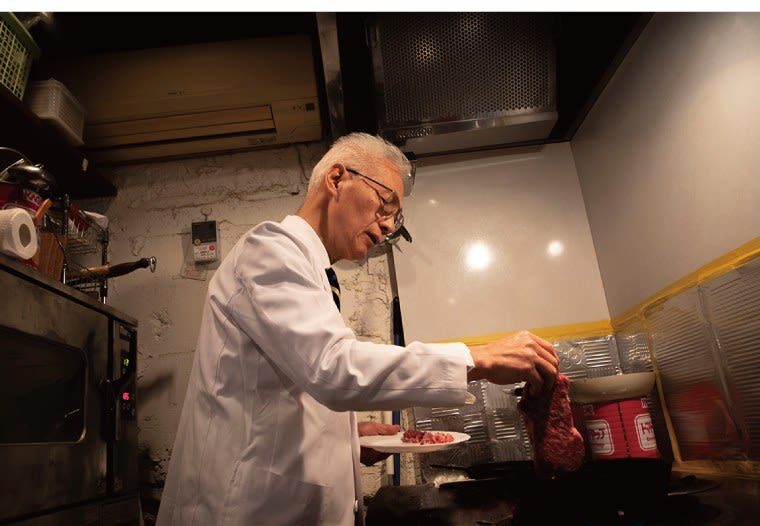
Kagoshima’s best reason to sit down for dinner may be the meat itself. At Kichizaemon, the chef is the third-generation owner of Iwamoto Meat Shop, a family business that has selected and supplied meat since 1922. The menu puts Kagoshima kuroge wagyu and kuro buta pork at the center, served as steak, sukiyaki, or shabu-shabu.
I like two things in particular: you’re eating in a small, private kitchen rather than a large dining room, and the person running it has a direct connection to the butcher’s shop behind the ingredients. The meal also gives you a chance to try local beef in a familiar Japanese style, without needing to guess your way through a long menu.
One point to weigh: the meat can be rich, and one diner found the flavors too heavy and salty. Also, the kitchen cannot accommodate allergies, gluten intolerance, vegetarian diets, or other dietary needs, so this is a poor fit if you need meal adjustments.
- What makes this dinner worth considering
- A butcher’s family kitchen, not a themed restaurant
- Choosing between steak, sukiyaki, and shabu-shabu
- What the meal may look like
- How much value you get for the price
- Who will enjoy Kichizaemon most
- Practical details before you book
- Should you book this Kagoshima dinner?
- FAQ
- Where is Kichizaemon?
- What are the main-course options?
- How much does the experience cost?
- Are drinks included?
- What are the opening hours?
- Can the kitchen accommodate allergies or vegetarian diets?
- How many people can book together?
- Is the venue accessible?
- The Best Of Kagoshima!
- More Private Tours in Kagoshima
- More Tours in Kagoshima
- More Tour Reviews in Kagoshima
- Not for you? Here's more nearby things to do in Kagoshima we have reviewed
What makes this dinner worth considering
 1 / 4
 2 / 4
 3 / 4
 4 / 4
- A butcher’s shop supplies the kitchen: Iwamoto Meat Shop has been operating since 1922, and its third-generation owner also cooks at Kichizaemon.
- The focus is local meat: The main dishes use Kagoshima kuroge wagyu, a black-haired Japanese cattle breed, and Kagoshima kuro buta pork.
- You choose a Japanese classic: The options include steak, sukiyaki, and shabu-shabu, with set prices depending on how many main courses are included.
- A small-group setting: The private kitchen accepts groups of two to ten, making it more intimate than a large restaurant.
- Dinner is in central Kagoshima: Kichizaemon is at 4-1 Nakamachi, about a five-minute walk from Tenmonkan tram stop.
- Dessert may bring a surprise: One meal included roasted apple, a distinctive finish after the meat-focused courses.

👉 See our pick of the 3 Best Workshops And Classes In Kagoshima
A butcher’s family kitchen, not a themed restaurant
Kichizaemon is part of Iwamoto Meat Shop, a Kagoshima meat business founded in 1922. The shop supplies hotels, supermarkets, and restaurants around the city, while the kitchen gives its third-generation owner a place to cook with the products he selects. That connection is the main reason this dinner feels different from simply ordering beef at any restaurant.
The setting is described as simple, casual, and private. That’s a useful distinction: you’re not booking an elaborate performance or a formal tasting counter. You’re going for a meal in a small kitchen where the meat takes the lead. If you enjoy seeing how a regional ingredient is served close to its source, the family-business link adds context without turning dinner into a lecture.
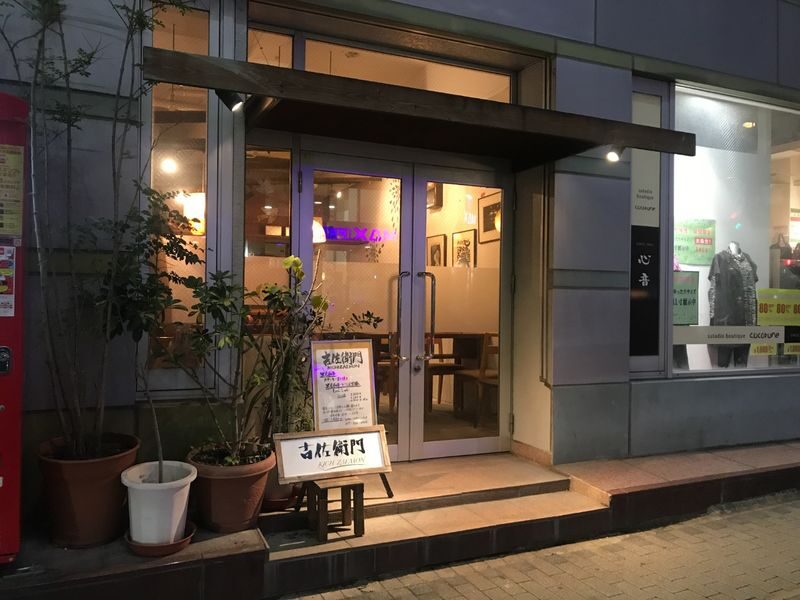
The kitchen’s name and address are listed as 吉佐衛門, or Kichizaemon, at 4-1 Nakamachi. It’s about five minutes on foot from Tenmonkan tram stop, making it practical to reach from central Kagoshima without arranging a separate transfer. The activity runs in the evening, from 18:00 to 22:00, with last admission at 20:00.
You can also read our reviews of more private tours in Kagoshima


Choosing between steak, sukiyaki, and shabu-shabu
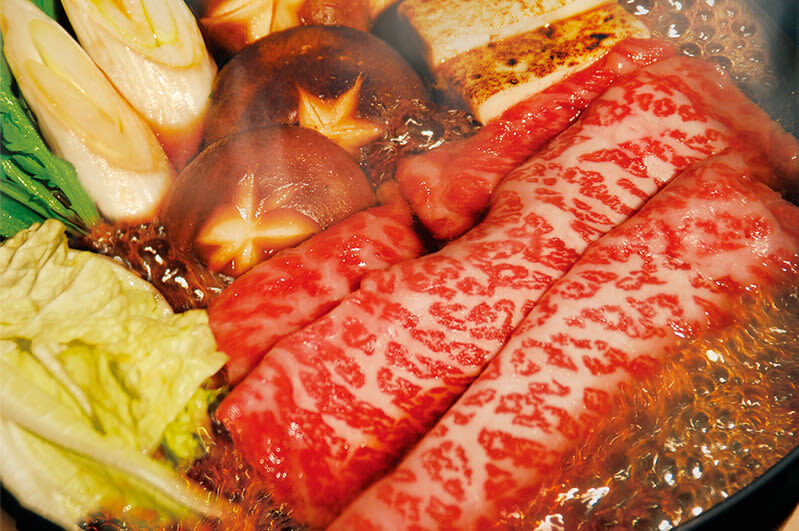
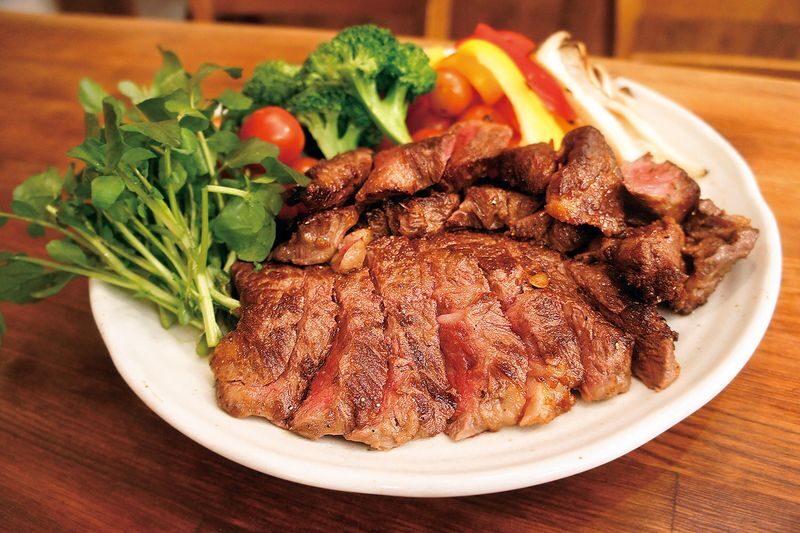
The central decision is how you want your Kagoshima meat served. Steak is the direct route: you can focus on the beef’s texture and flavor without a pot or broth shaping each bite. Sukiyaki and shabu-shabu are more communal styles of eating, with the meat served in a hot-pot setting. The available details name all three choices, but don’t spell out every ingredient or serving detail, so ask on site if you have a specific question about preparation.
The main dishes use Kagoshima kuroge wagyu and Kagoshima kuro buta. Wagyu is the beef option; kurobuta is pork. The experience is built around these local products rather than a broad menu of unrelated dishes, which is a plus if you’ve come to Kagoshima hoping to try its meat. It also means you should not expect a vegetarian alternative or a menu designed to cover many dietary needs.
The packages differ in how many main courses they include. The Chef’s Omakase C set starts at US$95.39 and lets you choose one main course. Omakase B starts at US$121.39, while Omakase A starts at US$138.75; both are described as including two main courses. The set details provided for C name chuck steak, sukiyaki, or shabu-shabu as the main-course choices. The exact contents of the A and B sets are not specified, so check the package details before booking if you’re choosing one of those.
For a first visit, C is the simplest way to try the kitchen without committing to two mains. If you’re especially keen to compare preparations, a two-main-course set may make better sense, though the additional price is only good value if you’ll enjoy the extra food. The starting price is for the listed package, not necessarily a full bill with drinks: complimentary drinks are not included, and other personal expenses are separate.
What the meal may look like
The exact sequence can depend on the selected set. One reported meal arrived as appetizers, followed by the main course, soup, and dessert. That gives you more than a single plate of meat, while keeping the main course as the reason for coming. The description of another set mentions steak and sukiyaki, with roasted apple served for dessert.
I like the idea of finishing with something as simple and unexpected as roasted apple after a rich main course. But don’t treat a specific dessert or course order as guaranteed. The available details don’t promise the same side dishes or dessert for every package, and the package descriptions are clearer about the number of mains than about every course that comes with them.
The meat is the part to approach with an open mind and a sensible appetite. One diner described the beef as fresh and tender, while another found the overall flavor too rich and salty. That contrast is useful: if you’re used to mild seasoning, or prefer leaner food, the meal may feel heavy. If you love full-flavored meat, it may be exactly what you’re hoping for.
How much value you get for the price
At $95.39 for the one-main-course set, this is a special-occasion dinner rather than a cheap local meal. The price makes more sense if you value the ingredient’s origin and the close link between the kitchen and a family butcher business. You’re paying for selected Kagoshima meat in a private dining setting, not simply a plate of food at the lowest possible price.
The two-main-course options cost more, starting at $121.39 and $138.75. The difference between C and B is about $26, while A starts about $43 above C. Whether that extra spend is worthwhile depends on the portion sizes and what the second main includes, details that are not provided. If you’re unsure, don’t assume that the higher-priced set is automatically the better deal. Choose it because you want two mains, not because the package letter sounds like an upgrade.
Remember to budget separately for drinks. Complimentary drinks are not included, and tips or gratuities are also excluded. The activity information does not give drink prices, portion sizes, or meal duration, so it’s wise to check any details you need before confirming.
Who will enjoy Kichizaemon most
This dinner suits meat lovers who want to try Kagoshima beef or pork in a small, relaxed setting. It’s especially appealing if you like the idea of eating food selected by a family business with a long local history, rather than choosing a beef dish without knowing much about its source. The choice of steak, sukiyaki, or shabu-shabu also lets you pick a style that suits your appetite.
It can work well for couples, friends, and small family groups. The stated group size is two to ten participants, so it isn’t an option for a solo booking under the listed group limit. The private-kitchen setting may also appeal if you’d rather avoid a large dining room.
I would not recommend it for anyone who needs a reliably adapted meal. The kitchen says it cannot accommodate allergies, gluten intolerance, vegetarian diets, or other dietary needs. That is a firm limit, not a small inconvenience. Outside food and drinks are also prohibited.
The venue is listed as stroller- and wheelchair-accessible, which may help with planning, though you can contact the staff directly if you need to confirm a specific access detail. Storage areas are available, with any fee to be checked at the venue.


Practical details before you book
Kichizaemon is at 4-1 Nakamachi in Kagoshima city, at the address given as 吉佐衛門. From Tenmonkan tram stop, allow about five minutes on foot. Opening hours are 18:00 to 22:00, and the last admission is 20:00, so don’t plan to arrive late in the evening.
The group limit is two to ten people. You’ll receive booking confirmation within 48 hours; if no confirmation email arrives, contact customer support. Bring the mobile voucher, which is valid only on the specified date and time. The activity can be canceled due to extreme weather or unforeseen events, in which case you can request a refund or choose another date. If you cancel yourself, a full refund is available when you cancel at least 24 hours before the activity date, using destination local time.
Should you book this Kagoshima dinner?
Book Kichizaemon if Kagoshima beef or pork is high on your food list and you’re happy to spend more for a focused meal in a private kitchen tied to a local butcher business. The strongest reasons to go are the direct connection to Iwamoto Meat Shop, the choice of three classic preparations, and the small-group setting near Tenmonkan.
Think twice if you prefer light seasoning, need dietary accommodations, or want a budget dinner with drinks included. For most meat-focused visitors, the one-main-course set is the clearest starting point. Choose a two-main package if comparing preparations is part of the appeal, and confirm its exact contents before you pay.
Kagoshima Butcher’s Private Kitchen Experience
“A hidden culinary gem in Kagoshima's Tenmonkan district! We ordered Set A, which included sukiyaki and steak. The meat was incredibly fresh and ten…”
FAQ
Where is Kichizaemon?
It is at 4-1 Nakamachi in Kagoshima city. The address is also given as 吉佐衛門, and the kitchen is about a five-minute walk from Tenmonkan tram stop.
What are the main-course options?
The named options are chuck steak, sukiyaki, and shabu-shabu. The main dishes use Kagoshima kuroge wagyu and Kagoshima kuro buta.
How much does the experience cost?
The Chef’s Omakase C set, with one main course, starts at US$95.39. Omakase B starts at US$121.39 and Omakase A at US$138.75; both are described as including two main courses.
Are drinks included?
No. Complimentary drinks are not included. Other personal expenses and tips or gratuities are also excluded.
What are the opening hours?
The kitchen is open from 18:00 to 22:00. Last admission is at 20:00.
Can the kitchen accommodate allergies or vegetarian diets?
No. It is unable to accommodate allergies, gluten intolerance, vegetarian diets, or other dietary needs.
How many people can book together?
The group size is two to ten participants.
Is the venue accessible?
The activity is listed as stroller- and wheelchair-accessible. Storage areas are available at the venue, and you can ask staff about rates.