Kyushu’s appeal is its variety: in one week, you move from Nagasaki’s moving peace memorials to steaming volcanic ground, a castle still being restored and hot-spring towns. The tour starts and ends in Fukuoka, with the coach and ferry handling the long links between stops.
I like the contrast between Nagasaki’s history and Kyushu’s volcanic scenery, and the practical value of having major admissions, transport and breakfast arranged. There is also time for an independent lunch or a stroll in several towns, so the trip is not just a sequence of guided visits.
The trade-off is pace. You cover a lot of ground in seven days, and some days have several stops before the hotel. The group can range from 2 to 73 people, so the feel of the trip may vary; access to Mount Aso’s crater can also be restricted for safety.
- Canal City and Tocho-ji open the trip: Fukuoka’s shopping complex and an 806-founded temple offer an easy first look at city life and Buddhist art.
- Nagasaki carries the most serious history: Oura Church, the Atomic Bomb Museum, Peace Park and Dejima make for a full, emotionally demanding day.
- Unzen brings you close to volcanic activity: Walk past steam vents and bubbling pools, then cross to Kumamoto by ferry.
- Mount Aso is the big natural highlight: A shuttle takes you toward Nakadake crater when conditions permit; the volcano museum costs extra.
- Beppu makes geothermal activity accessible: Umi Jigoku and Kamado Jigoku turn hot springs into an easy-to-visit set of vivid pools and gardens.
- A seven-day loop with a lot of Kyushu in it
- Fukuoka eases you into the route
- Nagasaki balances remembrance with older connections
- Unzen and the ferry make the journey part of the day
- Mount Aso depends on conditions, Beppu delivers the hot springs
- Usa Jingu brings a quieter final stop
- The hotels, meals and group size matter
- Who should book this Kyushu tour?
- FAQ
- Where does the tour start and finish?
- What is the starting price?
- Are hotel breakfasts included?
- Are lunches and dinners included?
- Is the tour guided in English?
- How large can the group be?
- Is the Aso Volcano Museum included?
- Is access to Mount Aso’s crater guaranteed?
- The Best Of Fukuoka!
- More 7-Day Experiences in Fukuoka
- More Tours in Fukuoka
- More Tour Reviews in Fukuoka
- Not for you? Here's more nearby things to do in Fukuoka we have reviewed
A seven-day loop with a lot of Kyushu in it
 1 / 8
 2 / 8
 3 / 8
 4 / 8
 5 / 8
 6 / 8
 7 / 8
 8 / 8
Treasures of Kyushu is a guided group tour that begins and ends in Fukuoka. Its route links Dazaifu, Nagasaki, the Shimabara Peninsula, Kumamoto, Mount Aso, Yufuin, Beppu and Usa, mixing major city sights with shrines, gardens and volcanic stops.
That variety is the tour’s main strength. You get a useful introduction to Kyushu without having to plan intercity transport or work out how to connect the island’s less central sights. In return, you give up some flexibility: the coach follows a schedule, and free time tends to come in defined windows.
The price starts at $1,571, based on the cheapest room. The tour includes an arrival transfer, coach travel, the Shimabara-to-Kumamoto ferry, hotel accommodation, buffet breakfasts, basic travel insurance and listed admissions. Flights and most lunches and dinners are not included. For a fair budget comparison, count those meals, your airfare and any optional extras, including the Aso Volcano Museum.

👉 See our pick of the 2 Best Workshops And Classes In Fukuoka
Fukuoka eases you into the route
Day one is for arrival, a hotel transfer and settling in. The afternoon is free, and tour information is provided before the official sightseeing begins the next day. That open start is welcome after a long flight, though you will need to arrange your own plans if you want to see the city before the group itinerary starts.
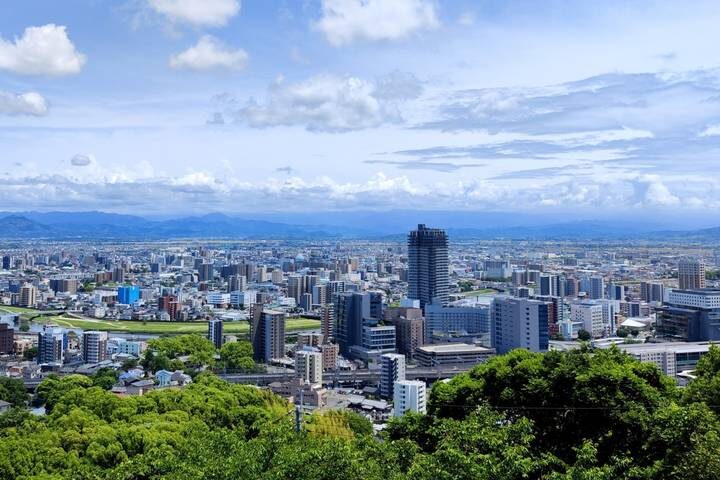
Fukuoka is Kyushu’s largest city, and day two gives you a light introduction. After breakfast, you have free time until the guide meets the group late in the morning. Canal City Hakata is a large shopping complex built around an artificial canal, with fountain shows every 30 minutes. It is convenient for a first meal and a wander, but it is a modern commercial space rather than a traditional district.
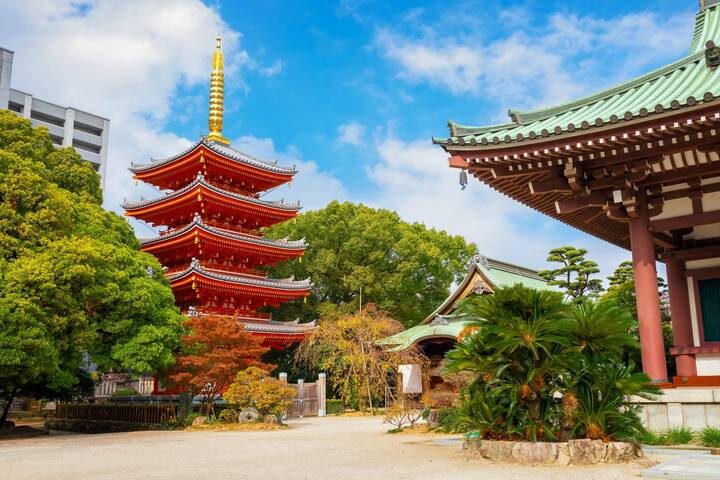
Tocho-ji offers a change of pace. Founded in 806, the temple is known for its five-story pagoda, a large Buddha statue and an image of Senju Kannon, a deity depicted with a thousand arms. The visit gives you a glimpse of a long-standing place of worship in the middle of the city. The rest of the afternoon is free, which makes this the best early chance to explore beyond the scheduled stops or simply rest.
You can also read our reviews of more tours and experiences in Fukuoka
Nagasaki balances remembrance with older connections
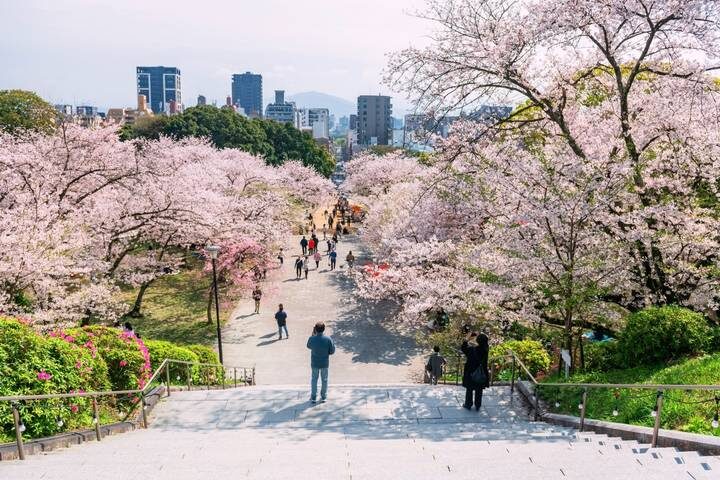
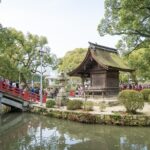
The route to Nagasaki stops first at Dazaifu Tenmangu, a major Shinto shrine dedicated to Sugawara no Michizane, associated with learning and scholarship. Its gardens and ponds are a calm setting for a walk, and more than 6,000 plum trees make the grounds especially noted for their late-winter bloom. If you travel at another time of year, the shrine remains a significant visit, but you will not see that seasonal display.
In Nagasaki, Oura Church introduces a different strand of the city’s past. Dedicated to the 26 Martyrs of Nagasaki, it is described as Japan’s oldest Christian church and is part of the UNESCO-listed Hidden Christian Sites in the Nagasaki Region. Its Gothic form and local elements make it an unusual sight in Japan. You then have free time for lunch in Chukagai, the city’s Chinatown, where the pedestrian street is lined with restaurants and food stalls. Lunch is at your own expense.
The afternoon is weightier. The Atomic Bomb Museum and Peace Park address the 1945 bombing through exhibits and memorials, including sculptures donated by countries around the world. Give yourself room to take in the material at your own pace. This is not a stop to rush through just to keep up with a checklist.
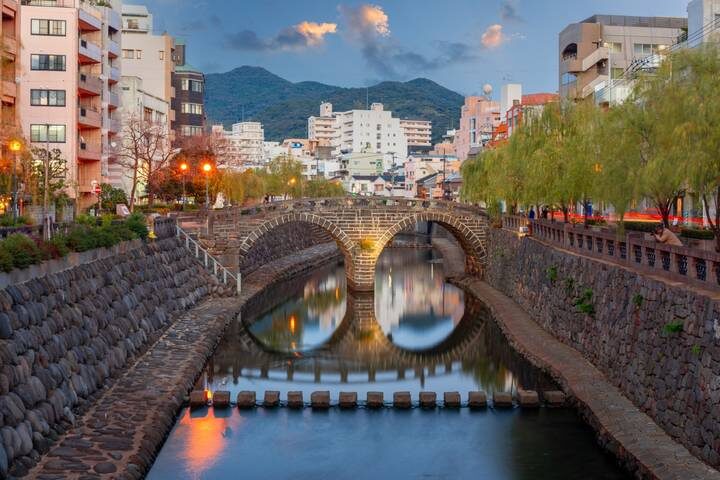
The day ends at Dejima, a reconstructed historical district that recalls the artificial island where Dutch merchants lived. For centuries, it served as Japan’s only point of contact with the outside world. The sequence is valuable: Nagasaki’s story is not confined to the war, and Dejima adds a longer view of Japan’s limited foreign exchange during that period.
Unzen and the ferry make the journey part of the day
From Nagasaki, the coach crosses the Shimabara Peninsula to Unzen Jigoku, a geothermal area with steam vents and bubbling mud pools. The name means Unzen hells, and the sulfur smell is part of the experience. The walk is a chance to see volcanic activity up close, but this is a place to take care on the paths and expect an intense odor.
Unzen also has a painful history: the area was a setting for the persecution of Christians in the 17th century. That context gives the stop more weight than a quick photo beside a steaming vent. You then continue to Shimabara and take a ferry across to Kumamoto, a crossing of about 45 minutes. The ferry breaks up the coach ride and offers a different view of the route, but weather and other exceptional circumstances can affect schedules or the order of visits.
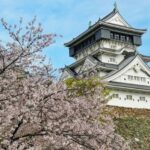
In Kumamoto, free time around the castle provides a chance to eat lunch before the guided visit. Kumamoto Castle is counted among Japan’s three great castles, known for its black towers and massive stone walls. Some sections were still being restored after damage from the 2016 earthquake, so expect a site that combines historic architecture with visible repair work.
The day closes at Suizenji Jojuen, a landscaped garden with miniature recreations of mountains and lakes. It offers a quieter contrast to the castle, then you have free time in the city. After a full day of travel and stops, you may prefer a relaxed evening over more sightseeing.
Mount Aso depends on conditions, Beppu delivers the hot springs
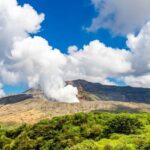
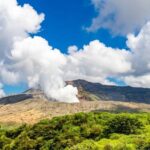
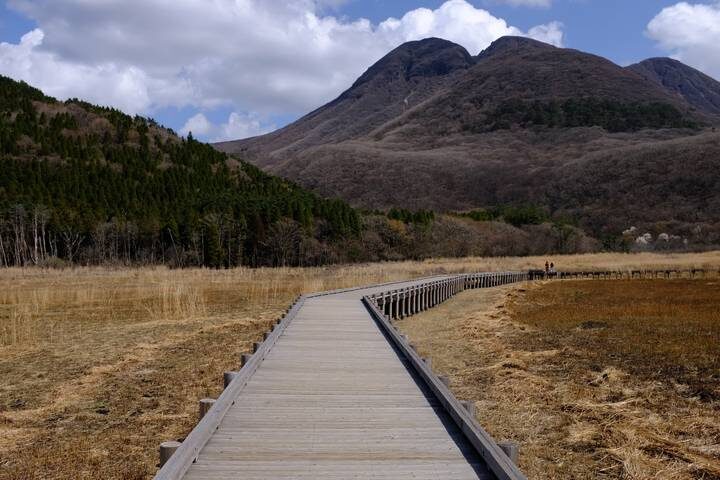
Day five is the tour’s major volcanic outing. Mount Aso’s caldera is about 25 kilometers across, with several volcanic peaks inside it. The shuttle from the base takes you toward Mount Nakadake crater, where you may see a steaming sulfur lake. Access can be restricted because of volcanic activity or safety concerns, so treat the crater visit as conditional rather than guaranteed.
There is free time near the Aso Volcano Museum, walking trails, restaurants and shops. The museum is optional and admission is not included. If the crater is closed, this area still gives you ways to spend time near the volcano, though it is sensible not to build the day’s value around a single viewpoint.
Next comes Yufuin, an onsen town in a valley surrounded by rice fields. The planned stop is simple: time for coffee and a stroll. It is a useful breather between the scale of Aso and the busy sightseeing at Beppu, but it is not described as a long visit.
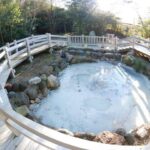
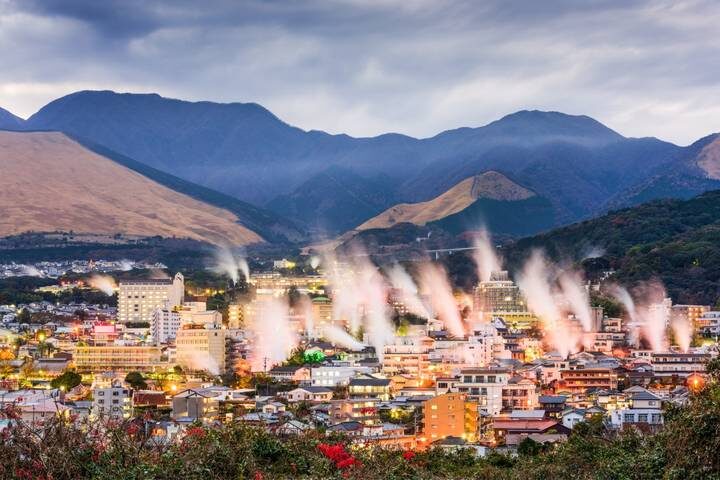
Beppu is known for more than 3,000 hot springs. The tour visits two of its Hells: Umi Jigoku, with striking blue water and gardens, and Kamado Jigoku, with ponds in different colors and temperatures and demon figures. These are geothermal sights to look at, not a bathing session. Admission to both is included, and the evening is free after the hotel transfer.
Usa Jingu brings a quieter final stop
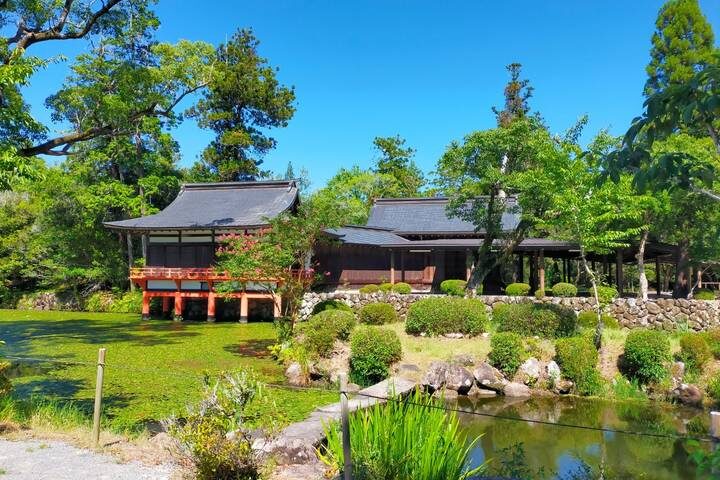
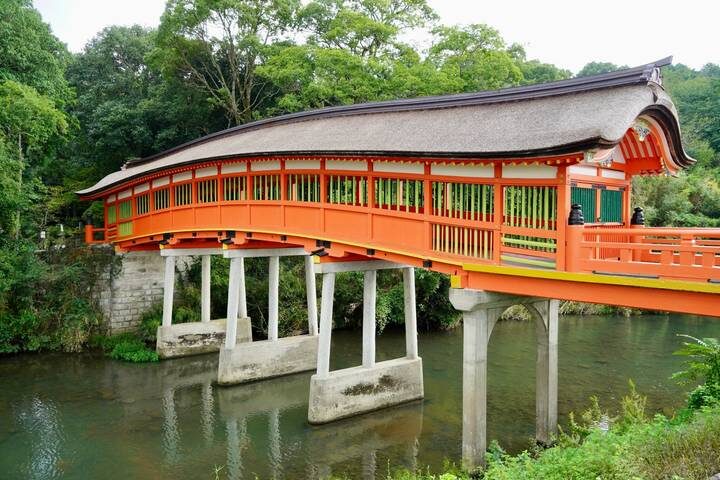
On day six, the group leaves Beppu for Usa Jingu, an important shrine dedicated to Hachiman, a protective deity. It is the main sanctuary for more than 40,000 Hachiman shrines around Japan and dates to the 8th century. The grounds include traditional buildings, gardens and a red bridge, with time to walk through the main pavilions.
From Usa, the coach returns to Fukuoka, arriving around lunchtime. That gives you part of the day back in the starting city, though it is not a full extra sightseeing day. Day seven ends after breakfast, so plan any onward travel with the tour’s departure timing in mind.
The hotels, meals and group size matter
The accommodation is selected for quality, price and location, but it is not positioned as luxury. Hotels are in the cities visited, usually outside the center, with public transport nearby. Rooms have private bathrooms and TVs; room dimensions and bed sizes can vary by location. One departure was especially praised for its hotels and organization, but standards can differ across a multi-city route.
Buffet breakfast is included each day. Lunch is free time on several days, and dinners are not listed as included, so you will need to budget for those meals. The tour also includes basic travel insurance and an arrival transfer, but not flights before or after the trip.
The advertised group size runs from 2 to 73. A small group can feel more personal; a large coach group can mean more time gathering and boarding. The tour is guided in English, though Europamundo notes that some departures may use bilingual guiding, often English and Spanish, depending on passenger numbers. Guides can change during the trip. Emma and José are among the guides associated with a departure, and were praised for warmth and clear explanations, but their presence is not guaranteed.
Who should book this Kyushu tour?
This tour suits you if you want a broad, guided introduction to Kyushu and value having transport, hotel breakfasts and key admission tickets arranged. It is a strong fit for first-time visitors who want Nagasaki’s memorial sites, Shinto shrines, castle architecture and volcanic scenery in one trip without managing every connection themselves.
It is less suited to you if you want long, unstructured stays, time for extensive independent exploration or a guarantee of reaching Mount Aso’s crater. The schedule is full, and the operator reserves the right to change sites, order or stages in exceptional circumstances. If that balance works for you, the $1,571 starting price can represent useful value for a seven-day guided route, provided you add flights, meals and optional visits to your budget.
Treasures of Kyushu 7-Day Tour by Europamundo
“We really enjoyed the trip, and it was very well organized. The hotels were excellent. Our two guides, Emma and José, really impressed us with thei…”
FAQ
Where does the tour start and finish?
It starts in Fukuoka and returns there on day six. The tour ends after breakfast on day seven.
What is the starting price?
The advertised starting price is $1,571, based on the cheapest room. Flights before and after the tour are not included.
Are hotel breakfasts included?
Yes. Hotel buffet breakfast is included each day.
Are lunches and dinners included?
The tour information lists hotel breakfasts, not lunches or dinners. Several days include free time for lunch, so plan to pay separately for those meals.
Is the tour guided in English?
English is listed as the tour language. Depending on passenger numbers, some departures may be guided bilingually, usually in English and Spanish.
How large can the group be?
The stated group size is from 2 to 73 people.
Is the Aso Volcano Museum included?
No. It is an optional visit, and admission is not included.
Is access to Mount Aso’s crater guaranteed?
No. Access to Mount Nakadake may be restricted because of volcanic activity or safety concerns.