Kintsugi turns a ceramic break into part of the design, rather than trying to hide it. In this central Kyoto workshop, you work step by step on a prepared piece and bring the repaired plate home, so the craft lesson leaves you with more than a few photos.
I like two things especially: the patient, English-speaking instruction makes the process approachable for beginners, and the workshop connects the hands-on work to wabi-sabi, the idea of finding beauty in imperfection. One thing to plan around: the advertised duration varies between about an hour and 90 minutes, and some participants say their visit took longer, so do not squeeze it between tight appointments.
- What to know before you book
- Making cracks the point
- From the sixth floor to your finished plate
- A thoughtful souvenir, not a professional restoration course
- Is the starting price good value?
- Getting there and choosing a time
- Who will enjoy this Kyoto craft class?
- Should you book it?
- FAQ
- How long does the kintsugi workshop take?
- What is included in the price?
- Where is the meeting point?
- Do I need experience with kintsugi?
- Can children join the workshop?
- What is the cancellation policy?
- The Best Of Kyoto!
- More Tours in Kyoto
- More Tour Reviews in Kyoto
- Not for you? Here's more nearby things to do in Kyoto we have reviewed
What to know before you book
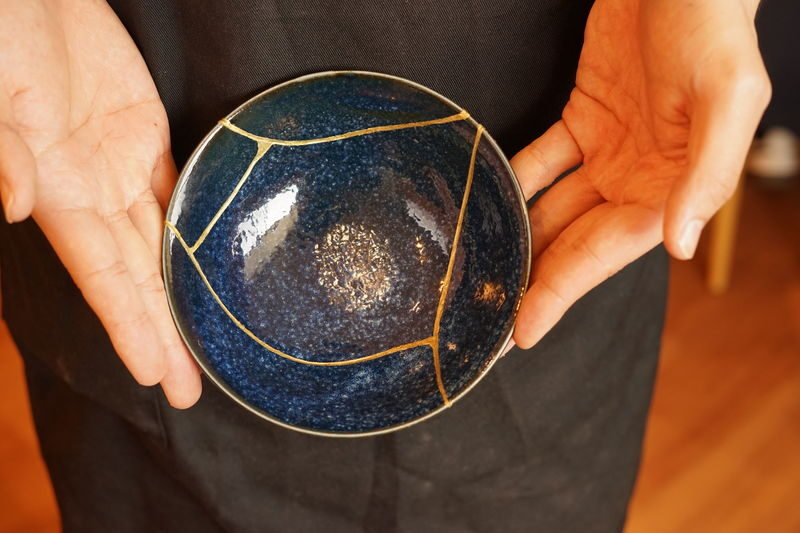 1 / 8
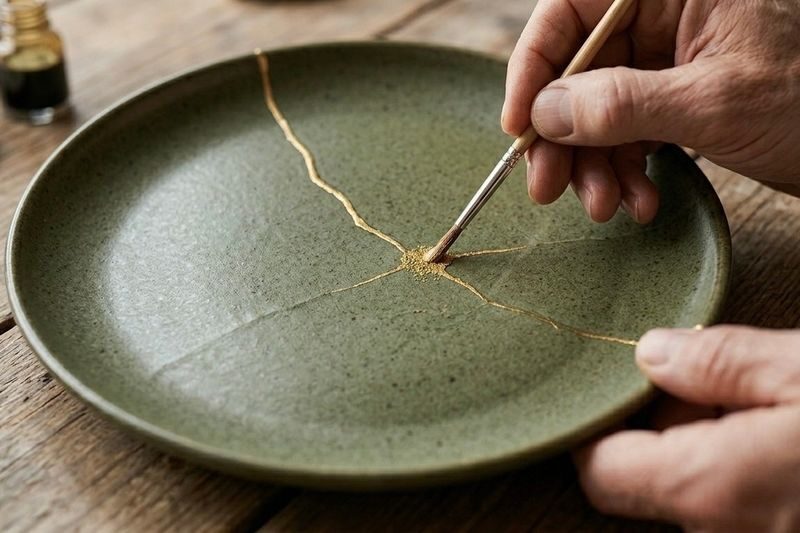 2 / 8
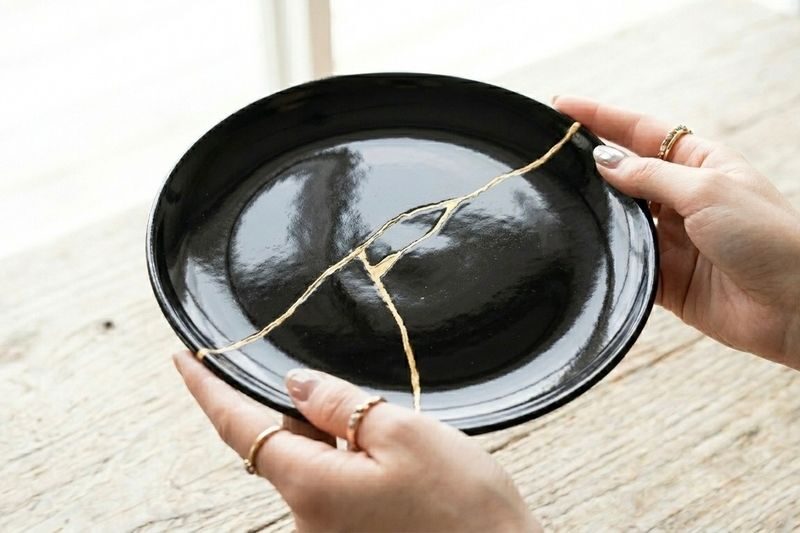 3 / 8
 4 / 8
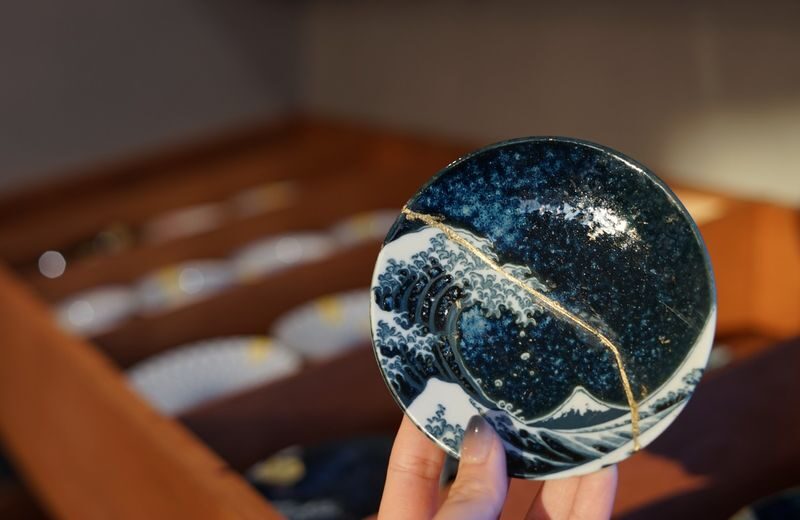 5 / 8
 6 / 8
 7 / 8
 8 / 8
- You make a take-home plate: One plate and the tools and materials for the workshop are included. Premium plate upgrades cost extra.
- The process is beginner-friendly: An instructor guides you through each step, and the materials are prepared for the activity.
- The finish is gold-colored: This is a practical introduction to kintsugi, not a promise that your project uses precious gold.
- English support is available: English-speaking guides and staff are included. Instructors named by participants include Thunder, Yuhi, Cerise, Natalia, Rina, and Cati.
- Allow more than an hour: The package is described as 90 minutes, although the headline duration says one hour and a few participants needed longer.
- Check the age rule: Children aged 13 and older pay the adult rate. If you are considering bringing a younger child, confirm eligibility directly before booking.

👉 See our pick of the 25 Best Workshops And Classes In Kyoto
Making cracks the point
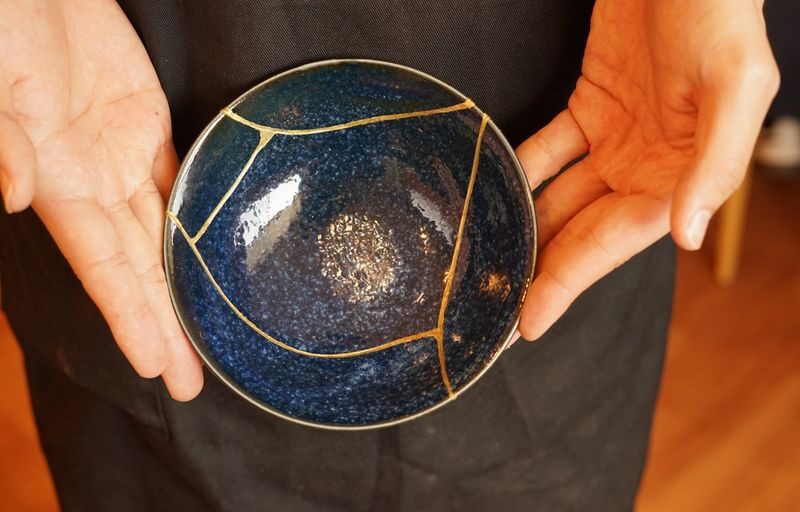
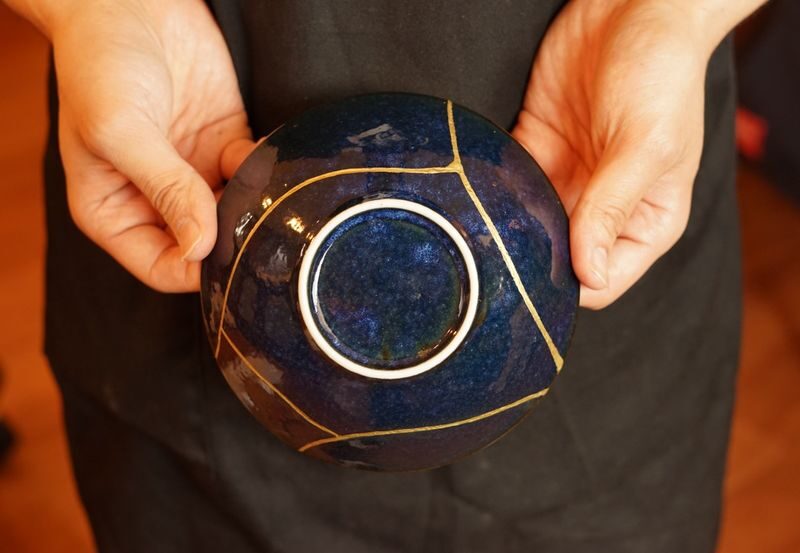
Kintsugi is the Japanese art of repairing broken ceramics and highlighting the joins instead of disguising them. Its appeal is both practical and philosophical: a damaged object can be repaired, and its history can become part of its appearance. The workshop introduces that idea through a small, hands-on project in central Kyoto.
Expect a guided craft activity, not a lecture or a long course in traditional restoration. You work with prepared materials and a ceramic piece supplied for the session, then mark the repaired areas with a gold-colored finish. That makes the experience accessible even if you have never handled craft materials before.
The distinction matters. Traditional kintsugi can involve lacquer and gold, but the details here describe a guided workshop using prepared materials and a gold-colored finish. If you are hoping to learn a full, slow restoration method using precious materials, this short class may not be that. If you want an approachable introduction and a personal souvenir, it fits the brief.
There is also a small pleasure in working with your hands after a day of Kyoto sightseeing. The activity gives you a quiet stretch away from temples, shops, and crowded streets, while still offering a glimpse of Japanese craft and aesthetics. It can be a useful change of pace on a rainy day or during a hot afternoon.
You can also read our reviews of more tours and experiences in Kyoto.



From the sixth floor to your finished plate
The meeting point is 禅 (Zen) – Kyoto Annex, on the sixth floor of Hayakawa Building, at 439 Ebisu-cho in Nakagyo Ward. The address appears in English as 439 Ebisu-cho or 439 Ebisucho. Because one participant found the map pin slightly off, check the map provided with your booking rather than relying on a search result alone.
Arrive five minutes before your selected start time. Available starts run hourly from 9:00 a.m. through 6:00 p.m., but you must attend the time you booked. This is a meet-up activity, not a hotel pickup or a sightseeing route with transport between stops.
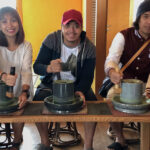
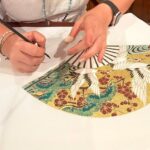
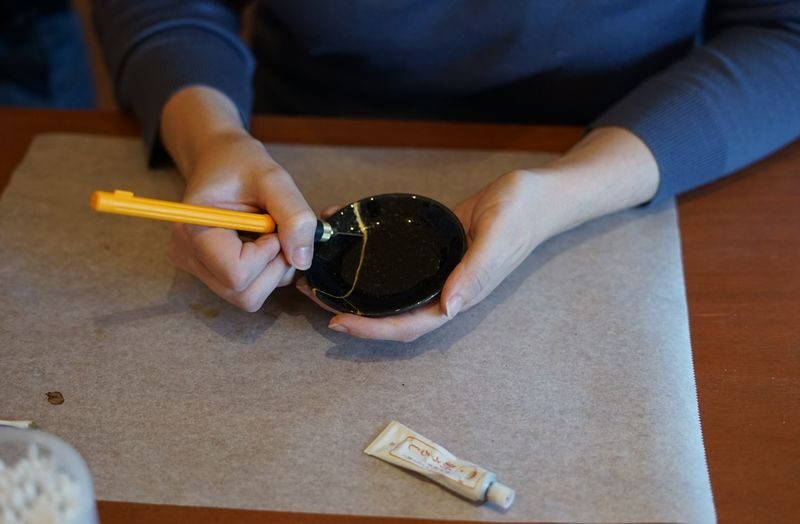
Once the session begins, the instructor explains the process and gives you materials and tools. You then repair a ceramic piece step by step, following demonstrations and guidance. The pace is designed for beginners, and the teaching style is a real strength: participants describe instructors as patient, clear, and willing to repeat explanations when needed.
Several instructors are named in participant feedback, including Thunder, Yuhi, Cerise, Natalia, Rina, Cati, and Katie. Names and staffing can change, so you cannot book a particular teacher based on those examples. What you can expect is English-speaking instruction and staff; one participant also noted that Yuhi could speak French, but treat that as a bonus rather than a guaranteed language option.
The activity is sometimes listed as one hour, while the package details specify a 90-minute workshop. Some participants describe spending around 1.5 to 2 hours at the studio. The difference may reflect the pace of the class, the selected session, or time spent choosing and finishing a piece. I would reserve at least 90 minutes, and leave extra room afterward if you have a dinner booking or train to catch.
At the end, you take home your finished work. One plate is included, and premium plate upgrades are available for an added charge. The selection may include different options, but the exact range can vary. If choosing a larger or upgraded plate matters to you, ask about the extra cost before you begin.
A thoughtful souvenir, not a professional restoration course
The strongest reason to book is the combination of making and meaning. You are not simply buying a Kyoto souvenir; you take part in making one and learn why a visible repair can be valued rather than concealed. The finished design is personal, and the workshop makes a good introduction to wabi-sabi without requiring prior knowledge of Japanese art.
Keep expectations realistic about what the class teaches. You are guided through a prepared project in a limited session, not trained to repair your own broken family heirloom at home. The supplied description says you repair ceramic pieces, but it does not promise that you can bring your own damaged object. If you have a particular plate or bowl you want restored, check with the studio before booking.
The finished piece is best treated as a keepsake unless the instructor gives you specific care or use guidance. The activity information does not say whether the repaired plate is food-safe or suitable for regular use, so ask before using it for meals. That small question is worth raising if you want the souvenir to serve as dinnerware rather than decoration.
Families can enjoy the shared activity, and participants describe doing it with teenagers and other family members. However, the stated eligibility rule says children aged 13 and older are charged the adult rate. A participant described attending with a nine-year-old, but that does not establish a general age exception. Confirm with the operator before booking for anyone younger than 13.
Is the starting price good value?
The experience is advertised from $8.29, a low entry price for a guided activity that includes one plate, the tools, and the materials. The value depends on which price and plate option are available for your date. A premium plate costs extra, and the starting figure should not be taken as the price of every package or upgrade.
I would judge the value by what the hour or so gives you: instruction, a simple creative activity, a cultural idea to take away, and a handmade souvenir. That is a fair trade if you want a calm indoor break and enjoy making things. It is less compelling if your main aim is an in-depth lesson in traditional lacquer work or a professional repair of a cherished object.
The consistently high rating of 4.9 out of 5 from 95 reviews matches the experience’s strongest points: friendly guidance, clear explanations, an enjoyable pace, and a finished piece to take home. There is one practical caution in the feedback: a participant expected meals with a package but did not receive them. The listed inclusions for this workshop are a guide, staff, one plate, and tools and materials, not food. Check your booking details carefully so you know exactly what you have purchased.
Getting there and choosing a time
The studio is in central Kyoto at Hayakawa Building, sixth floor, 439 Ebisu-cho, Nakagyo Ward. The meeting and return point are the same. Since the location pin may not match the building perfectly, use the address and booking map together, and give yourself a few minutes to find the entrance and reach the sixth floor.
You can select a start time from 9:00 a.m. to 6:00 p.m. Your available return time depends on the chosen start and the session length. Arriving late or missing the session can mean losing the booking, so plan for the stated five-minute early arrival rather than aiming to reach the door at the exact start time.
Booking is available for the same day, with instant confirmation stated as an option. The voucher is valid only for the date and time selected, and you present it on your phone. You can cancel for a full refund at least 24 hours before the activity, based on local time. If severe weather or another unforeseen event leads the operator to cancel, you can reschedule or request a refund.



Who will enjoy this Kyoto craft class?
This workshop is a good fit if you want a hands-on cultural activity that does not require special skills. It also works well for a rainy-day plan, a quiet break between more active sightseeing, or a small group looking for something creative to do together. The short format makes it easier to fit into a Kyoto stay than a full-day class, as long as you leave enough time around it.
You may also like it if you care about the story behind an object. The class gives you a simple way to connect the physical act of repair with the idea that flaws and past damage need not be hidden. That message is more memorable when you have a plate in front of you and your own hands are doing the work.
Skip it if you expect a long technical course, a guaranteed instructor by name, a meal, or a full traditional restoration using precious gold. Those are not included in the stated offer. And if your schedule is tight, the mismatch between the one-hour headline and the 90-minute package is reason enough to build in a buffer.
Should you book it?
Book this kintsugi workshop if you want an easy-to-follow craft session, English-language guidance, and a handmade reminder of Kyoto. Its best qualities are the approachable instruction and the thoughtful idea behind the craft, rather than technical depth. Check the exact package, plate upgrade price, meeting-point map, and age rules before paying, then leave room for the session to run closer to 90 minutes or longer.
Traditional Kintsugi Repair Experience in Kyoto
“Thunder was wonderful at running the workshop and we loved our plates!”
FAQ
How long does the kintsugi workshop take?
The experience is described as one hour in the summary, while the package is called a 90-minute workshop. Some participants spent around 1.5 to 2 hours at the studio, so allow extra time if your schedule is tight.
What is included in the price?
The listed inclusions are an English-speaking guide and staff, one plate, and the materials and tools needed for the activity. Premium plate upgrades cost extra.
Where is the meeting point?
Meet at 禅 (Zen) – Kyoto Annex, on the sixth floor of Hayakawa Building, 439 Ebisu-cho, Nakagyo Ward, Kyoto. Arrive five minutes before your selected start time and check the booking map for help finding the location.
Do I need experience with kintsugi?
No prior experience is required. The workshop is beginner-friendly, and an instructor guides you through the process step by step.
Can children join the workshop?
Children aged 13 and older are charged the adult rate. The stated information does not confirm eligibility for younger children, so ask the operator before booking for a child under 13.
What is the cancellation policy?
You can receive a full refund if you cancel at least 24 hours before the activity date, using destination local time. If the operator cancels because of unforeseen events or extreme weather, you can reschedule or request a full refund.