Tower Bridge gives you two very different views of a London landmark: the skyline from its high glass-floored walkways, and the Victorian machinery that once lifted its roadway for passing ships. The exhibition ticket takes you inside the bridge rather than just past it.
I like the glass floor, which makes the river and traffic far below part of the visit, and the original engine rooms, where the bridge’s working history becomes more than a photo backdrop. One thing to plan for: this is a timed, ticketed attraction, but the voucher is not fast-track entry, so leave room for checks and access to the walkways.
- The glass walkway sits 43 meters above the river, with views across the Thames and London.
- The original Victorian steam engines show how the bridge was raised.
- Interactive exhibits explain the bridge’s origins, architecture, and operation.
- Allow one to two hours for the full visit, though the climb itself can be much quicker.
- The ticket covers the exhibition, not a fast-track queue; allow time to validate your booking.
- Tower Bridge is free to cross at street level, so the ticket makes most sense if you want the walkways and engine rooms.
- Start at the North West Tower
- Look up from the street before going in
- Climb to the glass walkway
- Follow the bridge’s story through the displays
- See the original engines below
- Set aside time, but do not overpack the day
- Make the price work for your plans
- Who should book Tower Bridge
- FAQ
- How long does the Tower Bridge visit take?
- What does the general admission ticket include?
- How high is the glass walkway?
- Is crossing Tower Bridge free?
- Does the voucher provide fast-track entry?
- What are Tower Bridge’s opening hours?
- Is Tower Bridge open on public holidays?
- Where is the exhibition entrance?
- Which Underground station is nearest?
- Can children visit Tower Bridge?
- The Best Of London!
- More Tickets in London
- More Tours in London
- More Tour Reviews in London
- Not for you? Here's more nearby things to do in London we have reviewed
Start at the North West Tower
 1 / 3
 2 / 3
 3 / 3
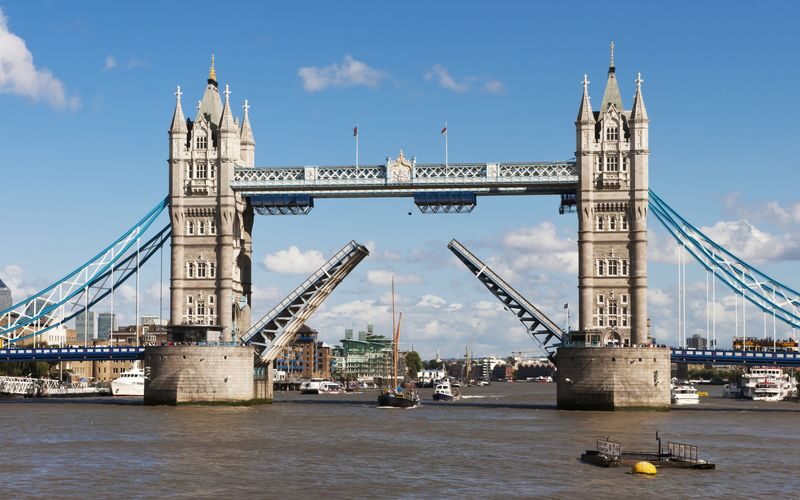
The main entrance to the Tower Bridge Exhibition is in the bridge’s North West Tower, at Tower Bridge Road, London SE1 2UP. It is a convenient stop on a riverside day out, with London Bridge Underground station, served by the Jubilee and Northern lines, listed as the nearest station.
Your general admission ticket gives access to the exhibition’s walkways and historic Engine Rooms. It is a self-guided visit, so you can move at your own pace and spend longer on the displays that interest you. The expected visit is one to two hours, a useful length for fitting between bigger London sights.
Before you go, check that your booking is for the date you plan to visit. The voucher is valid only on the selected date, and it does not provide fast-track entry. You may need extra time for booking validation, security checks, and lift access up to the walkways. Tickets can sell out on the day, so booking ahead is sensible, especially if your schedule is tight.

👉 See our pick of the 25 Best Workshops And Classes In London
Look up from the street before going in
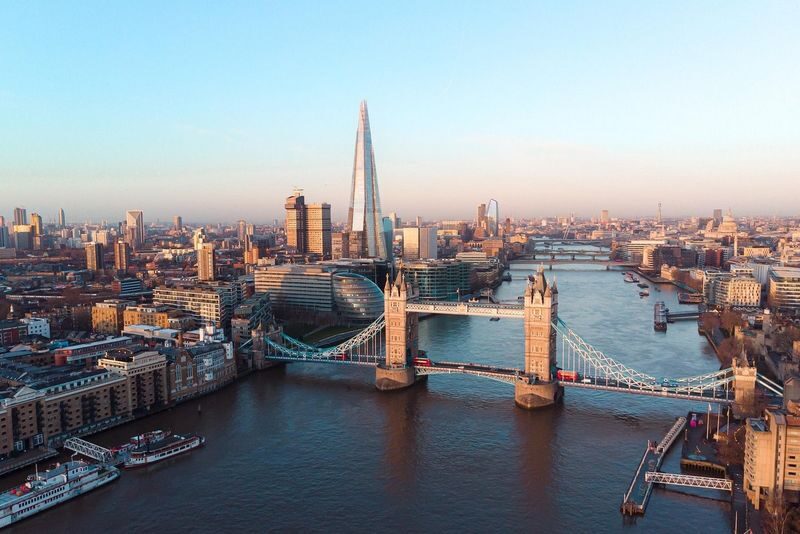
Tower Bridge is one of London’s most recognizable bridges, and you can appreciate its outline without paying for admission. The exhibition ticket is for a closer look: the upper walkways, the glass panels beneath your feet, and the machinery that made the bridge move.
That distinction matters when you weigh the price, which starts at $26.55. If you only want the classic view of the bridge from the riverside, a paid ticket may not add enough. If you want to understand how it was built and see the city from above, the ticket offers a more complete visit than a quick photo stop.
The attraction is sometimes described as a gateway into London, but the best way to think of it is as a small engineering museum inside a working landmark. The bridge’s design, its place over the Thames, and its lifting mechanism all come together here. That gives the visit more substance than simply walking into a tower for a view.
You can also read our reviews of more tours and experiences in London

Climb to the glass walkway
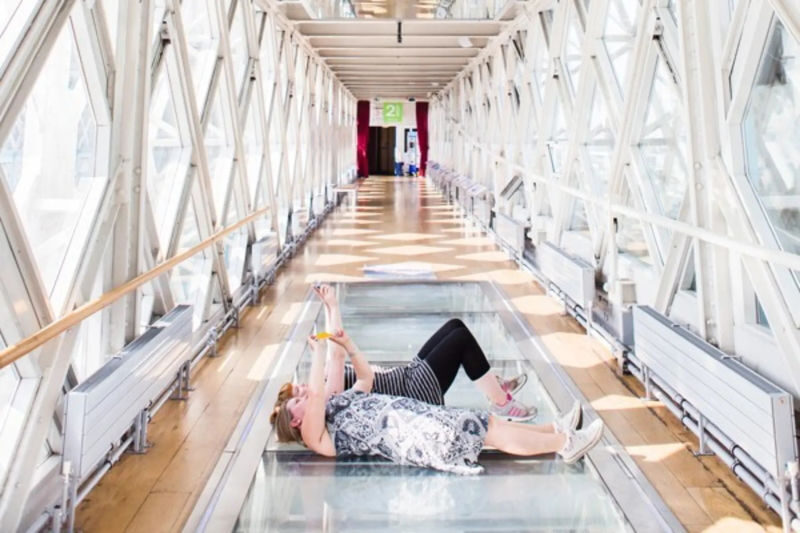
The walkways are the headline stop. At 43 meters above the river, they offer a broad view of the Thames and the city, with the bridge’s own structure close at hand. Looking through the glass floor adds a different perspective: you can see the river, road, and movement below rather than only the skyline ahead.
The glass section is a genuine thrill for some people and a test of nerve for others. If you are uneasy with heights, you can still take in the views from the walkway without standing over the transparent panels. Families may find the glass floor especially engaging for children, though it is worth being ready for a child who decides the view down is more exciting than comfortable.
The walkways are also a good place to pause for photographs. Morning visits may be less crowded, according to practical advice from people who have been there, making it easier to take pictures without waiting for a clear patch of floor. That is not a guarantee of quiet, but an earlier start is a reasonable choice if photography matters to you.
Some parts of the bridge’s upper interior have mirrors overhead. That can make the glass-floor area feel visually unusual, and it is worth knowing if you are hoping for a simple, unobstructed view straight down. Still, the combination of glass beneath you and the river outside gives the walkway its own character.
Follow the bridge’s story through the displays
The exhibition introduces the bridge’s origins, architecture, and construction. The displays help explain what you are looking at before the machinery makes the engineering tangible. One figure that sticks: the bridge contains about 14 million rivets, a reminder of the enormous amount of work hidden in its familiar silhouette.
This part of the visit is useful if you want more than the postcard view. It gives context for why the bridge was designed to open and how its structure fits together. The interactive exhibits offer a more hands-on way to absorb the information, which can help keep younger visitors engaged.
The exhibition is not enormous, and that can be a plus if you are balancing several London stops in one day. You can get a clear introduction without committing half a day. On the other hand, visitors looking for a large museum with extensive displays may find the indoor portion compact. The visit’s appeal is the combination of information, views, and machinery, not the volume of exhibit space.
See the original engines below
The Engine Rooms are a key reason to buy the ticket. Here you can see the original Victorian steam engines used to raise Tower Bridge. The machinery makes the bridge’s purpose easier to grasp: this was not only a grand crossing, but a structure designed to open for ships on the Thames.
The engine rooms sit below the bridge’s upper walkway area, so expect a change of pace as you move between the high views and the working equipment. The contrast is part of the appeal. First you look down at London from above; then you see the powerful system that once lifted the roadway beneath you.
If you are interested in engineering, architecture, or how cities solve practical problems, give this section time. The bridge’s moving parts are more memorable when you connect them with the ships that needed to pass. You may even see Tower Bridge open during your visit, but that depends on a ship passage and should not be treated as a scheduled feature of your ticket.
Set aside time, but do not overpack the day
The expected visit lasts one to two hours. The upper climb can be much shorter than that, with one account describing the up-and-down portion as taking around 20 minutes. That does not mean the whole visit is only a quick stair climb: the exhibits, glass walkway, views, and Engine Rooms are what fill out the experience.
The route includes stairs, with a reported climb of 206 steps, and lift access is available for visitors who need it. If stairs are a concern, check with staff about lift options rather than assuming you must walk every step. The experience can still involve waiting for security, booking validation, and lift access, so avoid scheduling it right up against another timed activity.
Opening hours are Monday through Sunday, 9:30 am to 6 pm, with last admission one hour before closing. Tower Bridge is closed from December 24 to 26 and opens at 10 am on January 1. On the second Saturday of each month, a Relaxed Opening session runs from 9:30 to 11:30 am for people who prefer a calmer visit, including autistic and other neurodivergent visitors, their families, and carers. The bridge opens to general visitors at 11:50 am that day.






Make the price work for your plans
At a starting price of $26.55, this is not simply a fee to walk across a bridge. Crossing Tower Bridge at street level is free. You are paying for access to the upper walkways, the glass floor, the exhibition, and the original engine rooms.
That makes the ticket good value if those are the things you want to see. The views are a major part of the experience, but the mechanical history gives the admission more staying power. If your priority is only a quick look at the bridge from outside, keep your money for another attraction. If you are curious about the structure and want the unusual perspective from above, the ticket is easier to justify.
The package is general admission for one ticket. Children aged 0 to 4 enter free, while children aged 0 to 15 must be accompanied by a paying adult. A student ticket requires valid ID. If you are comparing options, the London Explorer Pass may be worth considering when you plan to visit several included attractions, but check the pass details against your own itinerary before deciding.
Who should book Tower Bridge
I would put Tower Bridge on the list for a first London visit, especially if you enjoy city views, engineering, or landmarks with a practical story behind them. Families can find the glass floor an engaging shared moment, and the visit is short enough to pair with other sightseeing.
It is less compelling if you are not interested in heights, exhibition displays, or machinery, or if you only want a view of the bridge from the riverbank. The outdoor crossing already gives you the landmark for free. The paid experience earns its place by taking you up into the bridge and down to its engines.
Book ahead if you have a particular date in mind, since same-day availability is not assured. Bring a printed voucher as required, and allow time at the entrance rather than treating the ticket as a way to skip every queue. If the walkways, glass floor, and engine rooms sound worth an hour or two to you, this is a solid, distinctive stop. If not, enjoy the bridge from outside and spend the admission money elsewhere.
Tower Bridge Ticket in London
“seamless booking and usage of ticket + really a beautiful must do attraction in London. the price you pay is worth it!”
FAQ
How long does the Tower Bridge visit take?
Plan for about one to two hours. The climb itself may be much quicker, but the walkways, displays, views, and Engine Rooms add time.
What does the general admission ticket include?
It includes one Tower Bridge ticket for the exhibition, including access to the Walkways and historic Engine Rooms.
How high is the glass walkway?
The glass walkway is 43 meters above the river.
Is crossing Tower Bridge free?
Yes. Crossing the bridge at street level is free. The ticket is for the exhibition, walkways, and Engine Rooms.
Does the voucher provide fast-track entry?
No. The voucher does not permit fast-track entry. Allow extra time for booking validation, security checks, and lift access to the Walkways.
What are Tower Bridge’s opening hours?
It is open Monday through Sunday from 9:30 am to 6 pm. Last admission is one hour before closing.
Is Tower Bridge open on public holidays?
The supplied opening information says Tower Bridge is closed from December 24 to 26 and opens from 10 am on January 1.
Where is the exhibition entrance?
The main entrance is in the North West Tower of the bridge, at Tower Bridge Road, London SE1 2UP.
Which Underground station is nearest?
London Bridge, on the Jubilee and Northern lines, is listed as the nearest Underground station.
Can children visit Tower Bridge?
Yes. Children aged 0 to 15 must be accompanied by a paying adult. Children aged 0 to 4 can enter free.