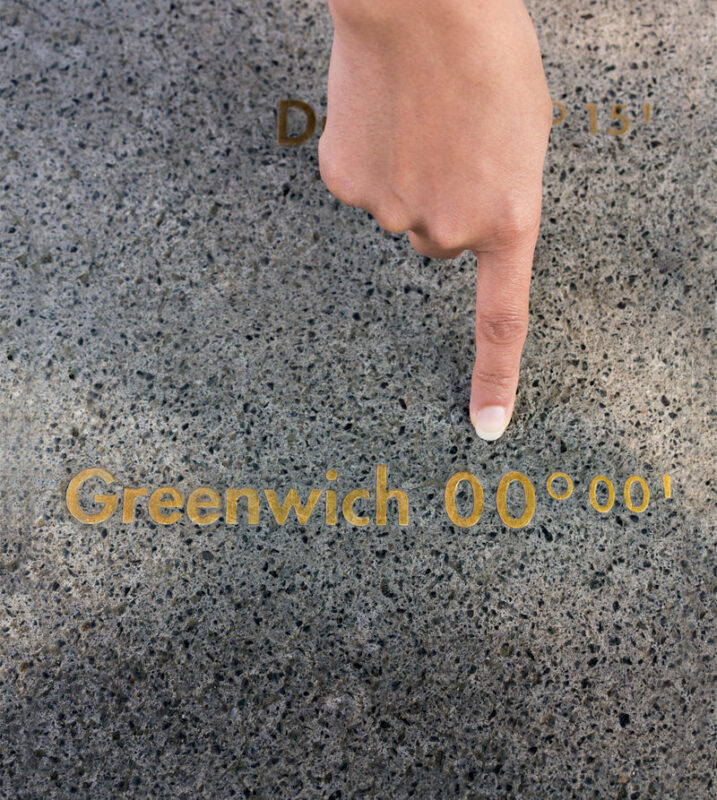
At Greenwich, the famous brass line turns an abstract idea into a photo: stand with one foot east and one west of the Prime Meridian, the longitude line adopted as the global reference in 1884. The Observatory makes a good case for why measuring time and mapping the stars mattered far beyond the walls of this hilltop building.
I like two things in particular: the chance to see the Octagon Room, designed by Christopher Wren, and the way the displays connect astronomy with practical timekeeping and navigation. The view across Greenwich Park toward London is another strong reason to make the climb.
The main consideration is the uphill walk, which can feel steep in hot weather. And if you come only for a quick Meridian Line photo, the ticket may feel costly; the exhibits are what make the visit worthwhile.
- At a glance: what your ticket covers
- Why Greenwich’s zero-degree line matters
- The uphill approach through Greenwich Park
- Flamsteed House and the astronomers’ rooms
- The Meridian Line: photo first, exhibits after
- Astronomy Centre and the planetarium
- How long to allow, and what the ticket costs
- Who will get the most from this visit?
- Should you book the Royal Observatory ticket?
- FAQ
- How long should I allow for the Royal Observatory?
- What does the entrance ticket include?
- Is a Peter Harrison Planetarium show included?
- What are the Royal Observatory’s opening hours?
- What languages are available for the audio guide?
- Can children visit, and do infants need to be counted?
- The Best Of London!
- More Tickets in London
- More Tours in London
- More Tour Reviews in London
- Not for you? Here's more nearby things to do in London we have reviewed
At a glance: what your ticket covers
 1 / 3
 2 / 3
 3 / 3
- Stand on the Prime Meridian: Take a photo at the line that marks zero degrees longitude.
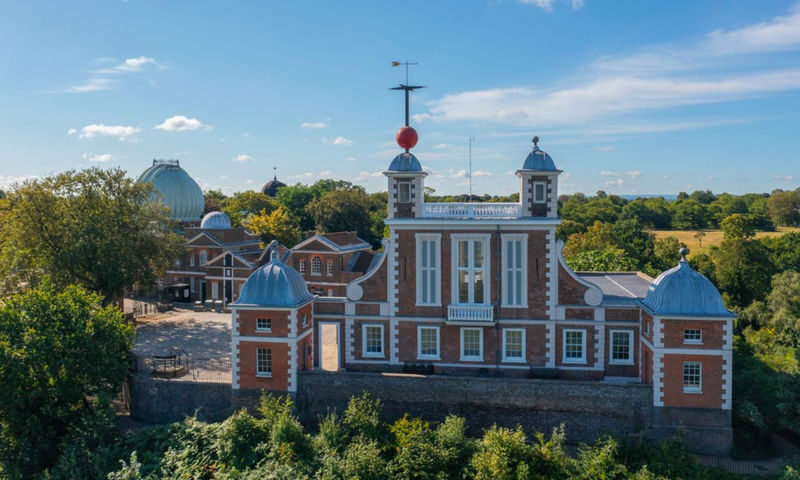
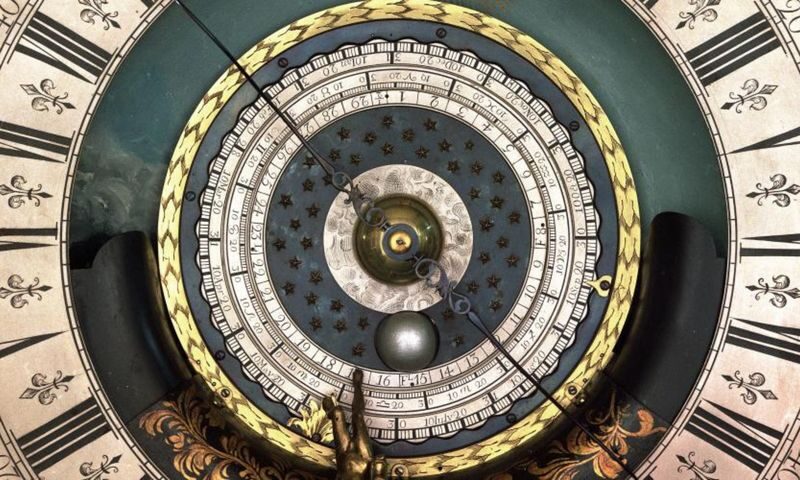
- See Flamsteed House: Explore a 17th-century observatory building and its Wren-designed Octagon Room.
- Follow the history of astronomy and time: Learn about scientists including John Harrison, Isaac Newton, Edmond Halley, James Bradley and George Airy.
- Enjoy a high viewpoint: Look over Greenwich Park and toward London from the Observatory grounds.
- Use a multilingual audio guide: Download commentary to your phone in English, Chinese, Spanish, Portuguese, German, Korean, French or Italian.
- Plan for the extra: Admission to a show at the Peter Harrison Planetarium is not included.

👉 See our pick of the 25 Best Workshops And Classes In London
Why Greenwich’s zero-degree line matters
The Prime Meridian is more than a handy place to pose with one foot in each hemisphere. It is the reference line from which longitude is measured, and its adoption helped establish Greenwich as a global standard for navigation and timekeeping. The Observatory’s exhibits put that familiar textbook fact into a human story: how astronomers and instrument makers worked to make location and time more precise.
One useful distinction: the Meridian Line is not the International Date Line. It marks zero degrees longitude, while the International Date Line lies roughly opposite it on the globe. The Greenwich line’s significance is historical and practical, but the photo is still a satisfying way to make geography feel real.
That mix of symbolism and substance sets the tone for the visit. You can take the expected picture, then spend time learning why the line is there and how people once used the sky to navigate. If you have little interest in astronomy, time or history, the line alone may not hold you for long. If you like finding the story behind a famous landmark, the rooms and displays add welcome context.
You can also read our reviews of more tours and experiences in London

The uphill approach through Greenwich Park
The Royal Observatory sits on a hill in Greenwich Park. The walk is part of the experience, with the park providing an open, green setting before you reach the historic buildings. From Greenwich Pier, the route involves a walk through the park and uphill to the Observatory. Give yourself time and energy for that climb, particularly on a hot day.
The reward is a broad view across the park and toward the city. On a clear day, you can pick out the London skyline and the River Thames; the view is one of the most praised parts of a visit. The elevated setting also helps you understand why this was a useful place for observing the sky.
Greenwich works well as more than a single-ticket stop. The park, local market and nearby museums can turn a short visit into a half-day or longer outing. The National Maritime Museum is a free nearby option, and the Old Royal Naval College is another local landmark to consider. If you are planning a full day, leave room to stroll rather than treating the Observatory as a quick detour.
Flamsteed House and the astronomers’ rooms
Inside, the historic rooms bring you close to the Observatory’s working past. Flamsteed House was built in the 17th century, and its Octagon Room, designed by Christopher Wren, is a highlight. Its preserved character gives the building a sense of place that a modern display case cannot provide.
The displays introduce the work of astronomers and scientists such as John Harrison, Isaac Newton, Edmond Halley, James Bradley and George Airy. Their names are tied to the longer effort to understand the heavens, measure time and make navigation more dependable. The exhibits are not limited to celestial objects. They also help explain the human problem of knowing where you are and what time it is.
Look out for details that bring daily life into the story, too. The Observatory’s displays include material connected with the families of astronomers, including recipes. That sort of detail makes the people behind the instruments feel less like names in a textbook and more like residents of a working household.
The Observatory is not a vast museum, and some visitors find the interior smaller than expected. I would not plan on hours of galleries alone. But if you take your time with the exhibits and audio commentary, the compact scale can make the visit easier to follow rather than overwhelming.
The Meridian Line: photo first, exhibits after
The brass line is the headline attraction, and it can draw a queue for photographs. If taking a clear picture matters to you, go there soon after entering, especially if you arrive around opening time. Once you have your photo, you can return to the displays without feeling you have missed the central moment.
The line is a simple feature, not a grand spectacle. That is part of its charm, but it is worth setting expectations: you are looking at a marker on the ground, not a dramatic exhibit. Its meaning comes from what it represents, and the surrounding galleries help explain that significance.
You need admission to the Royal Observatory to reach the Meridian Line inside the site. A ticket is therefore useful even if the line is your main aim. The gift shop also carries Meridian-themed items, so leave a little time if you enjoy souvenirs.
Astronomy Centre and the planetarium
The Observatory’s modern Astronomy Centre gives the historic site a link to present-day astronomy. It is a useful contrast with Flamsteed House: one part shows how earlier astronomers worked, while the modern centre turns attention toward the wider universe.
The Peter Harrison Planetarium is another option, but a show is not included in this entrance ticket. If you want to attend one, check the separate show admission and schedule before you go. Do not assume that a Royal Observatory ticket automatically covers a planetarium performance.
The included digital audio guide can help you move through the site at your own pace. It is available in eight languages and is downloaded to your phone, so bring a charged device and headphones if you plan to use it. The audio commentary is particularly helpful if you want more context than a quick look at the rooms provides.




How long to allow, and what the ticket costs
The suggested visit runs from 1 to 3 hours. I would lean toward the longer end if you want to hear the audio guide, see the rooms and displays, take Meridian Line photos and pause for the view. A shorter visit can work if you are focused on the line and the main highlights, but the uphill approach and photo queue still take time.
The entrance ticket is advertised from US$32.15 for the listed package, while the experience summary shows a starting price of US$35.35. Prices can vary, so check the amount shown for your chosen date and ticket before paying. Some people find the cost reasonable for the setting and exhibits; others may feel it is high if they only want the photo. The value depends on whether you give the history and displays time to land.
Booking can be convenient if you want to buy on the day and enter with a mobile voucher. The voucher is valid only for the selected date and, where applicable, time. Show it on your phone at the entrance. The Observatory is scheduled to open daily from 10:00 to 17:00, with last entry at 16:15, but hours and closure dates can change, so check current details before setting out.
Children aged 0 to 3 enter free, but infants and children must still be included in the passenger headcount. Visitors aged 16 to 24 are charged at the student rate. The activity is listed as wheelchair-accessible; if you have questions about the approach or a particular access need, confirm the arrangements with the venue before your visit.
Who will get the most from this visit?
This is a good fit for anyone curious about astronomy, navigation, clocks or the history of how people measured time. It also suits families: the Meridian Line gives children a clear, hands-on idea to remember, while the park offers space to continue the outing afterwards.
You do not need to be a physics student to enjoy the visit. The exhibits connect big scientific ideas to practical problems, such as how sailors could establish their position or how a common time standard could be set. Still, if your interest is limited to taking a photo at zero longitude, keep your expectations modest and decide if the admission price feels worthwhile for that brief moment.
The setting is part of the appeal, too. Greenwich Park gives the Observatory breathing room and a fine viewpoint, while the surrounding area makes it easy to build a broader day around the visit. In poor weather, the outdoor walk and view may be less appealing, though the historic rooms and displays remain the core indoor experience.
Should you book the Royal Observatory ticket?
Book if you want to understand why Greenwich became a reference point for time and longitude, or if you enjoy historic scientific sites with a strong sense of place. The Octagon Room, the astronomers’ stories, the Meridian Line and the view make a satisfying combination, especially when you allow two or three hours and pair the visit with the park.
If you only want a quick photo, weigh the ticket price against how much you value that moment. For a fuller Greenwich outing, the Observatory is easier to recommend: take the picture, explore the rooms, then enjoy the park rather than rushing straight back down the hill.
Royal Observatory Greenwich Ticket
“I headed there from Greenwich Pier, and after walking through the lush green park and running up the hill, a breathtaking view opened up before me-…”
FAQ
How long should I allow for the Royal Observatory?
Allow 1 to 3 hours. A longer visit gives you time for the exhibits, audio guide, Meridian Line and views.
What does the entrance ticket include?
It includes admission to the Royal Observatory Greenwich and a digital audio guide that you download to your phone.
Is a Peter Harrison Planetarium show included?
No. Admission to a show at the Peter Harrison Planetarium is not included in this ticket.
What are the Royal Observatory’s opening hours?
The listed hours are 10:00 to 17:00 daily, with last entry at 16:15. Hours and closure dates may change, so check current information before visiting.
What languages are available for the audio guide?
Audio commentary is available in English, Chinese, Spanish, Portuguese, German, Korean, French and Italian.
Can children visit, and do infants need to be counted?
Yes. Children aged 0 to 3 enter free, but infants and children must be included in the passenger headcount. Visitors aged 16 to 24 are charged at the student rate.