A good Thai cooking class teaches more than recipes. At Sompong, you can handle fresh herbs and spices, make curry paste by hand and cook a full meal at your own station. The morning class adds a local market visit, so you see ingredients in their everyday setting before you start chopping.
I like two things in particular: the step-by-step approach makes the dishes manageable for beginners, and the food you cook becomes your lunch or dinner. Instructors including Ant, Nancy and June are often singled out for clear explanations and a lively, patient teaching style.
One thing to weigh: the market visit is not part of every class time. An evening-class participant reported going straight to the school, so choose the morning session if the market is a priority. The menu can also vary by day, so don’t count on one exact combination of dishes.
- What to know before you book
- Start with the ingredients, not the recipe
- Four dishes, prepared one step at a time
- A full meal, not a token tasting
- The recipe book gives the class a second life
- Choosing a time and getting to Silom
- Who will get the most from Sompong?
- Should you book this cooking class?
- FAQ
- Does every class include a market visit?
- What dishes might I cook?
- Is the class suitable for beginners?
- Can the school accommodate dietary needs?
- What is included in the price?
- How do I get to Sompong Thai Cooking School?
- The Best Of Bangkok!
- More Cooking Classes in Bangkok
- More Tours in Bangkok
- More Tour Reviews in Bangkok
- Not for you? Here's more nearby things to do in Bangkok we have reviewed
What to know before you book
 1 / 8
 2 / 8
 3 / 8
 4 / 8
 5 / 8
 6 / 8
 7 / 8
 8 / 8
- Morning market stop: See local ingredients and learn what goes into the recipes before cooking. Bring a little cash if you want to buy something during the short free time at the market.
- Four dishes, plus curry paste: A sample menu includes papaya salad, tom yum goong, pad Thai and mango sticky rice, with vegetable carving. Exact dishes can change by day.
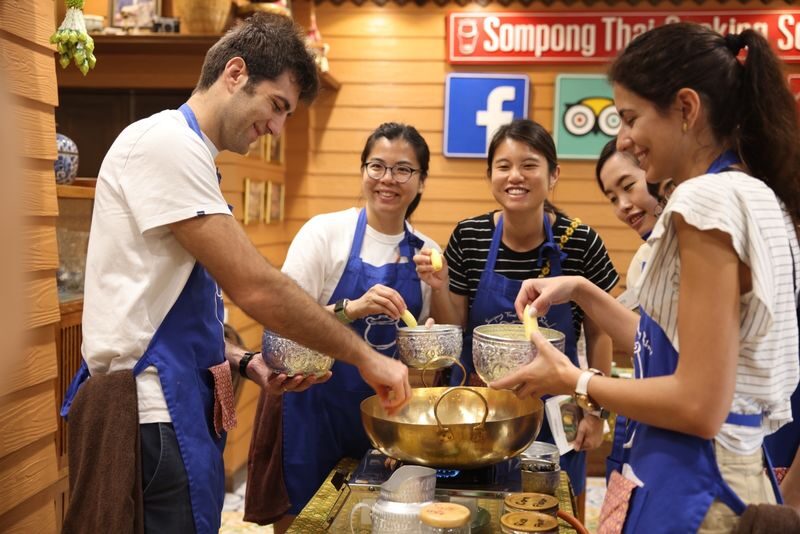
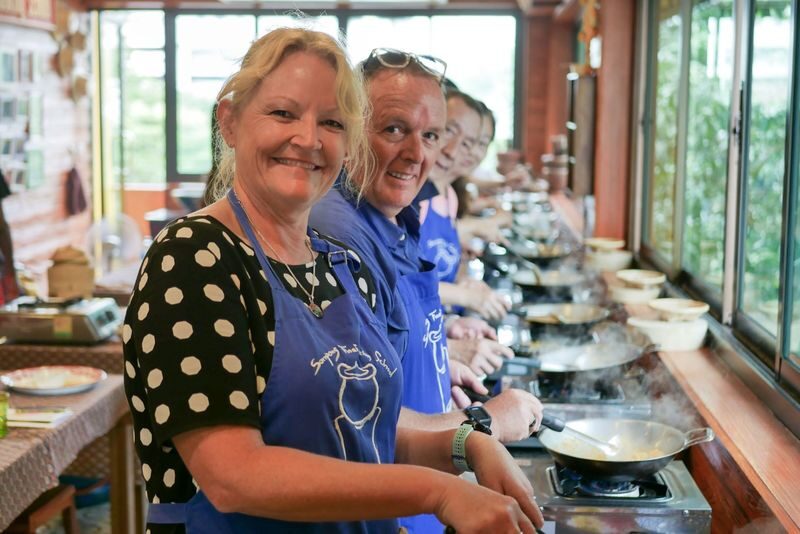
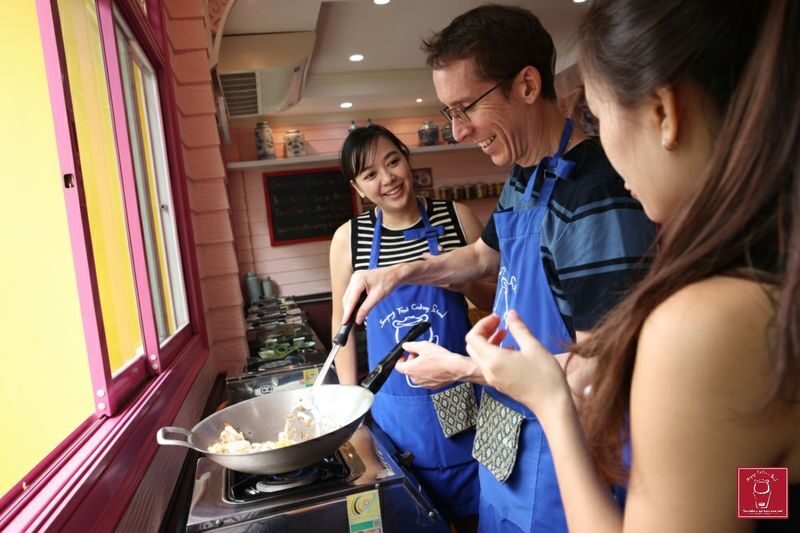
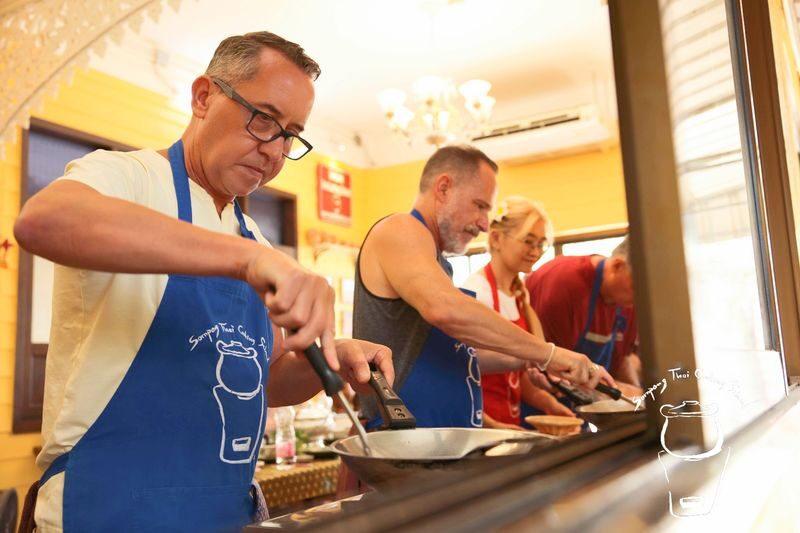
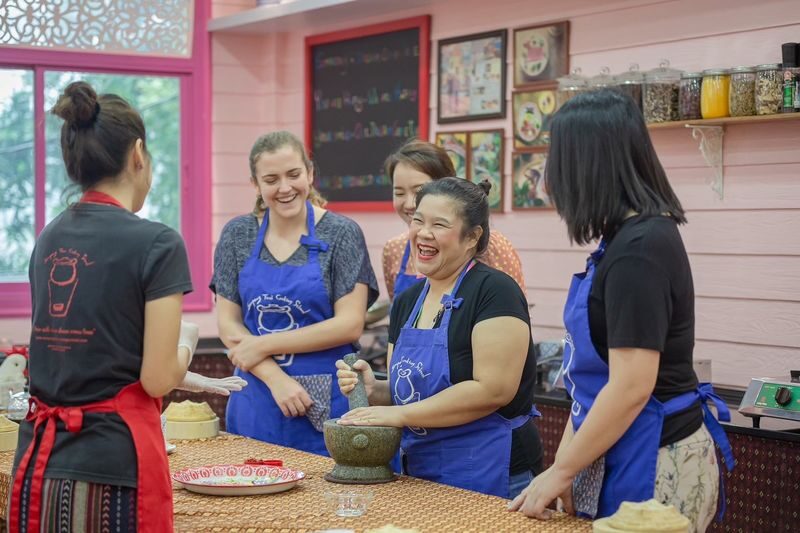
- Your own cooking station: You follow a demonstration, then prepare the dishes yourself with help from the instructor and assistants.
- Easy for beginners: Instructions are given step by step, and you can adjust the spice level to suit your taste.
- Dietary requests can be accommodated: Vegetarian alternatives, including tofu and shiitake mushrooms, are possible. Tell the school about allergies or other needs.
- A meal as well as a lesson: Ingredients, equipment, refreshments, a recipe book and a cooking certificate are included. You eat what you make, and you may have leftovers to take away.
👉 See our pick of the 25 Best Shopping Tours In Bangkok
Start with the ingredients, not the recipe
Sompong Thai Cooking School is at 2, 6-2/7 Silom Soi 13 in Bang Rak, a central part of Bangkok with major hotels nearby. The class begins and ends at the school, though the morning session first takes you to a local open market.
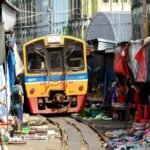
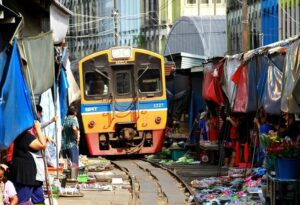
That market visit is more than a quick shopping errand. You get an introduction to the herbs, spices and produce that will show up later at your cooking station. It helps make sense of Thai flavor combinations: instead of meeting a finished curry as a mysterious bowl of sauce, you begin to recognize the ingredients that build its taste.
The instructor guides the group through the market and explains what different items are used for. In the morning, you may also have a short period of free time to look around or buy food. One useful tip: carry some cash if you want to shop during that pause.
The market stop is a feature to plan around, not a guarantee across all time slots. The evening class runs from 5:30 to 8:30 p.m., and an evening participant reported that it did not include a market visit. The afternoon class runs from 1:30 to 4:30 p.m.; the supplied details do not confirm whether it includes the market, so ask before booking if that part matters to you.
You can also read our reviews of more cooking classes in Bangkok
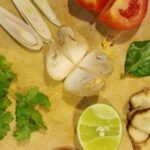
Four dishes, prepared one step at a time
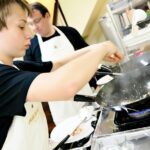
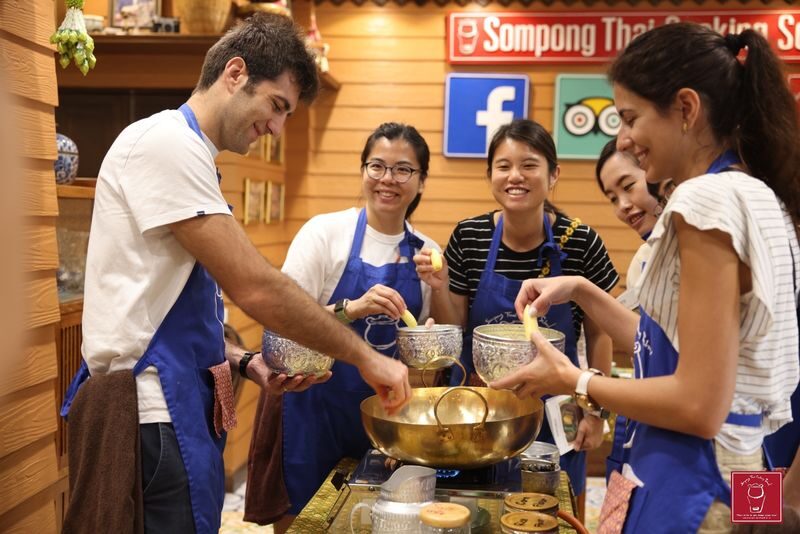
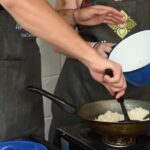
Back at the school, the class shifts from looking at ingredients to using them. Your instructor demonstrates each dish, explains the method, then gives you time to make it yourself at an individual cooking station. Assistants circulate to help, so the format is hands-on without leaving a first-time cook to fend for themselves.
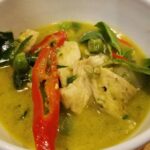
The sample menu includes four familiar Thai favorites: papaya salad, tom yum goong, pad Thai and mango sticky rice. Other accounts of the class describe making green chicken curry as well, which is a good reminder that the day’s menu can differ. A carving activity and vegetable work are also included in the evening-class package details.
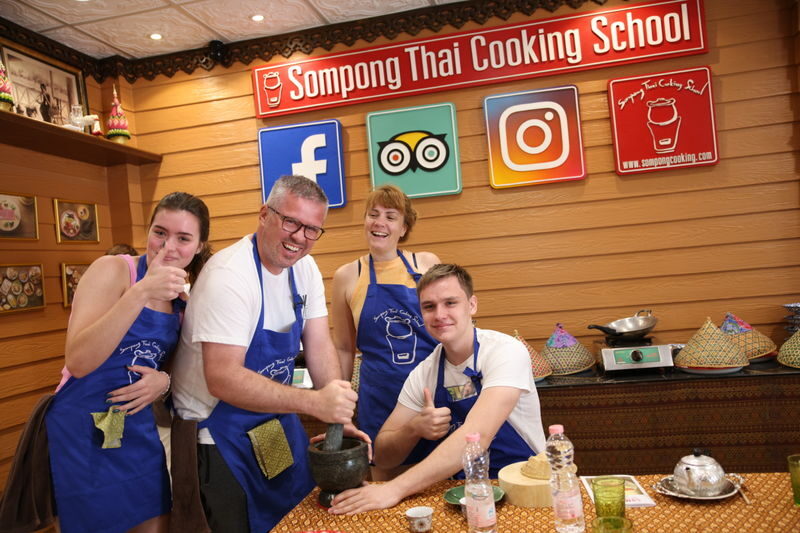
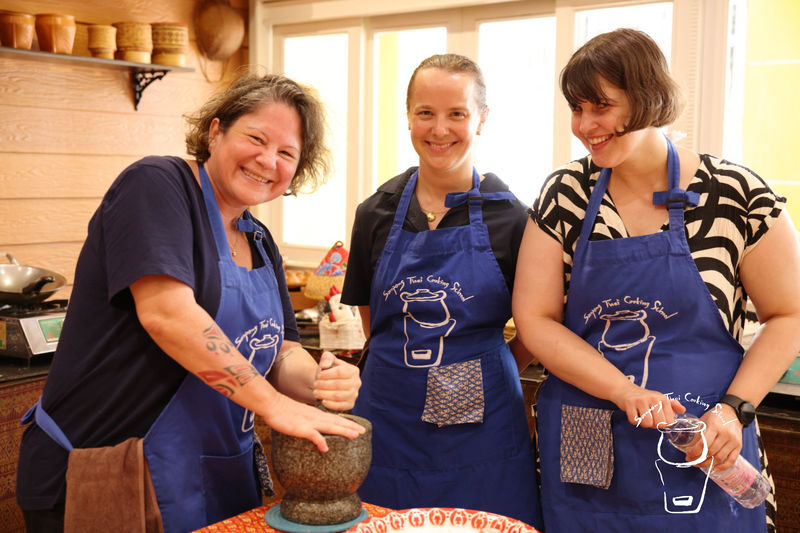
Curry paste is one of the most useful lessons. You make it from scratch rather than relying only on a ready-made base, which gives you a clearer feel for how fresh aromatics and spices contribute to a curry. You also get to work through the practical steps of preparing popular dishes, from chopping and mixing to cooking and presentation.
The class is structured around demonstration and practice. That matters because watching a chef can make a dish look simple, while doing it yourself reveals the small decisions involved. You can ask questions as you go, and the instructors adjust their guidance for different skill levels.
Several instructors are named in accounts of the classes, including Ant, Nancy and June. The common thread is an energetic, humorous teaching style paired with patient explanations. Ant and her brother San are also mentioned as a team, and assistants help keep the cooking moving and check in with participants.
A full meal, not a token tasting
The best reward comes at the end of each cooking round: you eat what you have made. This is not a demonstration where you leave with a tiny sample and a recipe card. With four dishes on the menu, the meal can be substantial, so arrive hungry and pace yourself.
You can adjust the spice level to your preference, a practical detail for anyone who enjoys Thai food but does not want every dish at full heat. If you eat vegetarian, alternatives such as tofu and shiitake mushrooms have been used in place of meat or seafood. The school also accommodates allergies, gluten intolerance and other dietary needs; make those requirements clear to the staff.
The finished meal is part of the value. You learn a technique, taste the result, and can connect what you cooked with what you learned about the ingredients. If you cannot finish everything, leftovers may be taken home to share.
The recipe book gives the class a second life
A cooking lesson is more useful when you can repeat it at home. Sompong includes a printed recipe book with clear instructions and photographs. It covers the dishes from class and other Thai recipes, so the value does not end when you leave the school.
That book is especially helpful for beginners. You can follow the method again later without relying on memory or trying to reconstruct a recipe from a few hurried notes. The class also includes a cooking certificate, refreshments and the equipment and ingredients needed during the lesson.
The recipes alone are not the whole point. The market visit, ingredient explanations and chance to practice each dish give you a better basis for making substitutions or adjusting seasoning later. If you enjoy Thai food and want to try cooking it at home, that combination makes the class more useful than a one-off meal.
Choosing a time and getting to Silom
There are three scheduled options: morning from 9 a.m. to 12:30 p.m., afternoon from 1:30 to 4:30 p.m. and evening from 5:30 to 8:30 p.m. The morning class is half an hour longer than the other two and is the clearest choice if you want the market visit.
The listed starting price is US$34.19 for the afternoon or evening class. The morning option starts at US$35.69. Prices can change, but at those rates the fee covers ingredients, instruction, equipment, refreshments, a recipe book, a certificate and a full meal. For a three-hour class, that is solid value if you want both an activity and dinner or lunch.
The school is on Silom Soi 13. The directions provided suggest taking the BTS Silom Line to Chong Nonsi station, exit 3, then heading north along Silom Road and turning left toward Silom Soi 13. The venue is not right at the station, so allow time to find it; a local taxi or ride-hailing car is another option. If you drive, the school’s directions route you via Sala Daeng Junction and Silom Road.
Only paying participants may join the class. Children aged 0 to 5 can attend free, while children aged 6 and older pay the adult rate. Children aged 0 to 10 must be accompanied by a paying adult.
Your voucher is presented on a mobile device and is valid only for the date and time booked. Confirmation is expected within 24 hours. You can cancel for a full refund if you do so at least 48 hours before the activity, using Bangkok local time.
You can also read our reviews of more tours and experiences in Bangkok


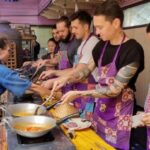
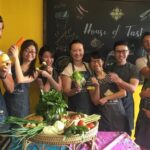
Who will get the most from Sompong?
This class suits you if you like Thai food and want more than a restaurant meal. It is a good fit for first-time cooks, solo visitors, couples and families with older children who can take part in a guided cooking session. The individual stations and clear demonstrations make the process approachable, while the ingredient explanations give curious cooks something to take home beyond the recipes.
It is also a sensible choice if you want a structured activity in central Bangkok. Silom puts the school near major hotels, and the class lasts about three to three and a half hours. You can choose a morning, afternoon or evening slot to fit around other plans.
The main reasons to pause are straightforward. If the market visit is essential, choose the morning class rather than assuming every session includes it. If you are set on a particular dish, check which menu is offered on your date, since the selection varies. And if you do not enjoy cooking or eating a full meal, this class may take more time than you want to give it.
Should you book this cooking class?
I would book Sompong if you want to learn a handful of Thai dishes in a friendly, practical setting and eat well along the way. The strongest combination is the market visit, the chance to make curry paste, individual cooking practice and a recipe book you can use at home.
Choose the morning session for the most complete food-focused outing. Pick afternoon or evening if the market is less important and the timing works better for your day. At a starting price of about US$34, it offers good value for a guided lesson, four dishes and a meal, especially if you plan to cook Thai food again after Bangkok.
Sompong Thai Cooking Class in Bangkok
“The entire experience was amazing. First, we went to the local market, and the guide gave a wonderful and very interesting explanation.”
FAQ
Does every class include a market visit?
The morning class includes a local market visit. An evening-class participant reported that the evening session did not include one. The supplied details do not confirm whether the afternoon class visits the market, so check before booking if you want to go.
What dishes might I cook?
A sample menu includes papaya salad, tom yum goong, pad Thai and mango sticky rice. Green chicken curry is also described in accounts of the class, and the menu can vary by day.
Is the class suitable for beginners?
Yes. The instructor demonstrates each dish step by step, and participants then cook at their own stations with help available. The class is described as suitable for beginners as well as more experienced cooks.
Can the school accommodate dietary needs?
The activity can accommodate allergies, gluten intolerance, vegetarian diets and other dietary needs. Vegetarian substitutes such as tofu and shiitake mushrooms are possible.
What is included in the price?
The fee includes ingredients, cooking equipment, English-speaking staff, refreshments, a recipe book, a cooking certificate and four Thai dishes with carving and vegetable preparation. Transport and personal expenses are not included.
How do I get to Sompong Thai Cooking School?
The school is at 2, 6-2/7 Silom Soi 13, Bang Rak, Bangkok 10500. Directions suggest taking the BTS Silom Line to Chong Nonsi station, exit 3, then heading north on Silom Road and turning left toward Silom Soi 13.