Lake views, a transparent mentaiko factory, and more than 230 outlet brands make an unusual day out from Kyoto or Osaka. This tour strings together three very different stops, with a seasonal choice between Lake Biwa Terrace and Sanzen-in Temple.
I like the mix: the outlet gives you time to shop and eat at your own pace, while Mentaiko Park offers a quick look at how this Japanese specialty is made. I also like that the final stop changes with the season, so you can choose a high viewpoint or a quiet temple setting.
The trade-off is a long day with fixed stops and a tight timetable. The starting price does not cover attraction tickets, food, or drinks, and traffic or weather can cut into your time. You’ll get the most from it if you’re happy to let someone else handle the driving and keep your plans flexible.
- The day at a glance
- Three stops, three sides of Kansai
- Two hours at Mitsui Outlet Park Shiga Ryuo
- A close look inside Shiga Mentaiko Park
- Lake Biwa Terrace or Sanzen-in Temple
- What the price covers, and what it doesn’t
- Timing, meeting points, and the fine print
- Who should book this day trip?
- FAQ
- What is included in the starting price?
- How much is admission to Lake Biwa Terrace?
- How much does Sanzen-in Temple cost?
- When does the tour visit Lake Biwa Terrace?
- Where does the tour return?
- Can I bring luggage or an infant?
- What happens if the tour does not reach four participants?
- The Best Of Kyoto!
- More Tours in Kyoto
- More Tour Reviews in Kyoto
- Not for you? Here's more nearby things to do in Kyoto we have reviewed
The day at a glance
 1 / 8
 2 / 8
 3 / 8
 4 / 8
 5 / 8
 6 / 8
 7 / 8
 8 / 8
- Shop at a major Kansai outlet: Spend two self-guided hours among more than 230 brands at Mitsui Outlet Park Shiga Ryuo.
- See mentaiko being made: Shiga Mentaiko Park has a transparent factory and a chance to try items such as fresh mentaiko rice balls and pasta.
- Pick a seasonal finale: Visit Lake Biwa Terrace during its operating dates, or go to Sanzen-in Temple on other dates.
- Plan for extra admission costs: The starting fare covers transport and a Chinese-speaking driver-guide, but not the ropeway or temple entry.
- Expect a full day on the road: Departure is listed for 08:00 or 09:10, depending on the meeting arrangement, with estimated returns from 17:15 to 18:45.
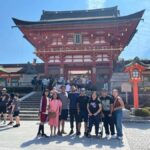
- Small groups are possible: One outing had four people, with guide Kuwata and two colleagues. The compact group was praised for a professional, enjoyable day.

👉 See our pick of the 25 Best Workshops And Classes In Kyoto
Three stops, three sides of Kansai
This is not a classic Kyoto temple circuit. It heads out of the city to Shiga, where shopping and food take up the first part of the day, then finishes with either mountain-and-lake views or a quieter temple visit. That variety is the point: you can sample several kinds of Kansai scenery without arranging separate transport.
The format also has limits. Each attraction is self-guided, and the listed stop times are short enough that you’ll want to decide in advance what matters most. At the outlet, that might mean browsing a few shops rather than trying to cover the whole site. At the final stop, it means choosing between views, a ride, a snack, or a slow walk, rather than doing everything at leisure.
A Chinese-speaking professional driver-guide is included, along with round-trip transfers. The package options also list an English option, but the details provided for the described package are for the Chinese-language assembly-point option. Check the language and meeting arrangement when booking, and use the supplier’s final email for the guide and vehicle information.
You can also read our reviews of more tours and experiences in Kyoto.

Two hours at Mitsui Outlet Park Shiga Ryuo
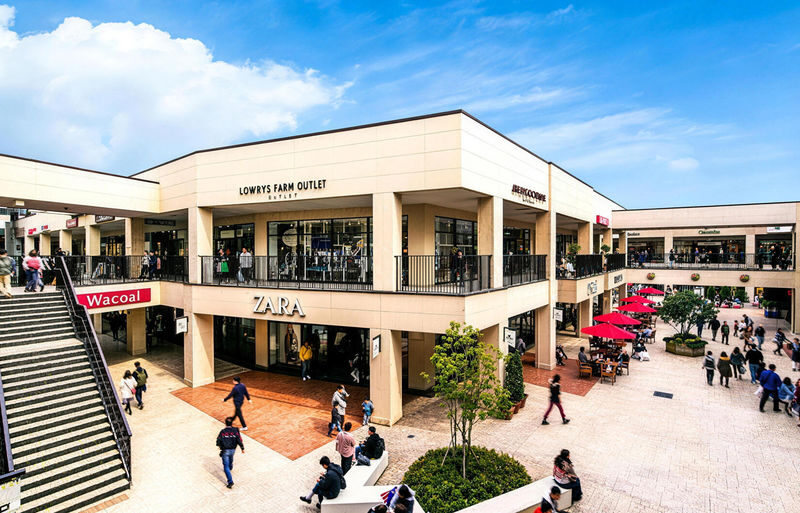
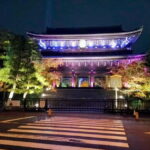
The first stop is Mitsui Outlet Park Shiga Ryuo, described as the largest outlet in Kansai, with more than 230 brands. It is built as an open-air shopping park among green hills and trees, so the setting is less like a sealed indoor mall and more like a broad retail complex with outdoor walkways.
You have two hours to explore independently. That is enough for a targeted shopping visit, a meal, or a look around, but it may feel brief if you want to compare prices across many stores. International luxury labels, sports brands, and lifestyle goods are all part of the mix. The range makes the stop useful for companions with different tastes, though a shopping-heavy visit will naturally leave less time for lunch.
I’d arrive with a short list and a meeting-time reminder set on your phone. The schedule is shared, so you cannot simply extend your stay because you found another shop. If shopping is not your main interest, treat the outlet as a chance to stretch your legs and have a relaxed meal before the food-focused stop.
A close look inside Shiga Mentaiko Park
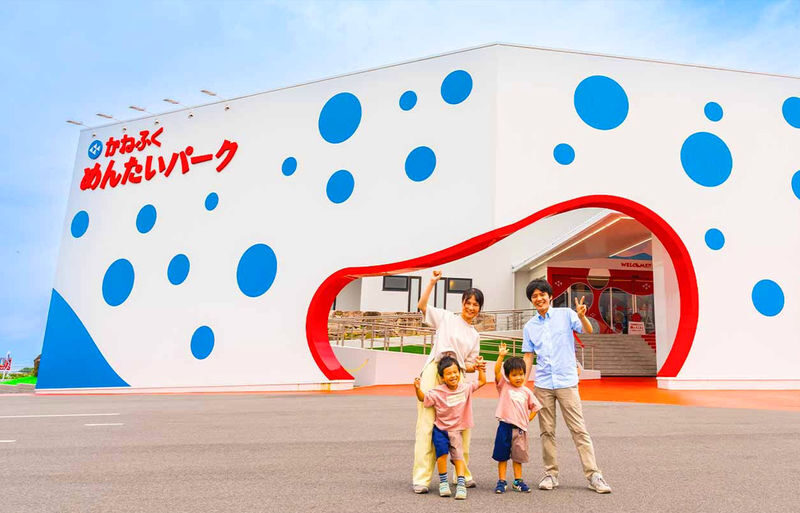
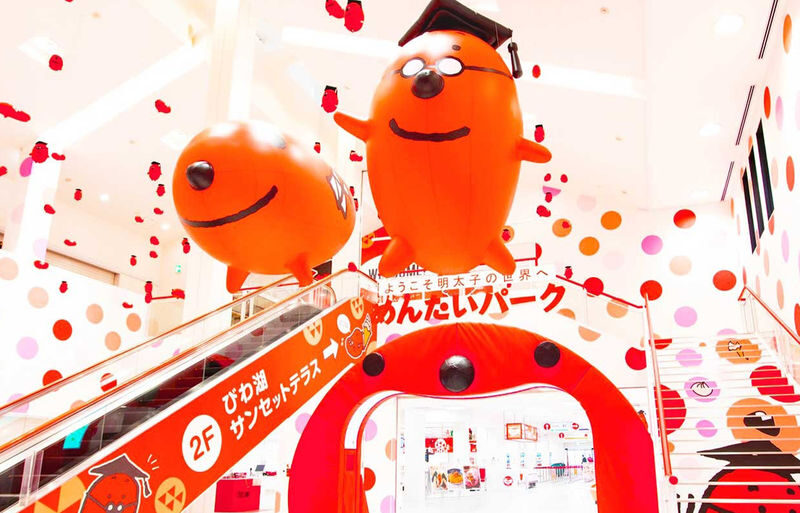
At 12:40, the tour reaches Shiga Mentaiko Park for an hour. Mentaiko is seasoned pollock roe, and the park’s main draw is a transparent factory where you can watch the production process up close. It gives the stop more substance than a simple shop visit, especially if you are curious about how a familiar Japanese food is prepared.
There are also foods to sample or buy, including freshly made mentaiko rice balls, pasta, and limited-edition desserts. The selection makes this a good place to try something you might not order at a regular restaurant. But the hour is short, and meals and drinks are not part of the tour price, so you’ll need to pay separately for anything you eat.
This is a practical lunch window as well as a food stop. If you want a full meal, look at the options when you arrive rather than spending the whole hour browsing. If you have dietary restrictions, the available details do not specify ingredients or alternatives, so ask on site before ordering.
Lake Biwa Terrace or Sanzen-in Temple
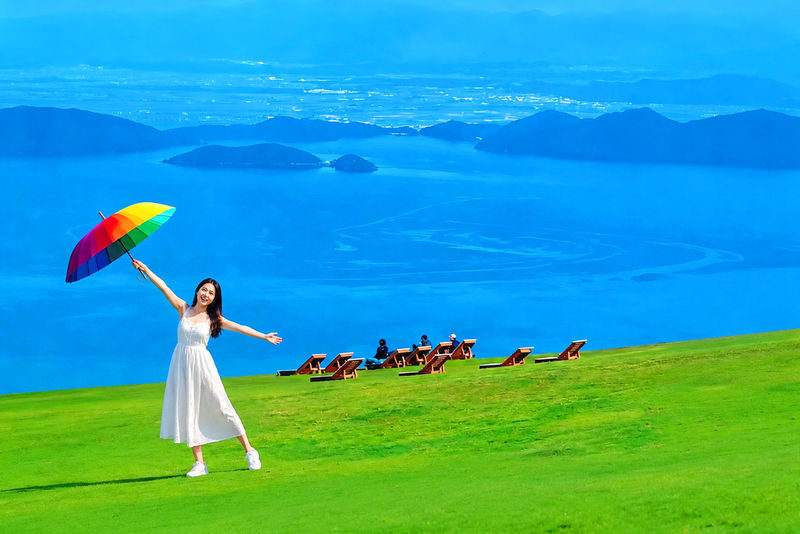
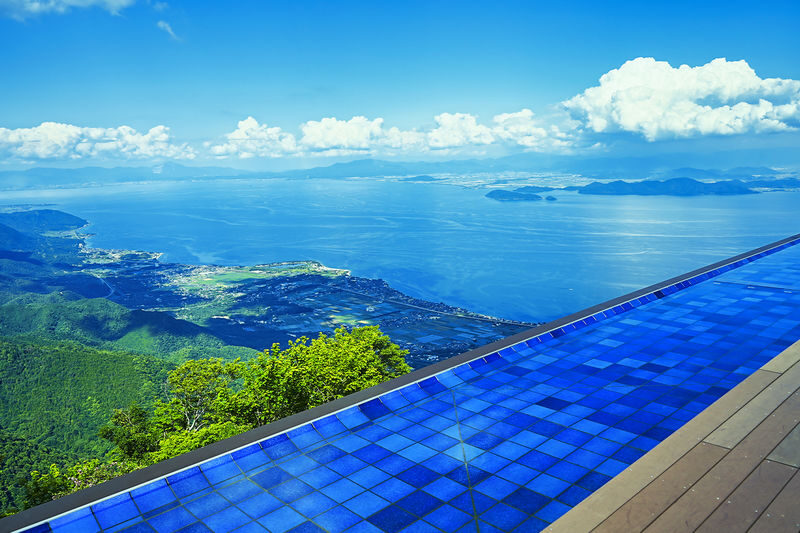
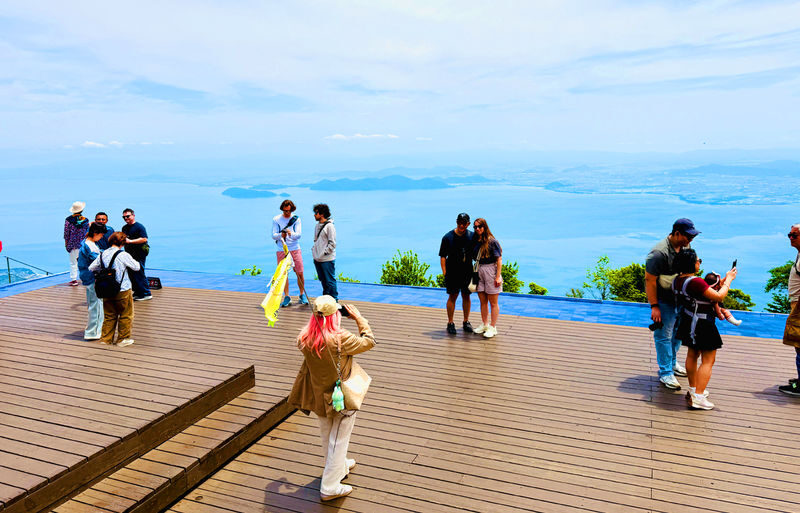
The final stop, scheduled for 14:20 with about two hours on site, changes by date. During the listed Lake Biwa Terrace season, the tour takes you up by ropeway to look out over Lake Biwa, Japan’s largest lake. The operating dates given for 2026 are July 1 to November 23 and December 19 to March 21, with maintenance from September 7 to September 11.
The terrace is the choice for broad views and a change of altitude after the outlet and factory. The cable car is promoted as Japan’s fastest, and the self-purchased ticket includes the round-trip ropeway, unlimited chairlift rides, and admission to the terrace. That ticket costs ¥5,000 per person. An additional ¥500 applies on August 8 to 16 and September 20 to 22, 2026.
The view depends on conditions. Weather can affect the outing, and the operator may adjust the schedule or skip attractions because of weather or capacity. Even on a clear day, two hours is not an invitation to linger without watching the clock: allow time for the ropeway and any chairlift ride you want, then leave enough time to return to the vehicle.
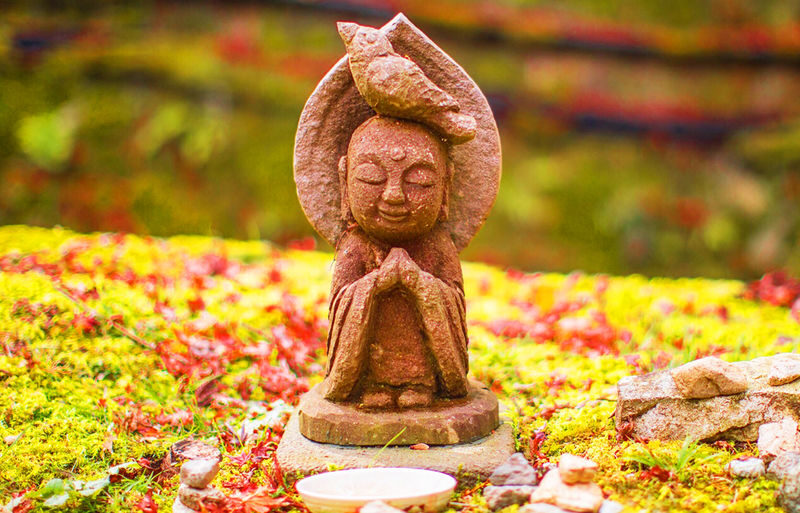
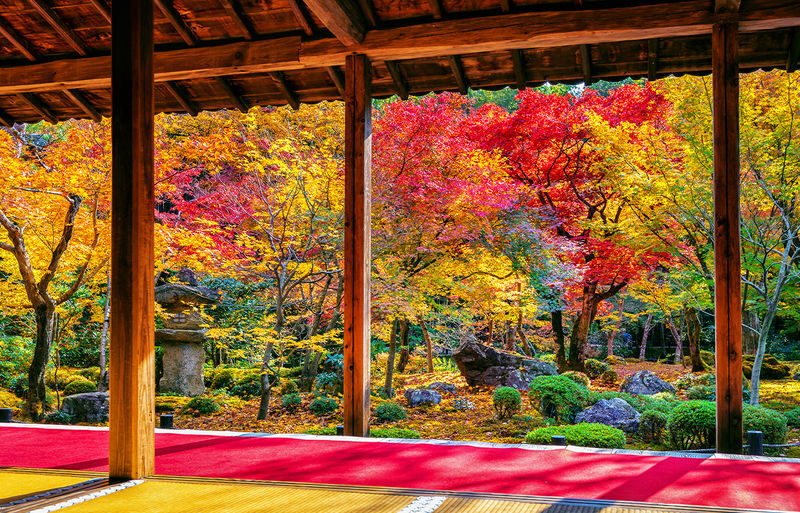
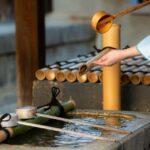
On other dates, the tour visits Sanzen-in Temple in Ohara, Kyoto. This is a slower, more contemplative alternative, known for moss gardens, old temple buildings, and seasonal scenery. Admission is extra: ¥700 for adults, ¥400 for high school and junior high school students, and ¥150 for elementary school students.
The choice is really about the kind of afternoon you want. Lake Biwa Terrace offers a high viewpoint and a ropeway ride; Sanzen-in offers a temple setting and garden paths. The schedule assigns the stop by season, so you should not assume you can choose between them on the day.
What the price covers, and what it doesn’t
The advertised starting price is US$61.29. For that, you get round-trip transport and a Chinese-speaking driver-guide. You do not get meals, drinks, insurance, personal purchases, or admission to the final attraction. The actual outlay will therefore be higher if you visit Lake Biwa Terrace or Sanzen-in, and higher again if you shop or eat along the way.
For Lake Biwa, budget ¥5,000 for the ropeway and terrace ticket, plus the extra ¥500 on the listed peak dates. For Sanzen-in, the adult entry fee is ¥700, with lower rates for school-age children. These are meaningful additions to a low starting fare, so compare the full cost rather than judging the trip by the headline price alone.
The value is strongest if you want transport to several out-of-town stops without planning the connections yourself. You get a full day with a driver and a varied route, but not a private guide walking you through each attraction. The stops are self-guided, and the tour’s main service is linking them together efficiently.
A small group can make the day feel less anonymous. One reported outing had four people, with Kuwata as the guide and two colleagues accompanying the group. That is a useful indication of what can happen, not a promise that every departure will be that small. The vehicle is assigned according to the number of participants, and a smaller group may mean a smaller, less spacious vehicle.

Timing, meeting points, and the fine print
The schedule lists departures at 08:00 and 09:10. The tour provides meeting-point details and asks you to arrive 10 minutes early; the supplier sends guide and vehicle information by email between 20:00 and 21:00 on the night before departure. Check your spam folder, and follow the latest email if more than one arrives. Confirm your meeting point before the day, since changing it at the last minute may leave you unable to board.
The estimated return is 17:15 to 17:45 at Kyoto’s Hachijo Exit sightseeing-bus parking area, or 18:15 to 18:45 at Osaka Kintetsu Nippombashi. Traffic and weather can delay those times, so don’t schedule a show, dinner reservation, or onward connection too tightly.
This is a shared-vehicle trip. Seating is generally first come, first served, and the vehicle type cannot be selected. The operator may adjust the order or length of stops to meet vehicle operating rules or respond to traffic and weather. Some attractions may be skipped if capacity or conditions require it.
You may bring one piece of luggage, preferably carry-on size, but you must tell the supplier when booking. A large case is a poor fit, especially if the trip runs with a smaller vehicle. Children aged 0 to 2 can travel free if they do not use a separate seat, but they still count toward the vehicle’s approved passenger capacity and must be noted in advance. Children aged 3 and older pay the adult rate.
The tour requires at least four participants. If that minimum is not met, you can request a different date or a full refund. Anyone aged 70 or older, and anyone who is pregnant, must arrange a signed waiver in advance. These rules are worth sorting out before departure, since late arrivals and no-shows are not refunded.
Who should book this day trip?
I’d choose this tour if you want a break from Kyoto’s familiar temple-and-shopping routes and like the idea of combining retail, a food stop, and either a lake view or a garden temple. It suits people who enjoy browsing, trying local specialties, and seeing a different side of the region without handling transport changes themselves.
It is less suited to anyone who wants a slow, in-depth visit at one place. The two-hour outlet visit, one-hour food stop, and two-hour finale leave little room to wander far beyond the planned areas. The route also involves a long drive, and its timing can shift with traffic, weather, or capacity.
Book it if the mix is more appealing than spending a whole day on one attraction, and if you are comfortable paying admission and food costs separately. Skip it if you want a flexible day, need a firm return time, or would rather explore Kyoto at your own pace.
Shiga Mitsui Shiga Ryuo Outlet-Mentaiko Park-Lake Biwa Observation Deck/Arashiyama Sanzen-in
“Tour guide Kuwata, along with two colleagues, made a group of three. There were only four people in our tour group. Tour guide Kuwata was very prof…”
FAQ
What is included in the starting price?
The starting price includes round-trip transfers from the meeting location and a Chinese-speaking professional driver-guide. Meals, drinks, attraction admission, personal expenses, and insurance are not included.
How much is admission to Lake Biwa Terrace?
The ropeway ticket costs ¥5,000 per person and includes a round trip on the ropeway, unlimited chairlift rides, and terrace admission. An additional ¥500 is required on August 8 to 16 and September 20 to 22, 2026.
How much does Sanzen-in Temple cost?
Admission is ¥700 per adult, ¥400 for high school and junior high school students, and ¥150 for elementary school students.
When does the tour visit Lake Biwa Terrace?
The listed 2026 operating dates are July 1 to November 23 and December 19 to March 21. The attraction is closed for maintenance from September 7 to September 11. On other dates, the tour visits Sanzen-in Temple.
Where does the tour return?
The estimated Kyoto return is 17:15 to 17:45 at the Hachijo Exit sightseeing-bus parking area. The estimated Osaka return is 18:15 to 18:45 at Kintetsu Nippombashi. Traffic and weather can affect arrival time.
Can I bring luggage or an infant?
Each traveler may bring one piece of luggage, preferably carry-on size, if it is noted when booking. Infants aged 0 to 2 may travel free without a separate seat, but they must be included in the vehicle’s passenger count and noted in advance.
What happens if the tour does not reach four participants?
The activity requires at least four participants. If the minimum is not met, you can book another date or request a full refund.