Pastel de nata is best eaten warm, and this class lets you take the tart from dough to oven before sitting down to taste what you made. I like the small group of up to 10, which gives you room to take part, and the mix of baking, pastry history and conversation with hosts Emanuel and Teresa.
The main consideration is time. The session is listed as 90 minutes, but the baking and tasting can run longer, so avoid booking it just before a fixed appointment. You’ll also be working with food, and the activity is not suitable for people with food allergies.
- A proper hands-on recipe: The group shares the stages, from pastry dough to custard and baking.
- A warm, personal setting: St. Joseph Studio is Emanuel’s art studio in Massarelos, not a large commercial kitchen.
- More than a baking lesson: You hear about the pastry’s history and can pick up Porto tips in conversation with the hosts.
- Fresh from the oven: You eat the tarts you make, and can take some more with you.
- Cocktails, with a non-alcoholic option noted: Porto-style cocktails come with the tasting, and mocktails have also been offered.
- At St. Joseph Studio in Massarelos
- Making the pastry together
- The story behind Portugal’s custard tart
- Tasting your tarts with Porto cocktails
- How long it takes, and what buys
- Who will enjoy this class most
- Should you book the pastel de nata workshop?
- FAQ
- Where does the workshop take place?
- How long is the class?
- How much does it cost?
- Who leads the workshop?
- Which languages are offered?
- Is the class suitable for beginners?
- Are ingredients and equipment included?
- Are cocktails included?
- Is the workshop suitable for someone with food allergies?
- The Best Of Porto!
- More Workshops & Classes in Porto
- More Tours in Porto
- More Tour Reviews in Porto
- Not for you? Here's more nearby things to do in Porto we have reviewed
At St. Joseph Studio in Massarelos
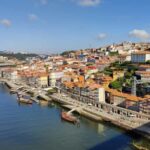
The class meets at St. Joseph Studio, at Outeiro Street nº 5 in Massarelos. This is one of Porto’s older, more typical areas on the banks of the Douro and part of the Caminhos do Romântico route. The venue itself is an art studio, with paintings by Emanuel on display. That gives the class a distinctly local feel: you’re cooking in a creative workspace rather than being ushered through a purpose-built tourist kitchen.
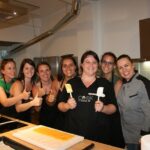
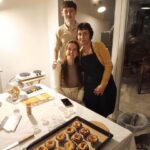
The hosts, Emanuel Ribeiro and Teresa, set the tone. The class is small, with a maximum of 10 participants, and the atmosphere is meant to be shared and informal. You may come with a partner or family, or find yourself at a table with people from several countries. The group works together, so the class suits people who enjoy a little conversation as much as a recipe.
The studio is described as wheelchair accessible. If access is important to your plans, it’s still sensible to confirm the details for your particular needs before booking. Wear comfortable clothes that you don’t mind getting dirty. Pets and indoor smoking are not allowed.
You can check availability for your dates here:
👉 See our pick of the 10 Best Shopping Tours In Porto
Making the pastry together
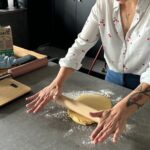
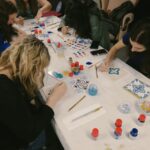
The heart of the session is a traditional-style pastel de nata recipe, explained step by step. You’ll work through the main stages: preparing the dough, making the creamy filling and getting the pastries ready to bake. The tasks are shared among the group, which keeps the class moving and gives people a chance to help rather than simply watch a demonstration.
That format is useful if you’re new to baking. You don’t need to arrive with cooking experience, and the instructor explains the process in a way that lets beginners follow along. If you already bake, the appeal is in the details: the small techniques and practical tips that can affect the texture and finish of the tart. The class focuses on making the pastry, not just assembling a quick version for a photo.
Expect to be involved, but don’t assume you’ll make every part on your own. Since the steps are divided among participants, your hands-on time will depend in part on the group. The small cap helps keep the activity manageable, though it remains a collaborative class rather than a private lesson.
Emanuel teaches the recipe and shares tips as the group works. His style has been described as clear, funny and conversational, with an ability to explain technique without making the class feel stiff. Teresa helps create a welcoming atmosphere and has taken class photos. The hosts’ warmth is a major part of the experience, so this is a good choice if you prefer a personal class over a polished, high-volume production.
You can also read our reviews of more tours and experiences in Porto


The story behind Portugal’s custard tart
The baking is paired with an introduction to the pastel de nata’s history as an emblematic Portuguese conventual sweet. The historical context adds meaning to a pastry you’ll see across Portugal, and gives you a story to carry into the rest of your trip. This is not a formal history lecture. It comes alongside the cooking, in the same conversational style as the recipe.
You can also ask about Porto as you work. Emanuel has shared local tips and details about the area, so the class can be a useful way to get a few ideas beyond the usual pastry stops. Don’t treat it as a substitute for a city tour, though. The focus stays on the tart, with local stories woven around the kitchen activity.
The studio itself adds another layer. Emanuel is a painter and tattoo artist, and his artworks are part of the room. If you like seeing how a local creative space works, take a moment to look around. The art is not a separate tour, but it helps distinguish this class from a standard cooking-school setup.
Tasting your tarts with Porto cocktails
Once the pastries are baked, the group sits down to eat them fresh. This is a simple pleasure, but an important one: warm pastel de nata has a different appeal from a tart that has cooled and travelled in a box. You also get to judge the result of your work while the baking is still fresh in your mind.
Porto-style cocktails are included for the tasting. The drinks give the finish a convivial, celebratory feel, and there have been different options to choose from. If you don’t drink alcohol, mocktails have also been served, though it’s worth checking what will be available at your session if that matters to you.
The included tasting is not the only pastry you get. You can take more of your creations to eat later, which makes the class better value than an activity that ends with one quick sample. The exact number of tarts is not specified, so don’t book on the assumption that you’ll leave with a particular quantity.
How long it takes, and what $39 buys
The class is listed at $39 per person for about 1.5 hours. That price covers the instructor, ingredients, equipment, the recipe, cultural context, fresh pastries and cocktails. You’re paying for a participatory activity and a guided introduction to the pastry, not just for the food at the end.
For a short class in Porto, the value is strongest if you want to learn a skill and share an experience, rather than simply taste a good tart. You get a recipe to take away, practical baking advice and the chance to make the pastry yourself. The intimate setting and the hosts’ personal approach add value that can be hard to measure in a per-person price.
Allow a little flexibility after the scheduled end. The class can run beyond 90 minutes, especially if the group is enjoying the conversation and tasting. That can be a bonus if your day is open, but a nuisance if you’ve booked a timed attraction or dinner straight afterward. Check the available starting times and plan the rest of your day with some breathing room.
The activity is offered in English, Portuguese and Spanish. Confirm that the language you want is available for your chosen session. It is not suitable for people with food allergies, so don’t rely on being able to adapt the recipe on the day.
More Great Tours NearbyWho will enjoy this class most
I’d choose this workshop if you’re curious about Portuguese food and want to do more than order another pastry at a café. It works well for couples, families and solo visitors who are comfortable joining a small group. A family can take part together, and the shared tasks make the class accessible even if nobody in your party considers themselves a cook.
It also suits people who like talking with local hosts. Emanuel and Teresa bring their own stories and character to the session, and the studio offers a glimpse of a working creative space. If you’re hoping for a quiet, highly structured lesson with every participant making a complete batch independently, this may not be the right format.
The class is less suitable if you have food allergies, need a strict finish time, or would rather spend your activity budget on a walking tour or museum. It’s also not a pastry tasting flight: the emphasis is on learning and making, with the drinks and fresh tarts as the reward at the end.



Should you book the pastel de nata workshop?
Book it if you want a friendly, hands-on introduction to one of Portugal’s best-known sweets, and you have time to enjoy the class without watching the clock. The combination of shared baking, the pastry’s history, Emanuel and Teresa’s warm hosting, the art-filled studio and a fresh-from-the-oven tasting makes it a more personal experience than simply buying a nata on the street.
Before booking, check that your preferred language and starting time work for you, and keep the allergy restriction in mind. Leave a cushion in your schedule, wear clothes that can handle a little flour or custard, and come ready to join in. If that sounds like your kind of afternoon, $39 is a fair price for the recipe, instruction, pastries and drinks, with the added pleasure of meeting the people behind the class.
Porto: Pastel de Nata Workshop with Cocktails
FAQ
Where does the workshop take place?
It takes place at St. Joseph Studio, Outeiro Street nº 5, in Massarelos, Porto. The area is on the banks of the Douro and part of the Caminhos do Romântico route.
How long is the class?
The listed duration is 1.5 hours. The class may run longer, so allow extra time afterward.
How much does it cost?
The listed price is $39 per person.
Who leads the workshop?
Emanuel Ribeiro teaches the pastel de nata recipe and shares its history. Teresa co-hosts the experience.
Which languages are offered?
The workshop is offered in English, Portuguese and Spanish. Check that your preferred language is available for your chosen session.
Is the class suitable for beginners?
Yes. The instructor explains the steps, and the class is designed for participants to work together. You do not need to arrive with baking experience.
Are ingredients and equipment included?
Yes. The workshop includes all the ingredients and equipment needed to make the pastries.
Are cocktails included?
Yes. Porto-style cocktails are included with the tasting. Mocktails have also been offered.
Is the workshop suitable for someone with food allergies?
No. The activity is listed as not suitable for people with food allergies.
You can check availability for your dates here: