Two seasonal sweets, made by your own hands, are the heart of this Osaka class. You’ll learn the nerikiri method, shaping and coloring a soft dough into flowers inspired by the current season, then package your work to take home. No previous craft experience is needed.
I like two things in particular: the class teaches the actual steps, from kneading to carving texture, rather than treating wagashi as a quick photo prop; and the small group size of one to ten leaves room for individual help. One point to keep in mind: this is a relatively new class, and the studio is on the seventh floor of a building that can be hard to spot.
- At a glance
- A seasonal craft lesson, not just a sweets stop
- What happens during the hour
- The tea-room setting and language
- Finding oukakimono osaka
- What the price gets you
- Who will enjoy it most
- Should you book this Osaka wagashi class?
- FAQ
- How long does the wagashi class take?
- How many wagashi will I make?
- Do I need experience making wagashi?
- What seasonal designs might I make?
- What languages are used?
- Where is the meeting point?
- Is transport included?
- Can children participate?
- Are kimono options available?
- What happens if I arrive late?
- The Best Of Osaka!
- More Tours in Osaka
- More Tour Reviews in Osaka
- Not for you? Here's more nearby things to do in Osaka we have reviewed
At a glance
 1 / 8
 2 / 8
 3 / 8
 4 / 8
 5 / 8
 6 / 8
 7 / 8
 8 / 8
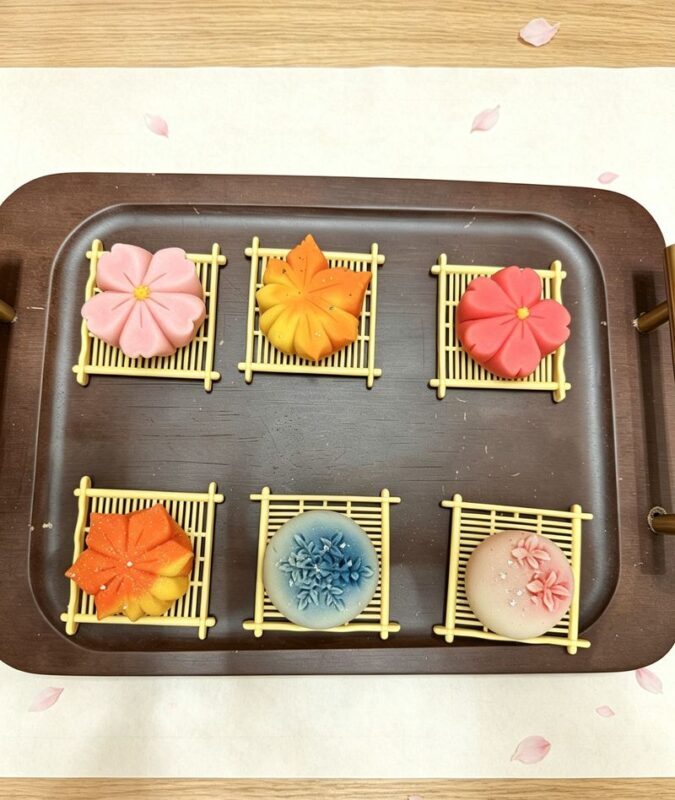
- Make seasonal nerikiri: The theme changes through the year, with cherry blossoms for spring, hollyhocks for summer, maples for autumn, and plum blossoms for winter.
- Expect two edible pieces: The experience is presented as a chance to make two sweets. Its timed class outline uses singular wording for the hands-on portion, so confirm the count if it matters to your plans.
- Learn the full shaping process: An artisan demonstrates kneading, coloring, shaping, and adding texture before you start.
- Take home your work: Your sweets go into a Japanese-style gift box, making them a personal souvenir, though they are edible rather than a keepsake to save indefinitely.
- Allow about an hour: The culture introduction, demonstration, hands-on work, and packaging add up to roughly 58 to 60 minutes.
- Find the studio on the seventh floor: The address is Shiba Building 7F, 1-18-14 Nihonbashi, Chuo-ku, Osaka.
👉 See our pick of the 24 Best Workshops And Classes In Osaka
A seasonal craft lesson, not just a sweets stop
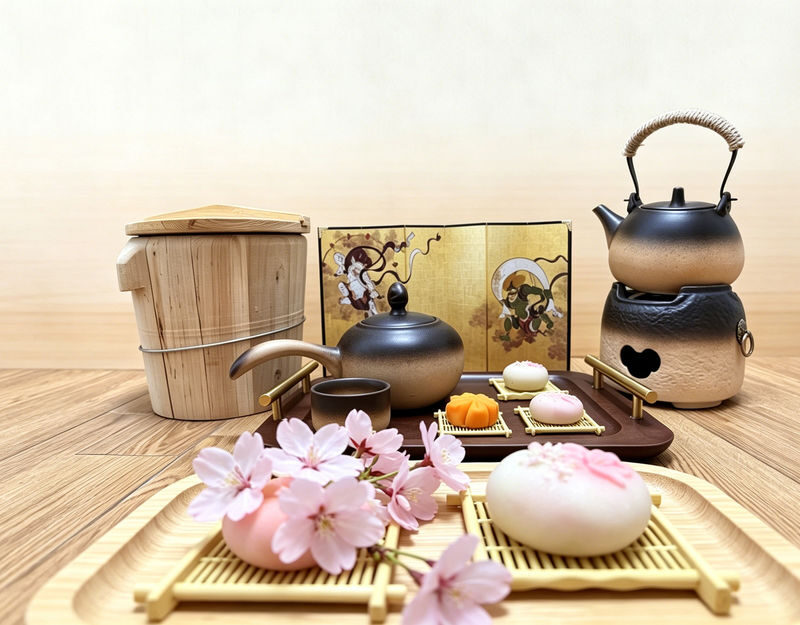
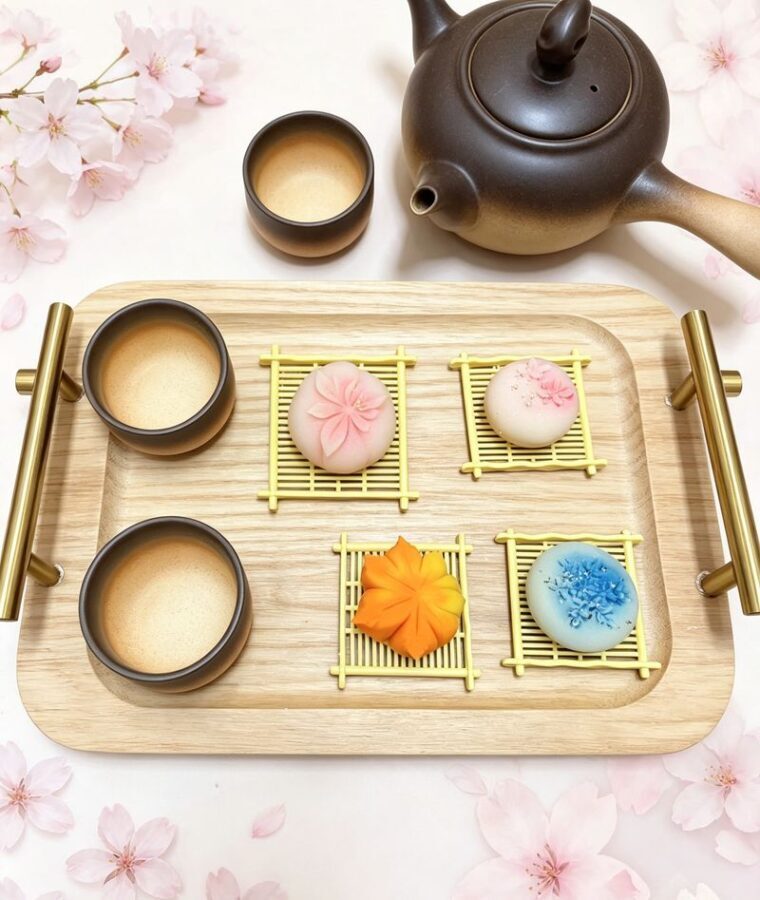
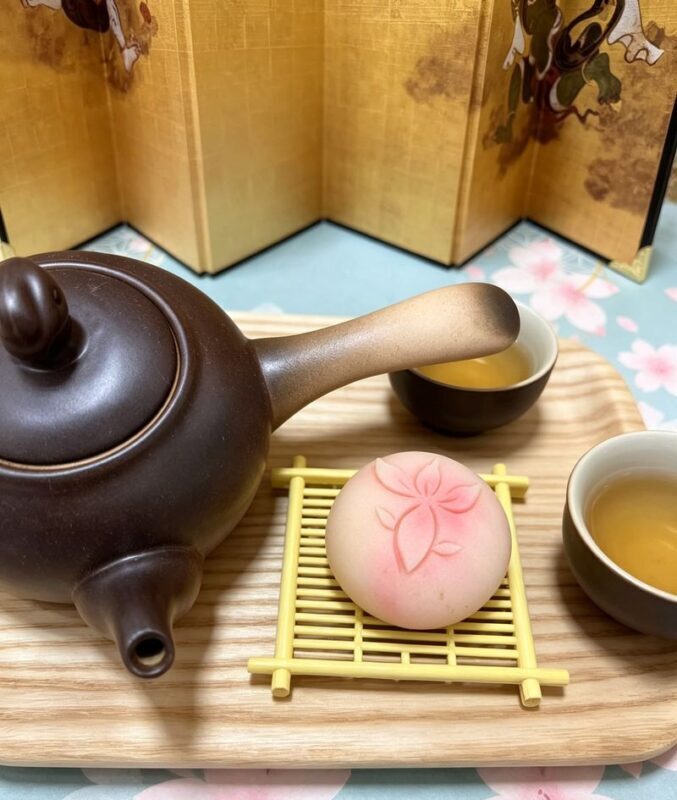
Wagashi are Japanese confections, often shaped to reflect the season. Here, the seasonal idea is more than decoration: it gives the sweets a visual theme and a link to the time of year. Spring’s cherry blossoms, summer’s hollyhocks, autumn’s maples, and winter’s plum blossoms each call for a different flower-like form.
The class focuses on nerikiri, a technique that turns dough into small, sculpted sweets. You knead and color the material, form it by hand, then add details and texture. The finished pieces are meant to be beautiful and edible, so the point is not to produce a perfect display object. It’s to learn enough to make a sweet that looks recognizably seasonal and is yours.
That makes this a good fit if you enjoy crafts, Japanese food culture, or trying a hands-on activity while in Osaka. The class is designed for beginners, so you do not need to arrive with artistic skills. Still, a little patience helps: careful shaping and carving take more attention than simply pressing a mold.
You can also read our reviews of more tours and experiences in Osaka.



What happens during the hour
The session begins with a short culture lesson lasting about eight to ten minutes. The instructor introduces seasonal aesthetics and ingredients, giving you a little context before you begin handling the dough. This is useful if you have seen wagashi in a shop window but have not known what the shapes are meant to suggest.
Next comes an artisan demonstration of about ten minutes. Watch how the dough is kneaded, colored, and shaped, and pay attention to the order of the steps. The craft can look simple when an experienced maker does it; seeing the process first helps you understand why pressure, color placement, and small finishing touches matter.
Then you get around 30 minutes of hands-on work. You make seasonal wagashi with one-on-one guidance available for adjusting details. That personal help is valuable for first-timers: if a petal or texture is not coming together, you can get a correction while the dough is still workable, rather than discovering the problem once the piece is finished.
The class information describes two pieces as the seasonal creation, while the timed activity outline refers to making one seasonal wagashi. I would plan on two, as the experience is promoted around two handmade sweets, but check the exact number with the operator if that detail is important to you.
The final ten minutes are for finishing and packaging. Your work goes into a Japanese-style gift box, so you can carry it away as a small souvenir or share it later. Since the sweets are edible, treat the box as careful packaging, not a long-term display case.
The tea-room setting and language
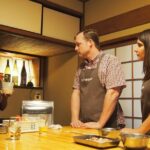
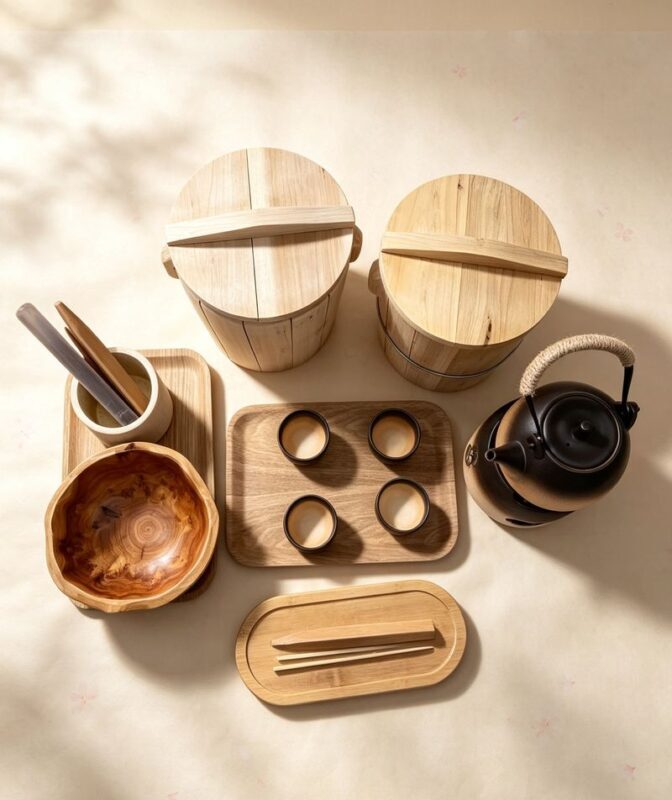
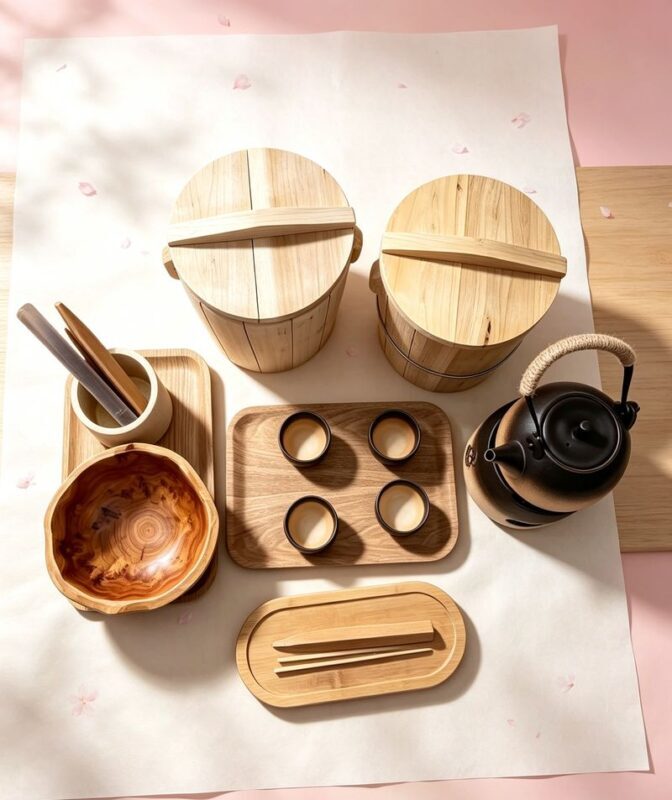
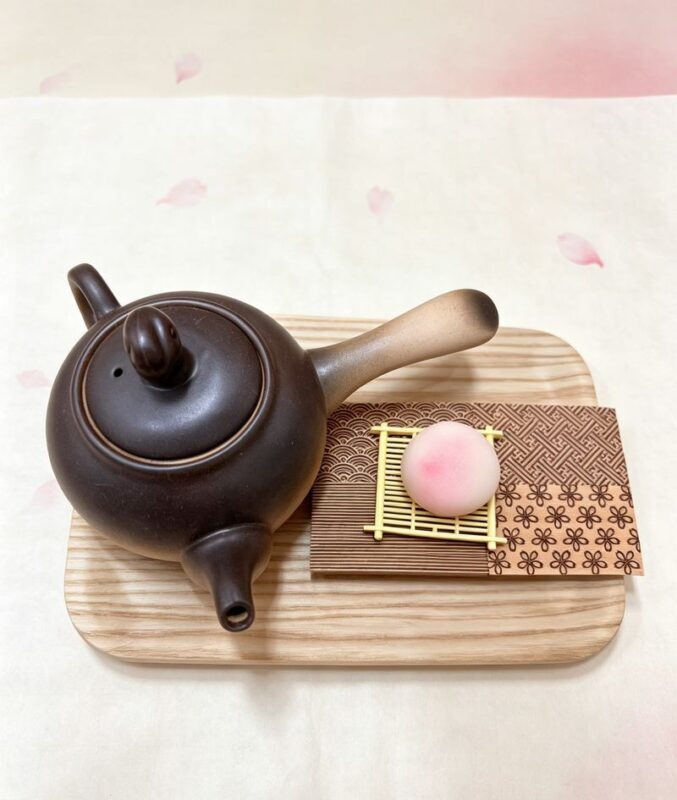
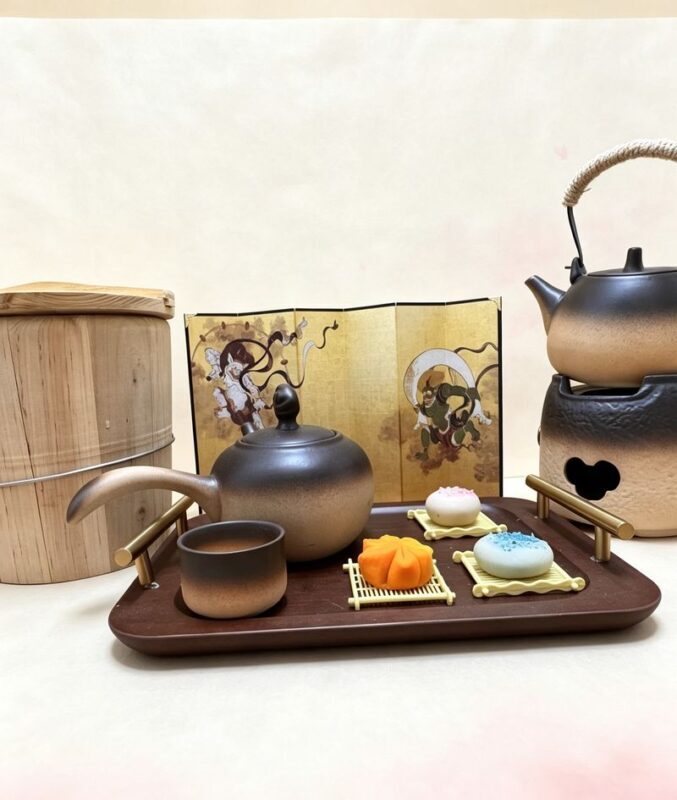
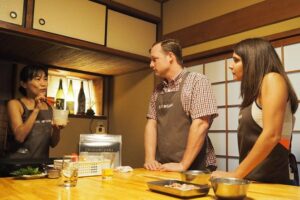
The setting is described as a Japanese tea room, with natural wood-style utensils. That restrained atmosphere suits the work: it keeps attention on the dough, the tools, and the small forms taking shape. The class is not listed as a tea ceremony, so book it for the wagashi craft itself rather than expecting a broader cultural program.
Instruction is in Japanese, with simple Chinese and English explanations available. One class account also describes Japanese or English as the usual teaching languages. If you need detailed explanations in a particular language, it is sensible to confirm what will be available for your session rather than assume full interpretation.
The class is intentionally small, with a maximum of ten participants. That matters in a hands-on lesson: a teacher can only correct so many sets of petals at once. Groups may still vary in pace, but the advertised one-on-one guidance gives beginners a reason to choose this over a self-guided activity.
Finding oukakimono osaka
The meeting point is oukakimono osaka, at Shiba Building 7F, 1-18-14 Nihonbashi, Chuo-ku, Osaka-shi. The seventh-floor location is a practical detail worth taking seriously. The building exterior and sign can be easy to miss, so allow time to identify the entrance and get upstairs before your reserved session.
Arrive on time. The operator says late arrivals may not be able to take part, and late arrival or no-show does not qualify for a refund or change. The class is only available at the reserved date and time, so this is not an activity to squeeze in after a meal that might run long.
Transport is not included, and neither are a guide, audio guide, tips, insurance, or personal expenses. You’ll need to make your own way to the building. Children and infants must be included in the passenger headcount, and the same price applies to all ages.
What the price gets you
The single-person package starts at US$22.09. For roughly an hour of instruction, a seasonal craft, individual help, and a boxed item to take away, that is a fair price if you value doing something rather than just buying a sweet. The handmade result also gives you a more personal reminder of Osaka than a standard packaged souvenir.
A couple’s option starts at US$45.75. Several bundles pair wagashi making with kimono dressing: basic kimono from US$34.69, traditional kimono from US$42.59, men’s kimono from US$42.59, children’s kimono from US$42.59, and an exquisite kimono package from US$63.09. These are different package choices, not additions included in the single-person class, so check what your selected option covers before booking.
The class uses ingredients without chemical additives, which may appeal if you prefer a simpler ingredient approach. No detailed ingredient list is provided, though, so ask the operator directly about specific dietary needs or allergies before attending.




Who will enjoy it most
I’d choose this class if you want a compact cultural activity that gives you a skill to try and something you can eat afterward. It suits craft lovers, people curious about Japanese sweets, and beginners who want an instructor’s help instead of trying to copy a finished example on their own.
It can also work well for a couple or a small group, especially if you like making things together. The seasonal themes give you a clear starting point, and the one-hour format is short enough to fit between other Osaka plans. Still, you’ll get the most from it if you enjoy focused, careful work. This is not a fast-paced sightseeing tour.
Families should note that children and infants count toward the participant headcount, and all ages pay the same rate. The details do not specify a minimum age or child-specific instruction, so check suitability with the operator if you are booking for a young child. Pregnant women cannot be provided the wagashi or kimono services, according to the stated restrictions.
Should you book this Osaka wagashi class?
Book it if you want to learn the basics of nerikiri, appreciate seasonal Japanese design, and leave with handmade sweets in a gift box. Its strongest points are the artisan demonstration, beginner-friendly guidance, and the chance to make a personal souvenir rather than simply watch someone else work.
Think twice if you are looking for a longer cultural program, need transport included, or expect a full English-language lesson. The class is brief, the studio may take a little effort to locate, and English explanations are described as simple. For a focused introduction to wagashi at a modest starting price, though, it offers a useful and enjoyable hour in Osaka.
Osaka Four Seasons Wagashi Handmade Experience
“I love the fact that the Teacher is serious and dedicated to teach the correct way. Some places just focus on photos and just to have fun, not auth…”
FAQ
How long does the wagashi class take?
The listed steps total about 58 to 60 minutes: an eight-to-ten-minute culture lesson, a ten-minute demonstration, around 30 minutes of hands-on work, and ten minutes for packaging.
How many wagashi will I make?
The experience is presented as making two seasonal pieces, though the timed hands-on outline refers to one seasonal wagashi. Confirm the exact count with the operator if you need certainty.
Do I need experience making wagashi?
No. The class is suitable for beginners, and the instructor demonstrates the process before you start.
What seasonal designs might I make?
Themes include cherry blossoms in spring, hollyhocks in summer, maples in autumn, and plum blossoms in winter. The class uses a theme suited to the current season.
What languages are used?
Instruction is in Japanese, with simple Chinese and English explanations available. The class may also be conducted in Japanese or English.
Where is the meeting point?
Meet at oukakimono osaka, Shiba Building 7F, 1-18-14 Nihonbashi, Chuo-ku, Osaka-shi.
Is transport included?
No. Transport is not included, and you must make your own way to the meeting point.
Can children participate?
Children and infants must be included in the passenger headcount. The same price applies to all ages. No minimum age is specified.
Are kimono options available?
Yes. Package options combine wagashi making with basic, traditional, exquisite, men’s, or children’s kimono experiences. Prices vary by package.
What happens if I arrive late?
You may not be able to join the experience, and late arrival or non-attendance does not qualify for a refund or amendment.