Las Ventas is more than a place to watch a bullfight: it is a huge, red-brick arena that helps explain why this tradition has held such a prominent place in Spanish culture. I like the chance to see the Neo-Mudéjar architecture up close and to explore the arena itself, not just its museum displays.
I also like that the audio guide comes in 10 languages, including Chinese, Japanese, and Korean, and lets you set your own pace. The main caveat is that a visit on a non-event day can feel quiet, and special events or maintenance may limit which parts of the arena you can see.
- Key points before you book
- Las Ventas gives Madrid’s bullfighting tradition a physical address
- The first view of the arena is the main event
- The museum explains the people and pageantry
- The audio guide makes an independent visit easy
- A live tour adds context and room for questions
- Plan for an hour, with room to stay longer
- The ticket price is modest, but the visit depends on your interests
- Getting there and choosing a visit time
- Who will get the most from Las Ventas
- Should you book the Las Ventas visit?
- FAQ
- How long does a visit to Las Ventas take?
- What are the opening hours?
- Which languages are available for the audio guide?
- What does the audio guide ticket include?
- What languages are offered for the VIP guided tour?
- Is a bullfight included with admission?
- How do I get to Las Ventas by metro?
- Is Las Ventas accessible by wheelchair or stroller?
- Can I cancel my ticket?
- The Best Of Madrid!
- More Museum Experiences in Madrid
- More Tours in Madrid
- More Tour Reviews in Madrid
- Not for you? Here's more nearby things to do in Madrid we have reviewed
Key points before you book
 1 / 8
 2 / 8
 3 / 8
 4 / 8
 5 / 8
 6 / 8
 7 / 8
 8 / 8
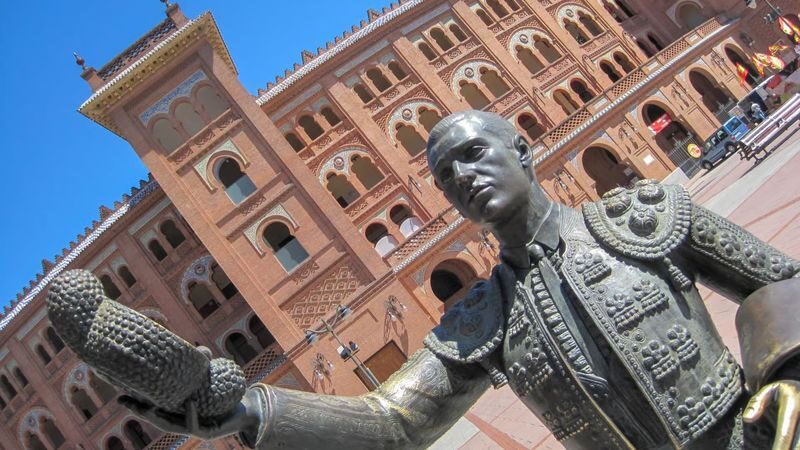
- Look up at the tiled façade: Horseshoe arches, red brick, and colorful ceramic details give Las Ventas a distinctive style.
- Stand inside a 23,000-seat arena: The scale is part of the visit, even when the stands are empty.
- Use the audio guide to follow the story: It covers the bullring and bullfighting, with 10 language choices.
- Allow about an hour, or up to two: The museum is compact, but the arena and guide reward a slower pace.
- Check for event-related changes: Temporary stages, fairs, or other events can affect access and views.
- Choose your level of explanation: Go self-guided with the audio option, or book a live VIP tour in English, Spanish, or French.
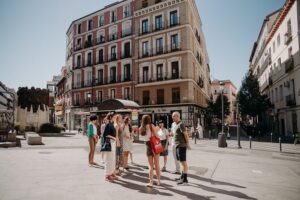
👉 See our pick of the 12 Best Shopping Tours In Madrid
Las Ventas gives Madrid’s bullfighting tradition a physical address
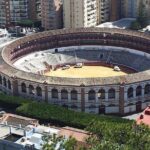
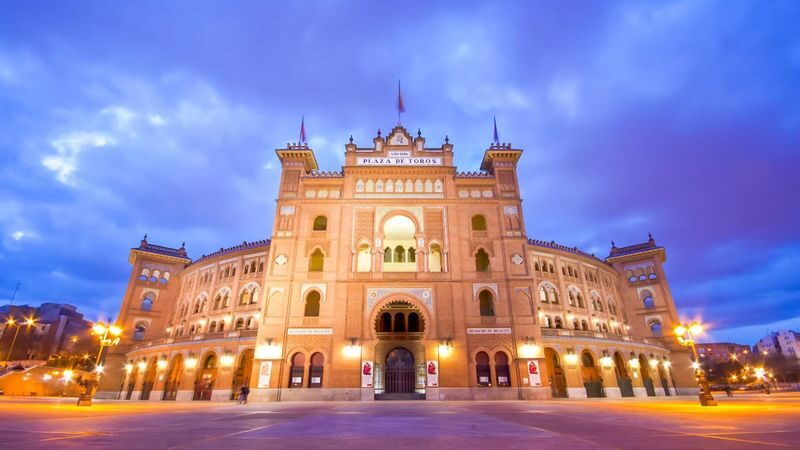
In the Salamanca district, Las Ventas occupies a prominent spot on C. de Alcalá. Opened in 1931, it is Spain’s largest and most prestigious bullring, with seating for about 23,000. Even if bullfighting is not your reason for visiting, the building has enough scale and character to make the trip worthwhile for architecture and cultural history.
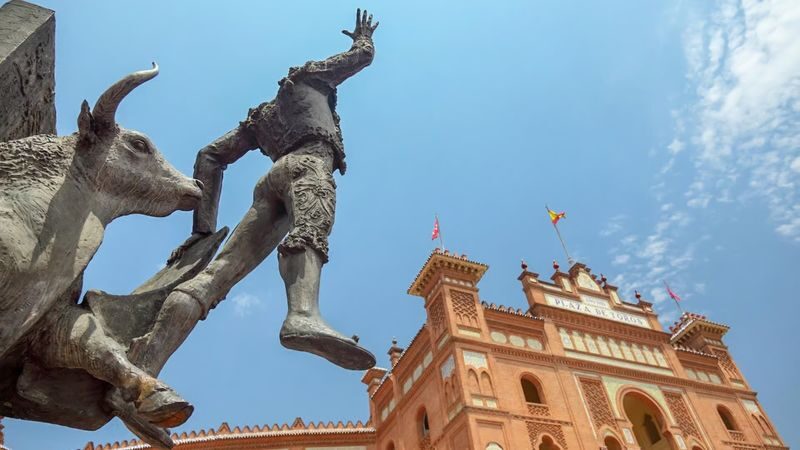
The exterior is one of the first things to take in. Its red brick, horseshoe arches, and ceramic tiles reflect the Neo-Mudéjar style, a Spanish architectural tradition that draws on Moorish forms and ornament. Look closely at the details before heading inside; it is easy to focus on the arena and miss the craft on the façade.
The visit offers a look at a tradition that can be difficult to separate from its controversy. Bullfighting is an important part of Spain’s cultural story, but it is also a cruel sport, and you do not have to admire it to learn how it developed or what it means to its supporters. The museum and audio guide help provide that context without requiring you to attend a live event.
You can also read our reviews of more museum experiences in Madrid

The first view of the arena is the main event
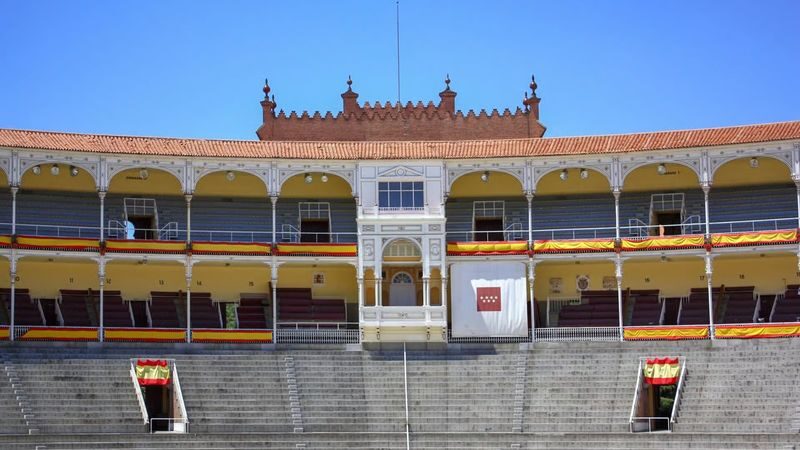
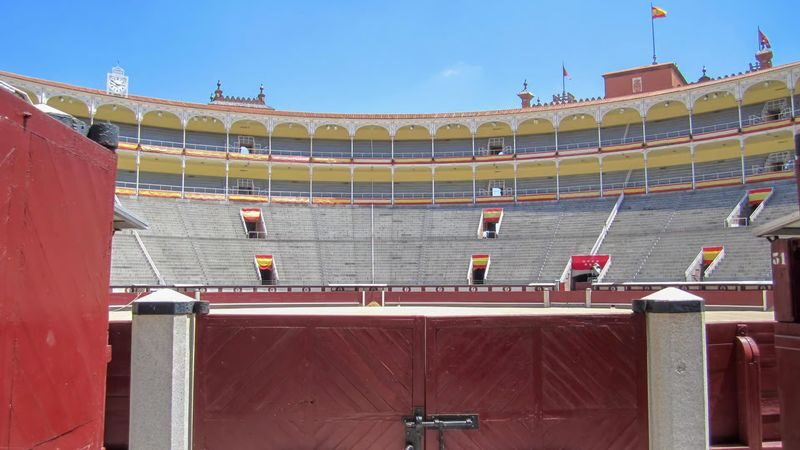
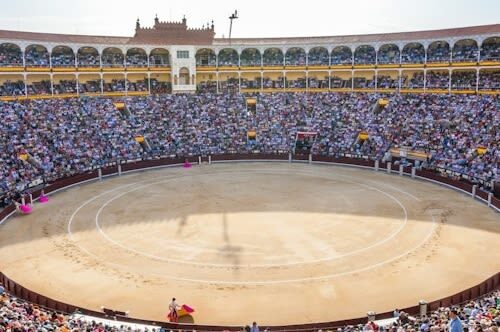
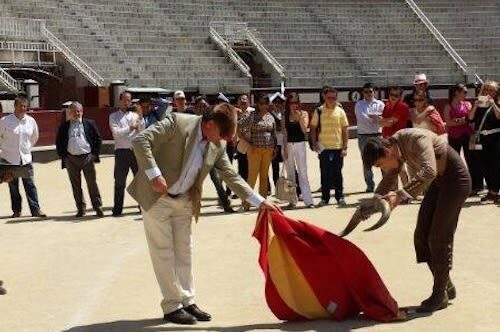
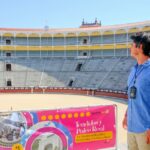
Inside, the open ring is the moment that gives the visit its sense of scale. An empty arena can feel very different from the charged setting of a bullfight, but it lets you take in the circular layout and imagine how the space works for a crowd of thousands.
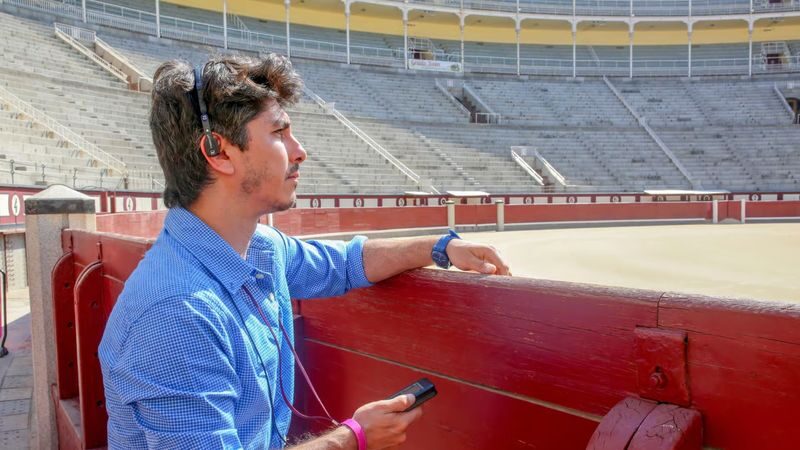
The audio guide helps make the architecture more than a photo stop. Follow the numbered points around the venue and listen as it explains different parts of the bullring and the customs associated with a corrida. The guide is particularly useful if you have little background in bullfighting: it explains the sequence and vocabulary that might otherwise make the subject hard to follow.
Do not expect every visit to have the same open, unobstructed view. A temporary performance stage or another event can occupy the center of the ring, and special events may change the visitor route. If seeing the arena in its usual form matters to you, check the latest opening information before you go.
The museum explains the people and pageantry
The on-site Bullfighting Museum adds a historical layer to the arena. Its displays include matador costumes, posters, paintings, and other memorabilia. Together, these objects show the visual language and public ceremony around bullfighting, as well as the people who have shaped its history.
The museum is relatively small, so do not plan a long gallery visit. You may move through it quickly, especially if you are mainly interested in the building. Give it more time if you want to look closely at the costumes and read the displays; it can help you understand the ritual and symbolism that the audio guide discusses.
Photography may be restricted in the museum, so check the posted rules before taking pictures. Some parts of the venue may also be unavailable during renovation or special events. If the museum is central to your plans, verify that it is open on your date rather than assuming every room will be accessible.
The audio guide makes an independent visit easy
The ticket with audio guide is the flexible choice. You can move at your own pace, pause when you want to study a display, or spend longer in the arena. The guide is available in Chinese, English, French, German, Italian, Japanese, Korean, Portuguese, Russian, and Spanish, a useful range for visitors who prefer to learn in a language other than English.
That language selection is a real practical advantage. The stories and rules of bullfighting can be unfamiliar, and understanding them changes the visit from a look around a stadium into a lesson in Spanish cultural history. The guide is also a good fit if you want to explore independently rather than keep to a group schedule.
The audio device must be returned to the Bullfighting Museum at the end. One practical note from the visit process: you may be asked to leave an ID while borrowing the device, so carry identification and keep track of where you hand it over. Follow the signs and ask staff if the entry route is not immediately clear.
A live tour adds context and room for questions
If you prefer a person to guide the story, choose one of the VIP guided tour options. These include admission to both the bullring and museum, with a live guide in English, Spanish, or French. A guide can connect the venue’s layout to its history and explain details that are easy to pass by when you are listening on your own.
The guided option is best for visitors with a strong interest in bullfighting, or for anyone who learns more easily through conversation. It is also worth considering if you want to ask questions as you go. The audio guide is the more budget-friendly option, while the live tour offers a more personal explanation; prices for the guided packages are not specified here, so compare them at booking.
Neither option includes a bullfight. These tickets are for visiting the arena and museum, not for attending a scheduled performance. If your main goal is to see a live corrida, you will need to make separate plans and check the event calendar.


Plan for an hour, with room to stay longer
A focused visit can take about an hour. That is enough time to walk through the arena, listen to the main audio stops, and see the museum. If you like to read every display, take photographs where allowed, or try any interactive experience available during your visit, budget closer to 90 minutes or two hours.
Some visits include a virtual reality bullfighting experience. It can add a playful, hands-on element, particularly for families or visitors curious about the mechanics of the sport. Availability may vary, so treat it as a possible extra rather than the core reason to book.
The museum may feel brief if you have come expecting a large collection. The arena and its architecture carry much of the visit, while the museum works best as a concise introduction to the tradition. That balance is worth knowing before you set your expectations.
The ticket price is modest, but the visit depends on your interests
Tickets start at $8.65 for the audio guide option. At that price, Las Ventas can be a good-value cultural stop, especially if you are curious about bullfighting or want to see a major Madrid landmark beyond the city’s better-known museums and palaces. The ticket covers the bullring and museum, and the multilingual guide gives you more context than a quick walk through the building.
Value is less clear if you have little interest in the subject and expect a full day’s activity. This is a compact attraction, not a sprawling museum, and the standard visit can be over in about an hour. For a short stay in Madrid, it makes sense as a focused stop rather than the anchor of your day.
You can also book a live guided tour, but the available information does not specify its price. Compare the cost against how much you value a guide’s explanations and the chance to ask questions. The basic audio option already covers the main historical and architectural points.
Getting there and choosing a visit time
The address is C. de Alcalá, 237, 28028 Madrid. Ventas station on Metro line 2 is about a one-minute walk from the bullring, making public transport a straightforward way to reach it.
Las Ventas is listed as open daily from 10:00 a.m. to 7:00 p.m., with last admission one hour before closing. Hours and closure dates can change, so check the latest information before setting out. Arrive about 10 minutes before your selected activity time if your ticket has one.
A non-event day offers a calmer look at the building, but quiet can also mean less atmosphere. On event days, some parts of the usual route may be altered or visited in groups with a guide. The best choice depends on what matters to you: an unobstructed look at the space, or the possibility of seeing the arena in use.
Who will get the most from Las Ventas
I would put Las Ventas high on the list for architecture fans, cultural-history readers, and visitors who want to understand a debated Spanish tradition without attending a bullfight. The language options also make it an accessible introduction for Chinese, Japanese, and Korean speakers, as well as visitors using one of the other supported languages.
Families may appreciate the short visit and the occasional VR activity. Children aged 0 to 4 enter free, while older children are charged the adult rate under the stated eligibility rules. Students can use student tickets, but should bring valid student identification.
The venue is listed as stroller- and wheelchair-accessible. If you have specific access needs, it is still sensible to contact the venue before your visit, particularly if an event or temporary setup might affect the route.
Should you book the Las Ventas visit?
Book it if you want to see the architecture, stand inside a famous bullring, and learn the basics of bullfighting in a compact visit. The audio guide is the sensible choice for most independent visitors, especially if you want to keep costs down or need one of the 10 language options.
Skip it if you expect a live bullfight, a large museum, or a packed schedule of exhibits. Check the event calendar and current access details before paying, since stages, fairs, and renovation work can change what you see. For a thoughtful hour or so in Madrid, Las Ventas is a useful cultural stop, provided you arrive with clear expectations.
Las Ventas Bullring and Museum in Madrid
“The building itself is a historical relic, very valuable. The venue is also magnificent, and the explanations are very clear. Experiencing the atmo…”
FAQ
How long does a visit to Las Ventas take?
Plan for about one to two hours. A focused visit can take around an hour, while a slower look at the arena and museum takes longer.
What are the opening hours?
The stated hours are Monday through Sunday, 10:00 a.m. to 7:00 p.m. Last admission is one hour before closing. Hours and closure dates can change, so check current information before your visit.
Which languages are available for the audio guide?
The audio guide is available in Chinese, English, French, German, Italian, Japanese, Korean, Portuguese, Russian, and Spanish.
What does the audio guide ticket include?
It includes admission to Las Ventas Bullring and the Bullfighting Museum, plus an audio guide in one of the available languages.
What languages are offered for the VIP guided tour?
The live VIP guided tour is offered in English, Spanish, or French. It includes admission to the bullring and museum.
Is a bullfight included with admission?
No. The described tickets include the bullring and museum visit, not a bullfight. A live event requires separate arrangements.
How do I get to Las Ventas by metro?
Take Metro line 2 to Ventas station. The bullring is about a one-minute walk from the station.
Is Las Ventas accessible by wheelchair or stroller?
The activity is listed as wheelchair- and stroller-accessible. Special events may affect the visitor route, so check conditions if you have specific access needs.
Can I cancel my ticket?
Most tickets allow free cancellation up to 24 hours before the activity date. Check the terms for your selected option, since the voucher is valid only for the specified date and, when applicable, time.