Kyushu’s appeal is its change of pace: one morning you’re walking beside a lake in Yufuin, the next you’re soaking in Beppu, then crossing volcano country toward Aso and ending among Nagasaki’s major historic sites. This eight-day route gives you a generous first look at the island without asking you to plan every train and hotel yourself. I like the mix of independent rail travel and guided visits, and the chance to experience both hot-spring towns and places tied to Japan’s modern history.
The trade-off is a busy schedule with several transfers and two nights when your main suitcase travels ahead without you. You’ll need to pack light for those stretches, keep an eye on train and bus connections, and accept that some sightseeing happens at a brisk pace. This is a good fit if you enjoy a little independence, but less so if you want a guide beside you every hour.
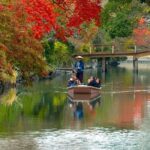
- Yufuin by limited express: Ride the Yufuin no Mori train, then explore Yunotsubo Street and Kinrin Lake at your own pace.
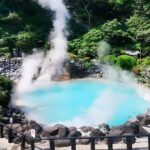
- Two chances to soak in Beppu: Stay two nights and visit three of the town’s geothermal hells, Kannawa Onsen District, and an onsen-steamed food experience.
- A stop in Taketa: Walk through an old quarter with historic buildings, a cave chapel, and a samurai district.
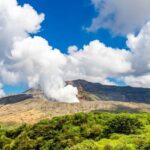
- Aso’s volcano country: Visit Kusasenri’s observatory and Volcano Museum before continuing by rail to Kumamoto.
- Nagasaki’s major sites: See the Atomic Bomb Museum, Peace Park, Glover Garden, and Oura Church, with optional time for other sights.
- Part guided, part independent: English-speaking local guides lead selected visits, while you make some train and bus journeys yourself.
- A rail route with room to look around
- Day 1: Arrive in Fukuoka and pack light
- Day 2: Yufuin’s lake, then a Beppu soak
- Day 3: Beppu’s hells and Kannawa district
- Day 4: Taketa’s old quarter on the way to Aso
- Day 5: Kusasenri and a rail journey to Kumamoto
- Day 6: Kumamoto Castle and Suizenji Garden
- Day 7: Nagasaki’s peace sites and hillside landmarks
- Day 8: Finish in Nagasaki or return to Fukuoka
- What the tour does well, and what to plan for
- Should you book this Kyushu trip?
- FAQ
- Where does the tour start and finish?
- How long is the tour?
- Are flights included?
- Are meals included?
- Is the tour fully guided?
- How many people are needed for a guaranteed departure?
- What should I know about luggage?
- What extra costs should I budget for?
- The Best Of Fukuoka!
- More Tours in Fukuoka
- More Tour Reviews in Fukuoka
- Not for you? Here's more nearby things to do in Fukuoka we have reviewed
A rail route with room to look around
 1 / 5
 2 / 5
 3 / 5
 4 / 5
 5 / 5
MW Tours’ Kyushu Half Island Express is an eight-day group trip starting in Fukuoka and ending in Nagasaki. It combines rail journeys, public buses, hotel transfers, and guided sightseeing, with free time built into some stops. The group size ranges from two to 32 people, and the tour is for ages 12 and up.
The route is a sampler, not a slow, single-city stay. You move through Fukuoka, Yufuin, Beppu, Taketa, Aso, Kumamoto, and Nagasaki, with one or two nights in most places. That variety is the point: Kyushu offers hot springs, mountain scenery, castle and garden visits, and a serious modern-history stop, all within one trip.
The tour’s best practical feature is that some planning is handled for you. Accommodation, daily breakfasts, specified train tickets, luggage transfers between Hakata and Aso and between Aso and Nagasaki, and the listed tours and transfers are included. But this is not a fully escorted coach tour. You’ll have independent travel legs, and you should be comfortable reading your instructions, finding stations, and moving your own overnight bag.

👉 See our pick of the 2 Best Workshops And Classes In Fukuoka
Day 1: Arrive in Fukuoka and pack light
On arrival, a representative meets you in Fukuoka airport’s arrival hall, then you travel to your Hakata hotel using public transport. The tour specifies that arrivals between 8am and 8pm are covered; an arrival outside that window incurs an extra charge of AUD 90 per person.
That evening, set aside clothes and toiletries for two nights in Beppu. Your main suitcase is due to go ahead from Hakata to Aso the next morning, so you won’t have it with you on the train to Yufuin or during your Beppu stay. This is simple enough if you pack deliberately, but it’s worth keeping medication, chargers, and anything you need daily in your small bag.
You can also read our reviews of more tours and experiences in Fukuoka.


Day 2: Yufuin’s lake, then a Beppu soak
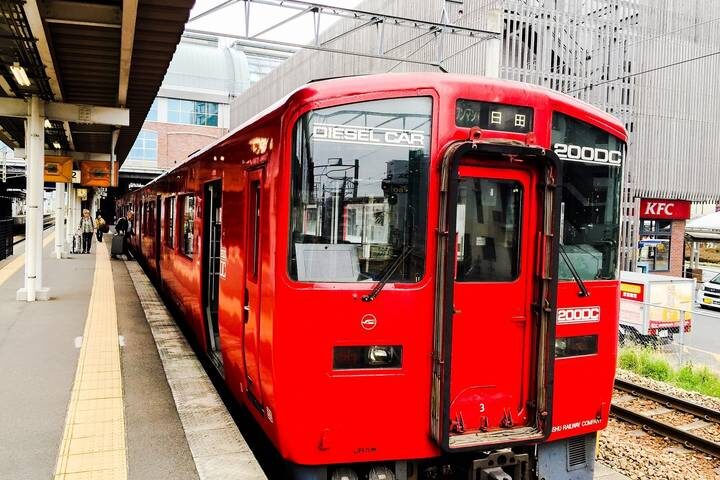
At 9:30am, you walk to Hakata Station and board the Yufuin no Mori limited express. The train ride is part of the experience, but the useful detail is that you need to be ready to manage the station walk and departure rather than expect a private pickup.
In Yufuin, you have time to explore Yunotsubo Street and Kinrin Lake independently. That gives you flexibility to set your own pace, browse the street, and spend longer by the lake if you like. There’s no listed guided walk here, so treat this as free time and keep track of when you need to catch the public bus to Beppu.
You check in at your Beppu hotel and can use its hot-spring facilities that evening. The stay is well placed to give you a first taste of onsen culture without adding another excursion to an already full day. Pack your bathing things where you can reach them easily.
Day 3: Beppu’s hells and Kannawa district
After breakfast, a guided tour takes you to three of Beppu’s famous hells, then through Kannawa Onsen District. The hells are geothermal sights, not bathing pools, so think of this as a look at the visible power of the region’s hot springs rather than a soak at each stop.
The day also includes Jigokmushi, food steamed using onsen heat. It’s a distinctly local way to connect the town’s geothermal activity with everyday eating, and it gives the excursion a more hands-on feel than a string of photo stops. The tour returns you to the hotel, where you can use the hot-spring facilities again.
A visit to the Bamboo Factory and bamboo craft-making are listed as optional. If you’re interested, this is a chance to add a traditional craft activity, but the details and cost are not specified. Ask what’s included before committing. You have a second night in Beppu, a welcome pause before the next travel day.
Day 4: Taketa’s old quarter on the way to Aso
After breakfast, walk about three minutes to Beppu Station and take a train to Bungo Taketa. The Taketa Morning Tour introduces the Old Quarter and its historic buildings, Jurokan Rakan, a cave chapel, and the Samurai District. This stop adds a different note to the trip: rather than another major city, you get time in a smaller historic area.
You then return to the station and continue by train to Aso, followed by a transfer to your hotel. The combination of rail legs and a guided walking tour makes this a full day, so comfortable shoes and a small day bag matter. Your main suitcase stays with you for this leg, but you’ll need to prepare an overnight bag for Kumamoto that evening. The suitcase is transferred from Aso to Nagasaki the next morning.
Day 5: Kusasenri and a rail journey to Kumamoto
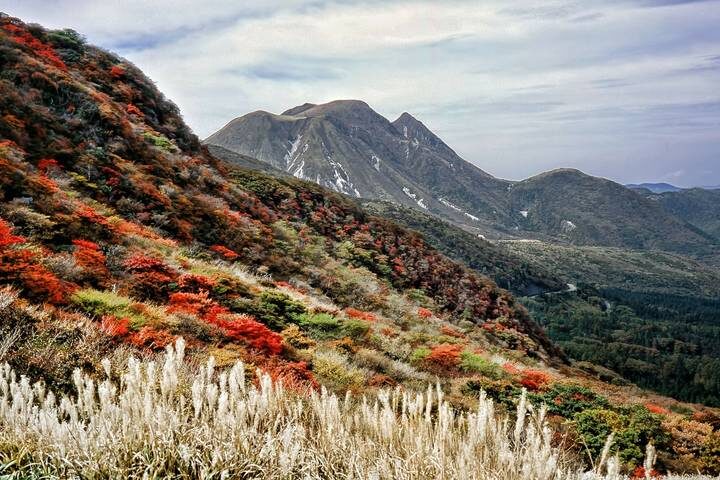
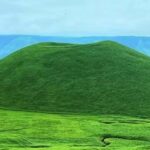
At 9am, a transfer takes you to Aso Station. From there, you take a bus to Aso Kusasenri, where the visit includes the observatory and Volcano Museum. The stop offers two ways to understand the area: views from the observatory and information inside the museum. The tour does not promise a particular view or volcanic condition, so keep your expectations flexible.
After returning to Aso Station, you take a JR train to Kumamoto. Your main suitcase is being sent directly from Aso to Nagasaki, which means you’ll carry only your overnight bag for your Kumamoto stay. That’s convenient on the rail journey, but it makes careful packing important. Keep what you need for the night and next morning with you, not in the suitcase you won’t see until Nagasaki.
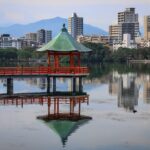
Day 6: Kumamoto Castle and Suizenji Garden
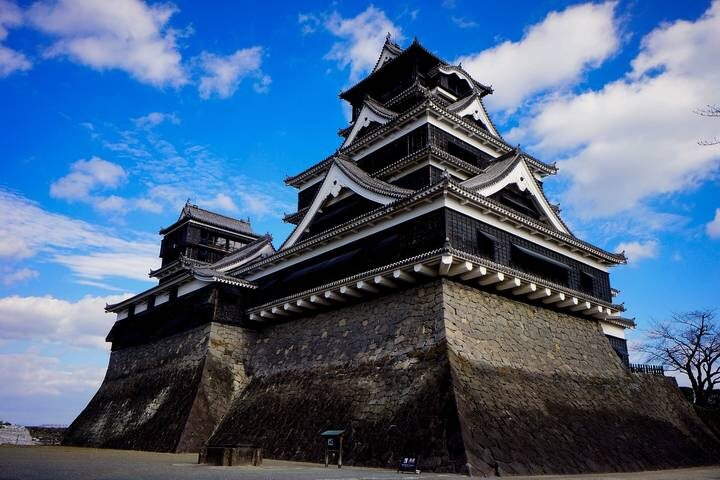
The morning city tram tour visits Kumamoto Castle and Suizenji Garden. The paired stops offer a useful contrast: the castle is a major historic site, while the garden gives you a quieter setting before the next long transfer. The plan is to see both before heading to Kumamoto Station.
From there, you take a bullet train to Shintosu and change to the Kamome limited express for Nagasaki. The rail connection is one of the trip’s practical strengths: long distances are covered by train, rather than by an all-day road transfer. Still, expect a travel-heavy day with sightseeing first and a station change later. Once in Nagasaki, check in and settle in for two nights.
Day 7: Nagasaki’s peace sites and hillside landmarks
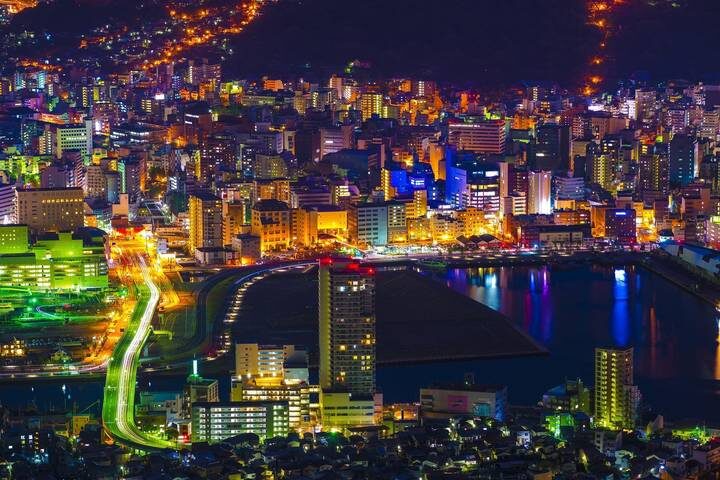
Nagasaki’s guided city tour visits the Atomic Bomb Museum and Peace Park, then continues to Glover Garden and Oura Church. The first pair gives the city’s experience of the atomic bombing a central place in your visit. Allow yourself time to take in the museum and park thoughtfully; these are not stops to rush through simply to tick off a list.
Glover Garden and Oura Church shift the focus to other parts of Nagasaki’s past. The day offers a broad introduction, though the schedule may leave limited time for lingering at each site. Optional additions include a Gunkanjima Island Cruise, Dejima, and Chinatown. These are choices, not included activities, and the tour information does not give prices or exact timings. If one is a priority, confirm how it fits with the guided schedule before you go.
Day 8: Finish in Nagasaki or return to Fukuoka
After checkout, you can take a bullet train back to Hakata or an airport bus to Nagasaki Airport. The tour ends in Nagasaki, so choose your onward route based on your flight and where you’re headed next. Check whether the fare for your chosen day-eight journey is included, since the included transport is described as tickets for specified train routes.
What the tour does well, and what to plan for
The strongest design choice is the balance between organized visits and independent movement. You get local English-speaking guides for selected sightseeing, while train travel lets you see more of the island without being tied to a coach for every mile. The one available traveler account also praised the organization, hotel quality, breakfasts, and the freedom of receiving train tickets and travelling independently. Those are exactly the areas that matter most on a multi-stop trip.
Accommodation is described as good quality, in the four- to five-star range, and breakfast is included daily. That helps make early departures easier and gives you a dependable start, though lunch, dinner, snacks, and personal spending are extra. The listed estimates are about AUD 65 per person for local bus tickets and AUD 45 per person for admission tickets payable locally. These are planning figures, not a complete estimate of your out-of-pocket costs.
No total tour price is provided here, so judge value by what the package covers: seven hotel nights, breakfast, specified train tickets, luggage transfers on two legs, airport transfers by public transport, and the stated tours and transport. You’ll still need to budget for excluded admissions and local buses, other meals, optional activities, insurance, and personal expenses. Ask for a current, itemized price before booking so you can compare the package with arranging the same route independently.
There are two important booking considerations. The tour needs at least two people travelling together for a guaranteed departure, so a solo traveller cannot assume the trip will run alone. The operator also requires at least four weeks to accept bookings and enquiries. The group size can reach 32, which is not especially small, though selected guided visits and independent train legs may mean you spend parts of the trip in smaller clusters.
The activity is rated medium intensity. You’ll be walking around towns and sightseeing, changing trains, and carrying an overnight bag for two separate stretches. If you’re comfortable with that pattern, the logistics are manageable; if you prefer door-to-door luggage and a guide at every turn, this format may feel too hands-on.
Should you book this Kyushu trip?
Book it if you want a structured first visit to Kyushu, value reliable rail connections and hotel arrangements, and like mixing guided context with time to explore on your own. The route’s variety is its main reward: Beppu’s hot springs, Taketa’s old streets, Aso’s volcano sights, Kumamoto’s castle and garden, and Nagasaki’s peace sites all fit into eight days.
Think twice if you want a slow pace, a small group guaranteed, or a fully escorted trip with every cost included. Before paying, confirm your departure date, the current total price, which admissions and bus fares you’ll pay locally, and what day-eight transport costs. Also check the two-person departure minimum. With those details settled, this is a practical way to cover a broad slice of Kyushu without planning every connection from scratch.
Kyushsu Half Island Express Tour (8 Days) by MW Tours
“Communication with TourRadar before the trip was excellent. We liked the structure of the tour where we received the train tickets and travelled by…”
FAQ
Where does the tour start and finish?
It starts in Fukuoka and finishes in Nagasaki. On the final day, you can travel by bullet train to Hakata or take an airport bus to Nagasaki Airport.
How long is the tour?
The tour lasts eight days and includes seven nights of accommodation.
Are flights included?
No. Flights are not included.
Are meals included?
Daily breakfast is included. Lunch, dinner, snacks, and other meals are not included.
Is the tour fully guided?
No. It is partially guided. Professional English-speaking local guides lead selected tours, while some train and bus journeys are independent.
How many people are needed for a guaranteed departure?
At least two people must travel together for the tour to be guaranteed. Group size is listed as two to 32.
What should I know about luggage?
Your main suitcase is transferred from Hakata to Aso, then from Aso to Nagasaki. You’ll need a small bag for two nights in Beppu and an overnight bag for your Kumamoto night.
What extra costs should I budget for?
Flights, insurance, personal expenses, other meals, optional activities, and tipping are not included. Local bus tickets are estimated at about AUD 65 per person, and admission tickets payable locally at about AUD 45 per person.