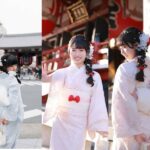
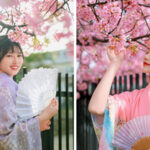
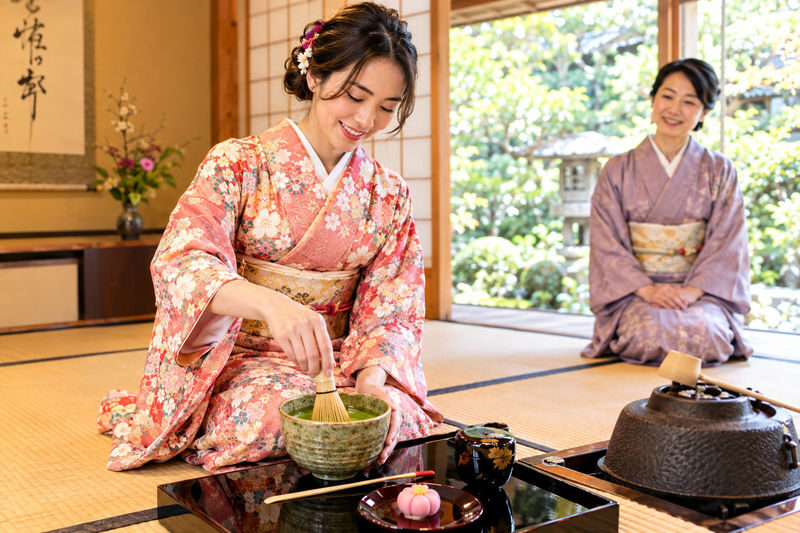
The appeal here is the chance to put on a kimono and make matcha yourself, not just watch someone perform a tea ceremony. At CHITOSEYA Kyoto, an instructor explains the customs and guides you through whisking your own bowl, then you drink it with seasonal wagashi sweets.
I like two details in particular: the lesson is hands-on, and the kimono, simple hairstyling, utensils, tea, sweets, and photo time are bundled together. Instructors such as Haruka, Gakuji, Kaori, Nana, and Aika have led sessions, though your host may differ.
The main trade-off is time. One hour makes this a compact introduction, not a long or highly formal study of tea culture, and the kimono is for the experience and indoor photos, not a walk around Kyoto afterward.
- What to know before you book
- Dressing for the tea room
- Learning the ceremony, not just watching it
- Whisking your own bowl of matcha
- Photos in a traditional tea room
- Is an hour enough?
- What the price includes, and what it does not
- Who will enjoy this Kyoto activity
- Should you book it?
- FAQ
- How long does the experience last?
- Where does the activity take place?
- How do I get to the venue?
- What is included in the experience?
- Can I wear the kimono outside after the session?
- Can children join?
- What happens if I need to cancel?
- The Best Of Kyoto!
- More Tours in Kyoto
- More Tour Reviews in Kyoto
- Not for you? Here's more nearby things to do in Kyoto we have reviewed
What to know before you book
 1 / 9
 2 / 9
 3 / 9
 4 / 9
 5 / 9
 6 / 9
 7 / 9
 8 / 9
 9 / 9
- You prepare your own matcha: The instructor demonstrates the steps, then guides you as you whisk tea with traditional utensils.
- Kimono dressing is part of the visit: A kimono set and simple hairstyling are included, so getting ready is part of the cultural activity, not an extra rental stop.
- The ceremony includes context: Your host explains etiquette and the ideas of harmony, respect, purity, and tranquility.
- Wagashi comes with the tea: Seasonal Japanese sweets give you a small taste pairing, not just a cup of matcha on its own.
- Photo time is indoors: You can take pictures in the traditional tea rooms, but you cannot wear the rented kimono outside after the session.
- It is near central Kyoto transit: The venue is about a five-minute walk from Kyoto Shiyakusho-mae Station.

👉 See our pick of the 25 Best Workshops And Classes In Kyoto
Dressing for the tea room
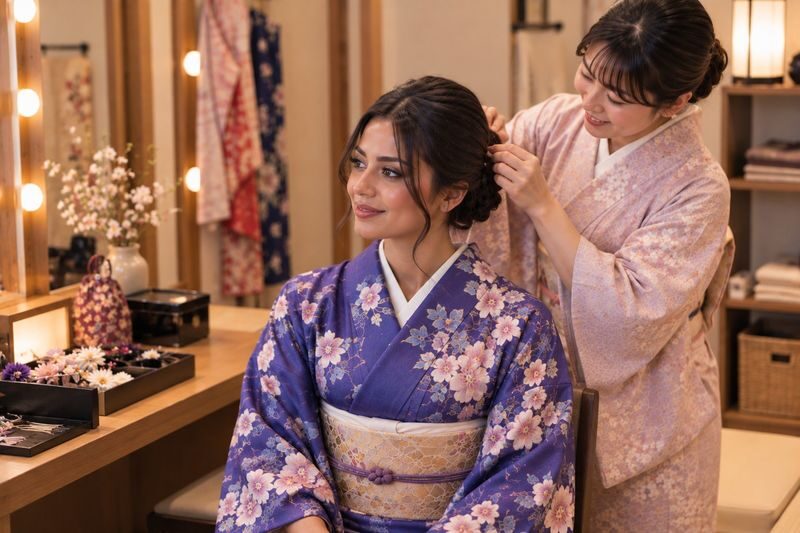
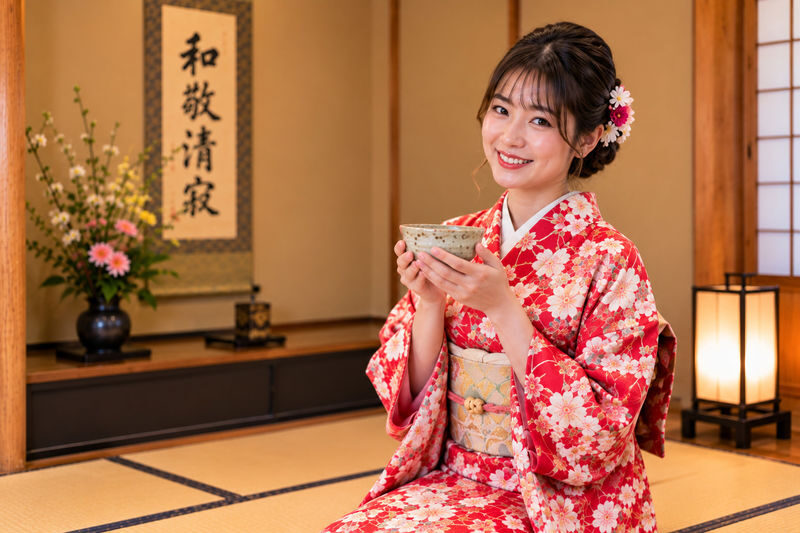
The experience begins at Kimono Tea Ceremony CHITOSEYA Kyoto, at 536 Tenshojimae-cho in Nakagyo Ward. You meet on the first floor, where staff help you choose and put on a kimono. A simple hairstyle is included, adding to the sense of occasion without turning the visit into a full salon appointment.
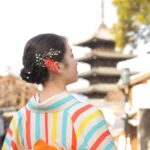
Getting dressed is more than a quick costume change. The layers and obi belt give you a feel for how different wearing a kimono is from slipping on everyday clothes. Staff assist with the fitting, and the process can be one of the memorable parts, especially if this is your first time wearing one.
The kimono selection includes many colors, according to the experience details, so you can choose a look that suits your taste and the photos you want. Keep in mind that this is a rental for the session. You are not permitted to wear the kimono out into the streets afterward, so plan to take your pictures inside the venue.
You can also read our reviews of more tours and experiences in Kyoto.

Learning the ceremony, not just watching it
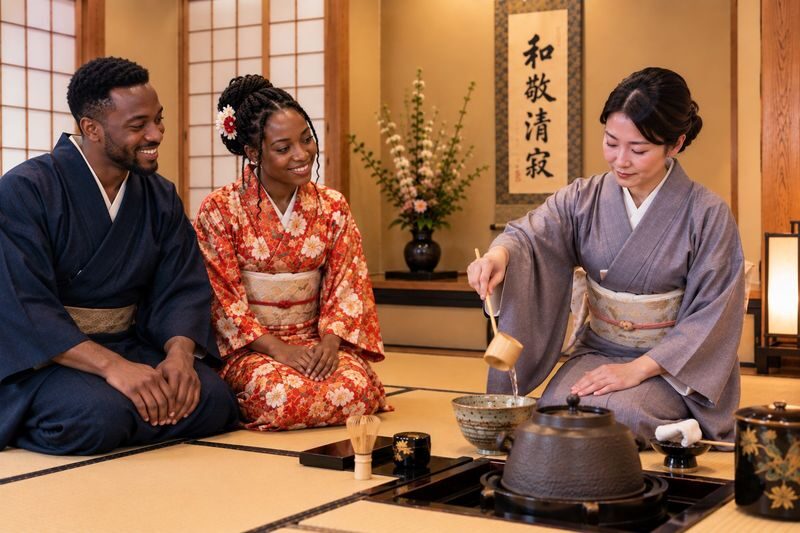
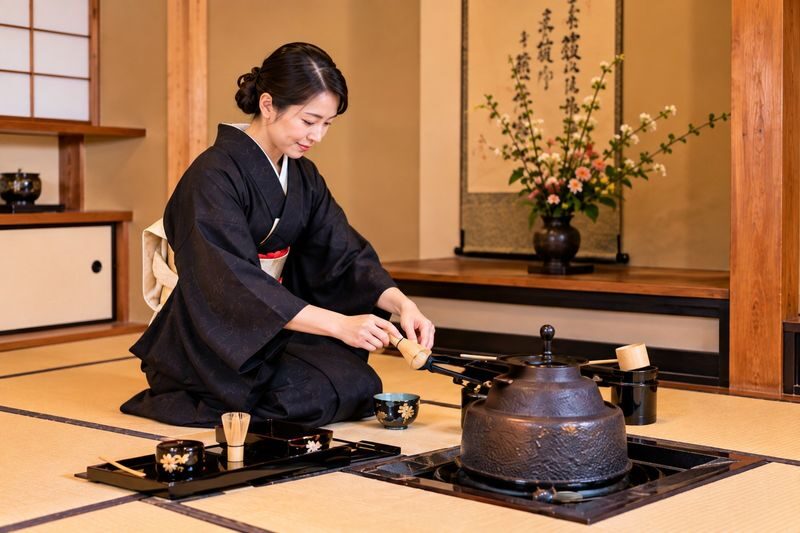
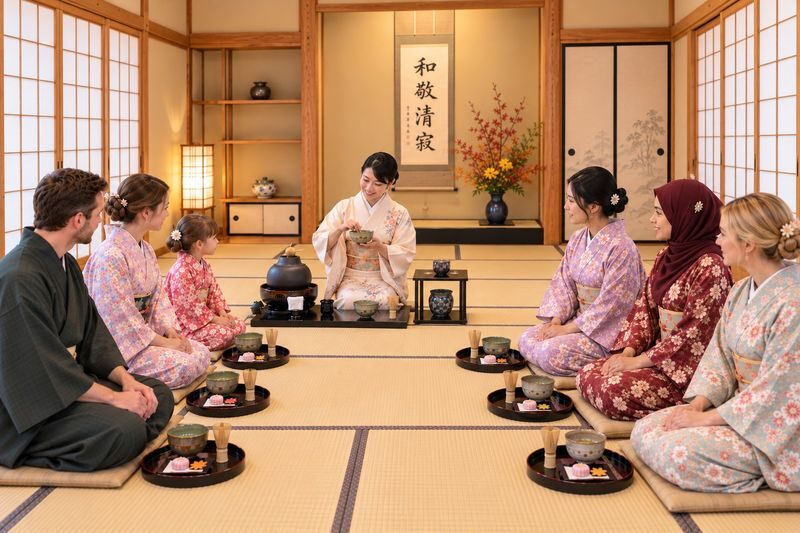
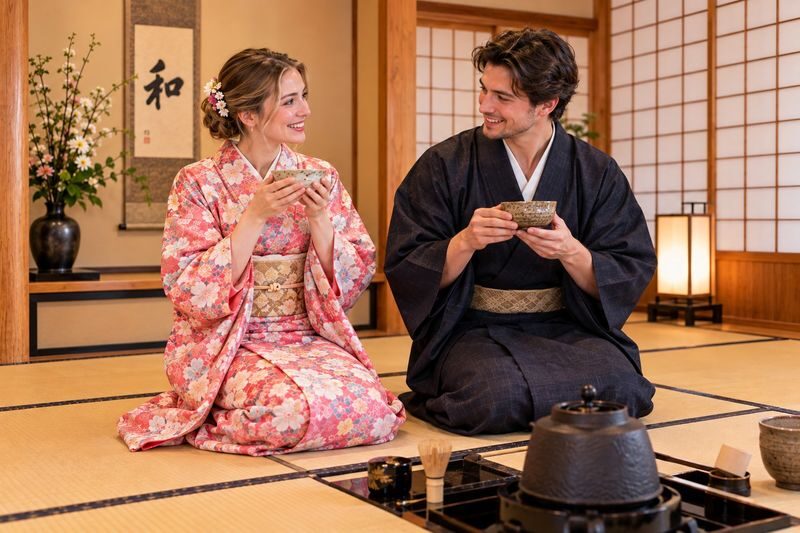
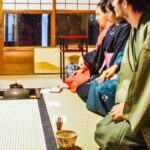
Once dressed, you move into the tea ceremony portion. Your instructor introduces the customs and etiquette, explains the purpose of the ritual, and demonstrates how matcha is prepared with traditional utensils. The lesson touches on four guiding ideas: harmony, respect, purity, and tranquility.
That explanation gives the movements a little more meaning. A tea ceremony can look simple from the outside, with measured gestures and a bowl of tea, but the manner of preparing and receiving it is part of the practice. You are not expected to know the rules in advance. The instructor shows you what to do and explains the steps in English.
The session is designed for newcomers. Instructors named in past sessions include Haruka, Gakuji, Kaori, Nana, and Aika, and the experience information specifies English-speaking staff and a professional instructor. The individual host can vary, but the format is meant to make the ceremony approachable and leave room for questions.
Do not expect a long, silent ceremony devoted to observation alone. This is an introduction with explanation and participation, shaped to fit into about an hour. That is useful if your Kyoto schedule is tight, though anyone looking for an extended study of tea practice may want a longer class.
Whisking your own bowl of matcha
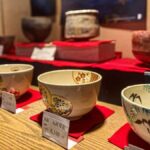
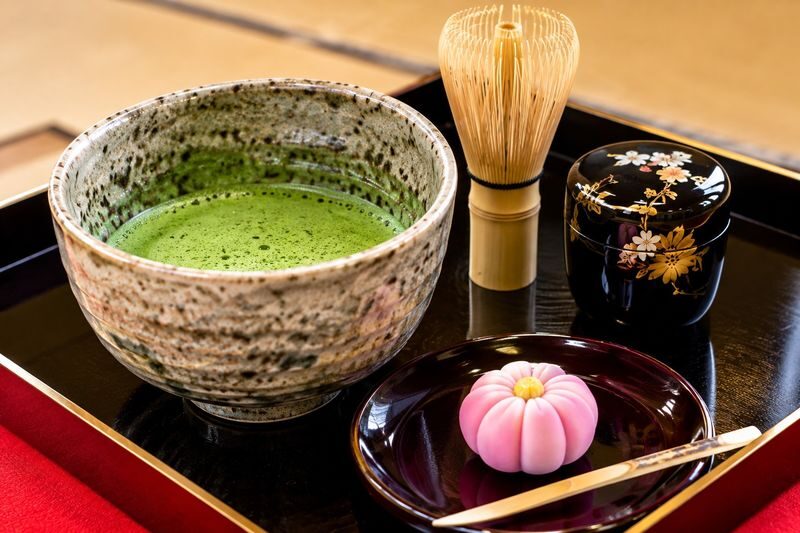
After watching the demonstration, you prepare your own bowl. You use a traditional whisk and receive guidance on how to mix the matcha. This small act is the heart of the hands-on element: instead of leaving with only a few photos, you have tried one of the central steps yourself.
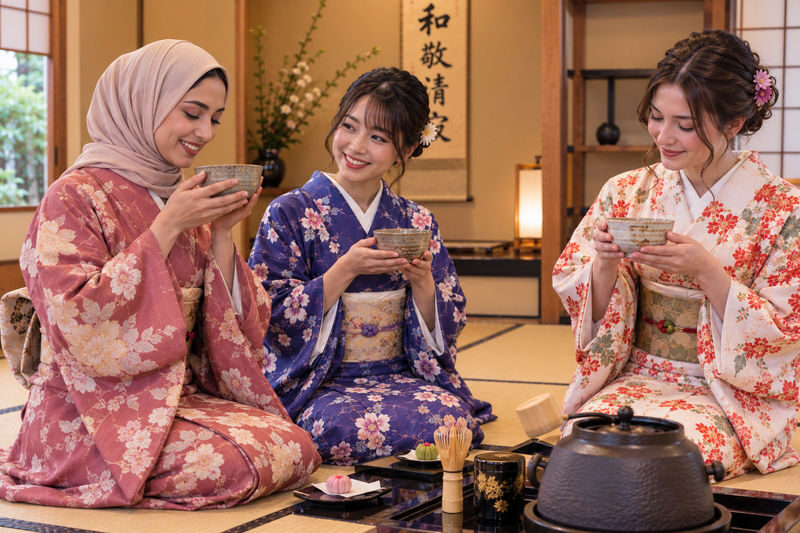
Matcha has a distinctive flavor, and the ceremony gives you a chance to taste it freshly prepared. It is served with seasonal wagashi, the Japanese sweets that accompany the tea. The pairing also helps explain why tea is presented as more than a drink: the sweet offers a counterpoint to matcha’s strong, slightly bitter taste.
You do not need prior experience. The instructor guides the process, so a lopsided whisk or a less-than-perfect bowl is part of learning, not a problem. The practical value is that you leave with a basic sense of how matcha is prepared and served, rather than only a photograph of the finished bowl.
Photos in a traditional tea room
Photo time is included, and staff can help take pictures of you in your kimono inside the traditional rooms. This is a useful touch if you are traveling as a couple or with family and want a picture of everyone together. It also means you do not have to rely entirely on selfies.
The setting adds context to the photos. You are wearing the kimono in a tea room connected to the ceremony, rather than posing in an unrelated backdrop. Still, photo time is part of a short activity, not a separate photo session with a photographer or a promise of professionally edited images.
If photos matter to you, choose your kimono with that in mind and arrive ready to make the most of the allotted time. The venue is indoors, and the rental cannot be worn outside after the activity, so this is your chance to get the keepsake shots.
Is an hour enough?
For a first encounter, an hour is a sensible length. It gives you time to get dressed, hear the introduction, take part in preparing matcha, enjoy the tea and sweets, and take photos. The pace is intentionally compact, which makes the experience easy to fit between other Kyoto plans.
There is a limit to what one hour can teach. You will get a guided introduction to etiquette and the meaning of the ceremony, but not a detailed course in the history and schools of Japanese tea. Think of it as a well-structured cultural sampler: enough to understand the basic ritual and try it yourself, without needing to devote half a day.
Arrive five minutes before your booked start time. Sessions are offered at hourly departure times from 9 a.m. through 6 p.m., though the available return time depends on the start you choose. The venue is about a five-minute walk from Kyoto Shiyakusho-mae Station, which makes it fairly easy to add to a day in central Kyoto.

What the price includes, and what it does not
The listed starting price is $31.60, while the named Kimono Tea Ceremony in Kyoto package is also shown from US$63.20. Since those figures do not match, check the amount for your chosen date and package before paying. The cost may depend on the option selected, so use the checkout price as the one that matters.
For the package described, the value comes from having several parts combined: admission, kimono rental, simple hairstyling, English-speaking staff, an instructor, ceremony guidance, tea utensils, matcha, seasonal wagashi, and indoor photo time. You avoid arranging a kimono rental and a separate tea lesson yourself, which is a practical advantage if you have only a short time in Kyoto.
This is not a full-day cultural outing, nor does the package include permission to take the kimono out afterward. Personal expenses are also not included. If you are mainly seeking a brief, guided introduction with a photo opportunity, the bundled format makes sense. If your priority is extended kimono wear around the city or a deep study of tea, this is not the right fit.
Who will enjoy this Kyoto activity
This is a good choice for first-time visitors who want a clear, low-pressure introduction to kimono and matcha. Couples, friends, and families with older children can share the dressing and tea-making, and the indoor photos give the visit a tangible souvenir. The English-speaking instruction is especially useful if you want to understand the etiquette rather than simply copy gestures.
Children under five can join free, but very young children may not find a suitable yukata size, and preparing matcha independently can be difficult for them. Children aged 13 and older pay the adult rate. If you are booking for a young child, keep those limitations in mind before deciding.
The activity may be less satisfying if you want to wear a kimono outdoors, spend several hours in a tea room, or learn advanced preparation techniques. Its strength is convenience and participation: you dress, learn the basic customs, make tea, taste it with sweets, and get photos in one short visit.
Should you book it?
Book this if you want a compact, guided taste of Kyoto’s tea culture and like the idea of pairing the lesson with kimono dressing. The combination of an instructor, your own bowl of matcha, seasonal wagashi, and indoor photo time gives the hour a clear purpose.
Skip it if you want a long formal ceremony or a kimono rental for exploring the city. Before confirming, check the final package price, choose a start time that suits your plans, and arrive a few minutes early. For a first experience of wearing a kimono and preparing matcha, this is a practical way to fit both into one stop.
Kyoto Traditional Kimono & Matcha Tea Ceremony
“We had an amazing time! 100% recommend this experience. Thank you!”
FAQ
How long does the experience last?
The tea ceremony experience lasts about one hour.
Where does the activity take place?
It takes place at Kimono Tea Ceremony CHITOSEYA Kyoto, 536 Tenshojimae-cho, Nakagyo Ward, Kyoto. The meeting point is on the first floor.
How do I get to the venue?
The venue is about a five-minute walk from Kyoto Shiyakusho-mae Station.
What is included in the experience?
The package includes a kimono set rental, simple hairstyling, English-speaking staff, a professional instructor, guidance on tea ceremony etiquette, matcha, seasonal wagashi, tea utensils, admission, and photo time in the traditional tea rooms.
Can I wear the kimono outside after the session?
No. Wearing the rented kimono outside after the experience is not included.
Can children join?
Children under five can join for free. Very young children may not have a suitable yukata size, and preparing matcha independently may be difficult for them. Children aged 13 and older are charged the adult rate.
What happens if I need to cancel?
A full refund is available if you cancel at least 24 hours before the activity date, using destination local time. Late arrivals and no-shows are not eligible for refunds or changes.