In Kyoto, you can trade sightseeing for a little time in a kimono and a traditional tea room. I like that this experience pairs the dressing ritual with a hands-on lesson in tea etiquette, and that hosts such as Lisa, May, Haruka, Risa, and Gakuji have made the ceremony clear and welcoming for English speakers.
The main thing to weigh is that the kimono is for the experience, not a rental to wear out into Kyoto afterward. At 90 minutes, this is a compact introduction to two traditions, not a long or highly formal study of either one.
- What to know before you book
- A Kyoto introduction through dress and tea
- Choosing a kimono and getting dressed
- Inside the tea room
- Matcha, yatsuhashi, and the tasting
- Photos, pacing, and group size
- Who will enjoy this most
- Price, timing, and practical details
- Should you book this Kyoto tea ceremony?
- FAQ
- How long does the experience last?
- How much does it cost?
- Is the instruction in English?
- How many people are in the group?
- Is kimono rental included?
- Can I wear the kimono outside afterward?
- Is hairstyling included?
- What food and drink are included?
- Can children under 5 join?
- The Best Of Kyoto!
- More Tours in Kyoto
- More Tour Reviews in Kyoto
- Not for you? Here's more nearby things to do in Kyoto we have reviewed
What to know before you book
 1 / 4
 2 / 4
 3 / 4
 4 / 4
- Choose a kimono on arrival: Select from traditional patterns and seasonal colors, then let experienced staff help you dress.
- Learn the tea bowl etiquette: Your host explains how to receive and turn the bowl, and guides you through preparing matcha.
- Enjoy matcha with Kyoto sweets: The serving includes freshly whisked matcha and seasonal wagashi, with yatsuhashi highlighted as a local specialty.
- Expect time for photos: Photography is encouraged, and you can take pictures in the traditional tea rooms.
- Plan on a small group: The class is limited to 10 participants and is taught in English.
- Know the limits: The kimono cannot be worn outside after the session, and the activity is not suitable for wheelchair users.
👉 See our pick of the 25 Best Workshops And Classes In Kyoto
A Kyoto introduction through dress and tea
This experience brings together two parts of Japanese culture that can feel intimidating if you encounter them without explanation. The kimono is more than a photo outfit, and tea ceremony etiquette has its own rhythms and gestures. Here, staff help you get dressed, then a tea host explains what to do and why.
I see the combination as the strongest part of the outing. Dressing in a kimono gives the ceremony a sense of occasion, while the tea lesson gives the outfit a cultural context. You are not simply posing for pictures or watching someone prepare a drink. You get to learn a few customs and take part yourself.
The format is friendly to first-time visitors. The English-speaking instruction helps you follow the ceremony without guessing at each step, and the group size is capped at 10. That is small enough for questions and personal guidance, though it is still a shared activity rather than a private class.
The experience is offered by Traveling Tokyo and lasts about 1.5 hours. At $45 per person, it can fit into a Kyoto day without taking up half of it. I would think of it as a focused cultural stop, not a substitute for a longer tea study or a full day wearing traditional clothing.
You can also read our reviews of more tours and experiences in Kyoto.


Choosing a kimono and getting dressed
The session begins with choosing a kimono from a selection of traditional patterns and seasonal colors. That choice is part of the fun, but it can also be a useful moment to ask staff about the clothing’s design and history. The dressing team helps you put the outfit on properly and can share details about its craftsmanship and meaning.
Getting dressed is a practical reason to book this experience rather than trying to arrange a kimono rental on your own. The included kimono set and staff assistance remove the guesswork. You also receive a simple hairstyle, and some participants have enjoyed added hair accessories. The package specifies simple hairstyling, so do not count on an elaborate salon appointment.
Expect the dressing process to be part of the activity, not a quick change before the main event. The care taken with the outfit is one of the details that makes the session feel considered. It also means you should be comfortable with staff helping you dress and with wearing the kimono as intended.
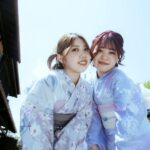
There is time for photos once you are dressed, and photography is encouraged during the kimono portion. The traditional tea rooms provide the setting, so you can take pictures without needing to go outside. That is a useful distinction: the rental is for the session only, and wearing the kimono out afterward is not included.
Inside the tea room
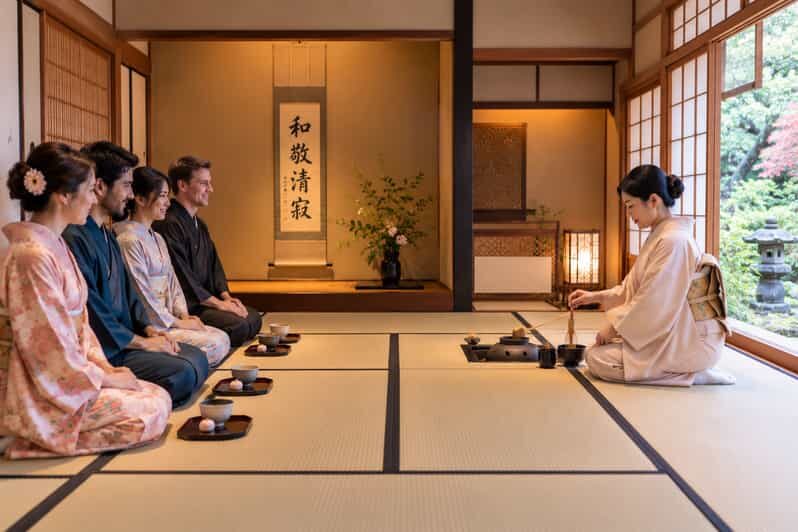
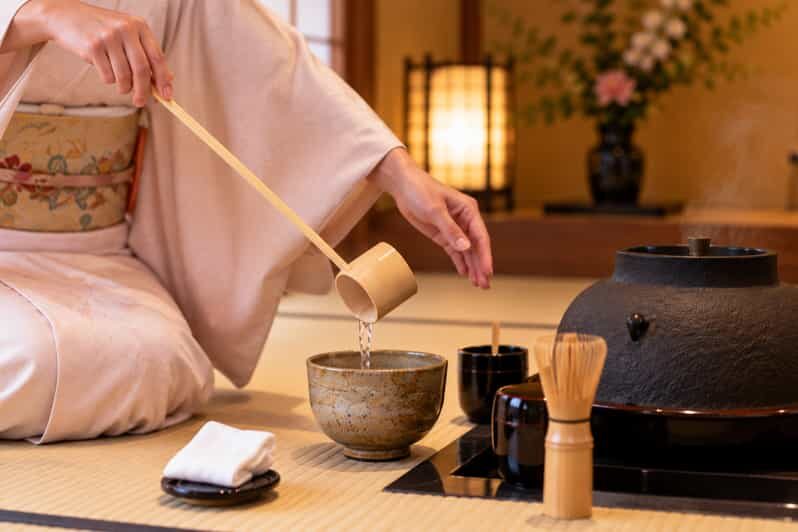
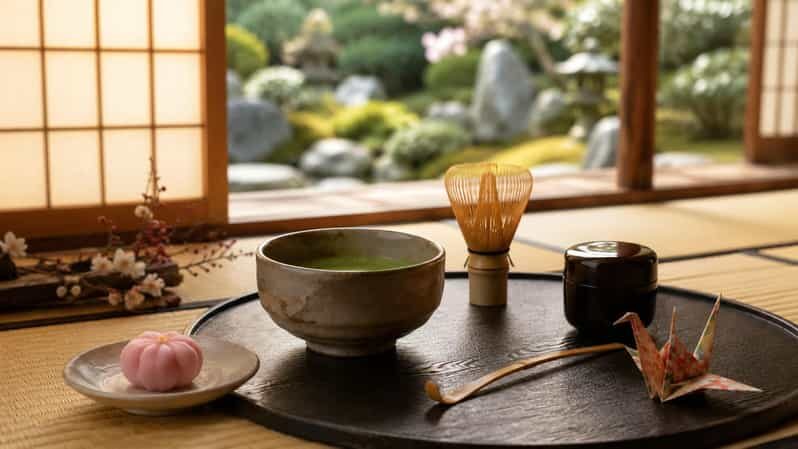
After dressing, you move into a traditional tea room for an introduction to chanoyu, the Japanese tea ceremony. The host explains the customs and values behind the practice, then demonstrates how matcha is prepared with traditional utensils. The point is not just to learn a recipe. The gestures, sequence, and attention to the bowl are part of the lesson.
Hosts named Lisa, May, Haruka, Risa, and Gakuji have led sessions, and the teaching style described for them is warm and patient. That matters here. A ceremony can feel stiff if you are worried about making a mistake, but clear instruction makes it easier to settle into the experience and ask questions.
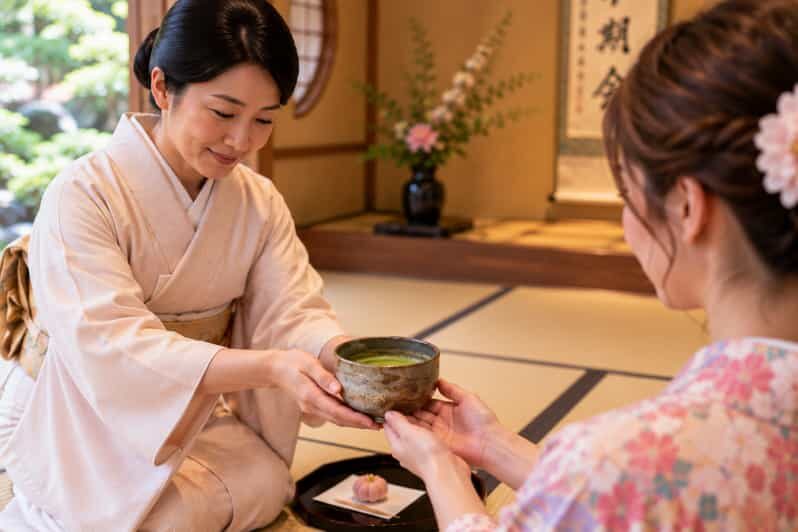
You are taught how to receive and turn the tea bowl, then how to take part in preparing matcha. The details help you understand the ceremony as a series of purposeful actions rather than a performance to watch silently. If you are curious about Japanese customs but do not know where to begin, this is an accessible first step.
The session is introductory by design. In 90 minutes, you can learn basic etiquette and get a feel for the ceremony, but you should not expect an extensive lesson on every school or tradition of tea. I like that the experience makes room for participation without pretending to be a full course.
Matcha, yatsuhashi, and the tasting
The ceremony includes freshly whisked matcha, served with seasonal wagashi. Yatsuhashi, one of Kyoto’s best-known traditional sweets, is also highlighted as a pairing. Together, tea and sweet give you a small taste of local food culture rather than just a demonstration of tea preparation.
If you already enjoy matcha, you will have a chance to appreciate it in a more deliberate setting. If you are unsure about its strong, grassy flavor, the guided preparation and sweet accompaniment may make it easier to try. You are not required to become a matcha convert. The value is in tasting it as part of the ceremony and learning how it is served.
The included tea, sweets, utensils, and professional instruction are part of the $45 price. That makes the cost easier to assess: you are paying for clothing, dressing help, hairstyling, a guided cultural activity, and the tasting, rather than for a cup of tea alone. For visitors who want both a kimono photo opportunity and some explanation of tea customs, the package has a clear purpose.
The exact seasonal sweet may vary, as the included item is described as seasonal wagashi. Yatsuhashi is the sweet specifically named as part of the experience, but it is wise not to assume every session will feature the same variety.
Photos, pacing, and group size
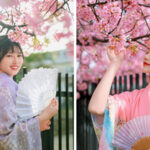
Photography is encouraged, and the experience includes time for pictures in the kimono inside the tea rooms. That makes this a good choice if you want a few keepsake images without turning the whole activity into a photo session. I would take the pictures after getting dressed, then give your attention to the tea ceremony once it begins.
A maximum of 10 participants keeps the group relatively small. You should have a better chance to hear the host and follow the demonstration than in a large tour group, while still sharing the room and instruction with others. Couples, friends, and families can book together, but the activity remains a group class.
At 90 minutes, the schedule is short enough to pair with other Kyoto plans. The trade-off is that transitions between choosing clothes, dressing, taking photos, and learning tea etiquette all need to fit into that time. If your main aim is to spend hours in a kimono or study tea at length, this will feel brief. If you want a compact introduction, the pace is a practical fit.



Who will enjoy this most
I would recommend the session to first-time visitors who want a guided, hands-on introduction rather than a formal tea ceremony they simply observe. It also suits couples and friends looking for a shared activity with a memorable visual element. The kimono dressing gives you something different to do together, and the tea lesson offers more substance than a costume change alone.
Families should check the age details before booking. Children under 5 can join for free, but yukata sizes are not available for very young children, and preparing matcha independently may be difficult for them. The activity may still be enjoyable for a young child watching with family, but the clothing and tea-making parts may not work as they do for adults.
This is not suitable for wheelchair users. If you have mobility needs, do not assume the traditional tea-room setup will be accessible. The available information does not specify other access arrangements, so contact the provider before reserving if you need further details.
Price, timing, and practical details
At $45 per person, the experience offers reasonable value if you want both kimono dressing and a guided tea ceremony. The price includes a kimono set rental, simple hairstyling, tea utensils, matcha, seasonal wagashi, an instructor, and photo time inside the tea rooms. There are no additional fees or taxes listed as exclusions.
The biggest limitation is also straightforward: you cannot keep wearing the kimono outside once the experience ends. If you pictured strolling through Kyoto in it, this is not that kind of rental. Instead, you get the dressing experience and indoor photo opportunity as part of a scheduled activity.
The instructor speaks English, and the tour is capped at 10 people. Starting times depend on availability. Booking can be canceled up to 24 hours ahead for a full refund, and a reserve-now, pay-later option is available, which may help if your Kyoto plans are still taking shape.
Should you book this Kyoto tea ceremony?
Book it if you want a compact cultural activity that combines kimono dressing, photos, and a guided introduction to matcha etiquette. The strongest reasons are the hands-on lesson, the staff assistance with dressing, and the chance to ask questions in English. At $45, the combination makes more sense than paying for a simple tea tasting or a photo opportunity alone.
Skip it if you want to wear a kimono around the city afterward, need wheelchair access, or are looking for a long, formal study of tea ceremony. For everyone else, it is a practical way to slow down for 90 minutes and connect a Kyoto outfit with the customs of the tea room.
Kyoto: Traditional Kimono & Matcha Tea Ceremony
FAQ
How long does the experience last?
It lasts 1.5 hours.
How much does it cost?
The listed price is $45 per person.
Is the instruction in English?
Yes. The instructor speaks English.
How many people are in the group?
The small group is limited to 10 participants.
Is kimono rental included?
Yes. A kimono set rental is included, along with help dressing.
Can I wear the kimono outside afterward?
No. Wearing the kimono outside after the experience is not included.
Is hairstyling included?
Yes. The experience includes a simple hairstyle.
What food and drink are included?
You receive matcha and seasonal wagashi. Yatsuhashi is highlighted as a traditional Kyoto sweet.
Can children under 5 join?
Yes, children under 5 can join for free. Yukata sizes are not available for very young children, and preparing matcha independently may be difficult for them.
You can check availability for your dates here: