A bowl of matcha can be a good reason to stop racing around Kyoto. At aeru gojo, you spend 45 minutes in a 100-year-old townhouse learning the customs of tea ceremony, watching a demonstration, and whisking your own tea. Hosts such as Hana and Kiyoka make the formal rituals feel approachable rather than intimidating.
I like two things especially: you get to consider both the host’s and guest’s roles, and you handle the utensils yourself instead of only watching. The townhouse setting and the chance to ask questions give the ceremony useful context, too.
One consideration: this is a shared, casual session, not a private ceremony. Other people may enter the shop area during your visit, and the tea-making portion is only part of the 45 minutes.
- What to know before you book
- A pause inside an old Kyoto townhouse
- Meeting your host and learning the customs
- Watching the tea ceremony take shape
- Whisking your own bowl of matcha
- Tatami, chairs, and practical comfort
- Finding aeru gojo and browsing the shop
- Is .65 a fair price?
- Who will enjoy this ceremony most
- Should you book it?
- FAQ
- How long is the tea ceremony?
- Where does the experience take place?
- Do I get to make matcha myself?
- Is the session suitable if I cannot sit on the floor?
- Is kimono rental included?
- Is parking available at the venue?
- Can I cancel and receive a refund?
- The Best Of Kyoto!
- More Tours in Kyoto
- More Tour Reviews in Kyoto
- Not for you? Here's more nearby things to do in Kyoto we have reviewed
What to know before you book
 1 / 10
 2 / 10
 3 / 10
 4 / 10
 5 / 10
 6 / 10
 7 / 10
 8 / 10
 9 / 10
 10 / 10
- A century-old townhouse sets the scene: The ceremony takes place at aeru gojo, in a traditional Kyoto machiya.
- You make your own matcha: After watching the host’s demonstration, you prepare a bowl with handcrafted utensils.
- The customs have a purpose: Your host explains the meaning behind the gestures and introduces the roles of host and guest.
- It is a short cultural pause: The session lasts 45 minutes, a practical fit between sightseeing plans.
- You can sit on a chair: Tatami is part of the setting, but chairs are available.
- There are crafts to browse afterward: The venue sells tea-related items and other souvenirs, so you can take home something useful if you wish.
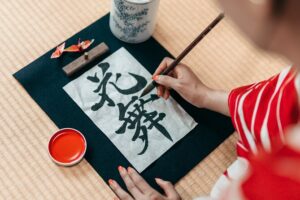
👉 See our pick of the 25 Best Workshops And Classes In Kyoto
A pause inside an old Kyoto townhouse
Kyoto can fill a day with temples, lanes, shops, and transit connections. This ceremony gives you a different kind of cultural stop: a chance to sit down and pay attention to small actions, from handling a tea bowl to whisking matcha.
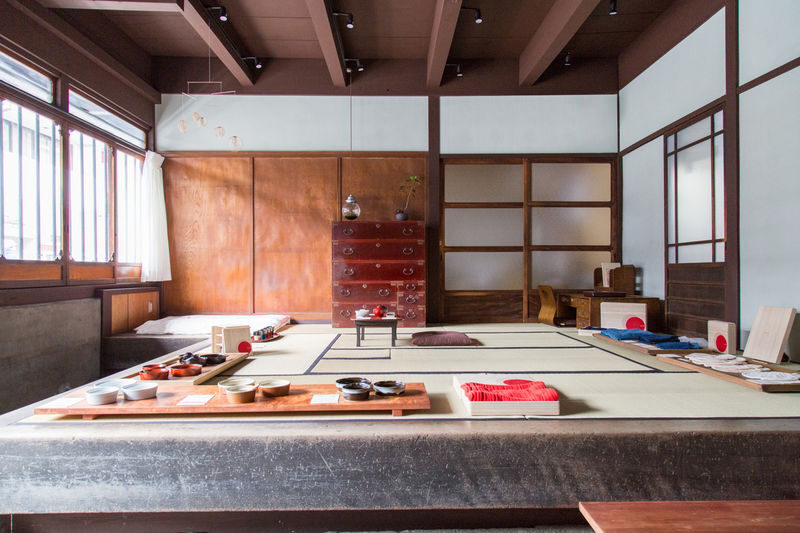
The venue, Tea Ceremony aeru gojo, is a 100-year-old machiya, a traditional Kyoto townhouse. That setting matters. It places the ceremony in a historic domestic space rather than in a large performance hall, helping the experience feel connected to everyday Japanese architecture and customs.
The program is run by aeru, a company founded in 2011 to pass Japanese traditions and values on to a new generation. Its tea program has received an American Express award. That background helps explain the class’s approach: the aim is to introduce a living tradition in a way that welcomes curious newcomers.
This is not a long, formal ceremony. The advertised session is 45 minutes, with demonstration, explanation, conversation, and hands-on practice. If you want a first look at tea culture without giving up half a day, the compact format is a real advantage.
You can also read our reviews of more tours and experiences in Kyoto.
Meeting your host and learning the customs
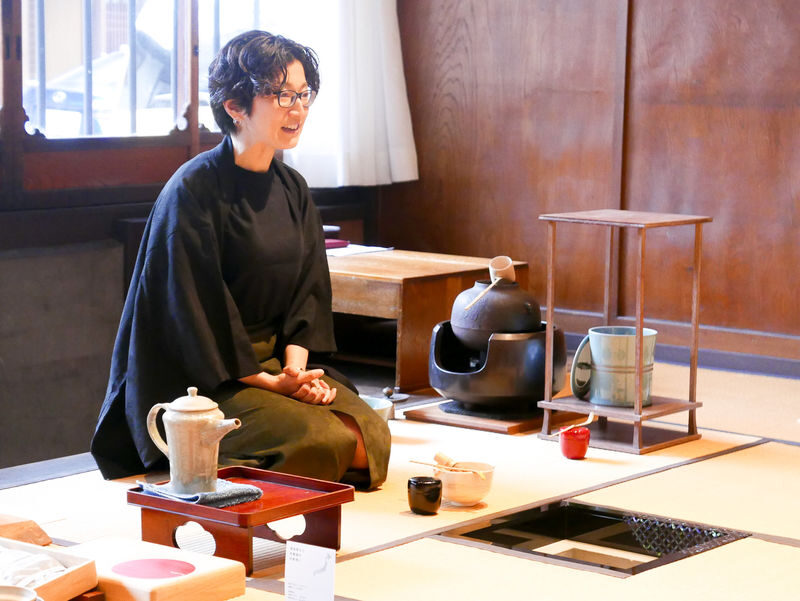
Hosts named in recent sessions include Hana and Kiyoka. Their role is more than to show you the order of the movements. They explain the ceremony’s meaning, answer questions, and make clear how both host and guest take part.
The tone is described as casual and welcoming. You do not need to arrive knowing the rules, and you are encouraged to ask questions. That makes this a good choice if you are curious about tea ceremony but worry that you might get something wrong. The host guides you through the actions instead of expecting you to arrive with prior knowledge.
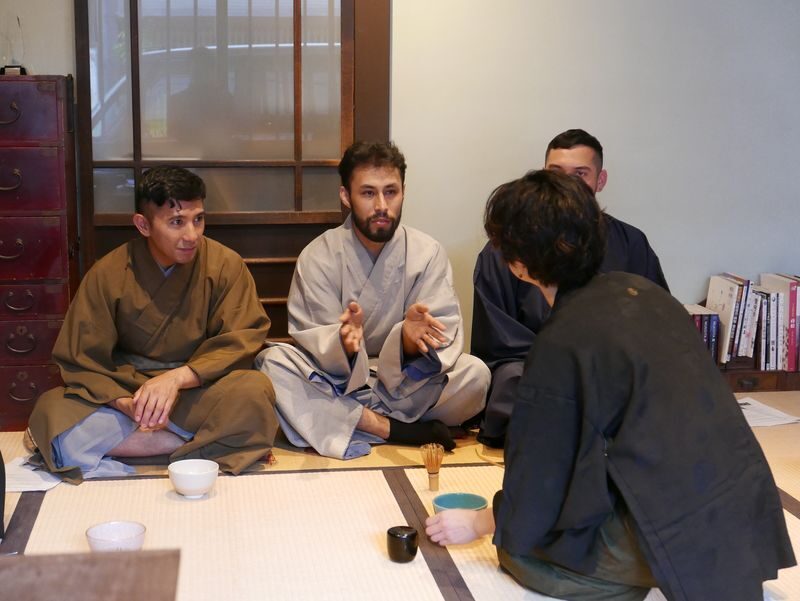
The conversation is part of the experience. You may be asked to introduce yourself or share what brought you to the session, and the instructor may invite discussion about the tradition. This can make the class feel personal, but it also means the time is not spent entirely on ritual or tea preparation.
If you prefer a quiet, uninterrupted demonstration with little conversation, this format may not be your ideal match. The experience is meant to be interactive, and the shared discussion takes up some of the session.
Watching the tea ceremony take shape
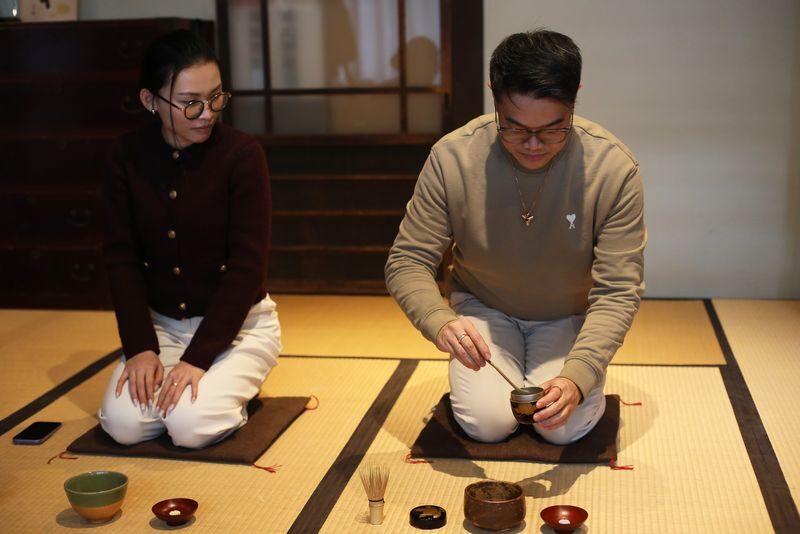
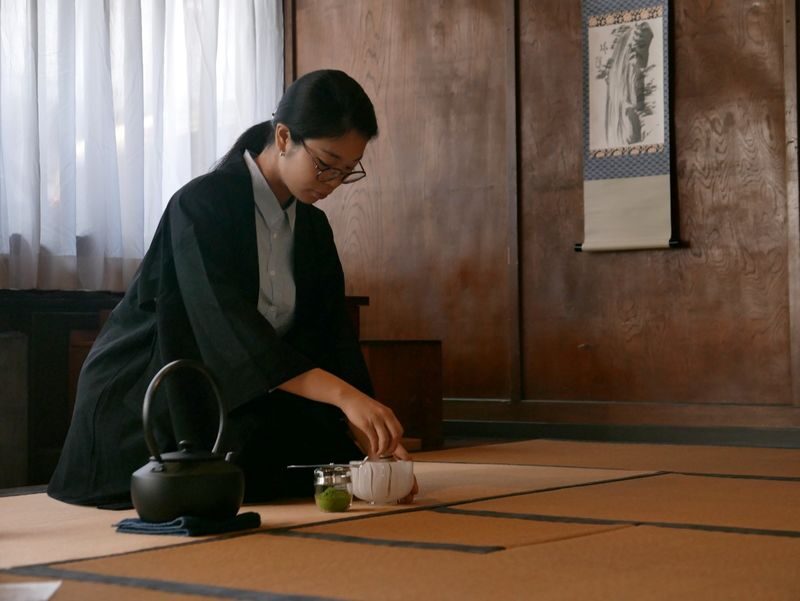
Your host demonstrates the preparation of matcha and explains the steps as they happen. The point is not just to learn a recipe. Tea ceremony gives weight to the handling of objects and the care shown to the person receiving the tea.
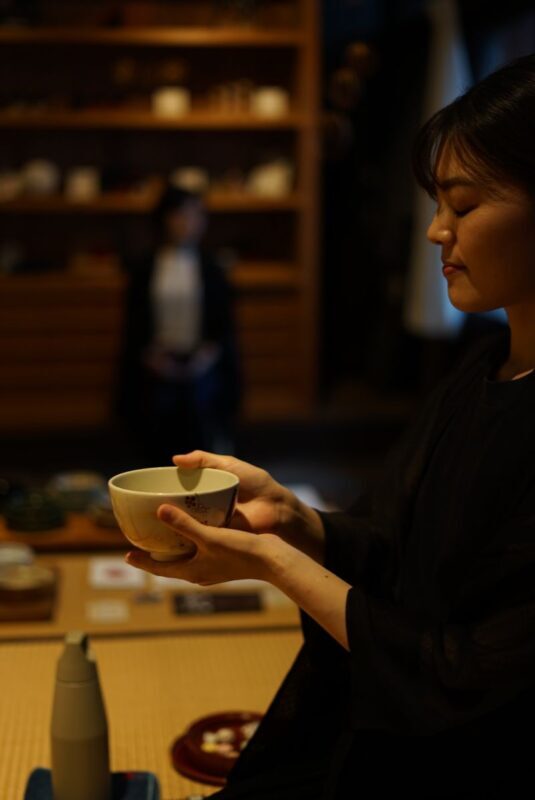
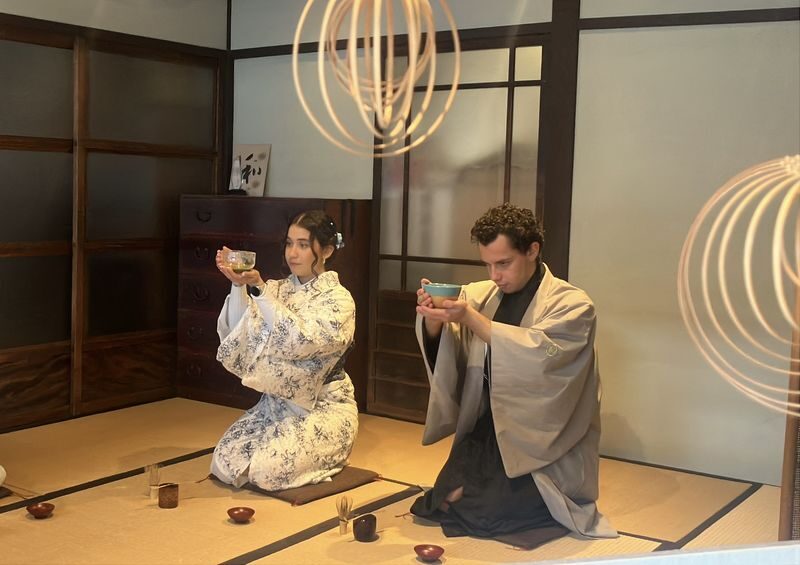
You also get an introduction to the roles of host and guest. Some of the most useful learning comes from seeing how each person contributes to the ceremony: one prepares and serves, the other receives the bowl with attention and respect. The class keeps these ideas accessible, without requiring you to memorize a long list of rules.
That balance is a strength. You get some cultural background, but it is tied to visible actions rather than delivered as a lecture. If you are the sort of person who learns best by watching first and trying second, the structure should suit you.
The session’s pace can vary with questions and group discussion. That is part of the appeal for people who want an open conversation, but it also means the ceremony itself does not fill all 45 minutes. One useful expectation to set: this is a compact introduction, not an extended study of tea practice.
Whisking your own bowl of matcha
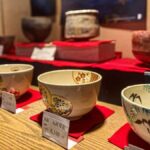
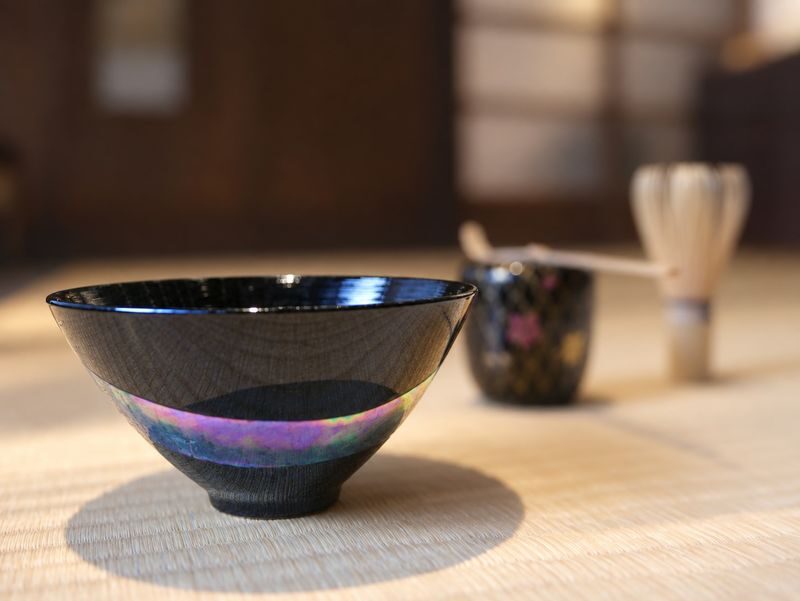
After the demonstration, you get to prepare matcha yourself using handcrafted utensils made by artisans. That hands-on step turns the lesson into something you can remember and repeat. You see the tools up close, try the whisking motion, and taste the tea you have made.
A little uncertainty is normal. It can be hard to tell whether your whisking technique is right when you are learning it for the first time. If you want feedback, ask the host to check your technique while you work. The demonstration may show you the motion, but personal coaching is not guaranteed at every moment.
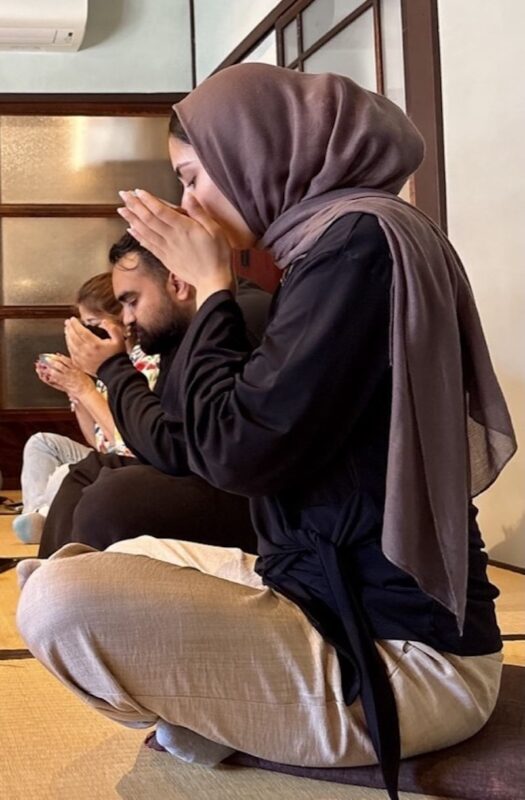
Refreshments are included, and the ceremony has been served with a traditional sweet. Matcha can be an acquired taste if you usually drink sweetened tea or coffee, so having a small bite alongside it can help round out the tasting.
The best part is that the process asks you to slow down. You are not just sampling a drink; you are following a sequence and noticing the objects, gestures, and attention involved. For a busy Kyoto itinerary, that change of pace can be as valuable as the cultural lesson.
Tatami, chairs, and practical comfort
The room’s tatami floor helps establish the traditional atmosphere, but sitting on the floor is not required. Chairs are available for anyone who prefers them, and the venue is wheelchair and stroller accessible. If you will use a wheelchair, arrive five minutes before your session so staff can help you get settled.
Wear what you find comfortable. Kimono rental is not included, so there is no need to arrange special clothing for the class. The one clear request is to skip perfume or cologne: the venue asks guests to avoid fragrance so everyone can enjoy the aroma of the matcha.
The space is not suitable for eating, and there is no parking lot. If you arrive by rental bicycle, use public bicycle parking rather than leaving it at the venue. Plan to arrive no earlier than 10 minutes before your start time, since the room is limited in size.
These details are simple, but they help set expectations. You can come as you are, with the understanding that this is a compact tea space, not a place to wait for a long stretch or eat a meal.
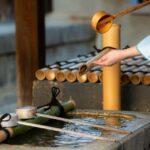

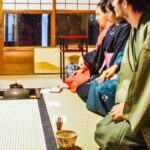
Finding aeru gojo and browsing the shop
The meeting point is Tea Ceremony aeru gojo. If you are coming from Karasuma-dori Street, turn at the corner with the Family Mart convenience store and continue straight for one block. Look for the aeru gojo sign next to Only Corporation, across from Zen Kyoto.
After the ceremony, you can browse the tea and craft items for sale. Some of the objects used in the session are the sort you might want to use at home, and matcha sets are available to buy. A purchase is entirely optional, but it gives you a way to continue making matcha after the trip.
Do not expect a take-home item to be included in the ticket. The experience covers admission and refreshments; other personal expenses are extra. If you are interested in buying something, it is worth leaving a little time to look around rather than rushing straight to your next stop.
Is $50.65 a fair price?
The starting price is $50.65 for a 45-minute session. That is not a bargain-basement tea tasting, so value depends on what you want from the visit. You are paying for instruction in a historic townhouse, an explanation of the host and guest customs, a demonstration, your own matcha preparation, and refreshments.
I see the price as fair if you value direct participation and cultural context. The experience is more substantial than simply ordering matcha in a café, because you learn why the preparation is done with care and try the process yourself. It may feel less worthwhile if your main goal is a long, elaborate ceremony or extensive individual coaching.
The session is also relatively easy to fit into a day. At 45 minutes, it can work as a break between major sightseeing stops without demanding the time commitment of a multi-hour class. That convenience is part of its value, particularly if your Kyoto schedule is tight.
Who will enjoy this ceremony most
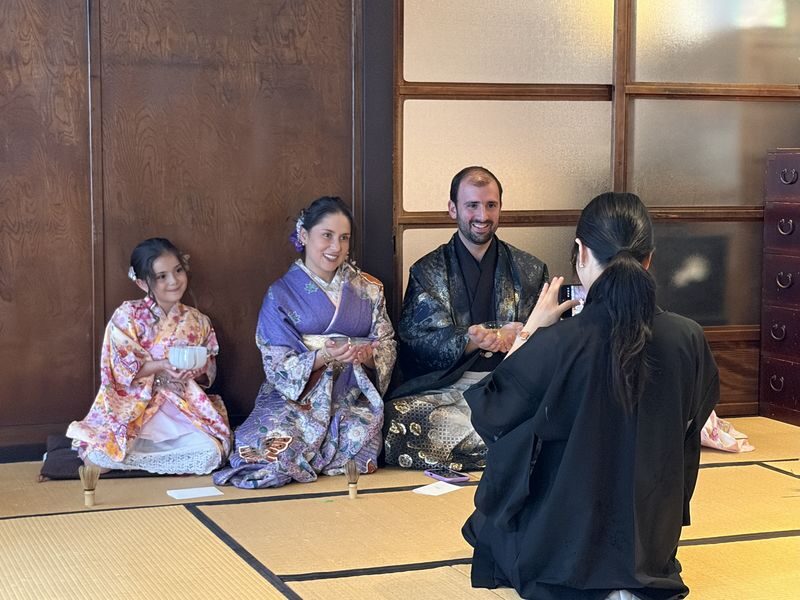
This class suits first-time visitors who want to understand a piece of Japanese culture by doing it, not just reading about it. It also works well for matcha drinkers who want to know more about preparation, and for families: an eight-year-old has enjoyed the session, and families across three generations have taken part.
You do not need to be a tea enthusiast. The host’s explanations make the customs accessible, and the casual format leaves room for questions. If you are traveling with someone who has limited mobility or dislikes sitting on the floor, the available chairs and wheelchair access make this a more flexible choice than a floor-only activity.
It is less suited to anyone looking for a private, silent retreat. This is a shared session, and the shop area may have other people coming in during the experience. For some, that is a small distraction; for others, the conversation and accessible teaching are exactly what make the class enjoyable.
Should you book it?
Book this if you want a short, hands-on introduction to matcha and tea ceremony in a traditional Kyoto house. You will see a demonstration, hear what the gestures mean, and prepare your own bowl under a host’s guidance. Hana and Kiyoka are among the instructors who bring a warm, conversational style to the lesson.
Skip it if you want a long, private ceremony or expect every minute to be devoted to tea preparation. The class makes room for introductions and questions, and the experience is designed to be welcoming rather than austere. For a manageable price and time commitment, it is a thoughtful way to add a quieter, more participatory stop to your Kyoto plans.
Kyoto: Tea Ceremony Meditation: Make Your Matcha with a Tea Master
“Hana was absolutely wonderful during our Kyoto tea ceremony. Her calm presence, clear explanations, and deep knowledge made the experience truly sp…”
FAQ
How long is the tea ceremony?
The advertised session lasts 45 minutes.
Where does the experience take place?
It meets at Tea Ceremony aeru gojo, inside a 100-year-old Kyoto townhouse.
Do I get to make matcha myself?
Yes. The host demonstrates the preparation, then guides you as you make your own bowl using handcrafted utensils.
Is the session suitable if I cannot sit on the floor?
Yes. Chairs are available for people who prefer not to sit on tatami, and the venue is wheelchair accessible.
Is kimono rental included?
No. Kimono rental is not included in the experience.
Is parking available at the venue?
No. The facility has no parking lot. If you arrive by rental bicycle, use public bicycle parking spaces.
Can I cancel and receive a refund?
You can receive a full refund if you cancel at least 24 hours before the activity date, using destination local time.