Japanese calligraphy turns a brush, ink, and a few measured strokes into a personal keepsake. In this Kyoto workshop, you learn the basics of shodo, practice characters, and make your own artwork to take home. The premium option adds a kimono, making the studio feel especially suited to the occasion.
I like two things in particular: the patient, step-by-step teaching, which makes the class welcoming even if you have never held a calligraphy brush, and the chance to learn about hiragana, katakana, and kanji, not just copy a symbol without context. Instructors including Ray and Jansi are often named by participants as friendly and clear.
One thing to plan for: you sit on floor cushions, and ink can mark clothes. Bring clothes that can get dirty, or a change of clothes. The kimono is part of the premium option, not every booking.
- What makes this Kyoto calligraphy class worth your time
- A calm studio and a hands-on introduction to shodo
- First, learn what the characters and tools mean
- Brush practice is the heart of the class
- Make a kanji name and take your work home
- Kimono adds atmosphere, but check the option
- Is it good value for a Kyoto activity?
- Who should book, and what to know first
- Should you book this calligraphy workshop?
- FAQ
- How long does the calligraphy workshop last?
- Is the workshop suitable for beginners?
- Is a kimono included?
- Can children take part?
- What should I wear or bring?
- Do I get to take my calligraphy home?
- The Best Of Kyoto!
- More Tours in Kyoto
- More Tour Reviews in Kyoto
- Not for you? Here's more nearby things to do in Kyoto we have reviewed
What makes this Kyoto calligraphy class worth your time
 1 / 8
 2 / 8
 3 / 8
 4 / 8
 5 / 8
 6 / 8
 7 / 8
 8 / 8
- You learn the parts of shodo before you start writing, including the brush, ink, inkstone, and paper.
- The lesson connects writing with meaning, covering Japanese character systems and the ways characters can express words, feelings, or values.
- You practice, not just watch. Guided exercises help you work on brush pressure, movement, and rhythm.
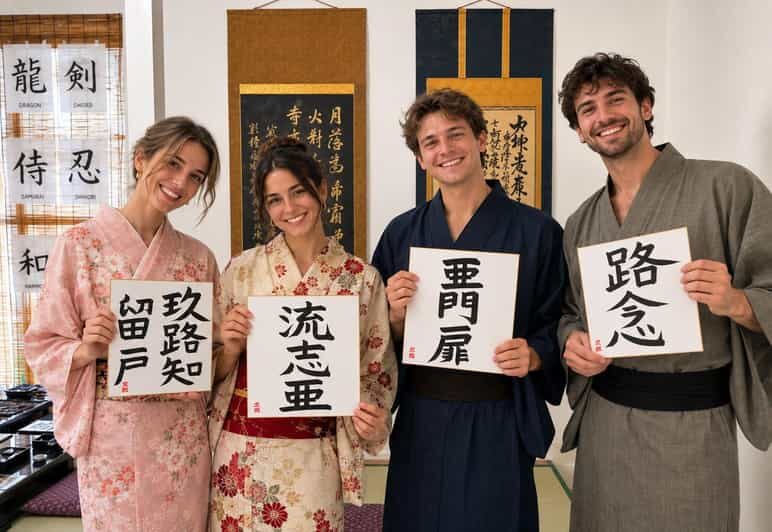
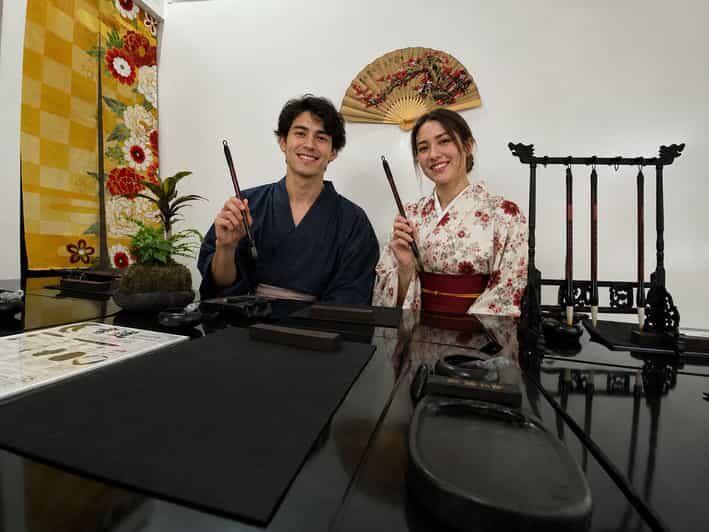
- The premium option includes a kimono, a memorable extra for the studio setting and photos.
- You take home your finished calligraphy, including a personalized kanji name experience.
- The class suits beginners and families, with a minimum age of five and adult supervision required for children.
👉 See our pick of the 25 Best Workshops And Classes In Kyoto
A calm studio and a hands-on introduction to shodo
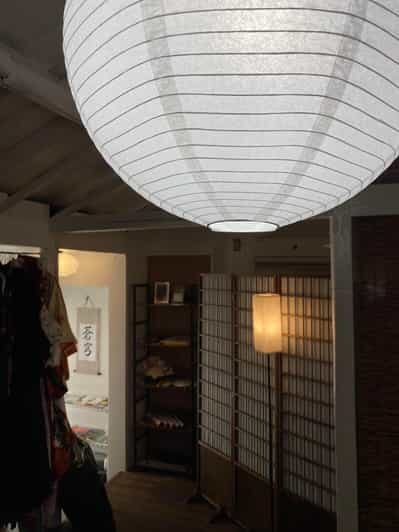
This is a cultural activity with a practical result: you leave with a better sense of how Japanese calligraphy works and a piece you made yourself. The studio is described as traditional, with a relaxed atmosphere and quiet music. It offers a welcome change of pace if your Kyoto days are full of walking, temples, and busy streets.
The experience is offered for 45 minutes to 1.5 hours, with the longer session described as about 90 minutes. Check the available start times and the duration attached to the option you select. If you enjoy taking your time with a new skill, the longer session gives you more room to practice. A shorter booking can still provide a useful introduction, but you may wish you had more time with the brush.
English instruction is provided, and the class is suitable for complete beginners. You do not need to know Japanese or have calligraphy experience. The instructor explains the tools and techniques before asking you to try them, so you can focus on the feel of the brush rather than worrying about getting everything right immediately.
You can also read our reviews of more tours and experiences in Kyoto.


First, learn what the characters and tools mean
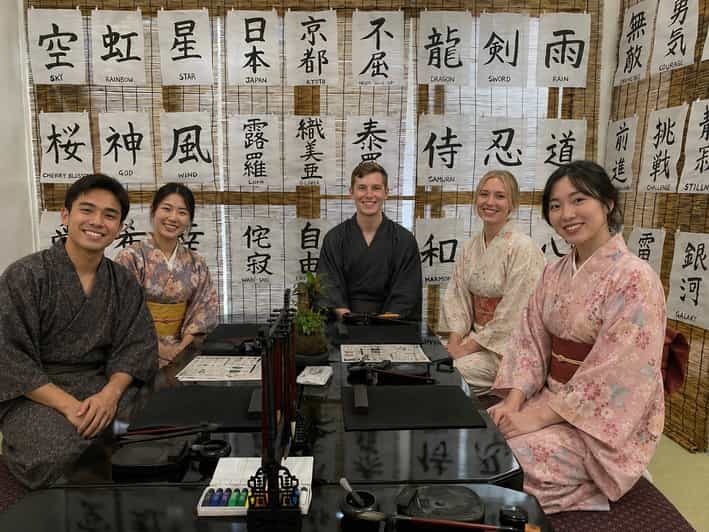
The lesson begins with context. You are introduced to Japanese calligraphy and its history, along with the writing systems you may see in Japanese: hiragana, katakana, and kanji. That distinction matters. Without it, characters can look like a collection of unfamiliar shapes; with a little explanation, you have a better idea of what you are practicing and why different forms are used.
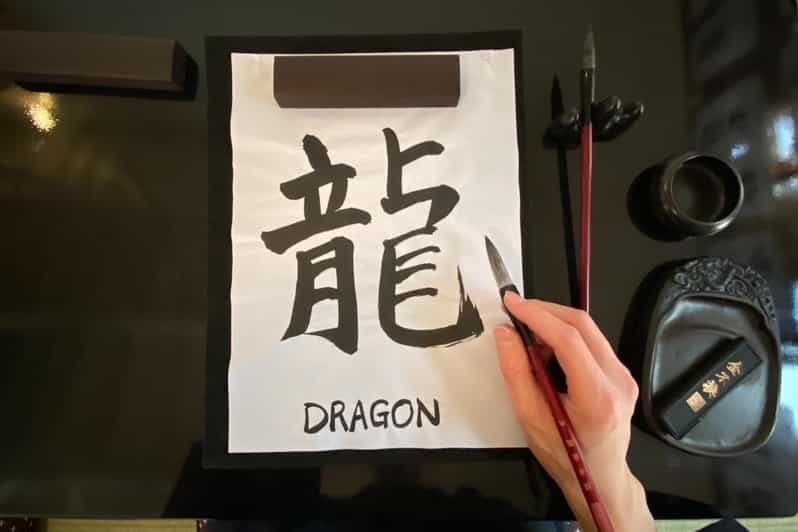
Your instructor introduces the traditional tools, including the brush, ink, inkstone, and paper. Knowing what each item does helps make the exercise feel like more than a quick craft activity. Some participants have also described making their own ink, but the precise steps can depend on the session, so treat that as a possible part of the class rather than a guaranteed feature.
The instructors’ names that come up include Ray and Jansi, with one participant referring to an instructor as Rei. The descriptions of their teaching are consistent: patient, attentive, and clear. That is useful in a skill where the first stroke may look simple but takes control and practice. The friendly approach matters especially if you are taking the class with children or feel self-conscious about making mistakes.
Brush practice is the heart of the class
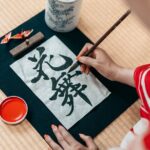
After the introduction, you move to guided exercises. The instructor demonstrates basic strokes and shows how pressure, movement, and rhythm shape the mark on the page. You then practice yourself, adjusting your grip and brush control as you go.
This hands-on time is the strongest reason to book the class. Watching a calligrapher work can be beautiful, but trying the brush gives you a more immediate sense of the care behind each line. The goal is not to become an expert in one sitting. It is to learn enough to recognize how a deliberate stroke is made and to produce a piece that feels personal.
The pace is intended to work for beginners, and participants describe having time to practice until they are satisfied with their results. Still, the workshop is relatively short. If calligraphy grabs you, you may wish the session ran longer. One participant said the time passed quickly and they could have kept working with the brush. Go in expecting an engaging introduction, not a full course.
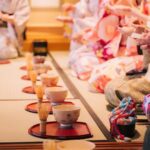
The calm setting adds to the appeal. The class gives you a quieter, seated activity after a day on your feet, and the relaxed atmosphere lets you concentrate. Do remember that seating is on cushions on the floor. If sitting this way is uncomfortable for you, the provided information does not specify an alternative seating arrangement, so ask the provider before booking.
Make a kanji name and take your work home
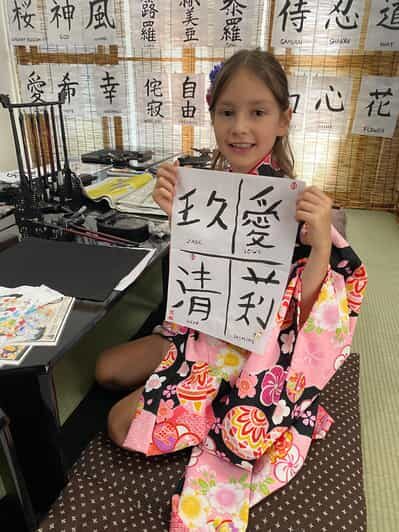
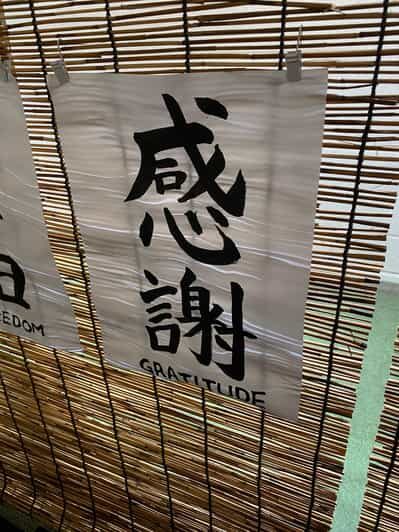
A personal name can turn the lesson into more than a practice sheet. As part of the personalized kanji name experience, your instructor helps you choose kanji representing your name and its meaning, then guides you as you practice writing it. The point is not simply to spell a name letter by letter. It is to connect a personal meaning with Japanese characters and make a piece that recalls your time in Kyoto.
You can take home all your completed calligraphy artworks. That is a practical plus: your souvenir is not an item picked from a shop shelf, but something you worked on during the class. It can serve as a reminder of the activity and of the time you spent learning a small part of Japanese culture.
The finished piece may be more meaningful than technically polished. Brush calligraphy takes practice, and a first attempt will show that it was made by a beginner. I see that as part of the charm, not a flaw. If you want a perfect decorative work, this is not a substitute for buying one from a trained artist. If you want to understand the process and bring home your own effort, it fits well.
More Great Tours NearbyKimono adds atmosphere, but check the option
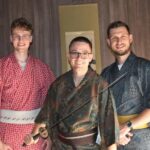
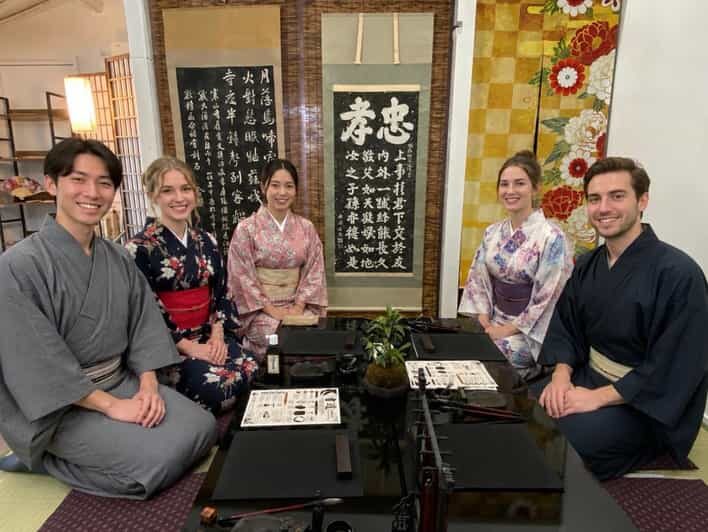
The premium option includes kimono rental. Wearing one can make the session feel more ceremonial and gives you an extra photo opportunity in the traditional studio. It is an appealing addition if you want the full dress-up experience, especially for a special occasion or a family activity.
The kimono is not included in every option, so check the package details before booking. The advertised price is $6 per person, but that figure should not be treated as the price of the premium experience unless the booking details say so. Compare what is included in each available option, particularly if kimono rental is important to you.
The supplied guidance asks participants to bring a change of clothes and wear clothes that can get dirty. That is sensible for any activity involving ink. If you choose the kimono option, check with the provider about clothing beneath it and how to manage the risk of stains. Do not assume your everyday clothes will stay spotless.





Is it good value for a Kyoto activity?
At the advertised $6 per person, the entry price looks unusually low for an instructor-led cultural activity with tools, guided practice, and artwork to take home. But price can depend on the option and what is included, so use the booking details to confirm the actual cost for your preferred session. In particular, compare the standard and premium options rather than assuming the kimono is included in the lowest listed price.
The value is not only in the materials. You get an introduction to Japanese writing, instruction in basic brush technique, and time to make something yourself. That combination is more memorable than a quick demonstration, and the finished artwork adds a tangible reminder without requiring you to find a separate souvenir shop.
The workshop is also a manageable use of time. At 45 minutes to 1.5 hours, it can fit into a Kyoto itinerary without taking over the day. The longer version gives you more time to ask questions and practice, while the shorter one may suit a tight schedule. If you are curious about the art, I would prioritize the longer option when it fits your plans.
Who should book, and what to know first
This class suits curious first-timers, creative people, and families looking for a shared activity beyond sightseeing. Children must be at least five and accompanied and supervised by an adult. The reported family groups range across several generations, which suggests the lesson can work for different ages, provided everyone is comfortable sitting on floor cushions and following a hands-on class.
It is also a good choice if you want a quieter activity after a full day out. The setting is calm, the group format is described as intimate, and private groups are available. The class is not a substitute for a full course in calligraphy, but it gives you a thoughtful introduction and a chance to try the tools yourself.
Before you go, wear clothes that can get dirty and bring a change of clothes. Food and drinks are not allowed, and pets are not allowed. Participants who appear intoxicated may be refused service without a refund. You do not need prior experience, but you should be ready to try, make imperfect strokes, and learn as you go.
Should you book this calligraphy workshop?
Book it if you want an accessible, hands-on way to connect with Japanese culture and leave with something you made yourself. The strongest reasons are the beginner-friendly instruction, the personal kanji artwork, and the calm break from a packed sightseeing schedule. Choose the premium option if wearing a kimono is part of what you want from the experience, and confirm its price and inclusions before paying.
Skip it if you are looking for advanced calligraphy training, cannot comfortably sit on floor cushions, or would rather spend your time outdoors. For most visitors with a spare hour or so, this is a distinctive Kyoto activity with a clear takeaway: a better understanding of shodo and your own brushwork to bring home.
Kyoto Authentic Japanese Calligraphy in a Traditional Studio
FAQ
How long does the calligraphy workshop last?
The duration is listed as 45 minutes to 1.5 hours. Check the available start times and the length of the specific session you choose.
Is the workshop suitable for beginners?
Yes. No previous calligraphy experience is required, and the instructor guides you through the tools and basic brush strokes.
Is a kimono included?
Kimono rental is included with the premium option only. Check the booking details to see which option you are selecting.
Can children take part?
The minimum age is five. Children must be accompanied and supervised by an adult.
What should I wear or bring?
Bring a change of clothes and wear clothes that can get dirty, since the activity involves ink.
Do I get to take my calligraphy home?
Yes. You can take home all of your completed calligraphy artworks, including your finished work from the session.
You can check availability for your dates here: