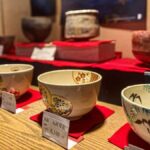
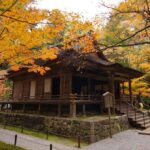
Sanzen-in’s mossy gardens are a lovely counterpoint to Arashiyama’s famous bamboo path: one quiet and green, the other busy and photogenic. This day trip links both by road, with an optional ride on the Sagano Scenic Railway through the Hozugawa River gorge.
I like the contrast between Sanzen-in’s pond and moss gardens and the livelier mix of temples, shops, and bamboo in Arashiyama. I also like that you can leave the transport planning to the tour and spend your time walking, eating, and looking around.
The trade-off is time. The two areas are far apart, and Arashiyama’s three-hour stop must cover lunch, the bamboo path, and possibly the train. Treat the railway as a planned extra, not a casual add-on, and confirm which package includes its ticket.
- At a glance
- From temple quiet to Arashiyama crowds
- Sanzen-in: moss, old trees, and a slower pace
- Arashiyama: bamboo, shops, and a tight clock
- The Sagano Scenic Railway: reserve before you go
- What the guide and transport add
- Is .85 good value?
- Who should book this day trip?
- FAQ
- How long is the tour?
- Where can I depart from?
- What is included in the meeting-point package?
- Is the Sagano Scenic Railway included?
- When does the Sagano Scenic Railway run?
- Which train time should I book?
- How much is Sanzen-in admission?
- Are meals included?
- When does the tour return?
- Can children join the tour?
- The Best Of Kyoto!
- More 1-Day Tours in Kyoto
- More Tours in Kyoto
- More Tour Reviews in Kyoto
- Not for you? Here's more nearby things to do in Kyoto we have reviewed
At a glance
 1 / 8
 2 / 8
 3 / 8
 4 / 8
 5 / 8
 6 / 8
 7 / 8
 8 / 8
- Sanzen-in’s moss gardens offer a quieter start, with seasonal flowers and a pond garden among old trees and streams.
- Arashiyama’s bamboo path is about 500 meters long, an atmospheric walk that can be busy and brief.
- The Sagano Scenic Railway is optional and separately priced in the standard inclusions. Book ahead for the recommended afternoon train.
- The day includes roughly two hours at Sanzen-in and three at Arashiyama, with free time rather than a tightly guided sightseeing walk.
- Transport and a Chinese- or Japanese-speaking guide are included in the meeting-point package; language and vehicle arrangements depend on the option you select.
- From $44.85, the price can be useful for a day connecting two distant areas, but temple entry, food, and some train tickets add to the total.

👉 See our pick of the 25 Best Workshops And Classes In Kyoto
From temple quiet to Arashiyama crowds
This is a nature-and-temple day, not a deep tour of Kyoto’s major city sights. It heads first to Ohara, north of central Kyoto, then crosses to Arashiyama, where the wooded hills, bamboo path, and old religious sites draw a larger crowd.
The shift in mood is part of the appeal. Sanzen-in gives you room to slow down and notice the grounds; Arashiyama brings more shops, snack stops, and movement. If you want a day built around gardens and outdoor scenery, the pairing makes sense. If you prefer long, guided explanations at each site, this format may feel too independent.
The schedule is listed as about eight hours, with departures from Osaka or Kyoto. The meeting-point options show departures at 08:40 and 09:50, but exact arrangements can vary. You’ll receive the guide and vehicle details by email the evening before, so check your inbox and spam folder.
You can also read our reviews of more tours and experiences in Kyoto

Sanzen-in: moss, old trees, and a slower pace
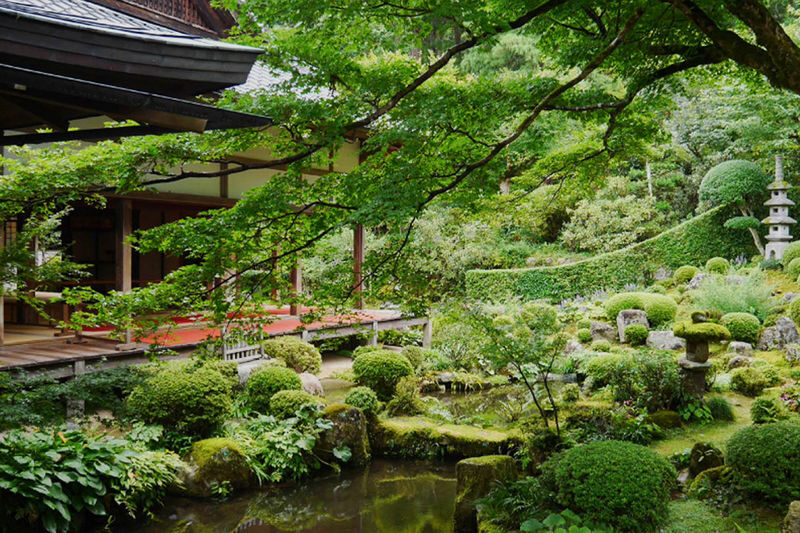
The day’s first main stop is Sanzen-in Temple in Ohara, with about two hours for the grounds and lunch. The temple’s appeal is less about a single grand building than the feeling of walking through gardens shaped by trees, moss, water, and changing seasons.
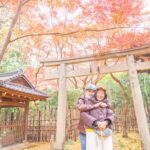
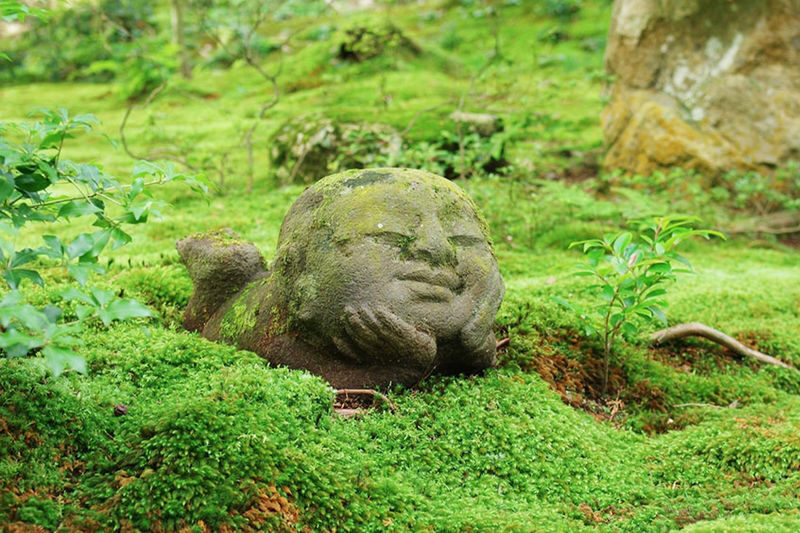
The Jyakubien and Yuseien gardens are the main places to take your time. A pond garden, streams, moss, and small stone Buddhas give the grounds plenty to look at without requiring a long route. Cherry blossoms arrive in spring, with azaleas noted in May, hydrangeas in July, autumn color later in the year, and snow possible in winter.
Admission is not included in the standard package details: adults pay ¥700, junior high and high school students ¥400, and elementary school students ¥150. Build that into your budget, along with lunch. Nearby tea houses serve tofu dishes and soba, both fitting choices for a light meal, but food and drinks are at your own expense.
Two hours sounds generous until you include the temple visit and lunch. I’d decide before arrival whether you want a seated meal or a quick bite, then leave time for the gardens. This is not the stop to rush through just to gain a few minutes in Arashiyama.
Arashiyama: bamboo, shops, and a tight clock
The afternoon stop allows about three hours in Arashiyama and Sagano. The area mixes natural scenery with temples, shrines, traditional sweets shops, and general stores. You can spend the time walking, browsing, eating, or heading for the bamboo path, but you probably won’t fit in every possible stop at a leisurely pace.
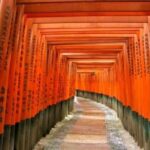
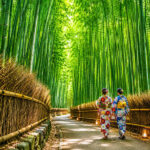
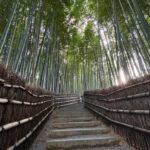
The Sagano Bamboo Forest Path is about 500 meters long. The tall stalks and filtered light make it a memorable walk, especially when the wind moves through the leaves. It is also one of Kyoto’s best-known photo spots, so expect other people on the path, particularly in peak seasons. The location has also been used as a filming site for Crouching Tiger, Hidden Dragon.
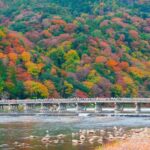
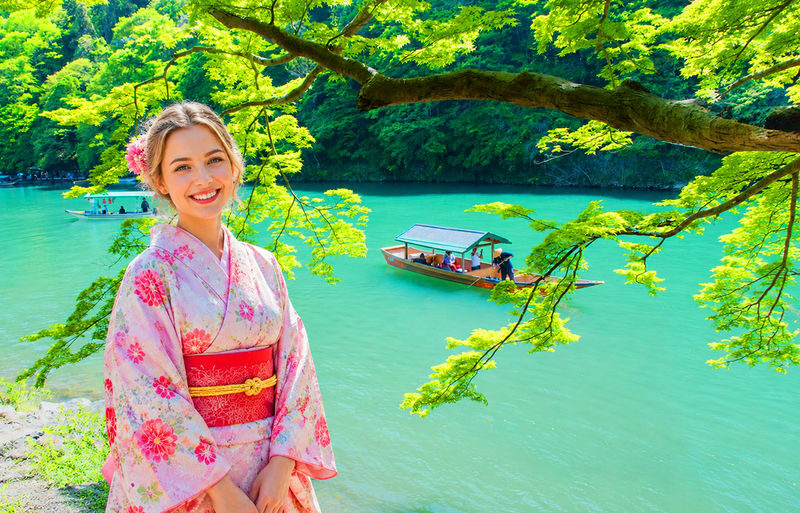
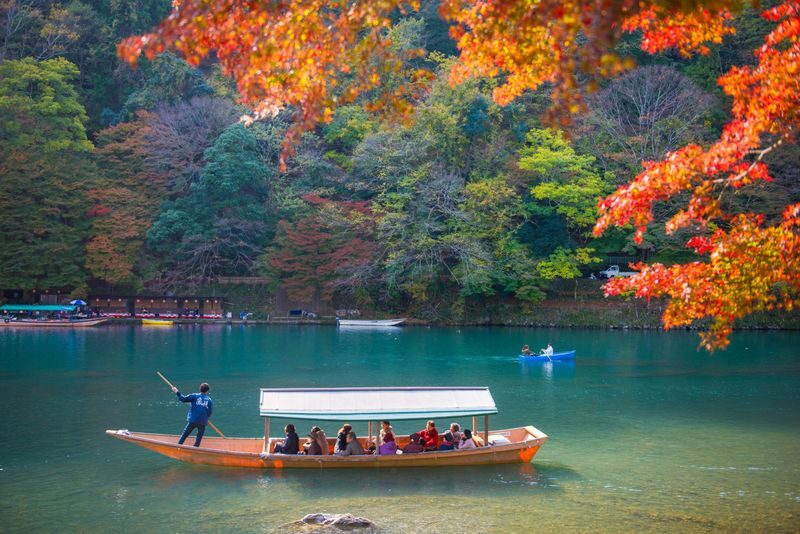
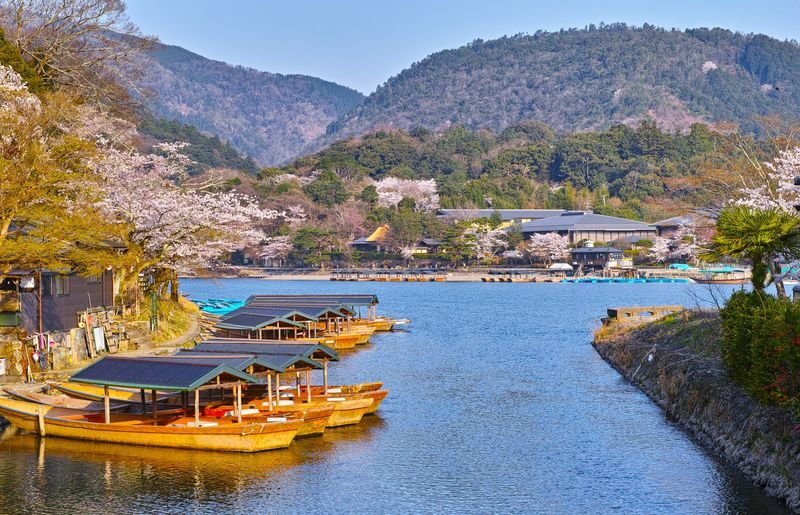
Arashiyama is lovely in spring and autumn, when blossoms or fall color frame the hills and river. But the season that makes the scenery special also brings crowds and can affect the schedule. In summer, the walk may feel hot; in winter, the railway does not run in January or February.
There are smaller pleasures here, too. The Randen Arashiyama Station foot bath is an option for resting tired feet, with sweets available nearby. Don’t count on having time for every extra. The bus has a fixed return, and the guide needs everyone back on time.
The Sagano Scenic Railway: reserve before you go
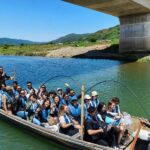
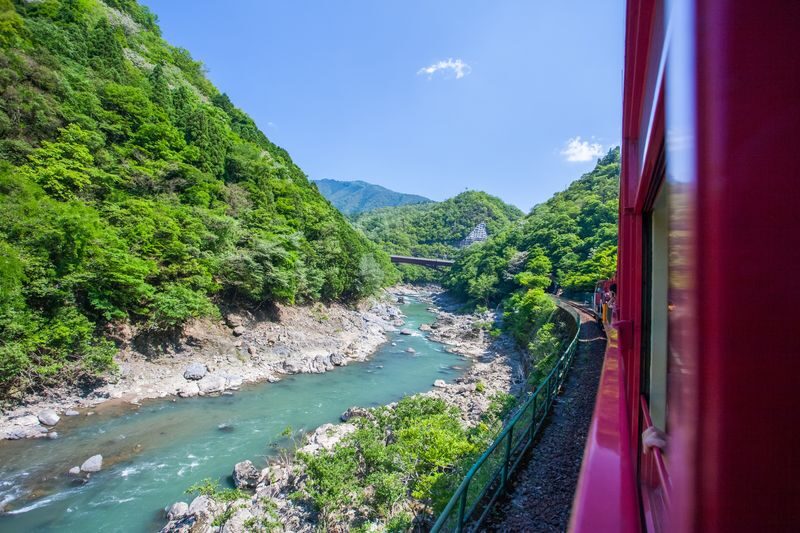
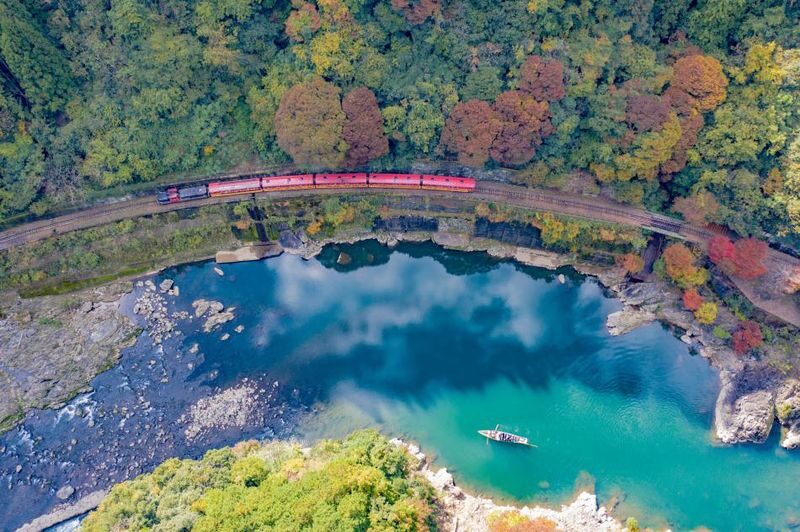
The optional train follows the Hozugawa River gorge between the Sagano area and Kameoka. It runs from March 1 to December 29 and is closed on Wednesdays. The ride gives you a window-side view of the valley and stream, with the scenery changing through the seasons.
The suggested plan is an outbound train around 15:02 from Sagano to Kameoka, arriving at about 15:25, then a return train around 15:30, arriving back around 15:56. The tour information also advises booking the 15:00 round-trip slot online in advance. Check the exact ticket option and timing before purchase: the schedule is close, and choosing a different departure could make it hard to meet the bus.
Train admission is not included in the standard inclusions, although package choices vary and one option is labeled as including a round-trip experience. Check the precise package name and what it covers before paying. On-site tickets are not guaranteed, and popular spring and autumn departures can sell out.
The train can take a sizeable share of your Arashiyama time once you account for reaching the station, boarding, the ride, and returning. One common point of frustration is feeling rushed at Kameoka, where a quick turnaround may leave little time to look around or use the restroom. If you care more about the ride than a slow afternoon in town, it is a good use of the stop. If you want to linger in the bamboo area and browse, consider whether the train is worth the squeeze.
What the guide and transport add
The practical benefit is simple: you don’t need to arrange the long transfer between Ohara and Arashiyama yourself. Round-trip transport is included, which is especially helpful if you’re starting in Osaka. The listed group size ranges from four to 48, and the vehicle type depends on the number of people booked. Some days may use a van; others may use a larger vehicle, so don’t assume a particular amount of legroom.
Guide service is a variable part of the experience. The meeting-point package details specify a Chinese- or Japanese-speaking guide, while other options include English-speaking service, hotel pickup, or a private car charter with a Chinese- or English-speaking driver-guide. Named guides have included Naomi, Etta, and Frederick, but guide assignments change by date.
Some guides give clear meeting instructions, maps, and useful introductions. Others focus mainly on transport and leave you to explore on your own. Go in expecting help with timing and logistics, not a full lecture at every stop. The tour may include people using different languages, and seating is generally assigned on a first-come basis. If language or seating matters to you, note your needs when booking and confirm the chosen option.
Luggage also needs planning. One piece per person is allowed only if you notify the operator in advance, and vehicle capacity can vary. A large suitcase can be awkward in a shared van, so this is a poor day to bring extra bags without confirming arrangements.


Is $44.85 good value?
The starting price is reasonable for a full day that connects two areas with a long road transfer, especially if you’re coming from Osaka. The included transport saves you from piecing together the day’s connections, and the itinerary gives you independent time at both stops rather than keeping you in a group at every turn.
But the starting price is not the full cost of the day. Add Sanzen-in admission, meals, and the railway ticket if your selected package does not include it. The value improves if convenient transport matters more to you than a fully guided experience. It is less compelling if you already know Kyoto’s transit system and want to set your own pace.
Weather and road traffic can change the order or timing, and the return estimates are not guarantees. Kyoto Station arrival is listed for 16:35 to 17:05; Osaka Kintetsu Nipponbashi is estimated at 17:35 to 18:05. Leave the evening open rather than booking a timed activity afterward.
Who should book this day trip?
I’d choose it if you want a quiet garden visit and a classic Arashiyama walk in one day, and you value having transport handled. It suits first-time Kyoto visitors, people staying in Osaka, and anyone comfortable exploring independently once dropped off.
I’d think twice if your priority is a slow, thorough visit to either place. Sanzen-in rewards unhurried looking, while Arashiyama offers more than three hours can comfortably cover if you take the train. Families should also keep the fixed bus times in mind, and anyone with luggage should arrange it in advance.
Before booking, compare the meeting-point, hotel pickup, and private-car options, then check the guide language and railway inclusion. Arrive at the stated meeting place ten minutes early; late arrivals and no-shows are not refunded. For cancellation, the listed terms allow a full refund if you cancel at least 24 hours before the activity date.
Kyoto Arashiyama: Sagano Scenic Railway (Optional) & Sanzen-in Temple Day Trip | Depart from Osaka/Kyoto
“The driver is very impressive, speaking multiple languages! However, their primary role is transportation, so they rarely provide commentary.”
FAQ
How long is the tour?
The day is listed as eight hours. The schedule shows an early departure, about two hours at Sanzen-in, about three hours in Arashiyama, and an estimated return that varies by starting city and traffic.
Where can I depart from?
The tour offers departures from Osaka and Kyoto. The exact meeting point and time depend on the option you book; check the day-before email for the confirmed details.
What is included in the meeting-point package?
The listed meeting-point package includes round-trip transfers and a Chinese- or Japanese-speaking guide. Meals, personal expenses, Sanzen-in admission, and the standard railway ticket are not included.
Is the Sagano Scenic Railway included?
Not in the standard inclusions. Some package choices are labeled as including a round-trip train experience, so check the exact option details before booking.
When does the Sagano Scenic Railway run?
It operates from March 1 to December 29 and is closed on Wednesdays. It does not operate in January or February for winter maintenance.
Which train time should I book?
The tour information recommends the 15:00 round-trip option. It gives an example of an outbound train around 15:02 and a return around 15:30. Book online in advance, since tickets bought on site are not guaranteed.
How much is Sanzen-in admission?
Admission is ¥700 for adults, ¥400 for junior high and high school students, and ¥150 for elementary school students. It is not included in the standard tour inclusions.
Are meals included?
No. Lunch, snacks, and drinks are at your own expense. You have free time at Sanzen-in, where nearby tea houses serve tofu dishes and soba.
When does the tour return?
The estimated return to Kyoto Station is 16:35 to 17:05. The estimated arrival at Osaka Kintetsu Nipponbashi is 17:35 to 18:05. Traffic and weather can cause delays.
Can children join the tour?
Children aged three and older are charged the adult rate. Children aged zero to two can join free if they do not occupy a separate seat, but infants and children must be included in the passenger headcount.