Kunawong House Museum is not a white-box gallery: it is a private home turned into a many-room showcase for Thai art, old objects, modern works and furniture. The collection began in 1992, and the house gives you a chance to see how different periods and styles sit side by side.
I like the varied rooms, especially the dining and party rooms, and the personal feel of a collection shaped by its owner’s long interest in art and craftsmanship. One thing to plan for: the museum is tucked into a residential area, and it is open for visits on Sundays, so getting there takes a little forethought.
What to know before you go
- A private home is part of the experience: Art and furniture share space across rooms with distinct styles.
- The collection spans eras: Expect ancient objects alongside works shaped by Western techniques and contemporary Thai art.
- The dining and party rooms make a strong impression: Their furnishings are among the most memorable parts of the house.
- Staff guide you through the rooms: You can ask questions as you browse, while still having time to look around.
- Allow 1 to 2 hours: The museum is a measured visit, not a full-day outing.
- Sunday is the day to plan around: Listed hours are 9:30 a.m. to 6 p.m., and the location is in a quiet residential neighborhood.

👉 See our pick of the 25 Best Shopping Tours In Bangkok
- What to know before you go
- A private home with an art collection at its heart
- Finding the museum in Wang Thonglang
- Moving from room to room
- Ancient objects meet contemporary Thai art
- The dining room, party room and furnishings
- A courtyard, a glass elevator and quieter details
- Helpful staff and the chance of an owner encounter
- What the ticket costs, and who gets good value
- Timing, reservations and practical details
- Should you book Kunawong House Museum?
- FAQ
- Where is Kunawong House Museum?
- What are the opening hours?
- How long should I allow?
- How do I get there by public transport?
- What does the admission ticket include?
- Can I take photographs?
- Can I leave and come back in?
- How old must children be to visit?
- The Best Of Bangkok!
- More Tickets in Bangkok
- More Tours in Bangkok
- More Tour Reviews in Bangkok
- Not for you? Here's more nearby things to do in Bangkok we have reviewed
A private home with an art collection at its heart
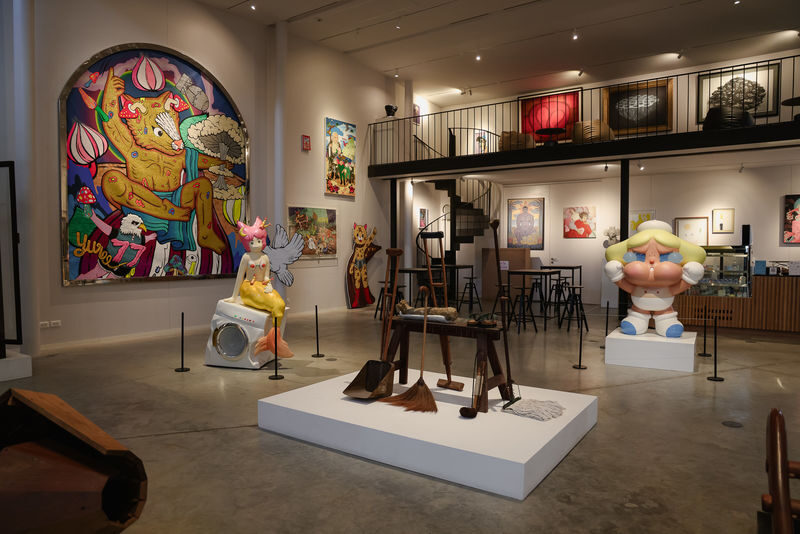
Sermkhun Kunawong founded the museum out of a personal interest in art, history, ancient objects and skilled making. That origin matters: this is not simply a sequence of framed works in identical rooms. The collection and the house have grown together, giving the visit a domestic, individual character.
The collection began in 1992 and continued through the Bangkok Sculpture Center, which operated from 2004 to 2022. At Kunawong House Museum, you can trace a broad story of Thai art, from older objects to works that show the influence of Western techniques and contemporary practice.
That range is useful if you want more than a single art period or medium. Paintings, photography, sculpture, metal installations, furniture and other objects are represented. You will not necessarily find every room organized like a textbook timeline. Instead, the pleasure is in seeing different forms and styles gathered under one roof.
You can also read our reviews of more tours and experiences in Bangkok



Finding the museum in Wang Thonglang
The address is 33 Soi Ladpraw 54, in Wang Thonglang, Bangkok. It sits down a residential lane, away from the city’s main sightseeing circuit. That quiet setting helps the house feel separate from the traffic and crowds, but it also means you should check your route before setting off.
The MRT Yellow Line stop at Chokchai 4 is the public transport reference point. From there, the walk is about 7 to 8 minutes, though the museum’s position in the alley can make the final approach feel less obvious than a visit to a major roadfront attraction. Keep the full address handy for a taxi or navigation app.
The neighborhood is largely residential, and nearby restaurant choices are limited. I would eat before or after the visit rather than count on finding a meal around the corner. This is a small practical point, but it makes a difference if you are planning a Sunday afternoon around the museum.
Moving from room to room
Allow 1 to 2 hours for the visit. Staff members accompany you through the house and explain the rooms, then give you space to browse. The format is more personal than wandering an enormous public museum alone, and it gives you a chance to ask about a work or room as it catches your eye.
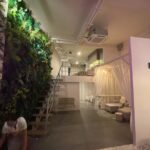
There is no set sequence provided here, so think of the visit as a guided look around a private collection rather than a formal tour with a fixed list of stops. The rooms have their own character, and the displays bring together art and objects that serve both visual and practical purposes. Even the furniture contributes to the experience: it is part of how the house works, not just a neutral background.
You may notice that the building itself draws attention. Each room has its own feel, and the doors are distinctive. There is also a glass elevator, which visitors have noted as a way to reach the highest floor. If a staff member offers guidance on how to move through the house, take it. The layout is part of the visit, and a little direction can help you see how the rooms fit together.
Ancient objects meet contemporary Thai art
The collection’s appeal lies in its range. Ancient art objects sit within a broader account of Thai art’s development, while later pieces show the arrival and influence of Western techniques. Contemporary work brings that story forward rather than leaving it in the past.
You do not need to arrive with a specialist’s knowledge of Thai art to get something from the visit. Look at how the materials, forms and styles change between rooms. A painting, photograph, sculpture or metal installation can offer a different entry point into the collection, and the staff’s explanations can help connect what you see with the house’s wider purpose.
The variety also keeps the visit from becoming repetitive. Large sculptures and metal works can change the feel of a room, while paintings and photographs offer a more focused look at individual artists and approaches. If you enjoy comparing objects across periods, this house gives you plenty to notice without requiring a long museum day.
The dining room, party room and furnishings
Give the dining room and party room time. Their furnishings are especially striking, and they show why this is not just a collection of artworks placed in a house. Here, furniture is both useful and part of the display, blurring the line between a lived-in interior and a gallery setting.
The rooms can make the collection feel personal in a way a conventional gallery often cannot. You are looking at objects in spaces shaped for particular purposes, rather than encountering everything against the same blank wall. That approach may appeal if you like seeing how art relates to daily life and interior design.
It may be less satisfying if you want a tightly chronological exhibition with extensive labels for every object. The house’s character and the staff’s explanations do much of the interpretive work. Ask questions when you want more context, and take time to look closely when a piece catches your attention.
You can also read our reviews of more museum experiences in Bangkok





A courtyard, a glass elevator and quieter details
The house includes a courtyard with installations and a pagoda, offering a change of pace between indoor rooms. It adds another layer to the visit: art is not confined to the walls, and the setting has quieter corners as well as elaborate interiors.
Music is another detail that can shape the atmosphere. The owner selects a mix that has included opera, jazz, piano and new age music. The contrast between different sounds and the rooms’ visual styles can feel unusual, but it suits a house where personal choices are part of the presentation.
A small café is noted on the top floor, though you should not build your schedule around it without checking whether it is available when you visit. The glass elevator is also a memorable feature, and can take you to the highest floor. These details are not the main reason to come, but they make the house more than a set of exhibition rooms.
Helpful staff and the chance of an owner encounter
Staff members guide visitors and are described as friendly and helpful. Their explanations can be especially useful if you want to understand what you are seeing but do not have much background in Thai art. The pace also leaves room to browse rather than keeping you moving at every turn.
The owner may sometimes be present, and an encounter can make the collection feel more immediate. Do not book on the assumption that you will meet him or receive a tour from him, though. The standard admission includes access to the attractions, while an exclusive tour of the residence is not included.
Photography is allowed, according to information from visits to the museum. As with any private collection, follow staff instructions if particular rooms or objects have restrictions on the day. The ability to take photos can help you remember details, but try not to let your camera replace looking carefully at the work in front of you.
What the ticket costs, and who gets good value
Admission starts at $13.39. For a visit of 1 to 2 hours, that is a reasonable price if you value a specialized collection, a distinctive home setting and staff guidance. You are paying for a focused art experience rather than a full day of attractions, so the value depends on your interest in art, interiors and the story of a private collection.
The ticket covers admission to the museum. It does not include the exclusive tour of the residence, transport, personal expenses, or tips. If you are comparing it with larger Bangkok museums, remember that this visit is smaller and more intimate. Its strength is the combination of varied art and rooms with character, not sheer scale.
This is a particularly good choice if you have already seen the city’s headline sights and want an outing with a different mood. It can also suit anyone interested in Thai art beyond the most familiar temples and palace collections. If you are not especially interested in art or interiors, the limited opening day and trip to a residential area may make another stop a better use of your time.
Timing, reservations and practical details
Plan for Sunday, when the stated opening hours are 9:30 a.m. to 6 p.m. Visits require a reservation, and a booked ticket is valid only on the date and time specified, if a time applies. Confirm the details on your voucher before you travel.
You can enter directly with your voucher. Re-entry is permitted, as long as you show your ticket, wristband or stamp at the entrance when you return. Children aged 11 and older pay the adult rate, and there is no age limit for the activity.
Free cancellation is available with at least 48 hours’ notice before the activity date, using local destination time. Changes are also allowed until 48 hours before the activity starts, subject to the stated exceptions for certain passes, promotional bookings and vouchers not yet issued. These are worth checking at booking, especially if your Bangkok plans are still shifting.
Should you book Kunawong House Museum?
Book it if you want a quieter, more personal art visit and you are curious about how Thai art has changed over time. The mix of ancient objects, contemporary works, distinctive furniture and unusual rooms gives the museum a character you will not get from a standard gallery.
Skip it if you need a flexible weekday activity or want a large institution with a clear, highly structured route. The Sunday schedule and residential location require planning. If those fit your itinerary, the modest admission price buys a thoughtful visit with helpful staff and plenty to examine at your own pace.
Kunawong House Museum Ticket in Bangkok
“Good museum with beautiful amd interesting pieces of artwork. oth of the guides were really nice and helpful. Enjoyed my time here.”
FAQ
Where is Kunawong House Museum?
It is at 33 Soi Ladpraw 54, Wang Thonglang, Bangkok 10310, Thailand. The house is in a residential area.
What are the opening hours?
The stated opening hours are Sunday, 9:30 a.m. to 6 p.m. Plan your visit for Sunday.
How long should I allow?
Allow about 1 to 2 hours to see the museum.
How do I get there by public transport?
The nearest transport reference provided is Chokchai 4 on the MRT Yellow Line. The walk from the station is about 7 to 8 minutes.
What does the admission ticket include?
It includes admission to the attractions at Kunawong House Museum. The exclusive tour of the residence is not included.
Can I take photographs?
Photography is allowed. Follow any instructions from staff about specific spaces or objects during your visit.
Can I leave and come back in?
Yes. Re-entry is permitted when you show your ticket, wristband or stamp at the entrance.
How old must children be to visit?
There is no age limit. Children aged 11 and older are charged the same rate as adults.