Faunia’s appeal is its range: in one Madrid park, you can move from penguins and sea lions to Komodo dragons, butterflies, and nocturnal animals. It is a welcome change of pace if you want a nature-focused day without leaving the city.
I like the mix of animal zones, which gives you more to look at than a single large-animal enclosure, and the butterfly and beetle exhibit, noted for its careful presentation. One consideration: animal welfare depends on visitor behavior, so follow posted rules and do not feed or handle animals unless the park clearly allows it.
- The butterfly and beetle exhibit is a particularly appealing stop, with a well-done presentation.
- Komodo dragons, penguins, and sea lions bring very different habitats and animal behaviors into one visit.
- Nocturnal animal areas and the Nest add variety beyond the more familiar animal displays.
- The Farm offers a chance to meet friendly animals, while the 3D Walking with Dinosaurs exhibition changes the pace.
- Admission starts at $36.90, and is valid only for the date selected when booking.
- Animal-friendly behavior matters: do not offer animals sweets or chocolate, and respect the park’s rules.
- A Madrid park built around different habitats
- Start with the habitats that interest you most
- Make room for butterflies, beetles, and the Nest
- The Farm and the dinosaur exhibition change the pace
- Animal welfare should be part of your visit
- Is admission worth .90?
- Practical details before you go
- Who will get the most from Faunia?
- Should you book Faunia?
- FAQ
- Where is Faunia Nature Park?
- What does the entrance ticket include?
- What animals and areas can I expect to see?
- What time does the park open?
- Are there reduced prices for children?
- Is the park wheelchair-accessible?
- Can I cancel or change my ticket?
- The Best Of Madrid!
- More Tours in Madrid
- More Tour Reviews in Madrid
- Not for you? Here's more nearby things to do in Madrid we have reviewed
A Madrid park built around different habitats
 1 / 9
 2 / 9
 3 / 9
 4 / 9
 5 / 9
 6 / 9
 7 / 9
 8 / 9
 9 / 9
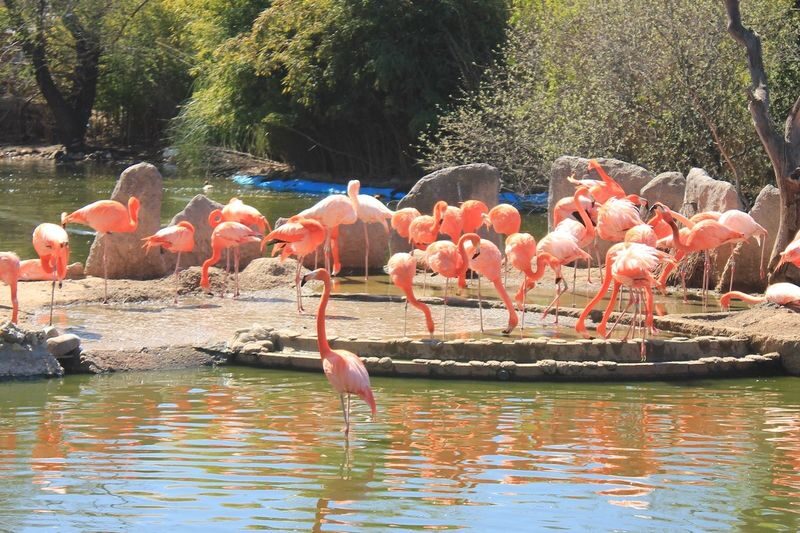
Faunia is at Av. de las Comunidades, 28, in the Vicálvaro district of Madrid. Rather than presenting itself as one long row of similar enclosures, it groups its attractions around different environments and types of animal life. That variety is the main reason to choose it over a quick animal-themed stop.
You can expect to encounter animals such as Komodo dragons, penguins, and sea lions, then switch to smaller creatures in the butterfly and beetle exhibit or the nocturnal areas. The point is not simply to tick off species. Moving between distinct habitats helps you notice how different animals live and behave, and it gives families several kinds of displays to keep their attention.
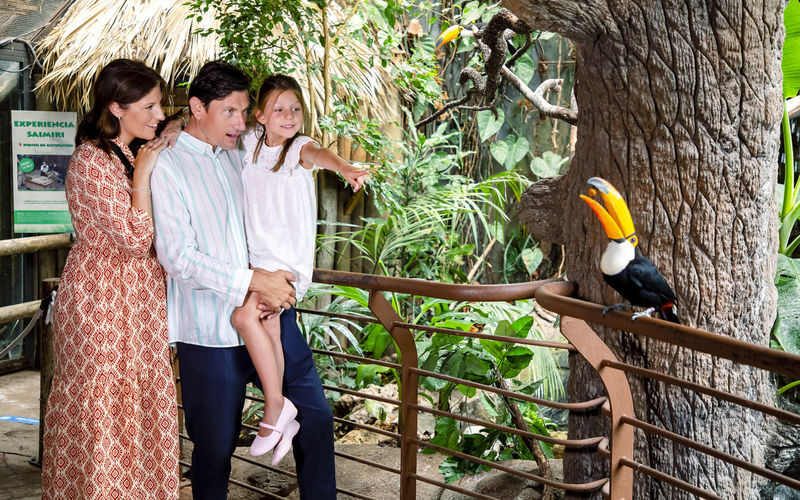
Faunia also includes the Farm, where visitors can meet friendly animals, the Nest, where eggs hatch, and a 3D exhibition called Walking with Dinosaurs. These are different kinds of experiences, so the park can suit a family with mixed interests: one person may be there for large animals, another for insects, and a child may remember the farm or dinosaur display best.
The available information does not set out a fixed route or timed schedule. I would treat Faunia as a park to explore at your own pace rather than assume there is a guided tour or a prescribed sequence. Check the park’s current schedule before you go, especially if you have a particular area in mind.

👉 See our pick of the 12 Best Shopping Tours In Madrid
Start with the habitats that interest you most
With several themed areas to explore, it helps to decide what matters most before you arrive. If you are keen on larger, unusual animals, make time for the Komodo dragons, penguins, and sea lions. The different species offer a useful contrast: reptiles, birds, and marine mammals each invite you to look for different behaviors and habitat needs.
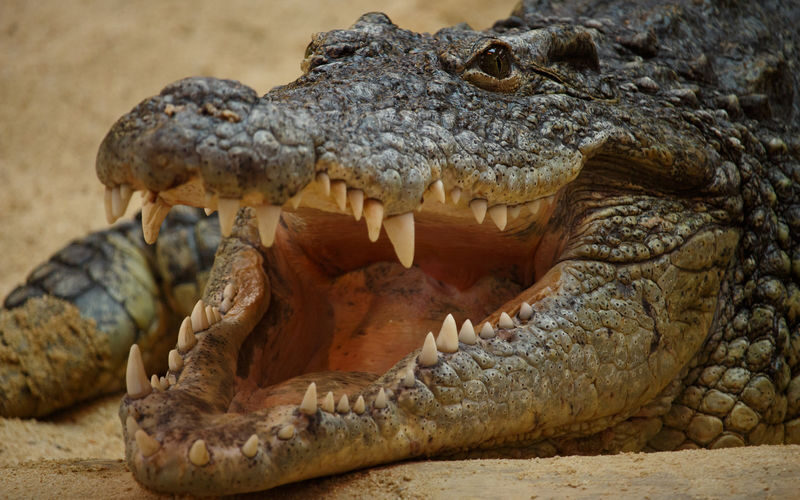
The Komodo dragons are a striking example. The park description points to their cannibalistic habits as a fact visitors may learn about. It is an unsettling detail, but it makes the visit more than a photo stop. Read the information provided on site and give the animals room; an animal’s real behavior is more interesting than a staged interaction.
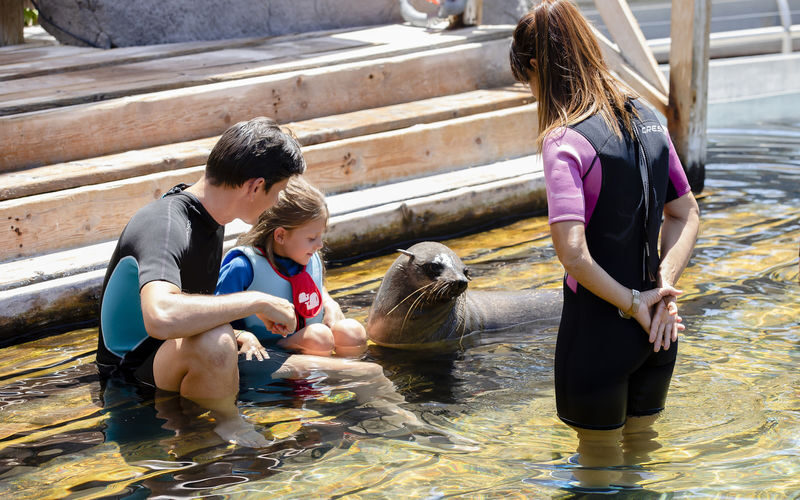
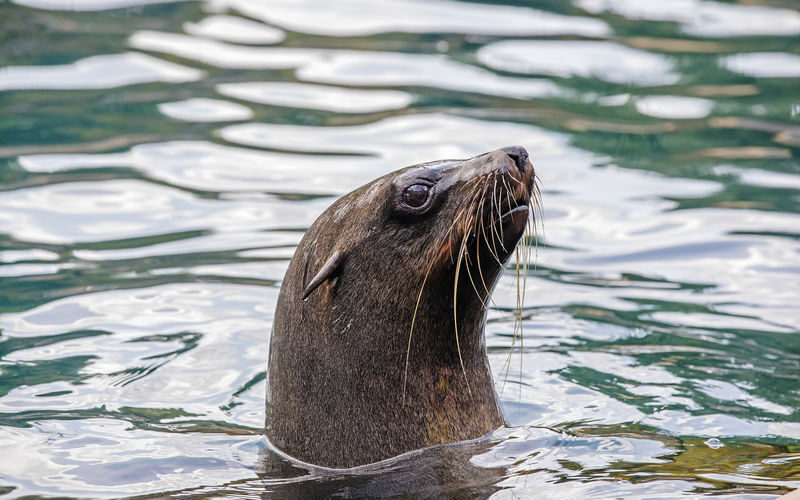
The sea lions also merit a pause. Faunia is described as home to the largest Steller sea lions, an unusual distinction that may make this area a highlight if you are interested in marine mammals. The supplied details do not specify a presentation or feeding time, so do not plan around a show unless you confirm one directly with the park.
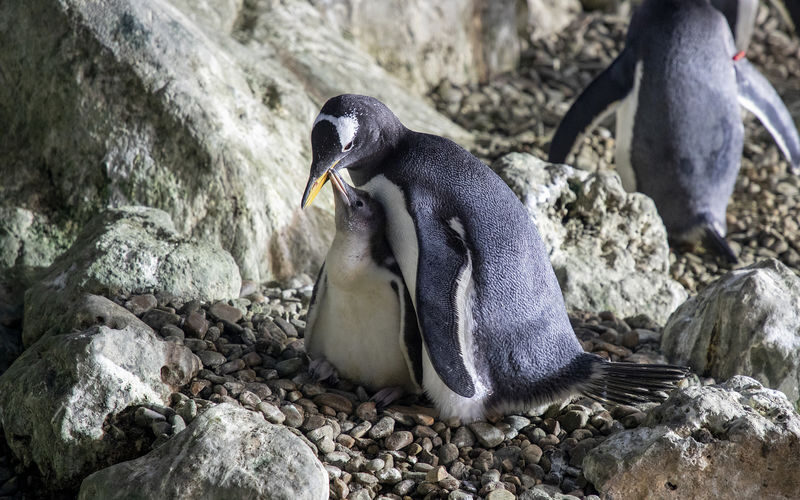
Penguins offer a different kind of encounter, and the themed habitats give you a chance to think about the environments animals need. The park emphasizes facts about habitats as well as the creatures themselves. That context matters, particularly for children: it turns a visit from a parade of animal sightings into a chance to ask why a species lives the way it does.
You can also read our reviews of more tours and experiences in Madrid.


Make room for butterflies, beetles, and the Nest
The butterfly and beetle exhibit deserves a spot on your must-see list. It was singled out as especially well done, and it adds a welcome change of scale after the larger animals. You can take your time noticing details that are easy to miss in a bigger habitat: wings, markings, movement, and the variety among insects.
The exhibit also makes Faunia a good choice if your group is not united by a fascination with large mammals. Insects may be the main event for one visitor, while another prefers the penguins or sea lions. That range gives the park more flexibility than an attraction focused on one animal family.
The Nest is another distinctive stop, with the chance to see eggs hatching. The information provided does not say which species are involved or when hatching can be seen, so treat it as a possible highlight rather than a guaranteed moment. If it is important to you, ask about current conditions when you arrive.
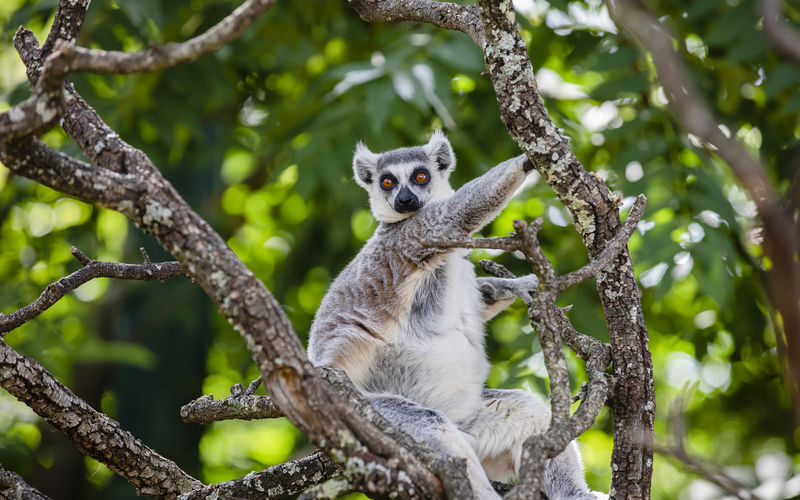
The nocturnal animal area offers a contrast to displays centered on daylight activity. These animals are adapted to a different rhythm, and the area can help you think about how habitat and behavior fit together. Keep expectations measured: no specific animals, feeding times, or demonstrations are listed for this zone.
The Farm and the dinosaur exhibition change the pace
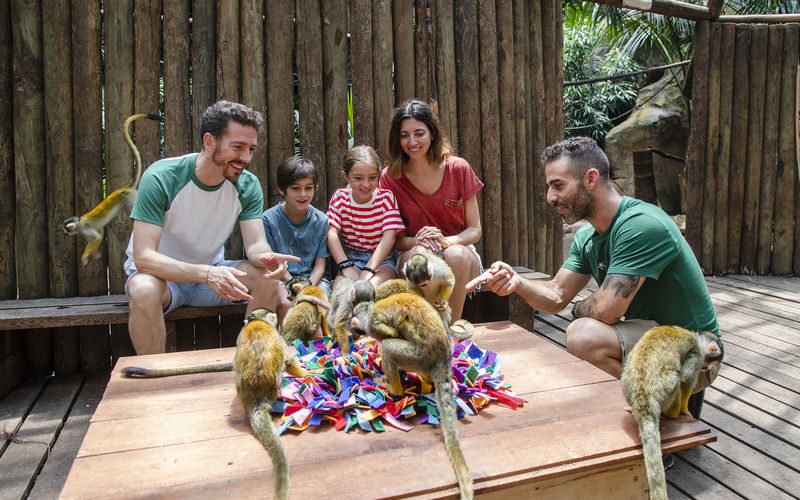
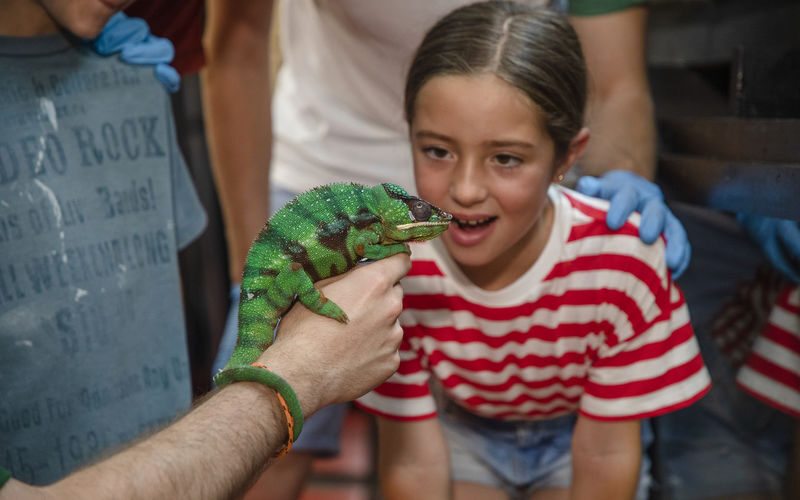
At the Farm, you can meet friendly animals in a more approachable setting. This may be an appealing stop for younger children or anyone who prefers familiar farm creatures to reptiles and insects. The details do not specify which animals are present or exactly how visitors interact with them, so follow the posted instructions rather than assume touching or feeding is allowed.
That point is important. A visitor has described seeing people offer animals chocolate and sweets, call to them, and hit them. Those actions are not acceptable, and they can put animals at risk. If you see opportunities to interact, use only the methods the park explicitly permits. Do not bring food for the animals or encourage others to do so.
The 3D Walking with Dinosaurs exhibition provides a change from living-animal habitats. It is a themed presentation rather than a real animal encounter, but it can help break up the day and appeal to children who are fascinated by prehistoric life. The available details do not describe its length or format beyond calling it a 3D exhibition, so plan to check on site if you need specifics.
Taken together, these areas make the visit varied. The trade-off is that not every zone will matter equally to every person in your group. It is sensible to choose a few priorities, then leave time to explore the rest instead of racing through the park to see everything.
Animal welfare should be part of your visit
A nature park’s value depends in part on how well it protects the animals in its care. Faunia’s displays can prompt curiosity about habitats and animal behavior, but respectful conduct is essential. Keep to the park’s rules, do not feed animals unless staff clearly authorize it, and never use sweets or other human food.
The concern about visitors behaving badly is worth taking seriously, even though it does not tell us how common such incidents are or how the park currently handles them. Look for signs and follow staff directions. If you see an animal being mistreated, alert park staff rather than joining in or trying to intervene in a way that could make the situation worse.
This is also a useful lesson for families. A child can enjoy getting close to animals while learning that closeness does not mean unlimited contact. Explain the rules before entering interactive areas, and make a point of treating the animals as living creatures, not props.
Is admission worth $36.90?
Admission starts at $36.90 for the entrance ticket. Whether that is good value depends on how much of Faunia you plan to explore. If you are interested in several habitats, from large animals to insects and farm creatures, the variety gives you more reason to spend time there than if you only want to see one specific animal.
The price covers admission to Faunia Nature Park. Personal expenses are not included, and no other inclusions are listed. Since no visit duration is specified, I would not judge the value on an assumed number of hours. Instead, consider how much time your group is likely to spend at the exhibits and whether the park’s combination of animals and themed areas fits your interests.
Children’s rates depend on height. Children 140 cm and taller are charged the adult rate, while children from 100 to 139 cm have reduced prices. Check the current booking details for the exact amount before paying, particularly if you are buying tickets for a family.
The ticket is date-specific and cannot be cancelled or refunded. That makes choosing your day carefully more important than it might be for a flexible attraction. The park opens at 10:30 daily, but closing time varies by date, so check the official schedule for the day you plan to visit.



Practical details before you go
Faunia is at Av. de las Comunidades, 28, Vicálvaro, 28032 Madrid. Admission is wheelchair-accessible. Present your mobile voucher at the entrance, and make sure the selected date matches the day you intend to visit.
The ticket can be booked for the next day, with instant confirmation, but it remains valid only on the selected date and time if a time is specified. Because cancellations and refunds are not available, confirm your plans before booking.
The park’s opening time is 10:30 every day. Closing time changes according to the date, so check the online schedule rather than assume a standard closing hour. The official website is the place to check current opening information and any details that could affect your visit.
There is no guide or named host listed for this admission, and no guided tour is specified. You should expect to explore the park yourself and use the information provided in its themed areas to learn about the animals and habitats.
Who will get the most from Faunia?
Faunia is a good fit for families who want an animal-focused outing with a broad mix of exhibits. The Farm and the dinosaur exhibition offer variety for children, while the butterfly and beetle area, nocturnal animals, and larger species give adults plenty to explore too.
It may also suit visitors who have already seen Madrid’s central sights and want a different kind of day. Faunia is in the city, but its appeal is a change from museums and monuments: you spend your time looking at animal habitats and learning about creatures from several environments.
I would think twice if your plan depends on a particular animal presentation, a guaranteed hatching, or a specific show. None is listed as a scheduled event in the available details. The park is better approached as a collection of themed areas, with the understanding that animal activity can vary.
Should you book Faunia?
Book Faunia if you and your group enjoy seeing a variety of animals and want more than a conventional zoo-style walk. The butterfly and beetle exhibit, the unusual mix of Komodo dragons and Steller sea lions, and smaller features such as the Nest and Farm give the visit several distinct focal points.
Skip it if you need a flexible ticket or are uncomfortable with a date-specific, nonrefundable booking. And if you go, make animal welfare part of the plan: respect the rules, keep human food away from the animals, and encourage children to observe rather than pester. That simple approach helps make the visit better for everyone.
Faunia Nature Park Admission in Madrid
“Many different animal zones, and the butterfly and beetle exhibit is very well done.”
FAQ
Where is Faunia Nature Park?
It is at Av. de las Comunidades, 28, Vicálvaro, 28032 Madrid, Spain.
What does the entrance ticket include?
The ticket includes admission to Faunia Nature Park. Other personal expenses are not included.
What animals and areas can I expect to see?
The park features Komodo dragons, penguins, sea lions, nocturnal animals, a Farm, a Nest where eggs hatch, and a butterfly and beetle exhibit. It also has a 3D Walking with Dinosaurs exhibition.
What time does the park open?
Faunia opens at 10:30 every day. Closing time varies by date, so check the schedule for your chosen day.
Are there reduced prices for children?
Children 140 cm and taller are charged the adult rate. Children from 100 to 139 cm have reduced prices.
Is the park wheelchair-accessible?
Yes, the activity is listed as wheelchair-accessible.
Can I cancel or change my ticket?
No. The voucher is valid only on the selected date, and cancellations or refunds are not available.