
Gerold Jahn, a Dresden guide who has worn the watchman’s coat for decades, likes to stop at a corner in the Old Town and tell the story of MMXIX. November 25, 2019. Predawn. Two men in the Green Vault, gone in under nine minutes with a haul of diamonds the Saxon kings had been collecting since the 1700s. He looks at the group, lifts his lantern, and grins. “It probably wouldn’t have happened to me,” he says.
That is a Dresden night watchman tour in a single moment. History delivered as a personal grudge by a man holding a halberd, a horn, and a giant ring of keys. You walk for ninety minutes, you laugh more than you expect, and you go home with stories that no daytime tour will ever tell you.
- In a Hurry?
- What a Dresden Night Watchman Tour Actually Is
- How Booking Works (And Why You Should Do It Online)
- German or English: Read the Listing Twice
- Where Each Tour Actually Walks
- Which of the Three to Book
- 1. Dresden: The Original Night Watchman Tour in Lantern Light:
- 2. Dresden: Night Watchman Tour Through The Old Town:
- 3. Dresden: Tour of the Baroque Quarter With a Night Watchman:
- What to Wear and When to Show Up
- The Stories Worth Listening For
- Pairing the Tour With the Rest of Your Dresden Evening
- If You Have a Second Night in Dresden
- Practical Booking Notes
- Two More Things Worth Knowing
- Pair It With the Rest of Saxony
In a Hurry?
Original lantern-light tour: $17, 1.5 hours, the most-booked option in the city, runs in German. Book the original tour on GetYourGuide.
Old Town tour: $17, 1.5 hours, smaller groups and the highest rating of the three. Book the Old Town tour on GetYourGuide.
Baroque Quarter tour: $17, 1.5 hours, the only one that leaves the postcard streets and crosses to Neustadt. Book the Baroque Quarter tour on GetYourGuide.
What a Dresden Night Watchman Tour Actually Is
The night watchman is not a costumed character invented for tourists. He is the descendant of a real medieval job. From the 14th century until gas lamps arrived in the 19th, every German town hired a man to walk the streets after curfew, blow a horn on the hour, sing the time, watch for fire, and haul drunks out of the gutters. Dresden’s watchmen sang from the tower of the Kreuzkirche until 1880. Then the city installed streetlights and pensioned them off.
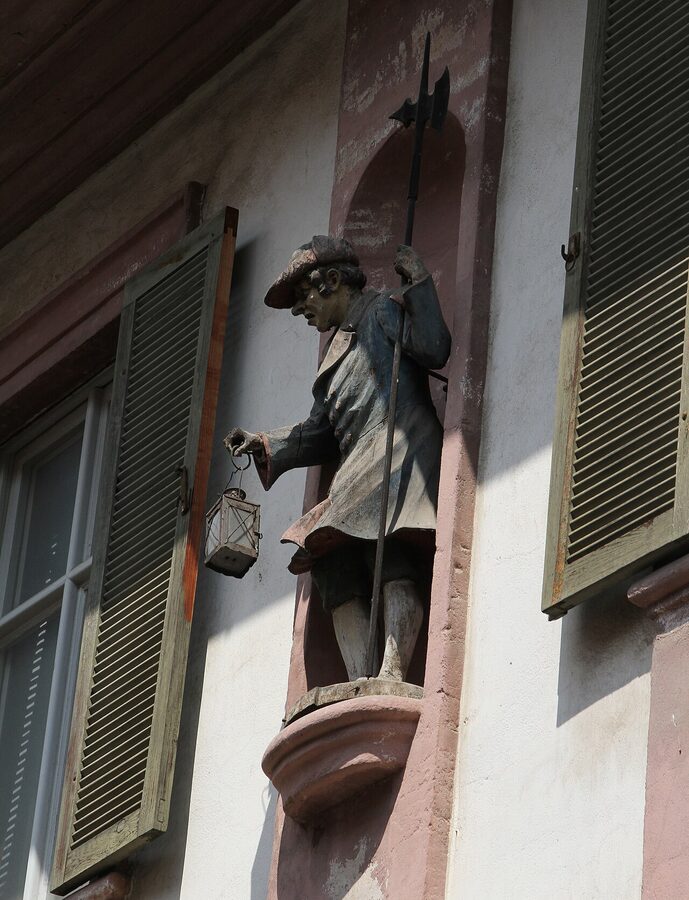
What you join is a guided walk in costume, lit by a real oil lantern, run by a guide who has done the historical homework and can do the voice. The standard length is ninety minutes. The standard tour gear is a tricorn hat, a long coat, a halberd, a horn, and a bunch of keys big enough to brain a horse.
Three operators run regular night watchman walks in Dresden, and you will see all three on the booking sites. They cover slightly different routes, slightly different stories, and slightly different lengths of street, but the bones are the same. You meet at the Frauenkirche on Neumarkt, you walk roughly an hour and a half, you finish near where you started.
The tone matters. This is not the same animal as a 9am history walk through the Old Town. The guide is in character. The pace is slow. The stories trend dark, ribald, and very local. Expect anecdotes about Countess Cosel, August the Strong’s mistress who was banished to a fortress for forty-nine years and out-lived her enemy. Expect the Spanish goat, the medieval wooden pony that delinquents had to ride bareback in the Altmarkt as public punishment. Expect a guide who pauses at the Green Vault and mutters about his lazy 21st-century colleagues who slept through the heist.
How Booking Works (And Why You Should Do It Online)
Walk-up tickets exist. You can buy on the night at the Dresden Information office on Neumarkt. But the original lantern tour sells out on summer Fridays and Saturdays, and the small-group Old Town version sells out faster than that. Book online a few days ahead and you skip the queue and the disappointment.
Pricing is simple. All three tours are $17 per adult. Children under a certain age go free or half-price depending on the operator. There is no senior or student discount worth chasing. There are no hidden upgrades. If a listing on a third-party site shows the same tour for $35, it is a reseller markup, scroll past it.
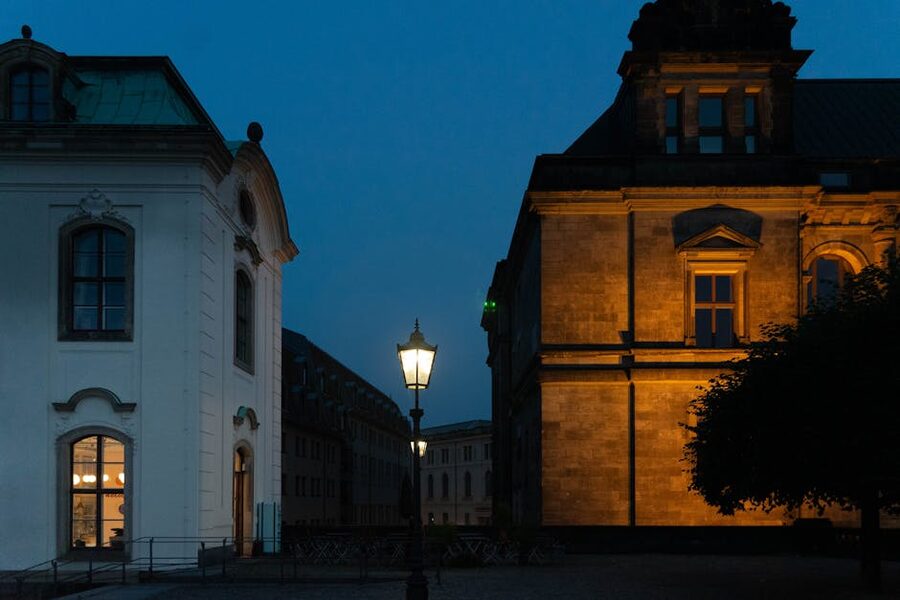
The thing to know about all three booking pages: the timings on the listings are not the only timings the operators run. Most evenings have two or three departures, and on Fridays and Saturdays there can be four. If the slot you want is greyed out, click forward a day. If you want English, scroll the listings carefully. Two of the three regular tours are German-only. One has English departures on a fixed schedule. I cover that below.
German or English: Read the Listing Twice
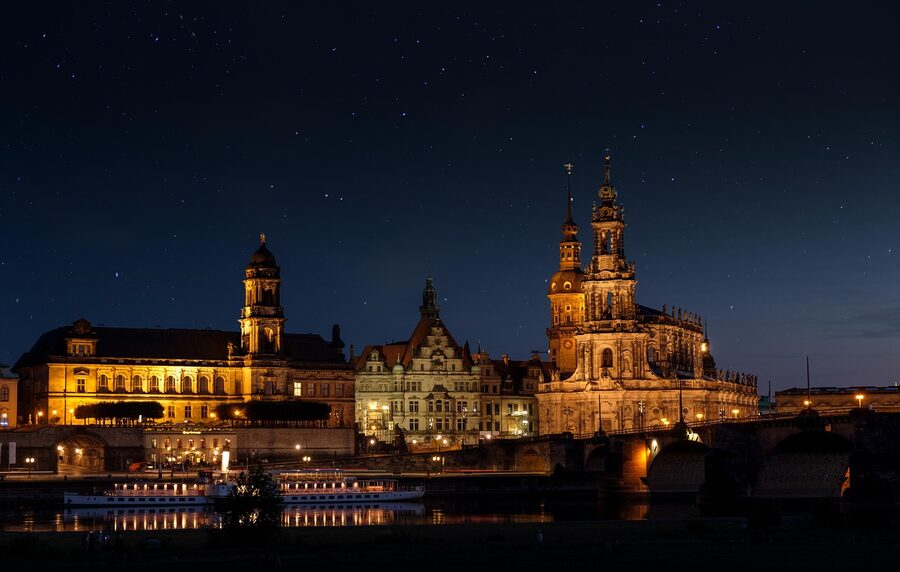
This is the single thing that trips up the most bookings. The tour with the most reviews on the planet, the original lantern-light walk, is in German only. Six and a half thousand people have rated it 4.6 stars, and a chunk of the four-star reviews are from English speakers who showed up expecting English and only realised at the meeting point. The guide will sometimes summarise key bits in English if asked, but you will miss most of the jokes.
If your German is rusty or non-existent, here is the read:
- Want a guaranteed English tour? Book the smaller English-language slot on the Original tour’s listing, or check the dresden.tours direct site for the English-language departures of the lantern tour. They run a few evenings a week in summer and roughly weekly in winter.
- Want the cheapest tour and you have decent German? Take the original. It is the cheapest entry point into a real Dresden night walk and the guides are the most experienced.
- Want to be sure your kids stay engaged? The Baroque Quarter walk has the easiest pace, the most variety, and the costumed guide does more theatrical bits. It is the one I would book for a family with primary-age children.
If your tour is in German and you are not fluent, do this. Stand close to the guide. Watch the gestures. Pick up the names that recur (Cosel, Frederick the Bitten, August the Strong, the Green Vault). After the tour, sit at one of the cafe tables on Neumarkt with a beer and look the names up. The stories are good enough that even a half-understood version is worth your $17.
Where Each Tour Actually Walks
This is the part the booking pages will not tell you in plain language. All three tours cover the Old Town. None cross the river to Neustadt as a whole route. They differ in which corners of the Old Town they linger at and how much they detour off Neumarkt.
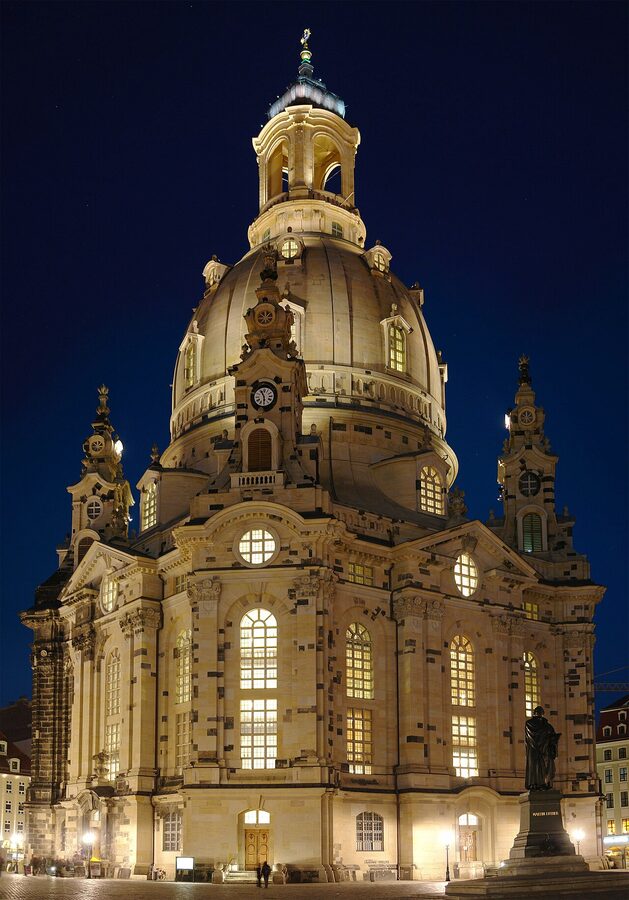
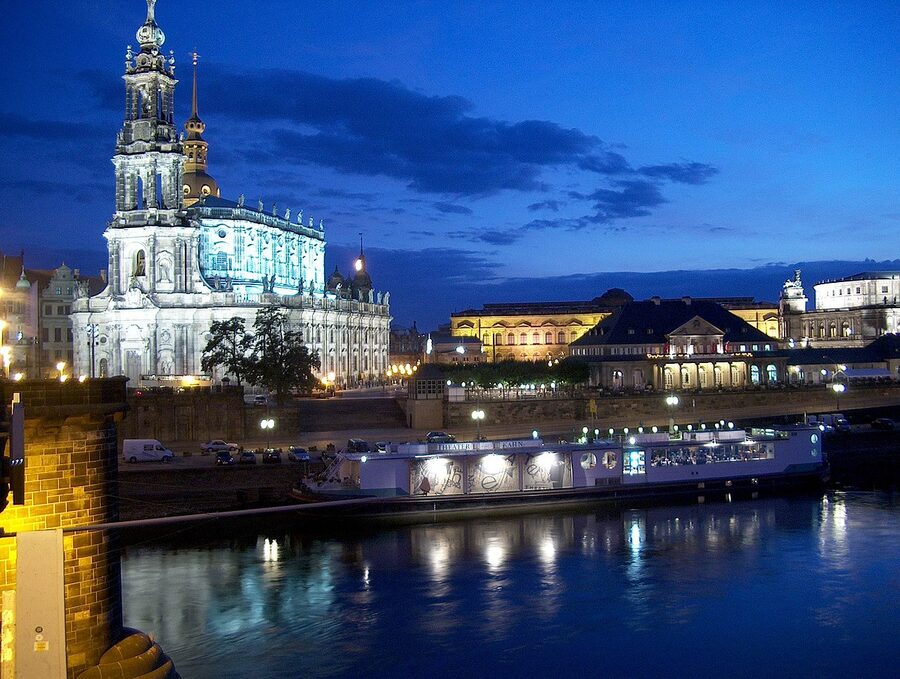
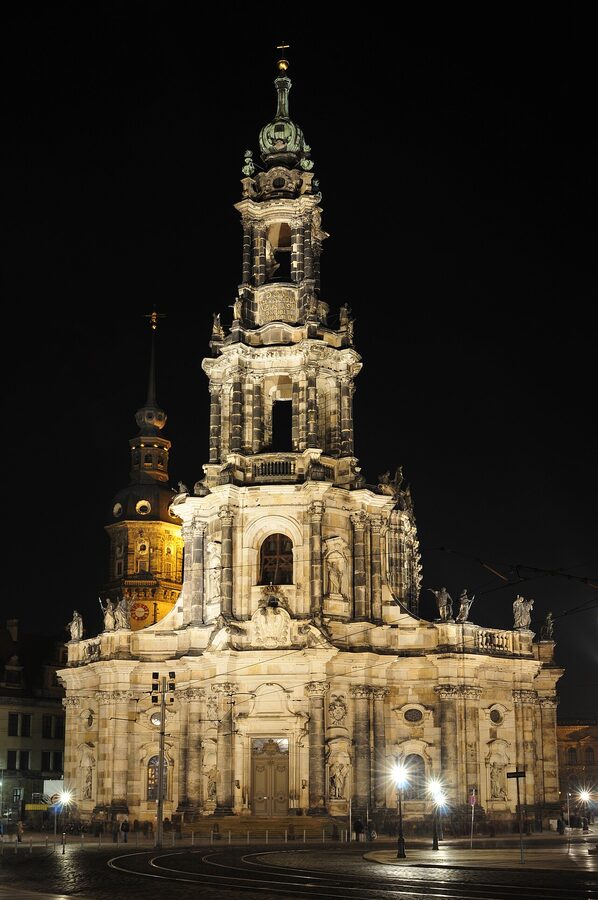
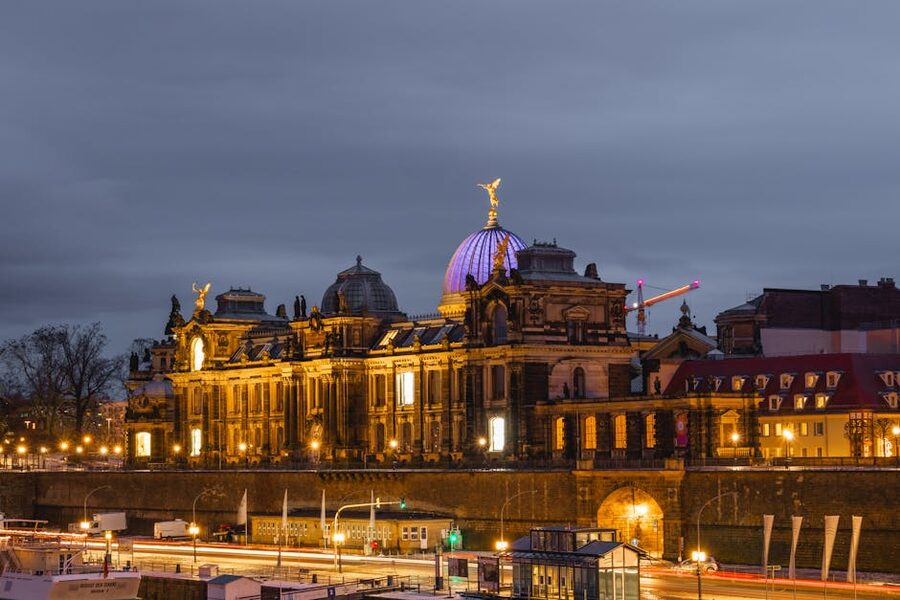
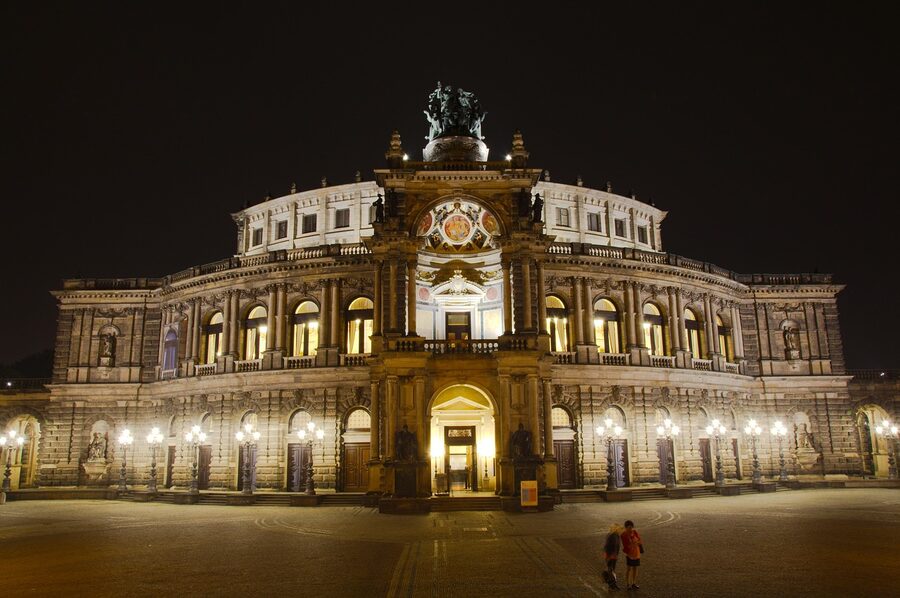
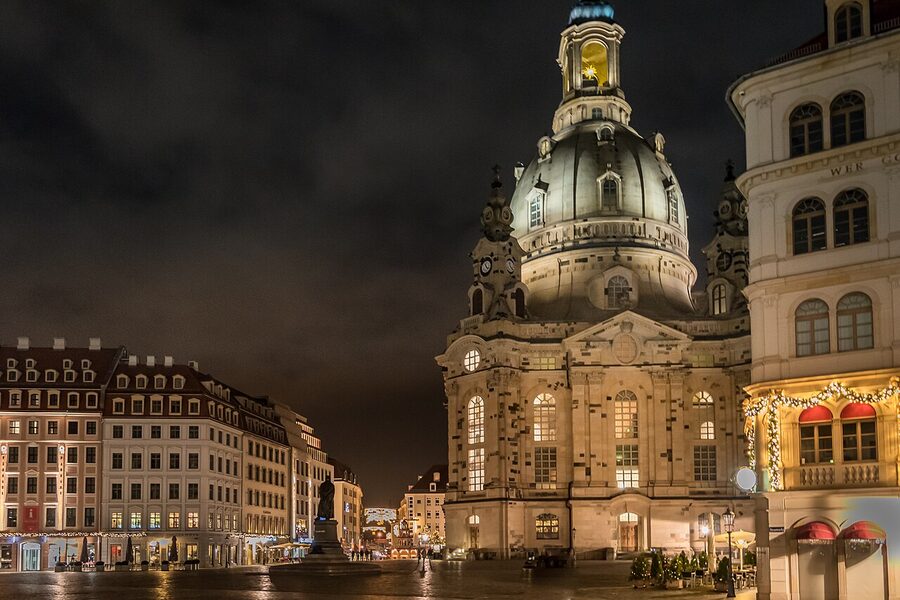
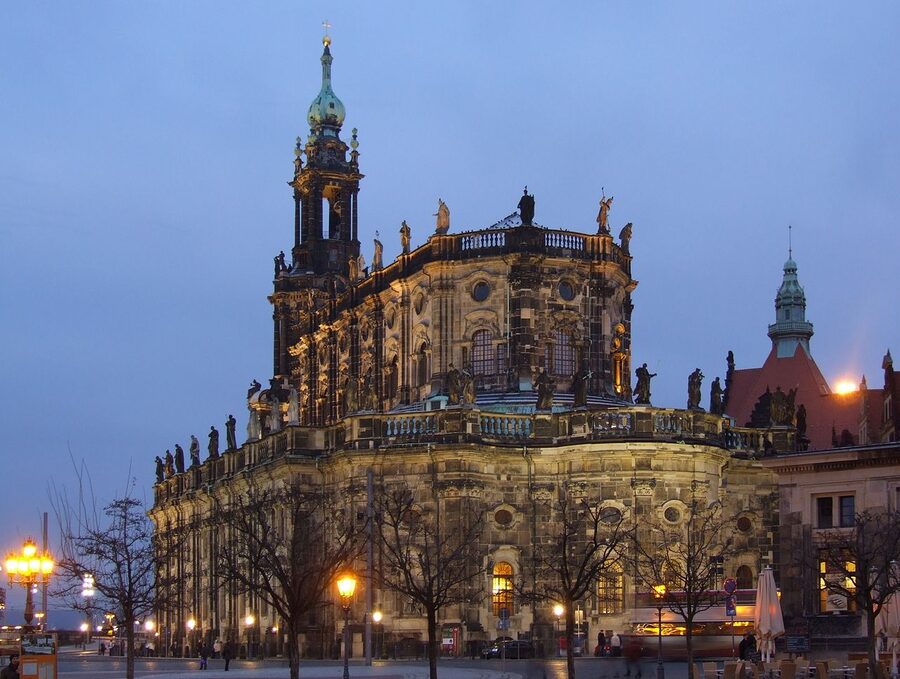
The original lantern tour does the classic loop. Frauenkirche, Neumarkt, the back of the Royal Palace, the Hofkirche, around the Theaterplatz to the Semperoper, then back via the Brühlsche Terrasse. You see the buildings everyone comes to Dresden for, but in the dark, and lit only by floodlights and your guide’s lantern. It is the most visual of the three.
The Old Town tour duplicates most of that route but with a different storytelling angle. The guide leans harder into the legends and less into the architecture. You hear more about Countess Cosel, more about the public punishments at the Altmarkt, more about the night watchman’s actual job. It is the one to book if you have already done a daytime city walk and want different content.
The Baroque Quarter tour is the odd one out. It does not start at the Frauenkirche. It crosses to the smaller Innere Neustadt, the so-called Baroque Quarter, where the buildings escaped the worst of the 1945 firebombing. You walk hidden courtyards and craft-shop alleys that no other tour covers. It is a different Dresden and the guide makes the most of it.
Which of the Three to Book
1. Dresden: The Original Night Watchman Tour in Lantern Light: $17
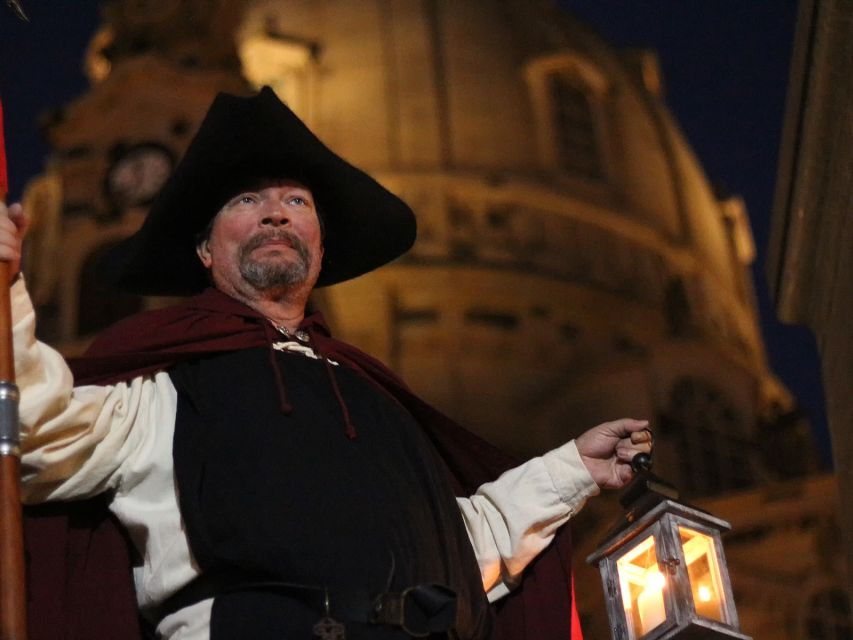
This is the heritage product. Six and a half thousand reviews and a 4.6 average tell you what you need to know about the storytelling. Our full review covers the included Schlummertrunk shot at the end and which evenings have English departures. The catch is the language, so check the slot before you click pay.
2. Dresden: Night Watchman Tour Through The Old Town: $17

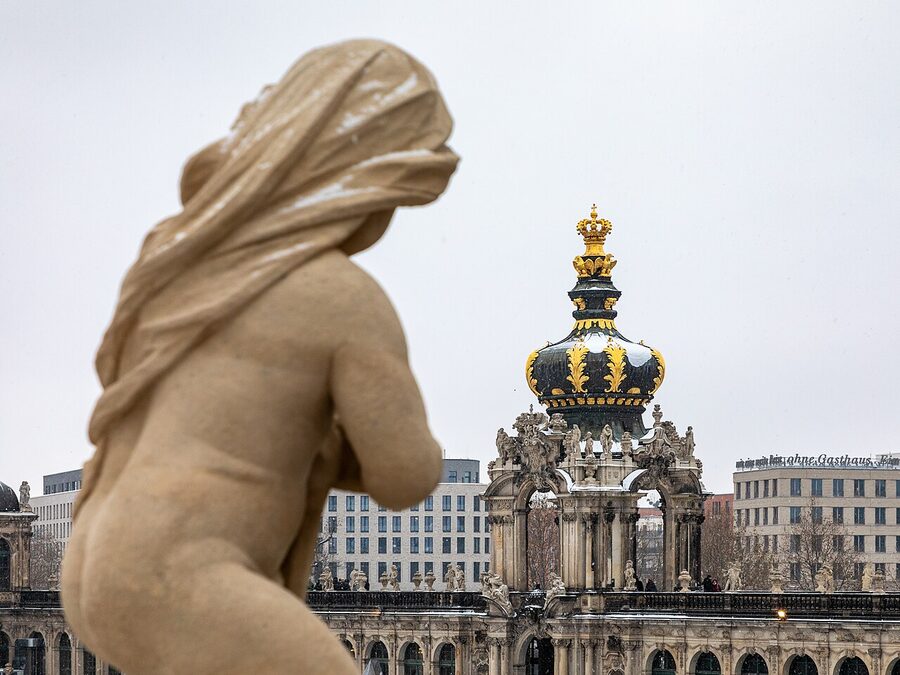
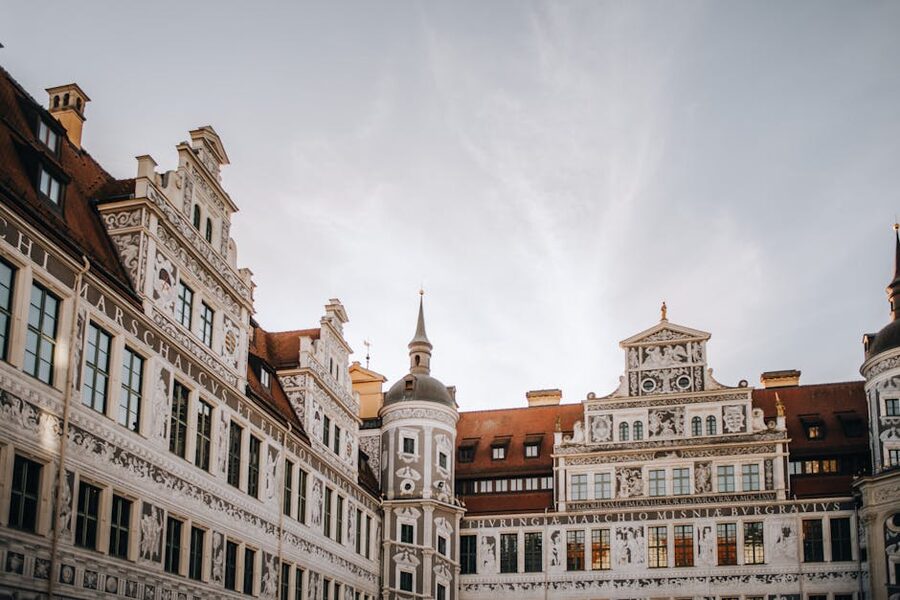
This is my pick if you can only book one. The smaller groups mean you actually hear the guide, the 4.8 rating reflects the consistency, and the route through the Zwinger and Fürstenzug covers the strongest Dresden landmarks at their most photogenic. It also runs more often than the Baroque tour.
3. Dresden: Tour of the Baroque Quarter With a Night Watchman: $17

The Baroque Quarter is what Innere Neustadt is calling itself this decade. The tour ducks through hidden courtyards and craft alleys that survived the firebombing, which makes it the choice if you’ve already done the Old Town and want different ground. Our review notes the route is wheelchair-accessible, which the other two are not.
What to Wear and When to Show Up
Bring a layer. Dresden sits in the Elbe valley and after sunset the temperature drops faster than anywhere I’ve walked in northern Europe. In April and October I want a jacket I can zip. In December and January I want gloves and a hat, no question.

Wear shoes you can walk cobbles in. The Old Town’s cobblestones are uneven and the Baroque Quarter’s are worse. Heels are a bad idea even at the lower end of the heel scale. Trainers or low boots are right.
Show up ten minutes early. The meeting point is the Frauenkirche on Neumarkt, the south side, near the small Luther statue. The guide will not be hard to spot. He will be the man in the long black coat with the lantern and the halberd. If you cannot find him, walk a slow loop of the church and you will. He will not leave without you, but he will start on time and you do not want to spend the first ten minutes catching up to a moving group.
The Stories Worth Listening For
The guides repeat a small, well-tested set of stories. Here are the ones that always land, so you know what you are hearing when the lantern stops moving.
The Green Vault heist. November 2019. Two men entered the Historic Green Vault through a window, sledgehammered three display cases, and walked out with twenty-one pieces of jewellery from August the Strong’s collection. The total insured value was around 113 million euros. They were caught two years later. Most of the haul was recovered, some pieces still missing. The night watchman tells this one with theatrical disgust at the modern guards.
Countess Cosel. Anna Constantia von Brockdorff was August the Strong’s official mistress. She got a palace, a title, jewels, and her own apartment in the Royal Palace. Then she fell out with him, was arrested, and spent forty-nine years locked in Stolpen Castle. She outlived August by thirty-two years. The guide will point at the palace window where her rooms once were.
Frederick the Bitten. A 13th-century Saxon ruler whose nickname comes from the story that his mother bit his cheek to leave a mark on him so he would always be recognised as her son in the dynastic chaos of the Thuringian War. The guide tells it with the appropriate amount of relish.
The Spanish goat. A medieval wooden punishment device. Delinquents had to sit astride a sharp wooden ridge in the Altmarkt with weights tied to their feet. Public, painful, and a long way from any modern idea of justice. The guide demonstrates with the halberd. It is funnier than it has any right to be.
Pairing the Tour With the Rest of Your Dresden Evening
The 9pm slot finishes at 10:30. The 7pm slot finishes at 8:30. Both leave you with a usable evening still ahead of you, which is part of why the tour works as a first-night-in-Dresden activity.
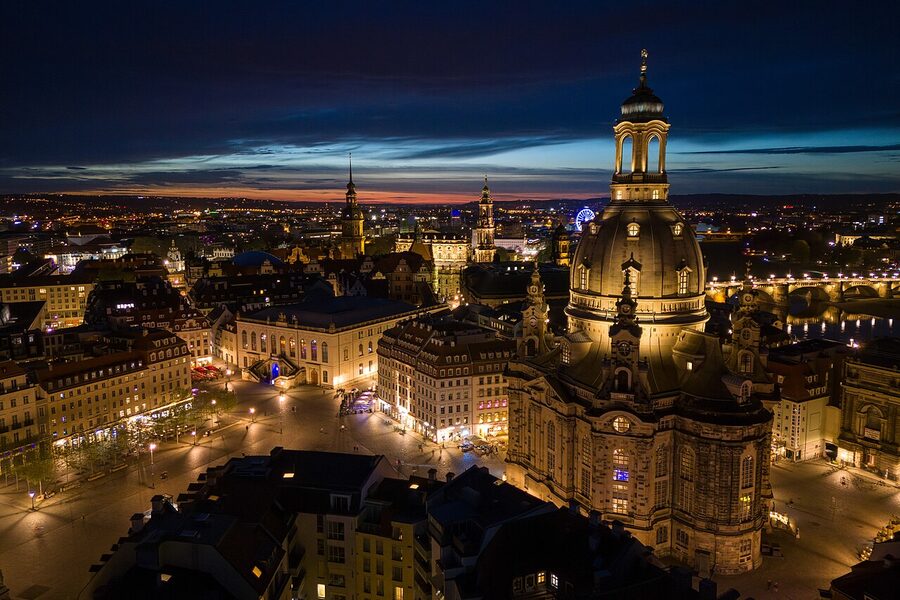
If you finish on Neumarkt and want food, the cafes and beer halls on the square are open. If you want a properly local beer rather than a tourist menu, walk five minutes north to the Augustusbrücke, cross to Neustadt, and find the Watzke brewpub. Local pilsner, schnitzel, and a view of the Old Town from across the water.
If you’d rather start your evening with the tour and end it at the Semperoper, check whether the opera has a late show on the night you book. The 7pm tour finishes at 8:30, which is too late for most curtain-ups, but the Semperoper does occasional 9pm chamber concerts and recitals. Our Semperoper booking guide covers the late-evening tickets.
The other natural pairing is a daytime Elbe river cruise followed by the night watchman in the evening. The cruise gives you the postcard Dresden from the water, the watchman gives you the same buildings reframed as the backdrop to four hundred years of court intrigue. The same skyline, two completely different ways of looking at it.
If You Have a Second Night in Dresden
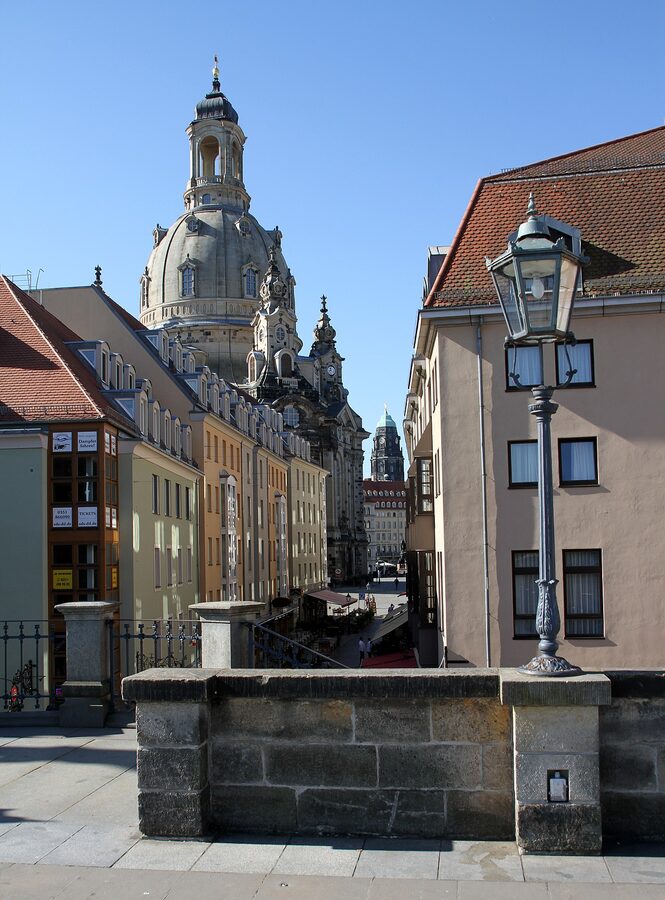
Two-night visitors do not need to do two watchman tours. The repeat ratio is too high. Do one night watchman walk on the first night, get the spine of the city’s history, and use the second night for something different. A guided Frauenkirche gallery tour after dark is a strong pairing because it puts you inside the building you walked past on the lantern walk. The acoustics are absurd, the climb to the gallery is short, and the views from the dome at twilight are the second-best dome view in Saxony.
Or skip the tours entirely and do the simple thing the locals do: walk the Brühlsche Terrasse north to the Albertinum, sit on the river wall, and watch the paddle steamers come in. The white fleet ties up below you. It is a free Dresden experience and a very good one.
Practical Booking Notes
Cancellation: All three tours offer free cancellation up to 24 hours before the start time. Book early without worrying about the weather. If a thunderstorm is forecast, cancel by lunchtime and rebook for the next clear evening.
Group size: The Old Town tour caps at around 15 people. The Original lantern tour can run up to 25 in peak season, which is when it starts to feel less like a guided walk and more like a lantern parade. If you can pick a Tuesday or Wednesday, the groups are smaller.
Children: Under 6 generally free, 6-14 half-price on the Original and Old Town tours, no minimum age on the Baroque Quarter tour. The walking pace is gentle but the stories include public punishment, court mistresses, and a recent jewel heist. Use your judgement on the under-10s.
Mobility: Only the Baroque Quarter tour is wheelchair-accessible end to end. The other two have several short cobbled stretches and one or two narrow passages.
Meeting point: Frauenkirche, Neumarkt, south side near the Luther statue. The Baroque Quarter tour meets at the Goldener Reiter equestrian statue across the river. Both are on the booking confirmation but they are not the same place, which is the second most common booking mistake after the language one.
Two More Things Worth Knowing
First, the watchmen do not work in heavy rain. Tours run in light rain, and you will get a cheap plastic poncho if it is needed. In thunderstorms or downpours, the operator will cancel and refund you, usually a few hours ahead. Watch your email the afternoon of the tour.
Second, the tip culture is real. The standard is two to five euros per person at the end of a ninety-minute tour, more if your guide was particularly good. The watchman will not ask for it. He will lift the lantern, doff the tricorn, and wish you good night. If you liked the tour, slip him a five.
Pair It With the Rest of Saxony
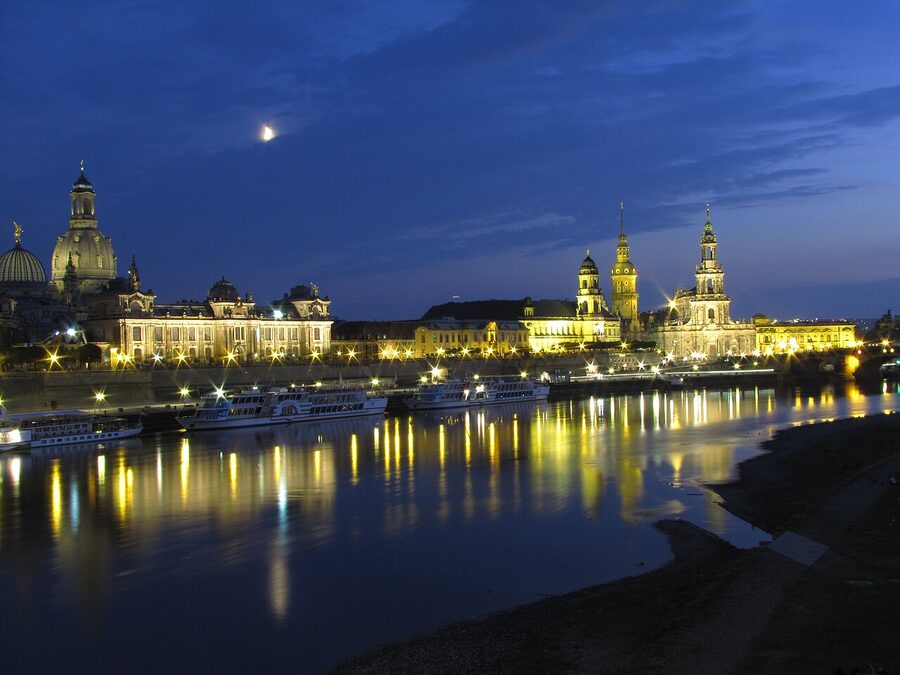
If you are building a wider Dresden trip, the night watchman is the strongest evening anchor in the city. Pair it with a daytime Elbe paddle steamer cruise for the river angle, a Frauenkirche gallery visit for the architecture angle, and a Semperoper performance or guided tour for the music angle. Three nights, three completely different lenses on the same tiny historic centre.
If you’ve come to Dresden as part of a longer Germany trip, the night watchman concept transfers to the bigger cities too, but with caveats. Berlin’s after-dark scene is different in tone, more political, more 20th-century, and a Berlin walking tour or the Third Reich walk gives you that. Munich leans into Bavarian folklore and beer-hall stories, where the Munich Third Reich walk is the closest equivalent in weight, even though the period and tone are different. Hamburg’s evening tours run on the harbour rather than on foot, and the Hamburg harbor cruise is the local night-walk substitute. Dresden, in this company, holds its own. The night watchman is a smaller, cheaper, more personal version of what those bigger cities are also trying to do, and in Saxony’s compact Old Town it works better than any of them.