
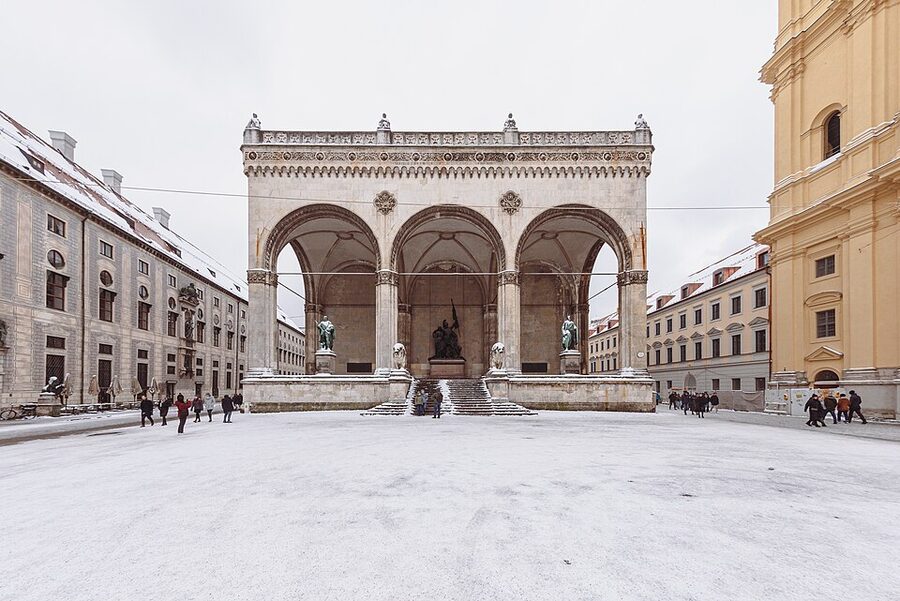
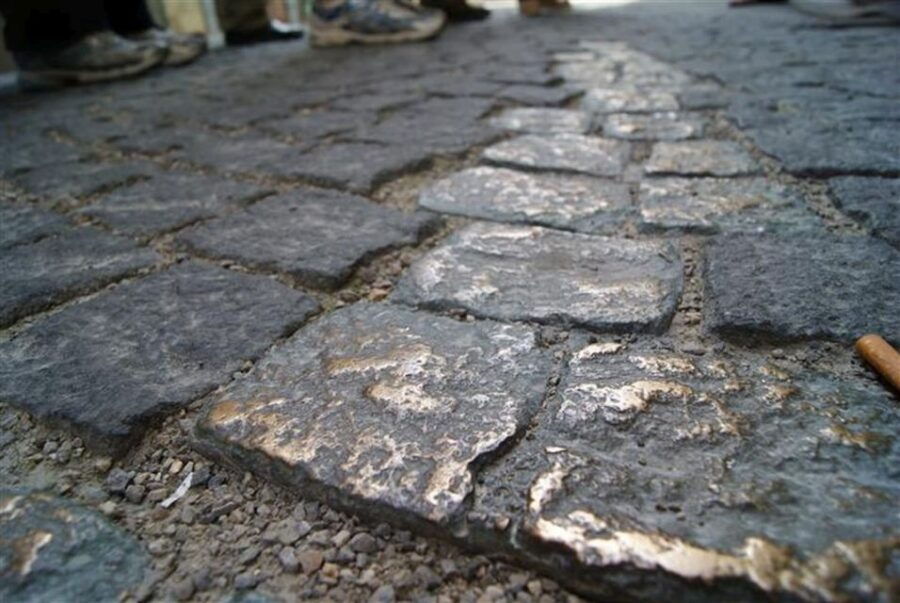
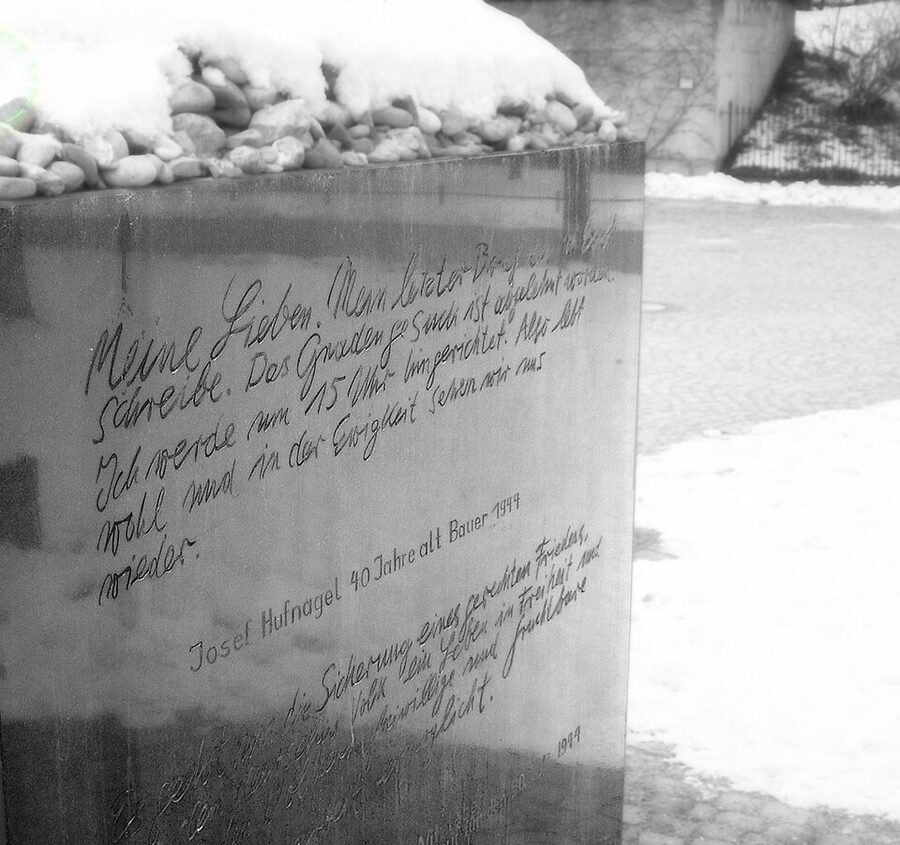
The plaque is small and easy to walk past. It is set into the pavement outside the Feldherrnhalle, in among the kebab wrappers and bicycle tracks, and it reads: On 30 April 1945 the US military freed Munich from Nazi tyranny. A few steps further on, a strip of brass cobblestones snakes through Viscardigasse, the alley locals once used to dodge the Nazi salute. That contrast is the entire reason to take a Munich Third Reich walking tour.
You stand on the same paving stones where the 1923 Beer Hall Putsch ended in gunfire. Then you turn the corner, buy a pretzel, and life carries on. A good guide makes both halves of that scene feel real at once.
- In a Hurry? My Quick Picks
- Why Take a Third Reich Tour at All
- What You Actually See on These Tours
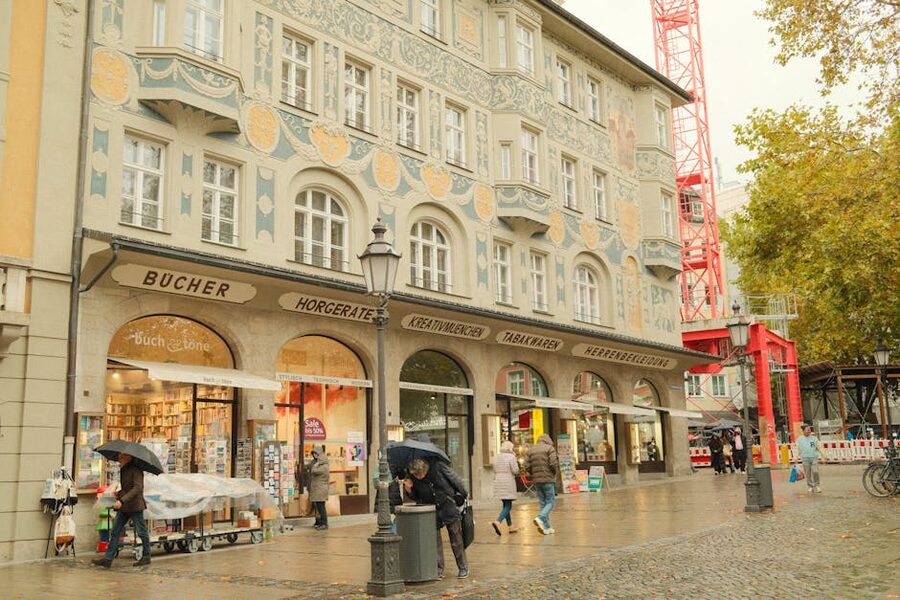
- Marienplatz and the Old Town
- Hofbräuhaus
- Feldherrnhalle and Odeonsplatz
- Viscardigasse, the Dodgers’ Alley
- Königsplatz and the Brown House Site
- NS-Dokumentationszentrum
- Best Munich Third Reich Tours to Book
- 1. Munich Third Reich and WWII Walking Tour:
- 2. Third Reich Walking Tour Munich (Viator):
- 3. Munich Birthplace of the Third Reich Walking Tour:
- Booking Notes Worth Knowing
- Best Time of Day and Year
- Where Things Actually Began: A Brief History
- The White Rose
- What’s Around: Other Munich Tours Worth Pairing
- Should Kids and Teenagers Take These Tours?
- How to Get to the Meeting Point
- Self-Guided Alternatives
- Other Munich Guides That Pair Well
In a Hurry? My Quick Picks
- Best overall: Munich Third Reich and WWII Walking Tour, $31. The city’s most-booked Third Reich tour by a wide margin and the one I send most people to.
- Smaller group, deeper dives: Third Reich Walking Tour Munich (Viator), $46. Capped group size and a slower pace if you want to ask questions.
- Birthplace focus, lowest price: Munich Birthplace of the Third Reich Walking Tour, $29. Leans into the early Nazi years and the streets where the party first organised.
Why Take a Third Reich Tour at All
I had the same hesitation a lot of visitors have. Munich is beer halls, schnitzel and the Englischer Garten. Did I really want to spend three hours of my trip walking through the worst chapter of European history?
The honest answer is yes, and the reason became obvious within ten minutes of my first tour. None of these sites are signposted. The Feldherrnhalle has no panels explaining what happened there in 1923. The Hofbräuhaus does not advertise the room where the Nazi party wrote its founding programme. The Königsplatz looks like an empty square, not a Nazi parade ground. Without a guide telling you what you are looking at, you walk past all of it.
The other reason: Munich was where the Nazi movement actually began. Berlin gets the spotlight because it became the capital, but the Nazi party held its first mass meeting in a Munich beer hall in 1920. Hitler made his name here. The 1923 putsch happened here. The Nuremberg Laws were drafted in Munich offices. The first concentration camp, Dachau, was opened just outside the city in 1933. If you only see Berlin you get the regime at its peak. Munich is where you see how it started.
What You Actually See on These Tours
Almost every Third Reich tour in Munich follows roughly the same route, with small variations. After taking three of them I can tell you the core stops barely differ. What differs is the guide and the angle.
Marienplatz and the Old Town
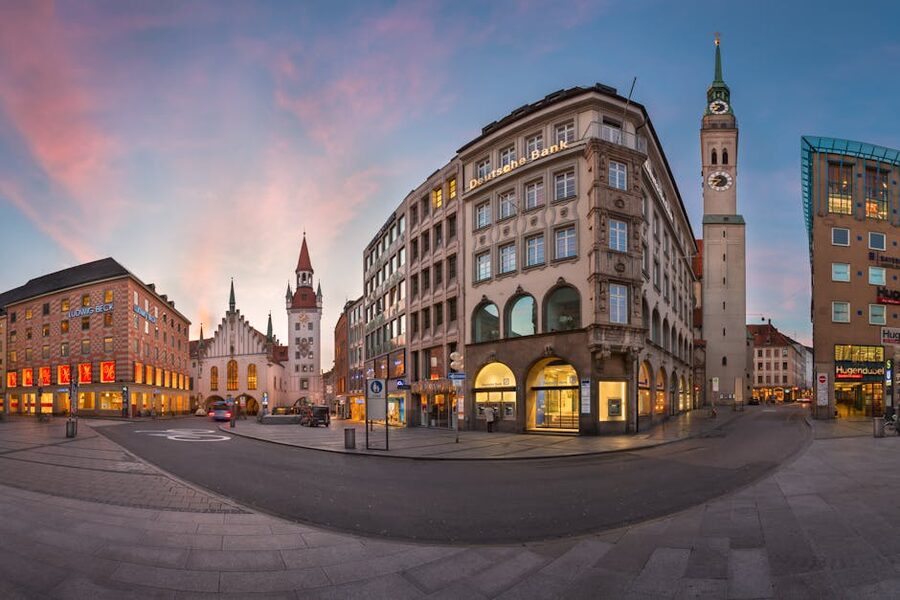
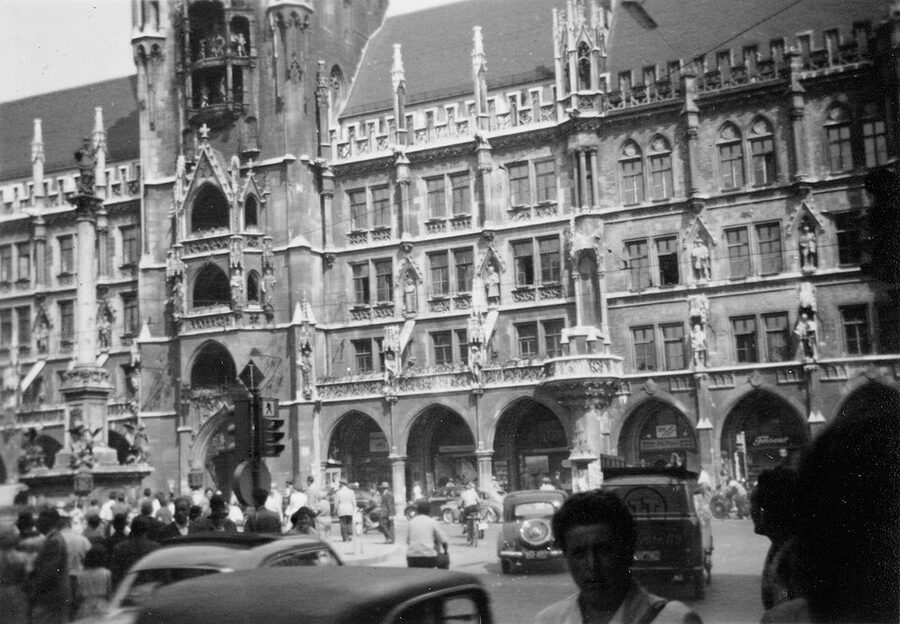
Most tours meet at Marienplatz, usually under the Mariensäule column or by the Fischbrunnen fountain. From here a good guide will set the scene before you walk anywhere. You will hear about Munich in 1918, defeated, hungry, briefly a short-lived Soviet republic, then violently put down. The political chaos that followed is what made a young Austrian agitator’s speeches start to draw crowds.
Hofbräuhaus
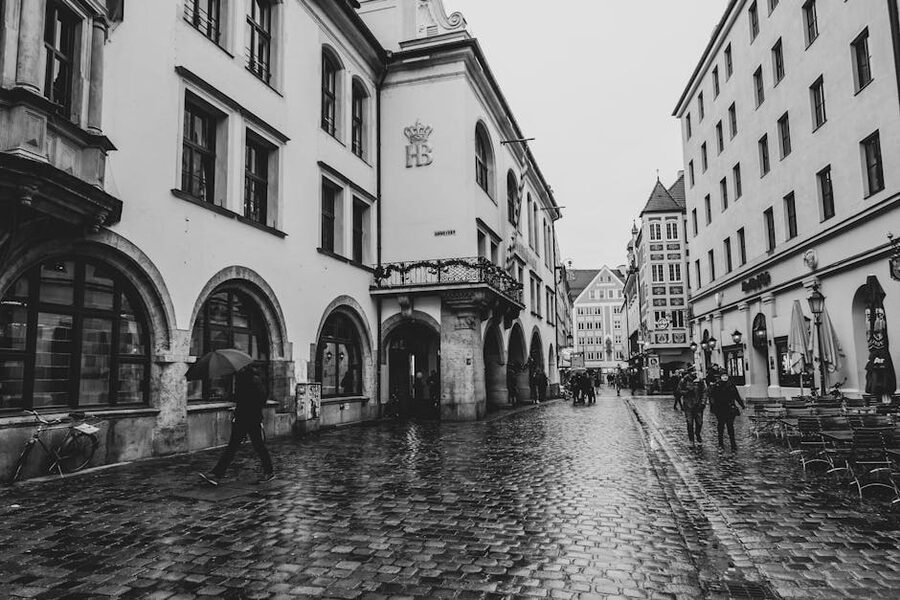
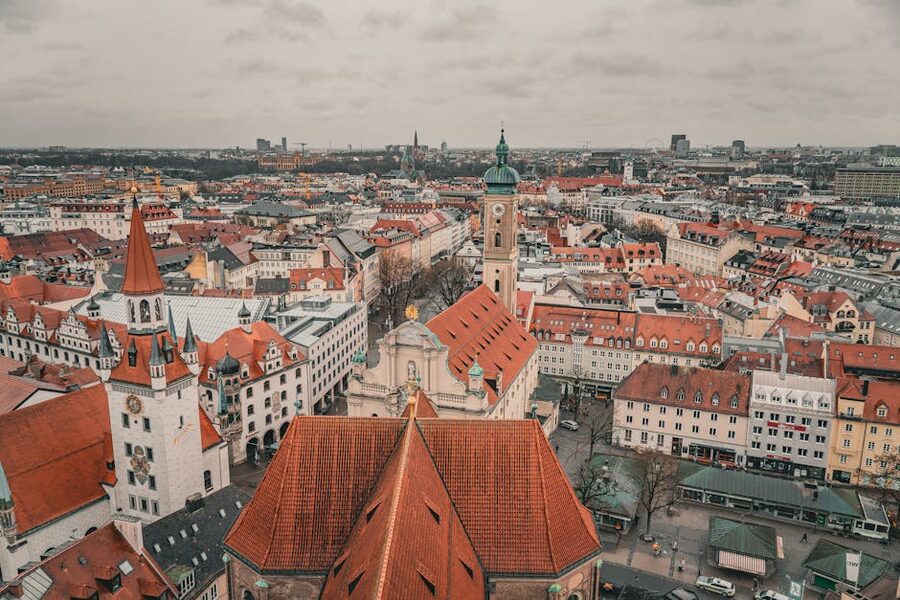
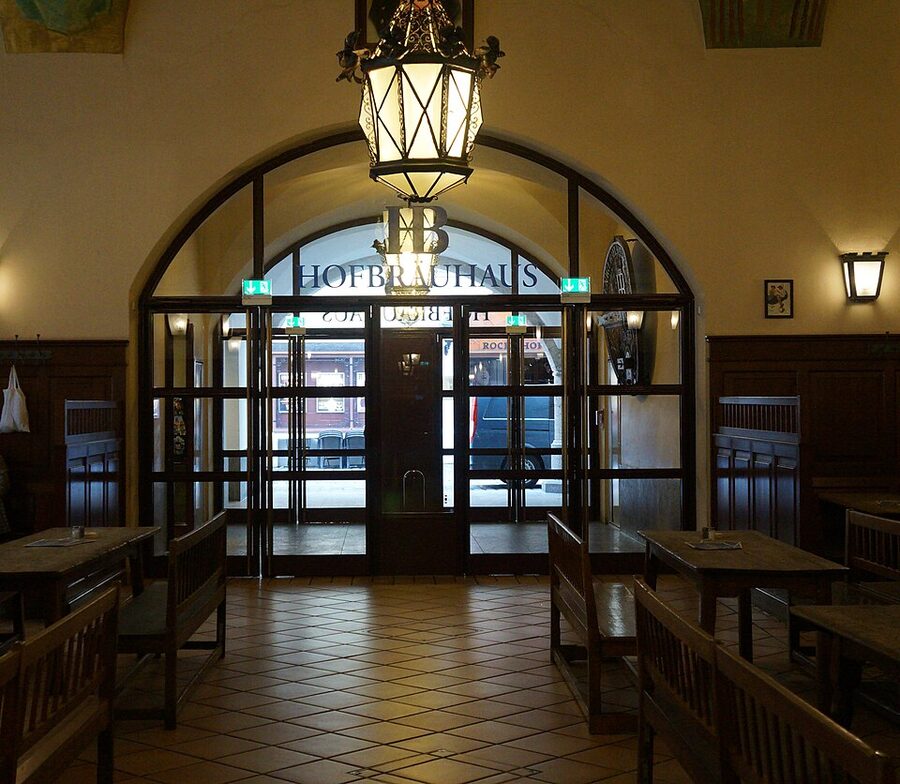
You probably already know the Hofbräuhaus as a tourist beer hall. What the guidebooks usually leave out: on 24 February 1920 the Nazi party held its first mass meeting in the upstairs Festsaal and unveiled its 25-point programme. The room is still there. The brass band is still down on the ground floor. Most tours stand outside and explain rather than going in, partly out of respect for the diners and partly because the upstairs hall is often closed to walk-in visitors.
Feldherrnhalle and Odeonsplatz
This is the emotional centre of every tour. On 9 November 1923, Hitler and Ludendorff led around 2,000 Nazi marchers from the Bürgerbräukeller to the Feldherrnhalle in an attempted coup. The Bavarian state police met them on Odeonsplatz. Sixteen Nazis and four policemen died in the gunfire. Hitler escaped, was caught two days later, tried, and used his trial as a publicity platform.
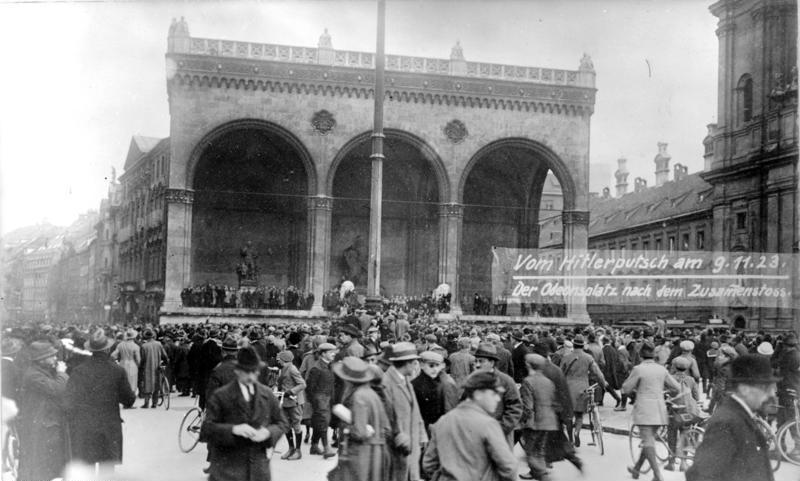
After 1933 the Nazis turned the Feldherrnhalle into a shrine. They built an honour guard, made everyone passing it raise the Hitler salute, and held annual ceremonies for the dead putschists. That is where the Viscardigasse story comes in.
Viscardigasse, the Dodgers’ Alley
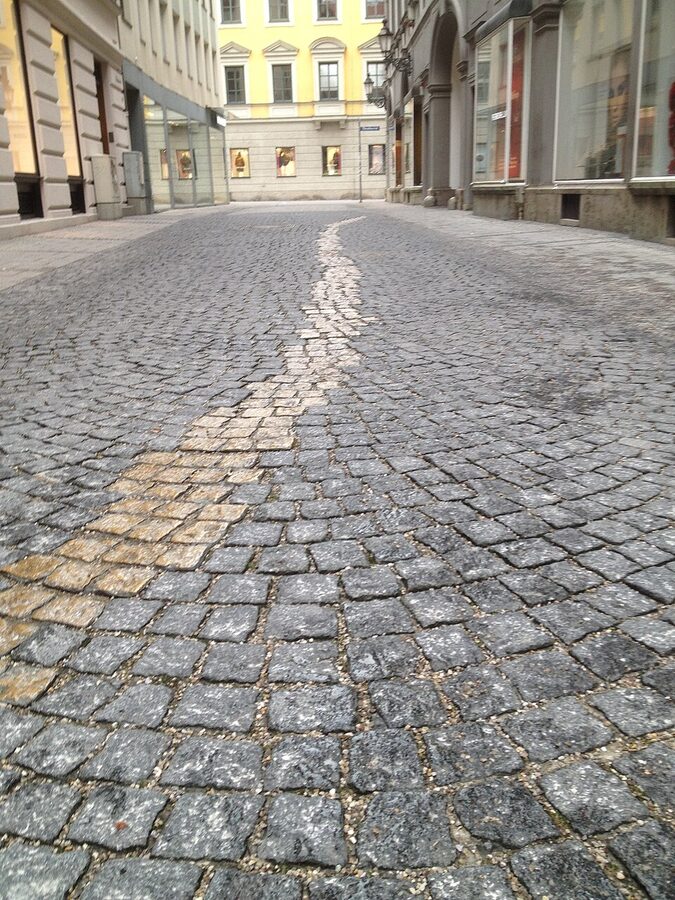
Behind the Feldherrnhalle there is a small alley called Viscardigasse. During the Nazi years, ordinary Munich residents who did not want to salute the monument simply detoured down it on their way to work. The locals gave it a nickname: Drückebergergasse, literally Dodgers’ Alley. After the war, the city laid a strip of golden brass cobblestones tracing the path of the dodgers. It is still there, easy to miss if you are not looking down.
Königsplatz and the Brown House Site
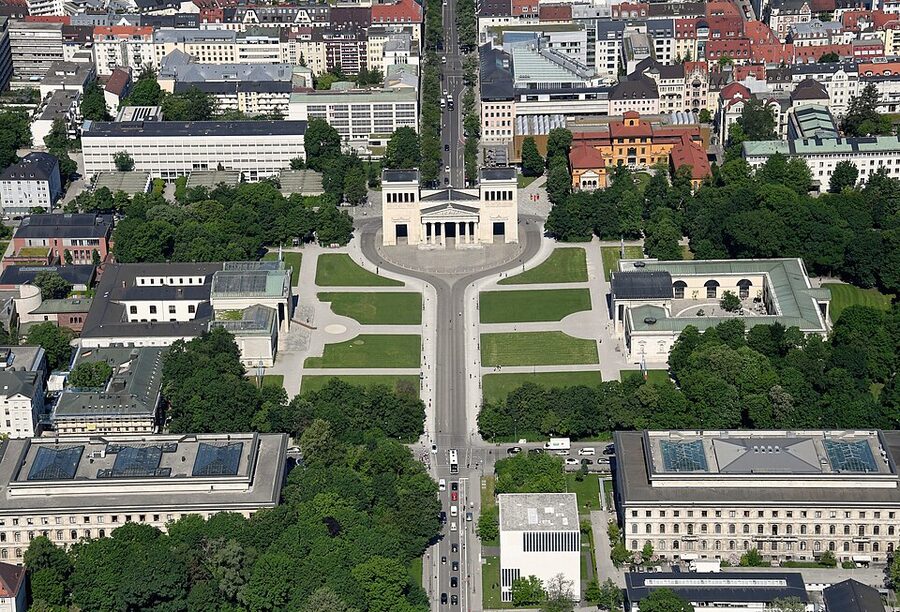
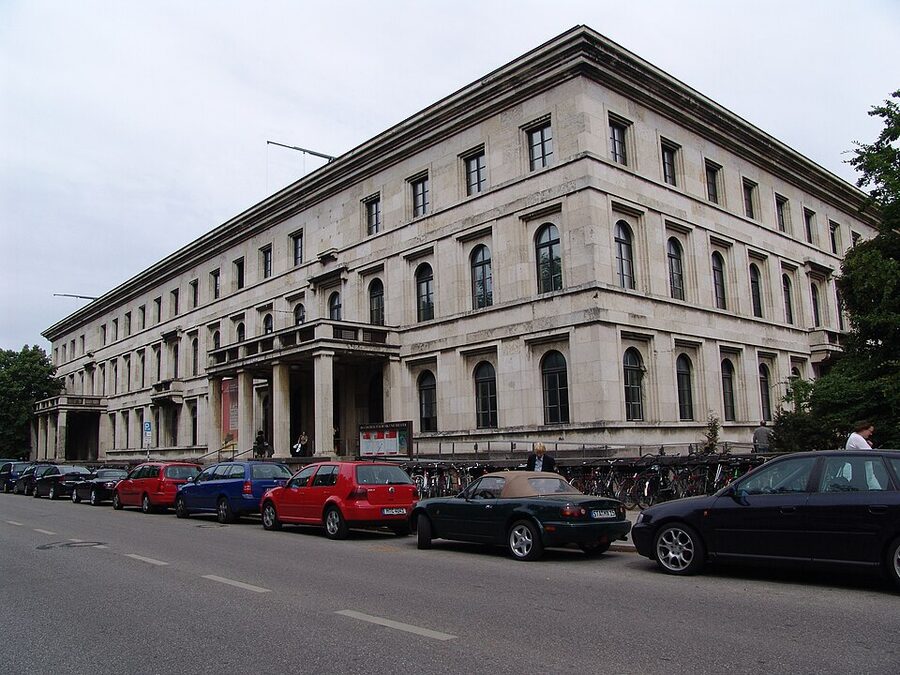
A few streets northwest, Königsplatz was redesigned in the 1930s as the Nazi party’s parade ground. The square was paved with 22,000 granite slabs, kept bare for marches, and lined with two Nazi party administrative buildings, the Führerbau and the Verwaltungsbau. Both still stand. The 1938 Munich Agreement was signed inside the Führerbau. Today it is the Hochschule für Musik und Theater, a music college. The granite slabs were ripped up after the war and replaced with grass, but the Nazi colonnades around the square still mark where the so-called Temples of Honour stood.
NS-Dokumentationszentrum
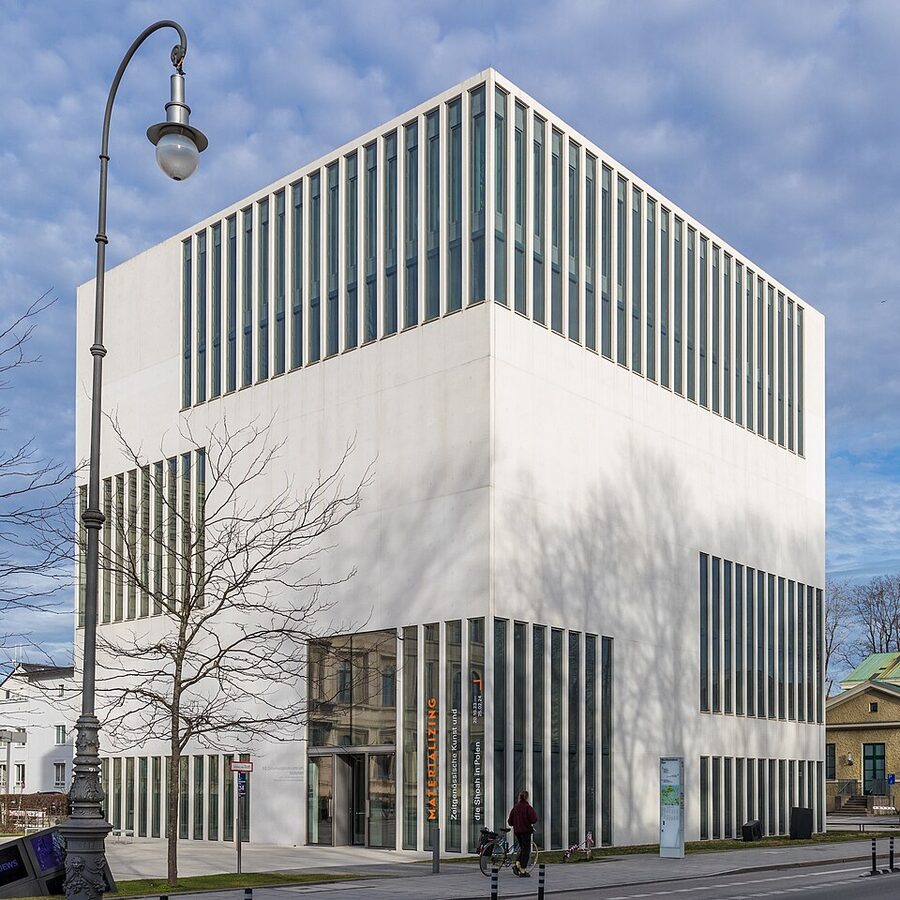
Right on the corner of Königsplatz sits the Munich Documentation Centre for the History of National Socialism, a stark white cube that opened in 2015. It is built on the exact spot where the Brown House, the Nazi party headquarters, used to stand. Most walking tours end outside it and recommend that you go in afterwards. The exhibition is excellent and admission is free with a city card. Allow at least two hours.
Best Munich Third Reich Tours to Book
Three tours dominate the bookings, and they each suit a slightly different visitor. Below are the ones I actually recommend, with the price and pitch in plain language.
1. Munich Third Reich and WWII Walking Tour: $31
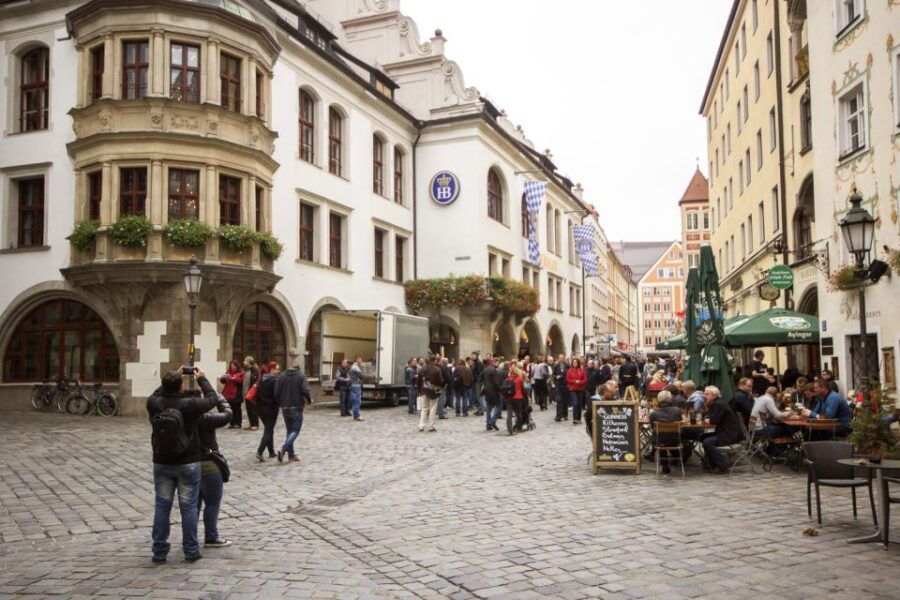
If you only book one Third Reich tour in Munich, make it this one. The 2.5-hour route covers Marienplatz, the Hofbräuhaus, Feldherrnhalle, Viscardigasse and Königsplatz with the depth they deserve. Our full review goes into guide quality and what to expect at each stop. It is the most popular Munich walking tour on GetYourGuide for a reason. The guides bring binders of period photos so you can compare then-and-now while you stand on each spot.
2. Third Reich Walking Tour Munich (Viator): $46
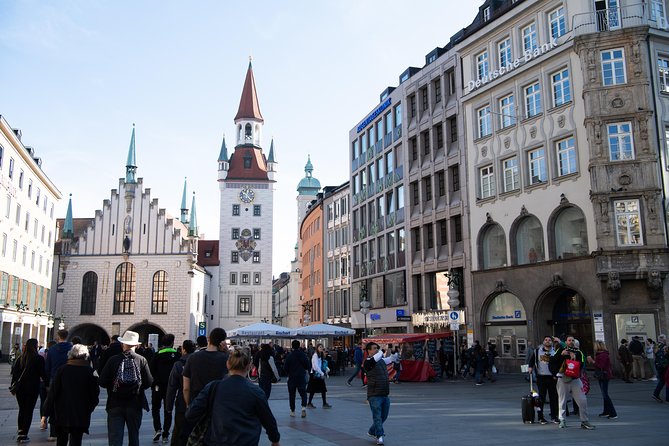
If you want a small group and the chance to actually ask questions, this is the pick. Meeting point is Dachauer Strasse 4, the route ends at Marienplatz, and our review covers what the smaller cap actually changes about the experience. History readers in particular get more out of this format because the guide is not managing 25 people through a doorway.
3. Munich Birthplace of the Third Reich Walking Tour: $29
This one leans into the beer-hall years: the rooms where Hitler attended his first meetings, the building where Goebbels launched Kristallnacht, the Munich offices where the Nuremberg Laws were drafted. The review covers how the focus on origins changes the route slightly compared to the broader WWII tour. Pick this one if your reading interests sit in the 1919 to 1933 window rather than the war itself.
Booking Notes Worth Knowing
A few practical things I wish someone had told me before I booked.
Most tours operate once a day. The popular Third Reich tours run a single morning or early-afternoon slot and sell out a day or two ahead in summer. Book online ahead of arrival rather than walking up at Marienplatz hoping for a spot.
Pay in dollars or euros. Prices on GetYourGuide and Viator default to your home currency at checkout. The dollar prices I list above are approximate. Euro prices are usually a couple of euros lower.
Free cancellation is standard. Both GetYourGuide and Viator offer free cancellation up to 24 hours before the tour for almost every walking tour in Munich. If your plans change, you do not lose money.
You don’t tip in Germany the way you tip in the US. A 5 to 10 euro tip per person at the end is generous and appreciated. The American 20 percent rule is not the norm here.
Best Time of Day and Year
For the tour itself, mornings are best. The route uses public squares, and you get the spaces with fewer crowds before lunch. Light is also kinder for the photo binders that good guides carry. You can compare 1933 to 2026 without glare.
Spring and autumn are the easiest seasons. Summer means heat on Königsplatz with no shade. Winter works, especially January and February with grey skies that suit the subject, but check that your guide carries a small umbrella for the group’s history materials.
Where Things Actually Began: A Brief History
Skip this section if you only need booking info. Worth reading if you want context for what you will see.
Munich’s role in the rise of Nazism is largely accidental. After Germany’s defeat in 1918 the city became a hothouse for radical politics. A short-lived Bavarian Soviet Republic was crushed in May 1919 by right-wing paramilitaries. The trauma drove much of Bavarian society to the far right. The German Workers’ Party, founded in Munich in January 1919, was one of dozens of nationalist groups in the city. Hitler joined in September 1919 as informant number 555. He was sent to spy on the party by the army; he stayed because he discovered he could speak.
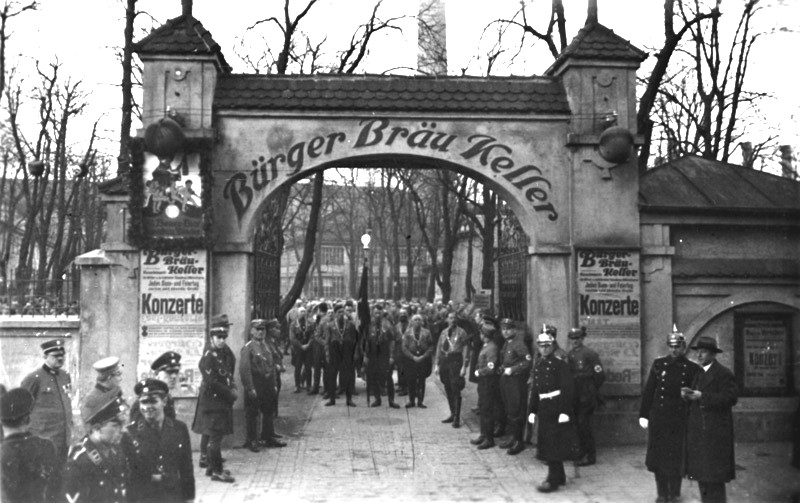
The Beer Hall Putsch of November 1923 was the first attempt to seize power. It failed spectacularly. Hitler used his nine months in prison to write Mein Kampf, then rebuilt the party as a strictly legal political movement. By 1933 he was Chancellor of Germany. By March that year the first concentration camp had opened at Dachau, just ten miles from where you stand on a Third Reich tour. The Nuremberg Race Laws were drafted in Munich. The Munich Agreement of 1938, Chamberlain’s “peace for our time,” was signed in the Führerbau on Königsplatz.
The White Rose
The flip side of the story sits at Munich’s Ludwig Maximilian University. In February 1943 a student group called the White Rose, led by siblings Hans and Sophie Scholl and their friends, scattered anti-Nazi leaflets from the upper floors of the LMU atrium. A janitor saw them. Within days they had been arrested, tried by the People’s Court and executed by guillotine. They were 21, 24, 25 years old.
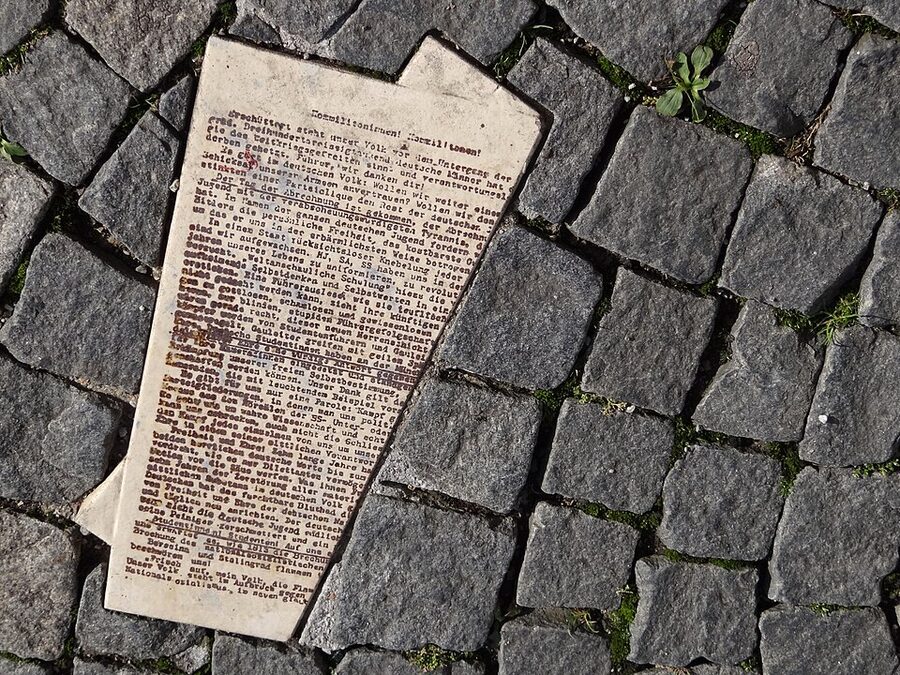
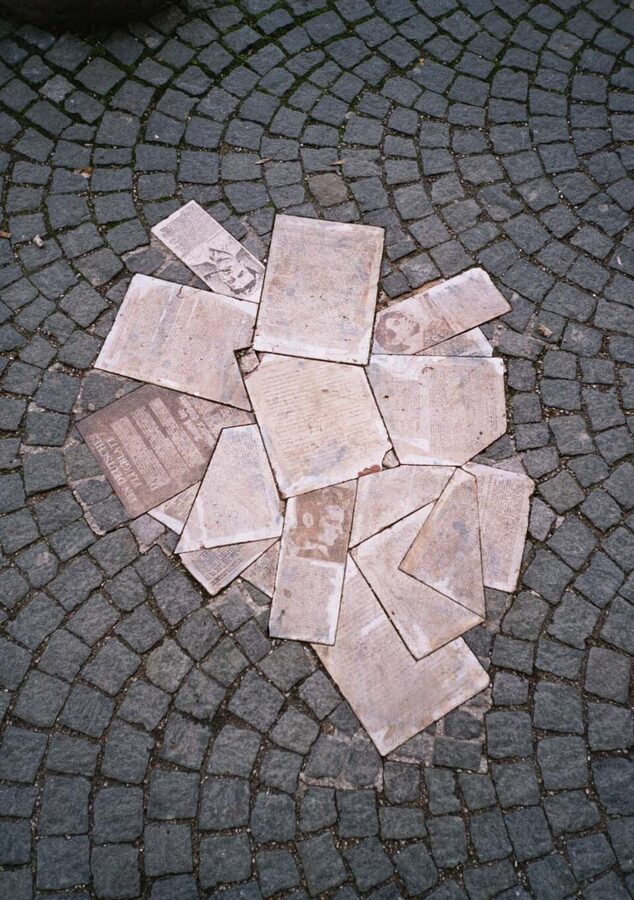
If your tour does not visit the White Rose memorial, ask why. It is the moment of resistance the city wants you to take away, and a tour without it feels lopsided.
What’s Around: Other Munich Tours Worth Pairing
A Third Reich tour pairs naturally with a few other things. Most people I know combine it with a half-day at Dachau and a day in the Bavarian Alps to break up the heaviness.
Combine it with the Dachau Memorial Site tour from Munich on a separate day. Doing both back-to-back in 24 hours is too much. Space them out and you get the full arc of the story.
A Night Watchman walking tour is a good way to lighten the mood the next evening. Same Old Town streets, completely different mood, and the guide carries a halberd.
For an unexpected day off the Nazi history, the Neuschwanstein Castle full-day trip takes you out into the Bavarian Alps. Pairing Neuschwanstein with Linderhof turns it into a full day of Ludwig II’s fairy-tale Bavaria.
Should Kids and Teenagers Take These Tours?
Yes, with caveats. Teenagers from about 13 upwards get a lot out of a Third Reich tour, especially if they have been studying World War II at school. Photos of mass rallies, the dodgers’ cobblestones, the White Rose leaflets. These are exactly the kind of physical anchors that turn a textbook chapter into something they remember.
Younger children, no. Not because the content is graphic; most guides handle it carefully. The reason is the tour is 2.5 hours of standing and listening. It is too much for under-tens. Better to leave them with the other parent for a morning at Deutsches Museum and bring them along to Marienplatz later.
If you are bringing teenagers, prep them. A 10-minute conversation the night before about who Hitler was and what the Nazi party did makes the tour land much harder. Most teenagers know the broad outline; they often do not know that Munich specifically was the birthplace.
How to Get to the Meeting Point
Almost every Third Reich tour meets at Marienplatz, with a few exceptions that meet at Dachauer Strasse 4 (the small-group Viator tour) or at the Hauptbahnhof.
Marienplatz is the central S-Bahn and U-Bahn interchange. Every S-Bahn line in Munich stops here. From the airport, the S1 and S8 take 40 minutes and run every 10 minutes. From the Hauptbahnhof, two stops on the S-Bahn or one on the U-Bahn (U3 or U6). Walking from the train station takes 10 minutes through the pedestrianised Kaufingerstrasse.
If your hotel is in the Old Town, just walk. The Old Town is small and Marienplatz is its heart. A Munich CityTourCard covers public transport for the day plus discounts at attractions if you are pairing the walking tour with a museum.
Self-Guided Alternatives
If a guided tour does not fit your schedule or budget, there are good self-guided options. The NS-Dokumentationszentrum is the main one. Two hours, free with a city card, six floors covering the rise of Nazism, the war years, the Holocaust, and post-war Munich. Their audio guide app lets you walk a self-guided route through the city’s Nazi-era sites afterwards.
Voicemap and similar audio-tour apps also offer narrated routes for around 5 to 8 dollars. They are not as good as a real guide but they do cover the major stops with decent narration.
What I would not do is try to wing it from Wikipedia. The sites are unmarked, the geography is not obvious, and you will walk past the most powerful details without knowing they are there. Either book a guide, take an audio tour, or do the museum first to give yourself the framework.
Other Munich Guides That Pair Well
Once you have the Third Reich tour booked, the rest of the Munich plan tends to write itself. I would do the heavy history first while you are fresh, then build the rest of the trip around lighter days. Dachau from Munich is the natural follow-on if you want to complete the arc, but give yourself a day in between. Neuschwanstein from Munich is the antidote (castles, Alps, fairy-tale escapism) and pairs well as the day after Dachau. If you want one easy orientation day to start the trip rather than end it, the Munich hop-on hop-off bus covers most of what a city walking tour would, minus the depth, in air-conditioned comfort. That is the trip I would book if I were planning a long weekend in Munich today.