
The first time I booked an Elbe cruise in Dresden, I picked the wrong boat. I grabbed the cheapest 90-minute sightseeing loop from the Terrassenufer and stepped off feeling cheated. Half my photos were of the same Frauenkirche skyline I’d already seen from the bridge. The river never really opened up. The steamer never reached anything that felt like the countryside. Then I figured out what I’d actually missed: the cruise downstream past the city is fine, but the magic on this river is upstream, past the Blue Wonder bridge, into the Elbe valley where vineyards climb the slopes and Pillnitz Palace appears around a bend.
This guide tells you exactly which Dresden Elbe cruise to book, what each one actually shows you, and which mistake to skip.
In a Hurry?
Best classic short trip: Dresden 1.5-Hour River Sightseeing Cruise from $31. Quick, audio-guided, runs every couple of hours.
Best half-day: Three-Hour Cruise to Pillnitz Castle from $37. The one I’d actually pick. Past Loschwitz, into the vineyards, with a real destination at the end.
Best full day: Day Trip to Meissen from $24. The Wine Route. Slowest, longest, the one to take if you’ve already done Dresden’s old town.
- In a Hurry?
- Where the Boats Actually Go
- The Three Cruises Worth Booking
- 1. Dresden 1.5-Hour River Sightseeing Cruise:
- 2. Dresden Elbe Cruise to Pillnitz Castle:
- 3. Dresden Day Trip Cruise to Meissen:
- Why Pillnitz Is the One Most Visitors Get Wrong
- The Mistake to Avoid: Booking the Wrong Length
- Paddle Steamer or Modern Boat?
- What You’ll See, in Order
- Practical Booking Tips
- Saxon Switzerland and the Königstein Cruise
- Meissen and the Saxon Wine Route
- The Quiet Cruises Most Visitors Skip
- How the Pillnitz Cruise Compares to a Spree Boat in Berlin
- Dresden Beyond the Boat
Where the Boats Actually Go
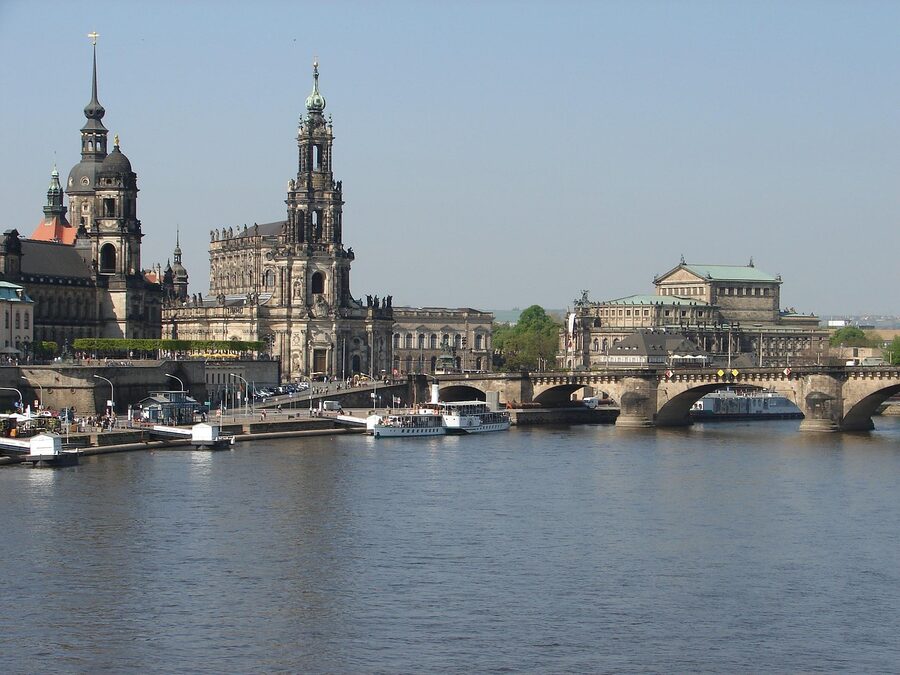
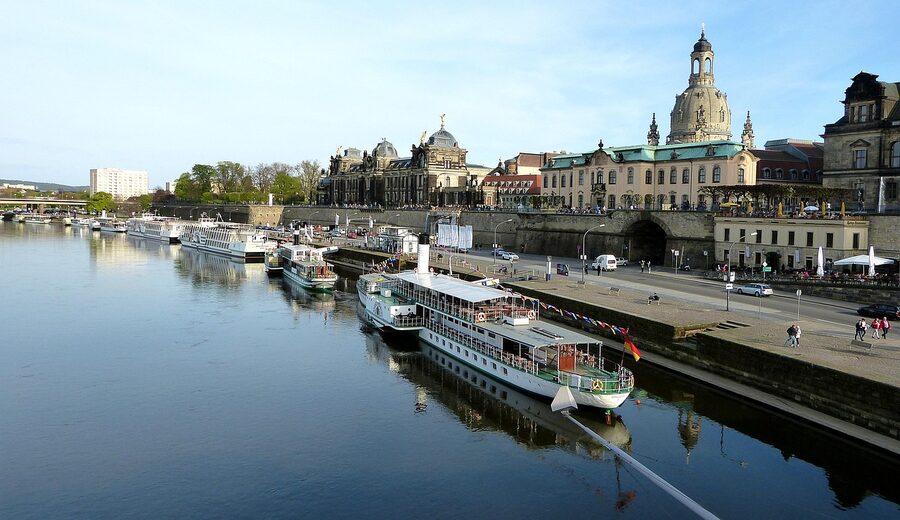
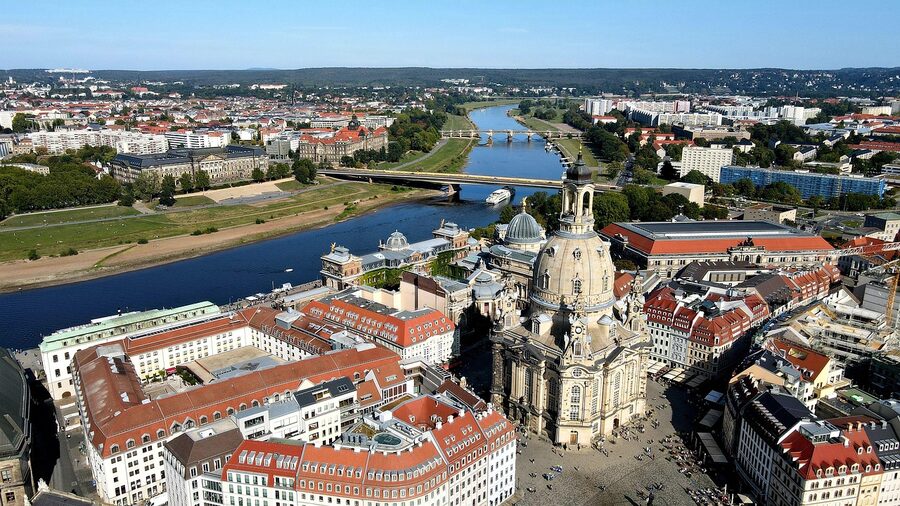
Almost every Dresden Elbe cruise leaves from one place: the Terrassenufer pier in the old town, just below Brühl Terrace and a five-minute walk from the Frauenkirche. From that one dock the boats fan out in two directions, and that’s the choice you’re really making.
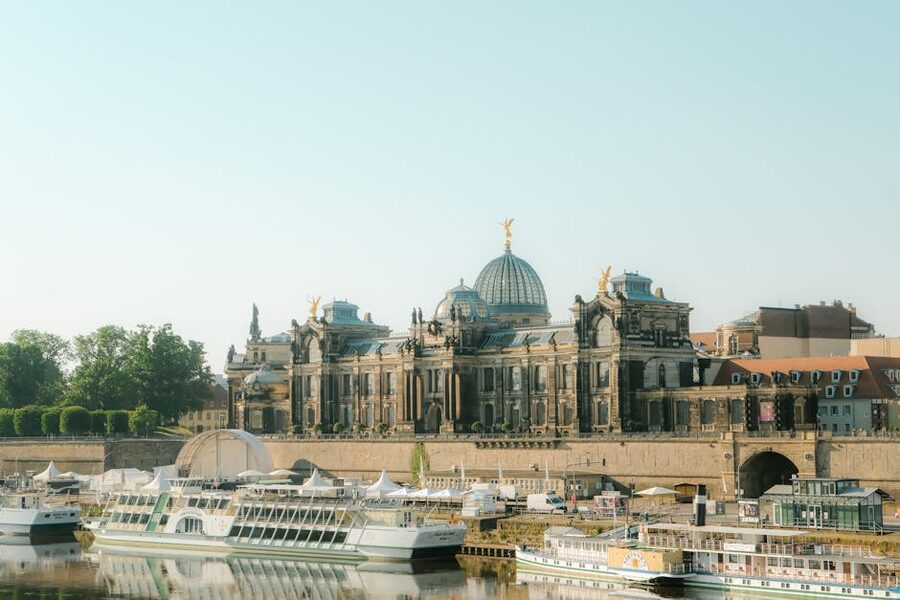
Downstream takes you past the Academy of Fine Arts, under the city bridges, and out toward Meissen and the Saxon Wine Route. Wider river, gentler hills, vineyards on the slopes. The big destination this way is Meissen, about three hours upriver, two hours back with the current.
Upstream takes you past Brühl Terrace, the Three Elbe Palaces, the Blue Wonder bridge, and out to Pillnitz, then on into Saxon Switzerland with its sandstone cliffs and Königstein Fortress. Tighter river, steeper banks, more drama. This is the direction most first-time visitors should pick.
The mistake I made was assuming a 90-minute “city sightseeing” loop would give me the whole picture. It doesn’t. It loops you down past the bridges and back. You see Dresden from the water, which is lovely, but you don’t see the river open up. For that you need at least three hours and a destination beyond the city limits.
The Three Cruises Worth Booking
I’ve narrowed this down to three. There are dozens of variants on the booking sites and they look confusing because the operator runs the same boats on overlapping routes. Don’t let that worry you. Pick by destination, not by boat name.
1. Dresden 1.5-Hour River Sightseeing Cruise: $31
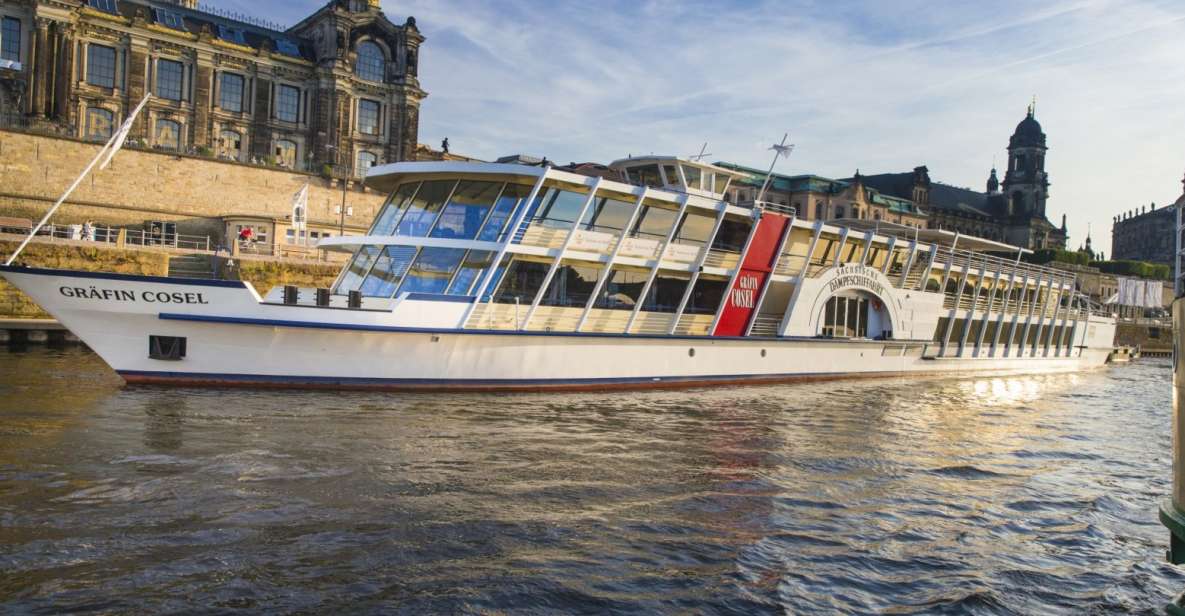
This is the workhorse. You glide past the Frauenkirche, Brühl Terrace, the Three Elbe Palaces, and turn around just past the Blue Wonder. With over 5,000 reviews on our review of the Dresden River Sightseeing Boat Cruise, it’s by far the most-booked option. I’d take it only if you have a single afternoon and just want a relaxed look at the city from water level.
2. Dresden Elbe Cruise to Pillnitz Castle: $37
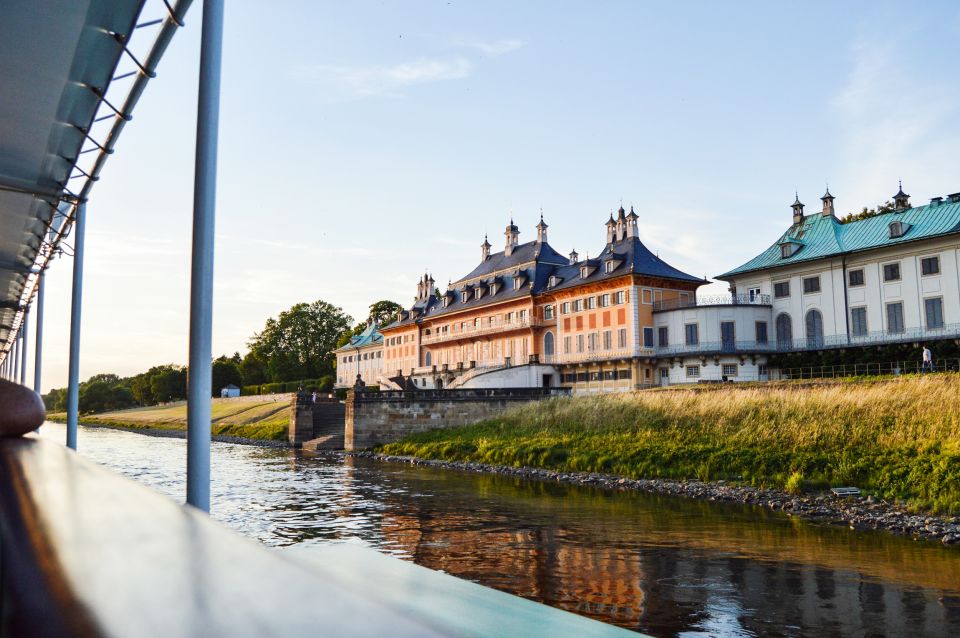
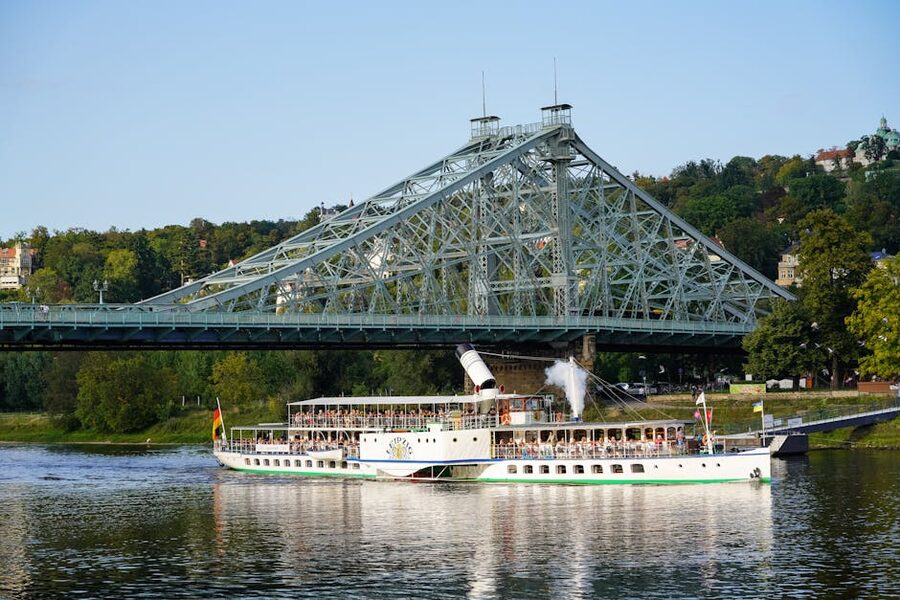
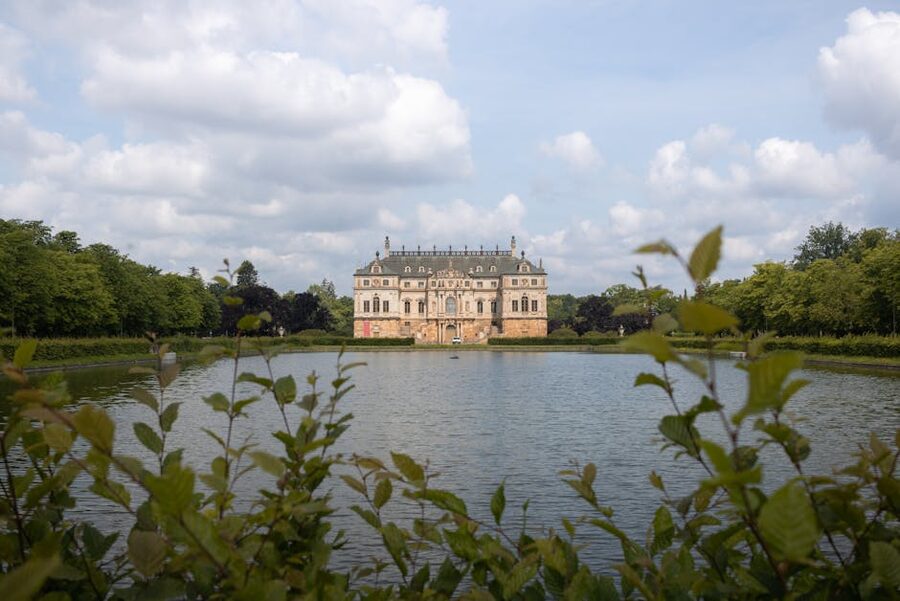
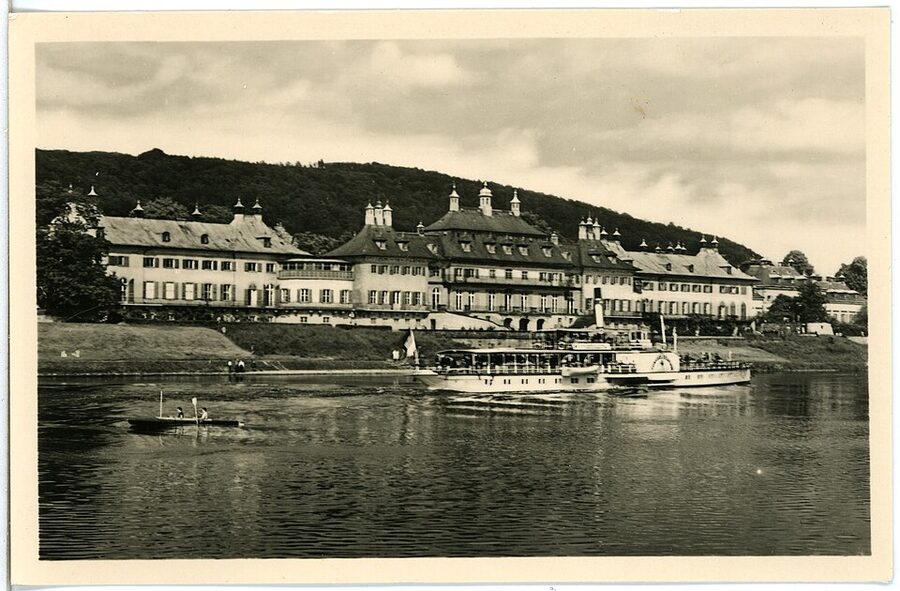
You leave the city, slip past the palaces and under the Blue Wonder, and the river quietly turns rural. Vineyards on the right bank. The castle appears on the left like a page from a fairy tale. Our Pillnitz cruise review covers what you actually see at the palace stop and how the upstream/downstream timing works in summer. The audio commentary is genuinely good, especially on the dynastic history. This is the one.
3. Dresden Day Trip Cruise to Meissen: $24
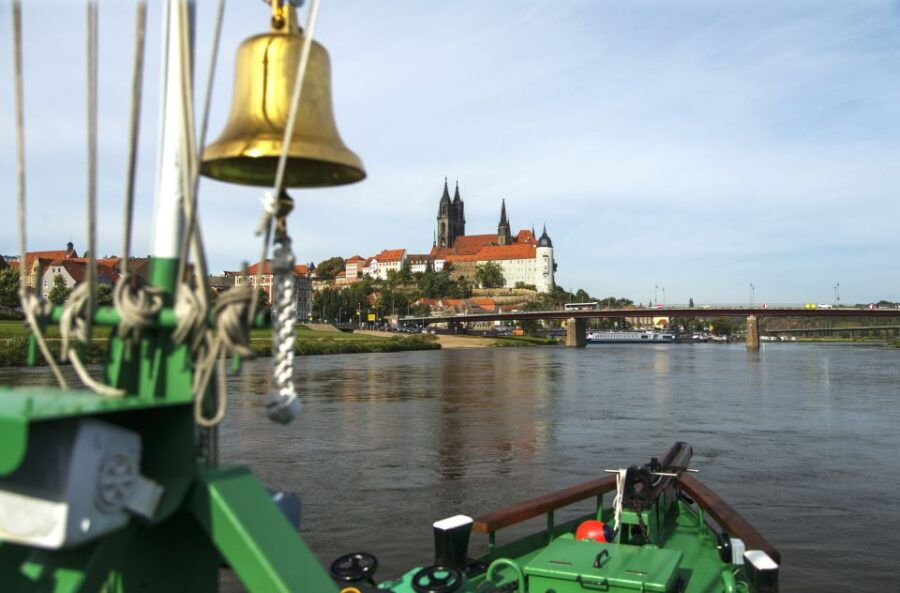
The full Saxon Wine Route experience. You’ll cross past Radebeul, ride the river through low vineyard slopes, and arrive in Meissen below the Albrechtsburg, the first true castle in the Holy Roman Empire and the birthplace of European porcelain. Our Meissen day trip review explains why most people cruise one way and train back. Take this if you have a full day, comfortable shoes, and an interest in either porcelain or wine.
Why Pillnitz Is the One Most Visitors Get Wrong
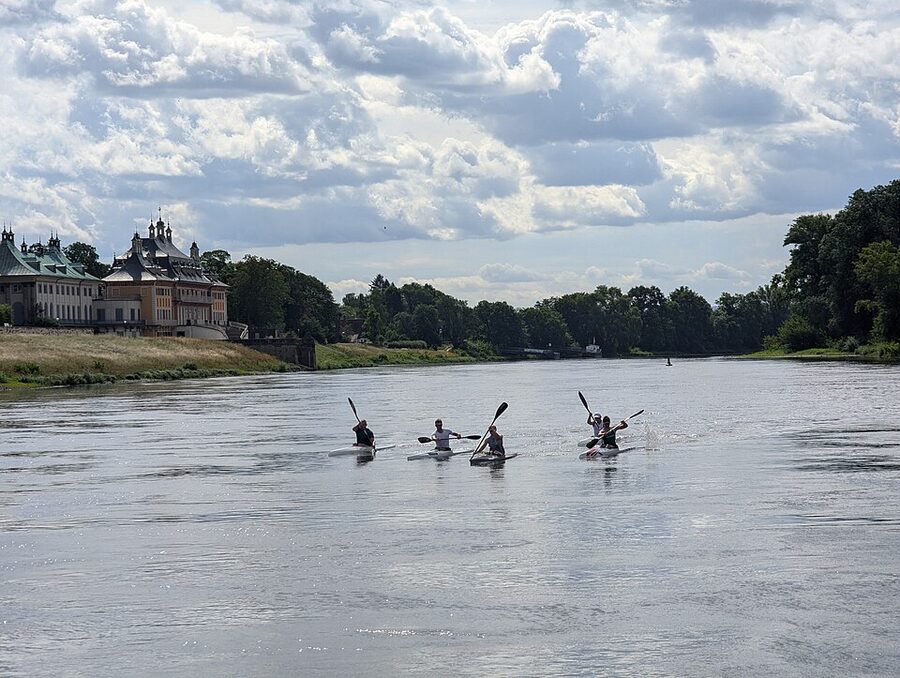
If you only have time for one Elbe cruise, take the Pillnitz one. Here’s why most people don’t, and why they regret it.
The booking sites push the 90-minute city loop because it fits a half-day slot and prices low. People click. But the city loop never crosses the Blue Wonder. You don’t get to the open valley. You don’t see the palace.
The Pillnitz cruise solves all three. Three hours round-trip, the boat docks at the palace pier, you have time to walk the gardens or grab a coffee at the riverside terrace before the return run. The cruise also crosses the city’s prettier upstream stretch, so you still get the Frauenkirche and the Three Palaces on the way out.
One catch. The cruise runs roughly April to October. Outside that window the operator runs winter cruises but Pillnitz isn’t always a stop. Check the date carefully on the booking page. If you visit in November or December, the city loop is your only realistic option.
The Mistake to Avoid: Booking the Wrong Length
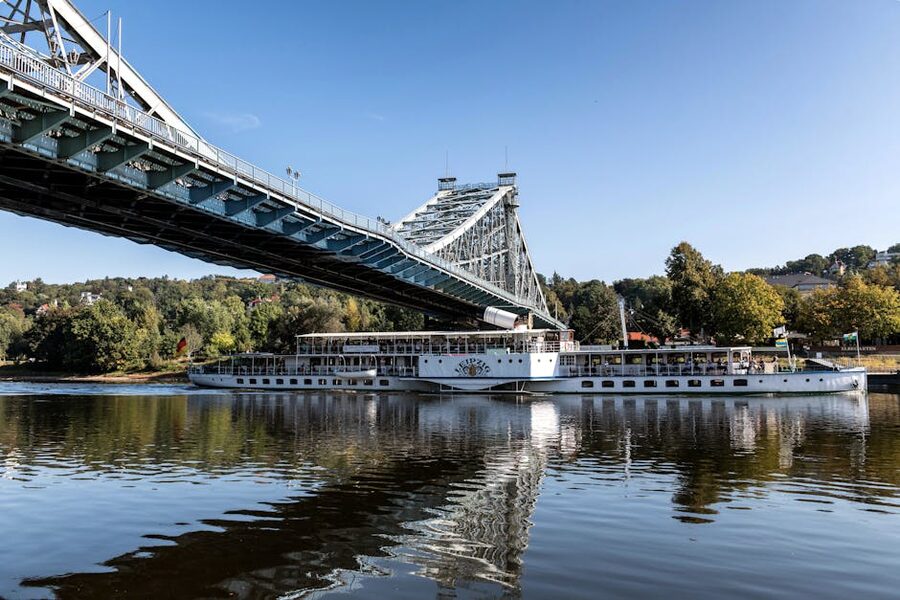
The single biggest booking error on the Elbe in Dresden is buying a 90-minute ticket when you wanted a three-hour one. The city loop is fine for what it is. But it doesn’t show you the Elbe Valley, and the valley is what makes this river worth cruising.
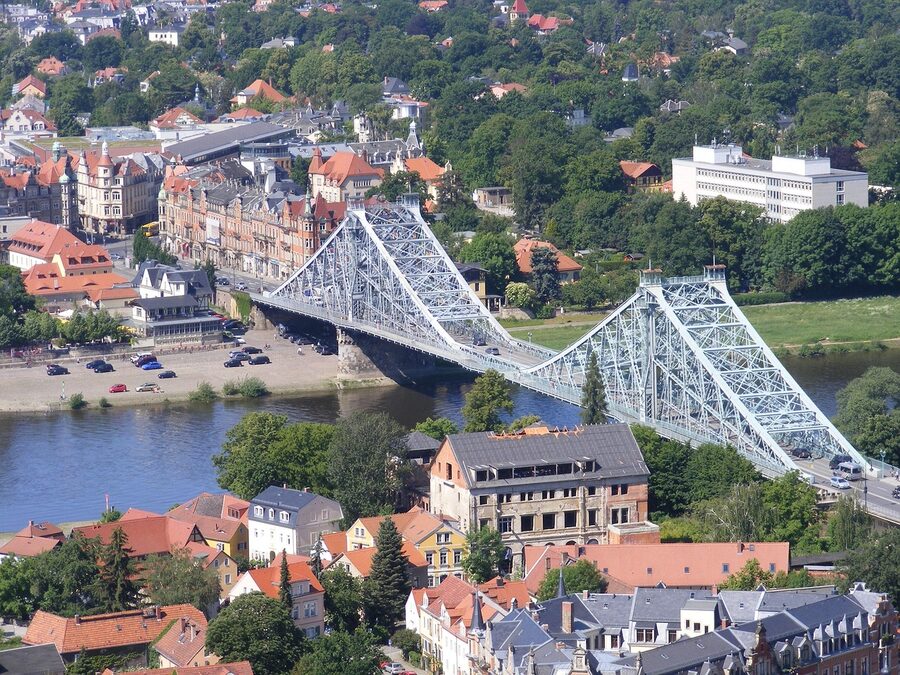
My quick rule. If the cruise turns around before the Blue Wonder bridge at Loschwitz, it’s the city loop. If it sails under the Blue Wonder and keeps going, it’s an upstream cruise and you’re getting your money’s worth.
The other mistake is overshooting. The full-day Königstein paddle steamer cruise is gorgeous but it’s eight hours on a boat. Lovely if that’s your thing. Brutal if you’ve also planned a Frauenkirche dome climb the same day. Pace yourself.
Paddle Steamer or Modern Boat?
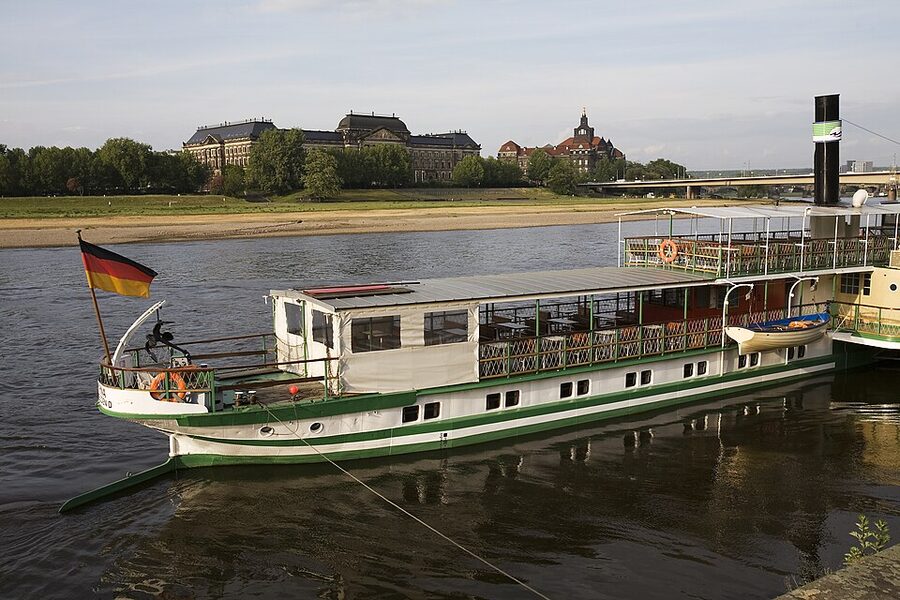
Almost every Dresden cruise option exists in two versions: paddle steamer or modern motor boat. Booking pages don’t always tell you which one you’re getting. Here’s the rule.
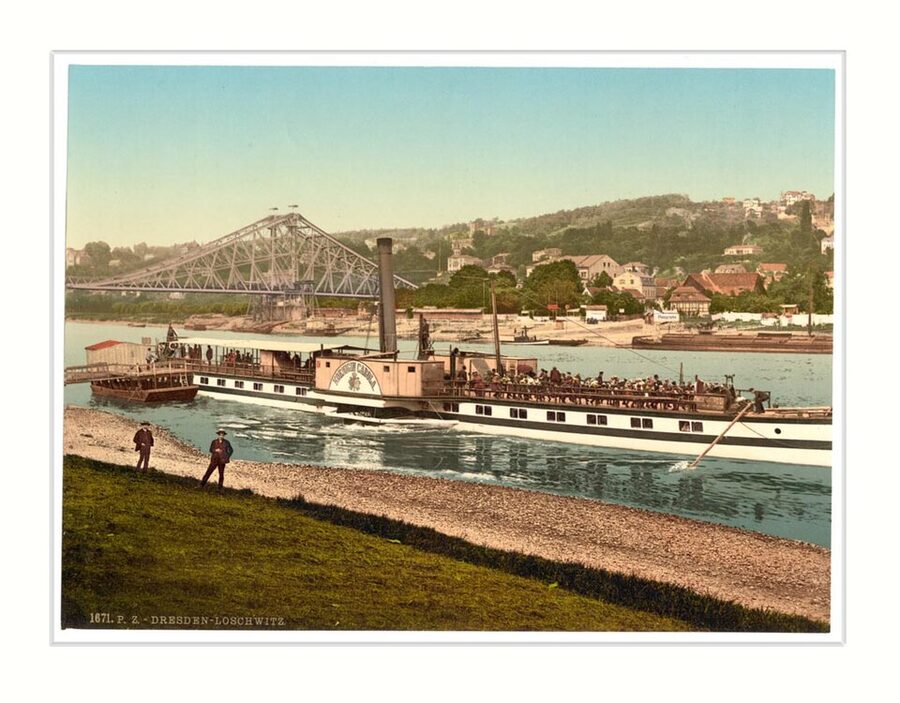
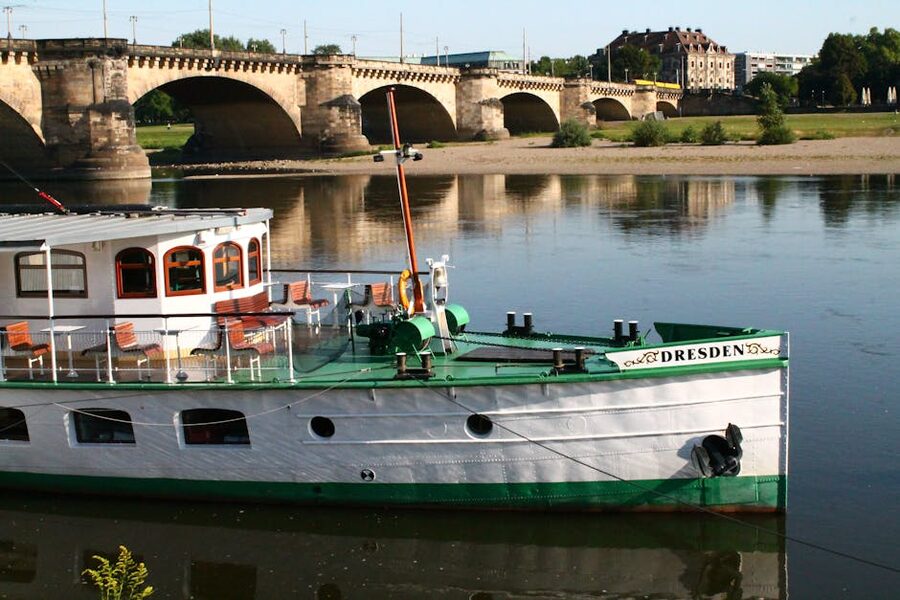
Paddle steamers are the historic ones with the visible side wheels. Coal-fired engines, polished brass, a small open deck at the back where you can stand right next to the wheel and watch it slap the water. They’re slower. They’re loud in a charming way. Half the experience is the boat itself.
Motor saloon boats are the modern ones. Fully glazed cabins, more comfortable seats, faster, quieter, slightly cheaper. Better in bad weather. Better for the day trip to Meissen if you don’t want to spend eight hours on hard wooden benches.
For the Pillnitz round-trip I’d splurge on the paddle steamer if you can. Three hours on a 19th-century steamboat, with the wheel turning beside you, is the moment most people remember from Dresden.
What You’ll See, in Order
If you take the upstream Pillnitz cruise, here’s the rough order of what you’ll see in the first hour out from the Terrassenufer pier.
- Brühl Terrace on the left. The 18th-century viewpoint that overlooks the river from the old town. You’ll cruise directly below it.
- Frauenkirche dome rising behind the terrace. Best photo angle in Dresden, in my opinion. Better than from the bridge above. We have a separate guide on visiting the Frauenkirche if you want to climb the dome before or after the cruise.
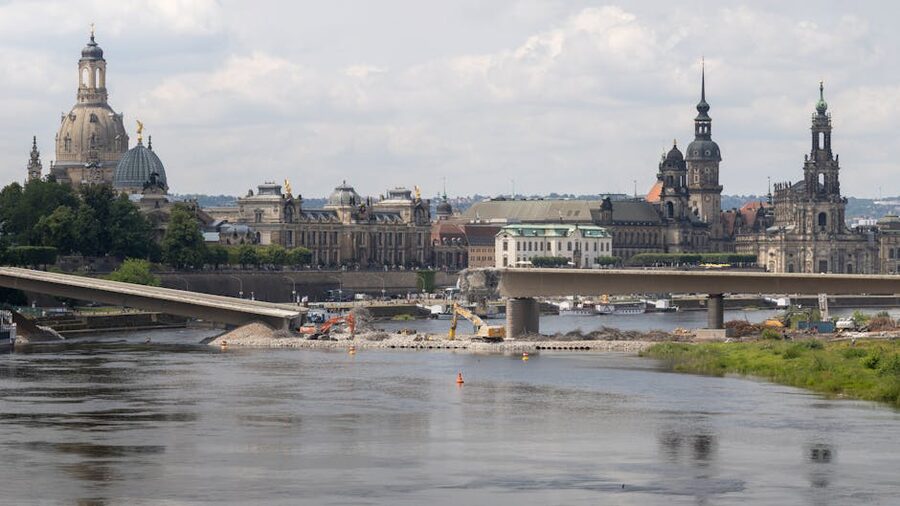
- The Carola Bridge, partially rebuilt after the 2024 collapse. The boats slip through the navigable span on the south side.
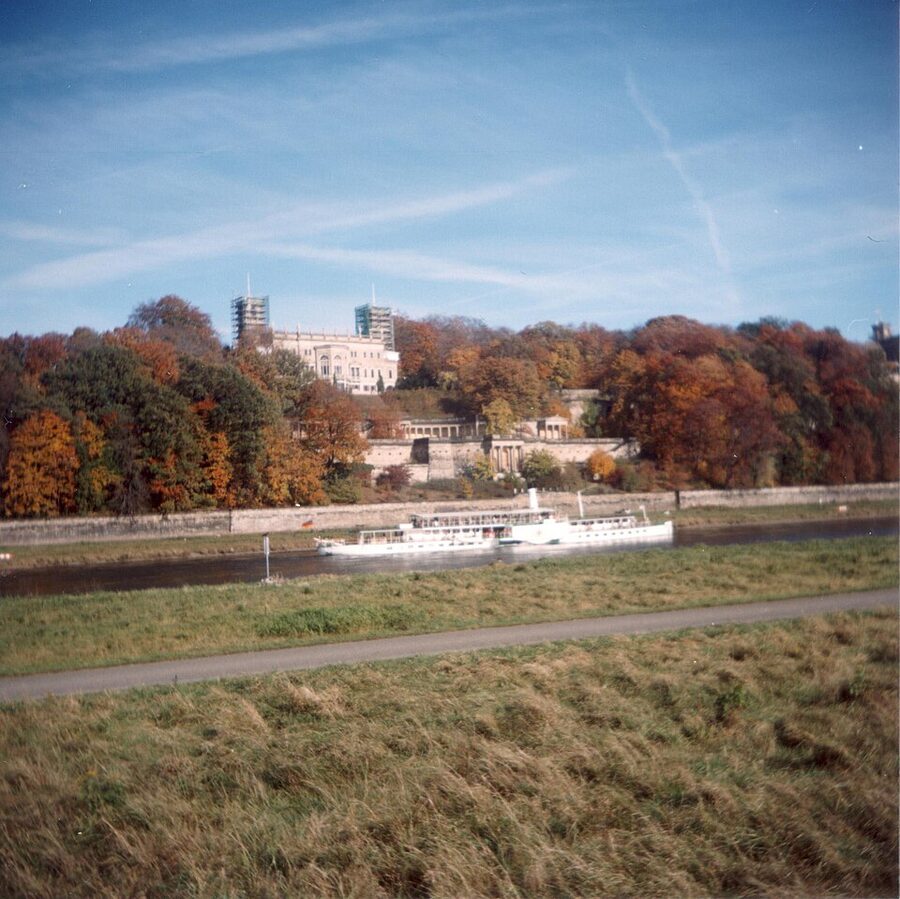
- Three Elbe Palaces (Albrechtsberg, Lingner, Eckberg) in a row on the right. Ostentatious 19th-century industrialist mansions, all visible from the river only.
- The Blue Wonder bridge, a 1893 cantilever steel bridge. The boat sails under it and you’ll feel the temperature drop in the shadow.
- From here on it’s vineyards on the right and a wooded bluff on the left. About 45 minutes more to Pillnitz.
Practical Booking Tips
When to book. Summer weekends and the run-up to Christmas markets sell out. Otherwise you can usually walk up to the Terrassenufer ticket window 30 minutes before departure. I still book online a day ahead so I can pick the upper deck.
What to bring. A jacket even in July. The river runs five degrees cooler than the city in the afternoon. Sunglasses for the upstream stretch where the sun bounces off the water. Cash is fine on board for snacks but cards work too.
Departure point. Terrassenufer pier 1, in the old town below Brühl Terrace. Trams 4, 8, 9 stop at Synagoge two minutes away. There’s no tour group transfer. You make your own way there.
Audio guide. German and English on every cruise I’ve taken. They’re surprisingly good, with proper history and a few jokes that mostly land. Bring earbuds if your phone is your audio player; the on-deck speakers can be drowned out by chatter.
Combine wisely. The Pillnitz cruise pairs well with a relaxed dinner in the old town. The Meissen day trip is the whole day. If you’re tight on time and want to combine multiple Dresden experiences, our Semperoper guide and night watchman walking tour are both bookable for the same evening.
Saxon Switzerland and the Königstein Cruise
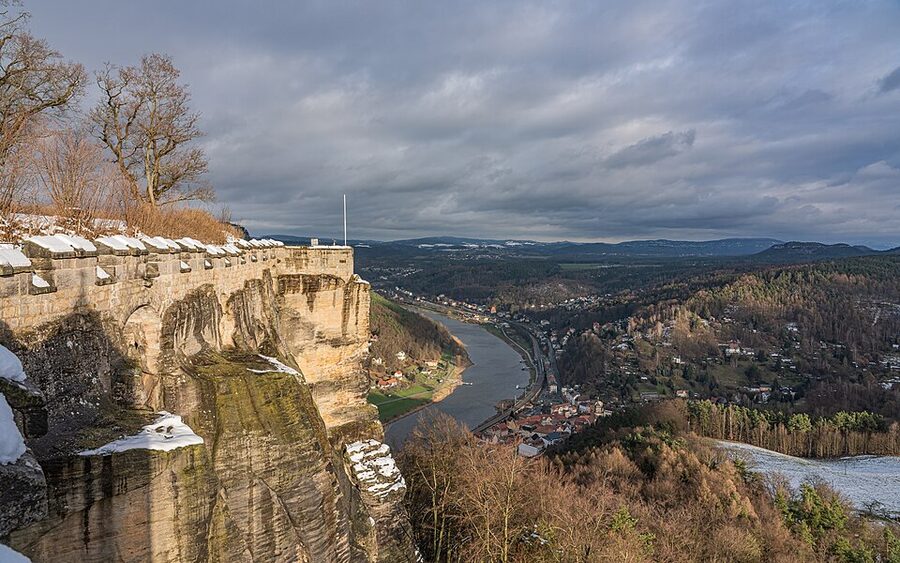
If you’re staying more than two days in Dresden, the Königstein paddle steamer cruise is worth a serious look. It’s the long version of the Pillnitz cruise: instead of turning around at the palace, the boat keeps going upstream into Saxon Switzerland, the sandstone gorge that gives the Bastei Bridge its fame.
The cruise itself is six to eight hours depending on direction. Most people take the boat one way and the regional train back, which is fast and cheap and gives you a chance to see the cliffs from a different angle. The fortress visit at Königstein is a separate ticket that you buy on arrival, and the climb up takes about 20 minutes from the riverside.
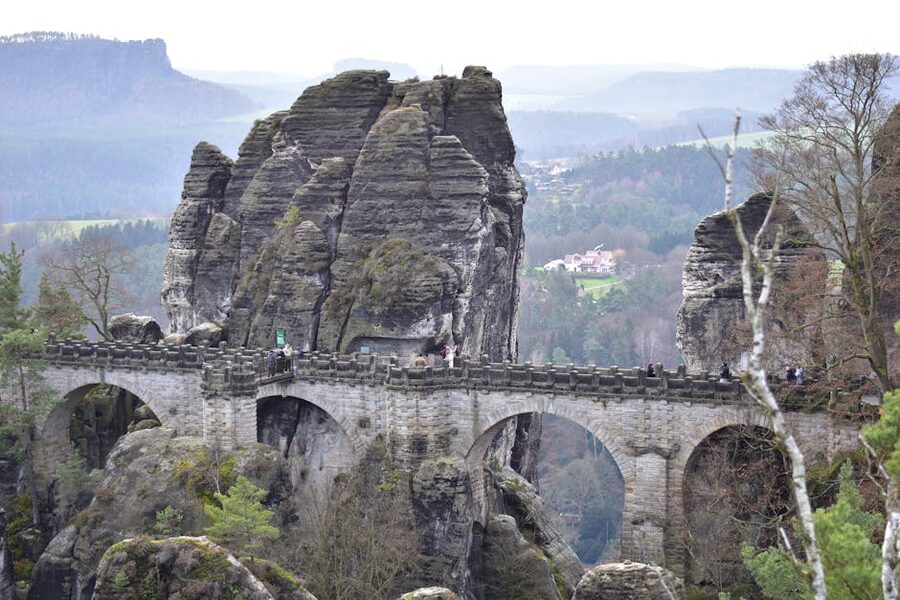
I’d only book Königstein on a second visit to Dresden, or on a long itinerary where you have a day to lose. For a first trip, Pillnitz is the better balance.
Meissen and the Saxon Wine Route
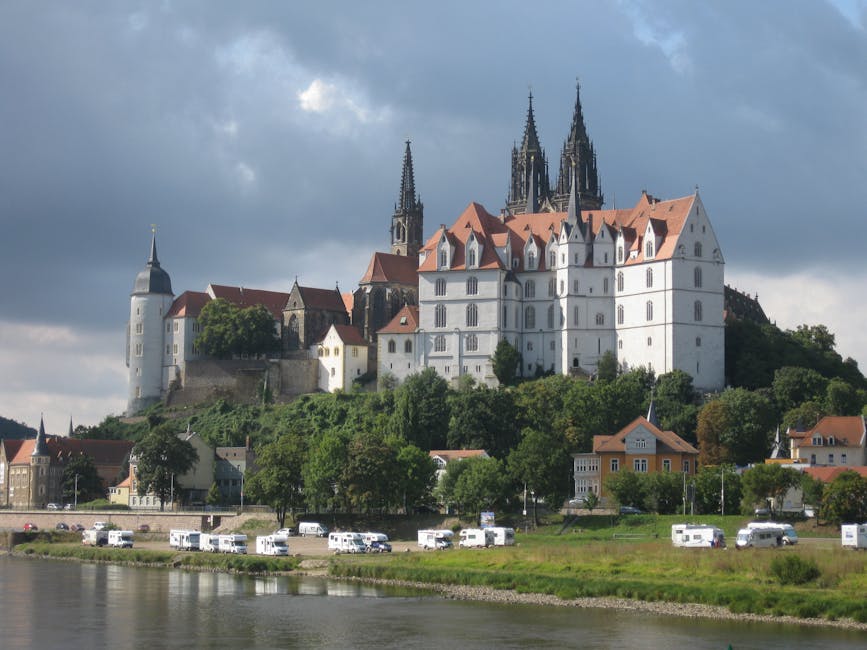
Going downstream is a different kind of trip. Slower, gentler, the river widens and the banks get lower. You pass through Radebeul (Karl May’s hometown, if that means anything to you), then through low vineyard slopes that feel more Italian than German.
Meissen itself is the prize. The town invented European porcelain in 1710. The Albrechtsburg, built in the 1470s, towers over the Elbe and the cathedral squares behind it. Most cruise passengers walk straight to the porcelain manufactory or the castle, both about 15 minutes uphill from the dock.
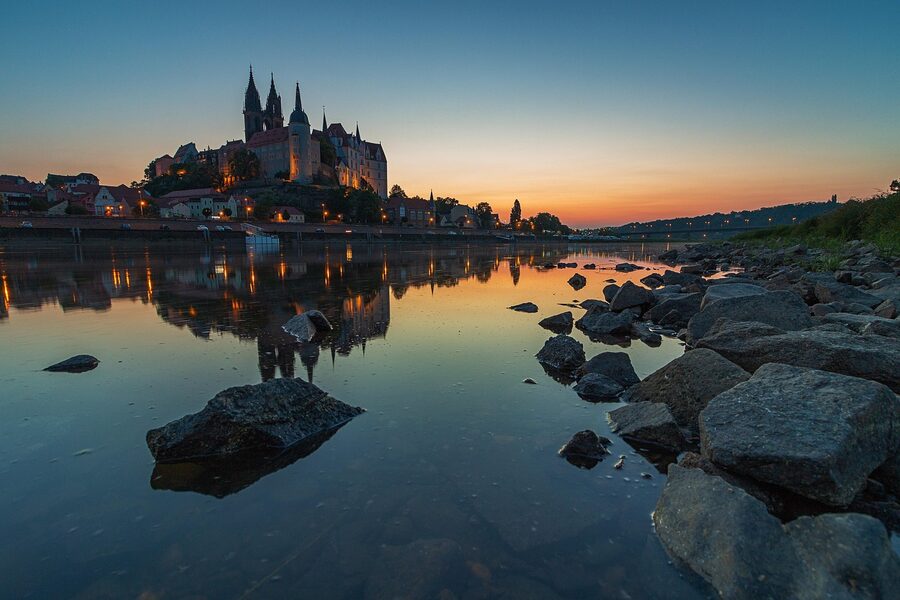
The cruise back to Dresden takes about two and a half hours with the current. If you’d rather train back and have more time in town, the regional train takes 35 minutes and runs every half-hour. Most people I know who’ve done both say the cruise out, train back combination wins.
The Quiet Cruises Most Visitors Skip

Two underrated options if you’ve already done the basics:
Sunset paddle steamer cruise. 90 minutes, departs late afternoon, you watch the sun drop behind the old town from mid-river. The light on the Frauenkirche dome is unreal in summer. Our sunset cruise review covers what’s served on board and which seats face the sunset.
Wine tasting cruise. Two hours, four glasses of Saxon wine, simple snacks. Saxon wine is a niche but it has its champions, mostly Müller-Thurgau, Riesling, and Pinot Blanc grown on the steep slopes between Dresden and Meissen. Our wine cruise review goes into how the tasting is structured. Take this if you’ve already cruised once and want a different angle.
Skip the dinner cruise unless you specifically want a sit-down meal on water. The food is fine but you’ll see less of the river because half the cruise is after dark.
How the Pillnitz Cruise Compares to a Spree Boat in Berlin
If you’re touring Germany and trying to pick which river cruise to book where, the short version is this. A Spree cruise in Berlin is an urban boat tour, all governance buildings and embassies and modern architecture. A Hamburg harbor cruise is a proper port tour, container ships and dockyards. Both are great, but they’re city experiences.
The Dresden Elbe cruise is the only one of the three where the boat actually leaves the city behind. You start in Dresden’s old town and end in vineyards or below a fairy tale palace. That’s the difference. If you do all three on a Germany trip, do them in that order. Berlin first, Hamburg second, Dresden last. The Dresden one will linger.
Dresden Beyond the Boat
If the cruise is the highlight of your Dresden day, the rest of the city deserves a careful plan. The pier is in the old town, so you’re already five minutes from the Frauenkirche, ten from the Zwinger, and twelve from the Semperoper. The night watchman walking tour starts in the same square as the Frauenkirche and runs after the boats stop. That’s a near-perfect Dresden day: morning Pillnitz cruise, afternoon Zwinger, evening watchman tour, late dinner near the cathedral.
If you have a second day, swap the Königstein cruise in or take the train to Meissen and visit the porcelain factory at your own pace. If you’re combining Dresden with other German cities, the Cologne and Heidelberg river cruises are the closest in feel, both shorter and more touristy than the Elbe. Hamburg’s harbor and Berlin’s Spree are different beasts entirely. Our guides on Dresden’s Semperoper, the night watchman tour, and the Frauenkirche cover what to pair with the cruise.