
Two boats leave Landungsbrücken at the same hour. One is a tall, white double-decker that loops the container terminals and stays on the open Elbe. The other is a low-slung launch, a Barkasse, that ducks under bridges and threads the Speicherstadt canals where a regular tourist cannot stand upright. They are both sold as a “Hamburg harbor cruise.” They are not even close to the same trip.
This is how to pick the one you actually want, and how to book it without paying tourist tax. I have done a few of these now and the difference between a great hour on the water and a forgettable one is which boat you walk onto.
- In a Hurry?
- The Single Decision That Matters: Big Boat or Barkasse
- Where to Board, and the Ticket Mistake to Avoid
- The Tours I Would Actually Book
- 1. 1.5-Hour Harbor and Speicherstadt Day Cruise:
- 2. 90-Minute Evening Lights Harbor Cruise:
- 3. 1-Hour Harbor Sightseeing Cruise with HafenCity:
- The Speicherstadt Question: Is the Canal Detour Worth It?
- What You See on the Open-Elbe Section
- The Elbphilharmonie From the Water
- Tides, Weather, and What to Wear
- Evening Lights Versus Daytime: Which One First?
- Combining With a HOHO Bus or a Walking Tour
- Which Operator, Practically Speaking
- Booking Logistics, in Plain Order
- What to Pair It With
In a Hurry?
- 1.5-Hour Harbor and Speicherstadt Day Cruise $40. The one I would book first. Goes into the canals, not just past them.
- 90-Minute Evening Lights Cruise $27. Same operator family, different mood. The port after dark is a different city.
- 1-Hour Harbor Sightseeing with HafenCity $30. Tightest if you are short on time and want the modern waterfront, not the warehouse canals.
The Single Decision That Matters: Big Boat or Barkasse
Hamburg has roughly four kinds of harbor trips, and they are not interchangeable. The first is the tall, glassed-in tour ship. These are comfortable. They have toilets, a snack bar, and a captain who comments over a microphone. They cannot enter the Speicherstadt canals, because the canals are bridged at a height that only a low-decked boat can clear, and only at certain tides.
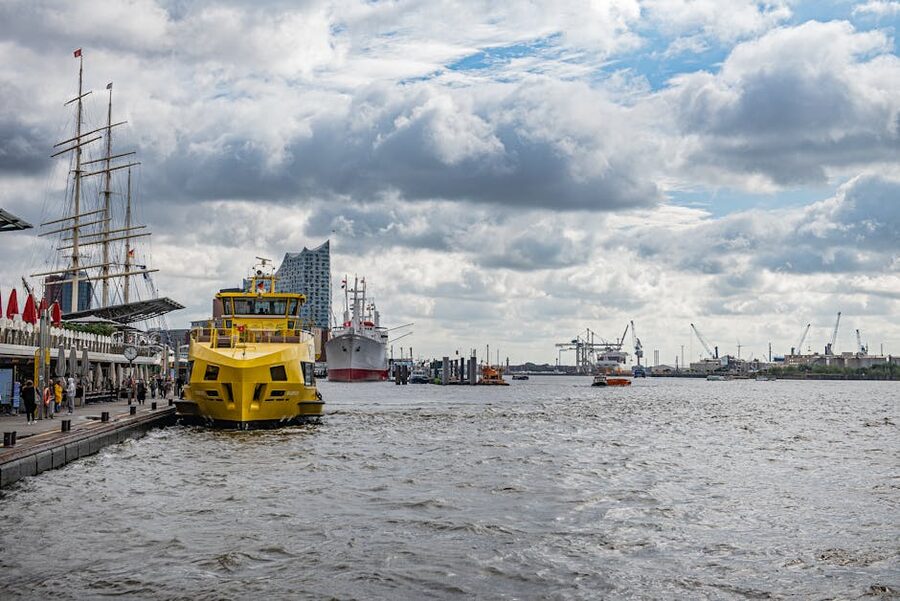
The second kind is the Barkasse, the low-slung wooden-and-steel launch you have seen in postcards. These are smaller, more weather-exposed, and the captain often runs the commentary themselves. They are the only boats that can swing off the Elbe, slide under the brick warehouse arcades, and let you see the Speicherstadt at canal level. If you have come to Hamburg to see the Speicherstadt from the water, you want a Barkasse. Full stop.
The third category is the Lichterfahrt, the evening lights cruise, which usually runs after dark from late afternoon onward. These exist on both boat formats. The fourth is themed cruises: brunch, jazz, cheese-and-wine, drag-queen kiez crossover. Fun, but not the trip you book first.
If this is your only harbor trip, take a 1.5-hour Speicherstadt-included Barkasse. Everything else is the alternate version of that decision.
Where to Board, and the Ticket Mistake to Avoid
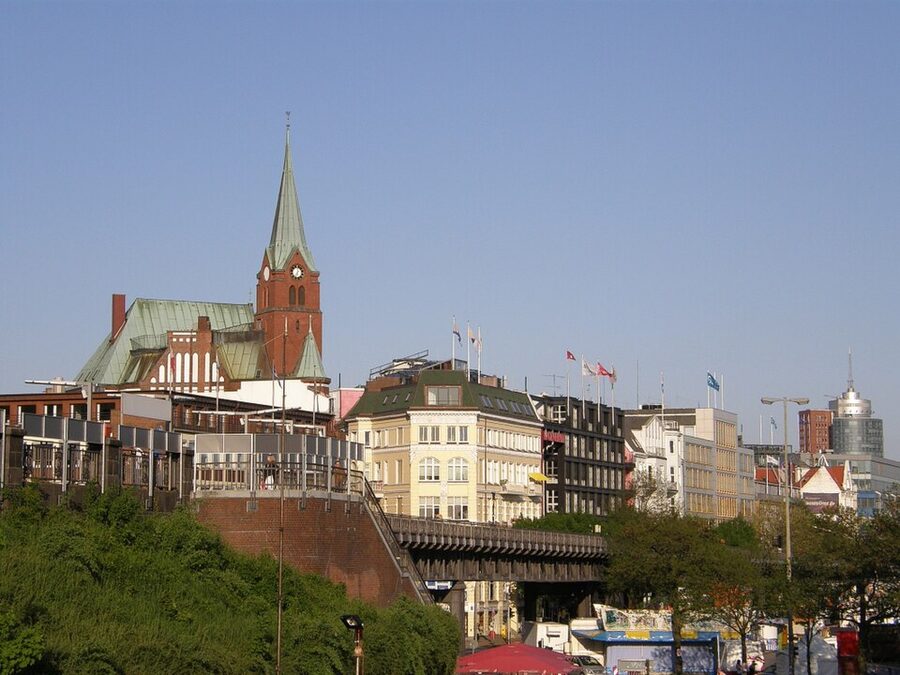
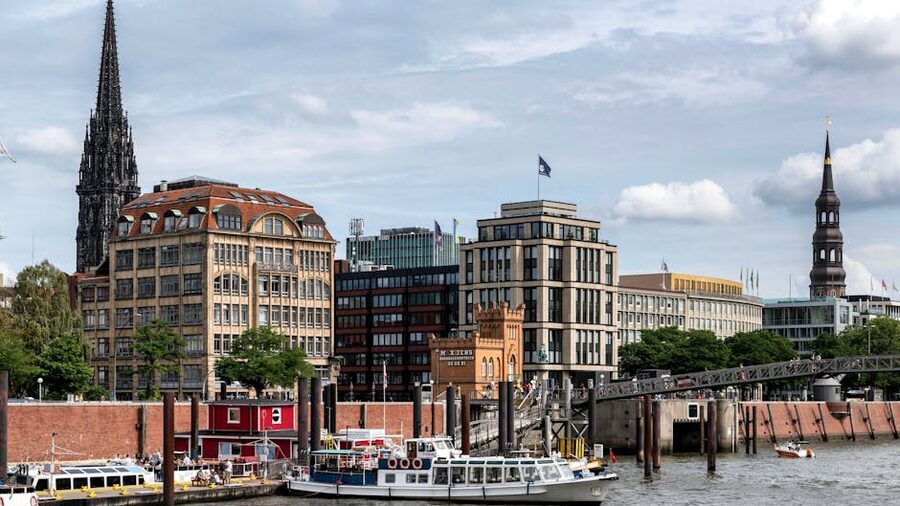
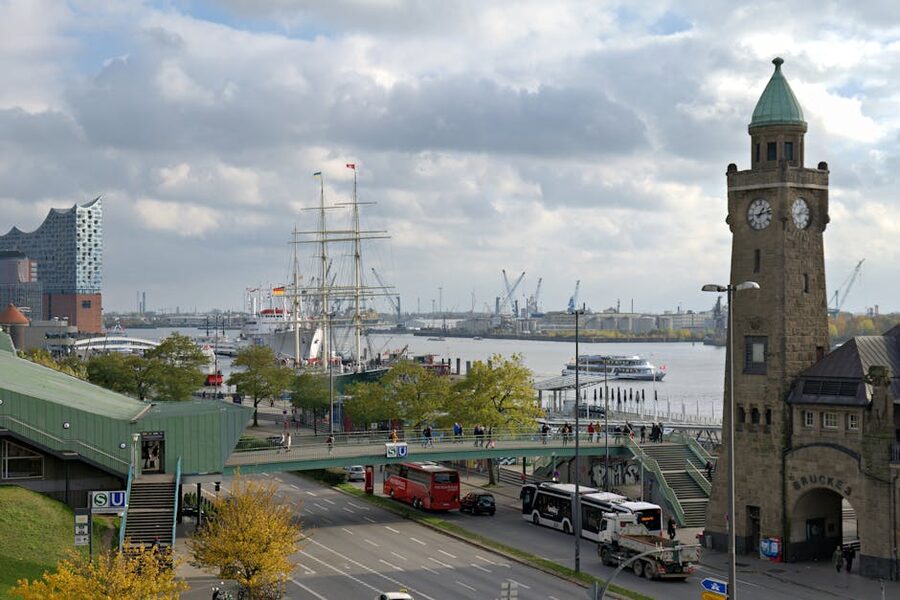
Almost every harbor cruise in Hamburg leaves from Landungsbrücken, the long pier wall on the St Pauli side of the Elbe. The U-Bahn and S-Bahn station are both called Landungsbrücken and dump you out within thirty seconds of the boats. You cannot really get this wrong on the public transport side.
The mistake people make is buying from the touts at the pier. Hamburg is one of those cities where you walk down to the water and three different operators are shouting times at you. The prices are not always the same, the boats are not always the same quality, and the English commentary you were promised sometimes turns out to be German with a printed translation card. I would book online before you get there. You pay the same money and you know what you are walking onto.
The other reason to book online: many of the best Barkasse trips through the Speicherstadt are the smallest boats. They sell out, especially Friday evening and the whole of Saturday. Walking up at noon on a sunny weekend and expecting a seat is optimistic.
The Tours I Would Actually Book
I have ridden a few of these. The three below are the ones I would put a friend on, in order. The data behind these picks is real: between them they have over 25,000 reviews on GetYourGuide alone, which tells you which boats the city is actually pushing through every day.
1. 1.5-Hour Harbor and Speicherstadt Day Cruise: $40
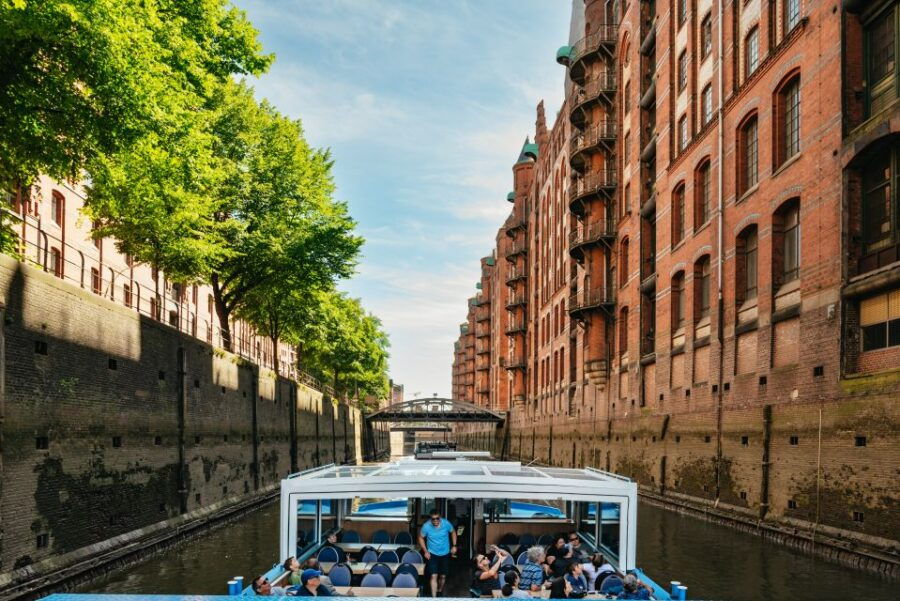
This is the default first-cruise pick. It runs the full grand loop of the working port, then peels off into the Speicherstadt canals, water levels permitting, which is the part most one-hour cruises skip. The captain doubles as the guide and the commentary is genuinely funny rather than corporate. Our full review goes deeper on what the 90 minutes actually covers and how to handle the German-only commentary.
2. 90-Minute Evening Lights Harbor Cruise: $27
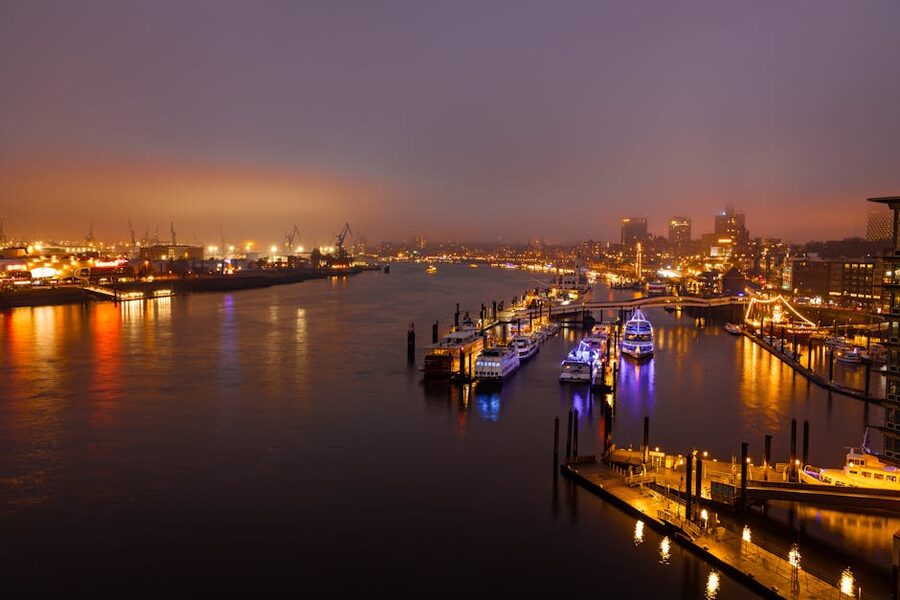
The price is the giveaway. At $27 this is the cheapest serious 90-minute cruise on Landungsbrücken and one of the most popular. You trade some daytime detail for the lights, and the boat is usually the bigger glassed-in style rather than a Barkasse. I would book this after you have done a daytime canal trip, not instead of one. My full take on the evening lights cruise covers what the harbor actually looks like in winter darkness versus a summer twilight.
3. 1-Hour Harbor Sightseeing Cruise with HafenCity: $30
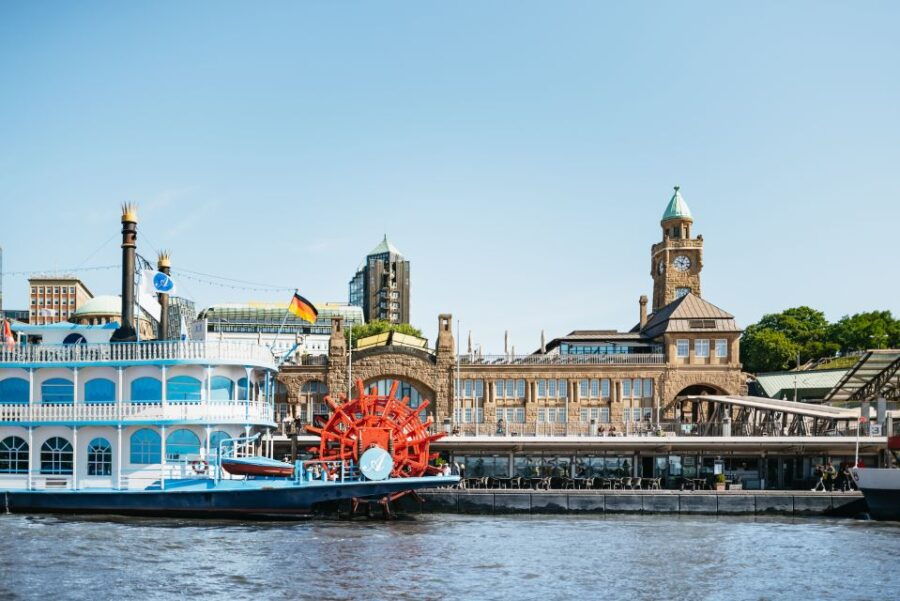
This is the cruise to book if you have a tight day or you have already done the long version and just want a different angle. It leans more on HafenCity, the modern waterfront with the Elbphilharmonie, and skips most of the historic canal weaving. Run by RAINER ABICHT, the largest and most established operator on the Elbe. Our review breaks down the German commentary plus optional audio guide and what you actually see in 60 minutes.
The Speicherstadt Question: Is the Canal Detour Worth It?
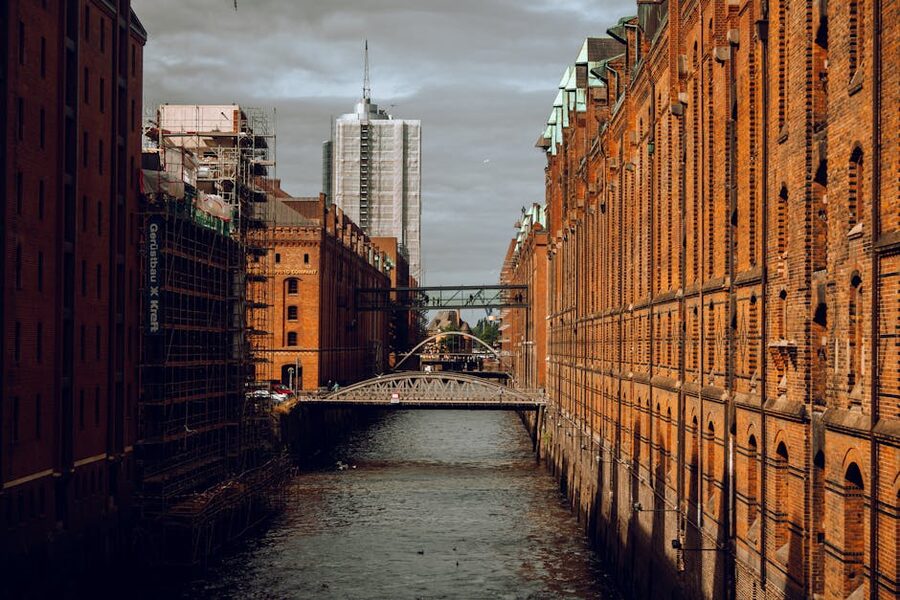
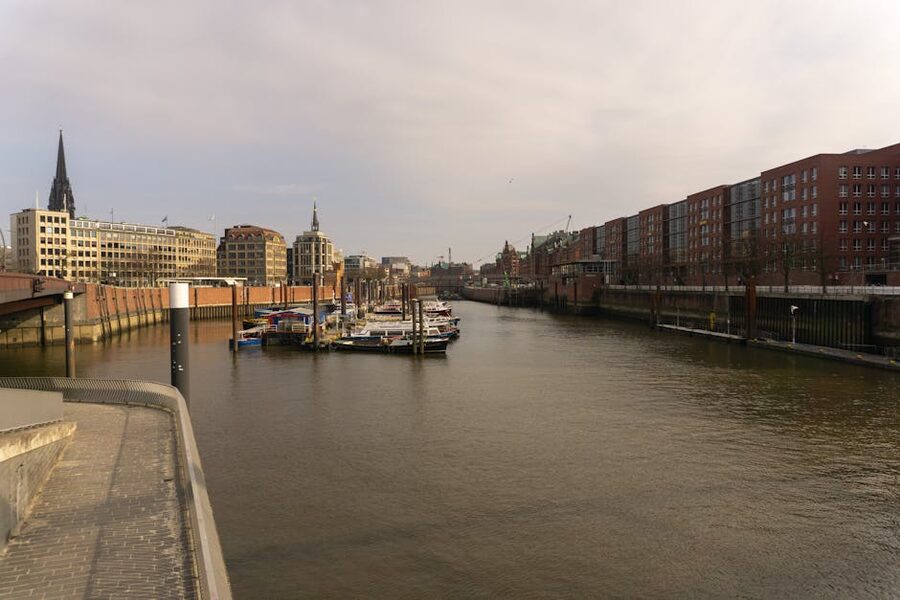
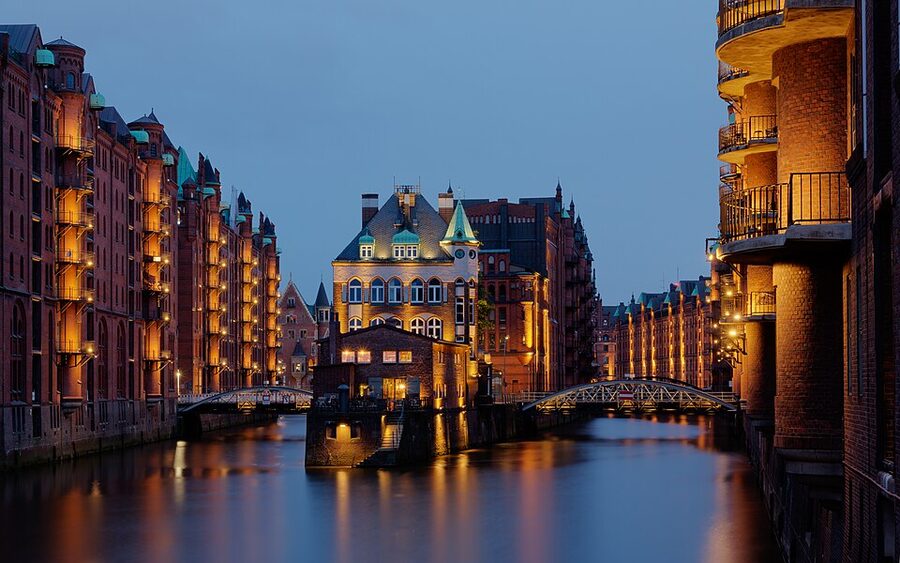
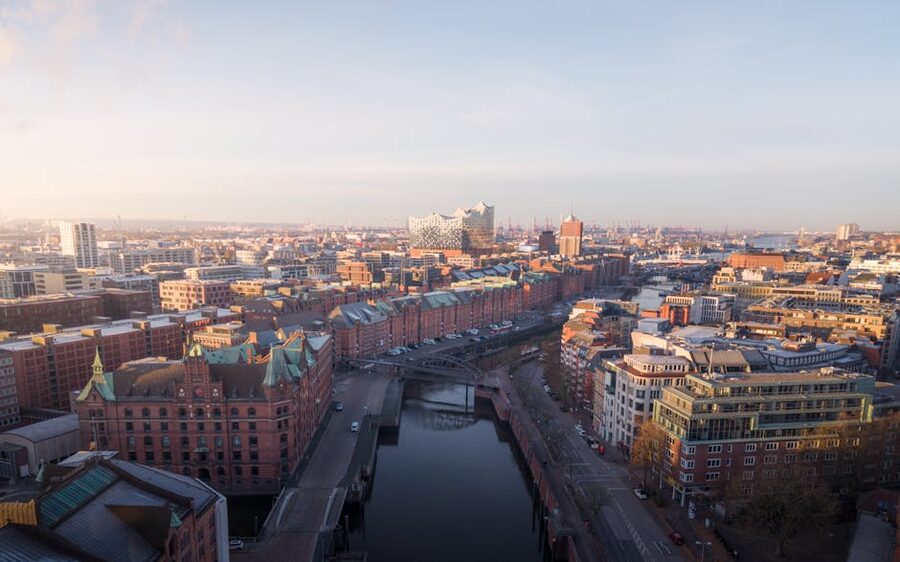
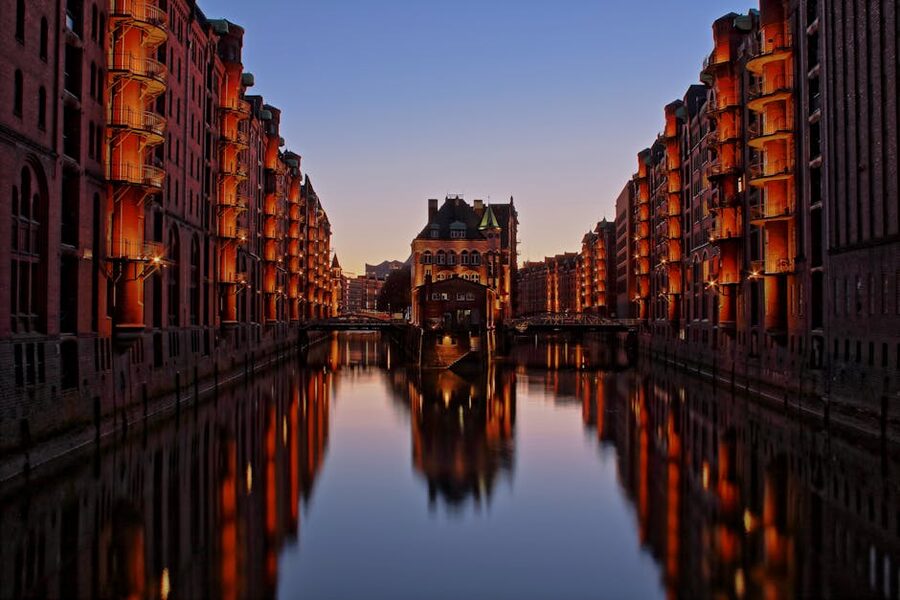
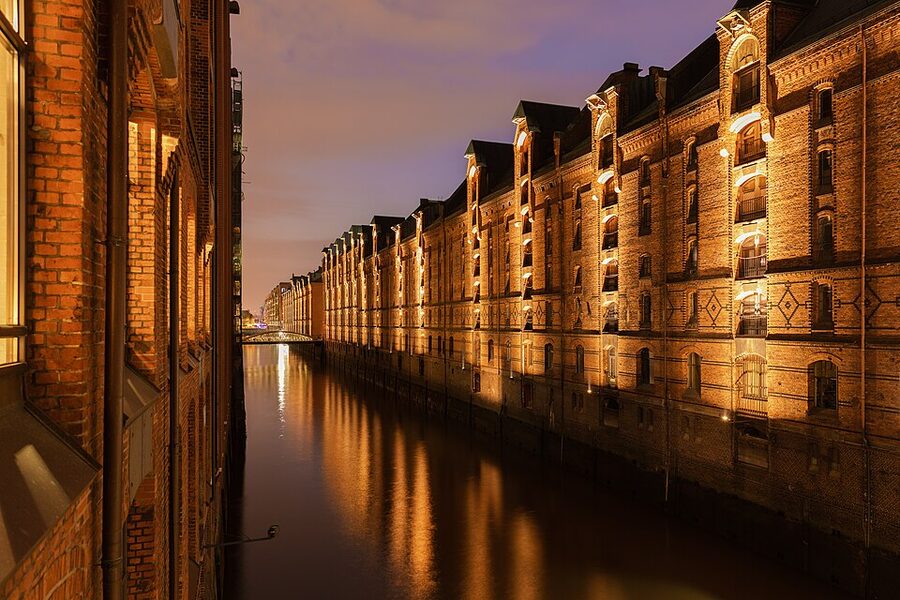
The Speicherstadt is the late-19th-century warehouse district built on oak piles in the water. The whole thing is a UNESCO site. It is impressive from the bridges above, but it was built to be approached by boat, and that is how it actually reads.
From a Barkasse, you slide between brick walls maybe four metres apart on either side, with iron beams overhead and the smell of damp brick and river. You pass loading hatches that have been used continuously since the 1880s. Some of the warehouses are still working coffee, tea, and carpet stores. Others have been converted into the Miniatur Wunderland, the Spice Museum, and the Dialoghaus.
The catch: the canal pass-through depends on the tide. Hamburg is a tidal river port, the Elbe rises and falls about three metres twice a day, and at high tide the canal bridges are too low for some boats. A reputable operator will simply skip the canal portion if the water is wrong, rather than crash the route. This is one reason I prefer 1.5-hour cruises rather than the 1-hour version: there is more margin for the canal segment to actually happen.
What You See on the Open-Elbe Section
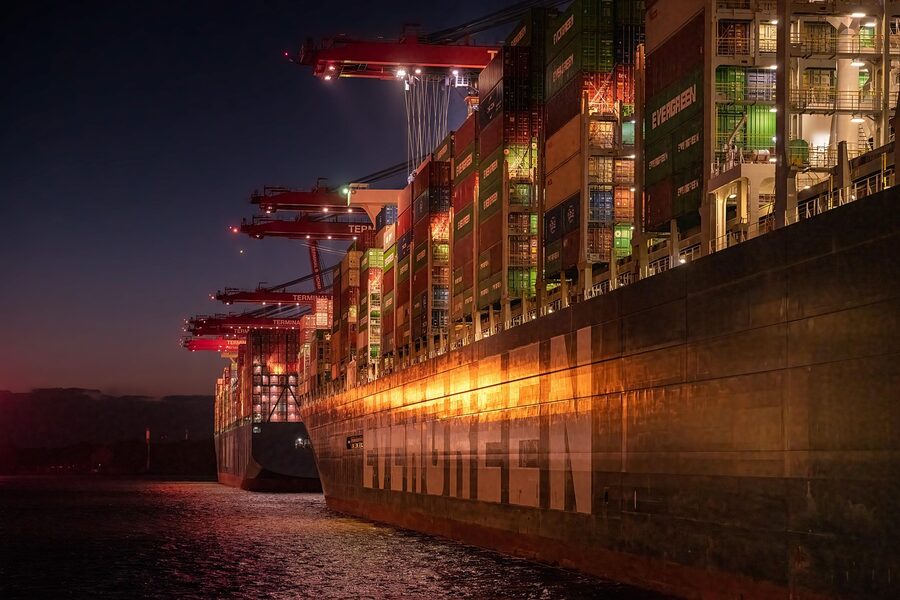
The Speicherstadt is the famous bit, but the open-Elbe section is the part most visitors underestimate. Hamburg is the third-largest port in Europe and the fourteenth-largest in the world. The scale only registers when you are next to it.
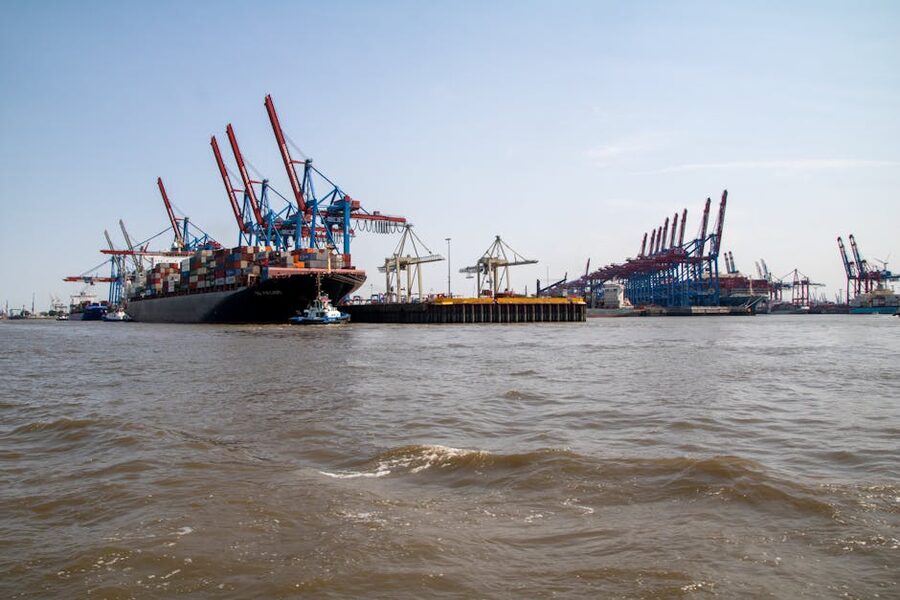
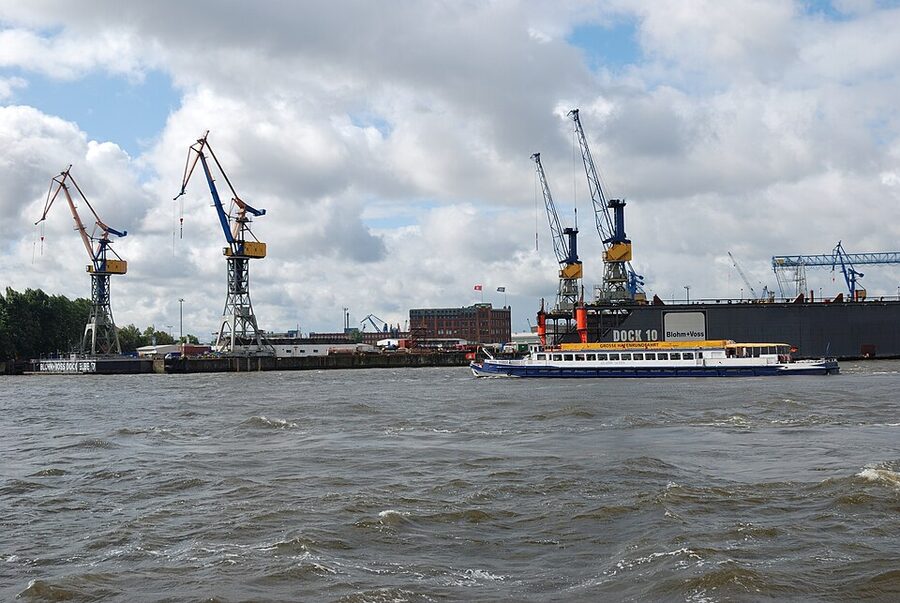
You will pass the Burchardkai container terminal, which handles the lion’s share of the box traffic. You will pass cargo from China, Brazil, the Gulf, and the Baltic, often with the crew up on deck and visible. You will pass the cruise terminal at Steinwerder when the big white ships are in, and the floating dry docks at Blohm and Voss with whatever container monster is currently being repaired.
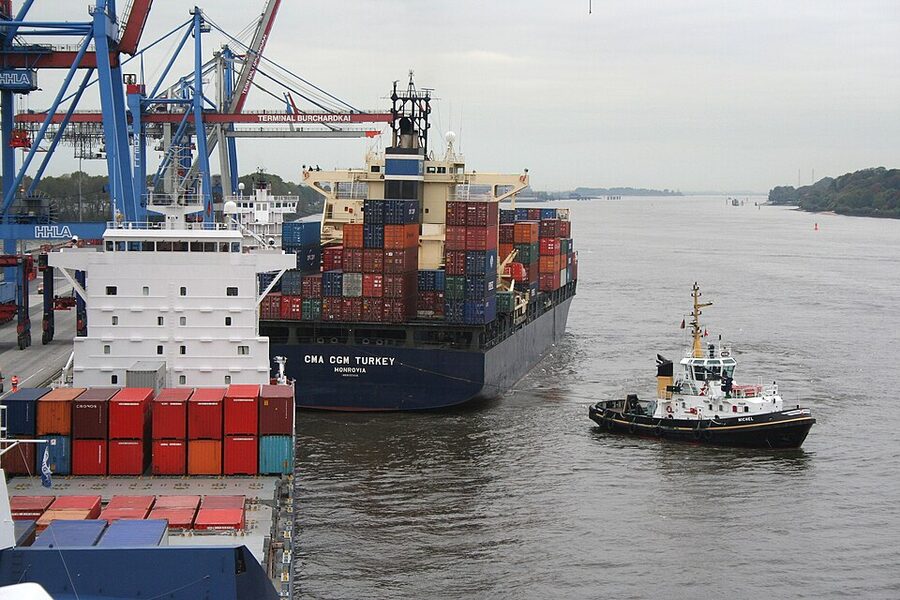
The good Barkasse captains lean into this. They will tell you which container line you are looking at, which crane operator just set a record, what cargo the bulk carrier in dry dock is normally carrying. The corporate-style big-boat tours sometimes flatten this to “and on your right you can see a ship.” Pick a smaller boat with a chatty captain if the working port interests you.
The Elbphilharmonie From the Water
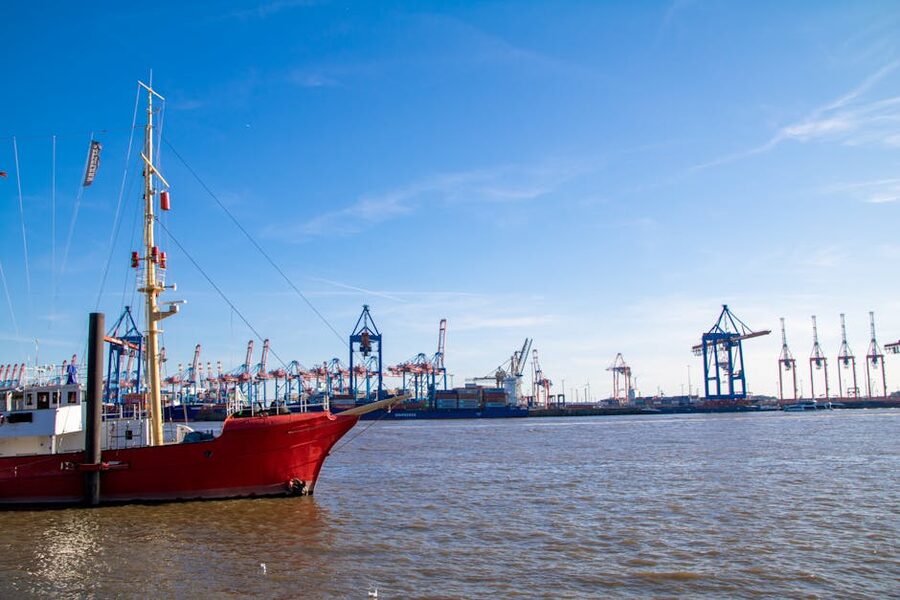
The Elbphilharmonie is the wave-roofed concert hall on the western tip of HafenCity, and it photographs better from a boat than from anywhere else on land. From the Plaza you cannot see its full silhouette. From across the river you get the building but not the position. From a Barkasse drifting fifty metres off its base you get all of it: the brick warehouse it was built on top of, the glass curve, the curl of the roof.
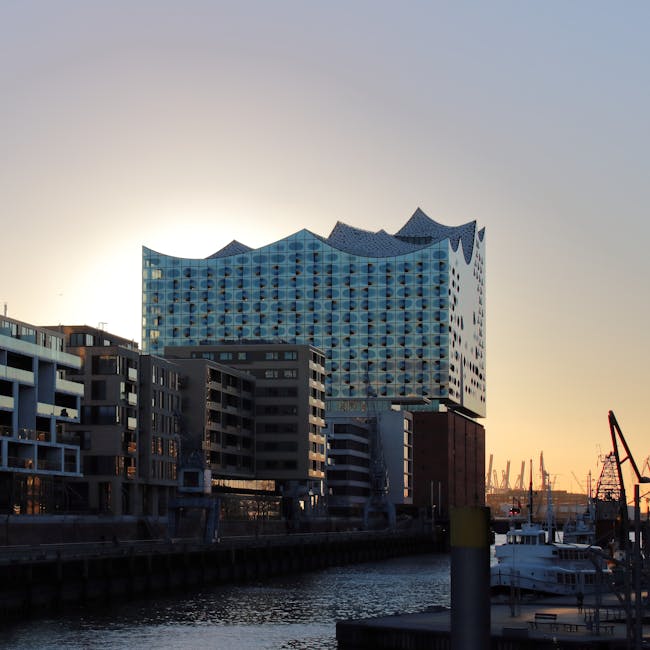
If the Elbphilharmonie is on your list anyway, my suggestion is to do the harbor cruise and a Plaza visit. The Plaza is free, you just need a Plaza ticket which is bookable in advance, and the view from up there shows you the same harbor you just rode through, but from the building’s eyeline. We have a separate piece on how to book Elbphilharmonie tickets and tours if you want to pair the two.
Tides, Weather, and What to Wear
Hamburg weather is genuine North German weather. It is rarely catastrophic, often grey, and the standard advice from locals is “you will get all four seasons in an afternoon.” This is true on the water in a way it is not on land, because the wind picks up the moment you leave the pier.
For a daytime cruise, layer. Bring a windproof outer shell even in summer. The boats with covered decks are warmer but glassed-in cabins fog up in the rain and you will spend the cruise wiping a porthole. The boats with open back-deck seating give you the better photos and the colder ride. I would always pick the second option, with a jacket.
For an evening lights cruise, the temperature drop is real and you want a proper jacket from October through April. Many evening boats serve coffee or beer onboard, which helps. They do not serve a real meal unless you have specifically booked a dinner cruise.
On rain: do not cancel. A harbor cruise in Hamburg drizzle is more authentic than a sunny one. The Elbe is a working river, not a postcard, and the weather is part of the texture. The competitor blogger I respect most on Hamburg, Tatiana at The Happy Jetlagger, ended up doing her cruise in sleet by accident and rated it her favourite Hamburg memory. She is not wrong.
Evening Lights Versus Daytime: Which One First?
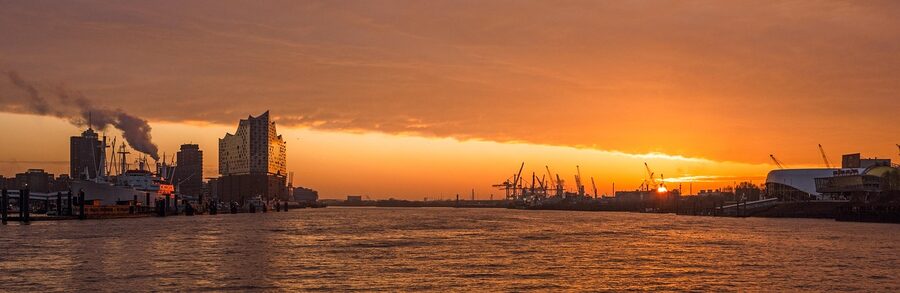
If you have time for one cruise, take it during the day, because daytime is the only time you can see the working machinery of the port and the architecture of the Speicherstadt at the same level of detail. If you have time for two, the second one should be a Lichterfahrt, ideally at the end of blue hour rather than full dark.
Blue hour, that twenty-minute window when the sky is still indigo and the city lights are already on, is when the harbor photographs best. You can match this by booking a sunset-time cruise in summer (departures around 8pm in June, around 4pm in December) rather than a “lights cruise” that leaves at 10pm. Read the departure time, not the marketing.
Combining With a HOHO Bus or a Walking Tour
If you only have a day in Hamburg, the cleanest combination is a morning Hop-On Hop-Off bus to orient yourself by land, an afternoon harbor cruise to see the same city from the water, and a Speicherstadt walking tour or independent stroll at dusk. The harbor cruise is the connective piece. It explains why the city is shaped the way it is.
The combination ticket worth knowing about is the bus-plus-cruise package, which most major HOHO operators sell as a single piece. We have a full breakdown of how to book a Hamburg Hop-On Hop-Off bus, including which line covers what and which packages bundle a harbor cruise. If you are doing both, the package usually beats buying separately.
If you want a tighter neighborhood sweep on land, the St Pauli walking tour territory begins about a hundred metres uphill from the Landungsbrücken pier. The Reeperbahn, the Beatles’ early-1960s Hamburg streets, and the modern St Pauli bar grid are all walkable from where you get off the boat. Our St Pauli guide covers when those tours actually happen and which ones still feel honest rather than over-polished.
Which Operator, Practically Speaking
You will see four or five operator names on Landungsbrücken. The two big ones to know:
RAINER ABICHT Elbreederei is the largest and oldest of the established operators. They run both the bigger glassed-in tour ships and a fleet of Barkasse-style launches. Most of the cruises I have recommended in this guide are theirs, including the 1-hour HafenCity cruise and a lot of the 1.5-hour grand tour boats. Reliable, English audio guide options on most boats, predictable schedules.
Reederei Maaß and Barkassen-Centrale run smaller, more character-heavy launches. These are the trips where the captain is also your guide, the boat seats maybe forty people, and the Speicherstadt segment is more likely to actually happen because the boats are short enough to clear the bridges at most water levels. Better experience, slightly worse English coverage.
For a first cruise, I would book one of the well-reviewed 1.5-hour Speicherstadt-included Barkasse tours regardless of operator, sort by review count, and pick the one with English commentary listed in the description. If you want the longer version, the 2-hour XXL Port of Hamburg cruise goes deeper into the western container terminals than the standard 90-minute loop. That is the closest you can get to a guarantee on Landungsbrücken.
Booking Logistics, in Plain Order
The clean booking sequence: pick a cruise length (1 hour for tight, 1.5 hours for standard, 2 hours for grand-tour-with-canals plus extras), pick a time of day (mid-afternoon for daytime, blue hour for the lights compromise, full dark for a Lichterfahrt), pick a boat type (Barkasse for canals, big tour ship for comfort).
Then book online from the operator’s GetYourGuide listing rather than at the pier. You get the same boat, the same captain, often a small online discount, and you do not have to negotiate in German with someone holding a megaphone. Bring printed or screenshot confirmation; some boats still scan a QR but the older Barkasse captains check by name.
Arrive ten minutes before departure. The boats leave on time. The pier is busy enough that working out which Brücke (gate) to find can eat five minutes by itself, and the captains do not wait.
What to Pair It With
If a harbor cruise is your single Hamburg booking, that is fine, the city does sustain a one-trip visit around it. If you have more time, the natural pairings are an Elbphilharmonie Plaza visit (free with a ticket booked in advance) and either a St Pauli neighborhood tour or a Hop-On bus loop.
For the Elbphilharmonie pairing, the rule of thumb I would give a friend: do the harbor cruise first, then the Plaza later that day or the next morning. You will appreciate the building more once you have seen what part of the harbor it sits on. My full Elbphilharmonie booking piece covers the Plaza ticket logistics, when concert tickets actually go on sale, and which guided tour is worth the upgrade. For a contrasting day on land in the same neighborhood, the St Pauli and Reeperbahn guide picks up half a kilometre uphill from where the cruise drops you off, and the Hop-On Hop-Off bus piece covers the bus-plus-cruise combination tickets that almost always beat buying two separate fares.
If you have already done a German harbor or river cruise elsewhere, Hamburg still earns its hour. A Cologne Rhine cruise shows you a cathedral and a river. A Berlin Spree boat tour shows you a capital from a working canal. Hamburg shows you Europe’s third-largest port. They are not competing for the same trip.