Nara’s free-roaming deer, Uji’s matcha-scented streets and Fushimi Inari’s long rows of red gates make an appealing trio, but reaching all three in one day is a lot of ground to cover. This 10-hour trip from Osaka trades lingering for variety, with transport connecting the stops.
I like that you get two very different kinds of history: Tōdai-ji’s enormous Buddha and Byōdō-in’s refined Phoenix Hall. I also like the breathing space in Uji, where you can stroll beside the river or choose a matcha treat rather than rushing from one shrine to the next.
The main trade-off is time. Nara Park has 45 minutes, Tōdai-ji 30, and Fushimi Inari 70, so anyone who wants a full temple visit or a long hike may feel hurried. Traffic can also delay the return to Osaka, making this a poor match for a tightly scheduled evening connection.
At a glance
- Three cities in one day: Nara, Uji and Kyoto, linked by a comfortable air-conditioned vehicle.
- Nara’s deer and Great Buddha: Time for Nara Park and Tōdai-ji, though not a long temple visit.
- Uji’s matcha and riverside: Two hours for the town’s river, Byōdō-in area and matcha shops.
- Fushimi Inari’s torii trail: About 70 minutes to see the shrine and walk part of its famous route.
- English and Chinese guides: Recent guide names include CC, Scarlett, Clytie, Hugo and Sarah, but your guide will depend on the departure.
- Temple tickets cost extra: Meals, drinks and other personal expenses are not included in the $50 price.

👉 See our pick of the 24 Best Workshops And Classes In Osaka
- At a glance
- A packed day out of Osaka
- Nara Park: deer first, then temple time
- Uji: matcha, river views and a slower stretch
- Fushimi Inari: choose your own distance
- What the price covers
- Who should book this day trip?
- FAQ
- How long is the tour?
- Which places does the tour visit?
- What languages does the guide speak?
- Are temple admission fees included?
- Are meals and drinks included?
- What is included in the tour price?
- Is the tour suitable for wheelchair users?
- Can I join if I have an animal allergy?
- How early should I arrive at the meeting point?
- Can traffic affect the return time?
- The Best Of Osaka!
- More Tours in Osaka
- More Tour Reviews in Osaka
- Not for you? Here's more nearby things to do in Osaka we have reviewed
A packed day out of Osaka
 1 / 6
 2 / 6
 3 / 6
 4 / 6
 5 / 6
 6 / 6
This tour suits you if your Japan schedule is short and you want a taste of three places without arranging separate trains, connections and local transport. You’ll get a broad sampler: Nara’s deer and Buddhist monument, Uji’s tea culture, then Kyoto’s most recognizable shrine approach.
The vehicle matters here. The stops are spread across three cities, and having transport arranged saves you the work of plotting every leg yourself. The tour includes round-trip transfers to and from the selected meeting location, plus parking, tolls, fuel and other listed fees.
Expect a structured day rather than a private outing. You’ll need to keep an eye on departure times, and your time at each attraction is limited by the group schedule. Some people find the pace efficient; others would happily trade a stop or two for more time in Nara or at Fushimi Inari.
The experience is led in English and Chinese. Several guides, including CC, Scarlett, Clytie, Hugo, Sarah and Oscar, have been singled out for clear explanations, helpful messages and an upbeat manner. The quality of the guiding can vary, however. One English-speaking participant found the explanations sparse and too brief, so if detailed commentary is your main reason for booking, understand that this is a group tour with a guide whose style may differ.
You can also read our reviews of more tours and experiences in Osaka.


Nara Park: deer first, then temple time
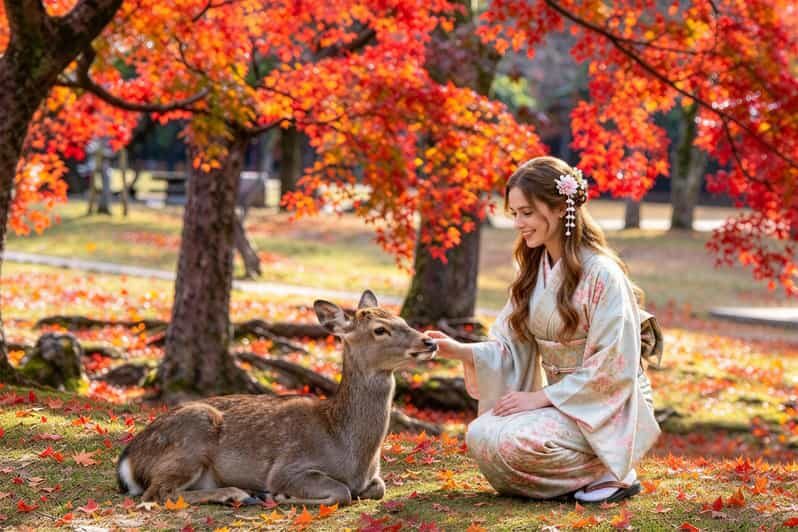
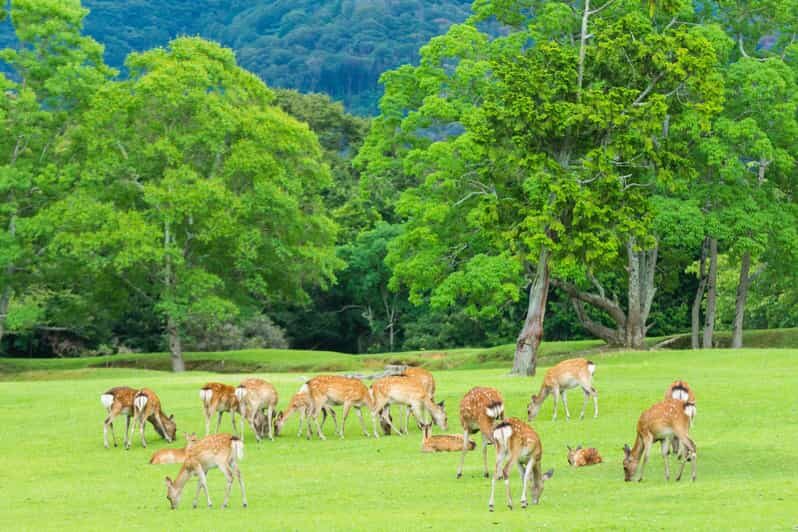
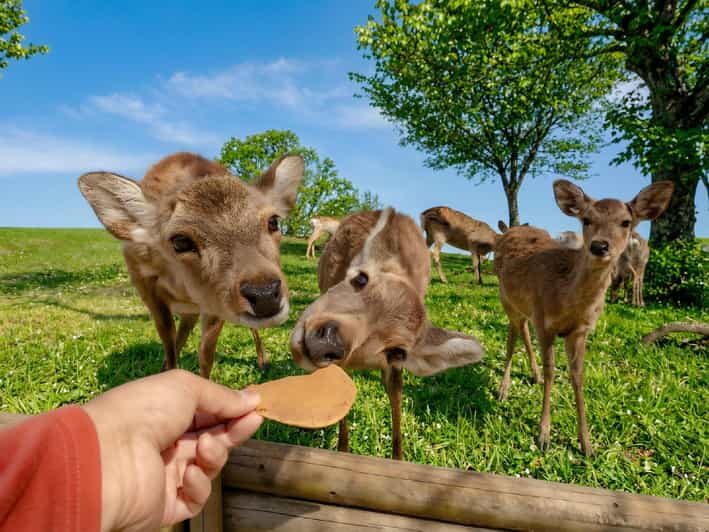
Nara Park is your introduction to the day, with about 45 minutes to walk among the deer and take in the park setting. The deer are treated as divine messengers, and their bows and curious approaches are part of the fun. You can buy a snack and feed them, but keep it controlled: one person found the deer rather enthusiastic about biscuits. Hold food securely and follow local signs and guidance.
This is a lively stop, and the deer can be more persistent than their sweet faces suggest. If you have an animal allergy, note that the tour is specifically unsuitable for people with animal allergies. The park visit is also not a quiet nature walk. It is a chance to see the deer up close, snap a few pictures and enjoy the unusual mix of wildlife and temple grounds.
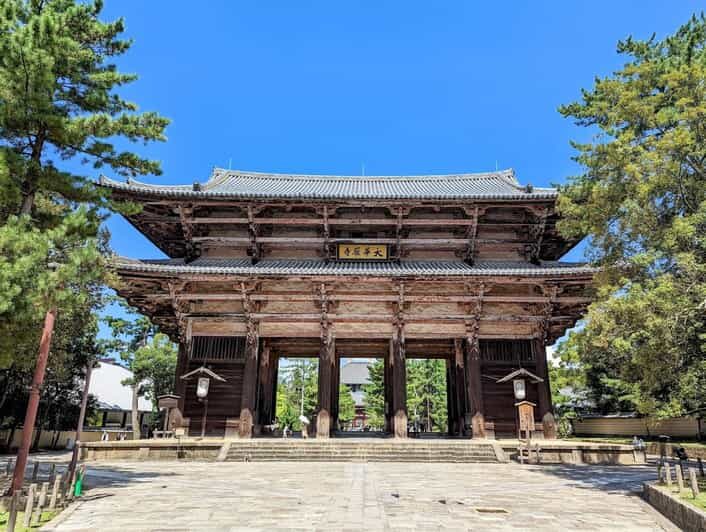
Next comes Tōdai-ji, home to a colossal bronze Vairocana Buddha inside a vast wooden hall. The building’s scale is part of the experience: even before you focus on the statue, the timber structure gives you a sense of the craftsmanship and ambition behind the temple.
The scheduled time here is 30 minutes, including the visit and sightseeing. Admission is not included, and this short window can be a real pinch point. Some participants have found it hard to see the Buddha properly within the allotted time, especially after the Nara Park stop. If Tōdai-ji is a priority, ask yourself whether a quick look will satisfy you, or whether you would rather visit Nara independently and give the temple more time.
Uji: matcha, river views and a slower stretch
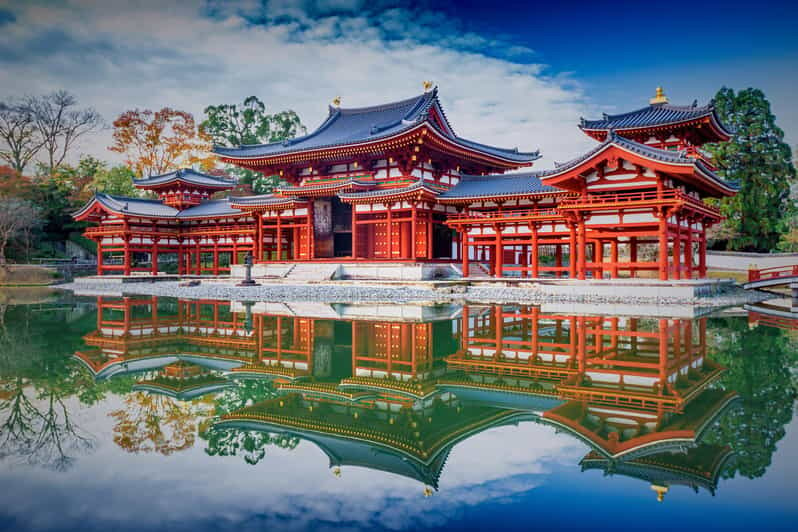
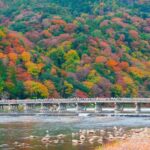
Uji gives the day a welcome change of pace. The town is known for matcha, and the two-hour stop is the longest of the itinerary. You can walk across Uji Bridge, follow the riverfront, browse the matcha-focused street and choose a café or sweet shop. If tea is part of your Japan wish list, this is the place to try a drink or dessert rather than just admire a packet in a shop window.
The river setting is a quieter counterpoint to Nara and Kyoto’s major sights. You can spend some of your free time by the water, or use it to explore the historic sites. The tour includes a visit to Byōdō-in, whose Phoenix Hall is famed for its graceful Heian-era Buddhist architecture. The temple’s calm, formal appearance offers a different mood from Tōdai-ji’s sheer size.
Byōdō-in admission is extra, so decide how to use your two hours with that cost in mind. Uji Shrine is also on the schedule, along with the Byōdō-in approach and river area. The exact balance between the sites, a meal and free time is a matter of personal choice, but two hours can go quickly if you plan to enter the temple and stop for matcha.
I would arrive in Uji with a simple plan: pick one paid temple visit, leave time for a snack and a short river walk, and avoid trying to fit every shop and side street into the stop. Most local shops may not accept credit cards, so bring some cash. Meals and drinks are not included in the tour price.
Fushimi Inari: choose your own distance
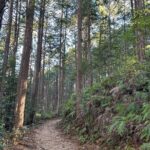
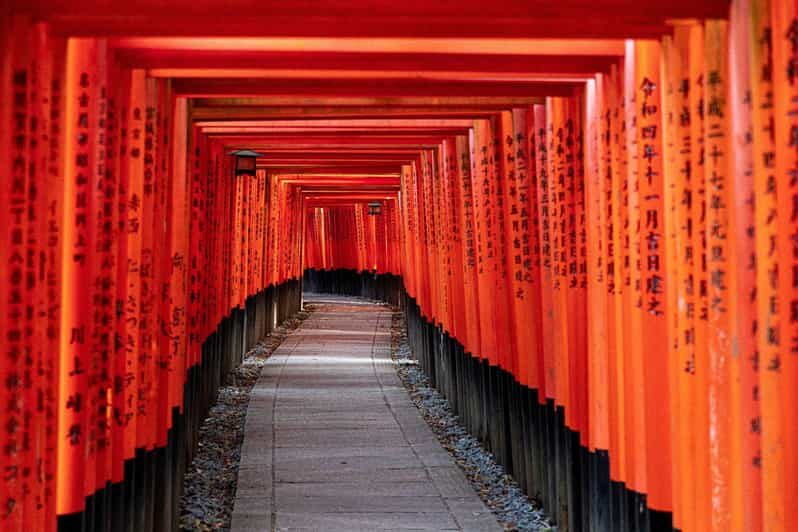
The last major stop is Fushimi Inari Taisha, the Kyoto shrine known for its thousands of vermilion torii gates winding up Mount Inari. Fox statues and smaller shrines line the paths, and the gates create a striking sequence of red frames. It is an atmospheric place even if you only walk a section.
You have about 70 minutes here. That is enough to enter the shrine grounds, take photographs and walk part of the torii route, but it is not a full mountain hike. A few people have felt they only managed about three-quarters of the area they hoped to see. Set a sensible turnaround point and keep track of the time needed to get back to the vehicle.
Wear comfortable shoes and clothes. The trail is a walk on a hillside, not a quick flat stroll, and you’ll get more from the stop if you are ready to keep moving. If you would rather pause for photos and take the lower paths at an easy pace, that works too, but don’t expect to cover every gate-lined stretch before departure.
What the $50 price covers
At $50 per person, the main value is transport between three cities and the chance to visit several headline sights in one day. The air-conditioned vehicle, round-trip transfers and listed road-related costs are included. You also get a bilingual guide, which can add context and help keep a multi-stop day organized.
The price does not cover admission to Tōdai-ji or Byōdō-in, meals, drinks or personal purchases. Those additions matter when comparing the headline fare with the amount you will actually spend. You can keep the day less expensive by choosing one temple admission, eating simply and limiting shopping, but the total will depend on your choices.
Feedback on the practical side is generally strong: guides have been praised for sharing clear meeting information, explaining the stops and sending return times or useful suggestions through WhatsApp. A few comments point to issues such as a late start, a missed activity or a parking spot farther from the sights than expected. The operator is Japan Vision Tour, and the day’s smoothness will depend partly on timing, traffic and how well the group stays together.


Who should book this day trip?
Book it if you want a broad first look at Nara, Uji and Kyoto and are comfortable with brief visits. It is particularly useful if you are based in Osaka, have one day to spare and prefer having transport and the route organized for you. The mix of deer, temples, tea culture and shrine paths gives the day a satisfying range.
Think twice if you want to study temple architecture at length, complete Fushimi Inari’s full mountain route or spend an unhurried afternoon in Uji. A self-planned visit to one or two cities gives you more control. This tour’s strength is its reach, not its depth.
The schedule also calls for advance care at the edges of the day. Confirm your meeting point and arrive 10 to 15 minutes early; the vehicle departs promptly. Tell the operator at least a day ahead if you need to discuss a meeting-point change, and indicate at booking if you have a stroller or large luggage. Weekend, holiday and peak-season traffic can delay the return, so avoid booking an evening flight, Shinkansen trip, dinner reservation or other fixed event afterward.
The tour is not suitable for wheelchair users or people with mobility impairments. Anyone aged 70 or older is asked to sign a travel waiver on arrival, and personal travel or accident insurance is not included. Smoking and food are not allowed in the vehicle.
Osaka: Kyoto & Nara & Uji Tour, Todaiji, Fushimi Inari Taisha
FAQ
How long is the tour?
The tour lasts 10 hours. Starting times depend on availability and the selected option.
Which places does the tour visit?
It visits Nara Park and Tōdai-ji in Nara, Uji and its riverfront, Byōdō-in and Uji Shrine, then Fushimi Inari Taisha in Kyoto.
What languages does the guide speak?
The live guide speaks English and Chinese.
Are temple admission fees included?
No. Admission to Tōdai-ji and Byōdō-in is not included.
Are meals and drinks included?
No. Meals and beverages are at your own expense.
What is included in the tour price?
The price includes an air-conditioned vehicle, round-trip transfers from the meeting location, a professional bilingual guide, and listed taxes, parking, toll, fuel and environmental fees.
Is the tour suitable for wheelchair users?
No. The tour is not suitable for wheelchair users or people with mobility impairments.
Can I join if I have an animal allergy?
The tour is not suitable for people with animal allergies, in part because it includes time among Nara Park’s deer.
How early should I arrive at the meeting point?
Arrive 10 to 15 minutes early. The vehicle departs promptly, and you should confirm the meeting point in advance.
Can traffic affect the return time?
Yes. Traffic delays are common on holidays, weekends and during peak seasons. Avoid scheduling an evening flight, Shinkansen journey, dinner reservation or other fixed event after the tour.
You can check availability for your dates here: