Couscous here is not a packet of grains with a quick sauce poured over it. You’ll work semolina by hand, learn how steam and timing shape its texture, and make a spiced broth with vegetables. The lesson in Hammamet puts an everyday Tunisian staple in the center of a shared meal.
I like two things in particular: you do the cooking, rather than simply watch a demonstration, and Sarra explains the reasoning behind the steps, from rolling the grains to balancing spices. The small group, limited to six, also leaves room to ask questions and learn at a comfortable pace.
One thing to plan around: although the activity is sold as three hours, the actual class and meal may take closer to 90 minutes to two hours. The cooking room can also get hot, and the venue is upstairs, so check that the setup suits you.
- Work the semolina by hand: Learn to moisten, roll, and separate the grains for a fluffy texture.
- Build the broth from the pot up: See how spices, vegetables, and cooking order shape the final flavor.
- Learn more than a recipe: Hear about Tunisian couscous traditions and regional variations.
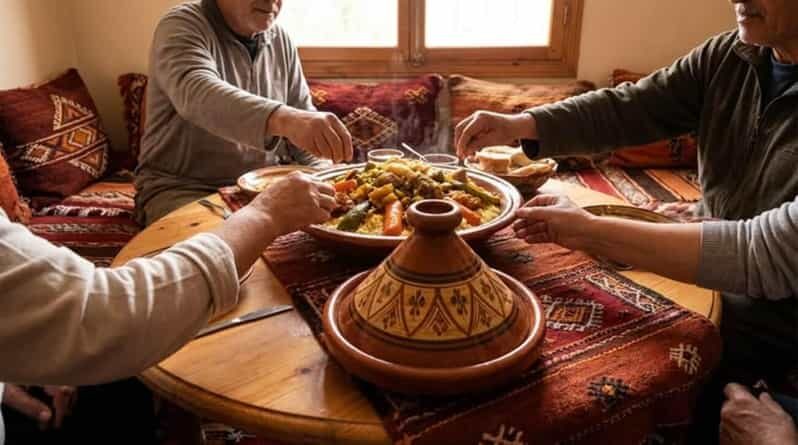
- Eat what you make: The class ends with a shared meal of couscous, chicken, and vegetables.
- Keep the group small: The stated limit is six participants, with instruction in Arabic, English, or French.
- Ride both ways: Round-trip transportation and drinks are included.
- Couscous Is the Lesson and the Meal
- Start With Semolina, Oil, and Your Hands
- Steam Is the Quiet Workhorse
- Make the Broth One Ingredient at a Time
- Sit Down to the Couscous You Made
- A Small Group Makes It Easier to Join In
- How Long It Takes and What the Ride Adds
- Does Represent Good Value?
- Who Should Book This Couscous Class?
- FAQ
- How much does the couscous class cost?
- How long does the activity last?
- Where does the class take place?
- What languages does the instructor speak?
- How many people are in a group?
- What will I learn to cook?
- Is the class suitable for children?
- Can I join if I have a food allergy or gluten intolerance?
- Is pickup included?
- Can I cancel for a refund?
- The Best Of Hammamet!
- More Tours in Hammamet
- More Tour Reviews in Hammamet
- Not for you? Here's more nearby things to do in Hammamet we have reviewed
Couscous Is the Lesson and the Meal
 1 / 7
 2 / 7
 3 / 7
 4 / 7
 5 / 7
 6 / 7
 7 / 7
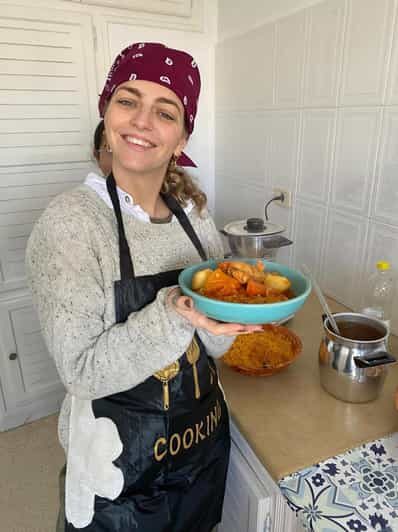
This is a practical introduction to Tunisian cooking, built around a dish that carries cultural meaning as well as dinner. Couscous is recognized by UNESCO as Intangible Cultural Heritage, and the class treats it as a sequence of techniques and customs, not just a list of ingredients.
That distinction matters. If you have made couscous at home by adding boiling water to pre-cooked grains, the hands-on method here will be different. You’ll learn to work with semolina, build its texture through touch, and steam it in a traditional couscous pot. The point is not to make cooking feel complicated. It is to show why each step affects the finished dish.
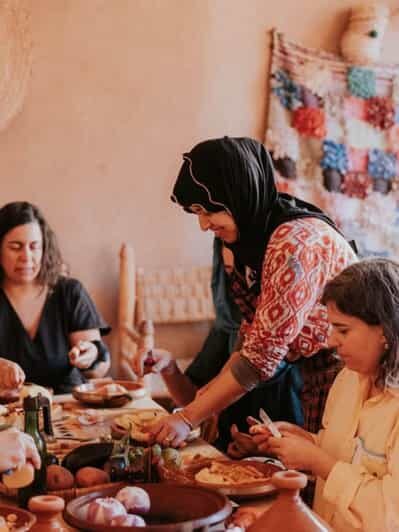
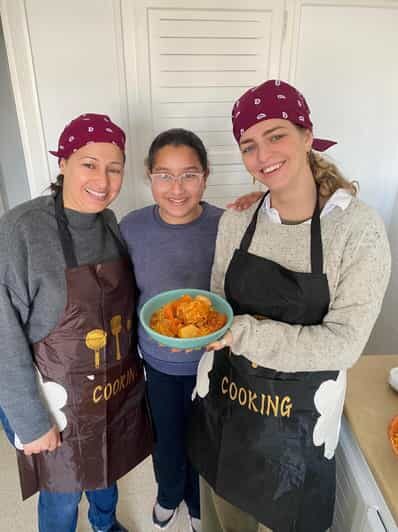
Sarra is the instructor most often named, and the teaching style sounds well suited to beginners. She explains the process step by step, answers questions, and encourages participants to take part. The class is also a chance to ask about Tunisian food and culture as you cook, rather than keeping the conversation to measurements and timing.
👉 See our pick of the Best 3 Day Tours In Hammamet
Start With Semolina, Oil, and Your Hands
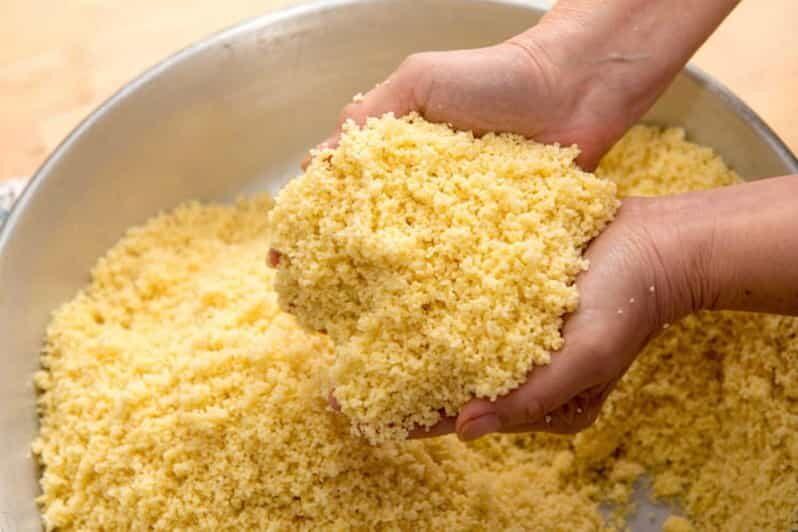
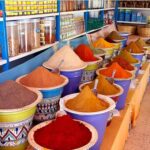
The first part of the lesson is about the grains themselves. You learn that semolina comes in different grades, from fine to coarse, as well as wholemeal, and that the choice affects how it is used. Olive oil, salt, and smen, a fermented butter, also have distinct roles in the traditional preparation.
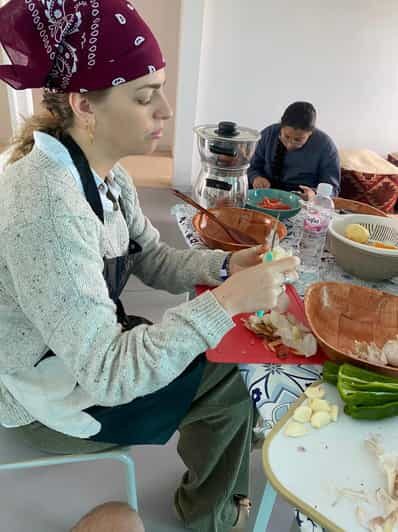
Then comes the first working of the couscous, called Ader. You moisten the semolina and roll it with your palm to separate the grains, adding flour as needed. It is a tactile skill, and the class is designed to help you judge the texture by feel rather than rely on a recipe alone.
That is one of the most useful things to take home. The right texture is hard to learn from a printed list of quantities, especially when ingredients and conditions vary. Sarra’s step-by-step guidance gives you a chance to notice what the grains should feel like and how to adjust as you work.
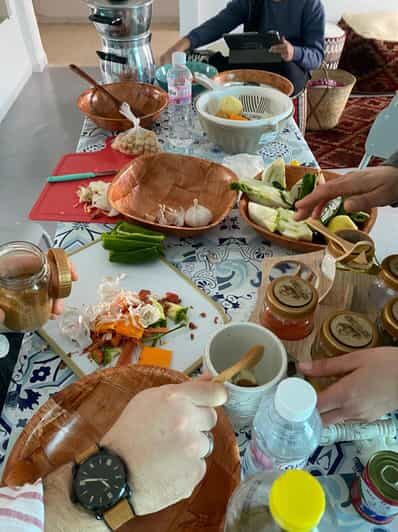
You can expect to chop vegetables and help prepare the dish, not just stand nearby while someone else cooks. The class is suitable for people with little cooking experience, and it can work well for families: children have taken part alongside parents. Still, this is a real kitchen activity. It is not designed for people with gluten intolerance or food allergies.
You can also read our reviews of more tours and experiences in Hammamet.


Steam Is the Quiet Workhorse
Once the grains are prepared, the class moves to steaming. The traditional couscous pot may be called a kiskes, ftéra, or borma. The lesson covers sealing the pot, controlling the steam, and getting the timing and moistening stages right.
These details are central to the result. The goal is a light, fluffy couscous rather than a clumpy or dry mound. You learn how repeated steaming and careful handling contribute to that texture, and why the pot needs to be sealed properly.
The class includes plenty of explanation, but its pace can feel brisk. One participant wished for more theory about specific ingredients, such as which oils to use and how to use harissa. If you want a long technical seminar on every Tunisian spice and cooking fat, this may not go far enough. If you want a working method you can try at home, the balance is more useful.
Make the Broth One Ingredient at a Time
The broth is where the dish takes on its flavor. The class covers a red marga, made with tomato, tomato concentrate, onion, and spices. You’ll learn how seasonings such as ras el hanout, long pepper, ginger, cinnamon, and saffron can bring heat, sweetness, and fragrance into balance.
The vegetables go into the broth according to how long they need to cook. Carrots, turnips, squash, pumpkin, and cabbage do not all soften at the same rate, while chickpeas need to be soaked beforehand. The order matters: the vegetables flavor the broth, and the broth seasons the vegetables in return.
That back-and-forth is a good reason to learn the dish in person. A recipe can tell you what goes into the pot, but a demonstration can help you see how cooking order and spice balance affect the whole meal. The class aims to give you a foundation you can adapt, including an understanding of regional versions and room for personal interpretation.
The finished dish may include chicken alongside the vegetables. The flavor profile can combine warmth and sweetness, with the option of a fried green pepper for a much spicier finish. If you prefer mild food, ask about the heat level before serving yourself.
Sit Down to the Couscous You Made
The meal at the end is more than a convenient bonus. You get to taste how the grain texture, broth, spices, and vegetables come together, then compare the result with what you were aiming for during the lesson. That makes the cooking feel complete and gives you a chance to ask any last questions.
The food is often described as generous and satisfying. Come hungry if you want to enjoy a full portion: one person who had eaten breakfast beforehand found the serving too much to finish. Drinks are included, though the available types are not specified.
The setting is a cooking room rather than a promised terrace or restaurant-style dining area. If a scenic meal is important to you, keep expectations modest. The draw is the food you prepare and the exchange around it, not a special dining view.
More Great Tours NearbyA Small Group Makes It Easier to Join In
The group limit is six, and the class may be smaller. Some sessions have had only two participants, while other groups have brought together people from different countries. That small scale is useful for a hands-on lesson: you are more likely to get a turn with the ingredients and have time to ask about technique.
Instruction is available in Arabic, English, and French. Sarra has been praised for explaining the recipe clearly in more than one language, and English-speaking participants have found it easy to follow. If you have a specific language need, confirm the instructor’s language when checking availability.
This is an easy activity to share with a partner, family, or other curious cooks. Children have joined in, including young children, and teenagers have enjoyed it too. The class is not restricted to experienced home cooks; one participant even came with a father who worked as a restaurant head chef, and both found something to enjoy.


How Long It Takes and What the Ride Adds
The experience is advertised as three hours, with pickup included and starting times depending on availability. In practice, the cooking and meal may take about 90 minutes to two hours. The discrepancy is worth noting if you are planning a tightly packed day. Think of the three hours as the booking window, not a guaranteed length of active cooking.
Round-trip transportation is included, and the pickup arrangements have been described as clear and efficient. That can save time and effort if you are staying in Hammamet and do not want to arrange your own ride to the class. Pickup details depend on availability, so check them when booking.
There are a couple of practical caveats. The cooking room can become hot once the stove is on, and the venue has been described as being on the second floor, reached by stairs. One participant also found the taxi uncomfortable in hot weather because it had no air conditioning. These are not guaranteed problems, but they are sensible things to ask about if heat, stairs, or mobility are concerns.
Does $28 Represent Good Value?
At $28 per person, you are paying for a cooking lesson, a meal, drinks, and round-trip transport. That makes the price easier to assess than a class fee alone: you get both a practical activity and lunch, with no need to organize the ride yourself.
The value is strongest if you want a local food experience that teaches you a repeatable skill. You leave with more than a taste of couscous: you have seen how semolina is worked, how the broth is built, and how to think about spice and cooking order. If you only want a long, advanced cooking course, the short real-world session may feel light. The listed three-hour duration also overstates the time you may spend cooking.
Free cancellation up to 24 hours before the activity and a reserve-now, pay-later option offer flexibility. Those terms can help if your plans are still shifting, but check the current availability and pickup details before you book.
Who Should Book This Couscous Class?
I’d choose this class if you want to spend part of your Hammamet stay cooking with a local instructor, eating a traditional dish, and learning techniques you can try again at home. It is especially well suited to couples, families with children, and curious beginners who enjoy asking questions as they work.
It may not suit you if you have a food allergy or gluten intolerance, recent surgery, or motion sickness. Bikes, alcohol and drugs, baby carriages, and bare feet are not allowed. If stairs are difficult for you, contact the provider before booking to ask about the upstairs venue.
My call: book it for the hands-on lesson, generous meal, and easy included transport, but do not plan your day on the assumption that the class will occupy three full hours. For a relaxed introduction to Tunisian couscous, it offers a lot for $28. For a detailed, multi-hour culinary course or a special dining setting, look elsewhere.
Couscous Cooking Program in Hammamet
FAQ
How much does the couscous class cost?
The stated price is $28 per person. It includes drinks and round-trip transportation.
How long does the activity last?
It is advertised as three hours. The cooking session and meal may take closer to 90 minutes to two hours.
Where does the class take place?
The activity is in the Nabeul region of Tunisia, with pickup included. Check availability for pickup details.
What languages does the instructor speak?
Instruction is available in Arabic, English, and French.
How many people are in a group?
The group is limited to six participants.
What will I learn to cook?
You’ll learn to prepare Tunisian couscous, including working the semolina, steaming it, and making a spiced broth with vegetables. Chicken may be part of the final dish.
Is the class suitable for children?
Children have taken part with their families. The activity information does not set a minimum age.
Can I join if I have a food allergy or gluten intolerance?
The activity is listed as unsuitable for people with food allergies or gluten intolerance.
Is pickup included?
Yes. Round-trip transportation is included, though you should check availability for the pickup details.
Can I cancel for a refund?
You can cancel up to 24 hours in advance for a full refund.
You can check availability for your dates here: