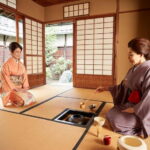
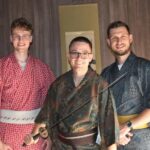
Turning Kyoto wood into a pair of chopsticks you can use is a better souvenir than another trinket in a suitcase. In this one-hour workshop, you shape, sand and finish the wood by hand, then add a personal design in a traditional Kyoto machiya.
I like two things in particular: you make the whole pair yourself, and the instructor can help you personalize it, including with a name written in Japanese. The small-group format, capped at eight people, also leaves room for questions and conversation.
The main consideration is time. One hour is the stated duration, but the hands-on work and decoration can take longer, especially if you want to work carefully or chat as you go. Leave some breathing room in your schedule rather than booking a tight connection afterward.
- The useful details at a glance
- Starting with wood in a Kyoto machiya
- Choosing wood and finding a shape
- Sanding, polishing and making the pair yours
- The pace: allow more than an hour if you can
- Is good value?
- Who will enjoy making chopsticks?
- Should you book this Kyoto workshop?
- FAQ
- How long does the chopstick-making workshop last?
- How much does it cost?
- Do I need woodworking experience?
- What is included in the price?
- Can I personalize my chopsticks?
- What languages are offered?
- How large is the group?
- Is the workshop wheelchair accessible?
- The Best Of Kyoto!
- More Workshops & Classes in Kyoto
- More Tours in Kyoto
- More Tour Reviews in Kyoto
- Not for you? Here's more nearby things to do in Kyoto we have reviewed
The useful details at a glance
- You shape and finish your own chopsticks, with guidance through carving, sanding and polishing.
- Wood choice and decoration add a personal touch. Some sessions offer three types of wood, and engraving has been available without an extra charge.
- The setting is a traditional Kyoto machiya, giving this practical craft a sense of place.
- It is a small-group activity for up to eight people, with English and Japanese instruction.
- The price is $23 per person for a one-hour workshop, with tools and wood included. Transportation, meals and drinks are not included.
👉 See our pick of the 25 Best Workshops And Classes In Kyoto
Starting with wood in a Kyoto machiya
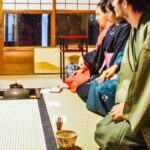
The workshop takes place in a traditional Kyoto machiya, a setting that feels well suited to a craft rooted in everyday life. You are not just buying a finished pair of chopsticks; you are spending time learning how a simple household object takes shape under your hands.
The activity is listed for one hour, and the group is limited to eight participants. That cap matters. There is a practical difference between watching a demonstration and getting individual help with a small piece of wood, especially when you reach the stages where shaping and smoothing affect how the chopsticks feel.
Instruction is offered in English and Japanese. The instructor leads each step, explains the tools and techniques, and can help you decide how to personalize the finished pair. Instructors named at different sessions include Mao, Yuiko, Kana, Harumi and Shino, though you should not assume a particular person will lead your time slot.
No prior woodworking experience is needed. The craft is approachable for beginners, and the point is not to produce two factory-perfect sticks. You make a pair by hand, so small differences are part of the result.
You can also read our reviews of more tours and experiences in Kyoto
Choosing wood and finding a shape
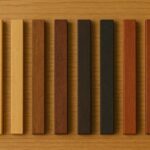
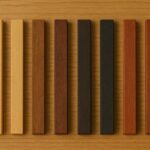
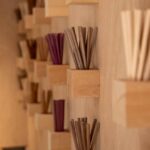
The first part is choosing the wood and beginning to shape it. Some participants have had a choice of three wood types, with no added charge for the options described. That choice gives you a simple way to make the pair feel like yours before you begin working.
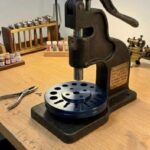
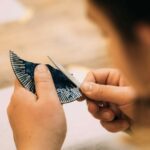
The next steps involve carving and shaving the wood toward the shape of chopsticks. Your instructor demonstrates what to do and provides guidance as you work. If you have never handled woodworking tools, that support is useful: you are not expected to know how much material to remove or how to approach the shape on your own.
This is hands-on work, but it is not presented as a test of skill. Take your time and follow the instructor’s directions. The process gives you a feel for how much care goes into an object you might otherwise pick up casually at a shop or restaurant.
The work may be more absorbing than it sounds. Several people describe the quiet rhythm of shaping and sanding as relaxing, even meditative. I can see the appeal: for an hour, your attention is on the wood in front of you rather than on navigating streets or keeping an itinerary moving.
Sanding, polishing and making the pair yours
Once the basic shape is there, you move on to smoothing and finishing. Sanding and polishing help refine the surface, while the instructor can show you how to work through the steps. You can also ask for advice as you go, rather than being left to guess whether your pair is ready for the next stage.
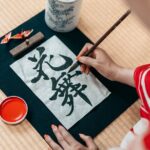
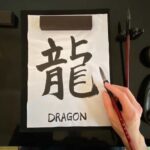
Decoration is another chance to make the chopsticks personal. Engraving or pyrography, a method of marking wood with a heated tool, has been part of the process. Instructors have helped participants write names in Japanese for them to trace, and some have offered a brief explanation of Japanese spelling or writing along the way.
That kind of help is especially useful if you want a Japanese name or another mark but are unsure how to write it. You can ask the instructor what is possible and choose a design that suits you. The available details do not promise a particular engraving or design option for every session, so it is sensible to check with the instructor once you arrive.
Some visitors have described leaving with their chopsticks finished and placed in a small bag. That makes the souvenir easy to carry, but the better part is that it is something you made and can use. Chopsticks are a daily utensil in Japan, and the workshop connects the object with the dining customs and care that surround it.
The pace: allow more than an hour if you can
The activity is scheduled for one hour, but that should be treated as a guide rather than a hard finish. Some sessions have run longer, with one participant describing a three-hour visit. Others simply took more than an hour because the group was allowed to work at a comfortable pace.
Your timing will depend on how much time you spend shaping and decorating, and on how the session unfolds. Conversation can be part of the pleasure. Instructors have chatted with participants about art, music and Japanese culture while guiding the craft, and one instructor even gave a short language lesson to help a participant feel more confident with an inscription.
This is a plus if you want a calm break from sightseeing, but it can complicate a packed day. Do not schedule a timed attraction immediately afterward unless you are comfortable leaving early. If you have a family group, children may also need extra time and patience as they work through each step.
The activity is indoors, so it can be a welcome change of pace during a hot Kyoto afternoon. It is wheelchair accessible, according to the activity information, which is useful to know when planning. Transportation to the venue is not included, and the precise address is not provided here, so check the booking details for directions before setting out.
More Great Tours NearbyIs $23 good value?
At $23 per person, the workshop is priced as an affordable activity, especially because the fee includes the Kyoto wood, carving and finishing tools, instructor guidance, and the machiya setting. You also leave with a useful item rather than a souvenir that is likely to stay on a shelf.
The value is not only in the materials. You get time with an instructor, a small group, and a chance to learn a little about the craft behind an everyday Japanese object. If you want an activity that gives you a personal connection to what you take home, that combination makes the price appealing.
There are limits to what the price buys. Transportation, meals and drinks are not included, and the workshop is not a long course in woodworking. You are making a pair of chopsticks in a guided session, not learning enough to become an independent woodworker. Think of it as a hands-on cultural activity with a lasting memento, not a formal class.
Personalization appears to be part of the appeal, and some participants have chosen from several wood options and added engraving without an extra fee. Still, because the available designs and wood choices may depend on the session, ask what is offered before settling on a specific plan.




Who will enjoy making chopsticks?
This is a good fit if you enjoy making things, want a calmer activity, or like the idea of taking home a souvenir that has a story behind it. It works for families, groups of friends and solo participants, and teenagers have enjoyed the process too. The instructor’s guidance makes it approachable even if you have never used woodworking tools.
It is also a strong choice for someone who wants to spend time talking with a local instructor rather than moving through a large group tour. With no more than eight participants, you have a better chance to ask questions and get help. English instruction is available, which makes the process easier if you do not speak Japanese.
You may want to skip it if you have very little free time, are not interested in hands-on work, or expect every pair to look perfectly identical. The point is that each pair is handmade by you. The small irregularities are part of that, and they can make the finished chopsticks feel more personal.
Should you book this Kyoto workshop?
I would book this if you want an affordable, low-key activity that gives you both a craft lesson and a usable Kyoto memento. The strongest reasons are the guided, step-by-step process, the chance to personalize your pair, and the small-group setting in a traditional machiya.
Leave room in your schedule, and go in ready to take your time. If that sounds appealing, this is a thoughtful alternative to buying a ready-made souvenir. If your Kyoto days are already packed, or you want a tightly timed activity, the possibility of running over an hour is worth weighing before you reserve.
Kyoto: Chopstick-Making Workshop with Local Wood
FAQ
How long does the chopstick-making workshop last?
The stated duration is one hour. You may want to allow extra time, as some sessions have run longer.
How much does it cost?
The listed price is $23 per person.
Do I need woodworking experience?
No. No prior experience is needed, and an instructor guides you through carving, polishing and finishing.
What is included in the price?
The price includes high-quality Kyoto wood, tools for carving and finishing, a traditional machiya setting, and instructor guidance.
Can I personalize my chopsticks?
Yes. You can customize your chopsticks with your own design. Engraving has been available, and instructors have helped participants write names in Japanese.
What languages are offered?
Instruction is offered in English and Japanese.
How large is the group?
The activity is limited to eight participants.
Is the workshop wheelchair accessible?
Yes. The activity is listed as wheelchair accessible. Transportation to the venue is not included.
You can check availability for your dates here: