In a 125-year-old machiya, just a nine-minute walk from Kyoto Station, this private session brings tea, calligraphy, and, in the right plan, kimono dressing together under one roof. You learn the meaning behind the steps, then try them yourself, with English-speaking local hosts such as Airi and Yu guiding the way.
I like two things in particular: the private setting leaves room for questions, and the activities are hands-on rather than a demonstration you simply watch. You can whisk matcha, practice writing your name in Japanese, and choose a tea bowl and, with the kimono plan, a kimono style.
One point to check before booking is the plan you select. Kimono dressing and professional photography are not included in every option, and the session length can range from 45 minutes to 90 minutes. At $63 per person, the price is most compelling if the activities you want are included.
- At a glance
- A machiya close to Kyoto Station
- Choosing a plan before you arrive
- Picking a kimono and settling in
- Making matcha, one step at a time
- Practicing Japanese calligraphy
- The hosts and the pace
- What the price buys
- Who will enjoy this Kyoto activity
- Practical details before you book
- Should you book it?
- FAQ
- How long does the experience last?
- How far is the machiya from Kyoto Station?
- Is the experience private?
- Which activities are included?
- Is kimono dressing included in every plan?
- Are professional photos and a souvenir video included?
- What languages are available?
- Can I cancel for a refund?
- The Best Of Kyoto!
- More Private Tours in Kyoto
- More Tours in Kyoto
- More Tour Reviews in Kyoto
- Not for you? Here's more nearby things to do in Kyoto we have reviewed
At a glance
 1 / 7
 2 / 7
 3 / 7
 4 / 7
 5 / 7
 6 / 7
 7 / 7
- A whole machiya for your group: The experience is private, so you are not sharing the session with an unrelated group.
- Three ways to take part: Learn about the tea ceremony, practice calligraphy, and add kimono dressing if you choose the kimono plan.
- A short walk from Kyoto Station: The house is about nine minutes away on foot, useful if you are fitting this into a Kyoto arrival or departure day.
- A hands-on matcha lesson: You learn about tea customs and make your own matcha, served with a traditional Japanese sweet.
- English and Japanese instruction: Hosts explain the activities in English or Japanese, and there is time to ask questions in the private setting.
- Optional photo and video package: Professional photography, filming, and an edited souvenir video are included only with the Souvenir Video Plan.
👉 See our pick of the 25 Best Workshops And Classes In Kyoto
A machiya close to Kyoto Station
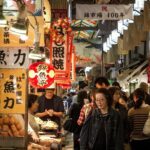
The setting is a traditional Japanese house about 125 years old, at 15-1 Fujinokicho, Nishikujo, Minami Ward, Kyoto. Its location is practical: roughly nine minutes on foot from Kyoto Station, so you can reach it without committing to a long cross-city journey.
The house is more than a convenient classroom. A traditional home gives the tea and calligraphy sessions a quieter, more personal atmosphere than a large group venue would. You have the place to yourselves, which makes it easier to follow an explanation, ask a question, or take a moment to look around.
The experience is described as private, and that matters here. Tea ceremony has many small steps, and calligraphy takes patience; a private group can move at a comfortable pace instead of keeping up with strangers. The hosts aim for a welcoming, family-like visit, though the feel of that will naturally depend on your group and your hosts.
You can also read our reviews of more private tours in Kyoto
Choosing a plan before you arrive
The advertised price starts at $63 per person, but the inclusions depend on which option you book. Tea ceremony and Japanese calligraphy are listed as included activities. Kimono dressing is included only in the Kimono Plan, while professional photography, video recording, and delivery of an edited souvenir video are reserved for the Souvenir Video Plan.
That distinction is worth checking carefully. The description presents kimono as one of the experience’s main attractions, but it is not included in every plan. If wearing one is important to you, confirm that your chosen option includes it before you pay.
Photography also has two levels. A professional photographer and edited video are part of the named souvenir package, not a standard inclusion. Hosts have also helped participants take photos on their own phones, but if you want a polished video or professional pictures, choose the relevant plan rather than counting on the basic session to provide them.
The listed duration runs from 45 minutes to 1.5 hours. The full experience is described as 90 minutes, while shorter versions may be available. Check the session details for your date and plan, especially if you are arranging this around a train, meal, or another timed activity.
Picking a kimono and settling in
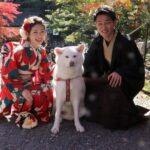
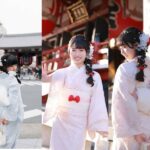
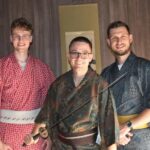
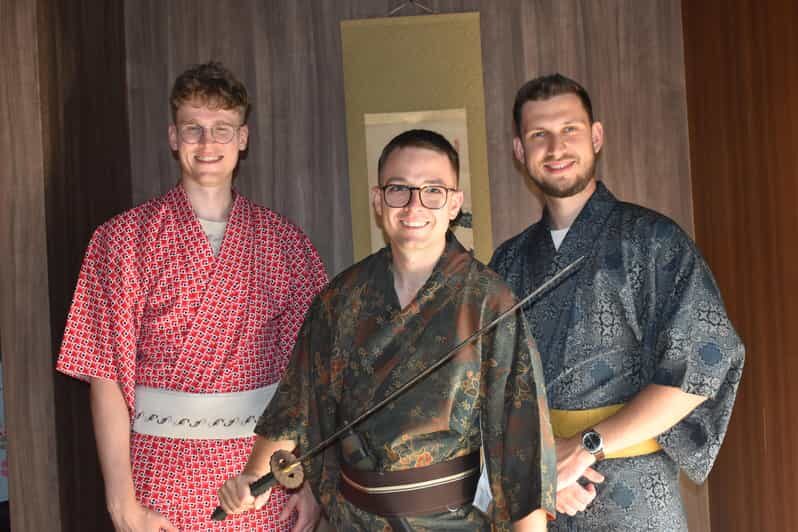
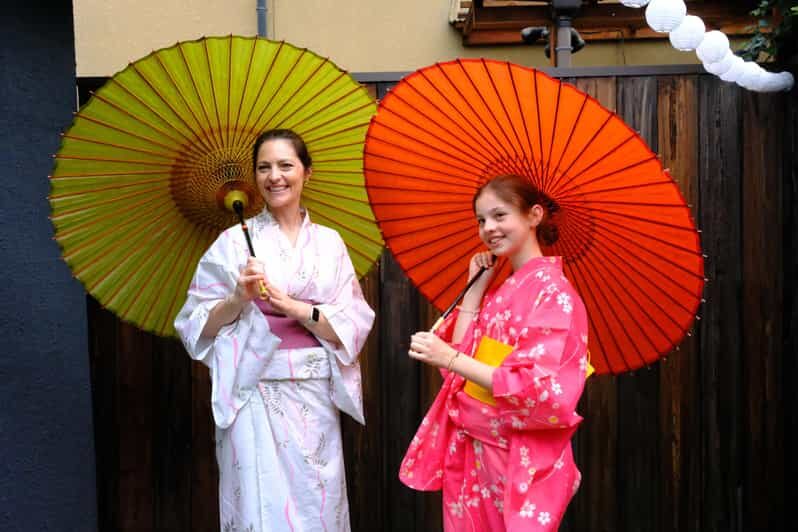
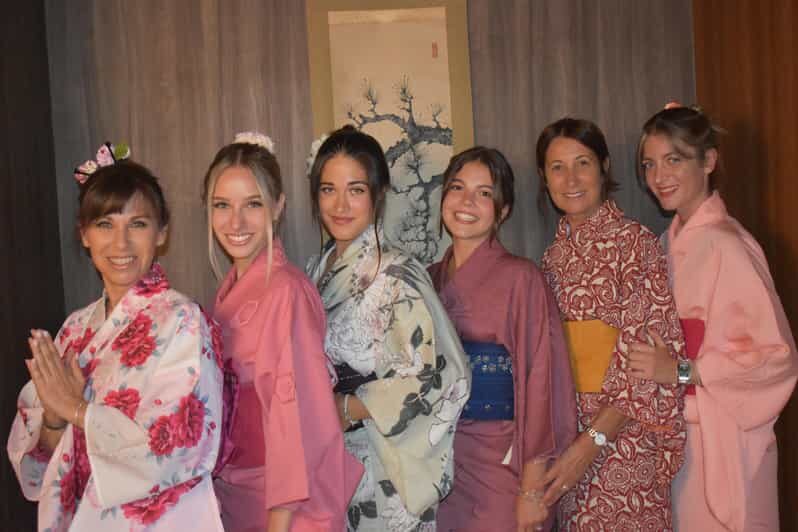
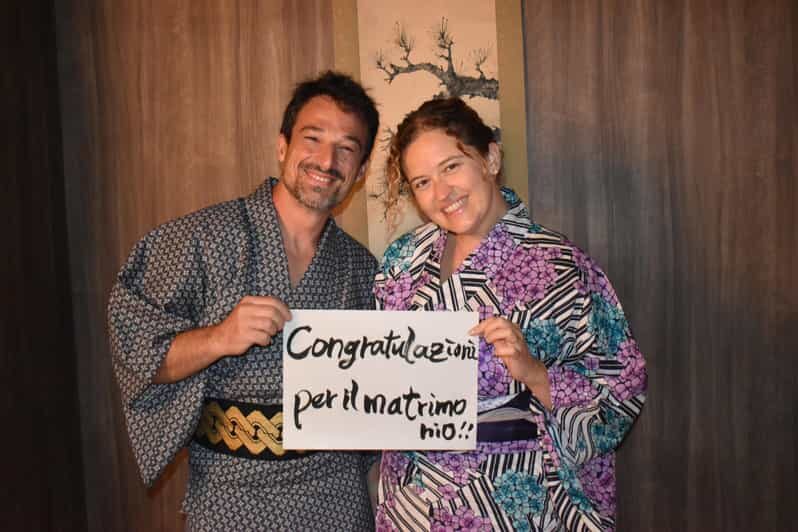
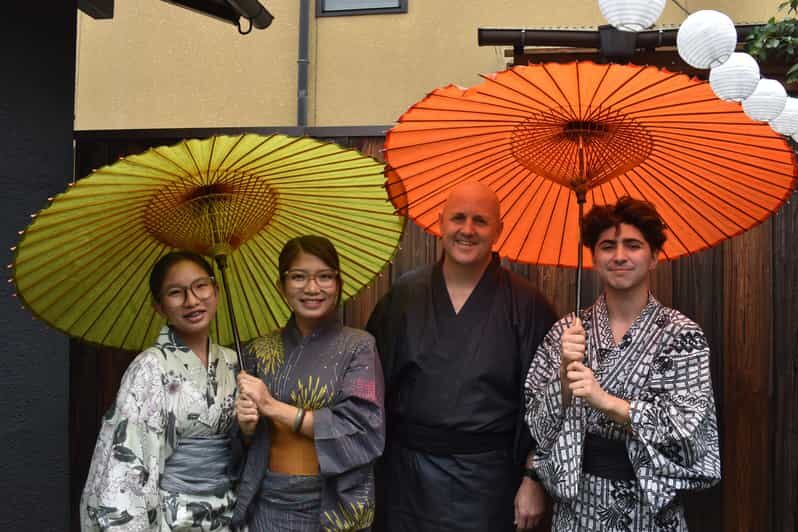
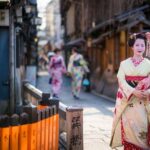
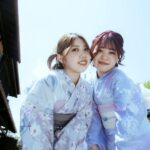
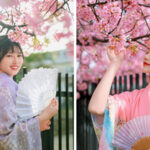
If your plan includes kimono, you can choose a style before the lesson begins. Hosts help with dressing and with the related pieces, such as the belt and obi; some participants have also chosen hair accessories. The range includes options for men and women, so this is not just a dress-up add-on for one person in a couple or family.
Allow the clothing portion to be part of the activity, not a quick photo stop. Getting dressed creates a clear change of pace and helps set the scene for the tea ceremony. It is also one of the parts that can make the session especially memorable for families, couples, or anyone marking a birthday or other special day.
You do not need to wear a kimono to take part in the tea and calligraphy activities. If you would rather focus on learning, or want to keep the cost down, choose a plan without it. If photos are a priority, consider whether the kimono and video options together fit your budget.
Making matcha, one step at a time
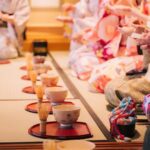
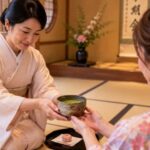
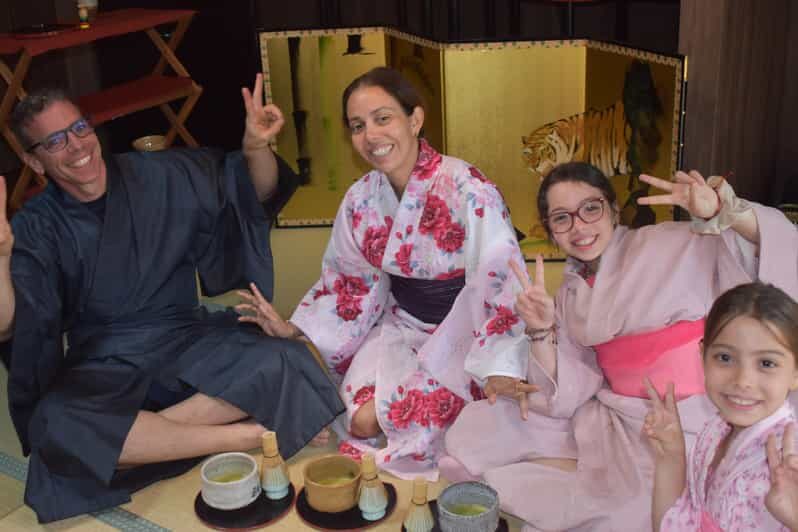
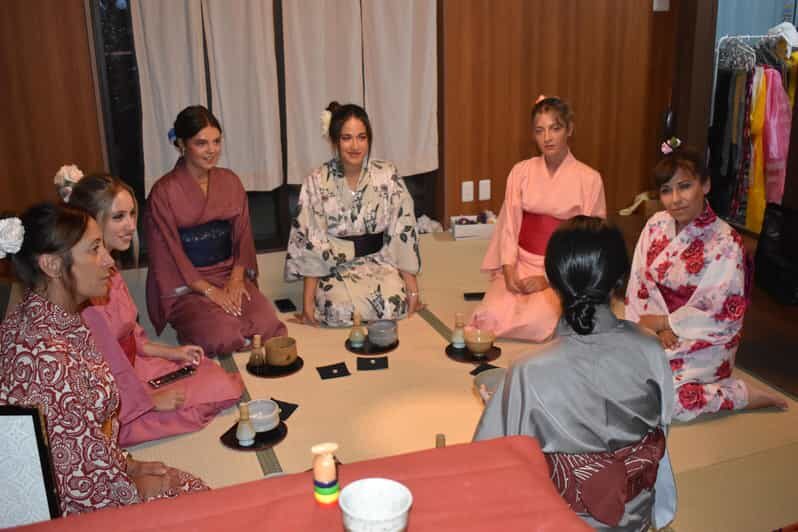
The tea portion introduces the customs and thought behind a Japanese tea ceremony. Your host explains what is happening, why the steps matter, and how to enjoy the matcha. Then you get to prepare your own drink, rather than only watching someone else make it.
The exact level of detail can make this activity rewarding for beginners. You can ask about matcha itself, how it differs from other teas, and the role of the ceremony. Hosts have explained the process from preparing the tea to serving it, and participants have described making and whisking their own matcha. A traditional Japanese sweet is served with the tea.
You can also choose a tea bowl for the experience. That small decision adds a personal touch, but the core value is the explanation and the chance to try the preparation yourself. The tea ceremony is not a full formal course in tea practice; think of it as a guided introduction that gives you a better sense of the ritual and its details.
The matcha is a central part of the session, but it is still a short cultural activity. If you are hoping for an extended tea lesson or advanced instruction, the 45- to 90-minute format may feel brief. For a first introduction, the combination of explanation and participation makes good use of the time.
More Great Tours NearbyPracticing Japanese calligraphy
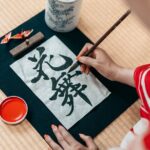
Calligraphy brings a different kind of focus. You use traditional brushes and ink to make your own writing, and you can practice writing your name in Japanese. The hosts explain the writing systems and how they are used, giving you a little context before you put brush to paper.
This is a practical souvenir in its own right: you can take your calligraphy paper home. Do not expect a polished piece on the first try. Brush writing is a skill, and the appeal is in slowing down, learning how to handle the materials, and seeing how the writing takes shape under your hand.
The private format suits this part especially well. It gives the host room to show you what to do, answer questions, and let you practice without feeling rushed. Families can take turns, and a solo visitor can get direct help rather than being lost in a crowd.



The hosts and the pace
Hosts Airi and Yu are among the local guides associated with this experience. English and Japanese are offered, and the instruction is designed to make the customs understandable rather than leaving you to guess what each gesture means. The warmth of the welcome is a recurring feature of the experience, and the hosts’ patience matters when you are trying unfamiliar tasks.
The private setup also makes it easier to ask questions about Japanese culture beyond the activity itself. Hosts may be able to offer help with restaurant bookings, local experiences, and less obvious places to visit during your stay. Treat that as useful trip-planning support, not a separate guided tour or a promise of particular reservations.
At 90 minutes, the full session is long enough to give each activity room, but short enough to fit neatly into a Kyoto itinerary. Some people find the time passes quickly, particularly if they are doing all three activities. If you want to linger over every explanation and take plenty of pictures, choose the longer option if it is available.
What the $63 price buys
At $63 per person, the value depends on your plan and what you want from the visit. You are paying for more than a cup of matcha: the core activities combine instruction, hands-on practice, and a private setting in a traditional home near the station. That is a useful package if you want a compact introduction to several aspects of Japanese culture.
The cost is easier to justify if tea ceremony and calligraphy are both included in the option you choose, and you expect to take part in both. Kimono adds visual appeal and time spent dressing, but it may raise the price because it is limited to the Kimono Plan. Professional photography and the edited video are separate plan features, so compare those inclusions before judging the total.
Souvenirs are not included as a general part of the activity. You can take home the paper you create during calligraphy, but do not assume a separate keepsake is part of the price. If having professional images or a video matters, confirm that the Souvenir Video Plan is the one you are booking.
Who will enjoy this Kyoto activity
I would consider this a strong choice for first-time visitors who want to understand a few customs rather than simply pose in a kimono. The session combines explanation with participation, and the mix of tea and brushwork gives you two different ways to engage.
It also suits families. The experience has been enjoyed by adults and teenagers, and hosts have been patient with younger children too. A very young child may not take part in every step, but the private format gives your group more flexibility than a class shared with strangers.
Solo visitors should not rule it out. The session is private, and hosts have helped solo participants feel at ease and taken photos for them. Couples and small groups may find the combination of dressing up, making tea, and writing together makes for a pleasant shared memory.
This is less suitable if you want a lengthy, specialist course in tea or calligraphy, or a full-day exploration of Kyoto. It is a short introduction, and its strength is the combination of three activities in one accessible place, not depth in any one discipline.
Practical details before you book
The experience takes place at the address above, about a nine-minute walk from Kyoto Station. Starting times vary, so check what is available for your date. The stated duration range is 45 minutes to 1.5 hours, with the full session described as 90 minutes.
Free cancellation is available up to 24 hours before the activity for a full refund, and a reserve-now, pay-later option is offered. Languages are English and Japanese, and the group is private. If your plans are tight, confirm your selected duration and plan inclusions before arranging nearby transport or meals.
Should you book it?
Book this if you want a personal, practical introduction to matcha and calligraphy, and like the idea of doing it in an old Kyoto house close to the station. The private format, warm hosting, and hands-on activities are the strongest reasons to go. Add the kimono plan if dressing up is part of the appeal, and the video package only if professional footage is worth the extra cost to you.
Skip it if you want a long, advanced lesson or only want a kimono photo session. For most visitors with an hour or so to spare, though, this is a thoughtful way to learn by doing, without turning a short cultural stop into a complicated day out.
Kyoto: 100% Private Tea Ceremony, Calligraphy, and Kimono
FAQ
How long does the experience last?
The duration ranges from 45 minutes to 1.5 hours. The full experience is described as 90 minutes, and available starting times and durations depend on the booking option.
How far is the machiya from Kyoto Station?
It is about a nine-minute walk from Kyoto Station.
Is the experience private?
Yes. It is offered as a private group, and the entire machiya is reserved for your group.
Which activities are included?
Tea ceremony and Japanese calligraphy are listed as included. Kimono is included only in the Kimono Plan.
Is kimono dressing included in every plan?
No. Kimono dressing is included only when you book the Kimono Plan.
Are professional photos and a souvenir video included?
They are included only in the Souvenir Video Plan. That plan includes professional photography, video shooting, and delivery of an edited souvenir video.
What languages are available?
The experience is offered in English and Japanese.
Can I cancel for a refund?
You can cancel up to 24 hours in advance for a full refund.
You can check availability for your dates here: