Verona’s story is written not only on its Roman and medieval monuments, but in its alleyways, courtyards, and family-run shops. This small-group walk connects those layers, with guides such as Diana, Leo, and Mara bringing in local voices and stories as you explore.
I like the mix of major squares and quieter streets, so you can see landmarks such as Piazza delle Erbe and Piazza dei Signori while getting a feel for the city beyond its busiest routes. I also like the short stops at cafés, wine bars, food shops, and artisan workshops, where everyday life gives history a human scale.
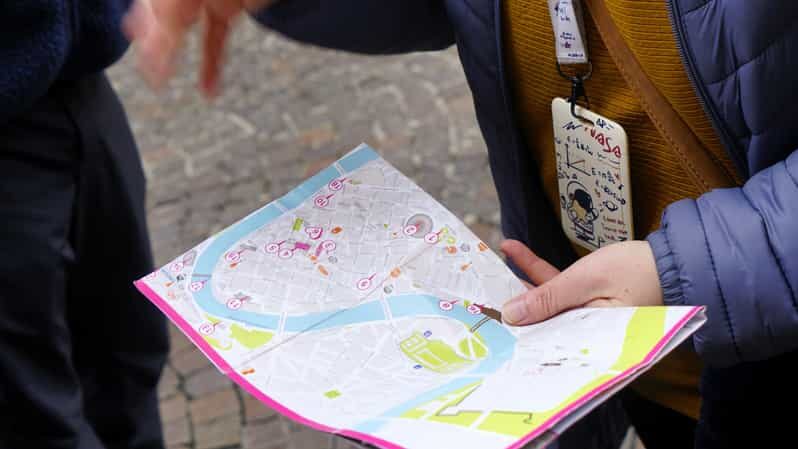
The main consideration is that this is a walking and storytelling experience, not a food tour: tastings and refreshments are not included. Expect about two hours on cobbles and uneven streets, with another 30 minutes of walking if you book the Castel San Pietro upgrade.
- At a glance
- Verona’s old town, told through its people
- Piazza delle Erbe and the streets around it
- Shop doors, family traditions, and daily life
- How the guides shape the walk
- Castel San Pietro: the extra climb
- Verona after dark
- Is a fair price?
- Practical details before you book
- Should you book this Verona walk?
- FAQ
- How long does the walk take?
- What language can I book?
- Are food and wine tastings included?
- Is the Castel San Pietro climb included?
- Is the walk suitable for children or people with mobility needs?
- Can I cancel or pay later?
- The Best Of Verona!
- More Walking Tours in Verona
- More Tours in Verona
- More Tour Reviews in Verona
- Not for you? Here's more nearby things to do in Verona we have reviewed
At a glance
 1 / 8
 2 / 8
 3 / 8
 4 / 8
 5 / 8
 6 / 8
 7 / 8
 8 / 8
- Roman, medieval, and Austrian Verona: Follow a narrative that connects different eras to the streets and routines you see today.
- Local businesses, not just monuments: Drop by places such as wine bars, bakeries, cafés, historic food stores, and artisan workshops.
- Small groups, with occasional private-feeling walks: Groups of four and seven are among the sizes reported, though your group size can vary.
- A hilltop finish is optional: Add the paid Castel San Pietro ascent for broad views over rooftops and the Adige River.
- Choose a daytime or evening mood: An 8:00 PM departure is available, and some afternoon walks can include sunset views.
- Allow time for cobblestones: The standard walk lasts 1.5 to 2.5 hours, and comfortable shoes are a good idea.
👉 See our pick of the 23 Best Guided Tours In Verona
Verona’s old town, told through its people
This walk is designed to make the old town feel like a living place, rather than a row of sights to photograph and move on from. Its central idea is simple and useful: Verona’s history is easier to understand when you connect it to the streets people use, the businesses they keep, and the traditions they pass on.
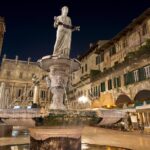
You’ll encounter familiar names such as Piazza delle Erbe and Piazza dei Signori, but the aim is not to race through a checklist of monuments. The route also takes in medieval lanes and courtyards, with stops chosen to show different sides of the city. The exact sequence is not specified, so think of this as a story-led walk through the historic center, not a fixed tour of particular interiors.
That approach suits a first visit especially well. A good guide can help you place Roman, medieval, and Austrian influences in context, then point out how the city’s past still shapes daily life. Afterward, you may find that a walk through the center makes more sense, even when you are exploring on your own.
Guides named on this experience include Diana, Leo, or Leonardo, Mara, Marta, and Daniela. The guide you meet depends on the date and language you choose. English, Italian, Spanish, and German are offered, so check availability for your preferred language before booking.
You can also read our reviews of more walking tours in Verona
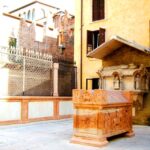
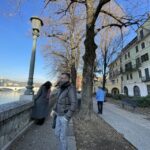
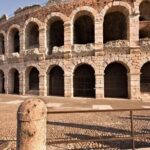
Piazza delle Erbe and the streets around it
Piazza delle Erbe is one of the city’s best-known historic squares, and it gives the walk a natural reference point. It is a place where Verona’s layers are visible in the surrounding streets and buildings, while the nearby lanes offer a quieter change of pace. The point is not to skip the famous center, but to see it alongside less obvious corners.
Piazza dei Signori adds another important stop, with a different feel from the market square. Your guide can use places like these to build a thread between eras, rather than treating each square as an isolated photo stop. That context is valuable if you want more than names and dates, though the walk is not described as a detailed architectural tour of every monument.
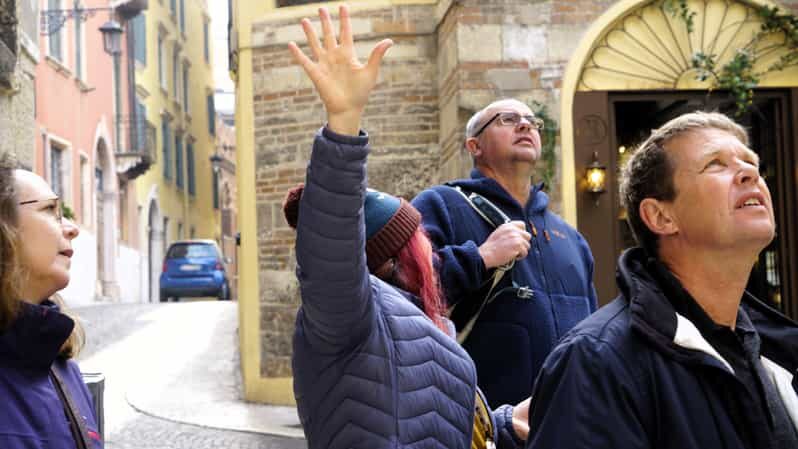
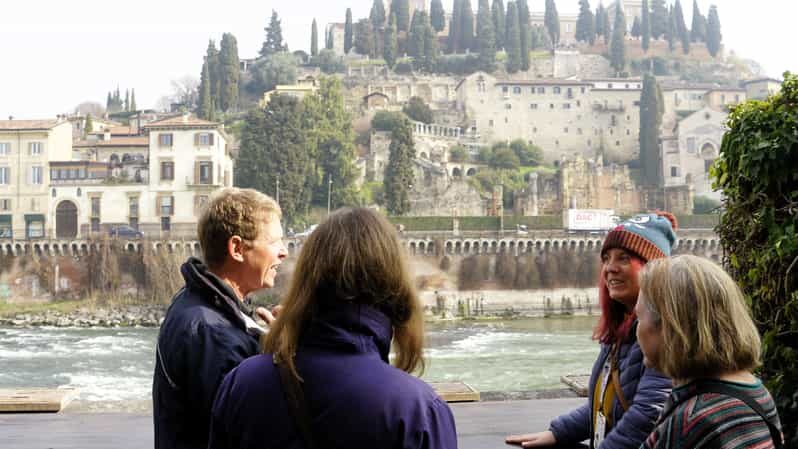
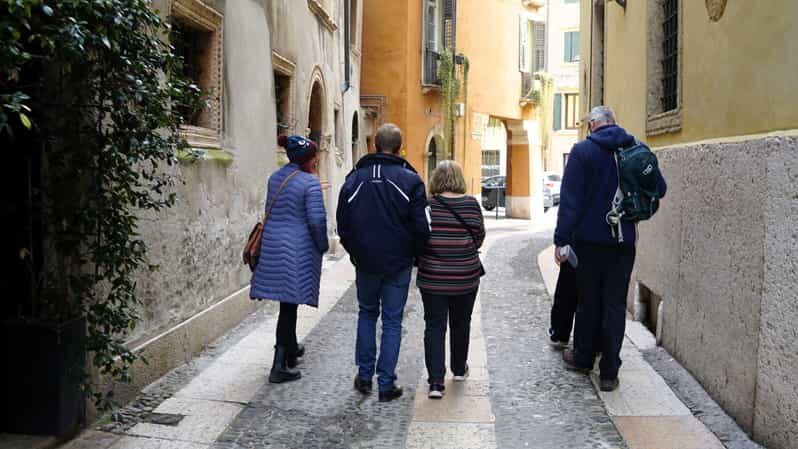
The quieter passages are a key part of the experience. Several visitors have found that the guide leads them away from the busiest routes while still covering central sights. Those lanes can reveal the city’s scale and texture in a way that a quick circuit of headline attractions cannot.
Do not expect every route to include the same side streets or historical examples. The experience is built around a local storyteller and selected stops, and guides may adapt the pace or conversation to the group. That flexibility can make the walk feel personal, but it also means you should not book it expecting a rigid itinerary.
Shop doors, family traditions, and daily life
The walk’s most distinctive element is its brief contact with local businesses. You may step into or pause by a wine bar, osteria, café, pastry shop, historic food store, or artisan workshop, and hear about the people who keep it going. These conversations offer a practical view of the center as a neighborhood, not only a visitor district.
The stops are short encounters, not scheduled tastings or a meal. Food and drinks are not included, but you can choose to buy a coffee, glass of local wine, or snack at a business along the way. That gives you a chance to support the places you visit, but do not assume that purchases or sampling are part of the ticket.
I especially like this format for anyone curious about how family traditions meet modern pressures. The stated aim is to hear about both the history of local businesses and the challenges of working in the historic center today. A conversation with a shop owner can make that subject more tangible than another date on a timeline.
Some walks have included encounters with booksellers, bakers, and wine shop owners, and guides have offered recommendations for food and wine afterward. Those recommendations can help you plan the rest of your stay, but they are personal suggestions rather than a promise of a meal stop or a booked tasting.
How the guides shape the walk
The guide matters a great deal on a storytelling tour. Diana is often described as warm, humorous, and attentive to questions, while Leo and Leonardo have led walks that connect historical detail with current city life. Mara and other named guides also lead the experience, so the style may vary from one departure to another.
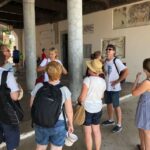
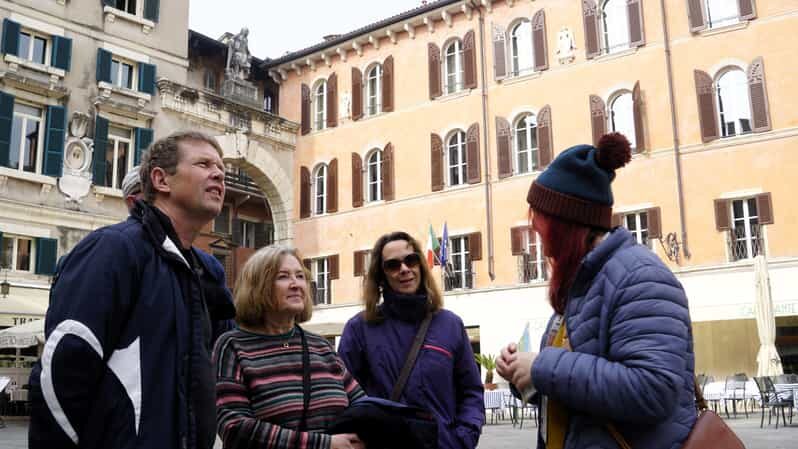
The small-group format helps here. With fewer people, it is easier to ask questions, hear the guide, and move through narrow streets without the feel of a large procession. Some walks have had only a handful of people, and a departure with very few bookings can feel close to a private tour. Still, group size is not guaranteed, so book for the small-group format rather than expecting a one-to-one experience.
A few accounts describe walks that ran well past the advertised time, even reaching several hours. Treat those as generous exceptions, not a planning assumption. The stated duration is 1.5 to 2.5 hours, and you should arrange your onward plans around that rather than counting on an extended conversation.
The guides have also been praised for adapting to conditions. One adjusted the pace during intense heat, and another kept a group going in heavy rain. That is reassuring, but weather still changes how comfortable a walking tour feels. Bring suitable clothing and water as appropriate to the conditions, and tell the provider about mobility needs when booking.
More Great Tours NearbyCastel San Pietro: the extra climb
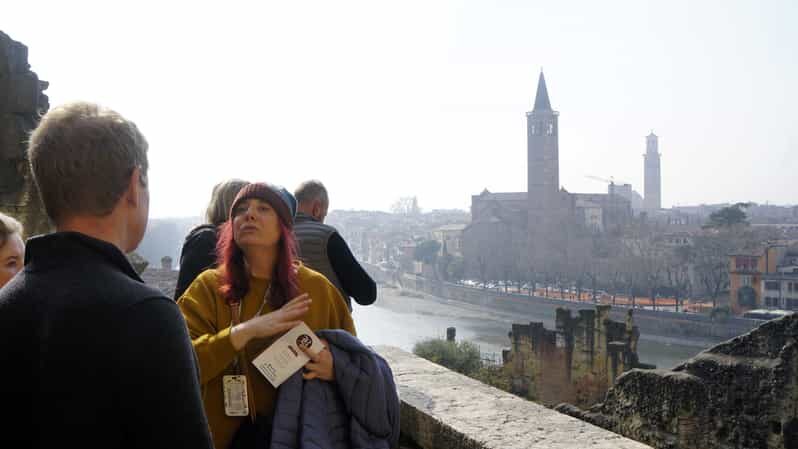
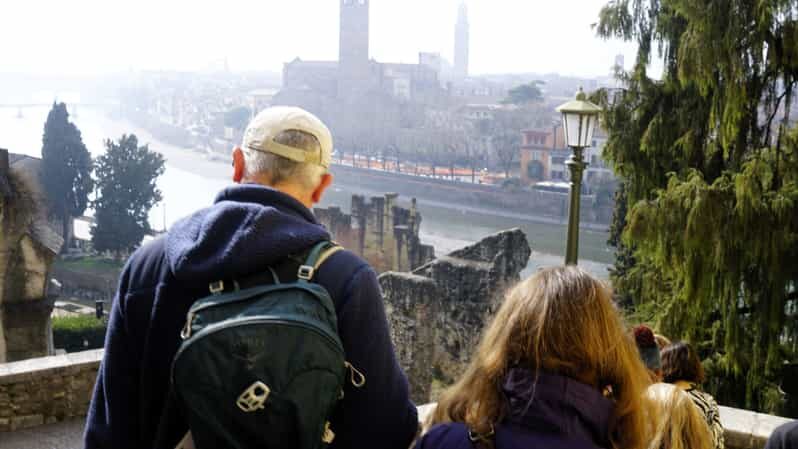
For a wider view, you can book the optional ascent to Castel San Pietro. It adds roughly 30 minutes and an extra fee, and needs to be selected when you book. From above, you can look across Verona’s rooftops and the Adige River, which helps you understand how the old center fits together.
This is a good choice if you enjoy seeing a city from above and are comfortable with additional walking. One group took a late afternoon tour to catch sunset from the area around Castel San Pietro, pairing the climb with a softer evening light. That timing can be especially appealing, but sunset views depend on the departure time and conditions.
The extra climb is not essential to the main experience. If you have limited stamina, are short on time, or prefer to keep the walk to around two hours, the standard route still offers history, local encounters, and central streets. The ascent is an add-on, not a missing piece you must buy to make the tour worthwhile.
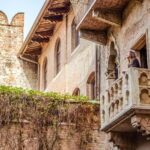

Verona after dark
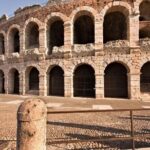
An 8:00 PM departure is available for visitors who want to see the historic center in the evening. As darkness falls, the Roman and medieval stone takes on a different character, and the streets can feel calmer than they do during the day. The route remains a walking experience, but the atmosphere changes.
An afternoon start may also lead into sunset, depending on the schedule. A 5:30 PM walk has included the climb toward Castel San Pietro at sunset, while evening guides have pointed out the option of taking the funicular and seeing Verona lit up at night. The funicular is not specified as part of the tour, so treat it as a possible follow-up, not an included ride.
Choose the evening departure if you prefer a quieter mood and do not need the tour to fit into daylight sightseeing. If this is your first activity in Verona, a daytime walk may make it easier to recognize streets and shops later. Either timing can work; the best choice depends on your schedule and whether you want views, cooler hours, or a night-time feel.
Is $48 a fair price?
At $48 per person, the value comes from the guide’s interpretation and the small-business encounters, not from included food, transport, or entry tickets. You are paying for a roughly two-hour walk led by a local storyteller, with a route that combines central landmarks and less obvious streets. If you value local context and the chance to ask questions, that is a solid use of part of a Verona day.
It is less compelling if you only want a quick monument tour or expect a meal, wine tasting, or admission to attractions to be included. Drinks and snacks cost extra, and the Castel San Pietro upgrade has a separate fee. Factor those in if you are comparing it with a standard city walk.
The option to reserve now and pay later, along with free cancellation up to 24 hours in advance, adds flexibility. Check the terms for your selected option when booking, especially if you plan to add the panoramic ascent. Private and family-friendly options are available, but availability and pricing may differ.
Practical details before you book
Wear comfortable shoes. The walk covers uneven medieval streets and cobblestones, and the optional ascent adds more walking. The experience is described as suitable for all ages, but participants should be able to walk for about two hours, or around 2.5 hours with the climb.
Meet at the designated starting point on time. The exact location is provided with your booking confirmation, and transport to and from the meeting point is not included. If you have mobility restrictions or another special requirement, share that information when booking; wheelchair access is listed, but cobbles and the extra climb may affect what works for you.
The walk is best at the beginning of a stay if you want orientation and local recommendations before exploring alone. It can also work near the end of a visit, when you already recognize the main sights and want to understand more about the city’s people and traditions.
Should you book this Verona walk?
Book it if you want a guide to connect Verona’s historic center with its present-day life. The strongest reasons are the small-group feel, the story-led route through both central squares and quieter lanes, and the chance to hear directly from people who run local businesses. Guides such as Diana, Leo, and Mara are central to that appeal.
Skip it if your priority is a food tour with included tastings, a fast landmark checklist, or a route with little walking. For most curious visitors, though, the $48 price is reasonable for a local-led introduction that can help the city make sense. Add Castel San Pietro only if the extra climb and view matter to you, and choose the evening slot if Verona by lamplight sounds better than a daytime circuit.
Verona: Old town walking tour with local stories-small group
FAQ
How long does the walk take?
The experience lasts about 1.5 to 2.5 hours. The optional Castel San Pietro ascent adds approximately 30 minutes.
What language can I book?
Guides are available in Italian, Spanish, English, and German. Check availability for your preferred language when choosing a time.
Are food and wine tastings included?
No. Food and drinks are not included, and this is not a food tour. You may buy coffee, wine, or snacks at local stops.
Is the Castel San Pietro climb included?
The ascent is an optional upgrade with an additional fee. Select it when booking if you want to include it.
Is the walk suitable for children or people with mobility needs?
The experience is described as suitable for all ages, but participants should be able to walk for about two hours. The route includes uneven streets and cobblestones, so share mobility restrictions or special requirements when booking.
Can I cancel or pay later?
The activity offers free cancellation up to 24 hours in advance and a reserve-now, pay-later option. Check the conditions shown for your selected booking.
You can check availability for your dates here: