Barcelona’s old streets and Picasso’s early art make a natural pairing: the Gothic Quarter gives you the city’s long story, while the museum shows how one young artist began to reshape its cultural life. This half-day tour connects the two on foot, with a guide to explain what you might otherwise walk past.
I like that the route includes both Els Quatre Gats, where Picasso met fellow artists, and Carrer d’Avinyó, linked to Les Demoiselles d’Avignon. I also like the museum entry being included, so you can move from city history to art without arranging a separate ticket.
One thing to check before booking is the language and price. The available package descriptions show English- and Chinese-speaking tours, while the inclusions also mention Chinese and Korean guide or audio support. Prices vary, and the tour does not include transport, food or hotel pickup.
Key points
- See the Gothic Quarter on foot: Follow medieval lanes, Roman remains and landmarks including Barcelona Cathedral and Plaça del Rei.
- Visit two Picasso-related places: Stop at Els Quatre Gats and walk along Carrer d’Avinyó, associated with Picasso’s early Barcelona years.
- Enter the Picasso Museum without the regular queue: Admission is included, with the museum housed in the Gothic palace Palau Montcada.
- Get context before viewing the art: The walking tour sets up the city and period behind Picasso’s work.
- Choose a language carefully: English- and Chinese-speaking join-in options are listed; confirm the guide and audio languages offered for your selected package.
- Plan around fixed start times: Choices are listed at 10:00, 15:00 and 17:00, but the return time depends on the option you book.
👉 See our pick of the Best Guided Tours In Montserrat
- Key points
- From medieval lanes to Picasso’s Barcelona
- Reading the Gothic Quarter through its landmarks
- Following Picasso to Els Quatre Gats
- Entering the Picasso Museum at Palau Montcada
- What the small-group format means
- Timing, meeting point and practical planning
- Is the price good value?
- Who should book this tour?
- Should you book it?
- FAQ
- What does the tour include?
- Where does the tour return?
- What start times are available?
- Which languages are offered?
- Is Picasso Museum admission included?
- Does the tour include food or transport?
- Can children join the tour?
- Is the activity wheelchair-accessible?
- What should I bring?
- The Best Of Barcelona!
- More Museum Experiences in Barcelona
- More Tours in Barcelona
- More Tour Reviews in Barcelona
- Not for you? Here's more nearby things to do in Barcelona we have reviewed
From medieval lanes to Picasso’s Barcelona
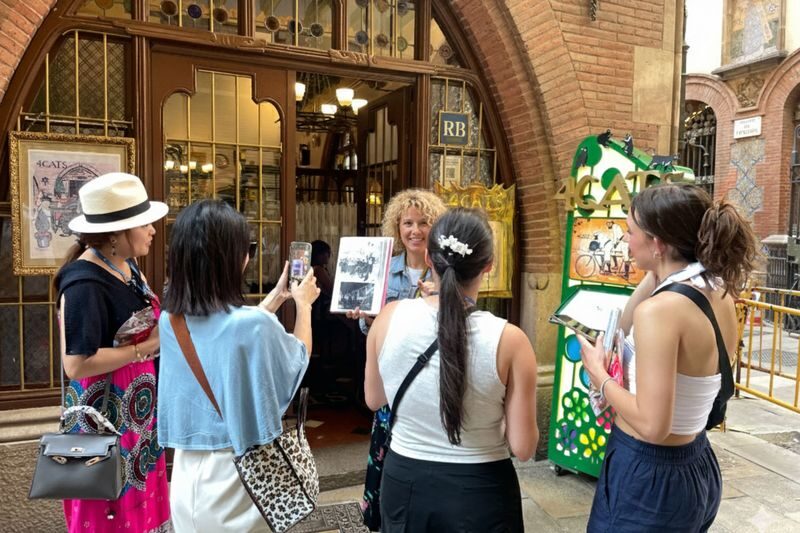
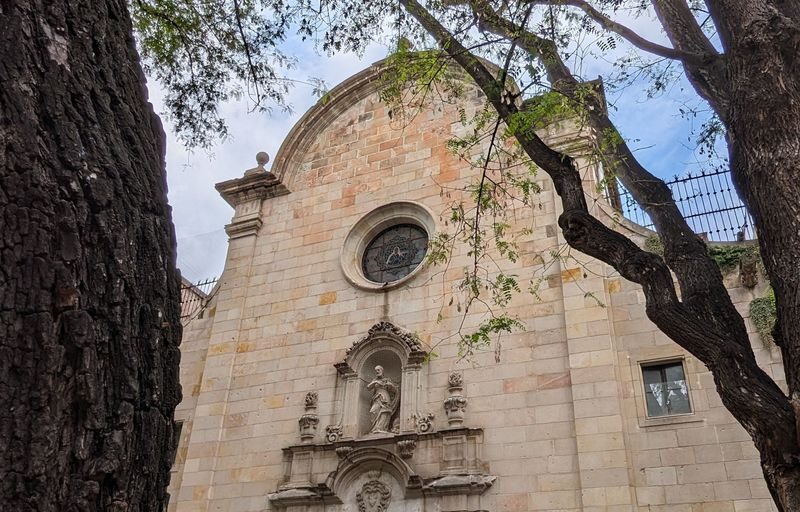
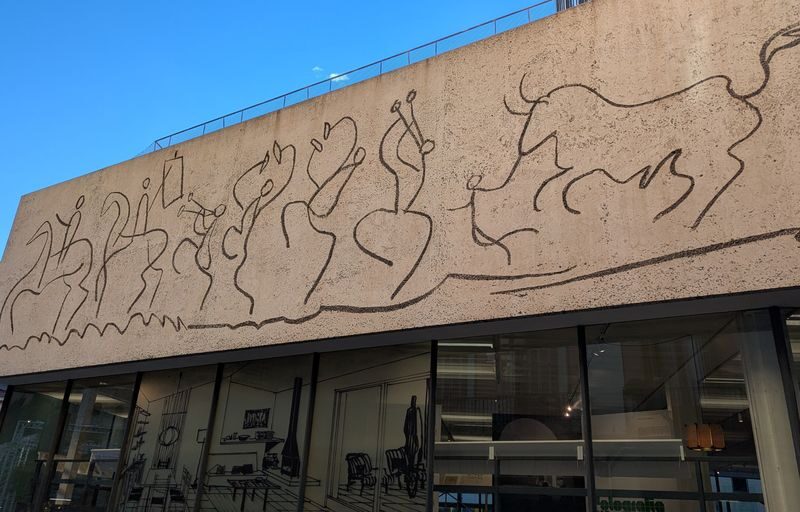
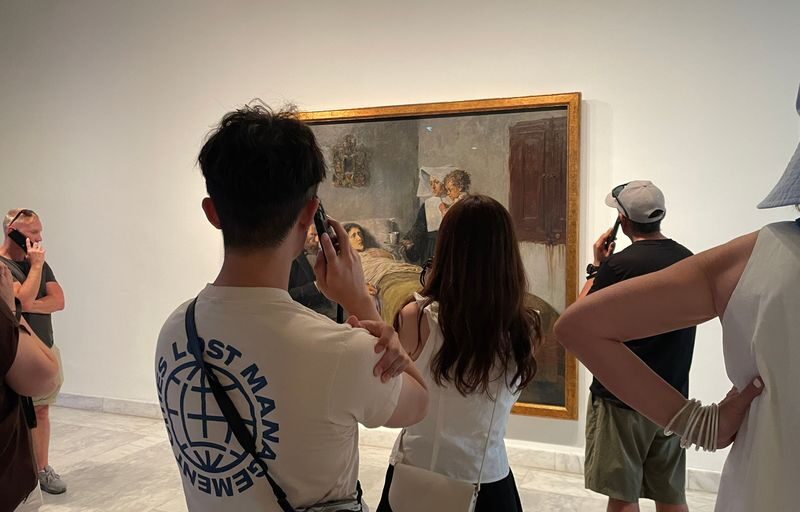
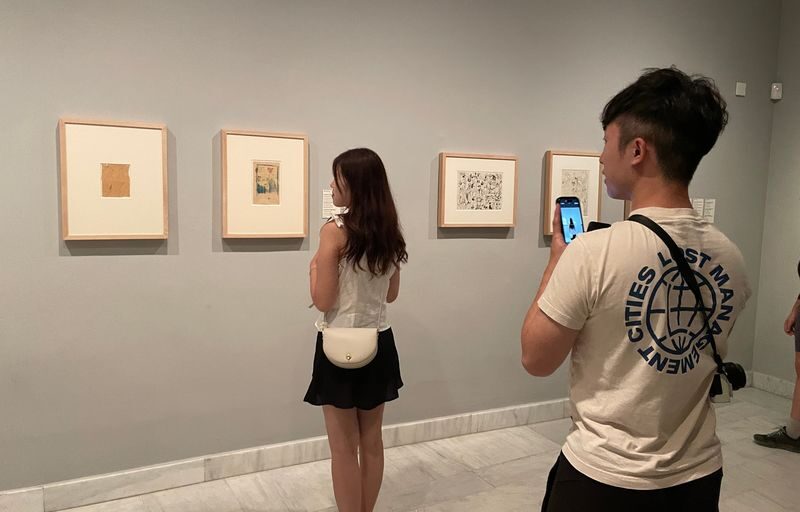
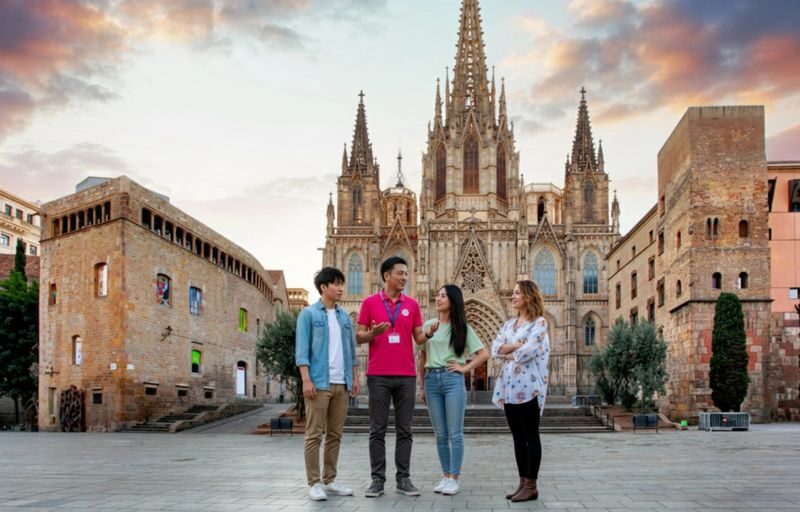
This tour works best as a connected story, not as two unrelated attractions. You start in the Gothic Quarter, where the guide gives you a sense of Barcelona’s long timeline, then follow the artist’s early connections before entering the museum. That order matters: the city walk gives you clues about the place Picasso knew, and the museum gives you a chance to look at his work with that setting in mind.
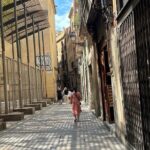
The walking portion covers winding old streets, Roman remains and medieval landmarks. You’ll hear stories about Barcelona’s roughly 2,000-year history while seeing how the different eras sit close together. Don’t expect a broad survey of every part of the city. The focus is the Gothic Quarter and its links to Picasso.
The precise route and length of each stop are not specified, so it is sensible to think of this as a guided introduction rather than a private, in-depth tour of every site. A guide can help you make sense of a tight network of lanes and buildings, but you should leave time on another day if you want to explore the quarter at your own pace.
You can also read our reviews of more museum experiences in Barcelona


Reading the Gothic Quarter through its landmarks
Barcelona Cathedral and Plaça del Rei are among the route’s named landmarks. The cathedral gives the walk a clear point of reference, while Plaça del Rei helps anchor the medieval side of the story. The guide connects these well-known places with smaller details and local tales, so the tour is more than a sequence of photo stops.
You’ll also encounter Roman remains, a useful reminder that the quarter’s past begins long before its medieval streets took shape. The specific remains visited are not named, so don’t book expecting a particular archaeological site or an extended look at Roman ruins. The value here is the wider context: Barcelona’s older layers are still part of the city you see today.
The Gothic Quarter can be confusing to navigate on your own. Its narrow lanes and enclosed squares make it easy to lose your sense of direction, especially on a first visit. A guide helps you connect the places and stories, then you can return later to the corners that caught your eye.
Following Picasso to Els Quatre Gats
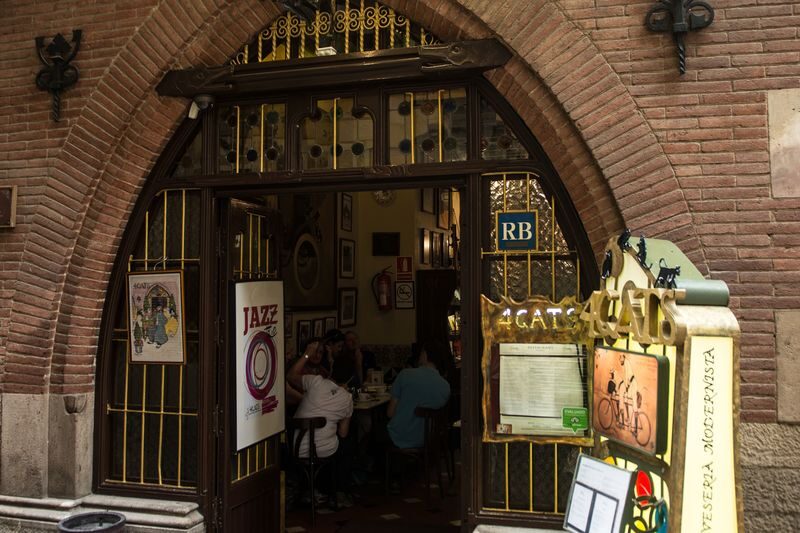
The tour’s Picasso story begins in the city, not inside the museum. Els Quatre Gats was an important café in Picasso’s early Barcelona years, a place where he met other artists. Stopping there gives you a more human entry point to the collection: Picasso was not yet the established figure you may know from later works, but a young artist in a creative circle.
It’s worth understanding the café as a historic meeting place rather than expecting a detailed account of its present-day service or interior. The supplied tour details name it as a stop but do not promise a meal or time to sit down. Food and drinks are not included, so bring your own plans if you want to eat there or nearby.
Carrer d’Avinyó adds another link between the city and Picasso’s art. The street is associated with Les Demoiselles d’Avignon, a work often discussed as a turning point in modern art. The tour connects the location with the painting’s inspiration. It does not promise a visit to the painting’s original setting or a full art-history lecture, but the link gives you a specific way to think about place and artistic invention.
Entering the Picasso Museum at Palau Montcada
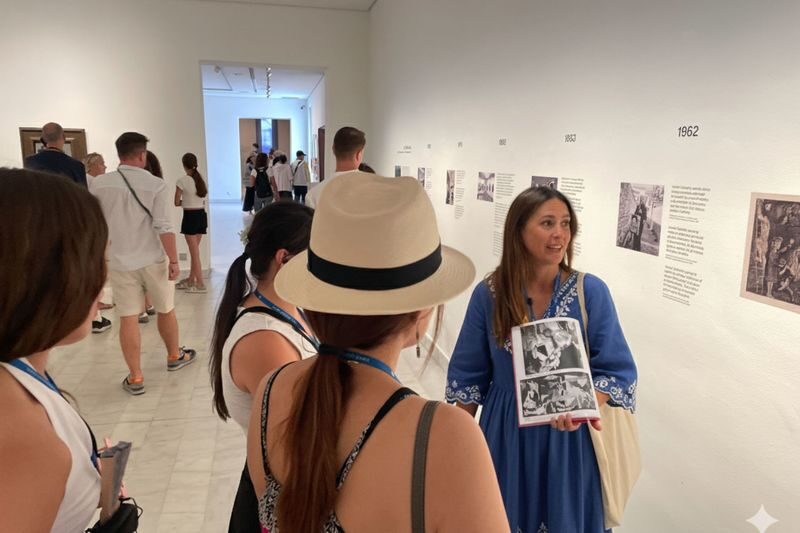
The final part is the Picasso Museum, located in Palau Montcada, a Gothic palace on Carrer de Montcada. Admission is included, and skip-the-line access means you avoid the standard ticket queue. That saves time and makes the museum a practical finish to a half-day outing.
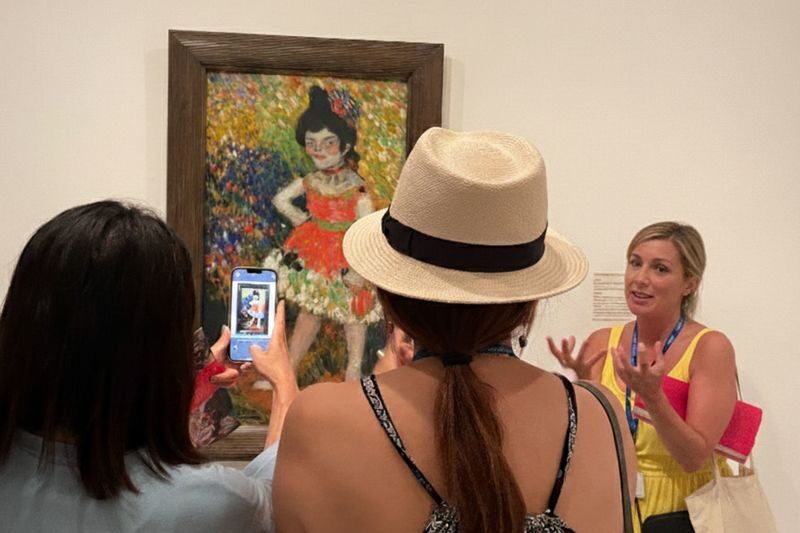
The collection traces Picasso’s work across his life, offering a chance to see how his art changed over time. One visitor described arriving with an impression of Picasso that leaned toward Impressionism, then finding it reshaped by seeing the works in person. That is a useful expectation to bring: the museum can complicate a simple idea of what Picasso’s art looks like, especially when you can compare work from different stages.
A guide named Sofi has been singled out for detailed, moving explanations. The guide’s role is especially valuable here because a museum visit can feel less approachable if you arrive without context. Still, the available details do not specify how long the guided portion inside the museum lasts, or whether the guide accompanies you throughout. Check the exact format for your chosen option if that distinction matters to you.
Skip-the-line entry should not be mistaken for a private museum visit. You’ll be visiting a major attraction that can draw many people, and the access benefit is primarily about the queue. If you want to linger over particular works, ask how much time is allotted in the museum before booking.
What the small-group format means
The experience is described as a small-group tour, which can make it easier to hear the guide and ask questions than on a large coach outing. A more intimate group also suits a walking route through narrow streets, where a large crowd can be awkward to keep together.
No maximum group size is provided, however, so you cannot count on a specific number of participants. If a very small group is essential to your plans, ask the operator to confirm the expected size. The experience is a join-in tour, not a private outing.
Language is another point to settle before paying. The package choices list join-in tours with English- or Chinese-speaking guides. The inclusions also mention Chinese or Korean-speaking guide and audio support, plus Chinese-speaking staff. Because those details do not line up perfectly across the options, check the language attached to your exact booking. The audio guide may also depend on setting your app or site language before booking.
You can also read our reviews of more tours and experiences in Barcelona


Timing, meeting point and practical planning
Start times are listed as 10:00, 15:00 and 17:00. The meeting time is confirmed after booking, and the return choices shown are 12:00 and 17:00, with availability depending on the departure time and itinerary duration. These combinations are not fully explained, so confirm the start and finish time for your chosen slot rather than assuming every departure lasts the same number of hours.
The return point is listed at Carrer de Montcada, 15-23, in Ciutat Vella, the address of the Picasso Museum. The departure point is described as the Gothic Quarter, but the exact meeting location is not given in the details here. Look for the confirmed meeting instructions and arrive at the selected time. Late arrivals and no-shows are not refundable.
This is a walking tour, and transport is not included. Hotel pickup and drop-off are also excluded, so plan how you’ll reach the meeting point and get back afterward. Meals, drinks, personal expenses and gratuities are extra. Carry water, sunscreen and sunglasses, particularly if your chosen time puts you outdoors in strong sun.
The activity is not wheelchair-accessible. Participants must be at least four years old. Children aged 4 to 11 are priced as children, based on official ID, while those aged 12 and older pay the adult rate. The voucher is valid only on the date and time booked.
Is the price good value?
The listed headline price starts at $69.65, while the package options show join-in tours from $52.65. Treat those as different displayed starting prices, not a guaranteed final cost. The price may depend on the selected package, language or booking details, so compare the amount shown at checkout before deciding.
The main value is the combination: a guided Gothic Quarter walk, a route tied to Picasso’s early life, and museum admission with skip-the-line access. If you were planning to pay for the museum and arrange a guided walk separately, having both in one outing can be efficient. The guide’s historical context is also a real part of the value, especially if you want more than a quick look at buildings and paintings.
It is less compelling if you prefer to explore museums alone, need flexible timing, or want an outing with transport and meals included. Those are not part of this package. The price is easiest to justify if you want a structured introduction to both the quarter and Picasso, and the language offered suits you.
Who should book this tour?
I’d consider this for a first Barcelona visit, an art-minded city break or a day when you want a clear plan rather than piecing together the museum and historic quarter yourself. It suits adults and families with children aged four and up, though the walking format and lack of wheelchair access are important limits.
It’s particularly useful if Picasso is on your list but you’d like to understand his Barcelona connections before entering the museum. The stops at Els Quatre Gats and Carrer d’Avinyó give the art a local frame, while the cathedral, Plaça del Rei and Roman remains broaden the story beyond one artist.
You may prefer a standalone museum ticket if you want to spend as long as you like with the collection. You may also prefer a self-guided walk if you already know the Gothic Quarter or want to stop often. This tour trades some freedom for a joined-up route and a guide’s explanations.
Should you book it?
Book this if you want a compact, guided introduction to Barcelona’s Gothic Quarter and Picasso’s early years, with museum admission handled as part of the outing. The strongest reason to go is the sequence: old streets, Picasso-related places, then the collection at Palau Montcada. Before paying, verify the guide language, exact meeting time and final price. If those details fit your plans, it’s a practical way to connect Barcelona’s past with its art.
Barcelona Picasso Museum & Gothic Quarter Half-Day Immersive Experience
“Originally, my impression of Picasso was always tinged with a bit of Impressionism. Today, strolling through the Picasso Museum and gazing upon his…”
FAQ
What does the tour include?
It includes a guided Gothic Quarter walking tour, admission to the Picasso Museum and skip-the-line access. Guide or audio-guide language depends on the selected package.
Where does the tour return?
The return point is Carrer de Montcada, 15-23, Ciutat Vella, at the Picasso Museum.
What start times are available?
Listed choices are 10:00, 15:00 and 17:00. The confirmed meeting time and available return time depend on the option you book.
Which languages are offered?
Join-in packages are listed with English- or Chinese-speaking guides. The inclusions also refer to Chinese and Korean guide or audio support, so confirm the language for your chosen package before booking.
Is Picasso Museum admission included?
Yes. Admission to the Picasso Museum is included, along with skip-the-line access.
Does the tour include food or transport?
No. Meals, beverages, transport, hotel pickup and drop-off are not included.
Can children join the tour?
Yes. Participants must be at least four years old. Children aged 4 to 11 are charged the child rate, and participants aged 12 or older pay the adult rate.
Is the activity wheelchair-accessible?
No. The activity is not wheelchair-accessible.
What should I bring?
Bring water, sunscreen and sunglasses. These are useful for the outdoor walking portion.