Tokyo’s festival streets give this tour its most distinctive start: you can see traditional processions and performances, then cross the country by bullet train toward Kyoto and Hiroshima. I like that the route pairs seasonal customs with major historical sites, rather than treating Japan as a checklist of temples and city views.
I also like the small-group format, 10 to 26 people, and the promise of an owner accompanying each group. One past guest singled out guide Josh for taking time to understand what the couple wanted to experience, a useful sign of the personalized approach Knutson Travels aims for.
The main caution is the schedule. Festival dates matter, and the tour details conflict about its length and final stops: they describe 13 days ending in Hiroshima, but also label the tour 4 days and refer to Osaka. Confirm the exact departure plan before paying.
- What to know before you book
- Tokyo: city days with a festival in view
- Tokyo to Kyoto: a fast train and a festival day
- Hiroshima: time to absorb the Peace Memorial Park
- Miyajima: a shrine island and its famous gate
- The Osaka question, and what the price covers
- Group style, pace, and personal guidance
- Should you book this Japan tour?
- FAQ
- How long is the tour?
- Where does the tour start and end?
- What is the minimum booking requirement?
- What festivals are included?
- Is the Tokyo to Kyoto bullet train included?
- How large is the group?
- What meals are included?
- Are hotels included?
- Are international flights included?
- What is the tour’s physical intensity and age range?
- The Best Of Tokyo!
- More 4-Day Experiences in Tokyo
- More Tours in Tokyo
- More Tour Reviews in Tokyo
- Not for you? Here's more nearby things to do in Tokyo we have reviewed
What to know before you book
- Tokyo’s Sanja and Kanda Matsuri: Festival participation is listed as optional, and the description says it depends on timing. Ask which festival, if any, falls on your specific departure.
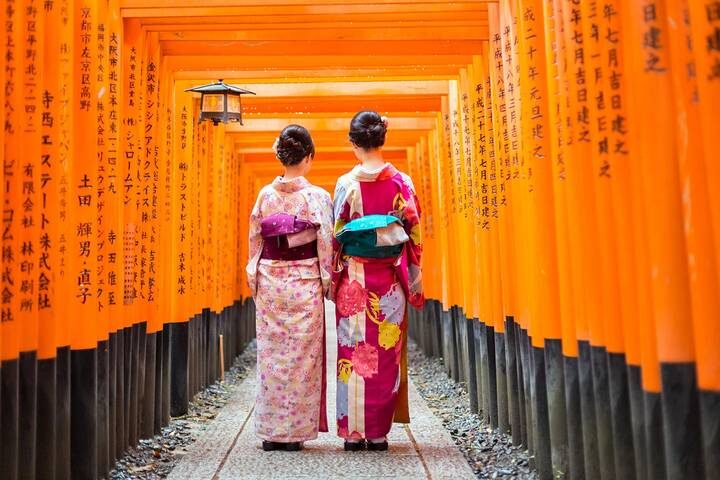
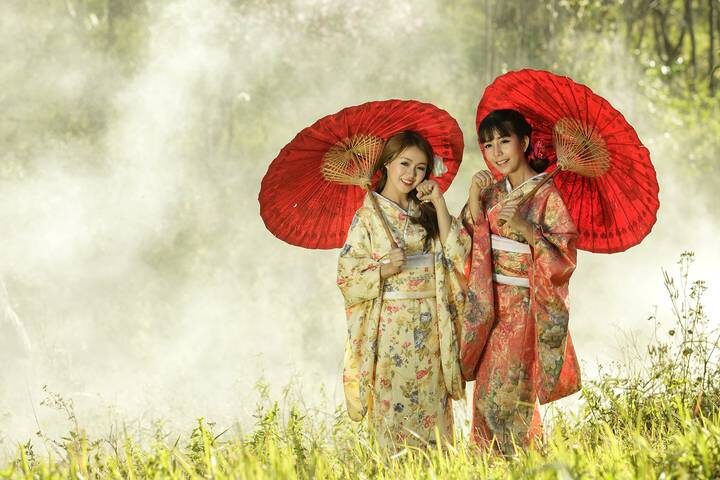
- Kyoto’s Aoi Matsuri: The parade and traditional dress are a major cultural draw, but the event is also listed as optional. Confirm whether your dates include it.
- A bullet train to Kyoto: The Tokyo to Kyoto journey is about two hours. It is the tour’s clearly specified included train activity.
- A sobering stop in Hiroshima: The Peace Memorial Park and Museum are included, and you should leave several hours to take them in.
- Miyajima and the Floating Torii Gate: The island visit includes shrine and temple exploration. Maple-shaped cakes are a local treat to try if time allows.
- A route to clarify: The tour is advertised as 13 days from Tokyo to Hiroshima, yet the final section is labeled Osaka. Get the day-by-day route and departure city in writing.

👉 See our pick of the 25 Best Guided Tours In Tokyo
Tokyo: city days with a festival in view
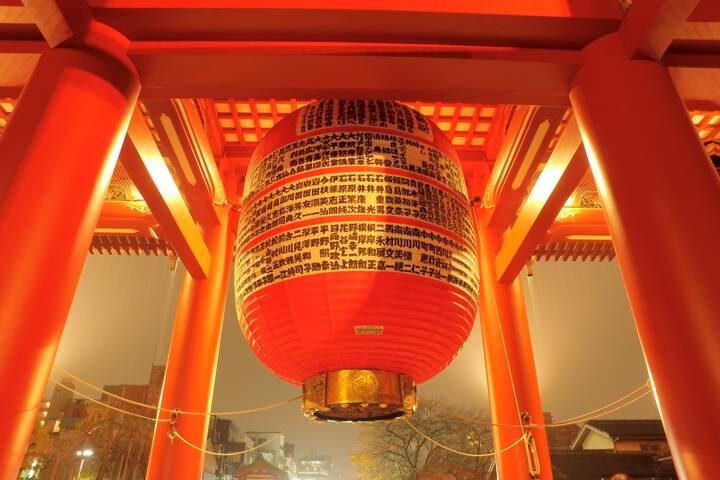
The tour begins in Tokyo, where five days give you time to get used to the city before heading west. The suggested first moves are simple and sensible: walk around your neighborhood, find local places to eat, and explore areas such as Asakusa or Shibuya. Tokyo can feel like several cities stitched together, so a few unhurried days help you find your bearings.
The main seasonal attraction is the Sanja and Kanda Matsuri, festivals associated with traditional performances and large crowds. The tour describes festival attendance as optional and notes that the timing may not line up. That qualification matters: a May departure alone does not guarantee you will see either event. Ask the operator which festival dates match your trip, and whether your group will attend as part of the guided program or have free time to go on your own.
The available schedule assigns breakfast and lunch during the Tokyo portion. It does not spell out dinner, so plan for evenings at your own expense. That can be a welcome chance to try neighborhood restaurants, but it means the advertised price should not be read as covering every meal.
You can also read our reviews of more tours and experiences in Tokyo


Tokyo to Kyoto: a fast train and a festival day
On the route to Kyoto, you board the bullet train at Tokyo Station. The trip takes about two hours, and the train itself is included. It is a practical way to cover the distance without losing a day to travel; the changing view of Japan is a bonus.
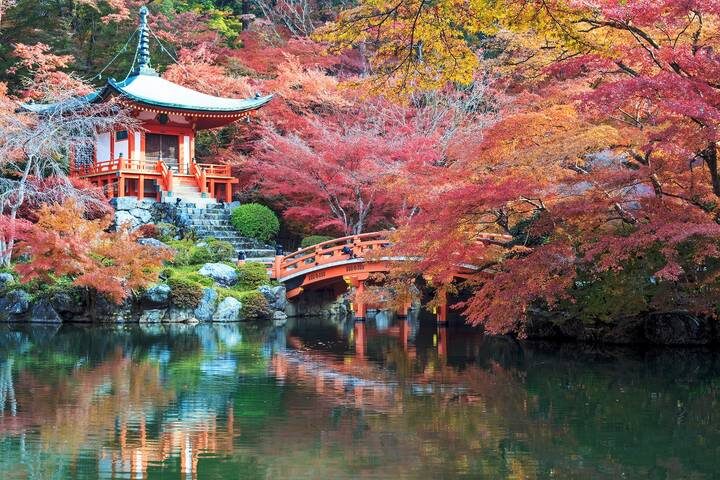
Four days are set aside for Kyoto, with the Aoi Matsuri as the central event. The festival is known for its parade and traditional dress. The plan suggests allowing several hours for it, then spending time among Kyoto’s temple areas. That mix gives you a taste of the city’s ceremonial life as well as quieter corners, though the festival is listed as optional. Confirm whether your date aligns and how attendance fits into the guided schedule.
The tour lists breakfast and lunch here, but does not specify dinner. Accommodation is described as centrally located, which should help with independent evenings, though no hotel names are supplied. Ask for the hotel list and the amount of free time you can expect if you want to plan meals or extra temple visits.
Hiroshima: time to absorb the Peace Memorial Park
The journey from Kyoto to Hiroshima is described as taking about four hours by train. The route information does not clearly state whether that train fare is included, so check before booking rather than assuming every rail transfer is covered.
Hiroshima’s Peace Memorial Park is more than 120,000 square meters, with lawns, trees, paths, memorials, and monuments. Before the 1945 bombing, this area was the city’s commercial and political center. It was selected as the target, and after the war the city chose to preserve the site for memorial and peace facilities rather than rebuild it.
The Peace Memorial Museum is the park’s central visit. Its exhibits cover Hiroshima’s history and the development of the atomic bomb, with a close focus on the bombing on August 6 and its human consequences. This is emotionally demanding material, not a quick stop between attractions. Give yourself several hours and some quiet time afterward; the schedule mentions dinner nearby and a return to the hotel.
Both the park and museum are included activities, and the tour provides breakfast and lunch during the Hiroshima days. The museum visit is one of the strongest reasons this route has weight beyond its festival calendar. It asks you to spend time with a difficult history, rather than simply take in a famous view.
Miyajima: a shrine island and its famous gate
The final sightseeing stop is Miyajima, a small sacred island in the Inland Sea. Its Floating Torii Gate is the landmark most people come to see, while the surrounding shrine complex and other religious sites give the island a broader sense of place. The shrine dates to the sixth century, with the present structure dating to the twelfth century, and the site is designated a UNESCO World Heritage Site.
The tour includes a visit to the island, a view of the gate, and time to explore shrines and temples. It also suggests trying maple leaf-shaped cakes, a local specialty. These are modest pleasures, but they make a good counterpoint to the formal shrine grounds. The schedule describes a ferry or train connection and an afternoon or early evening return toward Hiroshima Station. It does not give exact crossing times, so leave room for the island visit and confirm the day’s transport plan with your guide.
Miyajima is presented as a sacred place with long-standing Shinto significance. The details note that birth and death on the island are forbidden, underscoring the traditions attached to it. The tour’s combination of the gate, shrine complex, and local food gives you more than a quick photograph, though how much you can see will depend on the time allowed.
The Osaka question, and what the price covers
The tour price starts at $7,595, and the booking information says at least two people must book together. The included package lists centrally located four- and five-star boutique hotels, 12 breakfasts, 9 lunches, the Tokyo to Kyoto bullet train, the Hiroshima Peace Memorial Park and Museum, and Miyajima activities. For a 13-day guided group tour, the hotels and some meals add useful convenience, while the guide can help make cultural stops easier to understand.
Still, the price is not all-inclusive. International flights and one domestic flight are excluded, as are drinks with meals, optional tours, miscellaneous charges, and any extra tips you choose to give. Knutson Travels says it pays part of the tour cost in tips to each guide, but additional tipping is left to your discretion. The information does not identify the excluded domestic flight or clarify whether the Kyoto to Hiroshima train is covered, so ask for an itemized list of included transport.
There is also a notable route mismatch to resolve. The tour is described as 13 days, starting in Tokyo and ending in Hiroshima, but the final two days are headed Osaka. The accompanying description says you return to Hiroshima Station and notes Osaka may be a cheaper airport for an international flight home. It also says you will not be charged for a flight from Osaka to Tokyo if you choose to depart from Osaka. These details do not fully explain where the final nights are spent or which city is the official endpoint.
The title calls this a 4-Day Tokyo to Hiroshima Tour, while the duration and day-by-day plan describe 13 days. Treat neither discrepancy as a small technicality. Before booking, request the exact dates, overnight cities, final airport options, and a clear list of included train, ferry, and flight costs.






Group style, pace, and personal guidance
This is a fully guided English-language group tour for adults aged 18 and older. Groups range from 10 to 26 people, and the physical rating is medium intensity. You should be comfortable with days that involve walking through city neighborhoods, a large memorial park, festival crowds, and shrine grounds. The schedule does not provide daily walking distances or a detailed pace, so ask if you need a more precise picture.
Knutson Travels describes its approach as locally focused and says the owners accompany each group. Josh is the only guide named in the available details; one past guest credited him with listening closely to what they hoped to experience. That personal attention matters most on a route with optional festival events and serious historical visits, where a guide’s ability to respond to your interests can shape the day.
The operator has a small portfolio, with nine tours listed, and says its work centers on cultural experiences. Its payment terms are a $500 deposit, with the remaining balance due 60 days before departure. Interest-free payments every two weeks are also offered. Those terms are straightforward, but the route questions deserve answers before you commit.
Should you book this Japan tour?
This trip suits you if you want a guided introduction to Tokyo, Kyoto, Hiroshima, and Miyajima, and you value festival traditions alongside major historical sites. The included boutique hotels, some meals, English-speaking guide, and Tokyo to Kyoto bullet train provide structure, while the group size leaves room for a more personal feel than a large coach tour.
I would book only after confirming the departure’s festival dates and resolving the four-day versus 13-day and Hiroshima versus Osaka discrepancies. If the schedule matches your needs, the combination of a Kyoto festival, Hiroshima’s Peace Memorial Museum, and Miyajima’s shrine island makes for a thoughtful Japan trip. If you want guaranteed festival access or a fully itemized transport plan, get those details in writing first.
Japan Festivals by Knutson Travels – 4-Day Tokyo to Hiroshima Tour
“Josh took the time to understand everything we wanted to experience. We benefited from his extensive knowledge and had the time of our lives. We hi…”
FAQ
How long is the tour?
The tour information gives a duration of 13 days, but its title also calls it a 4-day tour. Confirm the correct duration for your departure before booking.
Where does the tour start and end?
It starts in Tokyo and is described as ending in Hiroshima. The final section also mentions Osaka, so confirm the actual last overnight stop and departure city.
What is the minimum booking requirement?
At least two people must book together.
What festivals are included?
The tour highlights Tokyo’s Sanja and Kanda Matsuri and Kyoto’s Aoi Matsuri. Attendance is described as optional, and Tokyo festival timing may not match every departure. Ask which events fall on your dates.
Is the Tokyo to Kyoto bullet train included?
Yes. The bullet train from Tokyo to Kyoto is listed as an included activity, and the trip takes about two hours.
How large is the group?
The group size is 10 to 26 people.
What meals are included?
The tour includes 12 breakfasts and 9 lunches. Beverages during meals are not included.
Are hotels included?
Yes. Accommodation is listed as centrally located four- and five-star boutique hotels. Specific hotel names are not provided.
Are international flights included?
No. International flights and one domestic flight are listed as excluded. The information does not specify which domestic flight, so ask the operator for details.
What is the tour’s physical intensity and age range?
The tour is rated medium intensity and is for ages 18 and older.