Japan’s most memorable moments on this 11-day route come from its contrasts: a quiet temple stay near Mt Fuji, steaming baths in Gero, Kyoto’s red torii gates and the sobering Peace Memorial in Hiroshima. I like the mix of city and countryside, and the way trains and public transport put you into the everyday flow of getting around Japan.
I also like the balance between group plans and free time. A leader handles the route and offers local context, while you still have room to choose a Kyoto walk or find your own dinner. The main trade-off is the pace: there are several long train days, plenty of walking, and luggage to manage through stations.
- The quick take
- From Tokyo’s temple district to its riverfront
- Minobu’s temple stay and Gero’s hot springs
- Kyoto’s red gates, golden pavilion and tea
- Himeji Castle and Hiroshima’s difficult history
- Miyajima’s shrine and Osaka’s food streets
- What the price covers, and what it does not
- The pace, the luggage and who will enjoy it
- Should you book this Japan tour?
- FAQ
- How long is the tour, and where does it start and end?
- How many people are in the group?
- What language is the tour guided in?
- What accommodation is included?
- Can I book a private room?
- Which meals are included?
- Can dietary requirements be accommodated?
- Are international flights and travel insurance included?
- How physically demanding is the trip?
- What should I know about the onsen?
- The Best Of Tokyo!
- More Tours in Tokyo
- More Tour Reviews in Tokyo
- Not for you? Here's more nearby things to do in Tokyo we have reviewed
The quick take
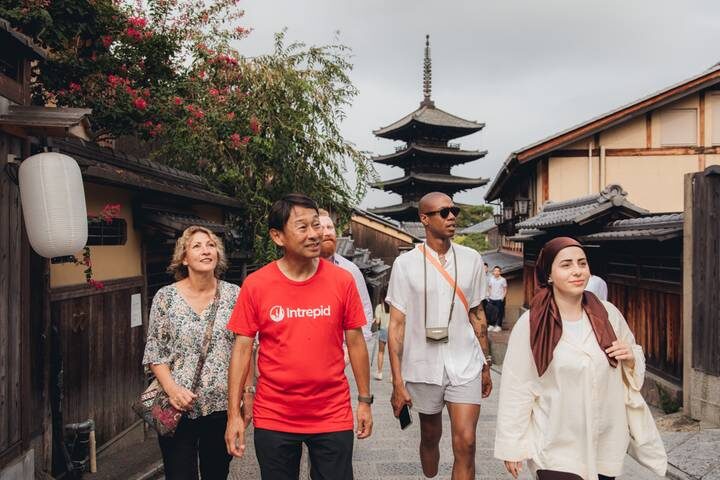
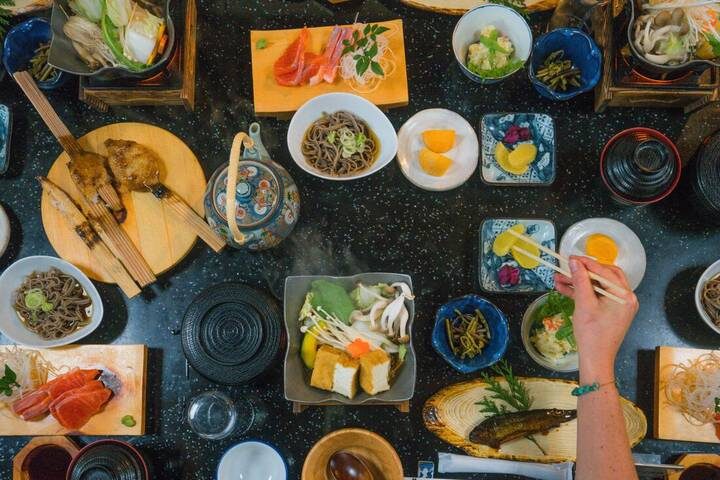
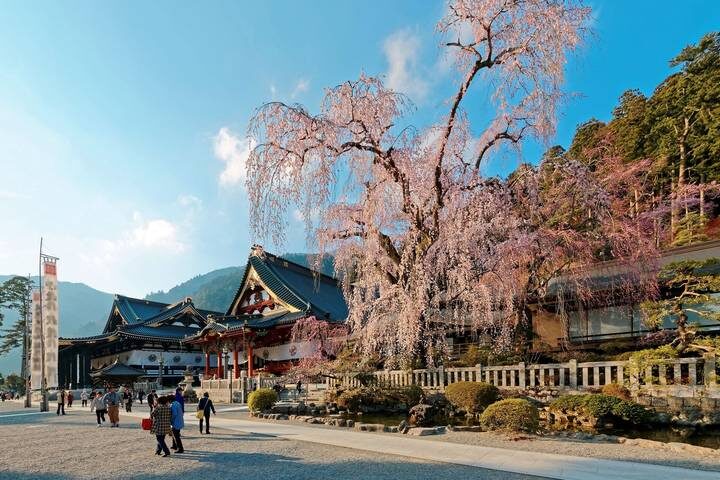
- A temple night near Mt Fuji: Stay at a sub-temple of 500-year-old Kuon-ji in Minobu, with a vegetarian Buddhist dinner and optional morning prayer.
- An onsen and kaiseki evening: Gero pairs a traditional inn with indoor and outdoor hot spring baths and a multi-course Japanese dinner.
- Classic Kyoto, with room to roam: Visit Fushimi Inari and Kinkaku-ji, take part in a tea ceremony, then use free time for the Philosopher’s Path or other temples.
- History and island scenery: See Himeji Castle and Hiroshima’s Peace Memorial sites, then ferry to Miyajima and Itsukushima Shrine.
- Small-group travel by rail: Groups are capped at 12, and public transport keeps the journey connected to local life, but requires you to carry your own bag.

👉 See our pick of the 25 Best Guided Tours In Tokyo
From Tokyo’s temple district to its riverfront
The trip begins in Tokyo, with a welcome meeting at 6 pm. Arrive with enough time to get your bearings, since the first day has no scheduled sightseeing. You could visit the Imperial Palace grounds, browse a vintage shop or settle into the city with a Japanese dinner.
On Day 2, the group explores Asakusa, one of Tokyo’s older districts. Senso-ji, the city’s oldest temple, gives you an early look at religious practice and traditional architecture; Nakamise street nearby is a lively run of stalls selling snacks, crafts and souvenirs. It is worth leaving time to browse rather than treating it as just a route to the temple.
A Sumida River cruise shifts the view from street level to the water. You pass Skytree Tower, the Sumo Stadium and the former Tsukiji Fish Market complex before reaching Hama Rikyu gardens, where paths and ponds offer a quieter break from the city. The day ends in Ginza, a useful contrast: polished department stores, high-end shops and food halls instead of temple stalls. Kabuki may be possible depending on the theatre schedule, but it is optional, not a guaranteed performance.
You can also read our reviews of more tours and experiences in Tokyo.

Minobu’s temple stay and Gero’s hot springs
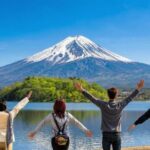
Day 3 trades Tokyo’s scale for Minobu’s slower pace. You travel by train and arrive around midday, then stay at a sub-temple of Kuon-ji near Mt Fuji. The tatami rooms and shared facilities are part of the experience, not hotel-style comforts. The floor is firm, so anyone with back, hip or knee trouble should think carefully about whether a night on tatami will suit them.
The afternoon is free for a walk around town or optional Buddhist activities such as sutra copying and meditation. Kuon-ji is reached by 287 steps, though a ropeway offers another way up and may provide Mt Fuji views on a clear day. Dinner is shojin ryori, traditional Buddhist vegetarian cuisine. You can also choose to observe morning prayers before leaving the next day.
The train journey to Gero takes you to a long-established onsen town. After an orientation walk, you check into a ryokan with indoor and outdoor hot spring baths. Your leader explains how to wear a yukata and the etiquette of bathing. Public onsen bathing is nude and separated by gender, and some baths may not admit people with tattoos; ask your leader about the rules and whether a private option is available.
The evening’s kaiseki dinner is one of the trip’s set meals: several courses, often including soup, sashimi, grilled or steamed dishes, sides and rice. It is a chance to sample a more formal style of Japanese dining rather than simply choosing a dish from a menu.
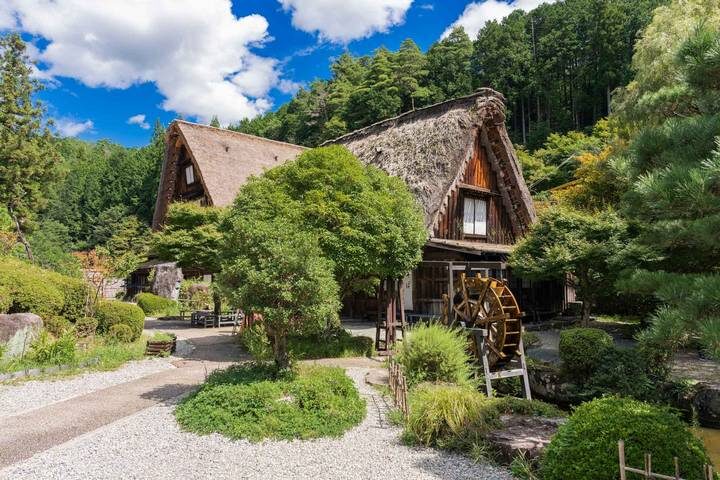
On Day 5, visit Gero’s market for local ingredients and specialties, then Gassho Village, an open-air museum with ten preserved thatched-roof houses. The Odo House displays tools linked to silk production and mountain farming. The rest of the day is free, giving you time to browse ceramics or sake, visit another house, or take a slower afternoon after the previous day’s travel.
Kyoto’s red gates, golden pavilion and tea
The rail journey to Kyoto takes much of Day 6, but the group heads to Fushimi Inari Shrine after arrival. Thousands of red torii gates follow a path up Mt Inari. You can take photographs near the entrance, or walk farther up the route if you have the time and energy. An orientation walk and an evening stroll through Gion follow. Gion is known for its geiko culture, and you may spot a geiko or maiko, but it is best approached as a working neighborhood, not a performance staged for visitors.
Day 7 starts at Kinkaku-ji, the Golden Pavilion, whose gold-leaf-covered exterior reflects in the surrounding pond. A tea ceremony follows, showing the attention given to utensils, movements and preparation. The ceremony is a compact introduction, not a full course in tea culture, but it gives you a useful frame for noticing the care behind a seemingly simple cup.
The afternoon is free. Kyoto rewards a walking plan, and the Philosopher’s Path links Ginkaku-ji and Nanzen-ji through the eastern hills. You can extend the route toward Kiyomizu-dera for views across a wooded gorge, though fitting several temples into one afternoon means a lot of walking. I’d choose one route and enjoy it rather than trying to tick off every listed site.
Himeji Castle and Hiroshima’s difficult history
On Day 8, travel by shinkansen toward Hiroshima, stopping at Himeji Castle. The 16th-century stronghold was restored in 2015, and its moats, towers and walled approaches help explain how a castle could deter attackers before they reached the main keep. The visit involves stairs, but the view from the seventh floor rewards the climb.
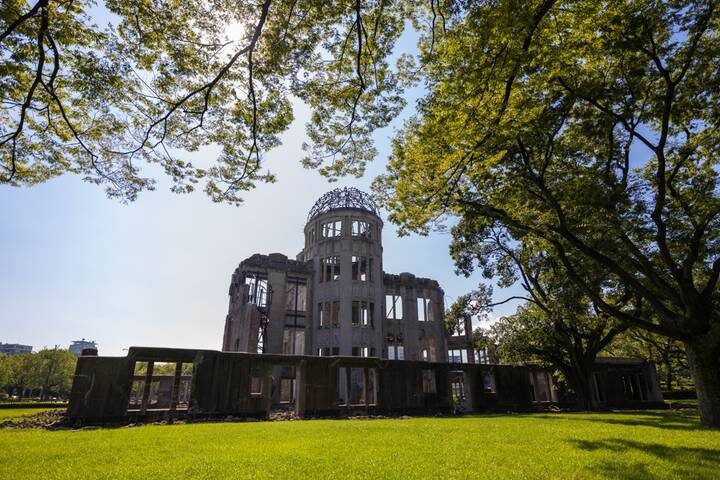
In Hiroshima, the Genbaku Dome and Peace Memorial Park give the day a very different tone. The dome remains a visible reminder of the atomic bombing of August 1945; the park and museum put the event and its human cost into context. Allow emotional space for this visit. It is not simply another landmark stop, and some people will want time afterward to reflect quietly.
The group dinner is Hiroshima-style okonomiyaki, a savory pancake made with cabbage, egg and chosen toppings, with yakisoba noodles in the local version. It is a filling, informal meal after a serious afternoon.
Miyajima’s shrine and Osaka’s food streets
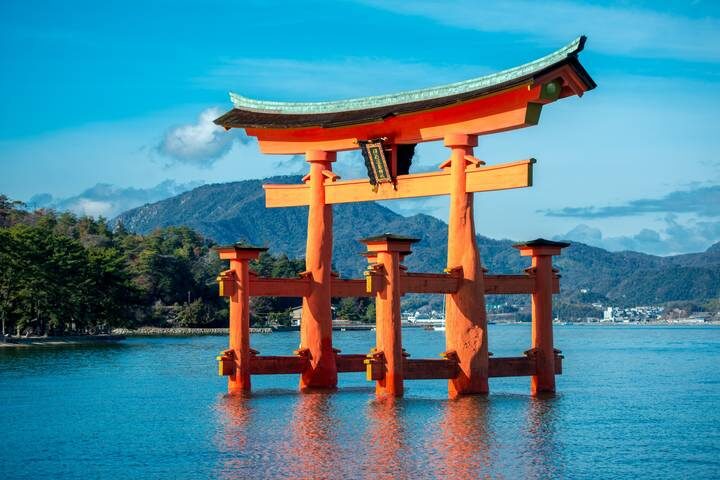
A ferry takes you from Hiroshima to Miyajima on Day 9. Itsukushima Shrine is famous for the bright orange torii gate that appears to rise from the sea. The tide affects the view, so the setting can look different over the course of a visit. The island also offers walking paths through Momiji Park and an optional cable car up Mt Misen. The day is not tightly scheduled, which makes it easier to choose between a longer walk and a more relaxed visit.
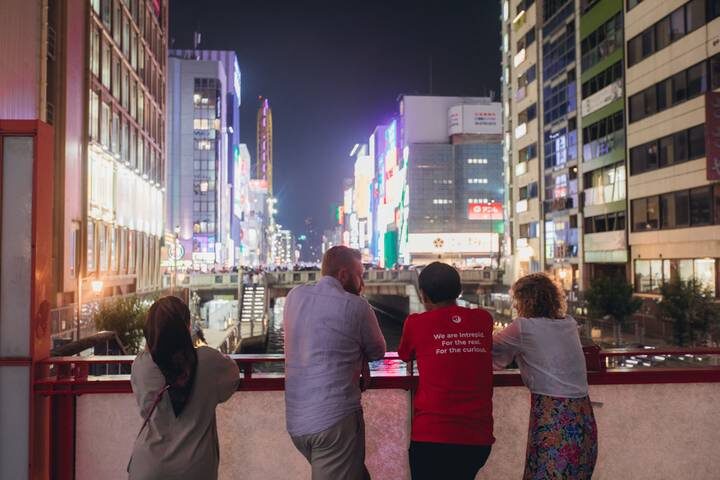
Day 10 brings another train ride, this time to Osaka. After an orientation walk, the evening group outing heads to Dotonbori, where neon signs and mechanical displays make a memorable final-night backdrop. Osaka’s reputation as a food city is easy to put to use: look for a standing bar and try kushikatsu, deep-fried skewers, or doteyaki, slow-cooked beef with miso. Dinner beyond the planned group meal is your own choice, so budget for snacks and meals as you go.
The tour ends after breakfast on Day 11, with no scheduled activities. If you want to see more of Osaka, arrange an extra night before departure rather than trying to squeeze in sightseeing around a flight.






What the price covers, and what it does not
The tour starts at $6,195 for the cheapest room option. The value is in the combination of an English-speaking group leader, rail travel across several regions, organized visits and cultural stays that can be harder to arrange on your own. The group is small, with a maximum of 12, and past group leaders have included Manabu Higa, Kaz, Kodo and Lulu. Leaders vary by departure, but their role is practical as well as cultural: helping you navigate transport, understand local customs and make plans during free time.
Accommodation includes eight hotel nights, one temple stay and one ryokan night. The traditional stays are memorable, but comfort is not uniform. Japanese hotel rooms can be compact, and tatami lodging may mean futons on the floor, small bathrooms and shared bathing facilities. A private room is not assured; check room arrangements before booking, especially if you do not want to share.
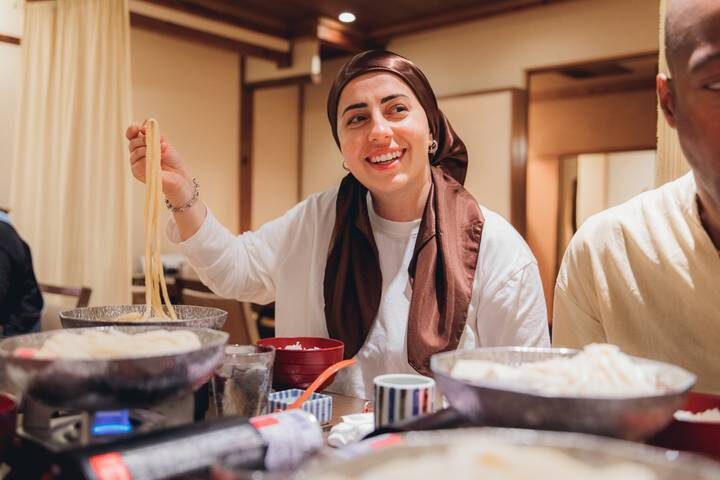
Ten breakfasts and three dinners are included. The set dinners cover shojin ryori, kaiseki and Hiroshima-style okonomiyaki. Other meals are generally your responsibility, which gives you freedom to follow your appetite but means the advertised price is not an all-meals package. Vegetarian, vegan, halal and kosher options can be requested.
International flights and travel insurance are not included. Optional activities and other personal expenses cost extra; examples include a Kyoto cooking class, bike hire and admission to some temples. The $6,195 starting price is best judged as the cost of a guided route with transport and distinctive stays, not as a prepaid holiday with every meal and ticket covered.
The pace, the luggage and who will enjoy it
The tour is rated low intensity, but that label should not be mistaken for a sedentary holiday. You will walk most days, use public transport and carry your bag through stations, sometimes up and down stairs. Pack light and bring comfortable shoes. The train travel is part of the appeal, but it takes time: routes between destinations can involve several hours on the move, and a past trip included more train changes than expected. If you find station transfers tiring, ask about the expected route for your departure.
This trip suits you if you want a guided introduction to Japan’s major cultural stops, enjoy using trains and can handle a busy schedule with free-time gaps. It also works well if you like sampling local food and want a few nights that are unlike standard hotels. It may be a poor fit if you need a private room, prefer to avoid shared bathing, have difficulty with floor-level bedding or want a slow itinerary with few transfers.
Should you book this Japan tour?
I’d book it if you want to cover Tokyo, Kyoto, Hiroshima, Miyajima and several smaller stops in one organized trip, and you’re comfortable carrying your own luggage and spending time on trains. The temple stay, Gero onsen and tea ceremony give the route texture beyond the familiar headline sights.
Before paying, confirm room arrangements, the exact departure schedule and how much walking and station handling to expect. If those details work for you, this is a strong choice for a first Japan trip that mixes major cities with quieter traditions without keeping every hour under a guide’s hand.
Classic Japan (from Tokyo to Osaka) 11-Day Tour by Intrepid Travel
“The tour was really fun! Very well planned – the itinerary was interesting and balanced. I also liked the fact public transportation was used and n…”
FAQ
How long is the tour, and where does it start and end?
It lasts 11 days, starting in Tokyo and ending in Osaka.
How many people are in the group?
The group size is listed as one to 12 people.
What language is the tour guided in?
The tour is guided in English. Ask the booking provider if you need information about other language options.
What accommodation is included?
The trip includes eight hotel nights, one night at a temple stay and one night at a ryokan. The traditional stays may use tatami flooring, futons and shared facilities.
Can I book a private room?
Private-room availability is limited in Japan, and the supplied trip information does not confirm a guaranteed single supplement. Check current availability and any extra cost before booking.
Which meals are included?
The package includes ten breakfasts and three dinners. The dinners include Buddhist vegetarian cuisine in Minobu, a kaiseki meal in Gero and okonomiyaki in Hiroshima.
Can dietary requirements be accommodated?
Vegetarian, vegan, halal and kosher food options can be requested. Tell Intrepid Travel which option you need.
Are international flights and travel insurance included?
No. International flights and travel insurance are not included. Travel insurance is required for the tour.
How physically demanding is the trip?
It is rated low intensity, but you should expect to walk most days, manage your own luggage in stations and handle stairs. Comfortable shoes and light packing are recommended.
What should I know about the onsen?
Public onsen bathing is generally nude and separated by gender. Some public baths may not allow tattoos; ask your leader about local rules and possible private bathing options.