A narrow crouching entrance leads into a tea room inside a more than 100-year-old Japanese house in Osaka’s Nakazaki neighborhood. You’ll choose a kimono, select a tea bowl, and learn the steps of a matcha ceremony with video instruction and staff guidance. I like the historic setting and the way the session makes a formal custom approachable for first-timers.
I also like that kimono rental and tabi socks are included, and that you can take photos in the tea room. One consideration: the ceremony is guided partly by video, so if you’re hoping for a long, free-flowing conversation with a tea master, this may feel more structured than you want.
- The details at a glance
- A century-old house sets the tone
- From tabi socks to the tea room
- Learning the ceremony without homework
- Kimono, tea bowls, and photos
- What the 70 minutes are worth
- Who will enjoy this Osaka tea ceremony
- Planning your visit to Nakazaki
- Should you book it?
- FAQ
- How long does the tea ceremony experience last?
- What is included in the price?
- Do I need to know tea ceremony etiquette?
- Can children take part?
- Where is Umeda Tea Room?
- How many people can join a group?
- Can I take photos during the experience?
- What happens if I arrive late or need to cancel?
- The Best Of Osaka!
- More Tours in Osaka
- More Tour Reviews in Osaka
- Not for you? Here's more nearby things to do in Osaka we have reviewed
The details at a glance
 1 / 4
 2 / 4
 3 / 4
 4 / 4
- A century-old setting: The tea room is in a traditional kominka in Nakazaki, not a modern event space.
- Beginner-friendly format: You don’t need prior knowledge of tea ceremony etiquette, and children can take part.
- Kimono and tabi included: Choose a kimono at the venue, put on tabi socks, and take photos in the tea room.
- A compact 70-minute visit: The experience moves through a set sequence, from arrival and an introductory video to tea preparation and a commemorative photo.
- Small groups: The room has a maximum capacity of eight, though a solo booking may mean sharing a table with other participants.
👉 See our pick of the 24 Best Workshops And Classes In Osaka
A century-old house sets the tone
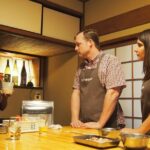
The experience takes place at 4-1-18 Nakazakinishi, Kita-ku, Osaka, in a traditional Japanese house known as a kominka. The house is more than a century old, and its age is part of the experience: you enter a working historic interior rather than a purpose-built tourist venue.
The ceremony follows a tradition associated with the eighth-generation Zenshiro Matsushita. That lineage gives the event a connection to a longer practice, while its simple instructions keep the hour accessible to people with no background in tea culture.
The setting is also a practical fit for a short cultural activity. You don’t need to set aside half a day or prepare for a formal lesson. In about 70 minutes, you can experience the quiet atmosphere of the tea room, learn a little about the ceremony, and drink matcha.
The room’s entrance is called a nijiriguchi, or crouching entrance. It is deliberately low and narrow, so you’ll need to bend as you go in and out. That small physical detail helps mark the transition from the house to the tea room, but watch your step and take your time, especially if you have limited mobility.
You can also read our reviews of more tours and experiences in Osaka.



From tabi socks to the tea room
The visit begins at the entrance. Press the intercom to enter, remove your shoes, and put on the included white tabi socks. Tabi have a split between the big toe and the other toes, so they feel a little different from ordinary socks. They’re provided for the experience, which saves you from needing to bring a pair.
You’ll watch an introductory video in the kimono room, then store your luggage in a closet and return to choose a kimono. The staff takes your selection to the room. The process gives you time to look over the available garments, though the supplied details don’t specify a particular style, size range, or fitting service.
Before the ceremony, your group chooses a team leader, who signs a letter of commitment. This is a small administrative step, but it’s useful to know about ahead of time so it doesn’t surprise you. If you’re attending alone, you may be seated at a table with other participants.
After changing, you go upstairs to the tea room. The narrow entrance is part of the ritual, not just a quirky doorway, so pause before stepping through. Once inside, you choose a tea bowl. Basic bowls are available at no extra charge; higher-end bowls can be rented or purchased, so ask about any cost before choosing one if you’re keeping to a set budget.
Learning the ceremony without homework
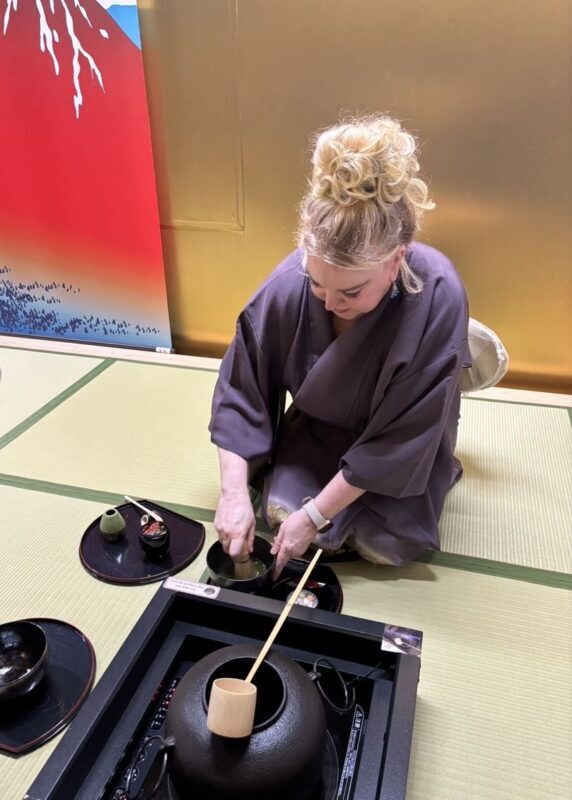
A demonstration video shows you how to make the tea. You don’t need to arrive knowing the rules or the gestures, and the activity is intended to be manageable for beginners and children. Staff guidance is also part of the experience, so you’re not left to work everything out alone.
The video-led format has a trade-off. It offers clear steps and a steady pace, but it may feel less personal than a lesson built around live explanation and questions. If your main aim is to practice the ceremony in a low-pressure way, that structure is useful. If you want a detailed lecture on tea history or a long exchange with a specialist, this isn’t described as that kind of class.
The ceremony’s stated philosophy centers on wa, the Japanese spirit of harmony, along with the idea of accumulating good deeds and hidden virtues. You’ll encounter those themes through the atmosphere and the ritual rather than through a full academic talk. Think of this as a brief, hands-on introduction to the values around tea, not a course in every aspect of the tradition.
Matcha and tea snacks are part of the experience. The available information doesn’t spell out the snack menu or how much tea you’ll receive, so don’t book expecting a full meal. The focus is the ceremony itself: preparing and enjoying matcha in a traditional room.
Kimono, tea bowls, and photos
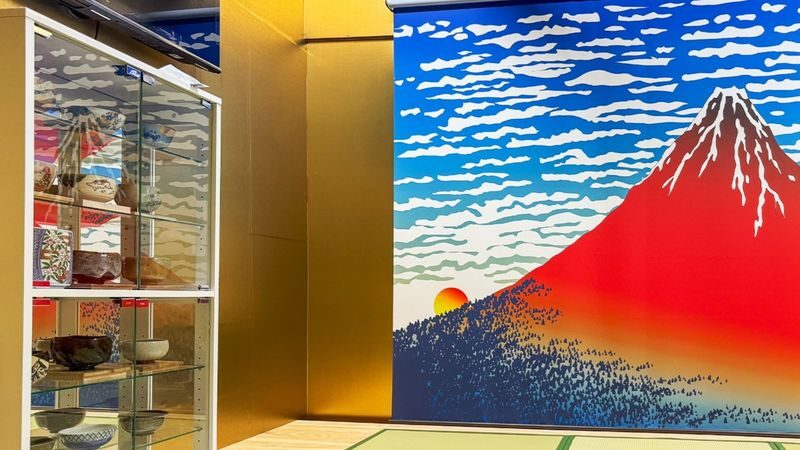
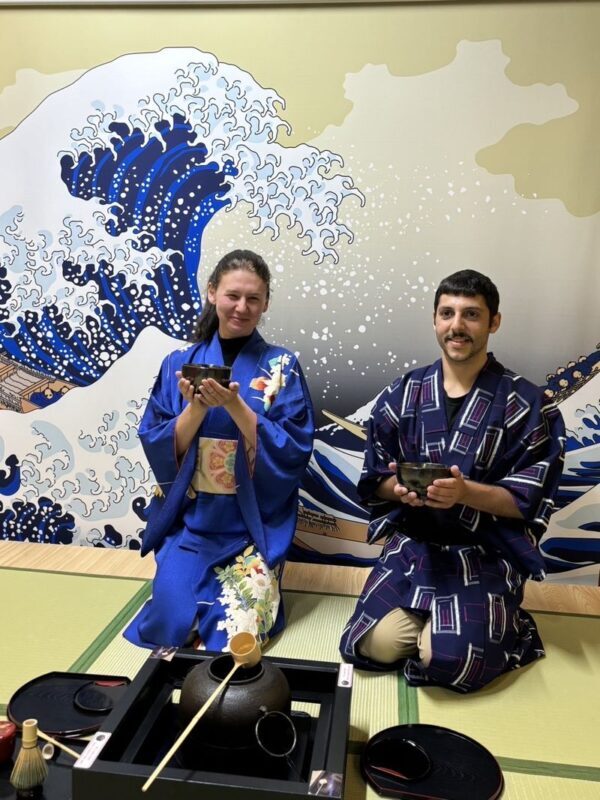
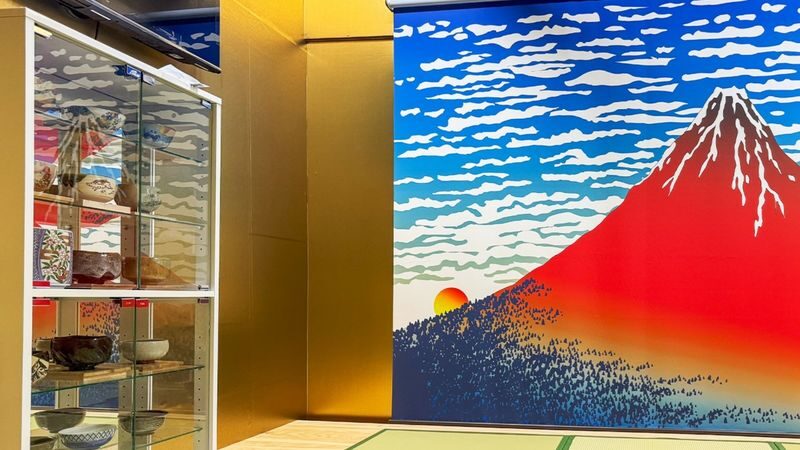
The included kimono rental adds a visual and tactile element to the visit. You can select a garment before going upstairs, then enjoy the ceremony in traditional dress. The tea room has a screen suitable for commemorative photographs, and photos are allowed there.
This is a good choice if you want a few memorable pictures without booking a separate kimono activity. Just keep the distinction clear: the package includes the kimono experience and tabi socks, but transport and personal purchases are not included. Higher-end tea bowls may also cost extra to rent or buy.
The photo opportunity is welcome, but it sits alongside a quiet cultural activity. Take your pictures at the prepared screen and then give the ceremony your attention. You’ll get more from the visit if you treat the camera as a small part of the hour, rather than the whole point.
What the 70 minutes are worth
The advertised price starts at US$19.70 for the 70-minute matcha experience with tabi socks. At that entry price, the value comes from several parts bundled into one short visit: access to a historic house, a kimono to wear, basic tea-bowl use, matcha, instruction, and time in the tea room.
It is not a bargain if you’re judging only by the amount of tea you drink. You’re paying for the setting and the chance to try a formal Japanese custom without needing to arrange each piece separately. For a first visit to Osaka, that can make a compact cultural stop worthwhile, especially if you enjoy traditional architecture and want a structured introduction.
Keep possible add-ons in mind. More expensive tea bowls can be rented or purchased, and souvenirs are available on the first floor. You’re welcome to browse, but neither shopping nor extra-cost bowls are necessary to take part in the standard experience.
The group limit of eight helps keep the room from becoming a large class. It doesn’t guarantee a private session, and a single booking can be seated with others. If you need the room to yourself, don’t assume that a solo reservation provides it.




Who will enjoy this Osaka tea ceremony
This experience suits first-time visitors who want to try a tea ceremony without worrying about getting every gesture right. The video instructions, friendly staff guidance, and relaxed entry requirements make it approachable even if you don’t speak Japanese or have studied tea etiquette.
It also makes sense for families. Elementary school students and older children are charged as adults, while infants are not counted toward the group total. Children can take part, but the low entrance and the quiet, step-by-step format are worth explaining to them before you arrive.
You’ll likely enjoy it most if you value the atmosphere as much as the activity. The old house, kimono, and tea room give the session a sense of place. On the other hand, if you want a private lesson, extensive historical detail, or a long period to explore the building, the 70-minute format may not meet those expectations.
Planning your visit to Nakazaki
The venue is at 4-1-18 Nakazakinishi, Kita-ku, Osaka-shi, Osaka Prefecture. The package does not include transport, so plan your own route and allow extra time to find the entrance. If you arrive late, your session may be shortened.
Opening hours are listed as 10:00 to 20:00, with irregular closing days. The voucher is valid only on the date and time selected, if a time applies. Confirmation is expected within 24 hours; if it doesn’t arrive, contact customer support.
Tell the venue in advance if you’re pregnant, have a chronic illness, or have allergies or another health concern. Keep valuables with you or stored carefully, as the venue does not accept responsibility for loss or theft. The booking allows cancellation for a full refund if you cancel at least 24 hours before the activity date in local time.
Should you book it?
Book this if you want a short, reasonably priced introduction to matcha and tea ceremony in a historic Osaka house, with a kimono and simple instruction included. The small group limit, photo option, and beginner-friendly format make it a practical choice for a first cultural activity or a family outing.
Skip it if your priority is a deep tea lesson, a private session, or a highly interactive discussion. The videos keep the process clear, but they also make the experience more structured. If that balance works for you, the price covers a memorable setting and a hands-on taste of Japanese tea culture without asking you to arrive as an expert.
Osaka Umeda Tea Room Japanese Traditional Tea Ceremony Experience
“the ladies were very gracious and made our experience authentic. for first timers, we really enjoyed this experience as a family.”
FAQ
How long does the tea ceremony experience last?
The matcha experience lasts 70 minutes.
What is included in the price?
The package includes the matcha experience and tabi socks. Kimono rental is provided free of charge. Transport and other personal expenses are not included.
Do I need to know tea ceremony etiquette?
No. The experience is designed for beginners, and video instruction and staff guidance help you follow the steps.
Can children take part?
Yes. Children can take part. Elementary school students and older are charged as adults, while infants are not counted in the number of participants.
Where is Umeda Tea Room?
It is at 4-1-18 Nakazakinishi, Kita-ku, Osaka-shi, Osaka Prefecture.
How many people can join a group?
The room has a maximum capacity of eight people. A single booking is accepted, but you may be seated at a table with other participants.
Can I take photos during the experience?
Yes. You may take photos in the tea room, which has a screen suitable for commemorative pictures.
What happens if I arrive late or need to cancel?
If you arrive late, your experience time may be shortened. You can receive a full refund if you cancel at least 24 hours before the activity date, using destination local time.