Osaka looks different from the water. The Tombori River Cruise gives you a quick, low-level view of Dotonbori and Minami, while the longer Naniwa cruise adds a rakugo performer, Japan’s traditional comic storyteller, to a 100-minute ride around the city.
I like two things here: you can choose a short, affordable outing or a longer cultural one, and the rakugo cruise offers smartphone interpretation in 75 languages. The Tombori crew may also add local color through guiding, singing or dancing.
The main catch is practical: your voucher is not a confirmed boarding reservation. You must exchange it for a timed ticket, and the short Tombori ride often fills up. The meeting-point details also differ by package, so check the instructions for the cruise you buy before setting out.
At a glance
- Tombori is a 20-minute ride through the heart of Dotonbori and Minami, with an Osaka crew providing commentary.
- The Naniwa cruise lasts 100 minutes and features a rakugo performer telling traditional comic stories.
- Naniwa interpretation is available in 75 languages through a smartphone, which needs an internet connection.
- Tombori is the lower-cost option, from US$12.65. The Naniwa routes start at US$28.39.
- Exchange your voucher for a timed boarding pass at the pier. The voucher alone does not reserve a seat.
- Evenings are popular for Tombori, but daytime rides may be easier to arrange. The boat is open, so rain and wet luggage are possible.
👉 See our pick of the 24 Best Workshops And Classes In Osaka
- At a glance
- Two ways to see Osaka from the water
- Tombori’s 20-minute look at Dotonbori
- The longer Naniwa cruise and its rakugo performance
- What the price buys
- Timing, tickets and weather
- Who should choose each cruise?
- Should you book?
- FAQ
- How long is each cruise?
- What does the Tombori River Cruise cost?
- Does the voucher reserve a seat?
- Where does the cruise depart?
- Is interpretation available in languages other than Japanese?
- What happens if it rains?
- The Best Of Osaka!
- More Boat Tours & Cruises in Osaka
- More Tours in Osaka
- More Tour Reviews in Osaka
- Not for you? Here's more nearby things to do in Osaka we have reviewed
Two ways to see Osaka from the water
 1 / 7
 2 / 7
 3 / 7
 4 / 7
 5 / 7
 6 / 7
 7 / 7
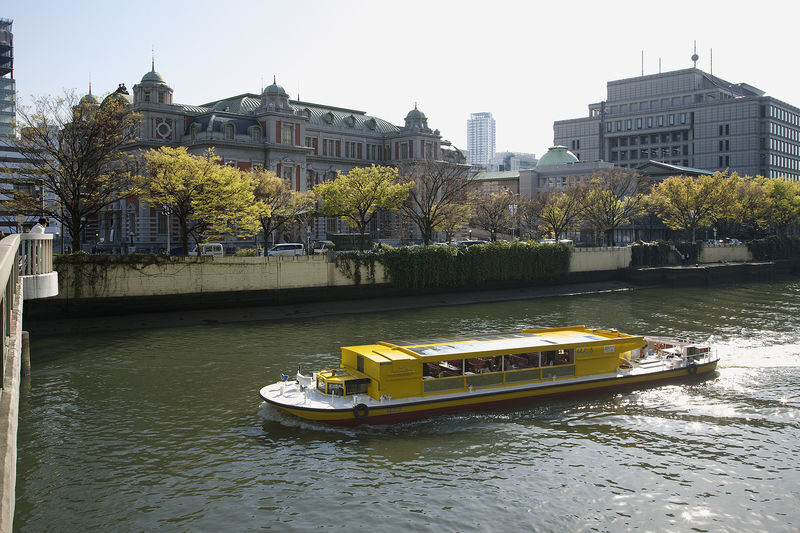
These are distinct experiences sold together as a choice, not two parts of one cruise. Tombori is a short canal ride in the Minami entertainment district. Naniwa is a much longer city cruise, with the added performance of a rakugo storyteller.
That difference should guide your choice. If you want a compact break between walks, shops or a meal in Dotonbori, Tombori is easy to fit into a day. If you want the boat ride itself to be a major activity, the 100-minute Naniwa cruise gives you more time on the water and a cultural feature that the shorter trip does not offer.
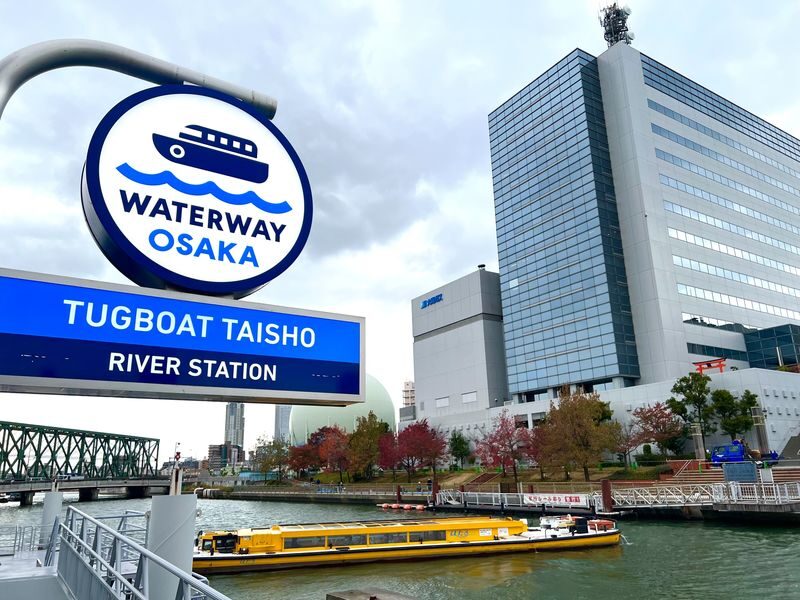
The listed meeting information is not consistent across the options. The general location is Universal City Port Pier, while the Tombori meet-up details give Tazaemonbashi Pier in Minami. Treat the pier named for your selected package and timed ticket as the one that matters. Check it carefully before you travel across town.
You can also read our reviews of more boat tours in Osaka


Tombori’s 20-minute look at Dotonbori
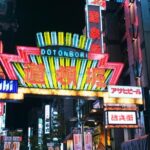
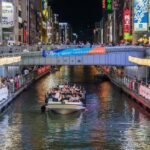
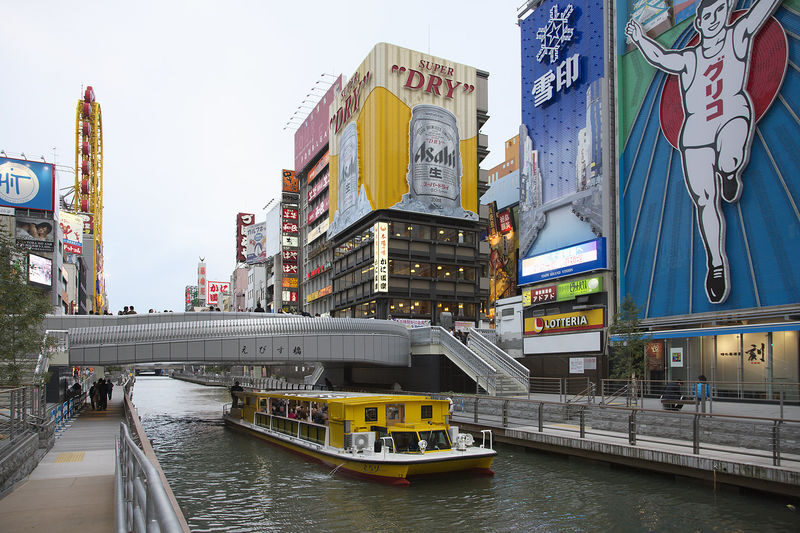
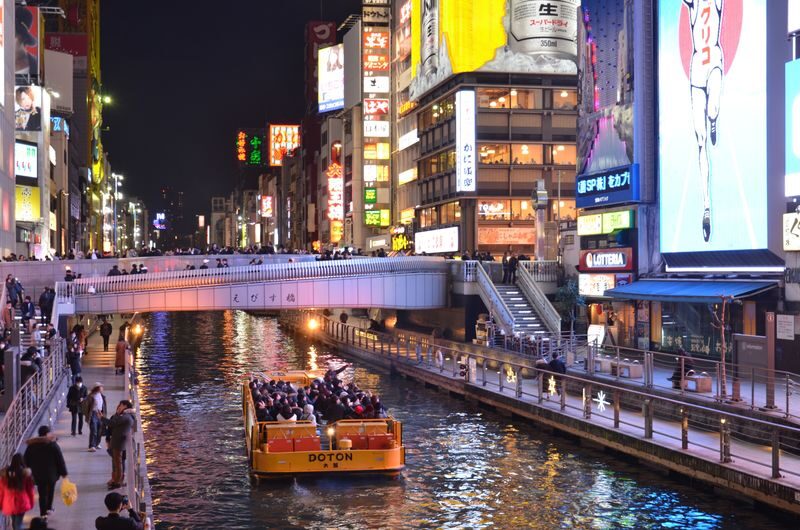
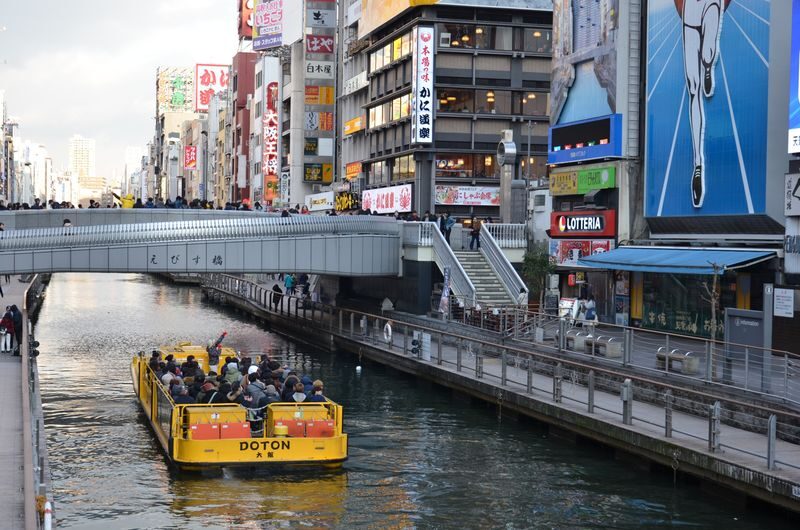
Tombori offers a river-level view of Osaka Minami and Dotonbori, areas many people first see on foot. The boat follows a short route through the heart of the district, with an Osaka crew guiding along the way. It is a simple format: board, take in the canal-side scenery, listen to the crew and return after about 20 minutes.
The short duration is both the appeal and the limit. You can add it to a busy day without setting aside half a day, and the starting price of US$12.65 makes it a relatively modest splurge. But you should not expect an extensive sightseeing tour or a long list of stops. This is a ride through one compact part of the city, not a broad survey of Osaka.
Timing affects the mood. Some people prefer the evening, when the light fades and the district looks more atmospheric from the boat. A ride around dusk can give you a changing view as the sky darkens, without requiring you to wait until full night. Daytime is a sensible choice if you value a quieter schedule over the evening glow.
The crew is part of the experience, not just a source of directions. The guides may sing or dance as they show you around, though the tone can vary. One practical note: the commentary is not guaranteed to be in a language you understand. If you do not follow Japanese, you may still enjoy the ride and scenery, but you could miss some of the local explanation.
The longer Naniwa cruise and its rakugo performance
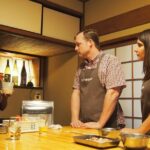
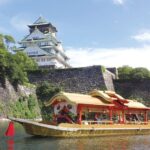
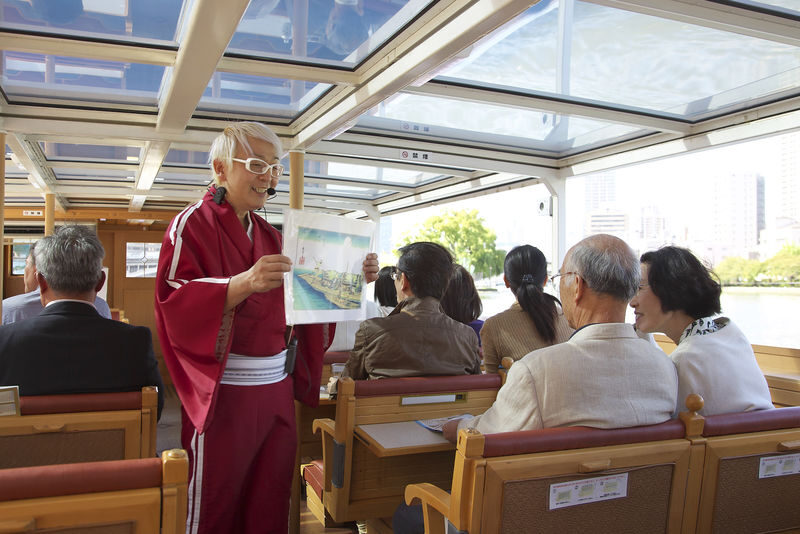
The Naniwa Exploration Cruise lasts about 100 minutes and is guided by a rakugo performer. Rakugo is a traditional Japanese comic storytelling art passed down since the Edo period. The performer’s role gives this ride a different feel from a standard sightseeing circuit: the story and delivery are part of what you are there for, not simply background commentary.
Two route options are listed: the River Yumesaki Line and the River Loop Line. Both start at US$28.39 and include the rakugo performance. The details provided do not spell out the differences in scenery or routing, so do not assume one passes a particular landmark. If the exact course matters to you, check the selected option’s current route information before booking.
The standout practical feature is simultaneous interpretation in 75 languages through your smartphone. You need an internet-connected phone to use it. That can make the performance more accessible to international visitors, but remember that it is a phone-based service, not a printed translation or a separate interpreter provided for you.
At 100 minutes, this cruise asks for more of your schedule than Tombori. In return, you get more time on the water and a Japanese storytelling tradition woven into the outing. It suits you best if you are curious about performance and culture, or simply want a cruise that feels more substantial than a quick scenic circuit.
What the price buys
At US$12.65, Tombori is an inexpensive way to add a different angle to a day in Minami. The ride is short, so the value rests on convenience, the river-level perspective and the crew’s local flavor. If you are expecting a long sightseeing trip, the price may seem less compelling; if you want a brief change of pace, it is easier to justify.
The Naniwa cruise starts at US$28.39. That is more than twice the starting Tombori price, but it also lasts five times as long and includes the rakugo performer and smartphone interpretation. The extra cost makes more sense if you plan to follow the storytelling and spend time on the cruise. If your priority is simply seeing Dotonbori from the water, Tombori is the more direct choice.
Neither option includes food, drinks or personal expenses. A multilingual pamphlet is included in Japanese, English, simplified Chinese and Korean. For the Naniwa cruise, that pamphlet is separate from the 75-language smartphone interpretation.
Timing, tickets and weather
The Tombori cruises generally operate every hour at 00 and 30 minutes from 11:00 AM to 9:00 PM, with each ride lasting about 20 minutes. The first and last departures may change, and the operator may add or substitute cruises. Evening departures are often busy, so arriving earlier in the day gives you a better chance of finding a suitable time.
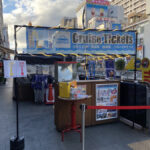
Plan to reach the pier 15 minutes before the departure time printed on your ticket. Boarding starts 10 minutes before departure. The key word is printed: after purchase, open the voucher link on your phone and present the live page to staff for exchange into a timed boarding ticket. Screenshots and printed copies are not accepted, and the phone needs internet access.
For Tombori, the listed address is Tazaemonbashi Pier, 7-13 Soemoncho, Chuo-ward. It is about a five-minute walk from several Namba stations, including Osaka Metro’s Midosuji, Yotsubashi and Sennichimae lines, as well as Osaka Namba on the Hanshin and Kintetsu lines. Nankai Namba is about a 10-minute walk. Since the general location details also name Universal City Port Pier, confirm the correct pier for your package rather than relying on the broad location label.
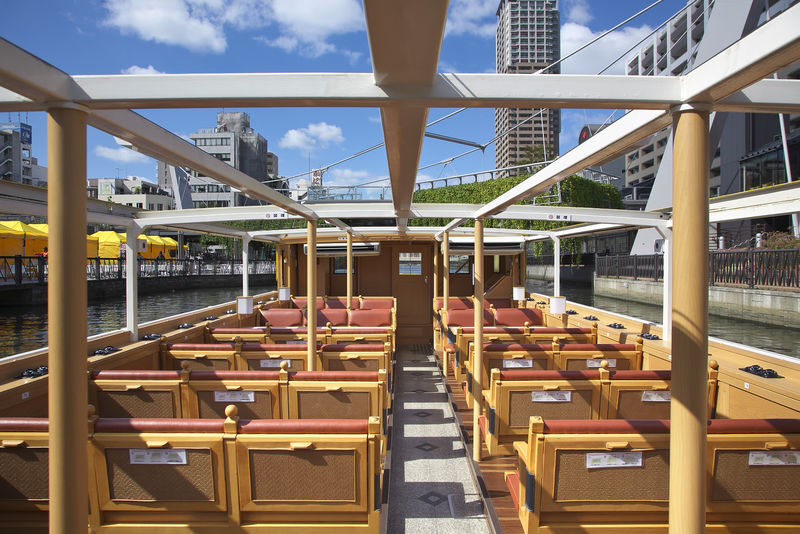
The boat is open. The service can continue in light rain, and a raincoat is provided, but your belongings may still get wet. Leave anything you want to keep dry in a suitable bag, and do not use an umbrella in crowded areas or under low bridges. Trips can be canceled for unsafe weather, tide or water conditions, and service may also change because of construction, local events or festivals.
The cruise season is listed as year-round, from January 1 through December 31, with service suspended on July 13, 24 and 25. Check your ticket details close to departure in case the route or operating plan has changed.


Who should choose each cruise?
Choose Tombori if you are already spending time around Dotonbori and want a short activity that does not take a large bite out of the day. It can work well for a date, a family outing or a first look at Minami from the canal. A child under elementary-school age can ride free with one adult; additional elementary-school-age children are charged.
Choose Naniwa if the performance matters as much as the scenery. The long ride and rakugo format make it a better fit for someone who wants a cultural activity, rather than only a quick photo stop. Student rates apply to middle-school, high-school, university and specialized training college students with valid student identification.
For either option, be realistic about language. Tombori’s crew may guide in Japanese, which can limit the commentary if you do not understand it. Naniwa’s smartphone interpretation is a stronger choice for language access, but you will need a working connection and a phone you can use during the cruise.
Should you book?
Book Tombori if you want a brief, affordable river view of Dotonbori and can be flexible about departure time. Aim for an earlier slot if you want to avoid the evening rush, or choose dusk if you care more about the changing light. Just keep expectations in proportion: it is a 20-minute ride, not a full city tour.
Choose Naniwa if you want a longer cruise with a distinctly Japanese performance at its center. Its rakugo guide and 75-language interpretation give it a clearer cultural purpose, and the added time makes the higher price easier to understand. Whichever you pick, confirm the correct pier and exchange your voucher early. That small bit of planning can be the difference between getting on board and watching your chosen departure leave without you.
Osaka River Cruise: Naniwa Exploration Cruise with Rakugo or Tombori River Cruise
“It is a unique experience, and you can really feel that signature Japanese hospitality. However, because I'm not very knowledgeable, I couldn't und…”
FAQ
How long is each cruise?
The Tombori River Cruise lasts about 20 minutes. The Naniwa Exploration Cruise lasts about 100 minutes.
What does the Tombori River Cruise cost?
The listed starting price is US$12.65. The Naniwa River Yumesaki Line and River Loop Line start at US$28.39 each.
Does the voucher reserve a seat?
No. You must exchange the electronic voucher at the reception point for a timed boarding ticket. Tombori may reach capacity, so arrive early.
Where does the cruise depart?
The Tombori meet-up details list Tazaemonbashi Pier at 7-13 Soemoncho in Osaka’s Chuo-ward. The general location details also name Universal City Port Pier, so check the pier specified for your selected package and ticket.
Is interpretation available in languages other than Japanese?
The Naniwa cruise offers simultaneous interpretation in 75 languages through a smartphone. An internet connection is required. A multilingual pamphlet is also included in Japanese, English, simplified Chinese and Korean.
What happens if it rains?
The boat is open, and the cruise may continue in light rain. A raincoat is provided, but your luggage may get wet. Service can be canceled when weather, tide or other conditions affect safety.