Osaka makes more sense when you connect its grand castle, old Shinsekai streets and busy Namba lanes in one morning. This four-hour walk covers three very different sides of the city, with a local guide to add context as you go.
I like that the route pairs Osaka Castle’s history with the nostalgic streets around Tsutenkaku, rather than sticking to one kind of sight. I also like the mix of walking and short Osaka Metro rides: you get a feel for daily city life along the way.
The main catch is the distance: almost 10 kilometers on foot in four hours, with no wheelchair or stroller access. Castle admission and transport are extra, so the starting price is not the full cost.
- Three distinct stops: Osaka Castle, Tsutenkaku Hondori Shopping Street and the Dotonbori Glico sign.
- An early start: Meet at 8:30 a.m. by the 7-Eleven outside Tanimachi 4-chome Station’s Exit 1B.
- A local guide: Recent guides have included Toshiki and Taco, also spelled Tako in one account.
- Metro rides are part of the route: Bring cash for fares; the JR Pass is not valid on this tour.
- Plan for a long walk: The tour covers almost 10 kilometers and is for ages 11 to under 70.
- A morning that links Osaka’s past and present
- Osaka Castle: grounds, stories and extra admission
- Tsutenkaku and the older streets of Shinsekai
- Namba and the Glico sign: a lively finish
- What the pace and distance mean for you
- Is .95 good value?
- Who should book this Osaka walk?
- FAQ
- How long is the Osaka walking tour?
- Where is the meeting point?
- Is Osaka Castle admission included?
- Are transport costs included?
- How much walking should I expect?
- Can children or wheelchair users join?
- The Best Of Osaka!
- More Walking Tours in Osaka
- More Tours in Osaka
- More Tour Reviews in Osaka
- Not for you? Here's more nearby things to do in Osaka we have reviewed
A morning that links Osaka’s past and present
 1 / 7
 2 / 7
 3 / 7
 4 / 7
 5 / 7
 6 / 7
 7 / 7
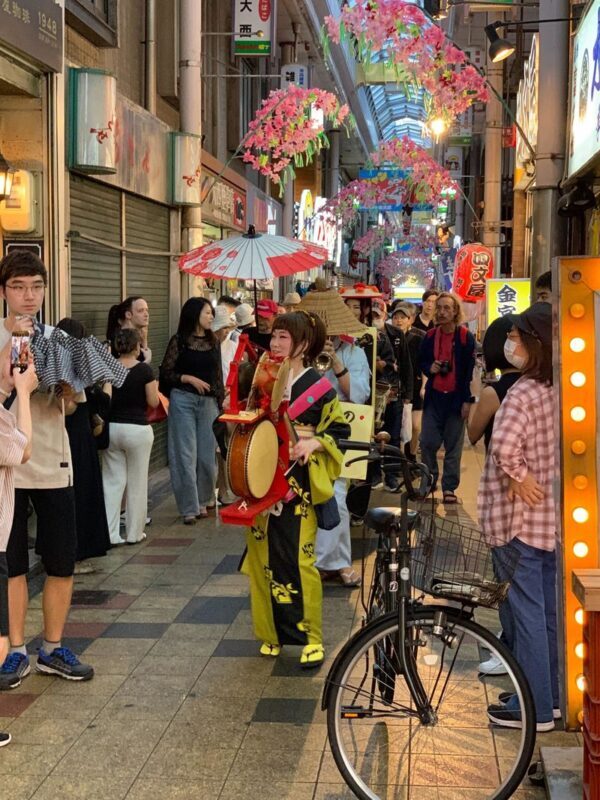
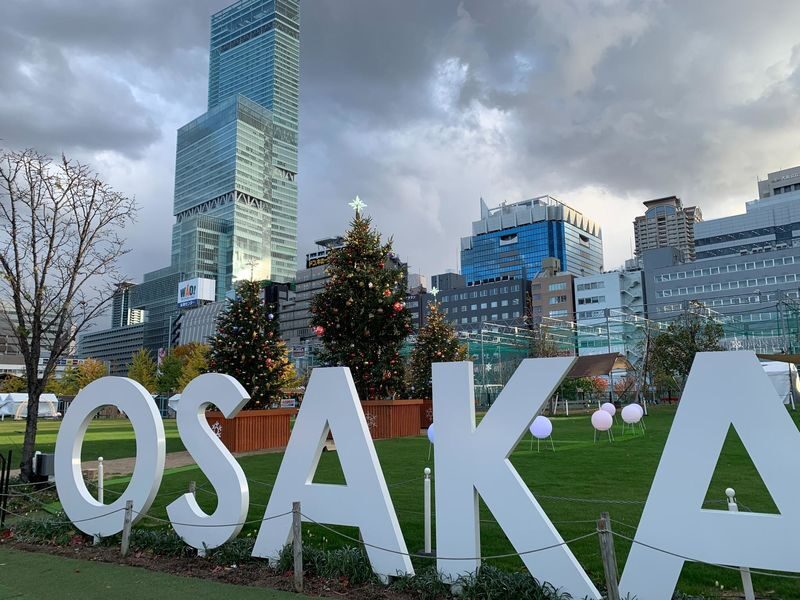
This route is a useful introduction to Osaka because it does not treat the city as a single postcard view. You start with a landmark tied to Japan’s feudal past, move into the retro streets around Tsutenkaku, then finish among the signs and crowds of Namba. The contrast is the point: each stop gives you a different way to read the city.
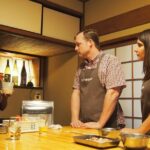
The tour runs from 8:30 a.m. to about 12:30 p.m. An English-speaking guide leads the group, and recent guide names include Toshiki and Taco. People who joined with these guides describe patient explanations, clear English and an easygoing manner. One account notes a group of about 10, but group size can vary.
At $70.95 to start, this is a guided orientation rather than a ticket bundle. You pay separately for Osaka Castle admission, Osaka Metro fares, meals and drinks. The price makes most sense if you value a guide’s explanations and want help linking the stops; it is less attractive if you prefer to move at your own pace or already know the city.
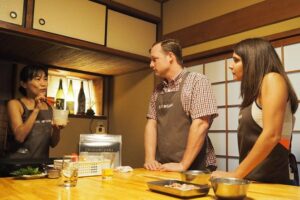
👉 See our pick of the 24 Best Workshops And Classes In Osaka
Osaka Castle: grounds, stories and extra admission
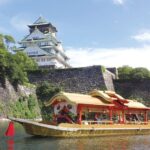
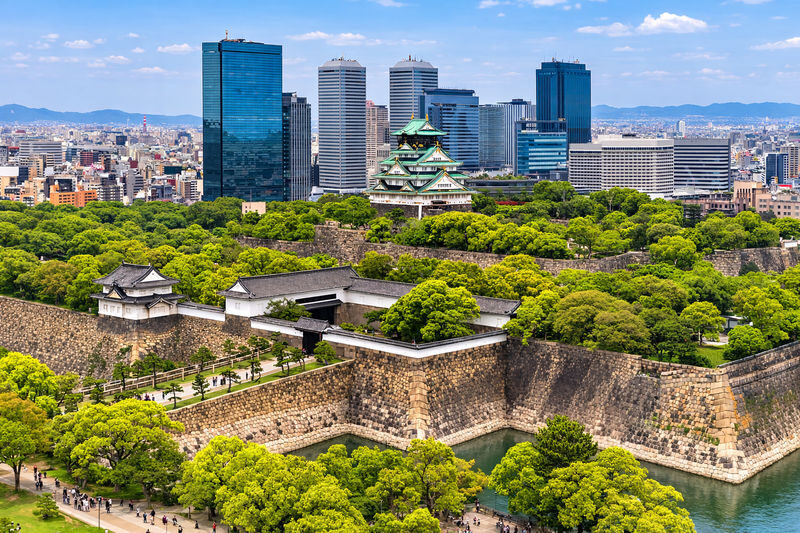
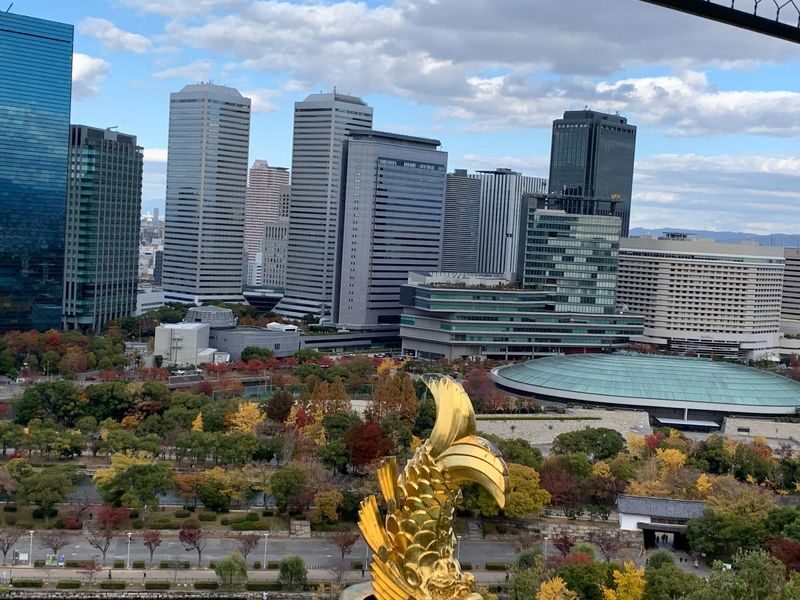
The first stop is Osaka Castle, with about an hour set aside for a guided visit. The castle is a major city landmark, and the guide can place it in the context of Osaka’s history and the struggles over power and status that shaped the area. One of the tour’s more specific strengths is this historical thread: guides have explained both the castle and the battles over ownership and influence.
You should check what you want from the castle before you go. Admission is not included, so entry to the interior or upper levels costs extra. A visitor who paid separately enjoyed seeing the castle up close and the view from the top, but the tour description does not spell out exactly which areas are included in the guided hour. If climbing to the top matters to you, bring cash and allow for the possibility of an added ticket cost.
The grounds are part of the appeal, too. Even if you decide not to pay for entry, the guide-led stop gives you a chance to take in the castle from outside and hear why it matters. Still, if your priority is a slow, in-depth castle visit, one hour may feel brief, especially once you account for moving around and any ticket queue.
You can also read our reviews of more walking tours in Osaka



Tsutenkaku and the older streets of Shinsekai
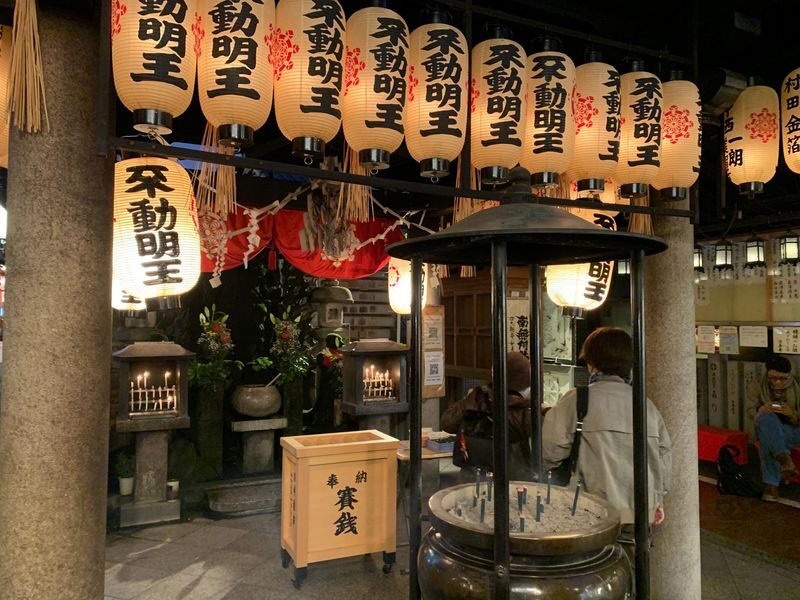
Next, the group takes an Osaka Metro ride to the Tsutenkaku area. The walk includes Tsutenkaku Hondori Shopping Street, with roughly an hour for the guide to show you around. This is the tour’s most direct look at Osaka’s retro character, a change of pace after the formal setting of the castle.
The route description mentions Tsutenkaku Tower, but it does not promise tower admission. Treat this as a guided look at the neighborhood and its streets, not a guaranteed trip to the observation deck. If you want to go up the tower, ask the guide or operator before booking whether there will be time and whether a separate ticket is needed.
This is also a good place to ask about local food and everyday customs. Osaka is known for its cooking, and guides have brought in food culture alongside history and modern life. The walk is not a meal tour, however, and food and drinks are on your own. If a particular snack or dish is on your wish list, you may need to return later with more time.
The Metro ride matters for more than convenience. It shows how the tour joins neighborhoods that are too far apart for a relaxed stroll in a half-day. Metro fares are not included, and the JR Pass cannot be used because the route uses Osaka Metro. Carry cash for the trip, as advised.
Namba and the Glico sign: a lively finish
The final part of the tour heads to Namba, described as Osaka’s beating heart, with about an hour around Dotonbori and its famous Glico sign. Expect crowded lanes, bright signs and plenty of visual noise. This is a sharp contrast with the castle grounds and gives you a sense of Osaka’s present-day pace.
The Glico sign is a familiar photo stop, but the guide can make the area more useful than a quick snapshot. You can ask about the neighborhood, local food and the city’s customs, then use the guide’s suggestions to decide where to return after the tour. The route is intended to show more than the main sign, though specific side streets or businesses are not guaranteed.
The scheduled return is about 12:30 p.m., with Ebisu Bridge named as the endpoint. Some booking details also repeat the 7-Eleven meeting location as the return point, so check the exact end location with the operator if you need to meet someone or have a tight onward plan. In either case, the tour finishes in central Osaka, not back at the starting station.
What the pace and distance mean for you
Almost 10 kilometers in four hours is a substantial walk. The route includes three main sightseeing stops plus movement between them, so expect to keep a steady pace rather than linger at every view. Wear comfortable walking shoes, and think carefully before booking if long walks are hard on your knees, feet or back.
The activity is not wheelchair-accessible or stroller-accessible. Oversize luggage and baby strollers are not allowed, and participants must be at least 11 and under 70. Infants and children must be counted in the passenger headcount, but the stated age limit means this is not a tour for younger children.
Rain does not cancel the walk by default. Bring a raincoat or umbrella if the forecast looks wet, and choose shoes that can handle a long day on foot. An umbrella can be awkward in crowded streets, so a raincoat may be easier to manage, but either is listed as suitable preparation.
The start is at 7-Eleven Osaka Tanimachi 3-chome, at 3 Chome-1-17 Tanimachi. The shop is directly outside Exit 1B of Tanimachi 4-chome Station. Arrive five minutes early and look for the guide’s yellow or green fluorescent bands attached to a bag. Late arrivals and no-shows are not refundable, so allow extra time to find the exit and crossing.
Is $70.95 good value?
The headline price buys the guide’s time and a structured route through three major areas, not all the costs of the morning. Budget separately for castle admission and Metro fares, and bring money for food or drinks if you plan to stop. No meals, beverages or personal expenses are included.
For a first visit, the value lies in the connections. A guide can explain why the castle matters, help you make sense of the older streets around Tsutenkaku and point out how Namba fits into modern Osaka. That context can make a half-day more rewarding than ticking off three places alone, especially if you are traveling solo or want a practical introduction before exploring further.
On the other hand, you can visit the neighborhoods independently if you are comfortable using the Metro and doing your own research. The tour’s set schedule limits the time you can spend at any single stop, and the extra costs mean you should not judge the deal by the starting price alone. Think of it as paying for local interpretation and a ready-made route.
You can also read our reviews of more guided tours in Osaka


Who should book this Osaka walk?
I would consider this tour if you are new to Osaka, enjoy learning while you walk and want a compact overview of landmarks, local streets and food culture. It also suits solo visitors who would like company for the morning, and families with children aged 11 or older who can manage the distance and pace.
You may prefer a self-guided day if you want long visits inside Osaka Castle, time at Tsutenkaku Tower or a leisurely meal in Dotonbori. The tour gives you a useful first look, but it is not designed for an unhurried deep exploration of each stop.
Osaka Guided Walking Tour with Native Expert Exploring Top Sights
“I liked it. It was really nice seeing the castle up close and seeing the view from the top. My tour guide was also really nice. He also explained s…”
FAQ
How long is the Osaka walking tour?
The tour runs for about four hours, from 8:30 a.m. to around 12:30 p.m.
Where is the meeting point?
Meet in front of the 7-Eleven at 3 Chome-1-17 Tanimachi, outside Exit 1B of Tanimachi 4-chome Station. Look for the guide’s yellow or green fluorescent bands attached to a bag.
Is Osaka Castle admission included?
No. Admission to Osaka Castle is not included and must be paid separately.
Are transport costs included?
No. Metro transport is not included. The route uses Osaka Metro, so the JR Pass cannot be used for these rides.
How much walking should I expect?
The tour includes almost 10 kilometers of walking. Walking shoes are recommended.
Can children or wheelchair users join?
Participants must be at least 11 and under 70. The tour is not wheelchair-accessible or stroller-accessible.