Osaka’s less-touristed streets tell stories that the neon and food signs of Namba cannot. On this evening walk, you’ll pass through a preserved Taisho-era red-light district, see abandoned homes close to the city center, and hear about the people and history behind these neighborhoods.
I like two things in particular: the candid local context that guides bring to subjects such as housing and sex work, and the small food stop that gives the walk a taste of everyday Osaka. One thing to weigh: this is a long, content-heavy walk, and the dinner is included only with the upgraded option.
- A different Osaka: Explore backstreets, a retro shopping area, and neighborhoods most sightseeing routes skip.
- A preserved historic district: Spend about 50 minutes in a Taisho-era red-light district with buildings that cannot be altered.
- An honest look at social issues: Hear about the history and future of abandoned homes and a neighborhood with a controversial past.
- A taste along the way: A food-stall tasting is included; the izakaya dinner is an optional upgrade.
- A small group: Tours are for 2 to 12 people, with an English-speaking guide.
- An evening schedule: Meet at 5:15 pm at Daikokucho Station and expect to return around 8:30 pm, or an hour later with dinner.
- Osaka’s backstreets, beyond the familiar sights
- The preserved Taisho-era red-light district
- Abandoned houses and the city’s unanswered questions
- Retro shops, a place of worship, and local food
- The optional izakaya dinner and what it costs
- Meeting at Daikokucho Station
- What the experience does especially well
- Who should book this Osaka walk?
- FAQ
- Where does the tour start?
- What time should I arrive?
- When does the tour finish?
- What is included in the base tour?
- Is dinner part of the starting price?
- Can vegetarian diners join?
- How large is the group?
- Is there a minimum age?
- Is the activity wheelchair-accessible?
- Can I cancel for a refund?
- The Best Of Osaka!
- More City Tours in Osaka
- More Tours in Osaka
- More Tour Reviews in Osaka
- Not for you? Here's more nearby things to do in Osaka we have reviewed
Osaka’s backstreets, beyond the familiar sights
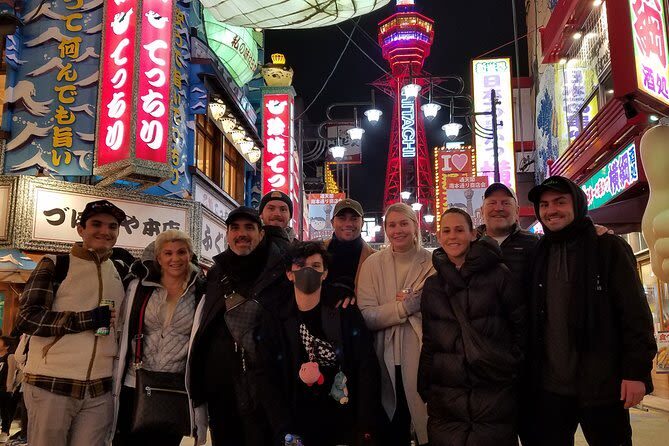
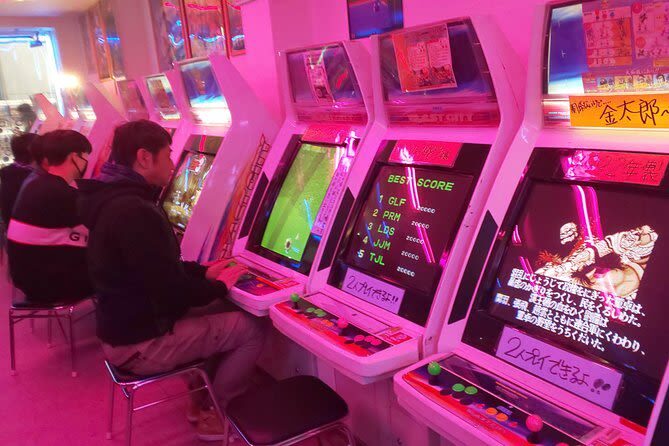
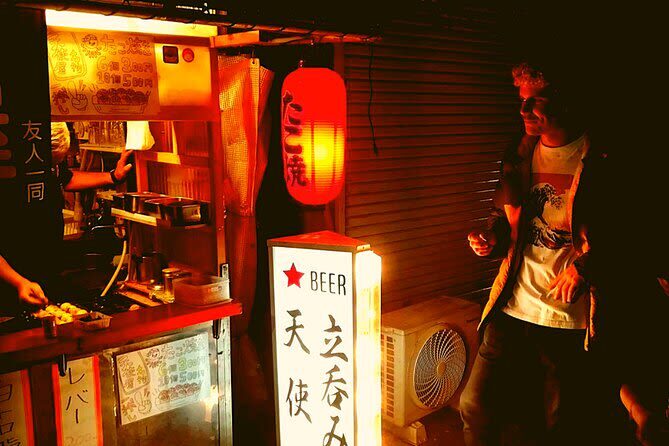
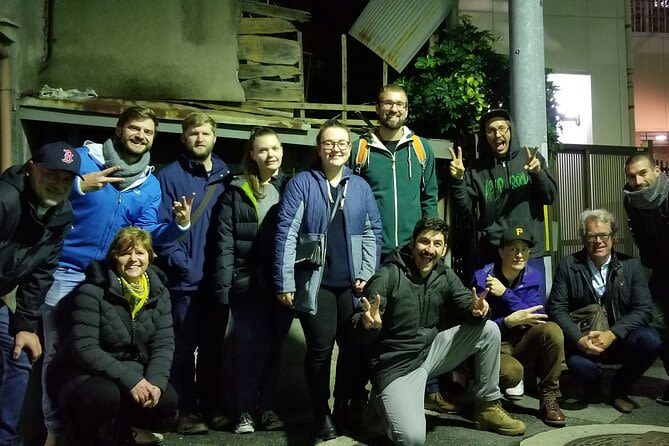
Osaka is easy to associate with its bright signs, packed shopping streets, and famous food districts. This walk takes a different tack. It leads you into narrow lanes and older neighborhoods where the city’s history is less polished and more complicated.
The route brings together several kinds of place: a preserved red-light district, a retro zone with unusual shops, a stretch of abandoned houses, a hidden place of worship, and a neighborhood with a disputed past. The point is not simply to tick off unusual sights. A guide helps explain how these areas fit into Osaka’s daily life and how the city has changed around them.
That context is what makes the outing more than a walk through interesting-looking streets. Guides have included Taka, Mari, Knox, Cecilia, and Tommy, though your guide may be someone else. The strongest element of the experience is the chance to ask questions and get a local explanation of subjects that are not usually part of a standard city tour.
The group is limited to 12 people, which should make it easier to hear the guide and ask questions than on a large coach tour. It is open only to people aged 18 or older, so expect an adult-focused discussion of some sensitive topics.
👉 See our pick of the 24 Best Workshops And Classes In Osaka
The preserved Taisho-era red-light district
The first major stop is a historic red-light district, where you spend about 50 minutes on a guided walk. The area dates to the Taisho era, and some buildings have been designated as nationally important and cannot be altered. That preservation gives the streets a distinct sense of time and place.
The guide’s role matters here. This is not just architecture to admire from the sidewalk. The walk is framed around the district’s past and the social history connected to it, with the guide helping you understand what you are seeing and how the neighborhood works today.
The tour describes this stop as a safe way to explore the district. Even so, it is worth approaching it with respect. You are walking through a lived-in neighborhood, not a theme park, and the subject matter can be sensitive. Listen to your guide, keep your attention on the explanation, and avoid treating residents or local businesses as curiosities.
If your interest in Japan runs beyond temples, castles, and shopping streets, this stop offers a more complicated chapter of city history. If you prefer a light, purely scenic walk, it may not be the tour’s best fit.
You can also read our reviews of more city tours in Osaka


Abandoned houses and the city’s unanswered questions
Another guided section lasts about 40 minutes and passes through an area with abandoned houses. The striking detail is how close this stretch is to the city center. A short distance can separate busy urban life from empty homes, and the guide explains why the houses were left behind and what may happen to the area in the future.
This is one of the walk’s most thought-provoking parts. An empty house can be easy to photograph and just as easy to misunderstand. The guide helps turn the sight into a conversation about housing, neighborhood change, and the lives behind the buildings. Questions about homelessness and the city’s social realities have also come up during tours, so you can expect frank discussion rather than a tidy postcard version of Osaka.
There is a practical consideration: this part of the walk may feel somber rather than entertaining. That contrast is part of its value, but it is not the right outing if you want an evening centered only on food and lighthearted sightseeing.
One past group reported walking around 15,000 steps over the course of the tour. That is a useful warning: wear comfortable shoes and be ready for a substantial walk. The exact route and pace can change with weather and other conditions.
Retro shops, a place of worship, and local food
The walk also takes in a retro district with peculiar shops, a hidden place of worship, and narrow back lanes. These stops add variety to the evening. Rather than moving from one major landmark to the next, you get a closer look at small, specific corners of the city and the ways they sit alongside newer Osaka.
A food-stall tasting is included, giving you a chance to try a local flavor during the walk. It is a sample, not a full meal, so do not arrive expecting dinner unless you have booked the upgrade. For many people, that small bite is enough to make the route feel connected to the city’s food culture, rather than simply a history lesson with a few snack breaks.
The tour also visits an intriguing neighborhood with a controversial past. The description does not specify exactly what you will see there, so treat this as a guided introduction rather than a promise of particular landmarks. The guide’s explanation is central: the value is in understanding why the area is discussed and how it relates to Osaka’s wider story.
The walk’s mix of food, shops, worship, and social history is a strength. It keeps the evening from becoming a string of similar stops, while showing how everyday streets can carry layers of meaning.
The optional izakaya dinner and what it costs
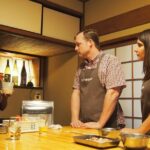
The base package starts at US$47.40 and includes an English-speaking guide and a taste at a food stall. Dinner is not included unless you choose the Walking Tour +1hr Dinner option. That add-on extends the evening by about an hour and includes a meal at an izakaya, with local dishes and desserts. The experience is described as a chance to try four authentic local dishes and desserts, though the exact menu is not specified.
Whether the upgrade is good value depends on what you want from the evening. If you are mainly after neighborhood history and food is a bonus, the standard walk may be enough. If you would otherwise be searching for dinner afterward, the upgrade offers a convenient way to finish the outing with a meal and more time to talk with the guide.
A note of caution for vegetarians: vegetarian diets can be accommodated, but one diner reported that a pre-arranged meal was missed and the kitchen had closed by the time it was noticed. If you book the dinner option, tell the operator about your dietary needs in advance and remind the guide early in the tour. That is sensible planning, not a guarantee that every request will be handled perfectly.
Alcohol is not included. Other personal expenses are yours to cover, and transportation to and from the meeting point is not part of the package.
Meeting at Daikokucho Station
The tour starts at 5:15 pm at Daikokucho Station on the Midosuji Line. Meet at Exit 1, at the top of the stairs, in front of the FamilyMart convenience store. Daikokucho is one stop from Namba and six stops from Umeda, which makes the meeting point practical if you are staying in either area.
Arrive five minutes early. The operator does not refund late arrivals or no-shows, so this is not a good tour to squeeze between a late afternoon activity and a tight dinner reservation. The standard return time is about 8:30 pm at the FamilyMart by Daikokucho Station. With the dinner add-on, plan for roughly an extra hour.
The group size ranges from 2 to 12 people. The activity is listed as wheelchair-accessible, but it is still a walking tour through several neighborhoods. If you have specific mobility needs, check with the operator before booking so you can confirm how the route will work for you.




What the experience does especially well
The guides are a major part of the tour’s appeal. Past groups have had guides such as Taka, Cecilia, Mari, Knox, Jonathan, and Tommy. The most useful guide style here is friendly, patient, and willing to discuss difficult subjects without turning the walk into a lecture. You can ask about local customs, daily life, and the social issues connected to the places you pass.
There is also practical value in having someone local guide the route. Narrow lanes and lesser-known districts can be hard to interpret on your own, and the guide can explain what is appropriate to notice and what sits behind a place’s appearance. The tour includes after-tour assistance too: if you want to continue to a bar, shopping area, or entertainment district, the guide can take you there.
The main drawback is that the tour’s value depends on your appetite for walking and discussion. The history and social context are the point, not a quick photo stop. The price also changes considerably depending on whether you add dinner, so compare the package options before you book.
Who should book this Osaka walk?
I would choose this tour if you have already seen some of Osaka’s better-known sights and want to understand the city beyond its headline attractions. It suits curious adults who like local history, neighborhood walks, and open discussion. It can also work well for solo visitors or couples who want a guide to make unfamiliar streets easier to navigate.
The experience is less suited to anyone seeking a relaxed, low-effort evening or a meal included in the starting price. It is also not a tour for children, since the minimum age is 18 and some topics are sensitive. If food is your main reason for booking, remember that the included tasting is only a sample; choose the dinner option if you want a full meal.
At US$47.40 before dinner, the base price is reasonable for a guided evening walk of roughly three hours, especially if you value the local context as much as the stops. The add-on can make the evening more complete, but its worth depends on the price shown for your date and your interest in a shared izakaya meal.
Osaka City, Deep Backstreet Osaka City Exploration Half Day Tour
“Easily one of the best parts of our trip! We had such a fun time and everything exceeded expectations. Our guide, Taka, was fantastic – super frien…”
FAQ
Where does the tour start?
Meet at Daikokucho Station on the Midosuji Line, Exit 1, at the top of the stairs in front of the FamilyMart.
What time should I arrive?
The tour departs at 5:15 pm. Arrive five minutes early, as late arrivals and no-shows are not refundable.
When does the tour finish?
The standard tour returns to the FamilyMart by Daikokucho Station at about 8:30 pm. The dinner option adds about an hour.
What is included in the base tour?
The base tour includes an English-speaking guide and a taste at a food stall. Dinner is included only with the Walking Tour +1hr Dinner option.
Is dinner part of the starting price?
No. The starting price is for the Osaka City Backstreets Half Day Tour. You need to select the dinner option for the izakaya meal.
Can vegetarian diners join?
Yes. Vegetarian diets can be accommodated. If you book dinner, state your dietary needs in advance and remind the guide early in the tour.
How large is the group?
The group size is 2 to 12 participants.
Is there a minimum age?
Yes. Participants must be 18 or older.
Is the activity wheelchair-accessible?
Yes, the activity is listed as wheelchair-accessible. It is a walking tour, so contact the operator if you need to confirm how the route will meet your needs.
Can I cancel for a refund?
You can receive a full refund if you cancel at least 24 hours before the activity date, based on local time. The operator may cancel in extreme weather or other unforeseen events, in which case you can reschedule or request a full refund.