Kyoto’s great sights are spread across the city, and this tour links six of them in one long day: a shogun’s castle, a gold-covered pavilion, imperial grounds, vermilion torii gates, a hall of 1,001 statues, and a temple with broad views over town. It is a useful way to get your bearings and see a lot without building a complicated bus-and-train plan.
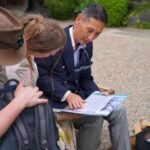
I like two things in particular: an English-speaking licensed guide puts the history in context, and the heated, air-conditioned coach gives your feet a break between distant sights. Guides such as KC, Momo, and Miyuki have been praised for their stories, humor, and attention to the group, though your guide will vary.
The trade-off is time. Each stop is short, and Fushimi Inari and Kiyomizu-dera can easily absorb far longer than the schedule allows. You’ll see the main sights, but you won’t have the leisure to explore every path or shop at your own pace.
- Kyoto in one day: the quick read
- A packed route through Kyoto’s history
- Nijo Castle: shogun power in Kyoto
- Kinkaku-ji: the gold pavilion and its pond
- Imperial Palace: a glimpse of the former court
- Lunch near Kyoto Station: check your package
- Fushimi Inari: red gates, with a short visit
- Sanjusangen-do: a hall filled with Kannon figures
- Kiyomizu-dera: Kyoto views and old shopping lanes
- What the guide and coach add
- Price, pace, and who gets the best value
- Practical details before you book
- Should you book this Kyoto day tour?
- FAQ
- Where does the Kyoto tour start and finish?
- Is lunch included?
- What attractions are included?
- How much time is spent at each attraction?
- Is the tour suitable for children?
- Is the tour stroller-friendly?
- What happens if the Imperial Palace or Nijo Castle is closed?
- The Best Of Kyoto!
- More Tours in Kyoto
- More Tour Reviews in Kyoto
- Not for you? Here's more nearby things to do in Kyoto we have reviewed
Kyoto in one day: the quick read
 1 / 10
 2 / 10
 3 / 10
 4 / 10
 5 / 10
 6 / 10
 7 / 10
 8 / 10
 9 / 10
 10 / 10
- Six major sights, one route: Nijo Castle, Kinkaku-ji, Kyoto Imperial Palace, Fushimi Inari Taisha, Sanjusangen-do, and Kiyomizu-dera.
- A guide does more than point: The English-speaking guide shares history and cultural context, and past guides have helped with photos, questions, and practical tips.
- Lunch depends on the package: The basic Kyoto option does not include it. Some package choices include a meal, with standard and Indian Thali options listed.
- A full day on your feet: Expect walking, steps, and a 15-minute walk each way from the parking area to Fushimi Inari.
- The schedule is tight by design: It gives you a sample of Kyoto’s big sights, not a slow visit to each one.
- From $161.05: Admissions, bus transport, and the guide are included, which can make the price worthwhile if you value convenience and commentary.
👉 See our pick of the 25 Best Workshops And Classes In Kyoto
A packed route through Kyoto’s history
The tour runs from 8:20 a.m. to about 6 p.m., starting and ending at Kyoto Avanti, across from the Hachijo Exit of Kyoto Station. The route covers major sites on opposite sides of the city, so the bus matters: it saves you from working out several transfers and gives you a place to sit between visits.
You’ll have roughly 30 to 70 minutes at each attraction, with a one-hour lunch break near Kyoto Station. That is enough to see the main feature at each stop and hear some context, but not enough to linger everywhere. The schedule can shift with traffic, weather, and crowding, so keep your plans after 6 p.m. flexible.
The tour is offered in Kyoto and Osaka versions, but the listed meeting details here are for the Kyoto departure. If you choose an Osaka package, check its meeting instructions before booking rather than assuming it starts at Kyoto Station.
You can also read our reviews of more tours and experiences in Kyoto.
Nijo Castle: shogun power in Kyoto
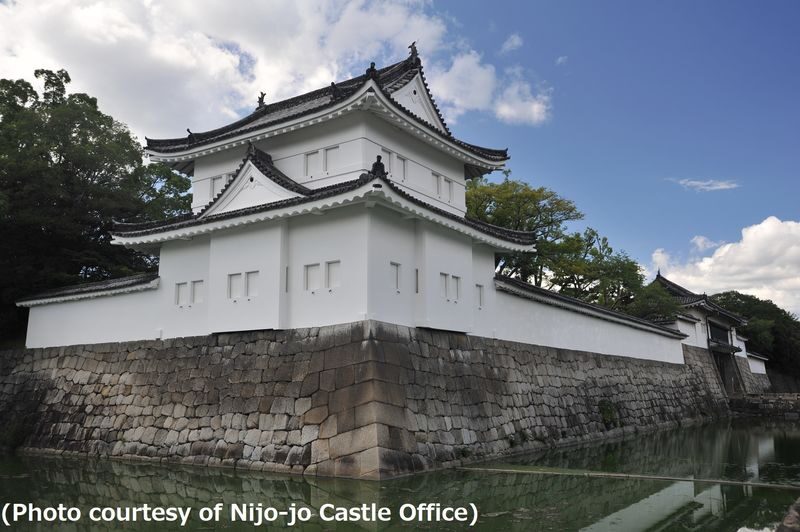
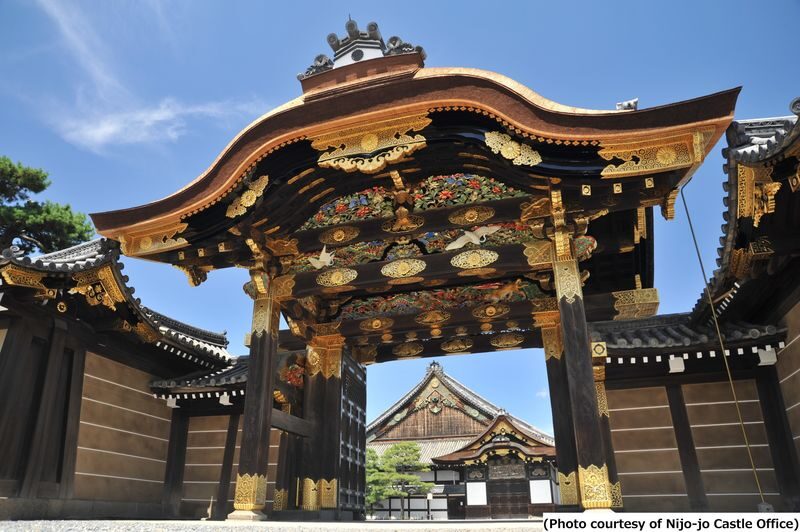
The first visit is Nijo Castle, completed in 1626 as a residence for the Tokugawa shogun and a stronghold protecting the imperial court. You’ll have about 50 minutes for a guided visit. The castle helps explain a key tension in Kyoto’s past: the emperor’s city was also a place where military rulers displayed their authority.
The short stop is useful because the guide can give the grounds and buildings a clear frame before you move on. It is not a full exploration of every part of the complex. The tour does not enter the Honmaru Palace or Painting Gallery, so don’t expect access to those areas.
There are also closure dates to watch. Nijo Castle is closed on Tuesdays in January, July, August, and December, as well as December 26 through January 3. When it is closed, the tour visits Ryoan-ji instead; no refund is offered for that substitution.
Kinkaku-ji: the gold pavilion and its pond
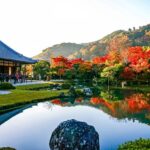
At Kinkaku-ji, the Golden Pavilion’s gold-covered exterior reflects over the surrounding pond. The tour allows about 45 minutes, including a guided visit. This is one of Kyoto’s most recognizable scenes, and the setting is as much a part of the attraction as the building itself.
The visit is brief, so you’ll want to be ready to take in the view and keep moving with the group. This is a popular stop, and the schedule does not leave room for an extended walk around the grounds. Still, the pavilion offers a striking change of mood from Nijo Castle’s political history: here, architecture and water make the first impression.
Imperial Palace: a glimpse of the former court
The Kyoto Imperial Palace served as the emperor’s residence until about 150 years ago. The 40-minute visit focuses on its architecture and grounds, giving you a look at the formal setting of the imperial court. It adds a different thread to the day: Kyoto was not only a city of temples and shoguns, but also the seat of the emperor.
The palace is closed to visitors on Mondays, on the following day when Monday is a public holiday, and during Imperial Household Agency events. If it is closed, the tour substitutes Kitano Tenmangu Shrine. If the closure falls on the 25th, the alternative is Nishi Hongan-ji Temple. These changes are part of the schedule, not a reason for a refund.
Lunch near Kyoto Station: check your package
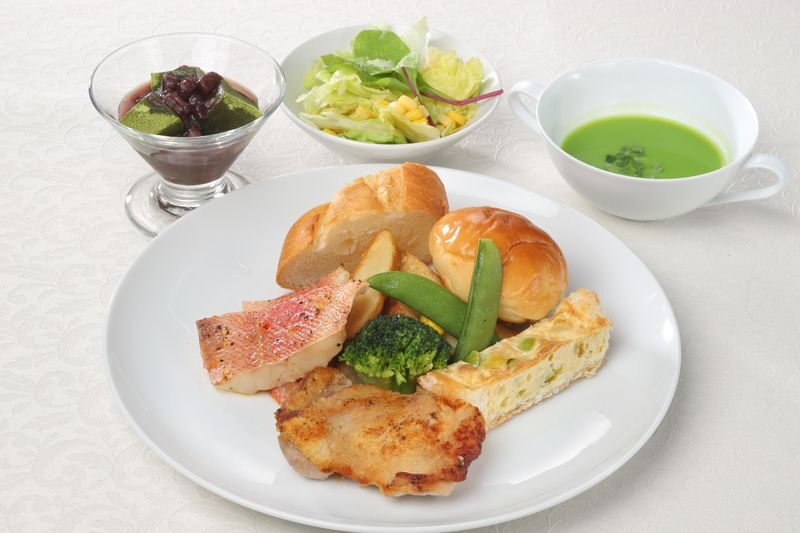
The planned lunch break is one hour near Kyoto Station, leaving you time to find food and take a breather. For the basic Kyoto package, lunch is not included, so budget for your own meal. The available options also include packages with a standard lunch or Indian Thali, and a version that adds an evening cultural tour. Check the exact selection at checkout: a meal or night tour is not automatically part of every booking.
The lunch location matters because it breaks up a long day of sightseeing and walking. If you have dietary needs or a strong preference for Japanese food, confirm what the selected meal package includes before paying. The schedule provides free time around the station for the no-lunch option.


Fushimi Inari: red gates, with a short visit
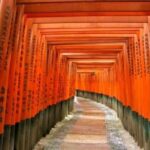
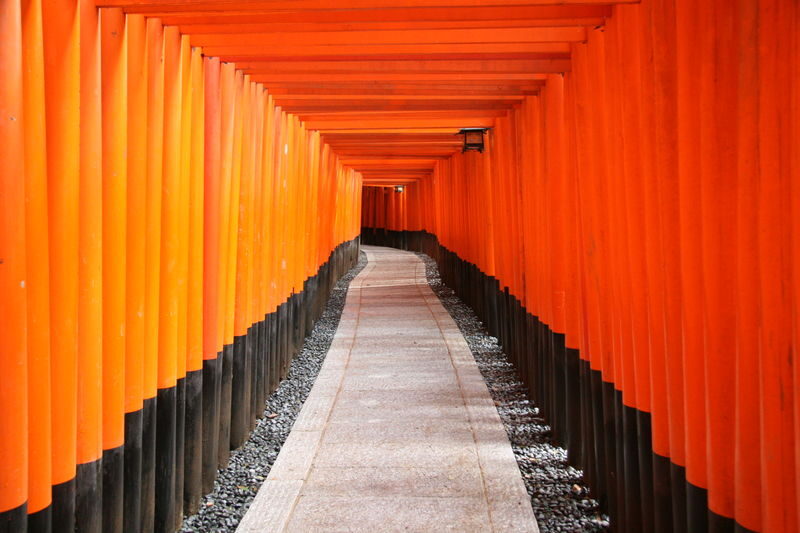
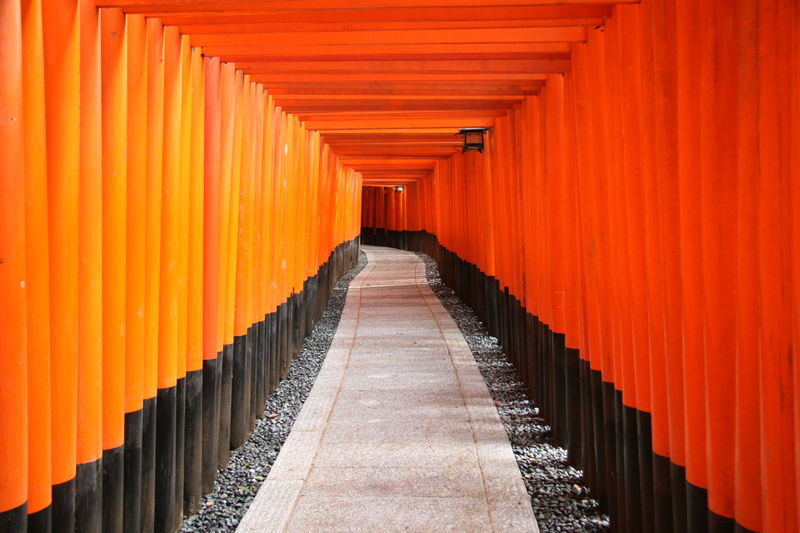
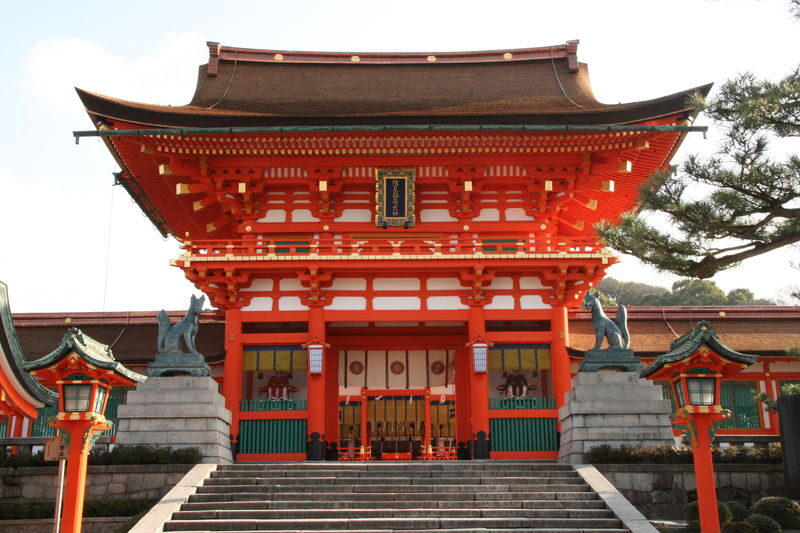
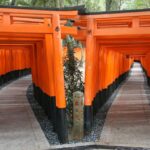
Fushimi Inari Taisha is the head shrine of roughly 40,000 Inari shrines across Japan. Its rows of brilliant red torii gates, known as Senbon Torii, are the image many people picture when they think of Kyoto. You’ll have about 30 minutes at the shrine, plus a walk of around 15 minutes each way between the parking area and the shrine.
That timing gives you a taste of the famous gate-lined route, not a full hike through the mountain complex. If walking through more of the gates is a priority, plan a separate visit on another day. The short stop is still worthwhile for a first look, but it is one of the places where the limits of a six-stop itinerary are easiest to feel.
Sanjusangen-do: a hall filled with Kannon figures
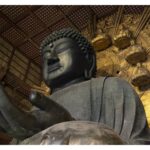
Sanjusangen-do is known for its long wooden hall and 1,001 life-size statues of Buddhist Kannon deities dating to the 13th century. The tour gives you around 30 minutes, including a guided visit. It is a distinct counterpoint to the open-air shrine and temple grounds: here, the impact comes from the long interior and the repeated figures inside it.
The stop is short, but the hall’s scale and collection make it a memorable part of the day. If you’re choosing which site you might want to revisit later, this one can surprise you. Its appeal is less about a famous outdoor view and more about standing in a space filled with an extraordinary number of figures.
Kiyomizu-dera: Kyoto views and old shopping lanes
The final major visit is Kiyomizu-dera, a World Heritage Site with a broad view over Kyoto. The tour allows about 70 minutes for a guided visit, including time around the historic shopping lane leading to the temple. That extra time compared with some earlier stops gives you a chance to see the temple setting and browse a little, though it is still not a slow afternoon.
This is a fitting last stop: the view gives you a sense of the city you’ve been crossing all day, while the approach adds a livelier, more commercial side to the visit. Expect walking and steps here, as at several other stops. If crowds are heavy, moving through the area can take time, so stick close to the schedule and don’t count on visiting every shop.
What the guide and coach add
The tour’s strongest practical advantage is the combination of a guide and direct bus transfers. You’re not left to piece together transit between far-flung sites, and the guide provides the historical thread that can make a short visit feel more meaningful. The tour uses a National Government Licensed English Guide Interpreter, and past groups have had guides such as KC, KZ, Momo, Miyuki, Yuki, Tammy, and Kimmy.
Names are not guaranteed, but the pattern of praise points to the importance of the guide: people have valued clear explanations, good humor, help with questions, and attention to the group. Some guides have also helped take photos or offered useful tips. That personal touch is a real plus on a long group outing.
The bus is air-conditioned and heated, a welcome feature in Kyoto’s hot summers and cold winters. The group can include up to 40 people, and seats are assigned first come, first served. You cannot reserve a particular seat, so arrive on time and follow the meeting instructions carefully.
Price, pace, and who gets the best value
At a starting price of $161.05, this is not a bargain way to visit just one or two temples. It can be good value if you want admission to the listed attractions, round-trip transfers, and an English-speaking guide bundled into a single day. You also save the time and effort of planning a route across the city.
The value falls if your main goal is to spend several hours at one place, browse shops at leisure, or hike deep into Fushimi Inari. This is a sampler, and the busy schedule is the price of seeing so much. Some people find the pace comfortable; others find the day rushed or the walking too brisk, particularly at crowded stops. Wear walking shoes and be ready for steps.
This tour suits first-time visitors with limited time, anyone who prefers not to navigate Kyoto’s transit system, and families who want a structured day. It is less suitable if you have limited mobility, need a stroller-friendly route, or prefer to set your own pace. The activity is not stroller-friendly, and the walking and steps should be taken seriously.
Practical details before you book
The Kyoto meeting point is the Sunrise Tours Desk on the B1 floor of Kyoto Avanti, directly across from Kyoto Station’s Hachijo Exit. Arrive 10 minutes before the 8:20 a.m. departure. The tour ends in front of Kyoto Avanti, and you make your own way to your next destination. Late arrivals and no-shows are not refunded.
Children aged 12 and older pay the adult rate. Children aged 0 to 5 can join free if they do not need a separate seat; book a child ticket if they do. Written parental permission is required for participants under 18, and anyone under 15 or not yet in middle school must be accompanied by a parent or guardian.
You can cancel for a full refund up to 24 hours before the activity date. If the operator cancels because of extreme weather or an unforeseen event, you can reschedule or request a full refund. The voucher is valid only for the date booked, and changes require cancelling and making a new booking.
Should you book this Kyoto day tour?
Book it if you have one day for Kyoto’s major sights and want transport, admissions, and guided context handled for you. The guide and the spread of sites are the main reasons to go, especially if this is your first visit.
Skip it if you want long, unhurried visits or need a slower walking pace. For a balanced first look at Kyoto, though, this tour gives you an efficient route through its castles, temples, shrine gates, and imperial grounds. Just treat the schedule as an introduction, not the last word on the city.
Kyoto Day Tour from Kyoto or Osaka
“Joined the 1-Day Kyoto Tour with Sunrise Tours and it was an absolute highlight of our Japan trip. Our tour guide was incredibly informative, court…”
FAQ
Where does the Kyoto tour start and finish?
It starts at 8:20 a.m. at the Sunrise Tours Desk on the B1 floor of Kyoto Avanti, across from the Hachijo Exit of Kyoto Station. It returns to the area in front of Kyoto Avanti at about 6 p.m.
Is lunch included?
Not in the basic Kyoto package. Lunch is available with some package options, including standard and Indian Thali choices. Check the details of the option you select.
What attractions are included?
The route includes Nijo Castle, Kinkaku-ji Temple, Kyoto Imperial Palace, Fushimi Inari Taisha, Sanjusangen-do Temple, and Kiyomizu-dera Temple. Some stops may be replaced if they are closed.
How much time is spent at each attraction?
The scheduled visits range from about 30 minutes at Fushimi Inari and Sanjusangen-do to 70 minutes at Kiyomizu-dera. The schedule can change with traffic, weather, and congestion.
Is the tour suitable for children?
Children aged 0 to 5 can join free if they do not need a separate seat. Children aged 12 and older pay the adult rate. Participants under 15, or not yet enrolled in middle school, must be accompanied by a parent or guardian.
Is the tour stroller-friendly?
No. The activity is not stroller-friendly. Walking shoes are recommended, and the route includes walking and steps.
What happens if the Imperial Palace or Nijo Castle is closed?
If the Imperial Palace is closed, the tour visits Kitano Tenmangu Shrine, or Nishi Hongan-ji Temple if the closure falls on the 25th. If Nijo Castle is closed, the tour visits Ryoan-ji Temple. No refund is given for these substitutions.