Osaka’s big sights can look scattered on a map, but this seven-hour tour links the castle, Kuromon Market, Dotonbori and an Edo-era streetscape in one guided day. I like that hotel pickup and public transport are included, so you can spend less time puzzling over train transfers and more time getting a feel for the city.
I also like the personal, adjustable approach. Guides such as Akari, Fumiya, Yuki and Ayako have been praised for answering questions, helping with transit and adapting the day to family needs and interests. One drawback: it involves a lot of walking, and the group-of-two price has been considered steep, so value depends on how much help and flexibility you want.
- Osaka Castle grounds: See a landmark tied to Japan’s 16th-century history, with time among its green spaces and seasonal cherry blossoms.
- Kuromon Market: Browse more than 180 shops and stalls, and decide for yourself what to sample or buy.
- Dotonbori and Shinsaibashi: Get the classic Glico Man photo stop, then take a lunch break in the shopping district at your own expense.
- Edo-era Osaka indoors: The Housing and Living Museum recreates a local neighborhood; it is scheduled to close for renovations from September 27 to October 28, 2026.
- A guide who helps you get around: Public transport is part of the day, and guides can help you make sense of the train system and local etiquette.
- Dietary requests can be arranged: Muslim-friendly and vegetarian options are supported, but share restrictions or allergies when booking.
- A full day that makes Osaka easier to read
- Osaka Castle: history, stone walls and room to breathe
- Kuromon Market: Osaka’s food culture at street level
- Dotonbori and Shinsaibashi: Osaka’s famous face and a lunch break
- The Housing and Living Museum: a neighborhood from another era
- The guide is the difference between transport and a tour
- What the price buys, and what it does not
- Practical details that shape the day
- Should you book this Osaka day tour?
- FAQ
- How long is the tour?
- Which places does the tour visit?
- Is hotel pickup included?
- Are transport and admission fees included?
- Is lunch included in the price?
- Can I request a vegetarian or Muslim-friendly meal?
- What happens when the Housing and Living Museum is closed?
- Are children charged the adult rate?
- The Best Of Osaka!
- More City Tours in Osaka
- More Tours in Osaka
- More Tour Reviews in Osaka
- Not for you? Here's more nearby things to do in Osaka we have reviewed
A full day that makes Osaka easier to read
 1 / 9
 2 / 9
 3 / 9
 4 / 9
 5 / 9
 6 / 9
 7 / 9
 8 / 9
 9 / 9
Osaka rewards wandering, but its sights are spread across a large city. This tour gives you a useful first-day framework: a major historic site, a food market, the neon-and-canal district, a shopping arcade and a museum built around everyday life in old Osaka.
The day runs from 9:30 a.m. to 4:30 p.m. Your guide picks you up at a hotel in Osaka city, and the tour uses public transport to reach some stops. That mix matters. You avoid arranging your own route between distant areas, while still experiencing the trains and stations that locals use.
The published route includes Osaka Castle, Kuromon Ichiba Market, Dotonbori, Shinsaibashisuji and the Osaka Museum of Housing and Living. Lunch is planned in the Shinsaibashi area, but meals and drinks are not included. The schedule can shift with traffic and weather, so think of the day as a guided sweep of the highlights, not a minute-by-minute march.
👉 See our pick of the 24 Best Workshops And Classes In Osaka
Osaka Castle: history, stone walls and room to breathe
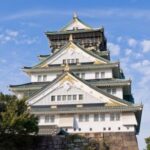
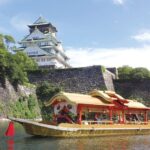
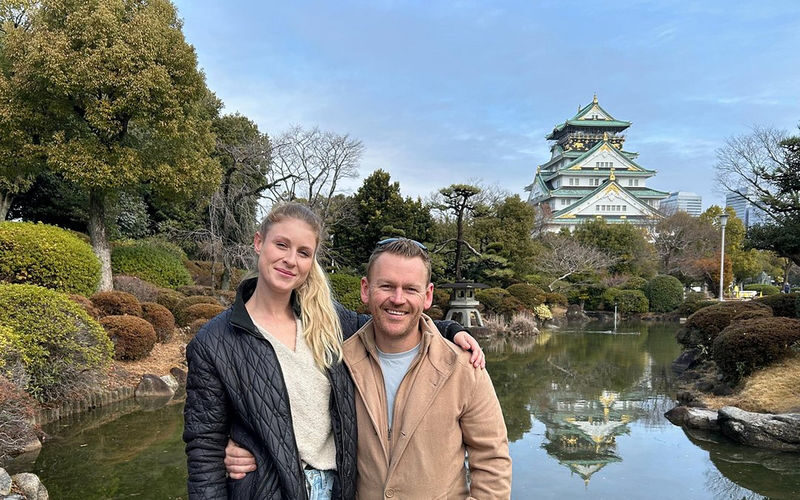
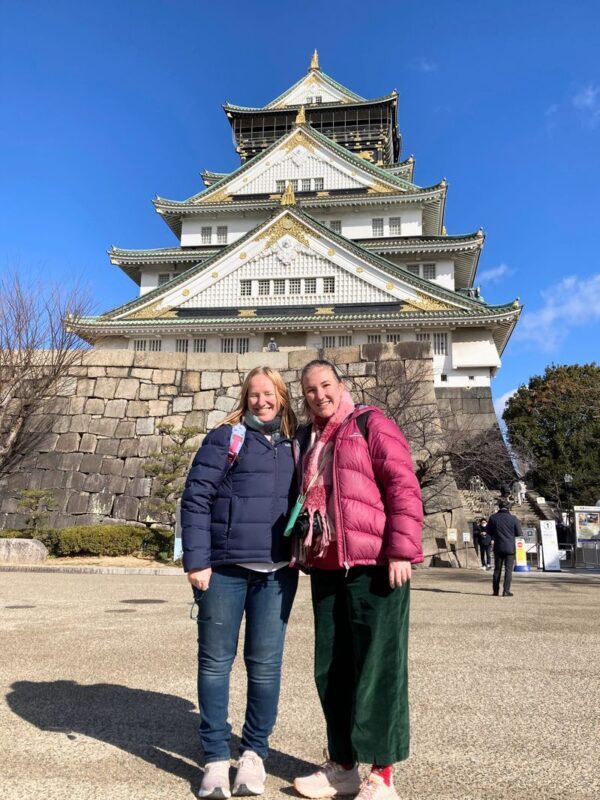
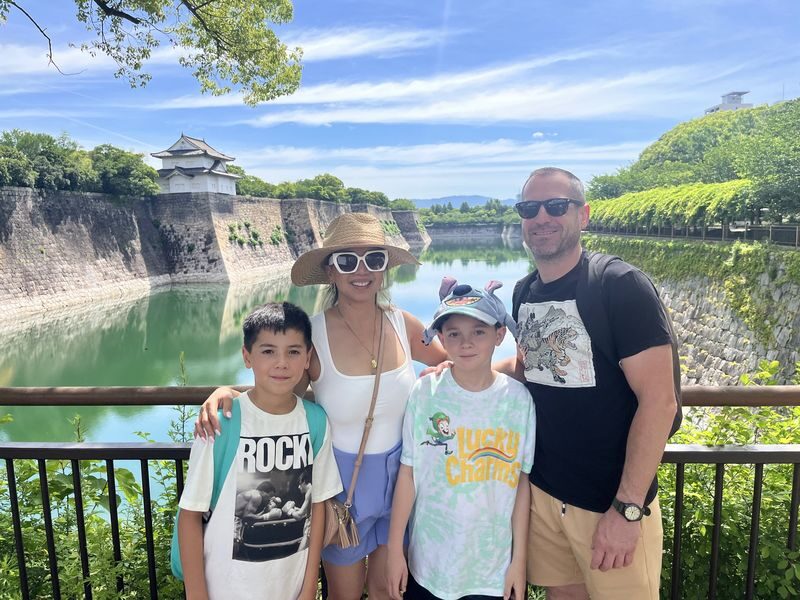
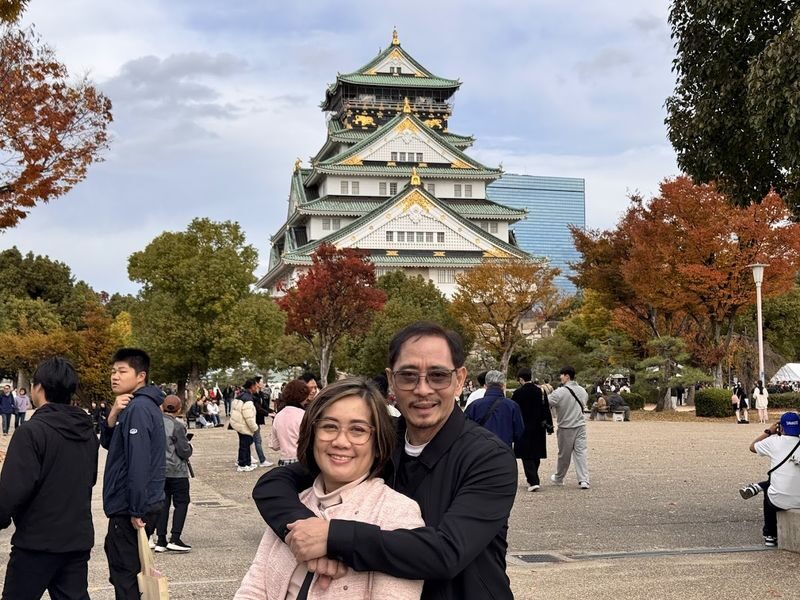
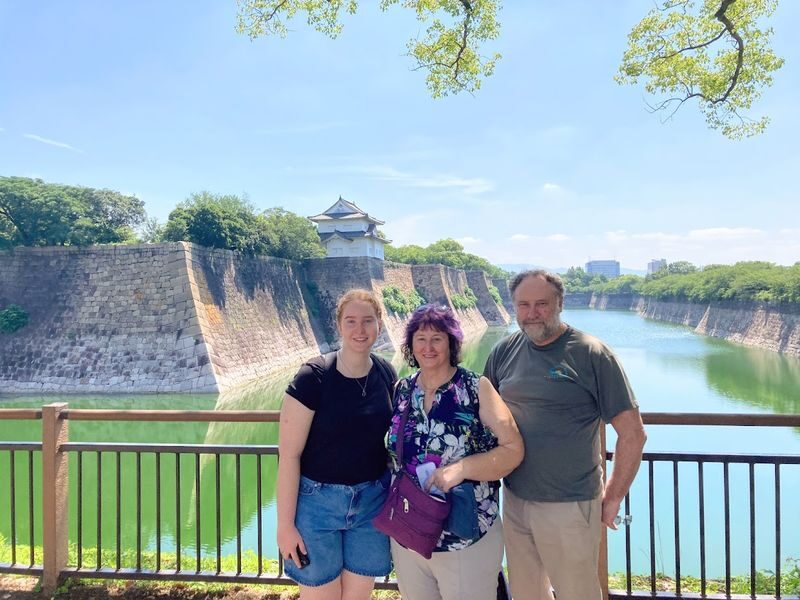
Osaka Castle is the day’s big historical anchor. Built in the 16th century, it is one of Japan’s best-known landmarks, and the grounds offer more than a quick photo stop. Expect broad paths, green spaces and, in cherry-blossom season, trees that add a softer edge to the imposing castle setting.
The admission fee is included. Your guide can give context as you walk, which is especially useful if you want more than a striking exterior and a few pictures. Past guides have used prepared information to explain the castle, and visitors have appreciated being able to ask questions along the way.
Allow for the fact that the castle grounds are extensive, and this is only one stop in a packed day. One solo participant advised spending more time around the castle and its park. If this site is your main reason for coming, tell your guide early that you want to linger. The flexible format may help, but extra time can come at a cost: tour extensions are listed at JPY 8,000 per group per hour, payable in cash.
You can also read our reviews of more city tours in Osaka


Kuromon Market: Osaka’s food culture at street level
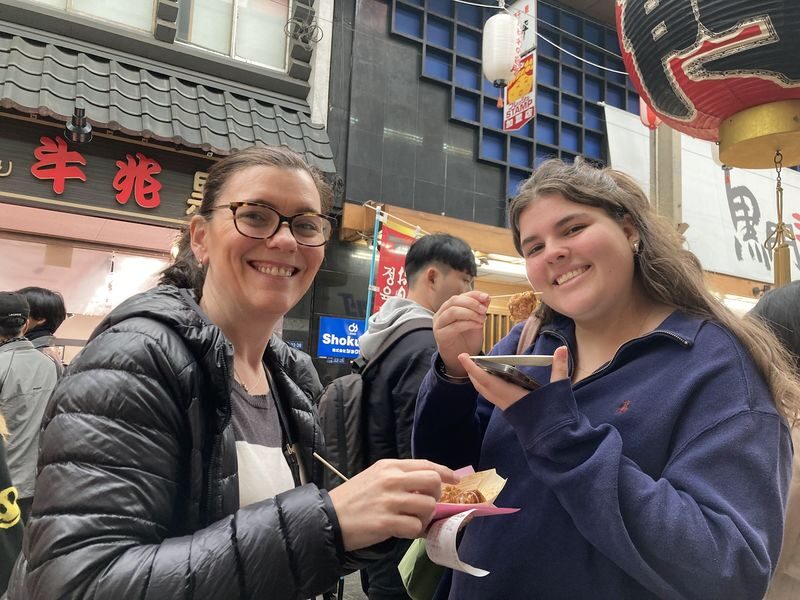
Kuromon Ichiba Market is a good counterpoint to the castle. Rather than monuments and formal history, you get a working market atmosphere, with more than 180 shops in the area. It is a place to browse, watch what people are buying and, if you wish, try something unfamiliar.
Food and purchases are at your own expense. That gives you control over the bill, but it also means lunch and market snacks can add up. If you have dietary restrictions or allergies, leave a note when booking. Vegetarian and Muslim-friendly arrangements can be made by request, and it is worth raising the details before tour day rather than waiting until you reach the stalls.
The guide can help with ordering and food choices, an advantage if you are unsure what something is or how to ask for it. The market is also a chance to pick up practical tips for eating in Osaka during the rest of your stay. Keep a little room in your schedule and appetite; a market is more enjoyable when you are not rushing past every counter to beat the clock.
Dotonbori and Shinsaibashi: Osaka’s famous face and a lunch break
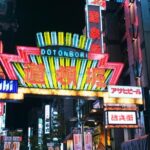
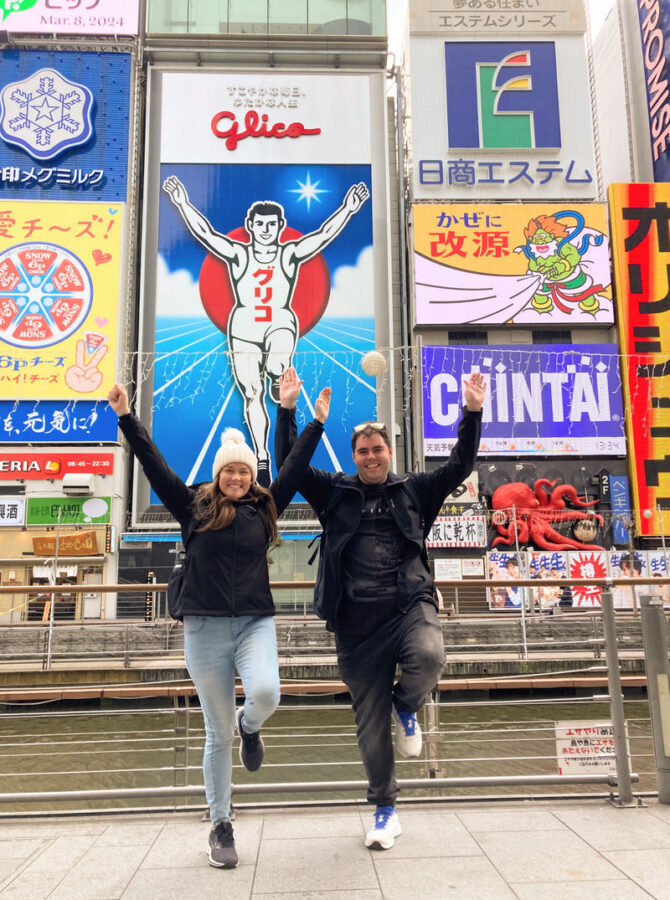
Dotonbori provides the familiar Osaka postcard: the Glico Man sign and the lively canal-side district around it. The tour includes a photo stop, so you can take in the scene without having to work out which station exit or bridge gives you the best angle.
This is a very public, visitor-heavy part of town, not a quiet neighborhood stroll. That is part of its appeal: Dotonbori is where Osaka’s bright commercial side is on full display. Your guide can add local context and help you get around the busy streets, but you should not expect an unhurried, empty waterfront.
Lunch is scheduled in the Shinsaibashi area, with the cost left to you. The adjoining shopping streets offer plenty to look at, but the meal is not a set part of the package. If you have a specific food preference, mention it when booking. Guides have helped with food choices and recommendations, but you should still budget separately for lunch and any snacks.
The Housing and Living Museum: a neighborhood from another era
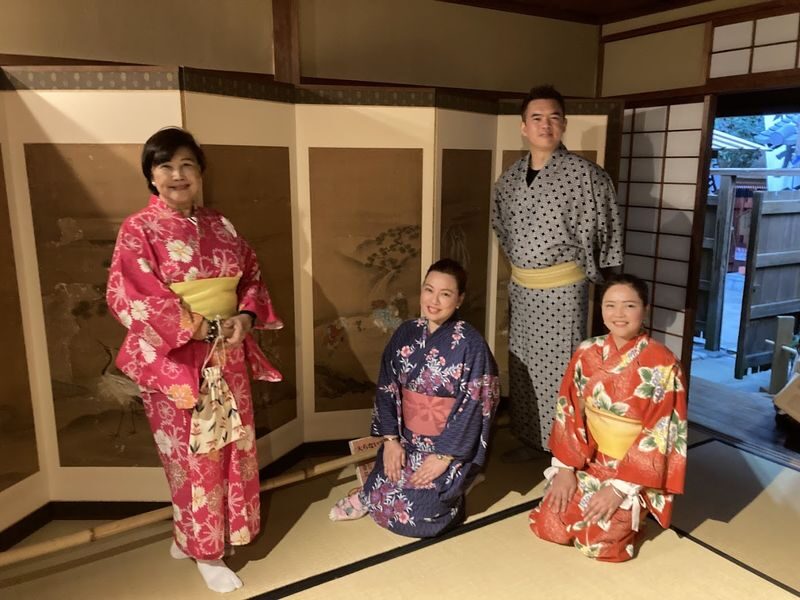
The Osaka Museum of Housing and Living recreates a local neighborhood during the Edo period. Instead of looking at objects behind glass alone, you walk through a setting designed to suggest how streets and buildings once felt. It rounds out the day by shifting attention from rulers and landmarks to ordinary urban life.
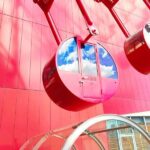
Admission is included when the museum is operating as planned. From September 27 to October 28, 2026, the museum is scheduled to close for renovations, and the tour will visit Umeda Sky Building instead. Check that date carefully if the museum is a priority. The replacement stop is a different kind of experience, so do not book expecting the recreated Edo streets during the closure period.
The guide is the difference between transport and a tour
The strongest practical reason to book is the guide’s role throughout the day. Osaka’s rail system is efficient, but transfers and station navigation can be tiring when you are new to Japan. Here, the guide accompanies you on public transport and helps you understand how to get around, a skill you can use after the tour ends.
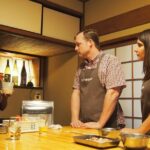
The guiding style is personal rather than scripted. Guides including Akari, Fumiya, Yuki, Ayako, Naoko and Miyo have been credited with adapting routes, answering questions and sharing historical and everyday context. Several have adjusted the pace for children, heat, mobility concerns within the group, or changing interests. One guide even helped a family with a blister, while others have recommended food and places to revisit later.
That flexibility is valuable, but it is not a promise that every stop can be expanded indefinitely. There are several destinations to fit into seven hours, and a slower pace at the castle may mean less time elsewhere. Tell your guide what matters most: food, history, shopping, photos, or learning the train system. A clear priority helps the day feel personal without turning it into a scramble.
You can also read our reviews of more private tours in Osaka



What the price buys, and what it does not
The tour starts at $181.59, with package options for solo travelers, groups of two and groups of three to eight. That starting price should not be treated as the final cost for every party size. One group-of-two participant felt the price was high, a fair point when you compare it with exploring independently by train.
The value is not simply admission to the sights. The listed inclusions are entrance to Osaka Castle and the Housing and Living Museum, an English-speaking guide, public transport fees, tax, and hotel pickup and drop-off. In return, you get help planning the route in real time, explanations at the sights and a local person to handle train transfers. For a first day in Osaka, that support can make the city feel much less daunting.
Meals and drinks are extra, as are market purchases. The tour may suit you best if you value convenience and conversation over keeping every yen of the day’s cost down. If you are comfortable navigating trains, already know the city, or want to spend several hours at just one attraction, you may get better value by building your own day.
Practical details that shape the day
The tour lasts seven hours, with hotel pickup at 9:30 a.m. and drop-off around 4:30 p.m. Pickup is for hotels in Osaka city; enter your hotel name and address when booking. Although the tour is described as private, check the package you select and the group-size details, since options and minimum-group information are both listed.
Children aged five and older are charged the adult rate, while children aged zero to four are free. The route includes walking and public transportation, and the operator does not recommend the tour for pregnant people or people with disabilities. If mobility, heat or walking distance may be a concern, discuss it before booking. The day can involve substantial walking, and Osaka’s summer heat has been a challenge for some participants.
Confirmation is expected within 48 hours. The mobile voucher is valid only for the date and time booked. Free cancellation is available with at least 72 hours’ notice; late arrivals and no-shows are not eligible for refunds or changes. If extreme weather or an unforeseen event leads the operator to cancel, you can reschedule or request a full refund.
Should you book this Osaka day tour?
Book it if Osaka is new to you and you want a friendly, practical introduction in one day. The combination of castle, market, Dotonbori and the museum gives you a useful range, while the guide and public transport support help you find your bearings for the rest of your stay. It is especially appealing for couples, families and solo visitors who value a flexible guide and do not want to manage every transfer themselves.
Think twice if you want a slow day, dislike walking, or are mainly focused on one stop. The route covers a lot, lunch is extra, and the group-of-two price may feel high if you do not need a guide. If you book, go early in your Osaka stay, share dietary needs and priorities in advance, and ask your guide to protect time for the stop you care about most.
Osaka Private City Exploration Day Tour: Best Cultural Highlights
“really great way to hit the city highlights with your significant other at your own pace. Akari was warm and welcoming. it felt lake an old Firend…”
FAQ
How long is the tour?
It lasts seven hours, with a planned start at 9:30 a.m. and return around 4:30 p.m. The schedule may change because of traffic or weather.
Which places does the tour visit?
The listed stops are Osaka Castle, Kuromon Ichiba Market, Dotonbori, Shinsaibashisuji and the Osaka Museum of Housing and Living.
Is hotel pickup included?
Yes. Pickup and drop-off are included for hotels in Osaka city. You provide your hotel name and address when booking.
Are transport and admission fees included?
Public transportation fees are included, as are admissions to Osaka Castle and the Osaka Museum of Housing and Living.
Is lunch included in the price?
No. Lunch is planned in the Shinsaibashi area, but meals and beverages are not included.
Can I request a vegetarian or Muslim-friendly meal?
Yes. Vegetarian and Muslim-friendly arrangements can be made by request. Note dietary restrictions or allergies at checkout.
What happens when the Housing and Living Museum is closed?
From September 27 to October 28, 2026, the museum is scheduled to close for renovations, and the tour will visit Umeda Sky Building instead.
Are children charged the adult rate?
Children aged five and older are charged the same rate as adults. Children aged zero to four are free.