Take the wheel of an AE86, RX-7, or another Japanese performance classic, then drive it on public roads around Osaka. I like that you can choose an automatic or manual AE86, and that the shop offers more than just a car: simulators and electric drift cars make the pickup spot fun to explore, too. The catch is that this is a specialist rental, not a cheap way to get around, and the insurance terms deserve a careful read before you book.
I also like the hands-on pickup. Staff explain the car and its rules, then inspect existing marks with you before you leave. But Osaka traffic, the studio’s out-of-the-way location, and the cost of damage can make the day more demanding than the anime-daydream version.
- The details that matter before you book
- Pick the car for the drive you want
- At MR.HIRO CAR STUDIO, the handover is part of the experience
- Six hours on the road means a short, planned outing
- The car is for cruising, not a track session
- Count the real cost, especially insurance
- Make time for the simulators and drift cars
- Who will get the most from this drive?
- Should you book the Initial D car rental?
- FAQ
- How much does the rental cost?
- Which cars can I rent?
- Do I need an International Driving Permit?
- How old do I need to be to drive?
- Is insurance included?
- How many people can ride in a rental car?
- How far can I drive in the six-hour rental?
- What happens if I return the car late?
- Can I book the car for photos without a driving permit?
- The Best Of Osaka!
- More Tours in Osaka
- More Tour Reviews in Osaka
- Not for you? Here's more nearby things to do in Osaka we have reviewed
The details that matter before you book
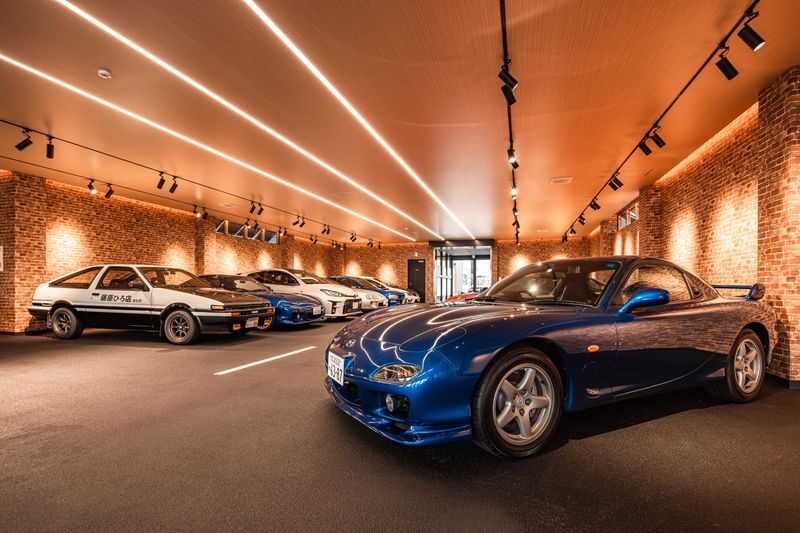
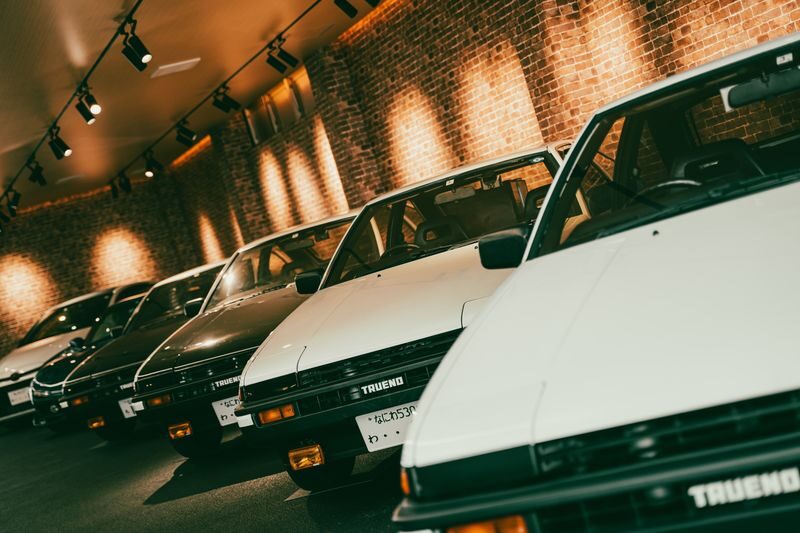
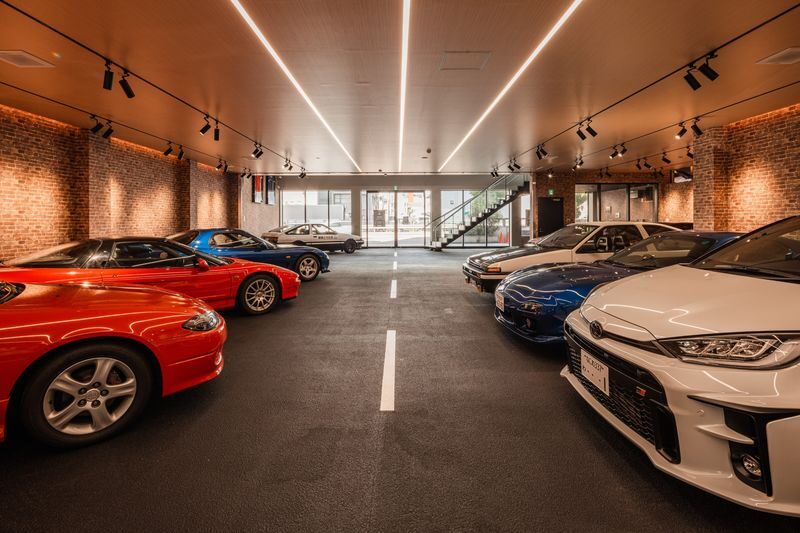
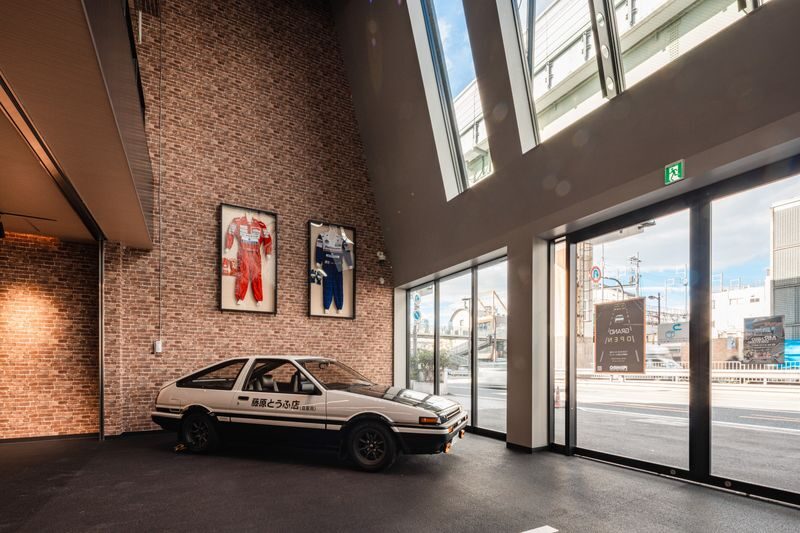
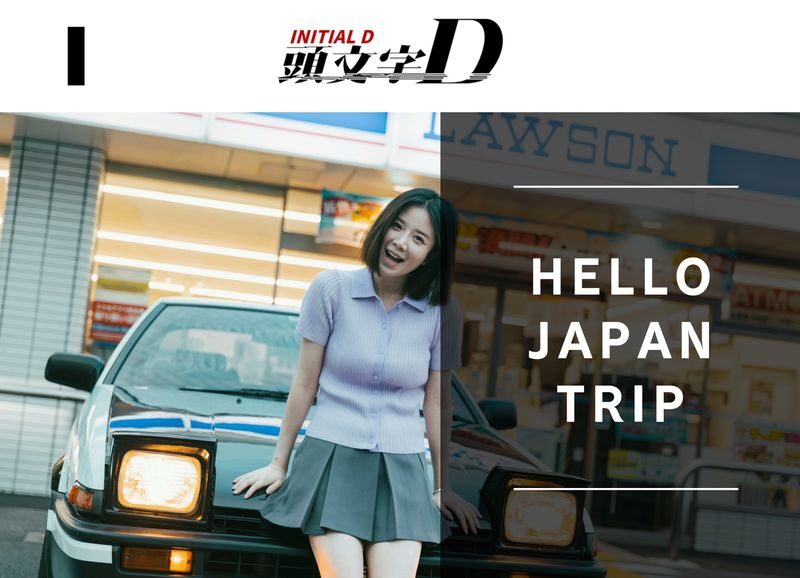
- Choose your JDM classic: Options include the AE86 in automatic or manual, Mazda RX-7 FC and FD, Nissan 180SX, Honda NSX, Honda S2000, and Nissan Skyline GT-R32.
- Plan for a real road rental: Six- and nine-hour options are available. The six-hour rental has a 200-kilometer limit, with an extra ¥500 per kilometer beyond it.
- Budget for more than the listed price: The advertised starting price is $232.75. Insurance, fuel, and ETC toll equipment are not included in that price.
- Expect a thorough handover: Allow time for paperwork, a video, driving guidance, and a close inspection of the car before your rental clock gets underway.
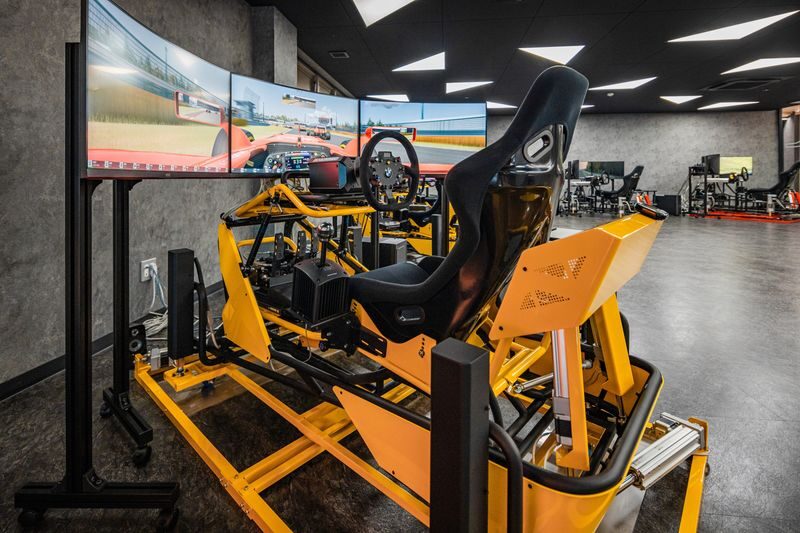
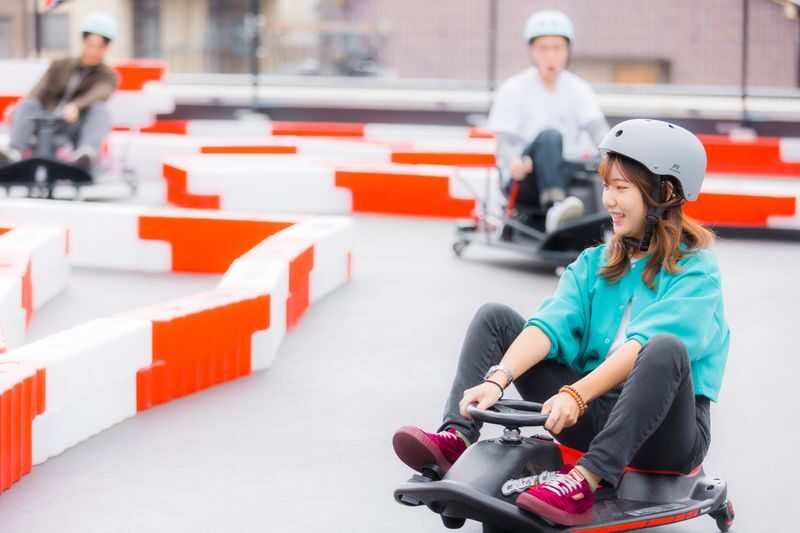
- Make the studio part of the visit: Racing simulators, electric drift cars, a small collection of cars, and themed drinks offer something to do before or after your drive.
- Check the license rules early: Drivers need to be at least 21 and have three years of driving experience, plus a license accepted in Japan.

👉 See our pick of the 24 Best Workshops And Classes In Osaka
Pick the car for the drive you want
The main event is the chance to drive a familiar JDM name on ordinary Japanese roads. The lineup includes several cars associated with Initial D, but it also reaches beyond the series to the NSX, S2000, and Skyline GT-R32. For many people, choosing the car is half the pleasure.
Transmission is a practical choice, not just a matter of taste. The AE86 comes in automatic and manual versions, while the listed RX-7s, 180SX, S2000, and Skyline GT-R32 are manuals; the NSX is automatic. If you are new to driving on Japan’s left-hand traffic system, or you expect slow city traffic, an automatic may leave you more attention for the roads and signs.
These are classic cars, not anonymous new rentals. Some show age in their trim or interior, even when they run well. One NSX may also have a tachometer that does not display correctly because original parts are in short supply. That issue is not described as affecting normal driving, but it is a useful reminder that vintage character can come with small quirks.
Do not book on the assumption that every selected car will be available on the day. A mechanical problem can lead to a replacement car, so ask how substitutions are handled and decide in advance which alternatives you would accept. If the exact model is the point of the trip, reserve early and confirm the car directly with the supplier after completing your booking.
You can also read our reviews of more tours and experiences in Osaka.



At MR.HIRO CAR STUDIO, the handover is part of the experience
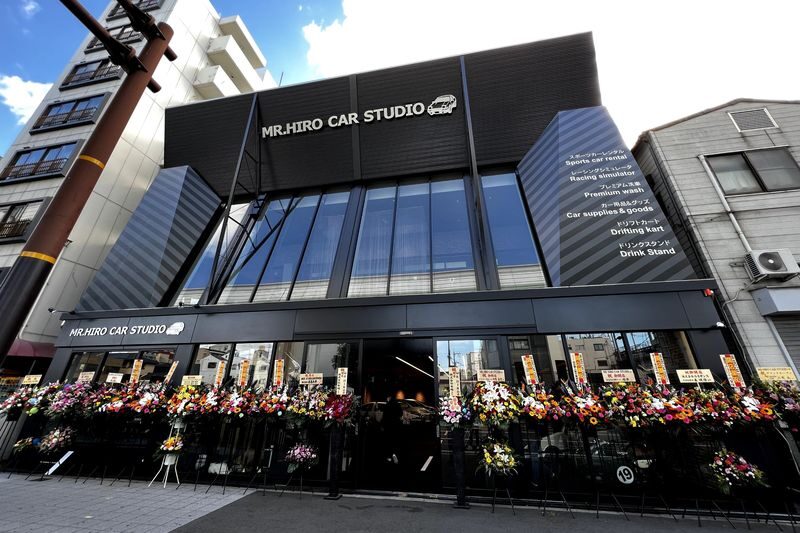
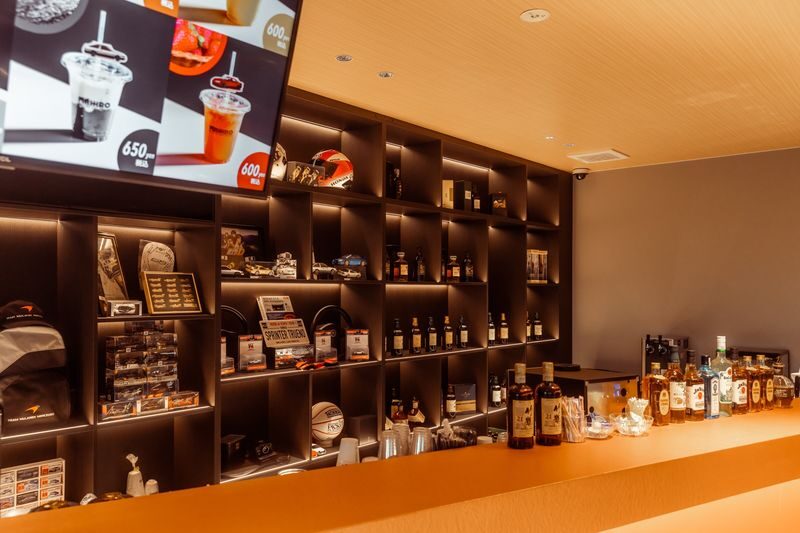
The studio is in Taisho Ward at 4-12-21 Izumio, Osaka. It is not in central Osaka, and there is no nearby train station, so plan your journey to the address rather than assuming you can stroll over from a major sightseeing district. The studio itself gives you something to look at while you are there: cars, merchandise, racing simulators, and electric drift cars.
Arrive with time to spare. The pickup includes paperwork and a video, followed by an explanation of the car and its rules. Staff speak English, Chinese, and Japanese, and the handover is intended to help you understand the car before taking it onto unfamiliar roads.
Pay close attention during the pre-rental inspection. Walk around the vehicle with staff and make sure existing exterior and interior marks are recorded before you leave. Take your own clear photos as well. That simple habit helps avoid uncertainty when you return a car that may already have age-related wear.
If you have not driven in Japan before, ask questions while you are still at the studio. Drivers have found the right-side steering position, road layout, and traffic lights unfamiliar. The staff provide guidance, but it is still worth learning Japanese traffic rules before pickup. This is not the place to discover, with a rare car waiting behind you, that you are unsure which side of the road to use.
Six hours on the road means a short, planned outing
There is no fixed sightseeing route in the rental details. You choose where to go, within the rental period and mileage allowance. That freedom is a strength if you have a route in mind, but it means you need to be realistic about distance, traffic, and how long it takes to get out of the city.
The six-hour package allows up to 200 kilometers. That is enough for a local outing or a carefully planned drive, but it is not permission to roam without watching the clock. Any distance above the allowance costs ¥500 per kilometer, paid at the shop. The six-hour rental’s latest departure time is 13:00, so check your booked slot and build in time for the drive back.
Osaka traffic can be slow, especially later in the day. A route that looks short on a map may take far longer than expected, and toll roads can add to the bill. If you are taking a longer trip, give yourself a generous return buffer. A late arrival does not extend your rental time, and extra use costs ¥1,000 per ten minutes, rising to ¥2,000 per ten minutes after 7:00 PM.
The nine-hour option gives you a more relaxed window for a longer drive, though it is still worth planning around traffic rather than simply aiming for a faraway destination. Some drivers have used a full day for mountain roads or trips beyond Osaka, but you should confirm the mileage allowance and route limits for your selected package directly with the shop. The 200-kilometer limit is specified for the six-hour rental, not as a general rule for every package.
The car is for cruising, not a track session
This is a public-road rental, not a chance to test a classic car’s limits. You must obey Japanese traffic laws, and a dashcam may be fitted. One driver described a rev limit around 5,000 rpm, so do not expect every car to deliver unrestricted performance.
That road-going pace is part of the point. You get the sound, shape, cabin, and feel of a classic JDM car while seeing the country from the driver’s seat. It is a memorable way to enjoy a car, but not a race-day substitute. Treat the car gently, especially if you are unfamiliar with its age, controls, or transmission.
Rain can add another layer of care. The cars have been used in wet weather, but slick roads are no place to push your luck. If conditions are poor, choose a conservative route and follow staff guidance. The rental’s special appeal depends on returning the car safely, not on proving what it can do.
Count the real cost, especially insurance
The starting price is $232.75, but that is only part of your budget. Fuel, insurance, and ETC toll equipment are extra. If you rent ETC equipment, you pay the fee on-site; tolls are also a separate road expense. Ask the shop what fuel grade to use and where to refuel before you leave. A nearby Solato station has been used for high-octane fuel, but confirm the current return instructions at pickup.
Overseas visitors must buy additional insurance on-site for ¥9,000. The coverage applies to accidents within the scope of legal, safe driving. It does not protect you from the consequences of negligent driving that breaks traffic rules, and the terms describe significant potential costs if the car is damaged or becomes unusable.
If a damaged vehicle can be driven back, the stated payment is ¥300,000. If it cannot be driven and needs a tow, the stated payment is ¥500,000. Repair costs and the fee for the time the car is out of service can vary with the damage and repair period. Read the terms closely and ask the staff to explain any point you do not understand before signing.
That risk changes how I would judge the price. For a standard day of transport, this costs far more than an ordinary rental car. For a car enthusiast who has long wanted to drive an AE86 or RX-7 in Japan, the car itself is the attraction, and the premium may feel worthwhile. If you would be anxious about every scrape or unexpected noise, the extra expense may work against your enjoyment.
Make time for the simulators and drift cars
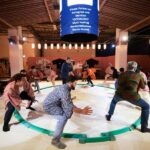
The studio has a racing simulator setup with more than 50 major tracks and cars ranging from JDM models to Formula 1 machinery. Tracks are updated over time, according to the shop’s information. You can also try electric drift cars, with versions intended for children, and order Japanese-exclusive Initial D-themed drinks.
Treat these as optional extras, not as part of the rental price. Simulator use and related equipment can cost extra, so check the fee before starting. Still, the added activities make the studio more than a car handover point, particularly if one person in your group is driving and another is waiting.
The rental cars generally accommodate a maximum of two people. Children under 10 may use the back seat, but seating depends on the vehicle, so confirm the arrangement with the shop before booking if you are bringing a child. This is not a roomy family road trip option.
Who will get the most from this drive?
This is best for a car fan with a specific model in mind, a valid Japanese driving permit, and enough confidence to handle unfamiliar roads. It works especially well if you are comfortable with a manual transmission, want to plan your own route, and see the car as the main event rather than a way to save money.
A first-time Japan driver can still consider it, but preparation matters. Study the rules, pick a route that does not require a long dash across the region, and consider an automatic if you are unsure about shifting in traffic. Give yourself extra time to reach the studio and return the car. If you are nervous about driving or insurance costs, the one-hour photoshoot package is a separate option, and it does not require an International Driving Permit.
Should you book the Initial D car rental?
Book it if driving a Japanese classic is a long-held wish and you are ready to pay for a special-interest experience. The range of cars, useful staff guidance, and chance to take a real JDM car onto public roads make this more than a static photo stop.
Skip the rental if you mainly need affordable transport, dislike strict time limits, or would spend the whole outing worrying about damage. Before booking, confirm your exact car and package, check the license rules, understand the insurance and mileage costs, and plan a route with room for Osaka traffic. Those steps turn a costly novelty into a much better chance of a day you will remember.
Osaka | Initial D Car Rental in Japan
“Location: There is no train station near the store, so transportation to arrive is a bit inconvenient. Experience: The staff patiently reminded us…”
FAQ
How much does the rental cost?
The listed starting price is $232.75. The final cost can be higher because insurance, fuel, ETC equipment, tolls, excess mileage, and any late return fees are not included in that starting price.
Which cars can I rent?
The choices include an AE86 in automatic or manual, RX-7 FC and FD in manual, 180SX in manual, Honda NSX in automatic, S2000 in manual, and Skyline GT-R32 in manual.
Do I need an International Driving Permit?
An International Driving Permit is one accepted license type. Other accepted documents include a Japanese license, a USFJ Operator’s Permit for a privately owned vehicle, or an authorized Japanese translation for domestic licenses from Switzerland, Germany, France, Taiwan, Belgium, Slovenia, or Monaco.
How old do I need to be to drive?
Every driver must be at least 21 years old and have at least three years of driving experience.
Is insurance included?
No. Overseas visitors must purchase additional insurance on-site for ¥9,000. The coverage applies to accidents within the scope of legal and safe driving, while damage caused by negligent illegal driving can leave you responsible for substantial costs.
How many people can ride in a rental car?
The stated maximum is two people per vehicle. Children under 10 may use the back seat, but check the selected car’s seating arrangement with the shop before you book.
How far can I drive in the six-hour rental?
The six-hour rental has a 200-kilometer limit. Additional distance costs ¥500 per kilometer, payable at the shop.
What happens if I return the car late?
Extensions cost ¥1,000 per ten minutes. After 7:00 PM, the fee is ¥2,000 per ten minutes. Being late to pick up the car does not extend the reserved return time.
Can I book the car for photos without a driving permit?
A one-hour photoshoot package is offered and does not require an International Driving Permit. The driving rental itself has specific license requirements.