Biei and Furano make a memorable day out of flower fields, clear mountain water and a pond known for its unusual blue color. The appeal is not just a single famous stop: you get several very different views of central Hokkaido without having to piece together a long rural route on your own.
I like the mix of Shikisai no Oka’s rolling flower rows and the quieter Blue Pond and Shirahige Falls. I also like that the bus handles the long distances from Sapporo, while guides such as Lucy, Hikaru, Chillin and Eric have been praised for clear explanations and practical local tips.
The trade-off is a full day with fixed stop times and many hours on the road. Flower displays are seasonal, and the best-known fields can look quite different from the promotional images before summer bloom.
- Four major stops in one day: Visit Shikisai no Oka, the Blue Pond, Shirahige Falls and Farm Tomita.
- Flower timing matters: Bloom varies by weather and year. The fields generally fill out from mid-June into July, then fade toward late September.
- Sapporo transport is included: The tour runs roughly 07:50 or 08:00 to an estimated 17:50 return.
- Each stop is brief: Shikisai no Oka gets about an hour, while the Blue Pond has 30 minutes and the falls 15.
- Bring lunch if you are particular: The one-hour meal stop is at Herb Garden Furano or elsewhere in the Furano area, and you may bring your own food.
- A long Hokkaido day with a good mix of scenery
- Shikisai no Oka’s changing hillsides
- Blue Pond: a brief, striking pause
- Shirahige Falls and the blue river below
- Lunch in the Furano area
- Farm Tomita and its lavender roots
- What the Sapporo bus ride buys you
- Price, value and who should book
- Should you book this Furano and Biei day trip?
- FAQ
- Where does the tour depart from?
- What time does the tour return to Sapporo?
- Are meals included?
- When are the flower fields in bloom?
- Is a guide included on every departure?
- Can I bring a young child?
- Can I get a refund if I miss the departure?
- The Best Of Hokkaido!
- More Farms in Hokkaido
- More Tours in Hokkaido
- More Tour Reviews in Hokkaido
- Not for you? Here's more nearby things to do in Hokkaido we have reviewed
A long Hokkaido day with a good mix of scenery
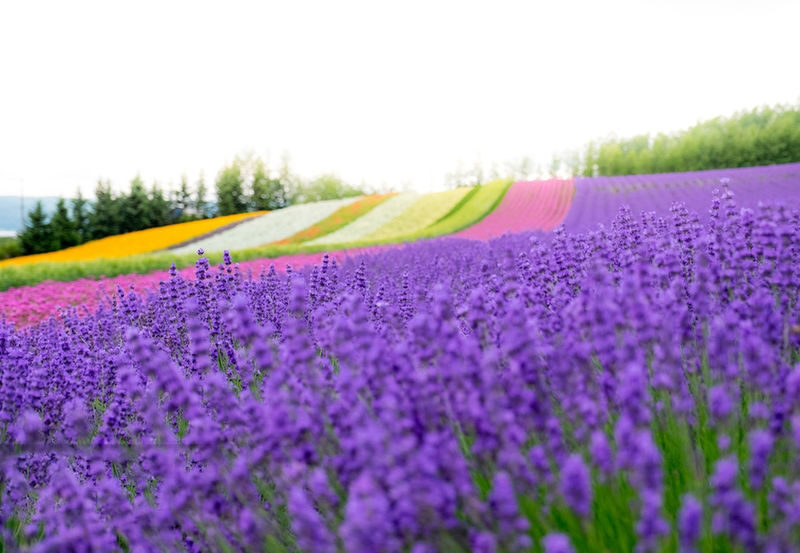
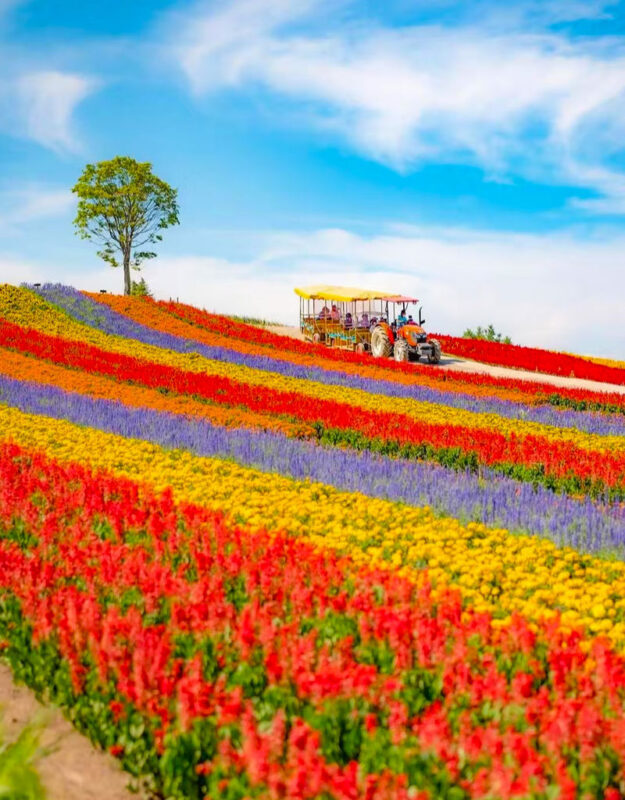
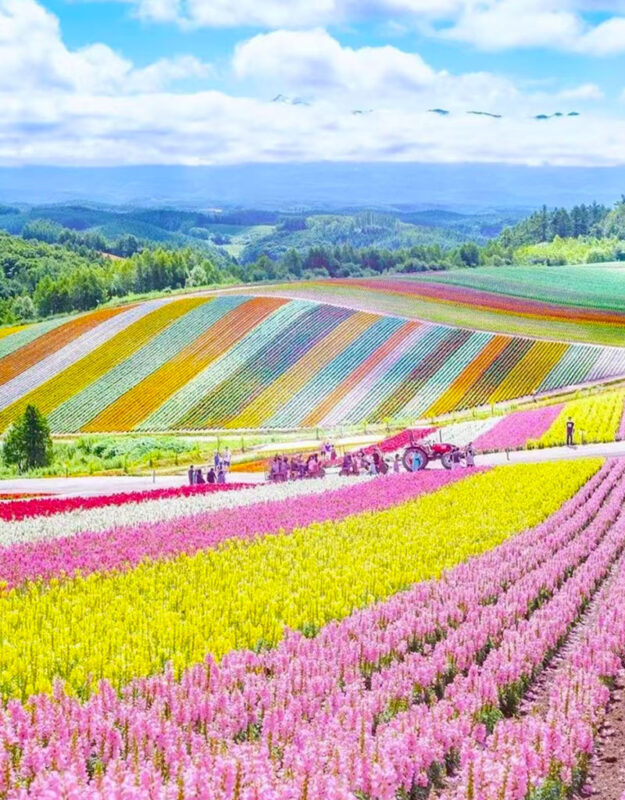
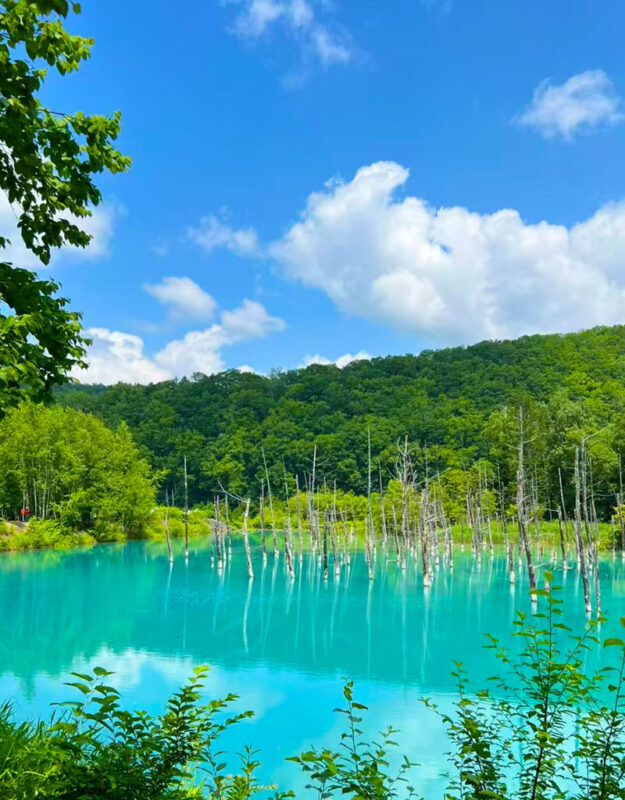
This trip covers a lot of ground. From Sapporo, the bus heads toward Biei and Furano, making the countryside itself part of the day rather than just a backdrop between attractions. A short stop on Roller Coaster Road offers a glimpse of the region’s rolling farmland and undulating road.
The main draw is variety. Shikisai no Oka and Farm Tomita are both flower destinations, but they have different character: one is a broad hillside carpet, the other an established Furano farm with a lavender identity. The Blue Pond and Shirahige Falls bring a welcome change of pace, with water, trees and mountain air.
You should think of this as a sampler, not a slow visit to any one place. The scheduled stops allow time to walk around and take photos, but not to linger over every path, shop or viewpoint. If you want a relaxed day focused on one flower farm, a self-planned visit may suit you better. If you want to see several headline sights without managing rural transport connections, the group tour makes practical sense.

👉 See our pick of the 4 Best Guided Tours In Hokkaido
Shikisai no Oka’s changing hillsides
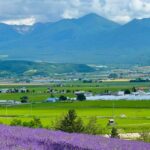
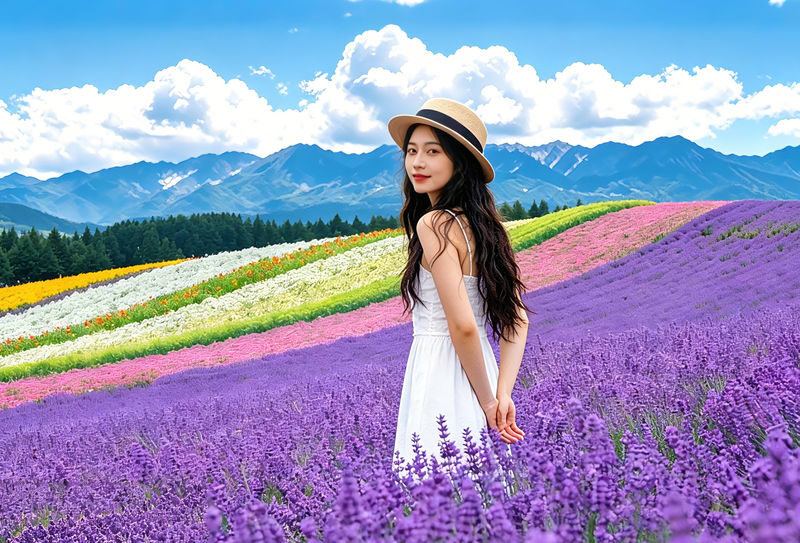
Shikisai no Oka covers about 15 hectares of sloping fields. Rows of flowers form broad stripes across the hills, giving the place its familiar patchwork look. From a distance, the colors are the main event; closer in, you can pick out the different flowers and enjoy the scale of the planting.
The display changes through the year. Tulips may appear in spring, followed by poppies and lupines, then lavender and sunflowers in summer. Later flowers include dahlias, cosmos, pansies, scarlet sage and snapdragons. More than 30 kinds are planted across the seasons, so a visit in one month will not look quite like a visit in another.
Here, timing is more important than the season name on the tour. The supplied information gives slightly different estimates, but both make the same point: fields may be sparse from April through June, with fuller bloom expected from mid-June or early July. Flowers open in stages, and temperature and weather affect the calendar. By late September, many blooms may be past their best.
The stop is scheduled for about an hour. That gives you time to see the main fields and take in the views, though the hills mean you may want to choose a manageable walking route rather than try to cover every corner. In winter, the fields turn into a snow park with activities such as sledding and snowmobiles, but this is a summer-focused product, so confirm that your chosen departure actually includes winter activities before booking.
You can also read our reviews of more tours and experiences in Hokkaido


Blue Pond: a brief, striking pause
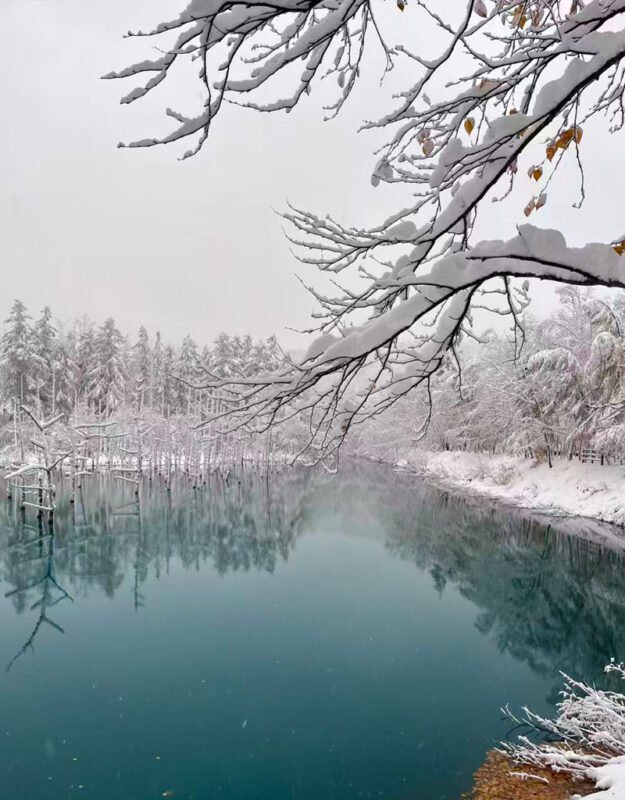
The Blue Pond is a man-made result of volcanic disaster-prevention work, not an untouched natural lake. Minerals in the water scatter sunlight and create the pond’s distinctive color, while the standing larch trees add a stark outline across the water. The exact shade shifts with light and conditions, so the pond may look more or less blue on the day.
You have about 30 minutes here. That is enough for a walk around the viewing area and photographs, but it is not a long nature stop. The pond’s calm, spare appearance also makes it a useful contrast to the crowded color of the flower farms.
Winter changes the view. Snow and ice can hide the familiar blue surface during daylight, while seasonal illumination is described as a feature after dark. The listed day schedule does not include a night visit, so do not book expecting to see the winter lights.
Shirahige Falls and the blue river below
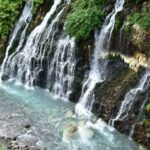
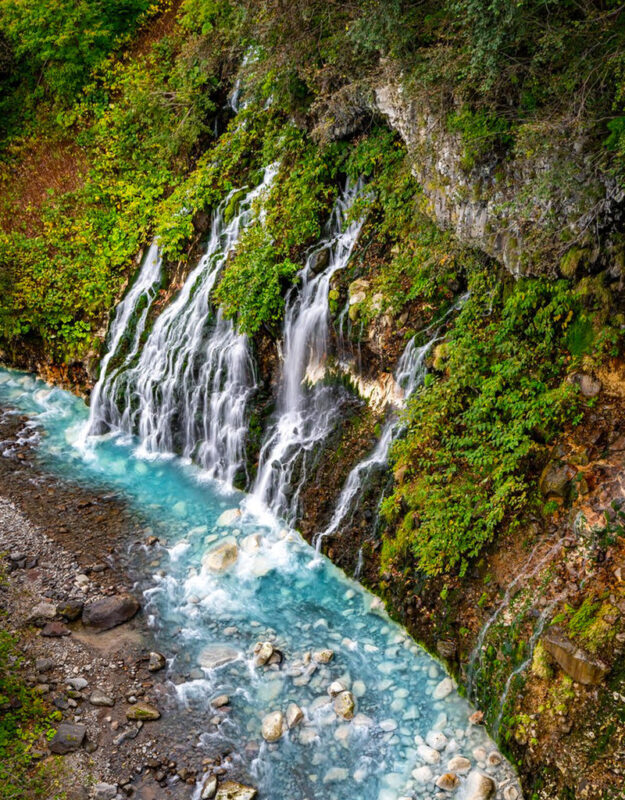
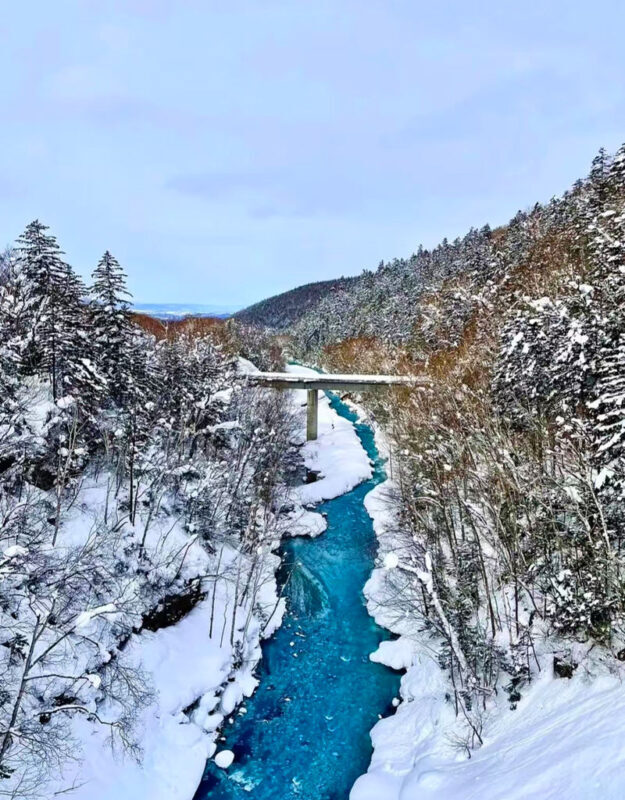
Shirahige Falls is a short stop, roughly 15 minutes, near the Blue Pond. Thin streams of water spill from gaps in the rock, which is how the falls got their name: the white strands resemble an old man’s beard. The water runs into a blue river below, making this a compact but photogenic stop.
The setting brings a cooler, mountain-water feel after the flower fields. In winter, ice and frost can add another layer to the scene, and night lighting is also mentioned as a seasonal feature. As with the pond, this tour’s daytime schedule does not promise an evening visit.
Because the stop is brief, move promptly from the bus and keep an eye on the time. The driver-guide can wait no more than five minutes past the agreed departure time, after which you may have to continue to the next stop on your own.
Lunch in the Furano area
The schedule allows about an hour for lunch at Herb Garden Furano or in the Furano area. Meals and drinks are not included, so budget separately. You can also bring your own food, which is a sensible choice if you have dietary needs or prefer not to spend time deciding where to eat.
One useful caution: lunch at the garden may not suit every appetite or expectation. If food is a major part of your day, carry a sealed snack or pack a meal in advance. The bus rules allow sealed light snacks and unopened drinks, but eating is not allowed inside the vehicle.
The guide may recommend local food and other products, including ice cream and regional specialties. Recommendations are not compulsory purchases. Keep the lunch hour in perspective: it is a practical break within a packed route, not a dedicated food tour.
Farm Tomita and its lavender roots
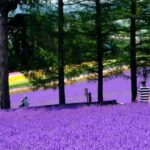
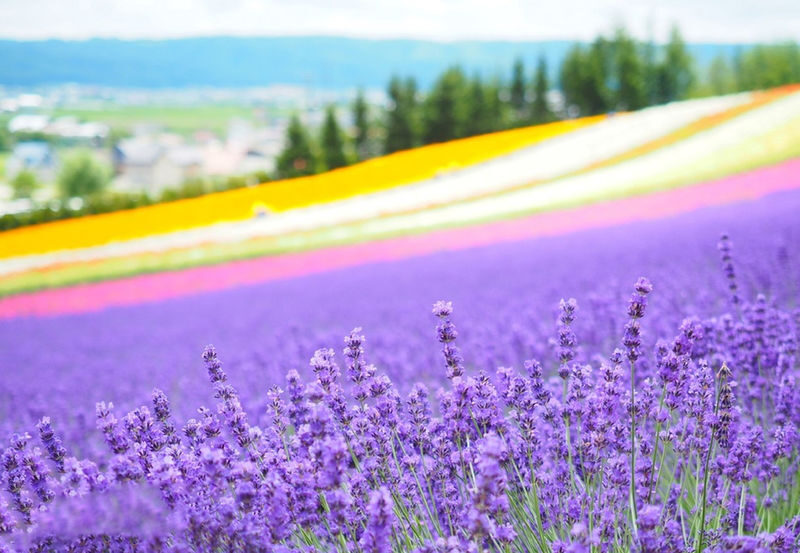
Farm Tomita is a Furano landmark and a pioneer in Hokkaido lavender cultivation. Its lavender fields and other flower plantings are the day’s most recognizable image, especially when summer bloom is at its height. The farm’s agricultural identity gives it a different feel from a single scenic viewpoint: you are visiting a working flower destination built around cultivation and seasonal displays.
The scheduled visit is about 45 minutes. That is enough for a walk through the main areas and a few photos, but you may need to be selective if you like to browse every path or stop for refreshments. The farm can be especially rewarding when lavender is flowering, but the same seasonal warning applies here: spring and early summer may bring limited blooms, and displays naturally vary.
I would not choose a departure date based only on a photo of a purple field. Ask how the flowers are expected to look around your travel date, and accept that no schedule can guarantee peak bloom. The tour still includes Biei’s water sights and Shikisai no Oka, but the flower-farm experience changes considerably with the season.


What the Sapporo bus ride buys you
The bus leaves from either the Odori area or the north exit of Sapporo Station, with departure times listed around 07:50 and 08:00. The return is estimated at 17:50, to Sapporo North Exit or Odori Subway Station. That is a long day, and actual arrival can shift with traffic, weather, holidays and crowds. Keep your evening plans flexible.
Round-trip transport, tolls, parking and fuel are included. That matters in rural Hokkaido, where the stops are spread out and arranging the same route by public transport takes more planning. For a first visit, a shared ride is an efficient way to connect several sights in one day.
The vehicle depends on group size. For fewer than 12 participants, the operator may use a vehicle with fewer than 14 seats and provide a driver only, without a separate guide. Larger groups are assigned a driver and guide. The tour is shared, so expect other passengers and stick to the agreed stop times.
Guides on past departures have included Lucy, Hikaru, Chillin and Eric. They have been described as offering local history, food suggestions and clear explanations in English and Mandarin; the exact guide and language support on your date are not guaranteed. The guide and vehicle details are sent by email the day before, so check your inbox and spam folder and keep your phone available.
Price, value and who should book
Prices are shown from $47.35, while the English- and Chinese-speaking options are listed from $67.59. Check the total for your selected departure and package before booking. At either price, the value rests mainly on the transport: you cover several distant stops without arranging a rental car, navigation or separate transfers.
The tour is a strong fit if you have one day available from Sapporo, want a broad look at Biei and Furano, and are comfortable with a tightly timed group outing. It also suits people who value a guide’s context and recommendations. It is less suited to anyone hoping to spend half a day at one farm, build a slow photography schedule or rely on peak flowers outside the main bloom period.
Children over two pay the adult price and need a seat. Children aged zero to two may travel free without a seat, but participation is not recommended and the operator must be notified in advance. Seniors aged 65 and older need to be fit for the trip and accompanied by someone aged 22 or older. The tour lists restrictions for certain health conditions and does not include travel or accident insurance, so check the terms and your own coverage before booking.
Should you book this Furano and Biei day trip?
Book it if you want a practical, all-in-one route from Sapporo and accept that the day is about seeing several places, not lingering. The strongest combination is the flower fields, Blue Pond and Shirahige Falls, with transport doing the hard work between them.
Hold off if your dates fall before the flowers are expected to bloom, if you need a guaranteed late return time, or if lunch and long stops matter more to you than covering ground. For the best chance of seeing the fields in color, aim for the summer bloom period, but treat the exact timing as nature’s decision, not a promise.
Summer Limited: Biei Furano Farm Tomita & Shikisai no Oka & Blue Pond & Waterfall Day Tour
“The tour was worth the money.The tour Guide was nice and gave us a lot information and recommendations.The driver was also good. I will do it again.”
FAQ
Where does the tour depart from?
You can choose a meeting point at Odori Subway Station, Exit 31, or at the JR Sapporo Station North Exit bus meeting point. Arrive at least 10 minutes before departure.
What time does the tour return to Sapporo?
The estimated return is 17:50 at Sapporo North Exit or Odori Subway Station. Traffic and weather can affect the actual arrival time, so leave your evening schedule open.
Are meals included?
No. Lunch and drinks are not included. The tour allows about one hour in the Furano area, and you may bring your own meal.
When are the flower fields in bloom?
Flower timing varies with weather. Blooms may be limited from April through June, with fuller displays expected from mid-June or early July. Flowers can fade by late September.
Is a guide included on every departure?
A guide is included in the English- and Chinese-speaking package options. For groups under 12, the operator may use a smaller vehicle with a driver only and no separate guide.
Can I bring a young child?
Children over two need a paid seat at the adult ticket price. Children aged zero to two may travel free without a seat, but the operator asks to be informed in advance and does not recommend participation.
Can I get a refund if I miss the departure?
No. Late arrivals and no-shows are not refundable, and leaving the group during the tour does not qualify for a refund. The operator offers a full refund for cancellations made at least 24 hours before the activity date.