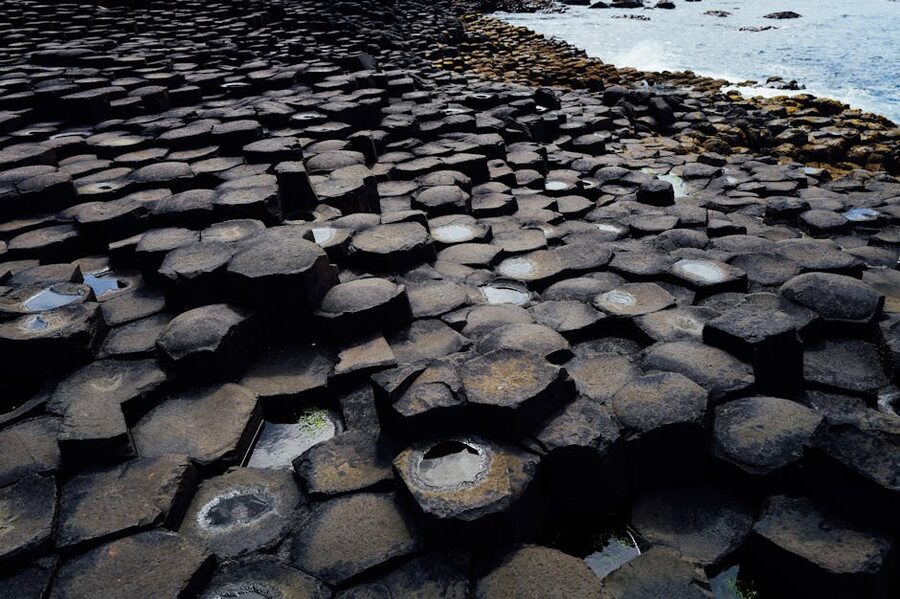
The columns tile out across the headland like a floor someone laid by hand, hexagons fitted so tightly you can drop a coin into the joint and watch it stick. The basalt is dark grey-black under a low sky. The grass on the cliff above is the green that only happens here, a wet Atlantic green, and the wind off the sea has the salt and the gull-noise and the spray that makes the whole place feel older than it can possibly be.
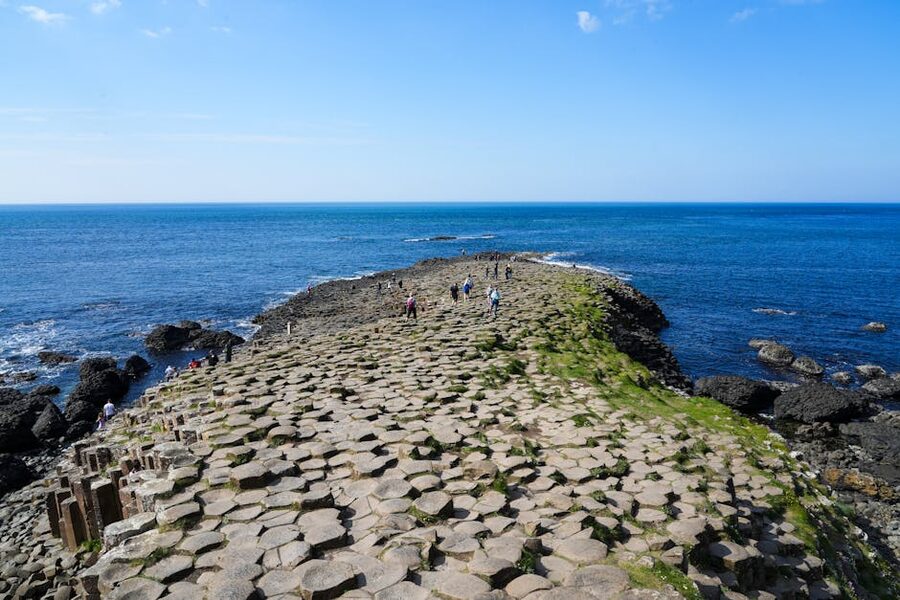
The Giants Causeway sits about 80km north of Belfast on the Causeway Coast, a 1hr 15min drive each way. Most Belfast day tours run 8 to 9 hours and stop at three or four spots on the way: Carrick-a-Rede rope bridge, Dunluce Castle ruins, the Old Bushmills Distillery, sometimes the Dark Hedges. This guide is for booking that day from Belfast specifically. If you’re starting from Dublin, that’s a different and much longer trip, and I cover it in the Dublin to Northern Ireland day-trip guide.
Short on time? Here are my top picks:
Best for first-timers: Giants Causeway and Game of Thrones Day Tour from Belfast. $26. The most-booked Causeway day tour out of Belfast, 8.5 hours, and it folds in three Game of Thrones filming spots on the way back.
Best for castles fans: Giants Causeway Guided Day Tour With Castles from Belfast. $28. Same Causeway visit but routed via Dunluce ruins and Carrickfergus Castle. Better if you want history alongside geology.
Best does-everything pick: Giants Causeway, Rope Bridge, Carrickfergus Castle and Dark Hedges Tour. $33. Five sights in one day. The day’s long but you don’t come back to Belfast wishing you’d booked something else.
- Belfast vs Dublin: which day trip you actually want
- What you’ll actually see at the Causeway
- The Finn McCool legend, and why it stuck
- Three Causeway day tours from Belfast that actually deliver
- 1. Giants Causeway and Game of Thrones Day Tour from Belfast:
- 2. Giants Causeway Guided Day Tour With Castles from Belfast:
- 3. Giants Causeway, Rope Bridge, Carrickfergus Castle and Dark Hedges Tour:
- The add-on stops, ranked by whether they’re worth the bus time
- Carrick-a-Rede rope bridge
- Dunluce Castle
- Old Bushmills Distillery
- Dark Hedges
- Doing it independently: Belfast to Causeway by train and bus
- When to go: weather, light and crowd patterns
- What to pack for an Antrim coast day
- Causeway versus other UK day-trip wonders
- If you’re already on a Causeway day, what else fits
Belfast vs Dublin: which day trip you actually want
This is the first decision and it changes everything else. From Belfast the Causeway is 80km away. From Dublin it’s 270km. The maths is unforgiving.
A standard Belfast day trip runs 8 to 9 hours total, with about 2 hours at the Causeway itself and time for two or three add-on stops along the way. The coach picks up in central Belfast, runs north up the A26 to the coast, then loops along the Causeway Coastal Route back. You’re back in Belfast by tea time.
A Dublin day trip to the same spot is 12 to 13 hours, two of those spent on the M1 motorway just getting up to and back from Northern Ireland. You see the same Causeway, but you see it for less time and you spend a lot of the day looking at the inside of a coach. If you’re booked into a Dublin hotel and only have one day, fine. If you have any flexibility, do this from Belfast.
Belfast is also worth a night in its own right. Take the Enterprise train from Dublin Connolly to Belfast Grand Central, two hours, around £25 single. Stay one night near the Cathedral Quarter. Do the Causeway day from Belfast the next morning. That’s the cleanest pattern, and it lets you also bolt on the Titanic Quarter or a political taxi tour through the murals in the evening.
What you’ll actually see at the Causeway
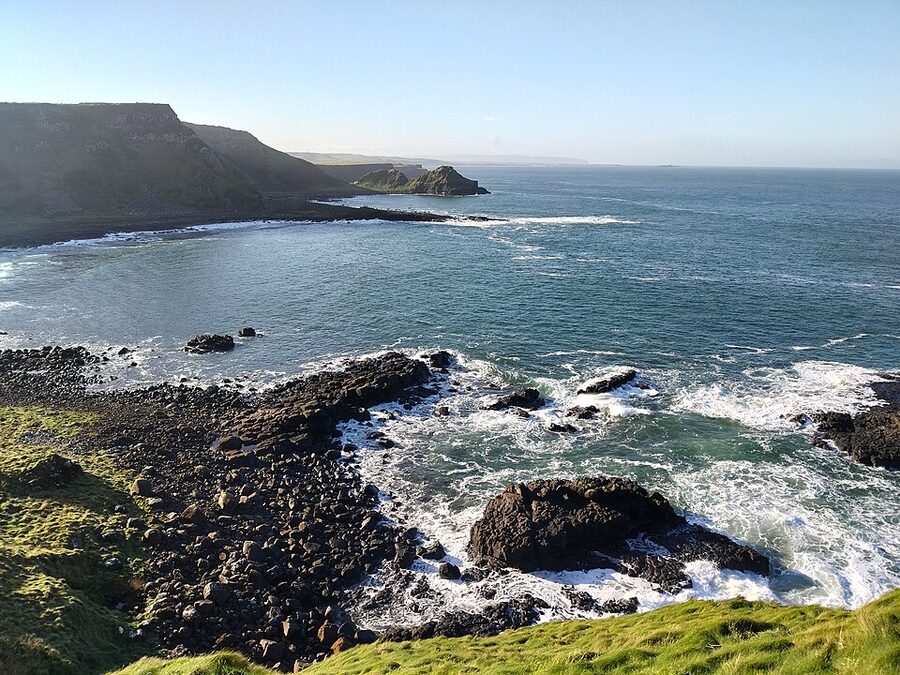
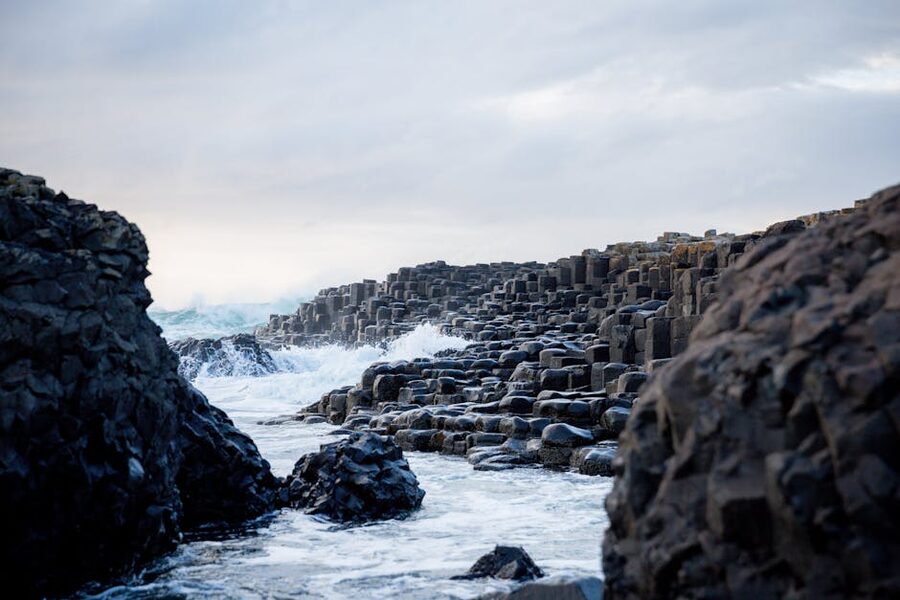
The Causeway proper is a wedge of around 40,000 basalt columns running from the cliff into the sea. They formed in the Paleocene around 50 to 60 million years ago, when a single thick lava flow cooled slowly and contracted into vertical cracks. The hexagonal shape is what cooling lava does when it’s allowed to take its time. Same thing happened in Iceland and at Devils Postpile in California, but the Antrim columns are the most famous because they’re at sea level and you can climb on them.
The site has been UNESCO listed since 1986 and managed by the National Trust since 1961. The visitor centre at the top of the cliff opened in 2012. Centre access is paid (about £15.50 adult at the gate, free for National Trust members), but the columns themselves are free for anyone who walks down the cliff path. This catches a lot of independent travellers out: you can absolutely visit the rocks without paying anything, you just don’t get the audio guide or the cafe.
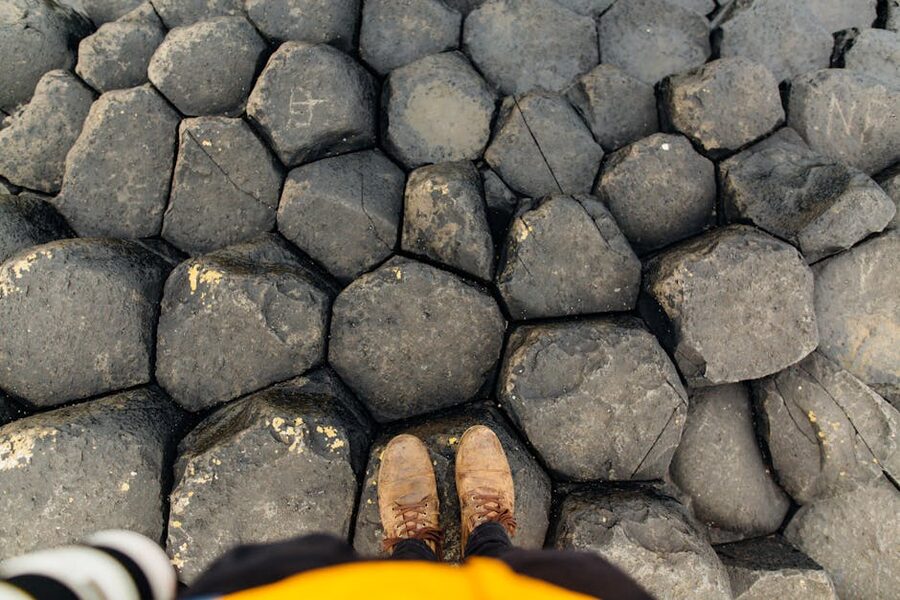
There are three named sections people usually walk to. The Grand Causeway is the main wedge of columns at sea level, the bit on every postcard. The Middle Causeway sits to the east, partly submerged. The Little Causeway is the third stretch, smaller and quieter. Most visitors don’t make it past the Grand Causeway and that’s fine; it’s where the geology is clearest.
If your tour gives you the full two hours, push past the Grand Causeway to find the Camel, a humped formation halfway along the lower path, and the Giant’s Boot, a single weathered column that does, with some imagination, look like a boot. The clifftop walk above (Shepherds Steps, then the upper path back) takes another 45 to 60 minutes and is the best part if you’ve got time. Tour groups rarely do it.
The Finn McCool legend, and why it stuck
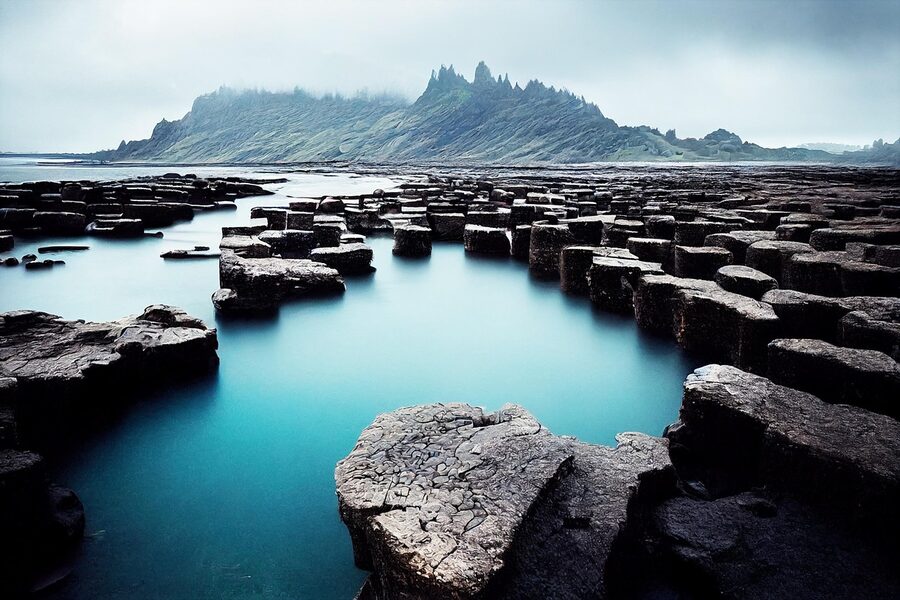
Before anyone knew the columns were cooled lava, people had to explain them somehow. The story they settled on involves Finn McCool, the Irish giant from the Fenian cycle, building a causeway across the sea to fight a Scottish giant called Benandonner. There’s a similar set of columns on Staffa in the Scottish Hebrides, the cave you might know as Fingal’s Cave. The legend ties the two ends together.
In the version most local guides tell, Finn builds the causeway, then sees how big Benandonner actually is and panics. His wife disguises him as a baby. When Benandonner arrives and sees the size of the “baby” he assumes the father must be enormous and runs back to Scotland, ripping up the causeway behind him so Finn can’t follow. What you see at Antrim is the bit of the causeway Finn didn’t have time to tear up.
The science version is less narratively satisfying but actually older than the legend in geological terms. The Antrim plateau is a flood basalt province, the same volcanic event that built the Inner Hebrides and the Faroes. The columnar pattern is just what happens to thick basalt when it cools slowly and uniformly. There’s no human-scale process here; the rocks were already old when humans arrived in Ireland.
Three Causeway day tours from Belfast that actually deliver
I’ve sorted these by what they prioritise rather than by popularity. All three are the most-booked options in their category from Belfast and they cover the main angles: filming locations bolt-on, castles bolt-on, and a does-everything combo. Pick by what else you want to see, not by stars on a screen.
1. Giants Causeway and Game of Thrones Day Tour from Belfast: $26
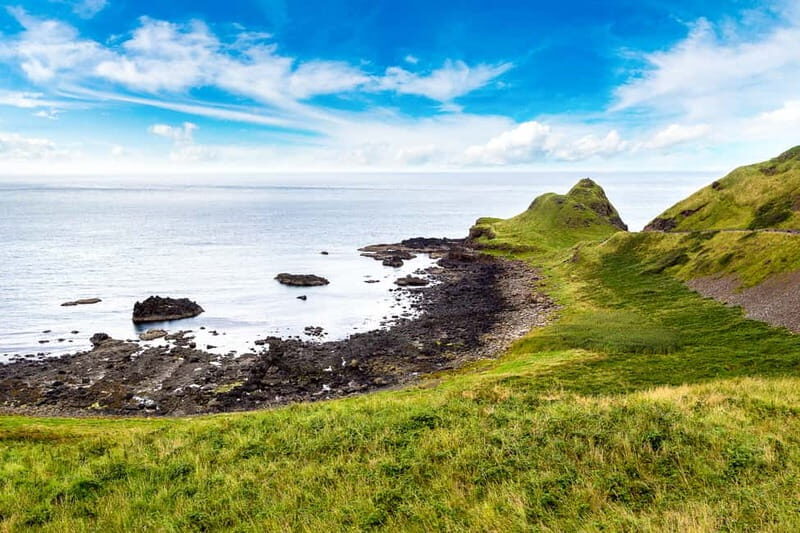
If you only have one day in Belfast and you want the Causeway plus a taste of why this coast was the spine of HBO’s Game of Thrones production, this is the cleanest pick. The 8.5 hours splits roughly into two hours each at the Causeway and the GoT stops, plus the driving. Our full review breaks down which filming locations you actually visit. At $26 it’s also the cheapest credible Causeway day from Belfast; cheaper options usually mean less time on site.
2. Giants Causeway Guided Day Tour With Castles from Belfast: $28
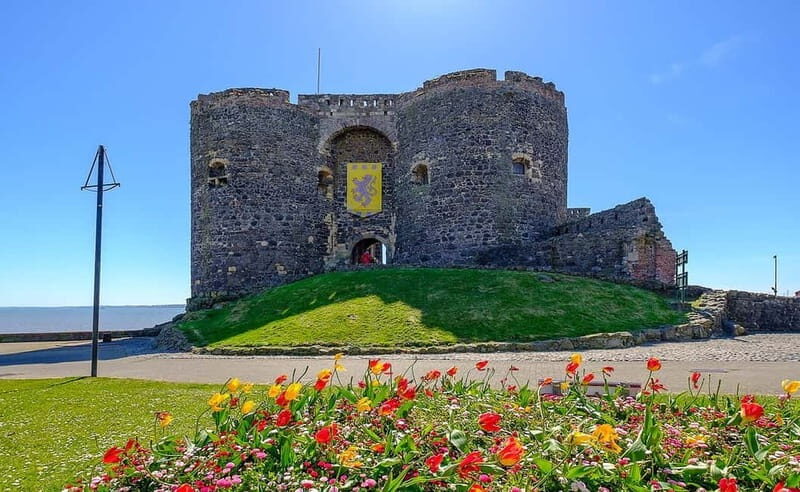
Same total length, same Causeway window, different bookends. Our review covers what’s included at each castle stop and the photography time you actually get. If you’ve already done the Game of Thrones thing in Dublin or you just don’t care about it, this is the cleaner pick. Carrickfergus is also a working harbour town, so the lunch stop has decent options outside the tour-bus cafes.
3. Giants Causeway, Rope Bridge, Carrickfergus Castle and Dark Hedges Tour: $33
This one shows up under multiple operator brands but the route is the same and it’s the most-booked combo coming out of Belfast. The Carrick-a-Rede rope bridge alone is worth the upgrade, and you wouldn’t want to come up here twice if you don’t have to. Our review explains what time you actually get at each stop and which two are mostly photo stops. Pick this if you want one day to cover the lot and you’re okay with the longer day.
The add-on stops, ranked by whether they’re worth the bus time
Most Belfast day tours throw in two or three of these on the route. Here’s how I rate them, having done all of them on different runs.
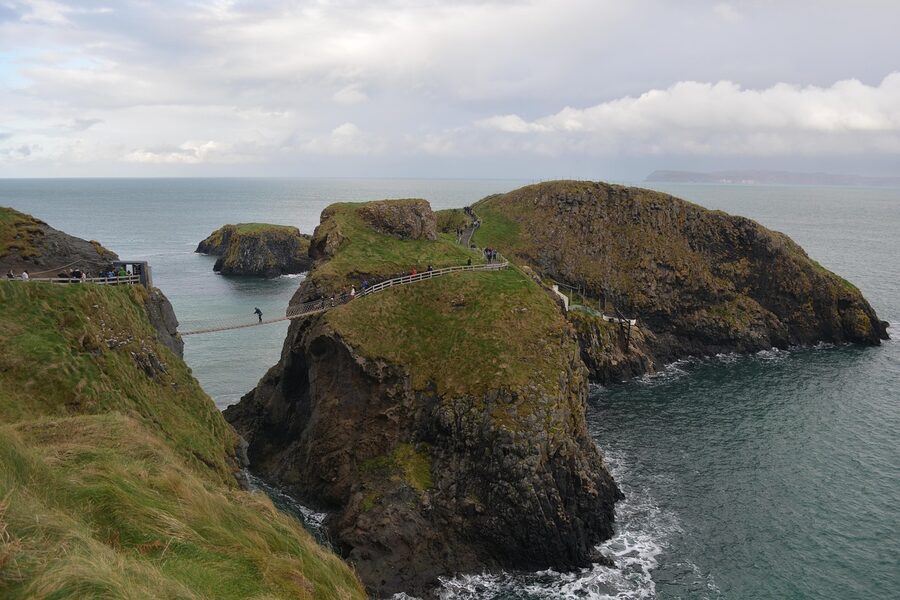
Carrick-a-Rede rope bridge
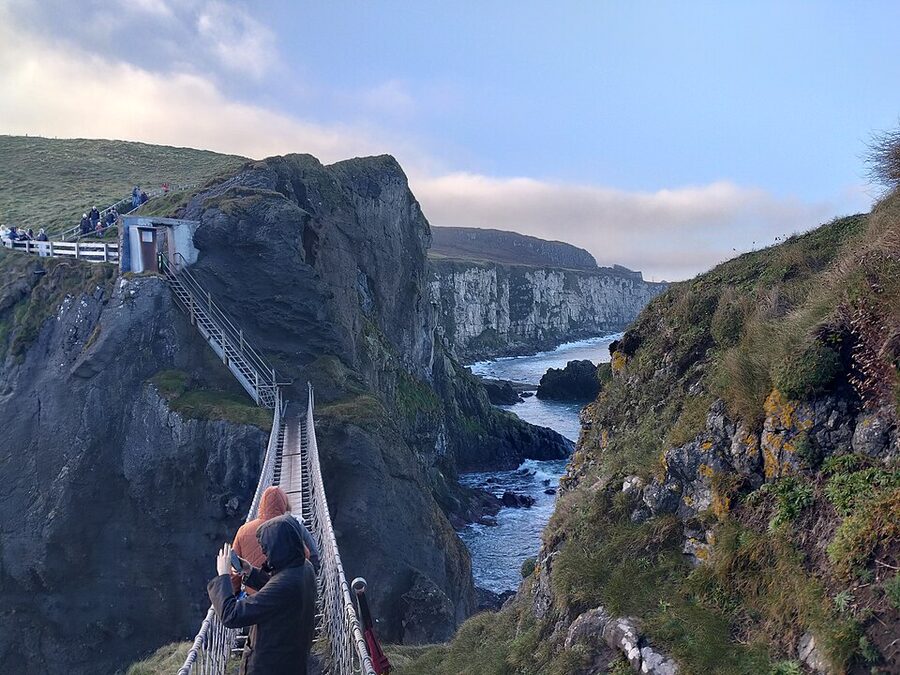
This is my pick of the add-ons. The bridge itself is 20 metres long and only takes a minute to cross, but the walk in along the cliff is a kilometre each way and the views back along the coast are the best on the trip. Tickets are timed and bookable separately (about £15.50 adult), and big-tour operators usually pre-book your slot. If your day tour includes Carrick, that’s a tick in its favour.
One real warning: the bridge can close in high wind, with no notice. The National Trust pulls it the moment gusts go above about 65kph. If you’ve booked a day tour that depends on it, the operator will swap to another stop if it’s down, but you don’t get a refund for the missed bridge specifically.
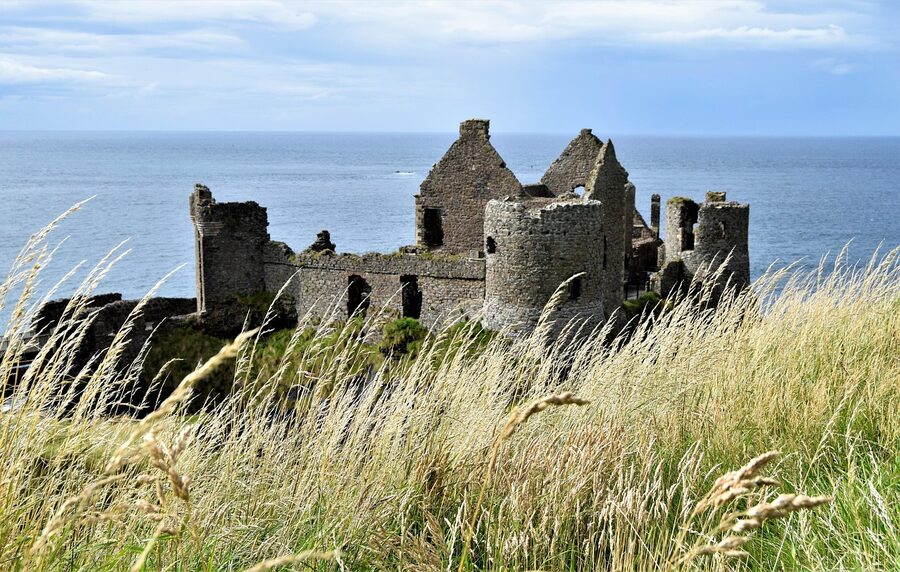
Dunluce Castle
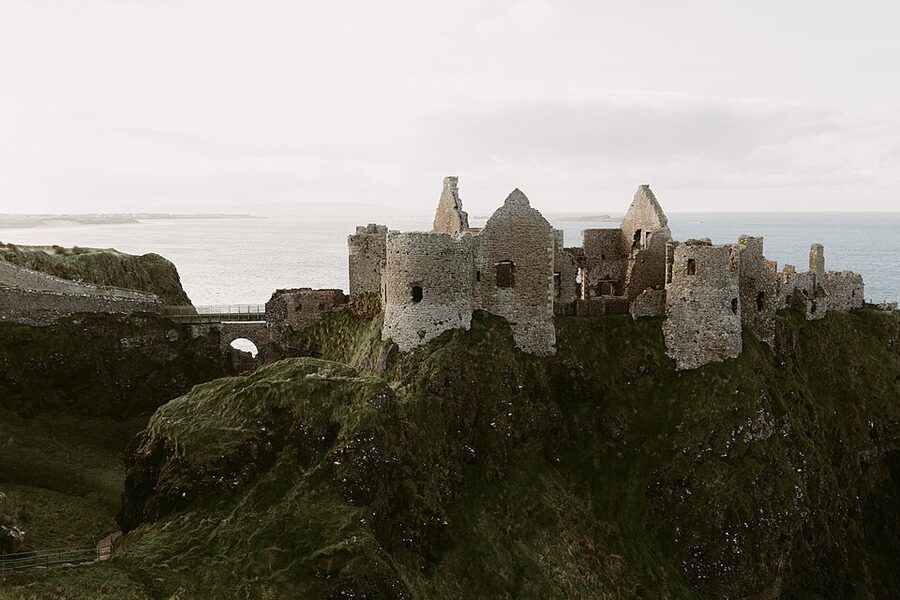
Most Belfast tours stop here for 30 to 45 minutes, usually as a photo stop from the road or with a quick wander around the headland. If you want to go inside the ruins, that’s a separate ticket (£6 adult) and you’ll need a tour that builds it in. The castles-focused day tour is the one to pick if Dunluce matters to you.
Old Bushmills Distillery
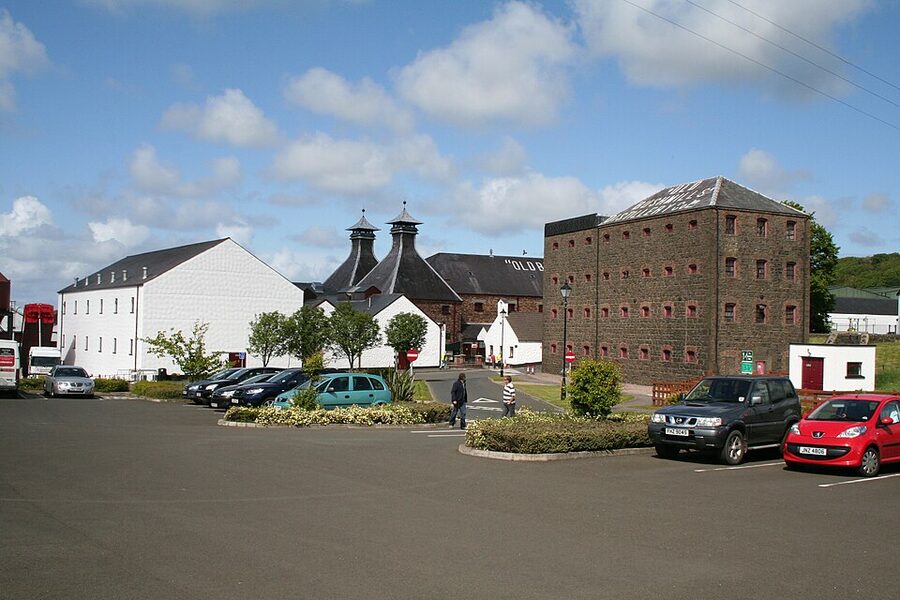
If whiskey isn’t your thing, skip-it. The shop stop is fine for a 10-minute leg-stretch, but the actual distillery tour is its own thing and worth doing on a separate day if you care. The Jameson distillery in Dublin covers the same ground in less driving if you only want to do one whiskey stop on a longer Ireland trip.
Dark Hedges
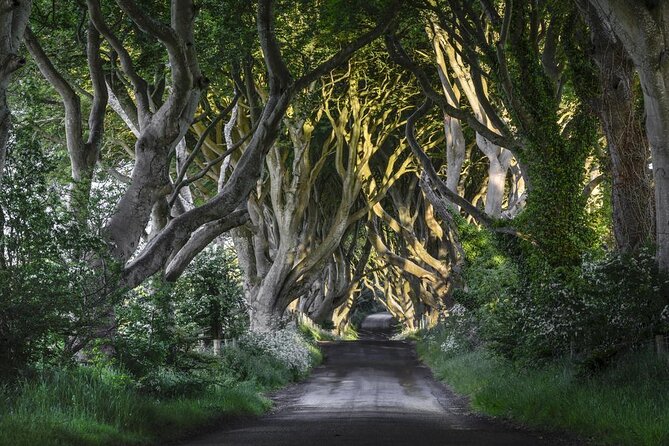
The 18th-century beech avenue 20 minutes inland from the Causeway, planted by the Stuart family in the 1750s, used as the Kingsroad in Game of Thrones season two. Most Belfast day tours that include it give you 20 minutes for photos. The road is closed to cars (since 2017, after photography accidents and tree-trunk damage), so you walk in from the Hedges Estate Hotel car park. I cover this in detail in the Dark Hedges and Dunluce day-trip guide; if your priority is the trees and the GoT angle, that’s the article to read alongside this one.
Doing it independently: Belfast to Causeway by train and bus
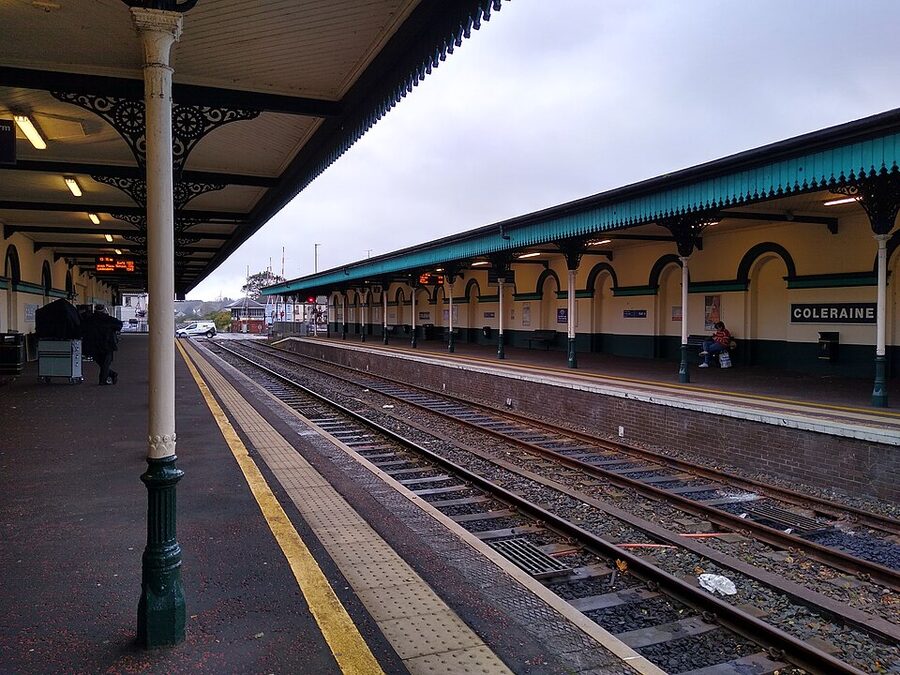
You don’t have to take a tour. The Causeway has been reachable from Belfast by scheduled public transport since the 19th century, and the modern version is good. Here’s the route.
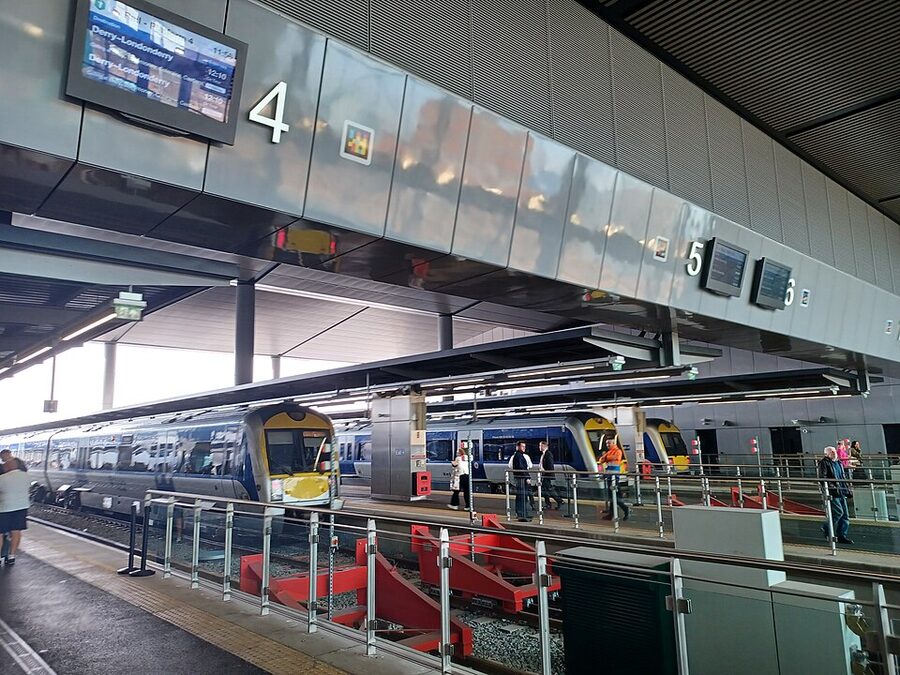
Step 1. Train from Belfast Grand Central to Coleraine. Hourly, every day of the week, journey time about 1h20. The trains are the new C3K class; air-conditioned, decent seats, USB sockets. Sit on the right going north for the Belfast Lough views and the Lagan valley, on the left for the Mourne foothills further on.
Step 2. At Coleraine, walk straight off the platform into the bus centre. It’s the same building. Take Translink bus 172 (sometimes 402) to the Giants Causeway. The bus runs roughly hourly in summer and the journey is about 50 minutes. Sit on the left going north for the coast views; the bus passes Dunluce Castle and Bushmills village, with some services stopping at the distillery itself.
Step 3. The bus terminates at the Causeway visitor centre, then turns around and heads back. Last bus out is usually around 6pm in summer, earlier in winter; check timings on the day with the driver before you walk down to the rocks.
The cheapest way to do this is the iLink Travel Card. One-day iLink for Zone 4 is £19 for adults (plus a one-time £1 for the card itself). It covers unlimited travel on all Northern Ireland Railways trains and Ulsterbus services for the whole day. There’s also a Family & Friends version at £24 for 2 adults plus 1 to 4 children, valid after 09:30 on weekdays and any time at weekends or in July and August.
You can buy the card at the station on the day. No pre-booking is needed and the cards can’t sell out. This compares favourably with most day tours: about half the price of the cheapest coach option, and you control your own day at the Causeway. The trade-off is you don’t get Carrick-a-Rede or Dunluce unless you walk a long way or grab a taxi at Coleraine.
When to go: weather, light and crowd patterns
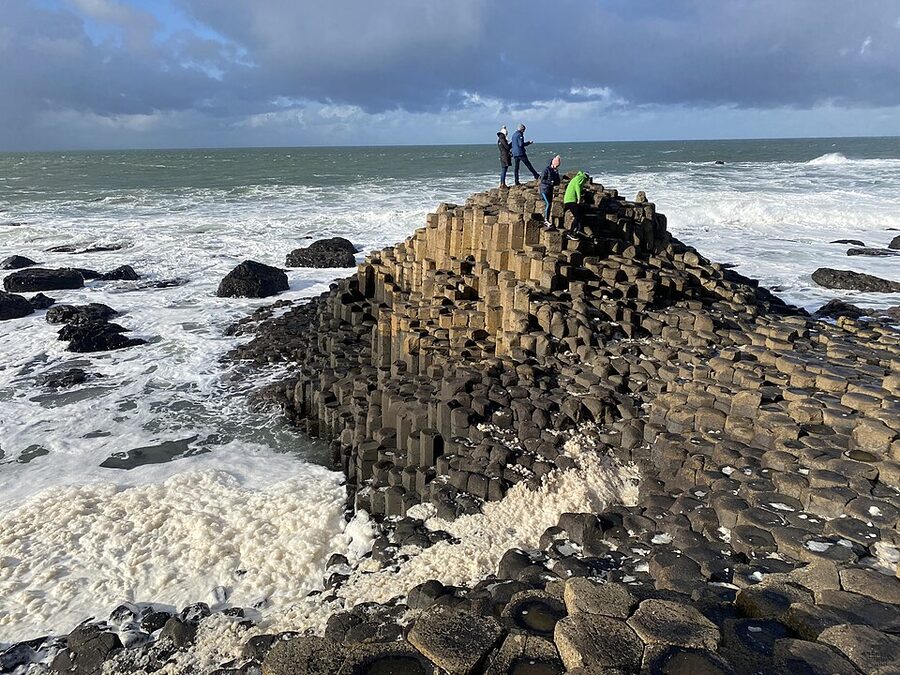
The Antrim coast is wet, windy and at the same latitude as Glasgow. Average daytime temperatures run 7-9°C in winter and 16-18°C in summer, but the wind chill drops it noticeably and the rain is a constant possibility year-round. May, June and September are the best months: longer days, lighter wind, less rain than midwinter, fewer crowds than peak summer.
July and August are busiest. Coach parks fill from 10am, and the Grand Causeway has 200+ people on it between 11 and 3. October to March is quietest but expect Atlantic storms; bridge closures at Carrick are common from November onwards.
If you’re picking a date, factor in tide. At high tide, sections of the lower causeway and the path past the Organ Pipes are awash and you can’t access them. Tide tables are easy to check at tidetimes.org.uk for Portrush. Aim for low tide if you want the maximum walkable area; aim for an hour either side of high tide if you want the columns surrounded by water for the photographs.
Light is best in the late afternoon. The Causeway faces north, so morning light is flat. Go in around 4pm in summer (sunset roughly 9.30pm at midsummer), and the columns get the warm raking light off the sea that makes the geology obvious. Most day tours don’t time it that late; if photography matters, the iLink-and-train option lets you stay till the last bus.
What to pack for an Antrim coast day
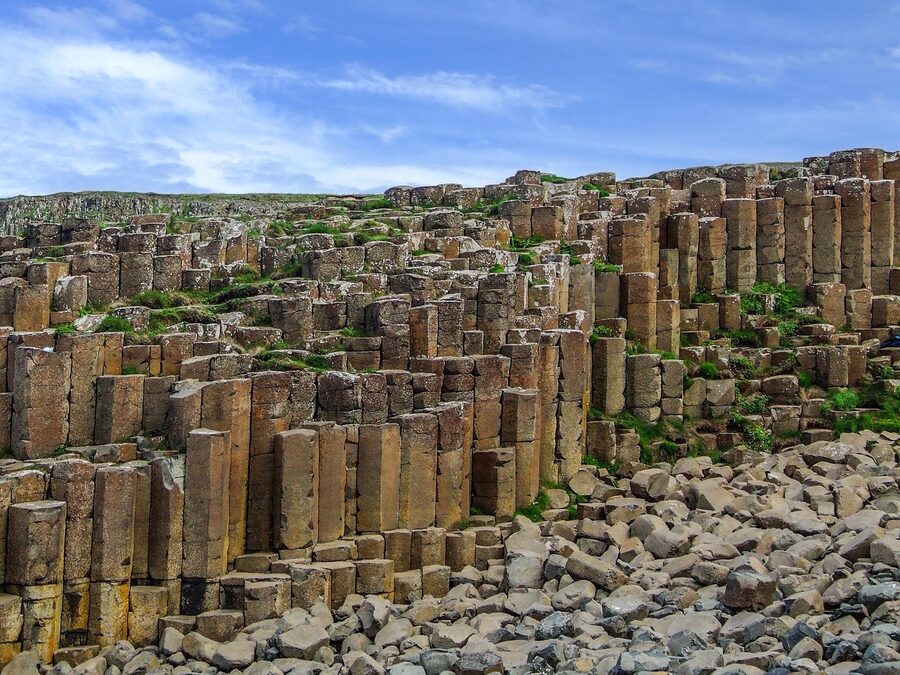
The basalt is wet 95% of the year. Trainers with no grip will let you down. Bring proper walking shoes or boots, ideally waterproof. A waterproof jacket with a hood is non-negotiable; an umbrella is useless because the wind will turn it inside out within 10 minutes of stepping off the bus.
Layers, not bulk. The temperature on a good summer day is 18°C, but at the seaward edge of the Grand Causeway the wind can drop the felt temperature by 5 degrees easily. A warm mid-layer plus the shell jacket handles most days. In winter, add a hat and gloves; the wind off the Atlantic is genuinely cold.
Phone in a waterproof pouch, plus a microfibre cloth. Spray off the Atlantic gets on every lens within minutes and you’ll be wiping it constantly. Bring snacks and water if you’re doing the public-transport version; the visitor centre cafe is the only food option for several kilometres and the queues are long when buses roll up.
Causeway versus other UK day-trip wonders
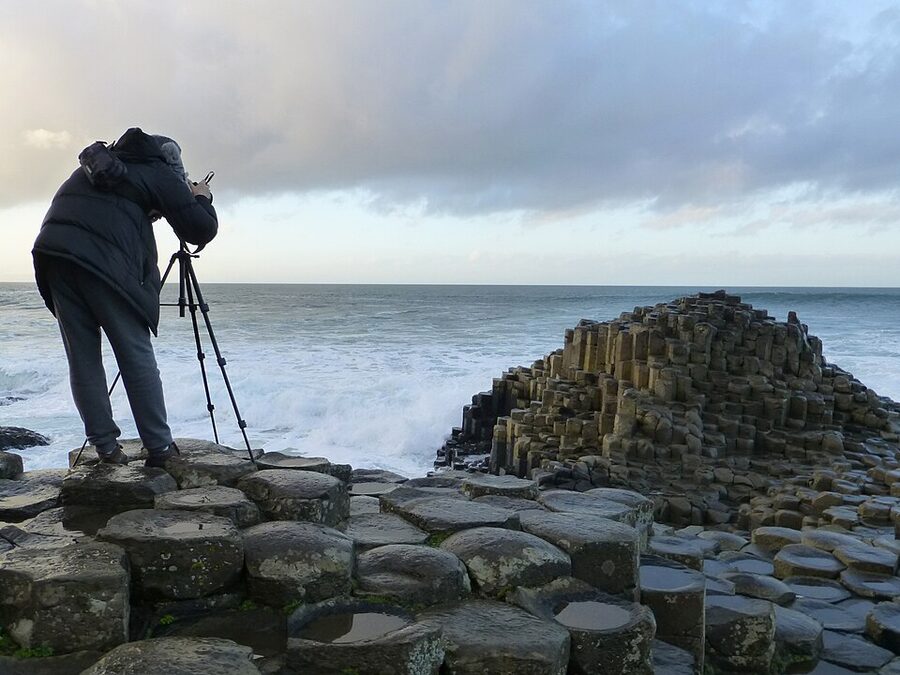
I get asked all the time how the Causeway compares to other big UK and Ireland day-trip natural and historical sites. Stonehenge from London is the obvious one. A Stonehenge day from London is shorter (around 8 hours total), more crowded, and the site itself is fenced off; you don’t get to touch anything. The Causeway from Belfast gives you a longer day but free access to the actual rocks. Different scale of experience.
From Edinburgh, a Loch Ness day is closer in feel: Highland scenery, a long drive, big landscape, atmospheric weather. The Causeway has the geology that Loch Ness doesn’t. Loch Ness has the lake mythology that the Causeway doesn’t. Pick by which kind of “is this real” you want.
The closest match is actually the Cliffs of Moher from Dublin. Both are Atlantic coastline, both are UNESCO-adjacent (Moher’s part of the Burren and Cliffs Geopark), both involve a long-ish coach day from a city. The Cliffs are higher and more vertical; the Causeway is more interactive. If you’re doing both Ireland and Northern Ireland on one trip, do them on separate days from separate cities and you won’t feel like you’re seeing the same coast twice.
If you’re already on a Causeway day, what else fits
If you’ve booked one of the Belfast day tours and got the Causeway slotted in, the obvious add-ons are the things on the same coastal route. The Dark Hedges day with Dunluce covers the trees, the castle ruins, and the GoT angle if your Causeway tour didn’t already include them. The dedicated Game of Thrones tour goes deeper on the filming side and visits the Banbridge studio. And if you’re using Belfast as a base for two or three days, the Titanic Quarter in the city itself is the obvious half-day pair, since the studios that built the show actually sit in the same shipyard slipways. Booking the Causeway day from Belfast rather than tackling it as a Dublin round-trip just gives you more hours back, and that’s what makes the rest of these sit alongside it without feeling like a forced march.