
So which Dublin whiskey venue is right for you, Jameson Bow Street in Smithfield, Teeling in the Liberties, or the brand-agnostic Irish Whiskey Museum on Grafton Street? They are not interchangeable, and picking the wrong one is a real shame because all three sit within a ten-minute taxi of each other and any of them will fix you a decent dram. This guide walks you through all three so you can book the right one in one go.
Short version. Jameson Bow Street is the big-brand heritage tour with the famous comparative tasting and the gift shop you’ll probably leave money in. Teeling is the small-batch craft pick, runs an actual working distillery in the Liberties, and finishes with a cleaner three-pour flight. The Irish Whiskey Museum is the neutral one, owned by no brand, and it’s the right pick if you want the broader story of Irish whiskey rather than one company’s version of it.
- In a Hurry? Three Picks
- The three venues, head to head
- Tickets, prices and what each tour level actually buys you
- Best Whiskey Experiences to Book in Dublin
- 1. Jameson Whiskey Distillery Tour with Tastings: about
- 2. Teeling Whiskey Distillery Tour and Tasting: about
- 3. Irish Whiskey Museum Tour and Whiskey Tasting: about
- How Irish whiskey actually differs from Scotch and Bourbon
- How to choose between the three
- Getting to each venue
- Booking ahead, or chancing the door
- A short history of why Bow Street stopped distilling
- Where to go for a proper Dublin whiskey nightcap
- What about the Midleton tour in Cork?
- Pairing whiskey with the rest of your Dublin trip
- What to know before you go
- More Dublin and Ireland Guides
In a Hurry? Three Picks
Best for first-timers and the famous comparative tasting: Jameson Whiskey Distillery Tour with Tastings from about $35. 45 minutes, ends with the Jameson vs Scotch vs American whiskey comparative pour, plus a complimentary drink from the bar.
Best for an actual working distillery: Teeling Whiskey Distillery Tour and Tasting from about $23. The first new distillery in Dublin in over 125 years, three copper pot stills you can actually see running, three-pour tasting at the end.
Best for the wider story without brand colours: Irish Whiskey Museum Tour and Whiskey Tasting from about $22. 90 minutes covering the full history of Irish whiskey across all the major brands, includes a four-whiskey tasting.
The three venues, head to head
All three sit inside the canal ring and all three open daily. You can do two of them in one day if you pace yourself and book your slots a couple of hours apart. The differences start the moment you walk through the door.
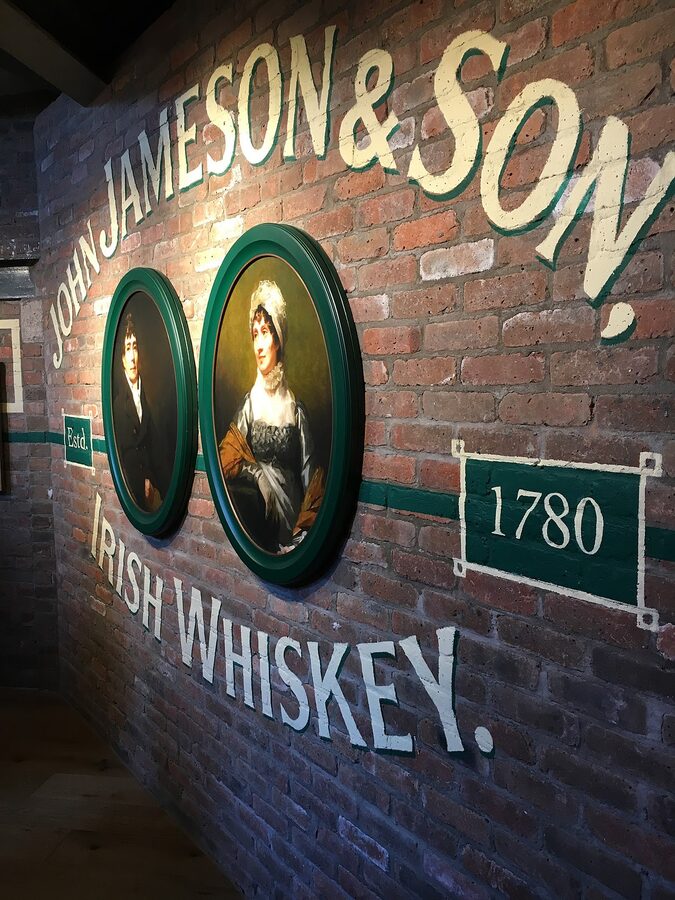
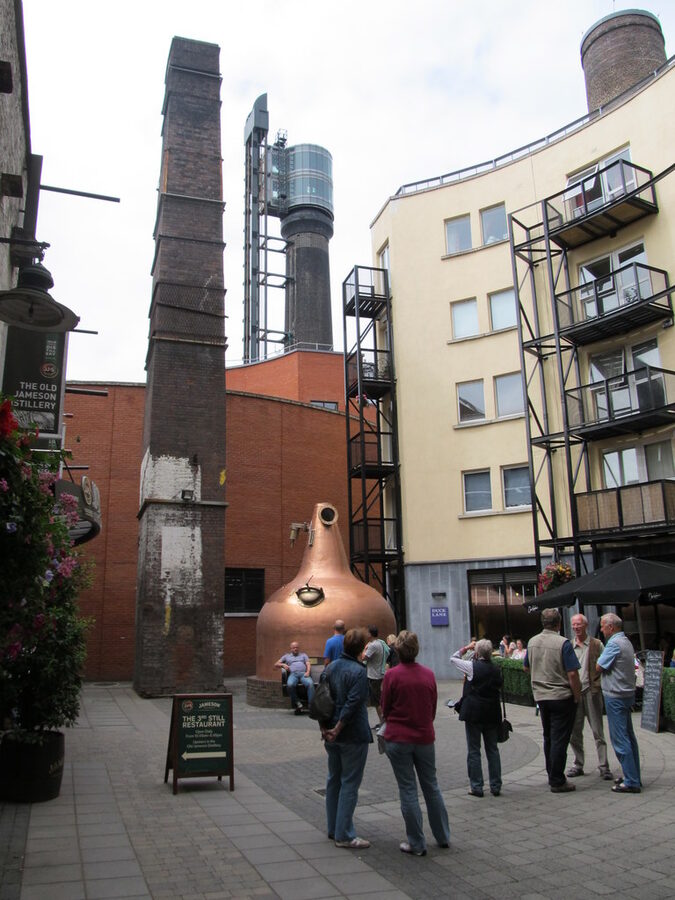
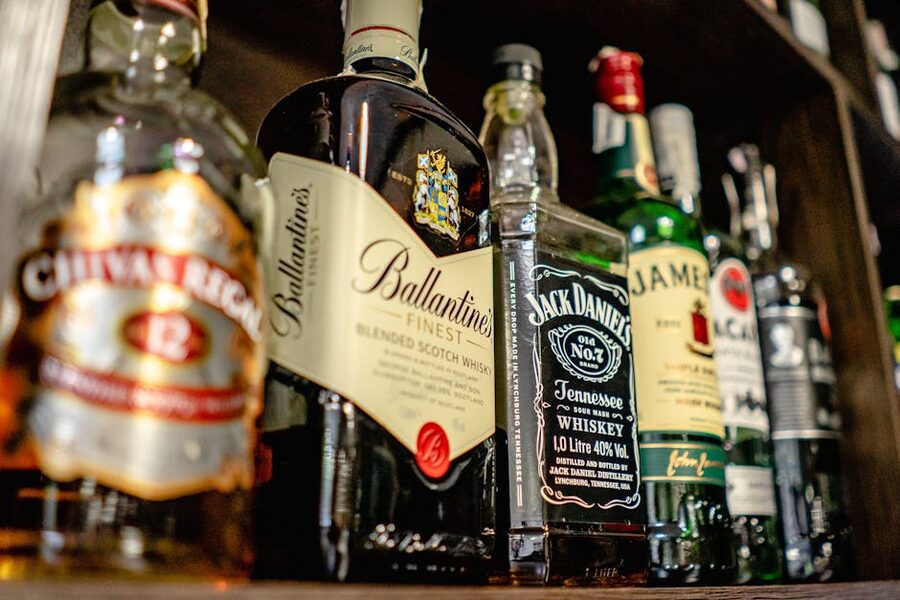
Jameson Bow Street is the heritage flagship. The site has been the Jameson address since John Jameson set up shop in 1780, and the complex was once more than five acres, almost a city within the city. Production stopped here in 1971 when operations moved to the Midleton plant in County Cork. The Jameson Museum opened on the original site in 1997 and the current Bow Street Experience is the third or fourth refit since. The standard tour runs 40 minutes, walks you through dim-lit recreated rooms with audio cues and short films, and ends in a tasting bar where a guide pours you Jameson against a Scotch and an American whiskey to teach you the difference between triple-distilled Irish, double-distilled Scotch, and Bourbon. After that you get a complimentary drink from a short list at the front bar. Then the gift shop. It is unapologetically a tourist attraction. It’s also genuinely well done.
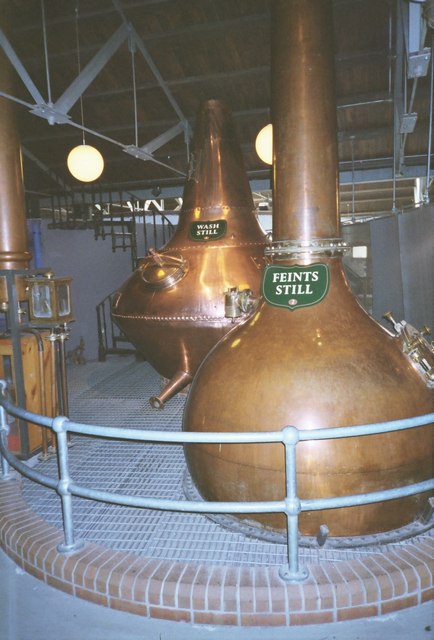
That last point matters. If you want to see whiskey actually being distilled, Bow Street is the wrong choice. The stills you see on the Jameson tour are display pieces. The actual liquid in your glass was made down in Cork, trucked up to Dublin, and bottled here. That’s not a scandal, every brand does it, but it’s worth knowing before you book.
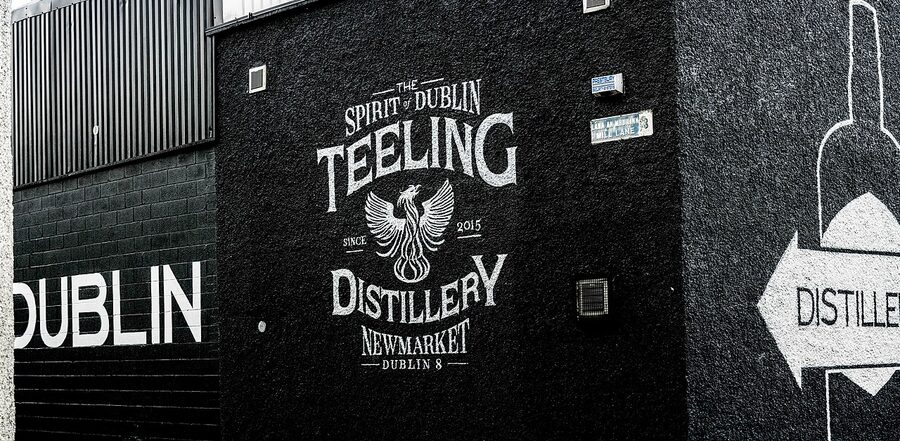
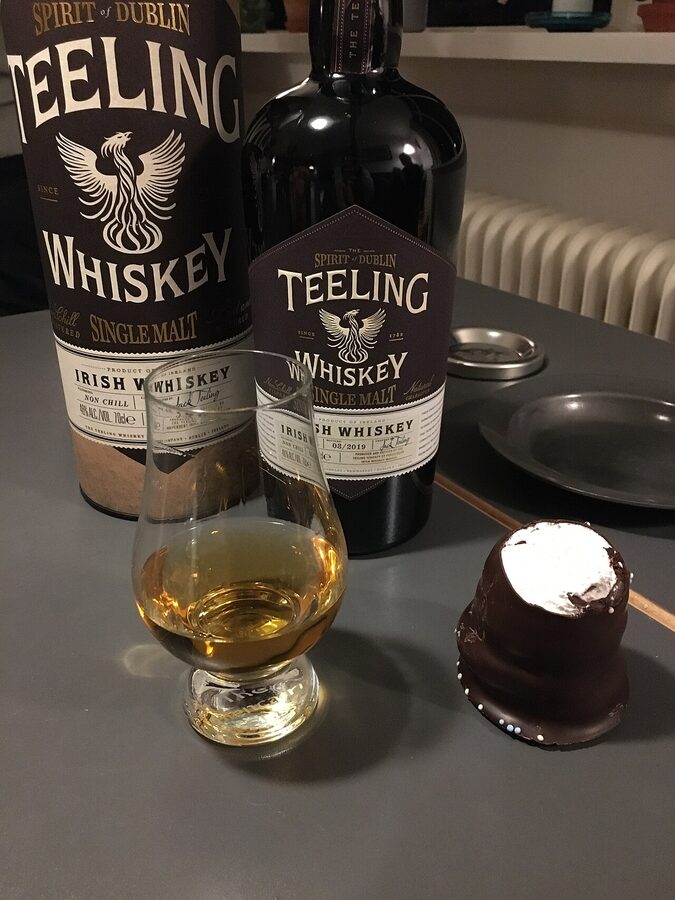
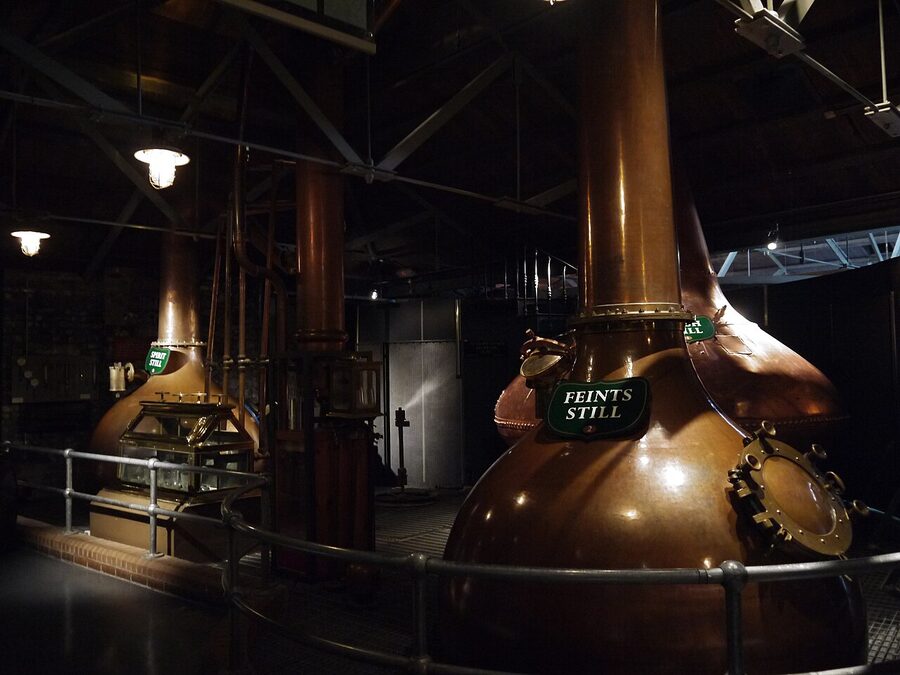
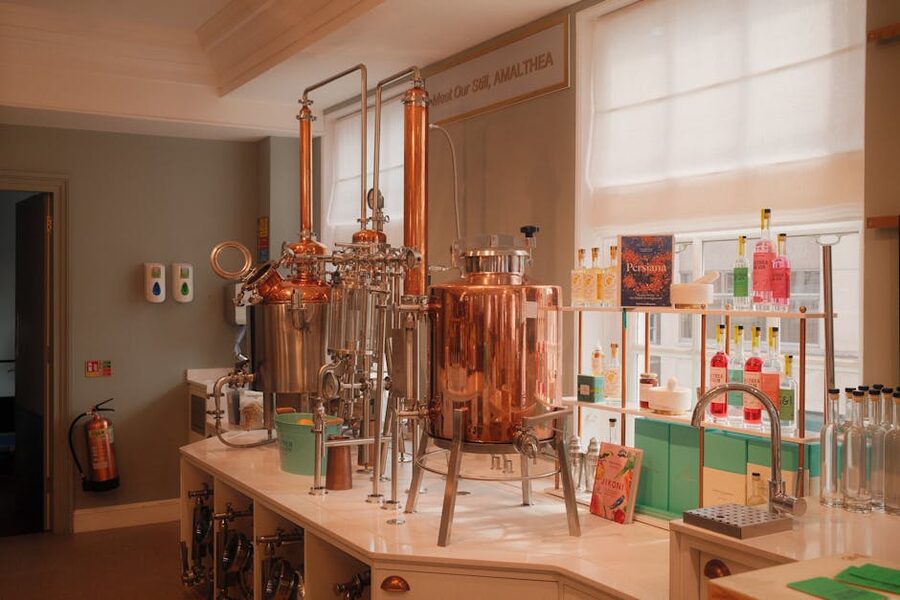
Teeling is the opposite proposition. It opened in 2015 in the Newmarket area of the Liberties and was the first new distillery to open in Dublin in over 125 years. The three copper pot stills, named Alison, Natalie, and Rebecca after the founders’ daughters, are working stills and you walk past them while they’re running. The tour is about an hour and includes the mash tuns, fermenters, the still room, and the warehouse where casks are aged. The tasting at the end pours you three Teeling expressions side by side, usually the Single Grain, the Single Malt, and the Small Batch. It is properly the best small-batch craft option in central Dublin and our full Teeling review covers the cask draw upgrades and which day of the week is quietest.
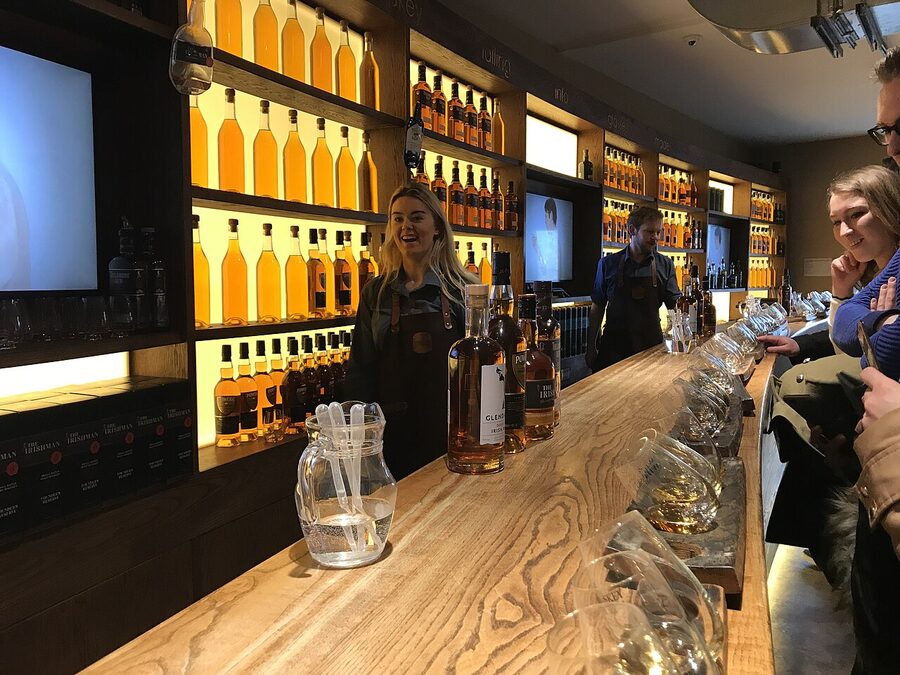
The Irish Whiskey Museum is the third option and the most independent. It opened in 2014 and is owned by neither Jameson nor Teeling, which means you get a tour about Irish whiskey rather than a tour about one brand. The format is more theatrical: a costumed host walks you through the rise and near-collapse of Irish distilling between the 1800s and the 1980s, including why most of the great Irish brands disappeared and how a handful clawed their way back. The standard tasting includes four whiskies (Bushmills, Powers, Tullamore Dew, and Jameson, generally) and the Premium adds a fifth rare pour. It’s about 90 minutes and is the right pick if you want the wider story rather than the brand version.
Tickets, prices and what each tour level actually buys you
Bow Street runs four main tour levels. The naming has shifted a few times. As of this season, the Bow St. Experience is the entry tour at €30 to €35 walk-up: 40-minute guided, comparative tasting of three whiskeys, complimentary drink at the bar. The Whiskey Shaker is a cocktail-class upgrade that adds 30 minutes and teaches you to mix three Jameson cocktails, runs around €60. Cask Draw is the deeper one, runs around €95 and pulls a sample directly from a cask in the storehouse. Premium Whiskey Tasting at the top end, around €50, sits down with rare bottles including Redbreast and Method and Madness.
Online you’ll usually see GetYourGuide listing the standard Bow St. tour at about $35 with free cancellation 24 hours out. That’s roughly the door price plus a small booking fee and skip-the-counter entry. On a busy Saturday in July I’d pay it without thinking. On a wet Tuesday in February you can probably walk up. Our full Jameson Bow Street review covers which months sell out and how far ahead you actually need to book.
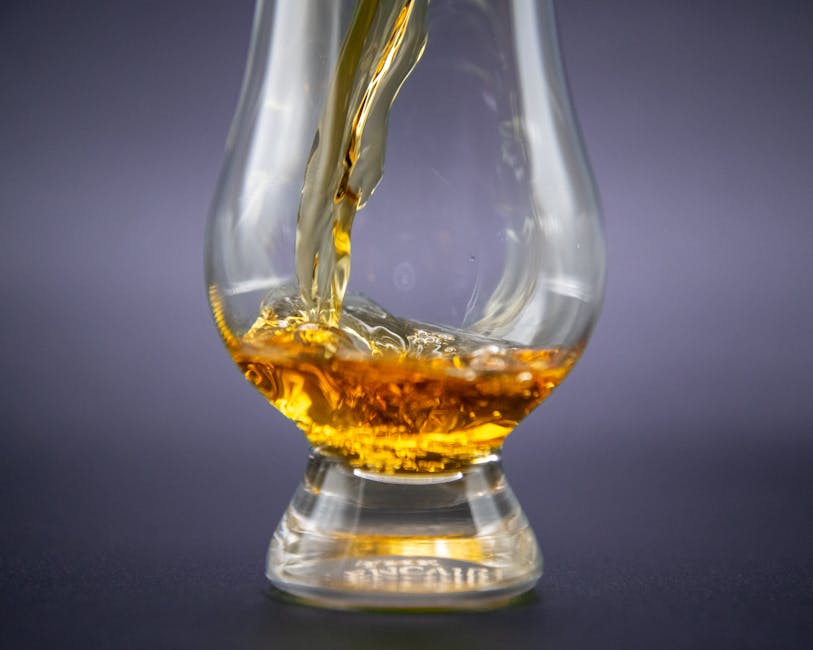
Teeling is generally cheaper. The standard Distillery Tour and Tasting is around €22 to €25 walk-up, includes the working-distillery walk and the three-pour flight. The Premium Tour adds a fourth pour and a tasting glass to take home, around €35. The Reserve experience pulls a cask sample, runs around €65 and is the closest equivalent to Bow Street’s Cask Draw. There is no cocktail class on the standard menu, which is one of the easier ways to differentiate the two distillery experiences when you’re choosing.
The Irish Whiskey Museum sits in the middle on price. The Classic Tour and Tasting is around €22 (four pours), the Premium adds a fifth rare pour and runs around €27, and the Blending Class is the deeper option at around €40 where you blend your own bottle to take home. The blending class is the most fun of any of the upgrades across all three venues if you genuinely want to learn what mixing different ages and styles actually does to flavour.
Best Whiskey Experiences to Book in Dublin
1. Jameson Whiskey Distillery Tour with Tastings: about $35
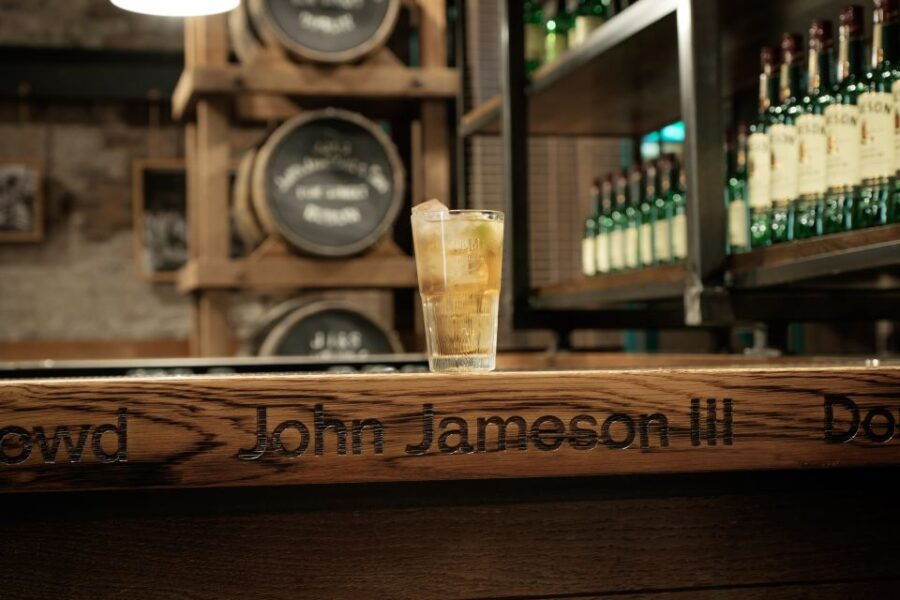
This is the venue I send most first-timers to, especially anyone who wants the Big Name experience and the famous Jameson vs Scotch vs Bourbon tasting. The atmosphere is properly theatrical and the guides know how to play the story; our full review covers which tour level is the right starting point and how the comparative tasting actually works. Book a morning slot if you can, the late-afternoon ones get crowded with cruise-ship arrivals from the port.
2. Teeling Whiskey Distillery Tour and Tasting: about $23
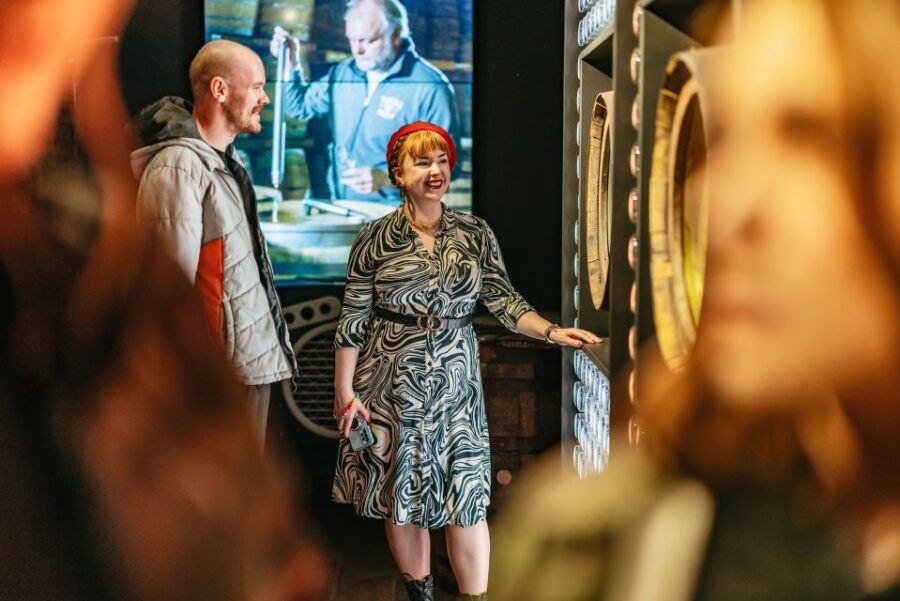
This is the pick if you want a real working distillery and a craft small-batch story. The guides know their distilling and the three-pour finish is genuinely well composed; our Teeling review goes deeper on the cask draw upgrades and the Single Grain in particular. The neighbourhood is also worth half an hour on either side, plenty of independent food spots within five minutes of the gates.
3. Irish Whiskey Museum Tour and Whiskey Tasting: about $22

If both flagship venues feel too brand-managed for you, this is the alternative. It’s 90 minutes with a costumed host who walks you through the full story of Irish distilling rather than one brand’s version, and the four-pour tasting hits the major Irish whiskey houses; our full review covers the location relative to Trinity and which tour level is worth the small upgrade. Cheapest of the three by a couple of euro on the standard ticket.
How Irish whiskey actually differs from Scotch and Bourbon
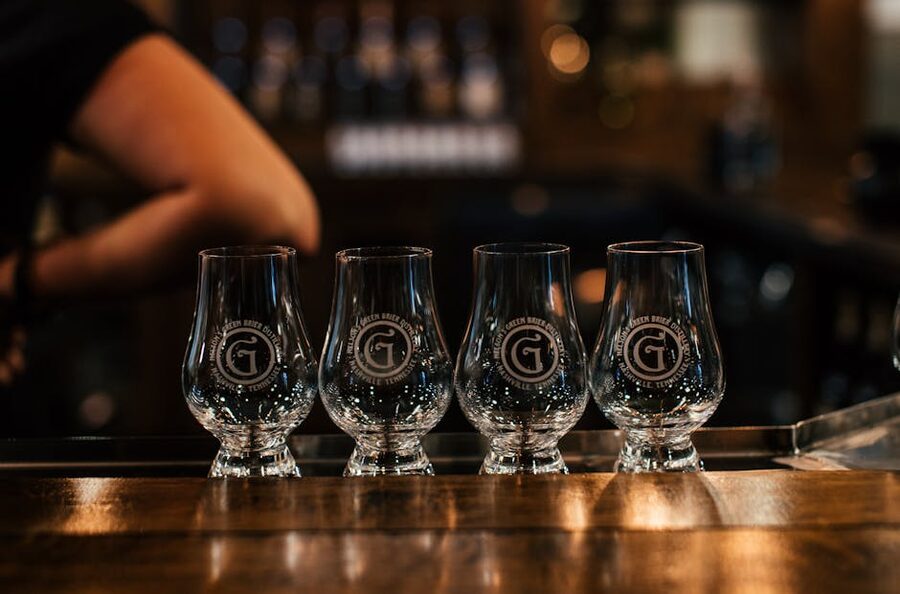
The comparative tasting at Jameson is where most visitors actually learn the lesson, but you can take it home from any of the three venues. Three things separate Irish whiskey, Scotch, and American Bourbon. Distillation: most Irish whiskey is triple-distilled, most Scotch is double-distilled, and Bourbon is generally double-distilled in column stills. Triple distillation gives Irish whiskey its smoother profile. Drying: Scotch maltsters often use peat smoke to dry the barley, which gives Scotch its smoky character (heaviest on Islay). Irish maltsters dry with hot air without peat, so Irish whiskey lacks the smoke. Bourbon doesn’t use malted barley at all, it uses corn (at least 51 percent by law). Cask: Bourbon legally must use new charred American oak, which gives it the heavy vanilla. Scotch and Irish whiskey both reuse casks (often ex-Bourbon), which is why they’re paler and less sweet on the wood.
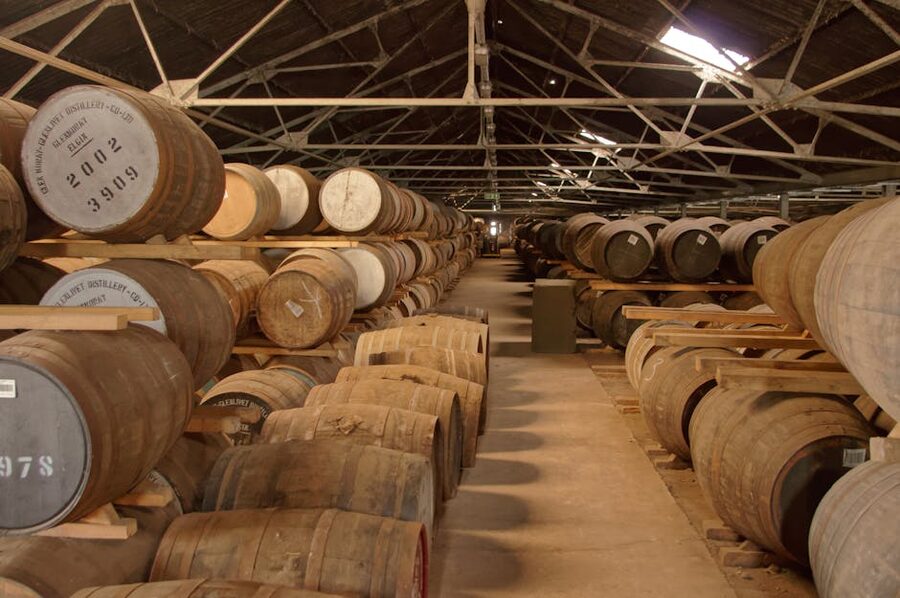
You won’t get all of this in detail at Bow Street because the script is short, but the comparative pour at the end is designed to make you taste the difference even if you can’t yet name it. The Irish Whiskey Museum tour goes deeper into the history of why Irish whiskey nearly disappeared, which is a good story and worth knowing if you care about how the industry got here.
How to choose between the three
If you only have time for one and you want the famous experience, book Bow Street. The Jameson name is the reason most people came in the first place and the comparative tasting is genuinely a good lesson. If you want to see whiskey actually being made and you care about craft over marketing, book Teeling. If you want the wider story without one company’s branding all over it, book the Irish Whiskey Museum. If you’ve got a free afternoon and want to go deep, you can do Bow Street in the morning and Teeling after lunch with a half-hour break in between, and your tasting palate will still cope.
One thing worth knowing: there’s also a combined ticket that does Guinness Storehouse plus Jameson Bow Street in a half-day, with hotel pickup and skip-the-line entry to both. It runs about $140 and saves you the logistics of getting between the two yourself. We’ve covered it in our combined Guinness and Jameson tour review and it’s worth it if you’re short on time and want both flagship attractions ticked off in one go.
Getting to each venue
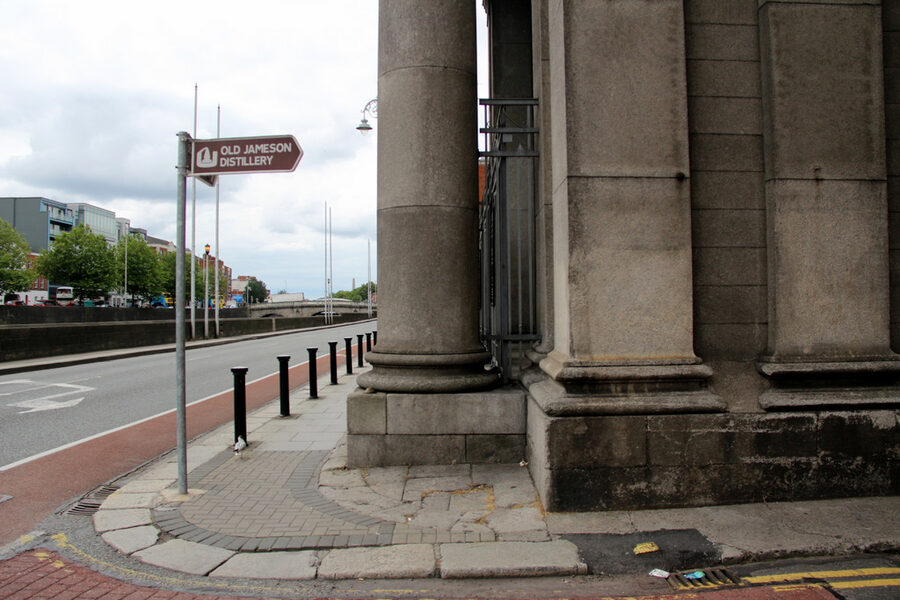
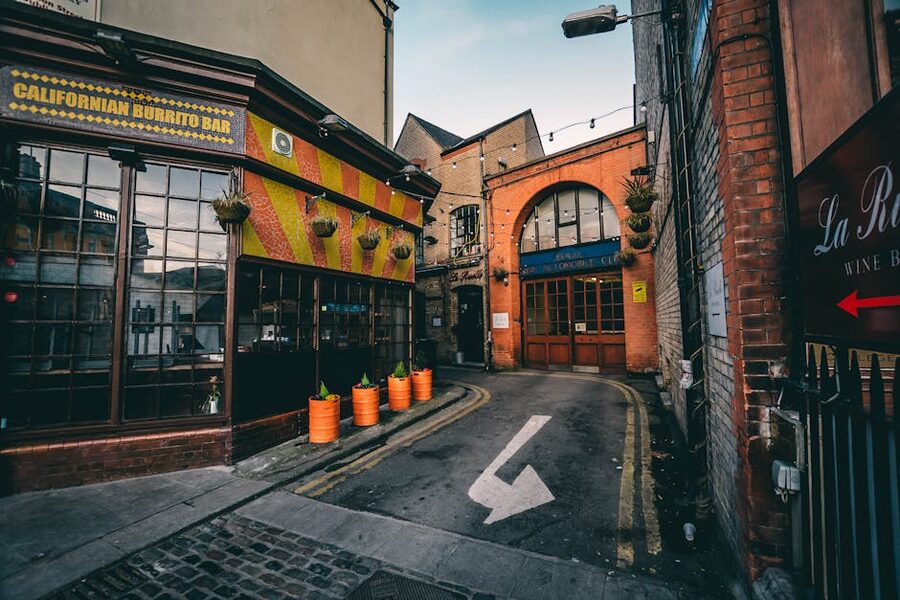
Bow Street is on the north side of the river in Smithfield. Take the red Luas line to the Smithfield stop and you’re across the square from the front door. Walking from Trinity College takes about 15 minutes via the Ha’penny Bridge and the Four Courts. Taxi from the city centre is around €8 to €10 and 5 to 7 minutes outside rush hour. The closest mainline station is Connolly, about 20 minutes on foot.
Teeling is south of the river in the Liberties, about a 20-minute walk from Trinity College via Dame Street and Thomas Street. The closest Luas stop is Smithfield on the red line, but it’s a 12-minute walk from there to the gates so a taxi or bus 13/40 is more direct. From St Patrick’s Cathedral it’s a 10-minute walk south west. The neighbourhood is post-industrial Dublin in a slow regeneration, plenty of independent food and drink spots in the surrounding streets.
The Irish Whiskey Museum is the easiest of the three to reach. It’s at 119 Grafton Street, directly opposite the front gates of Trinity College. Any city-centre walking route will pass it. There’s no Luas needed, no taxi, just walk down Grafton Street and you’ll see it. If you’re combining whiskey with Trinity College’s Long Room or the Book of Kells, this is the obvious pair.
Booking ahead, or chancing the door
For Bow Street: book ahead in summer (June through August) and on any weekend year-round. Walk-up is realistic on weekday afternoons in winter and shoulder season. The 14:00 and 15:00 slots fill first because they pair with a late lunch.
For Teeling: weekends and bank holiday weekends fill up, weekdays are usually fine on the day. The 11:00 slot is the quietest of the day and the warehouse light is best then. The Reserve and Premium tours have small group caps so book those further ahead, at least 48 hours in summer.
For the Irish Whiskey Museum: it’s the most flexible of the three. Walk-up tickets are usually available, but the Premium and Blending Class slots run out first and you’ll want to book those a week ahead in summer. The 16:00 to 18:00 slots are the busiest because of the Trinity foot traffic at the end of the day.
One practical thing across all three: don’t try to do this on an empty stomach. The tastings come at the end and a 12.5ml dram of cask-strength whiskey hits hard if you haven’t eaten in a few hours. There are decent restaurants within a five-minute walk of all three venues, including Mulligan’s of Poolbeg Street near Trinity if you want a proper Dublin pub lunch before the museum.
A short history of why Bow Street stopped distilling
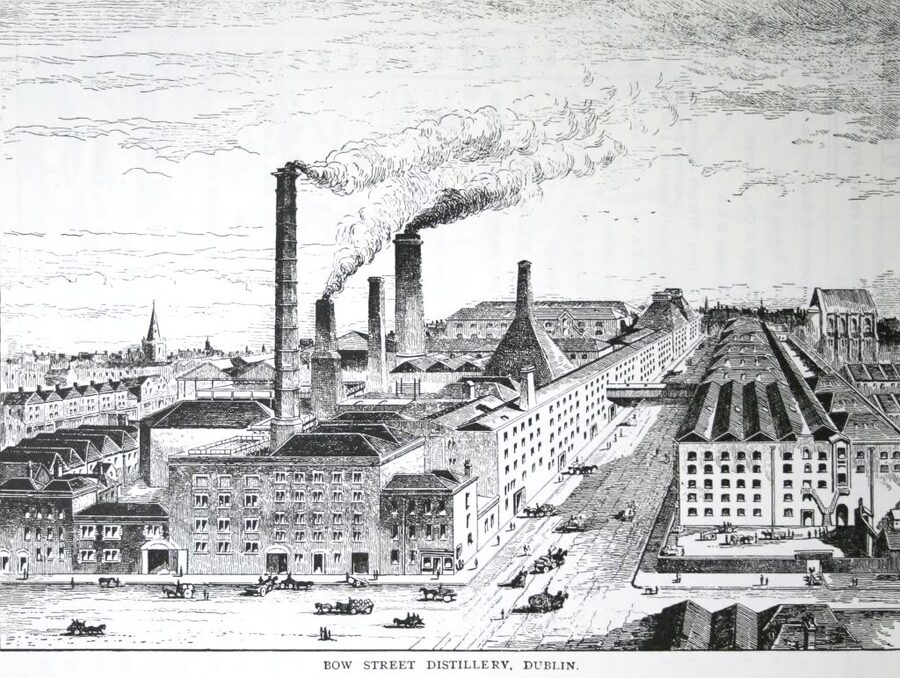
The Jameson story isn’t really a Cork story. John Jameson opened Bow Street in 1780 and by the late 1800s, Dublin was the whiskey capital of the world, with Jameson, Powers, Roe, and George Roe all running massive distilleries within a half-mile of each other. Then everything went wrong at once. American Prohibition closed the biggest export market. Irish independence in 1922 lost the British Empire trade routes. Trade wars with the new Irish Free State made it worse. By the 1960s, the four big Dublin distilleries had collapsed to two: Jameson and Powers.
In 1966, Jameson, Powers, and the Cork Distilleries Company merged into Irish Distillers. By 1971 they’d built a single new plant in Midleton in County Cork, and Bow Street stopped distilling for good. The site sat largely empty for 26 years before the museum and visitor centre opened in 1997. The current Jameson Bow Street experience you book today opened in its current form after a refurbishment in 2017. So when you walk through the rooms, you’re walking through a real 18th-century distillery, but the actual liquid distillation has been happening in Cork for over fifty years.
Where to go for a proper Dublin whiskey nightcap
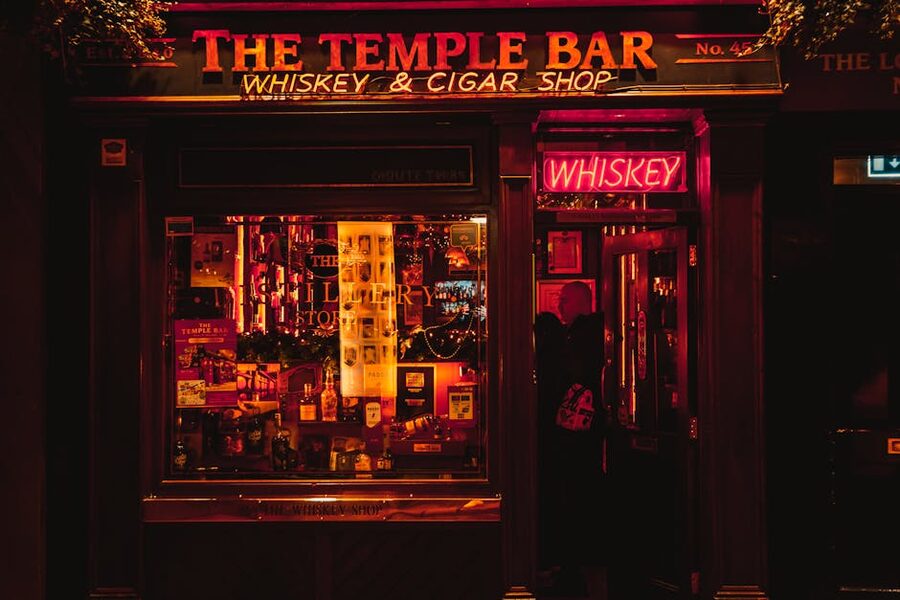
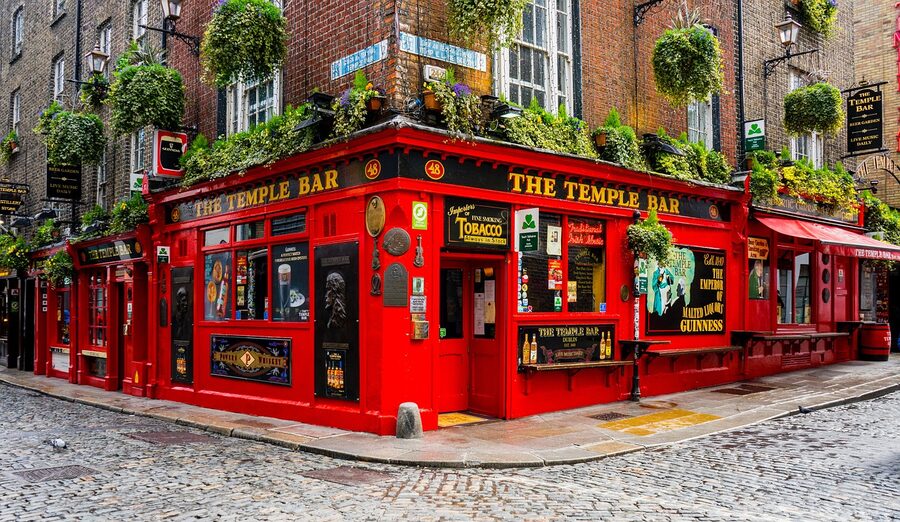
Skip Temple Bar for serious whiskey. The serious whiskey bars in Dublin are The Palace Bar on Fleet Street (over 200 Irish whiskeys, an upstairs whiskey room run by a brand ambassador), Bowe’s on Fleet Street next door (smaller list but more atmosphere), and Mulligan’s of Poolbeg Street (the proper old Dublin pub, allegedly the inspiration for James Joyce’s Counterparts). All three sit within a five-minute walk of Trinity College and any of them will pour you something you didn’t taste on the tour.
If you want a tasting flight rather than a single pour, ask any of those three for a Redbreast 12, a Green Spot, and a Powers Three Swallow side by side. That’s a properly good single pot still flight and it’ll cost you about €30 across the three glasses. Single pot still is the historic Dublin style and it’s the one most visitors miss because Jameson Standard Blend is the only Irish whiskey they’ve ever tried. Fix that before you fly home.
What about the Midleton tour in Cork?
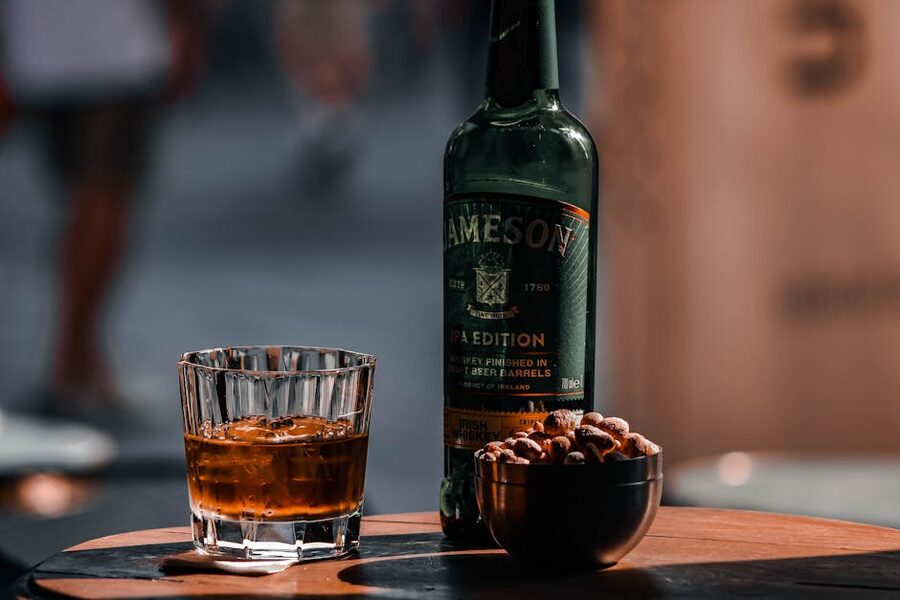
If you find yourself in Cork rather than Dublin, the Jameson Experience at Midleton is the actual working distillery and a much bigger site. It runs longer tours, includes the original 1825 distillery building (which is preserved as a museum) plus the modern plant where Jameson, Redbreast, Powers, and Method and Madness are all distilled. The Distillery Tour is around €30, the Behind the Scenes tour adds 90 minutes for around €60, and the rare Cask Tour at the top is €110. If you’re a serious whiskey traveller and you’ve got a Cork day in your itinerary, do this one instead of Bow Street. Midleton is about 25 minutes east of Cork city by car.
Pairing whiskey with the rest of your Dublin trip

If you’ve got a long weekend, you can comfortably do one whiskey venue, the Guinness Storehouse, a Dublin walking tour, and either the Cliffs of Moher day trip or a Trinity College afternoon. Three days is the right length for Dublin and that’s roughly the layout that works.
If you’ve already done the Scotch side of the comparison, our Edinburgh whisky guide covers the equivalent process attractions on the other side of the Irish Sea: the Scotch Whisky Experience next to Edinburgh Castle and the Johnnie Walker Princes Street venue. Those run a similar process-driven format and are a good comparison point if you’re doing both UK and Ireland in one trip. The history-walking pick in Edinburgh is the Mary King’s Close tour, which is the tonal cousin to the Bow Street museum experience: heritage venue, theatrical guides, real history under a layer of polish.
What to know before you go
A few practical bits across all three venues. Age: 18+ to drink, but Jameson and the Whiskey Museum both let under-18s on the tour without the tasting at a reduced rate. Teeling is technically 18+ for the full tour. Mobility: Bow Street has stairs and the tour upstairs has no lift workaround for wheelchair users on the standard route. Teeling and the Irish Whiskey Museum are both step-free. Photography: allowed at all three, but no flash in the still rooms. Group size: Bow Street caps at around 25, Teeling at around 18, the Whiskey Museum at around 20. The smaller Teeling groups feel more personal. Time on site: budget 90 minutes for any of the standard tours including time at the bar afterward.
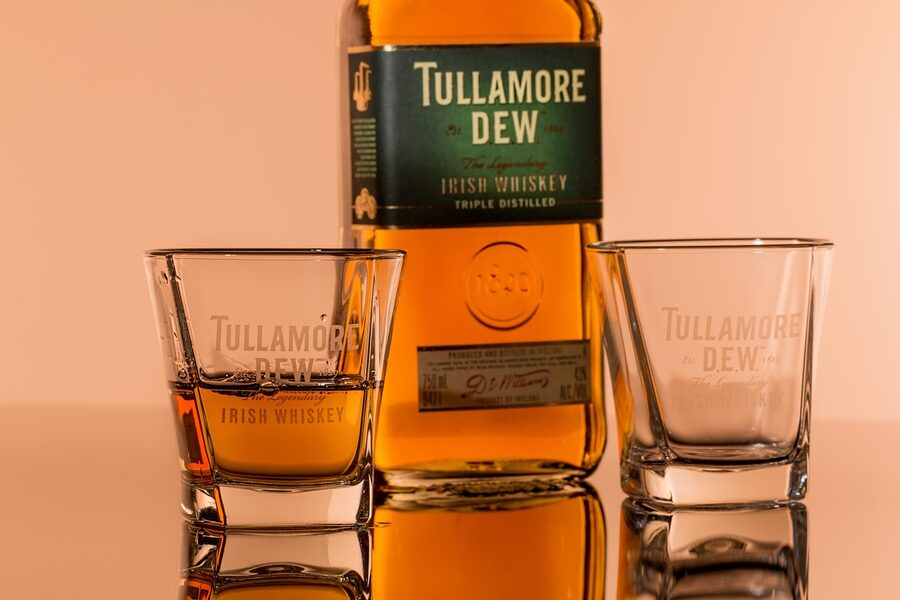
And one last thing. Don’t drink the comparative tasting like a shot. Nose first (about 30 seconds), small sip, hold it on the tongue, swallow, and then breathe out through your nose. That’s how you actually taste the difference between Irish, Scotch, and Bourbon, and it’s the bit most visitors miss because they’re treating the dram as a drink rather than a lesson. The guides at all three venues will walk you through it, but only if you slow down and listen.
More Dublin and Ireland Guides
While you’re planning the rest of the trip, our Guinness Storehouse guide covers the seven-floor brewery experience and how the Gravity Bar pour works. The Dublin walking tour guide sorts out which of the four flavours of city walk is right for you, and the Cliffs of Moher day trip guide covers the long coach day out to the west coast.