
I watched a man in a hire car nose into Bregagh Road, hit the brakes, and reverse for thirty seconds with his hazards on. He’d driven 90 kilometres from Belfast assuming he could roll up under the beech canopy and shoot from the driver’s seat. The road has been closed to traffic since 2017. Nobody told him. Nobody tells most people.
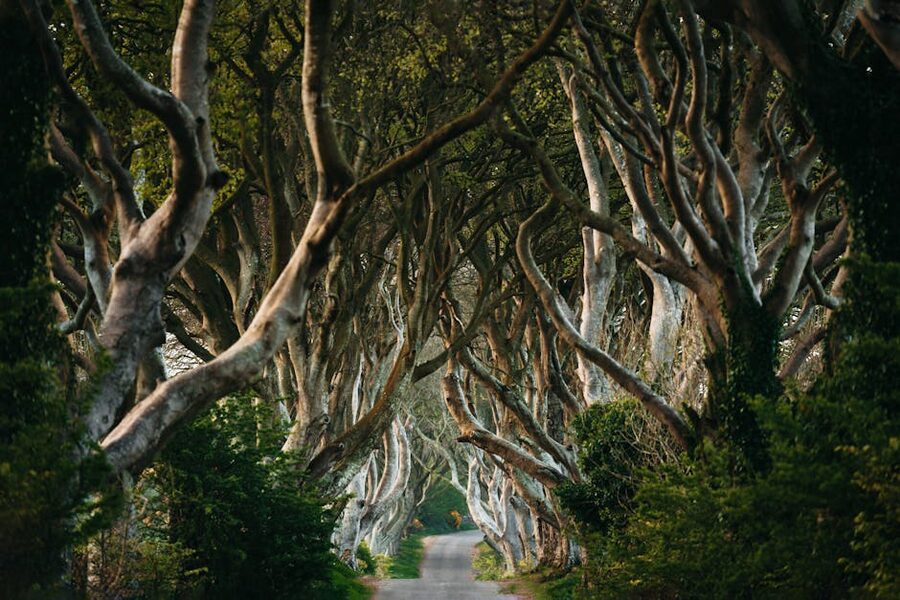
Most tourists pair the Dark Hedges with Dunluce Castle and Giant’s Causeway in a single Belfast day trip. That’s the right call. The three sit within a 25-minute drive of each other on the Causeway Coastal Route, and doing them solo by public transport is a logistical mess. Tours are cheaper than a hire car for two people once you factor in fuel, parking, and the time you’d waste navigating Antrim’s single-lane farm roads.
Short on time? Here are my top picks from Belfast:
Best mixed coast and castles day: Giant’s Causeway, Rope Bridge, Carrickfergus Castle and Dark Hedges Tour. $33. 8 hours. The cheapest way to hit four big-name stops in one day from Belfast.
Best for Game of Thrones fans: From Belfast: Giant’s Causeway and Game of Thrones Day Tour. $26. 8.5 hours. Most-booked Belfast tour with the Dark Hedges as a featured stop.
Best if you’re staying in Dublin: Dublin: Giant’s Causeway, Dark Hedges, Dunluce and Belfast. $112. 12 hours. Long day, but covers everything in one shot from Dublin.
- The Bregagh Road mistake
- Booking from Belfast vs from Dublin
- Dunluce Castle: what you actually see
- Three Belfast tours that are worth your day
- 1. Giant’s Causeway, Rope Bridge, Carrickfergus Castle and Dark Hedges Tour:
- 2. From Belfast: Giant’s Causeway and Game of Thrones Day Tour:
- 3. Dublin: Giant’s Causeway, Dark Hedges, Dunluce and Belfast Tour: 2
- The other variants you’ll see
- Doing the Dark Hedges by yourself
- How the Dark Hedges fit into Game of Thrones
- The history bit, brief and useful
- Bushmills, Carrick-a-Rede, and what else fits in the day
- Eating, weather, and what to wear
- How this stacks up against other film-location day trips
- What I’d do
- Around the Antrim Coast and back
The Bregagh Road mistake
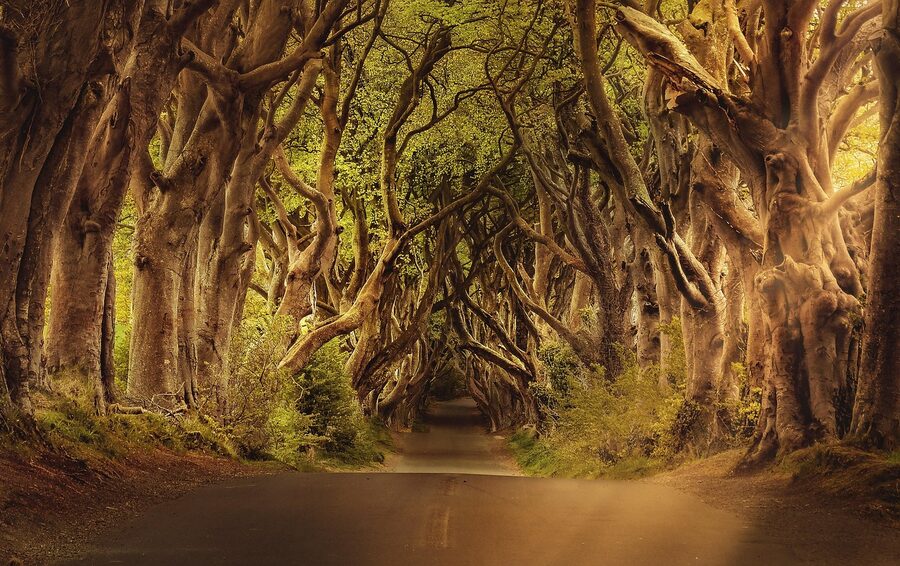
This is the single thing that catches more visitors than anything else, so I’m putting it up front. You cannot drive on the road through the Dark Hedges. The Bregagh Road was closed to vehicles by the Department for Infrastructure in October 2017 after years of accidents (cars stopping mid-road for photos, rear-end collisions, near-misses with pedestrians) and after several of the original beech trees were damaged by vehicle impacts and root compaction. The closure is permanent. There is no time of day when it opens. Police don’t enforce it constantly, but locals will tell you off, and you’ll hold up the people on foot.
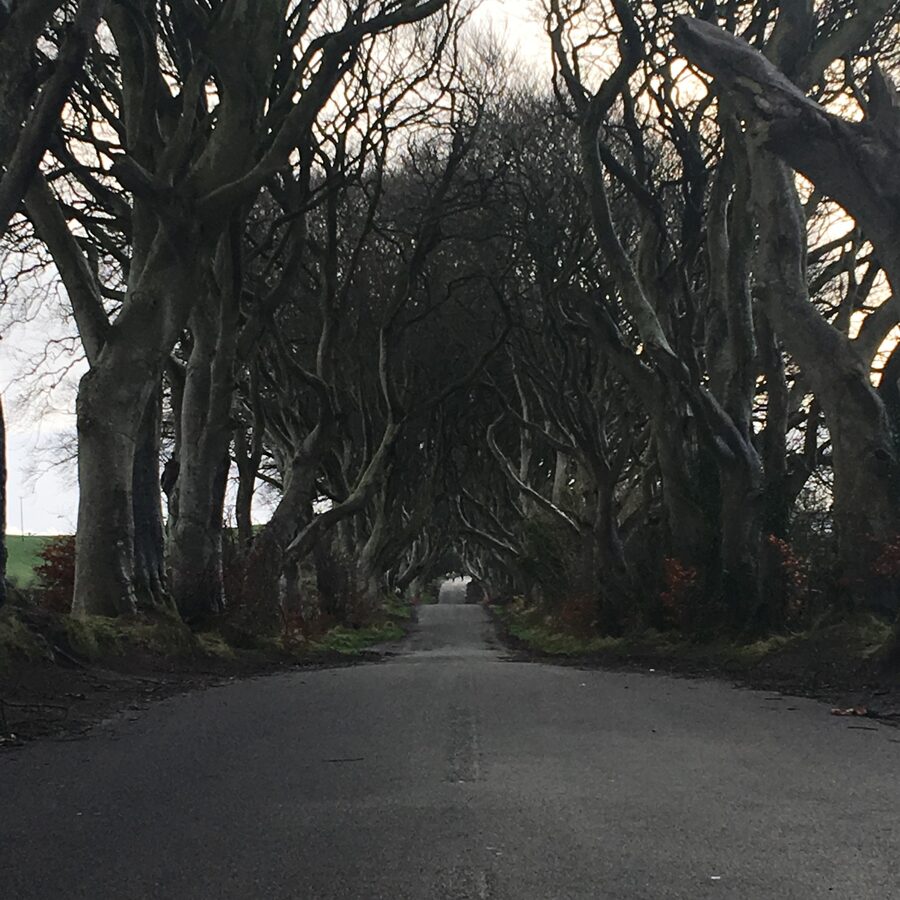
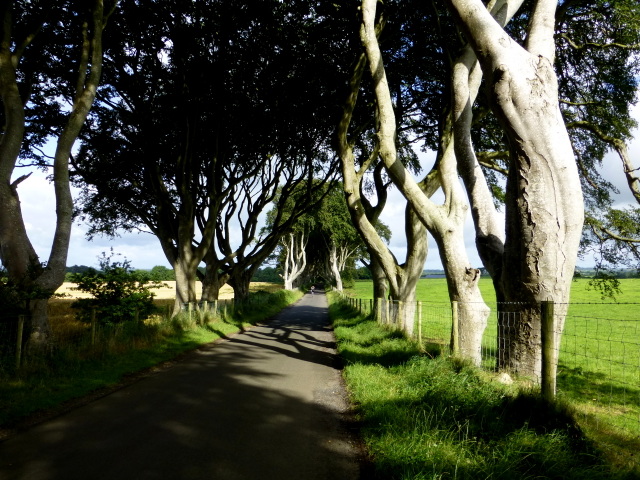
Park at the Hedges Estate Hotel car park, which is free for hotel guests and visitors and signposted from the A26. From the car park you walk down a short tarmac path, cross the A26 (carefully, the bend is blind from the south), and you’re on Bregagh Road within ten minutes. The walk along the avenue itself is about 600 metres end to end. Most people stop at one end, wander to the other, double back, and leave. Allow 30 to 45 minutes for the whole thing. Less if it’s lashing rain. More if you want a clean shot without other tourists in frame.
Booking from Belfast vs from Dublin
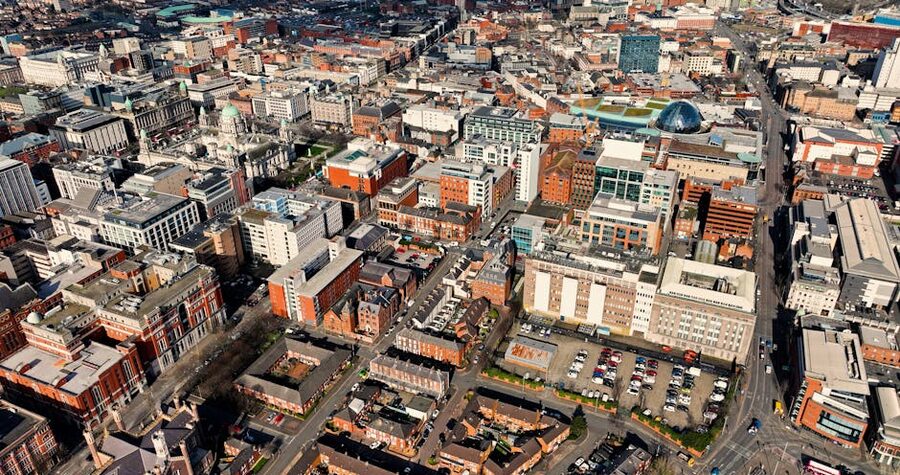
If you’re sleeping in Belfast, take a Belfast tour. Belfast-origin day trips run 8 to 9 hours and cost $26 to $40. They start at Castle Junction or the Europa Bus Centre, pick up at hotels in some cases, and drop you back where you started in the late afternoon. You’re on the Antrim Coast within an hour. The most-booked Belfast option includes the Dark Hedges, Giant’s Causeway, Dunluce Castle, and a few smaller GoT-related stops along the way.
If you’re sleeping in Dublin, you’re committing to a 12 to 13-hour day. Dublin tours leave around 7am, drive 2 hours up the M1, do the Northern Ireland loop, and get you back to Dublin around 8pm. The flagship Dublin option is the highest-rated of the lot, but you spend a lot of the day on the coach. Worth it if you can’t fit a Belfast overnight into your trip. Punishing if you’ve already done a long flight.
I’d skip the Dublin day if you have any flexibility. A Belfast overnight (Premier Inn Titanic Quarter, around £80) plus a Belfast day tour adds up to less time on a coach and more time on the coast. The Antrim coast deserves both.
Dunluce Castle: what you actually see
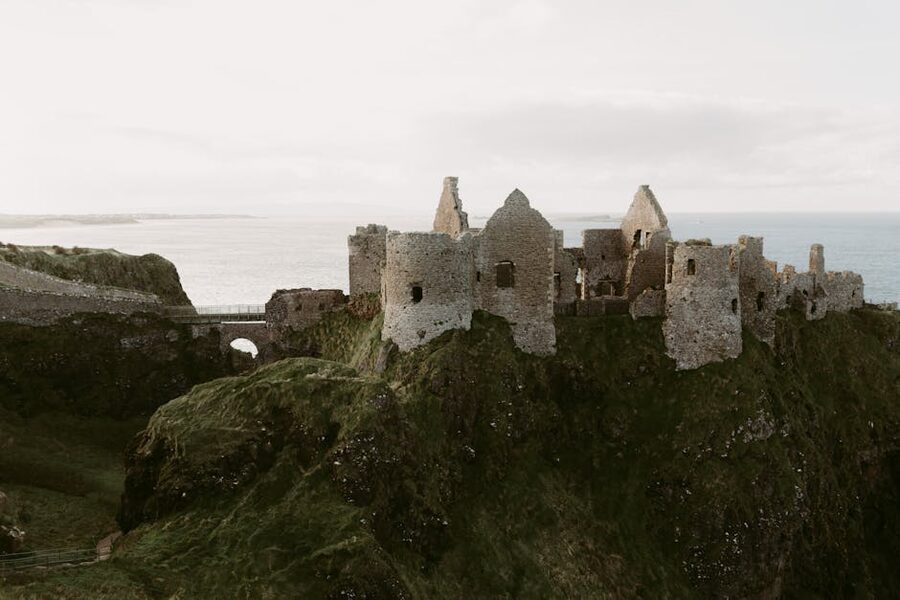
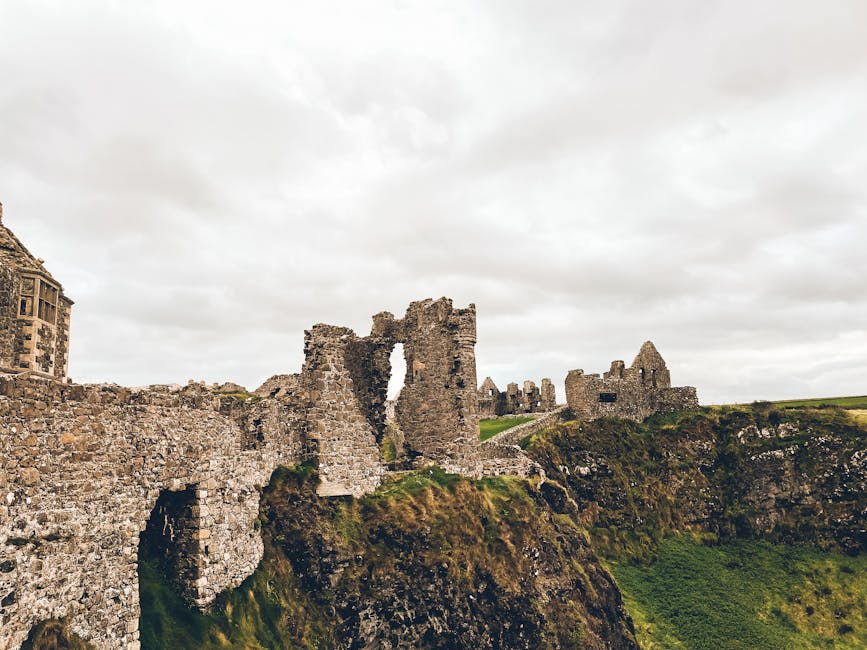
Dunluce is a 13th to 14th-century clifftop ruin on the Antrim coast, about 5km west of the Giant’s Causeway and 25km north of the Dark Hedges. It belonged to the MacDonnells of Antrim from the late 1500s. In 1639 part of the kitchen wing collapsed into the sea during a storm, taking several servants with it (the legend says the kitchen boy survived because he was sitting in a corner that didn’t fall). The MacDonnell family abandoned the castle as a primary seat soon after, and it’s been a ruin ever since.
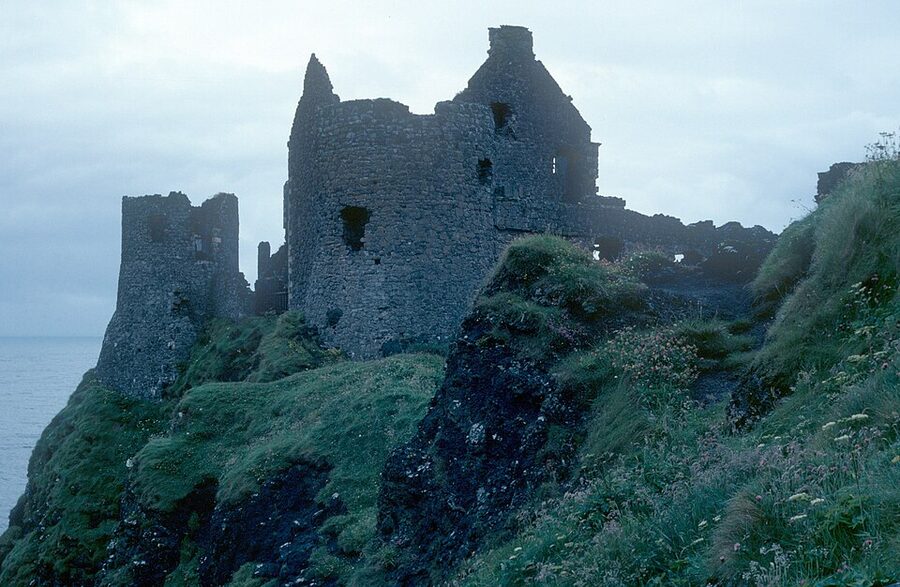
For Game of Thrones fans, Dunluce is the visual reference for the seat of House Greyjoy at Pyke. The castle in the show was CG-extended onto a different rock formation, but the silhouette of Dunluce, the perched ruin, the drop to the sea, the gatehouse over the chasm, is what the production design team built from. You can stand where the camera matte plates were photographed and recognise it. The actual show was not filmed at Dunluce. The location is private and the production worked from photo references. Still, it’s the most-recognisable Pyke reference in real-world Northern Ireland.
Adult entry is £6.50. Children under 5 free. Open most of the year, last admission usually 4pm in summer and 3pm in winter. The site is operated by Historic Environment Division (Northern Ireland’s equivalent of English Heritage). Tour groups get bundled tickets included in the day-tour price; if you’re driving yourself, you pay at the visitor centre.
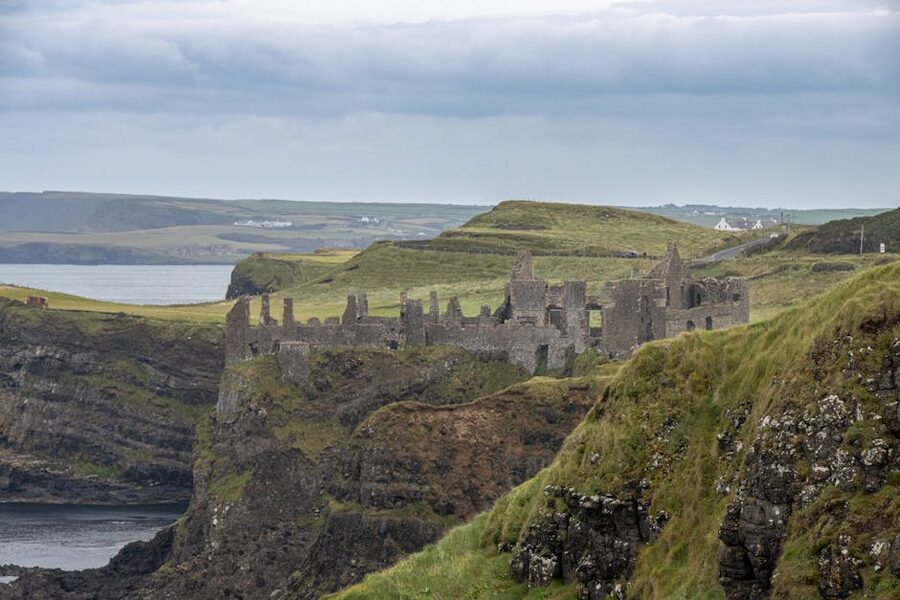
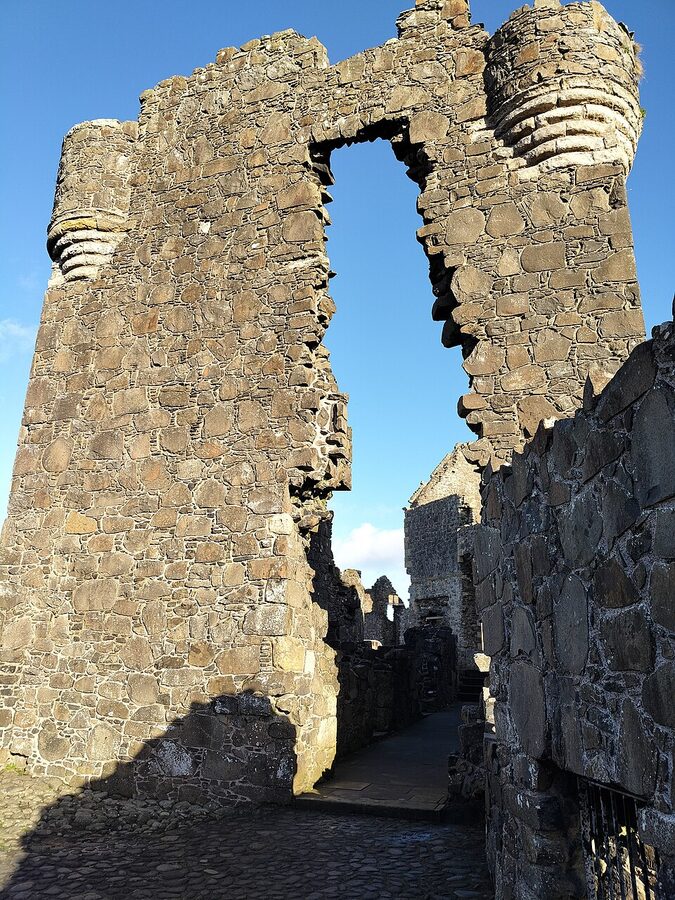
Dunluce works as a 30 to 60 minute stop. On a Belfast day tour you’ll get the lower end. If you’re driving yourself, factor closer to an hour. The cellars (a partly-buried 17th-century town that grew up around the castle) are accessible from the visitor centre and worth the extra ten minutes if your tour gives you the time.
Three Belfast tours that are worth your day
I’ve ridden all three of these out of Belfast at different points. Here’s how they actually compare. Prices are per person, in US dollars (the booking platforms quote in dollars regardless of where you’re standing).
1. Giant’s Causeway, Rope Bridge, Carrickfergus Castle and Dark Hedges Tour: $33
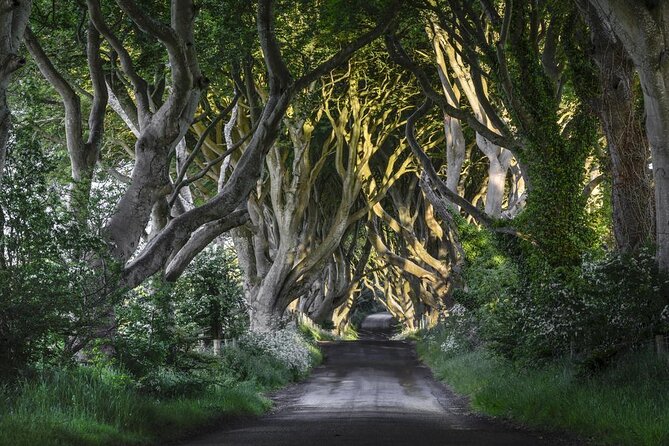
If you want the most variety per pound spent, this is the pick. Eight hours, four stops, all the headline names. Our full review covers what gets included in the entry fees and what doesn’t. Carrick-a-Rede rope bridge requires a separate ticket booked in advance through the National Trust (about £15.50) and the tour doesn’t always include it; check before you book. Carrickfergus Castle is on the way back to Belfast and is a bonus rather than a destination. Pick this if you’re a generalist and want to tick boxes.
2. From Belfast: Giant’s Causeway and Game of Thrones Day Tour: $26
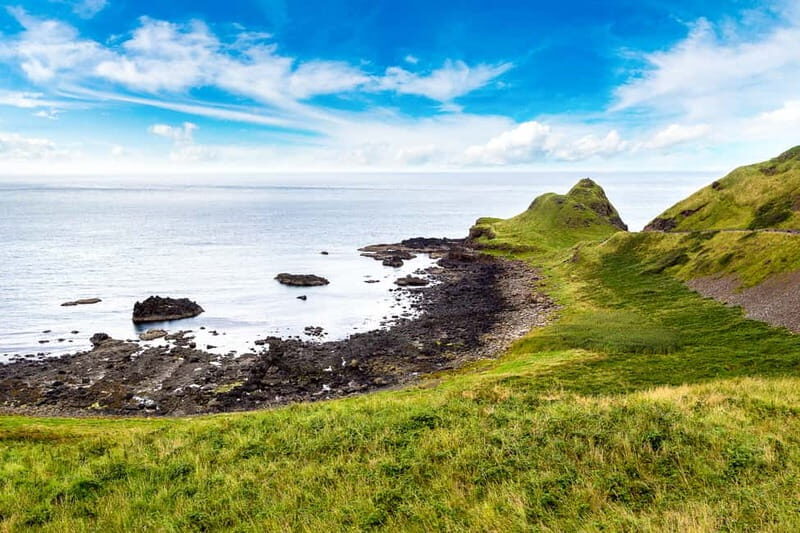
This is the workhorse. Our review walks through the full route and what’s included. Eight and a half hours, focused on the Causeway and the Dark Hedges with Dunluce as a photo stop and Cushendun Caves and Ballintoy Harbour added in for GoT credit. Smaller groups than the multi-stop sampler. Guide commentary tends to be solid because the same guides do this route year-round. Pick this if you care about the Dark Hedges and the Causeway specifically and want to keep the day under nine hours.
3. Dublin: Giant’s Causeway, Dark Hedges, Dunluce and Belfast Tour: $112
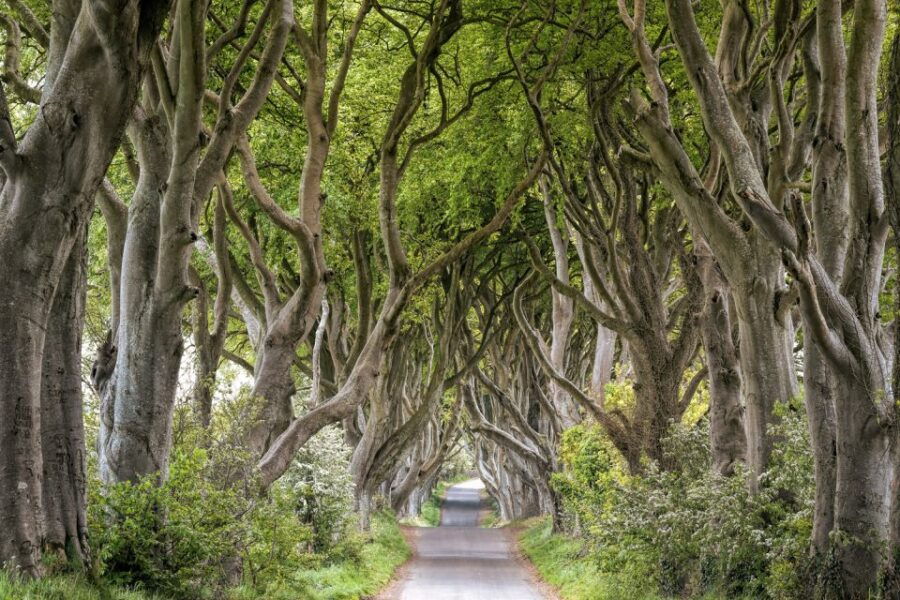
If Dublin is fixed, this is the tour. Our review breaks down what you actually get for the price and how the day is paced. Twelve hours from Dublin, with stops at the Causeway, the Dark Hedges, Dunluce, and a brief Belfast city overview. The drive each way is the cost of admission. The guide tends to fill the M1 stretch with Irish history rather than dead air, which helps. Pick this only if you can’t add a Belfast overnight to your itinerary.
The other variants you’ll see
Tour pages are confusing because the same eight or nine stops get rearranged into a dozen different combinations. Here’s the breakdown of the main configurations from Belfast, sorted by how I’d rank them for first-timers.
Causeway + Dark Hedges + Dunluce. The standard three. This is what most Belfast day trips offer in some shape. Eight hours, manageable, good photo coverage of the headline sights. If a tour offers nothing more than this, it’s probably one of the smaller-group operators and may be a better experience for it.
Causeway + Dark Hedges + Dunluce + Carrick-a-Rede. Adds the rope bridge, which is a 20-metre suspension bridge over a 30-metre drop to a small island. The bridge crossing itself takes 30 seconds. The walk to and from the bridge from the National Trust car park is 1¾ hours round trip. This is the variant that runs over time if the queue at Carrick-a-Rede is long. If you have a flight or train to catch in the evening, skip this combo.
Causeway + Dark Hedges + Dunluce + Bushmills. Replaces the rope bridge with a tasting at the Old Bushmills Distillery, which has been making whiskey since 1608 (the world’s oldest licensed distillery, depending on which source you trust). The distillery tour is about 90 minutes and includes the full process plus a sample of three Bushmills whiskeys. Pick this if you’d rather drink than walk.
Causeway + Dark Hedges + Dunluce + Belfast city tour. The Dublin-origin variants often add a brief Belfast city overview at the end (Titanic Quarter drive-by, Crumlin Road Gaol exterior, Stormont). It’s a way of justifying the long drive. If you’re already in Belfast for the night, this part is wasted. Do the Titanic Belfast museum properly instead.
Doing the Dark Hedges by yourself
If you’re driving from Belfast, the Dark Hedges are 90 minutes door to door on the M2 and A26. Set the destination to Hedges Estate Hotel, Bregagh Road, Ballymoney BT53 8PX in Google Maps. Don’t set it to “Dark Hedges” because the pin sometimes drops on the road itself, which leads people to the closed section.
From the hotel car park (free, no booking required), walk the signposted footpath. It takes you to the south end of Bregagh Road. From there you walk through the avenue. The far end is a quiet cul-de-sac with no facilities. Walk back the same way. The whole trip from car park to car park is 30 to 45 minutes. There are no toilets at the avenue itself. The hotel has facilities and a bar that’s open to the public most days.
Best times: before 8am or after 7pm in summer. Tour buses arrive between 10am and 4pm and the avenue is busy in that window. Sunrise and sunset both light the road well. Sunrise is colder and quieter. Sunset has more people but more atmospheric light. November to February the days are short enough that “after 7pm” doesn’t apply because the sun’s down by 4. In winter, your best window is around 9am, before the day-tour coaches arrive from Belfast.
How the Dark Hedges fit into Game of Thrones
Quick context for the casual GoT fan, since this is why most people are here. The Dark Hedges appear in Season 2, Episode 1, “The North Remembers”, as the Kingsroad. It’s the scene where Arya Stark, dressed as a boy and disguised as Yoren’s recruit for the Night’s Watch, escapes from King’s Landing in a cart heading north. The shot is a low-angle tracking shot through the avenue with CG enhancement to make the trees look bigger and the road dustier than it actually is. About 90 seconds of screen time. The location was used once across the entire series. The cultural weight it carries is wildly disproportionate to its on-screen role.
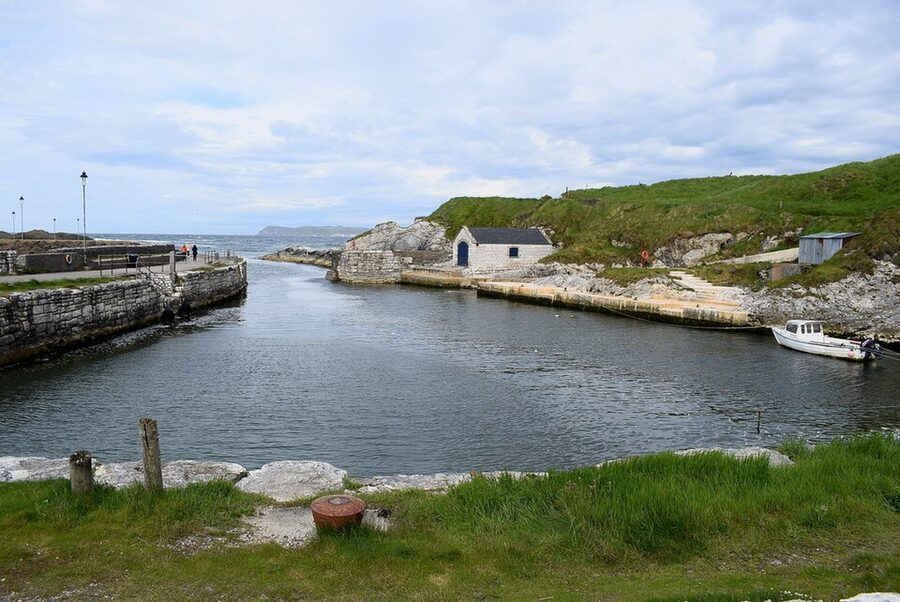
Other Northern Ireland filming locations are within a Belfast day-trip radius: Ballintoy Harbour (Pyke and Iron Islands shore), Cushendun Caves (where Melisandre gives birth to the shadow), Murlough Bay (various Iron Islands shots), and Castle Ward (Winterfell exteriors, southeast of Belfast in County Down). Our Belfast Game of Thrones guide covers the screen-tourism options in detail, including the official HBO studio tour at Banbridge.
If you’ve done the screen-tourism circuit elsewhere, like Glenfinnan Viaduct for Hogwarts Express in Scotland or the Warner Bros studio tour for Harry Potter outside London, the Dark Hedges and Dunluce will feel familiar. Famous backdrops, real-world locations, the slight oddness of standing somewhere you’ve only ever seen on a screen. The screen-tourism economy in Northern Ireland is now a measurable share of the Antrim Coast’s annual visitors, partly because HBO actively promoted the locations during the show’s run.
The history bit, brief and useful
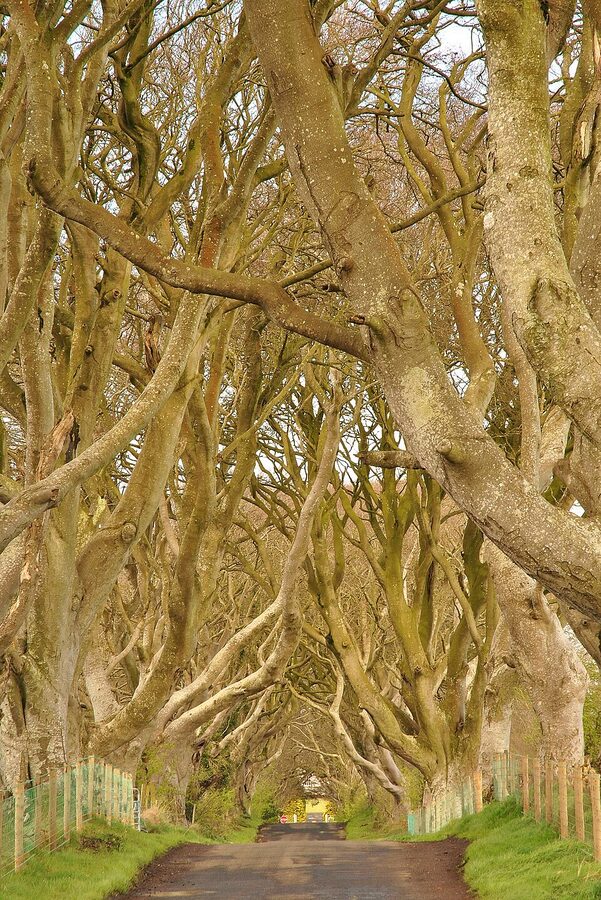
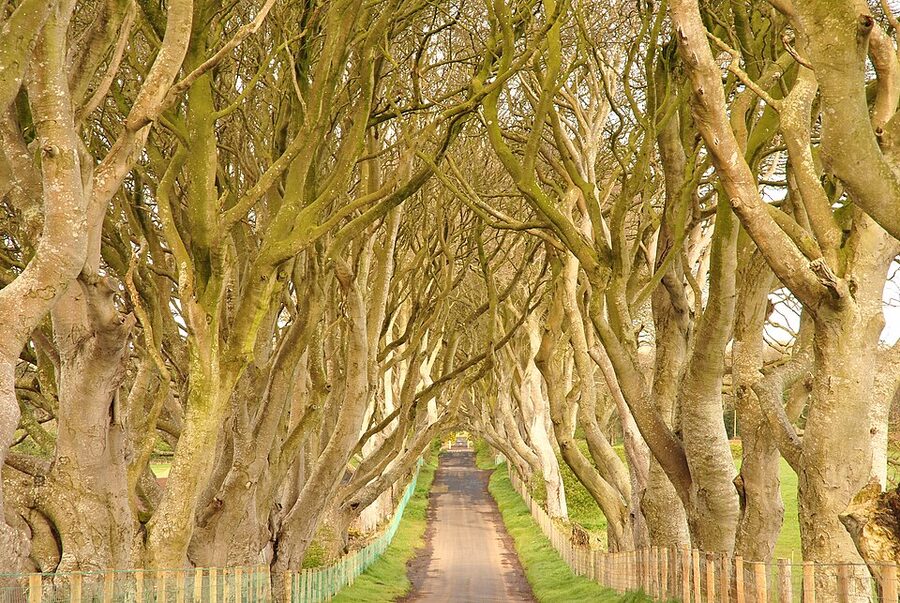
The Dark Hedges were planted around 1775 (some sources say earlier, around the 1750s) by James Stuart, a Scottish-Irish landowner who’d built Gracehill House on the estate two years before. Stuart wanted the approach to the house to feel theatrical. He planted 150 beech trees along a half-kilometre drive. Beech is a fast-growing hardwood, and within a few decades the canopy had closed over the road. The Stuart family lived at Gracehill until the early 20th century. The estate is still in private hands. The road through the avenue (Bregagh Road) was a public road by the 19th century, which is why it stayed open to traffic for so long after the Stuart family stopped using it as a private drive.
Of the original 150 trees, 89 were still standing in 2017 when the conservation order was put in place. Two more came down in the January 2018 storm, including one of the most photographed at the south end. The trust that manages the trees has been replanting where possible, but a beech that’s been growing since the 1770s isn’t replaceable in a human lifetime.
Dunluce Castle’s recorded history starts in the early 13th century with a Norman fortification on the same rock. The MacQuillan family held it through the early medieval period. In the 1550s the MacDonnells of Antrim, a Scots-Irish gaelic clan, took it by force from the MacQuillans. They held it until the 1639 kitchen collapse and the disturbances of the 1640s. The castle’s clifftop position is partly defensive (you can only attack it from one side) and partly statement (the MacDonnells wanted to project power across the North Channel toward Scotland).
The town that grew up around the castle in the 17th century is the more recent archaeological story. About 100 metres east of the castle, archaeologists have excavated the foundations of a planned merchant town built by the MacDonnells around 1610. It was destroyed in the 1641 Irish Rebellion and never rebuilt. The visitor centre exhibits include some of the recovered material.
Bushmills, Carrick-a-Rede, and what else fits in the day
Two stops worth knowing about because they almost always come up when you book a Northern Ireland day tour.
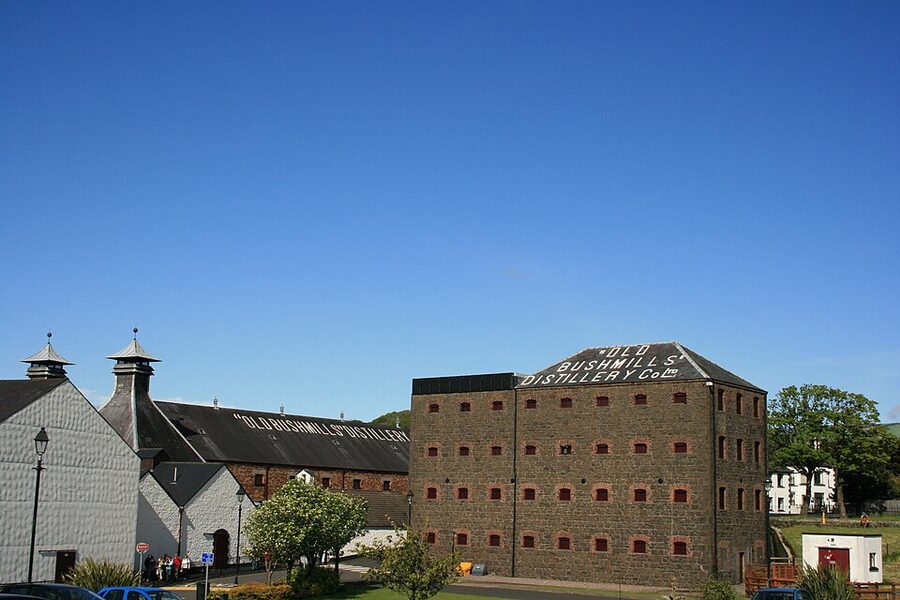
Old Bushmills Distillery is 5km from the Causeway and 10km from Dunluce. The distillery offers tours every 30 minutes during opening hours (9am-5pm in summer, shorter winter hours). The standard tour is £11 and runs 90 minutes including a tasting of three whiskeys. Premium tasting flights are available at higher prices. The distillery is the only working whiskey distillery in Northern Ireland and the bottles you taste here are made on-site, not just bottled here. If your day tour stops at Bushmills, you’ll usually get the standard tour included.
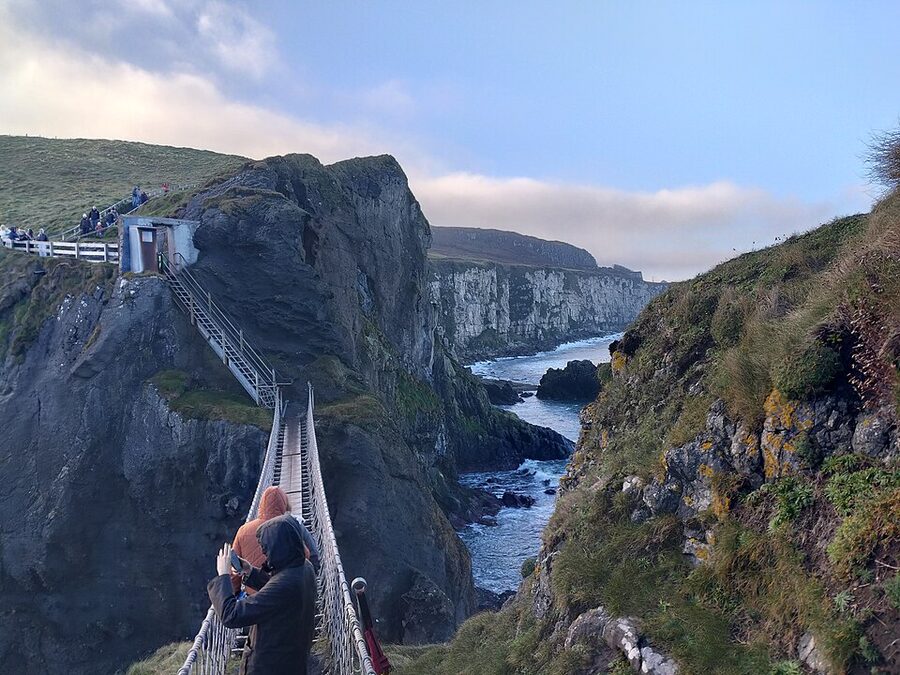
Carrick-a-Rede rope bridge is a National Trust property 8km east of the Giant’s Causeway. The bridge crosses a 20-metre gap between the mainland and Carrickarede island, which used to be a salmon fishing post. Tickets are £15.50 for adults, must be booked online in advance, and have a timed entry slot. The walk from the National Trust car park to the bridge is 1.2km along a clifftop path. The bridge itself takes about 30 seconds to cross. Round trip from car park to car park is 1¾ hours, which makes this the timing-tight stop on most multi-stop tours. If your day tour offers it as an option but charges extra, work out if you actually want it before saying yes.
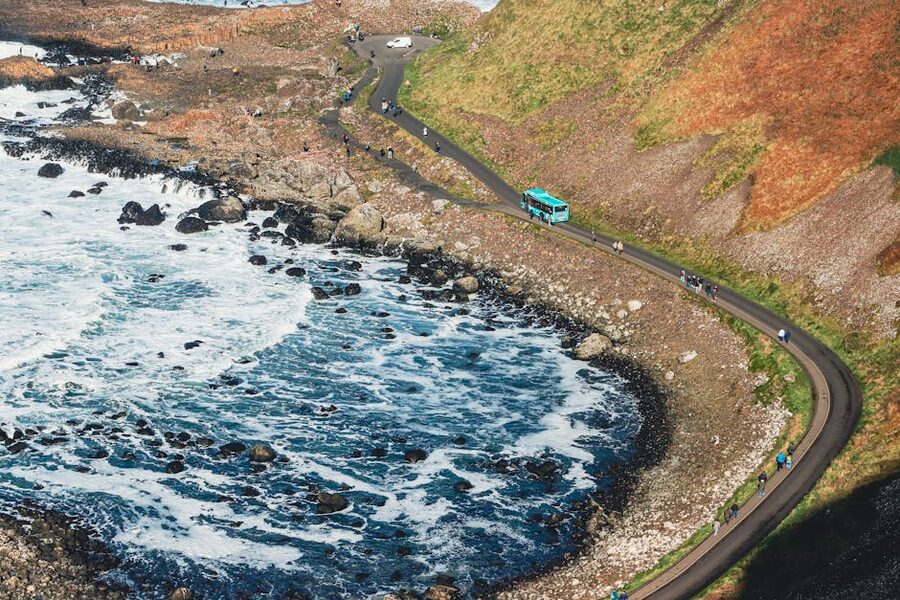
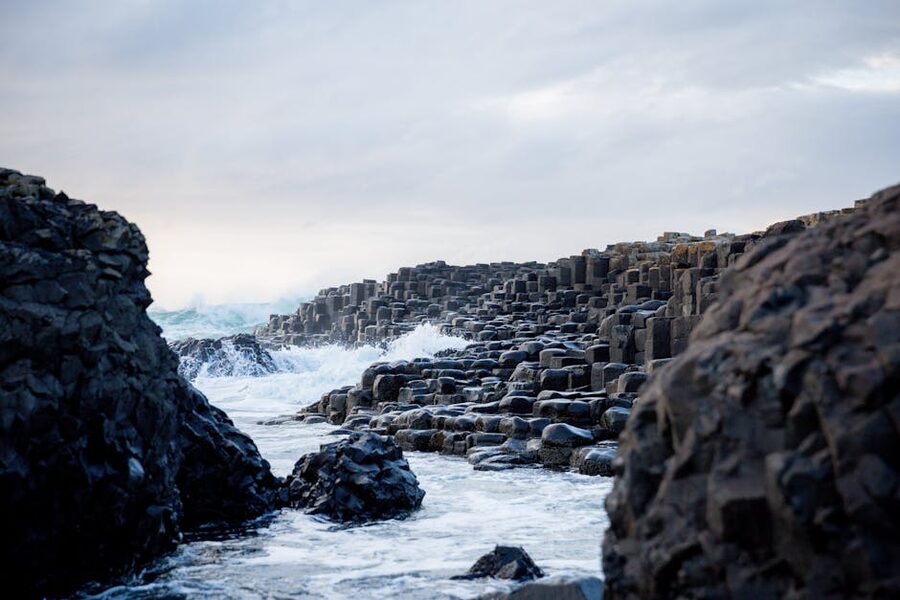
Giant’s Causeway is the headline attraction of the Antrim Coast and it’s the focus of our Causeway-from-Belfast guide if you want a deep dive on it specifically. Quick version: 40,000 hexagonal basalt columns from a volcanic event 50 to 60 million years ago, UNESCO World Heritage since 1986, 1.5km walk down from the visitor centre to the columns and 1.5km back up. Allow two hours minimum. The on-coast experience is what you came for, not the visitor centre.
Eating, weather, and what to wear
There’s a small café at the Hedges Estate Hotel and a pub on-site. Both do basic Northern Irish food (chowder, fish and chips, Ulster fry until 11am) and are reliable enough but not destinations. If you’re driving the Causeway Coastal Route yourself, the better options are The Nook at the Giant’s Causeway car park (Guinness, soup and sandwich lunch, busy at midday) and The Salt House in Ballycastle for a proper sit-down dinner if you’re making the day longer.
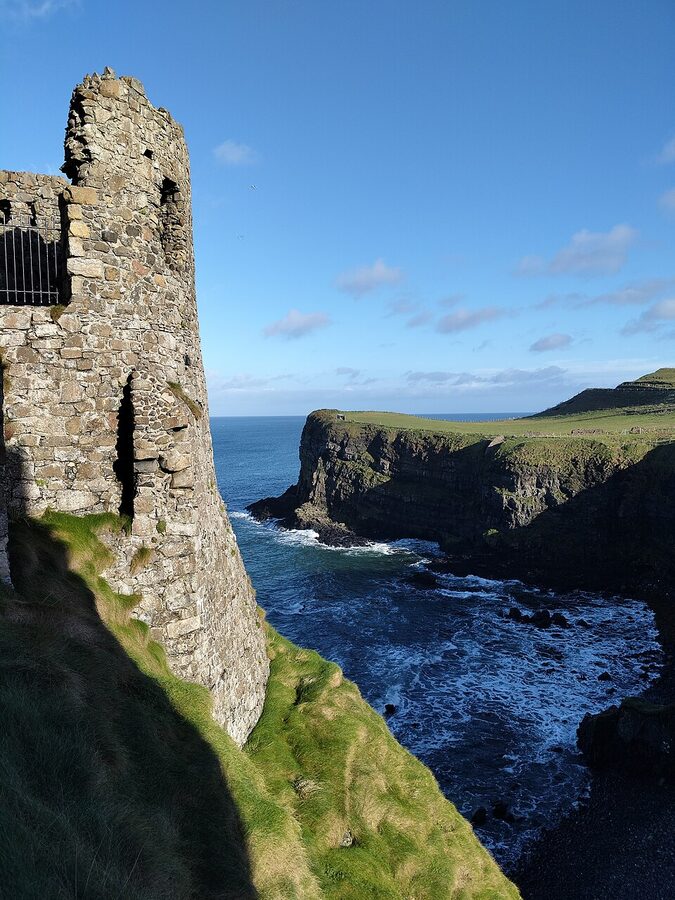
Weather on the Antrim coast is famously variable. In any single day you can hit sunshine, cloud, drizzle, and a horizontal rain squall. Dress in layers. Bring a windproof. The Causeway is exposed and the path down is slippery when wet. The Dark Hedges are sheltered by the canopy but the walk to and from is open. Dunluce is the most exposed of the three. If you have a packable rain jacket, this is the day to use it.
Best months: May through September. Long days, daylight from 5am to 10pm at midsummer, the highest probability of getting a clear afternoon. October has the best autumn light at the Dark Hedges. November to February is short days and high winds, but the coastal scenes are dramatic and the tour buses are far fewer. March and April are the wild card. Some years the weather is fine; some years you’ll get sleet at sea level.
How this stacks up against other film-location day trips
If you’ve already done one screen-tourism day on a UK or Ireland trip, you’ll know if you want another. The Dark Hedges and Dunluce sit between two reference points.
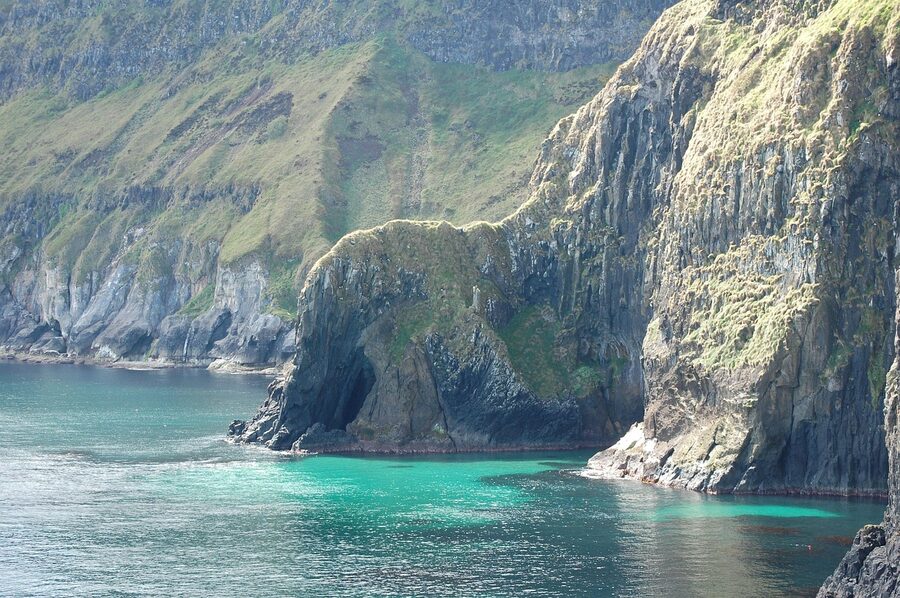
On one end, the Glenfinnan Viaduct day from Edinburgh is a similar deal: real-world Highland landscape that doubled for fantasy scenery, busloads of fans timed for the Hogwarts Express, payoff that’s about being there rather than seeing anything specific. On the other end, the Warner Bros Studio Tour outside London is the opposite: actual sets, props, costumes, the indoor production version of screen tourism.
The Dark Hedges and Dunluce are closer to the Glenfinnan model. You’re looking at real landscape that was used as a backdrop. The cinematic effect on screen is partly the location and partly the work the director and the post team did to enhance it. Don’t expect the road to look as wide as the show, or the trees as tall, or Dunluce as imposing as the matte paintings. It’s smaller in person. Most film locations are.
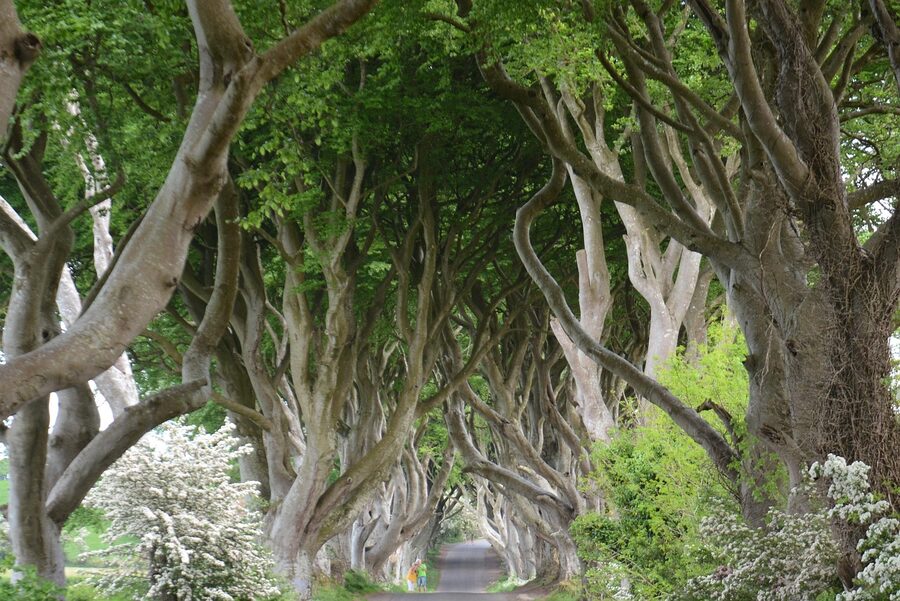
That said, the Dark Hedges are actually more atmospheric in real life than on screen. The walk underneath the canopy is the experience, and that doesn’t translate to a screen at all. So the “smaller in person” rule doesn’t fully apply.
What I’d do
If you’re staying in Belfast and have one day for the Antrim Coast: book the Belfast Causeway and GoT day tour at $26. You get the Causeway, the Dark Hedges, Dunluce, and a couple of GoT extras. Eight and a half hours. Done by 5pm. Cheaper than driving once you factor in the hire car. Less stressful than navigating the single-lane back roads.
If you’re staying in Belfast for two nights and want a more complete coast: do the four-stop sampler with Carrickfergus and the rope bridge on day one, then go back to the Dark Hedges by yourself before sunrise on day two with a hire car. The avenue alone is worth a dedicated trip if you care about photography.
If you’re stuck in Dublin and refuse to move: the 12-hour Dublin combo works. Just know what you’re signing up for. Long coach day. Quick stops. Solid guides. Good box-tick.
Around the Antrim Coast and back
If the Antrim coast is your single Northern Ireland day, you might also be planning the rest of your Ireland trip. Our Dublin-to-Northern-Ireland comparison covers the trade-off between basing in each city for the same set of attractions. The Belfast political taxi tour is the local-history counterpoint to a coastal day, and Titanic Belfast is a half-day in the city that pairs well with a Causeway day to fill the second night. If you’re working a wider UK itinerary, the Stonehenge day from London and the Loch Ness day from Edinburgh follow a similar one-headline-attraction-plus-coastal-driving format.