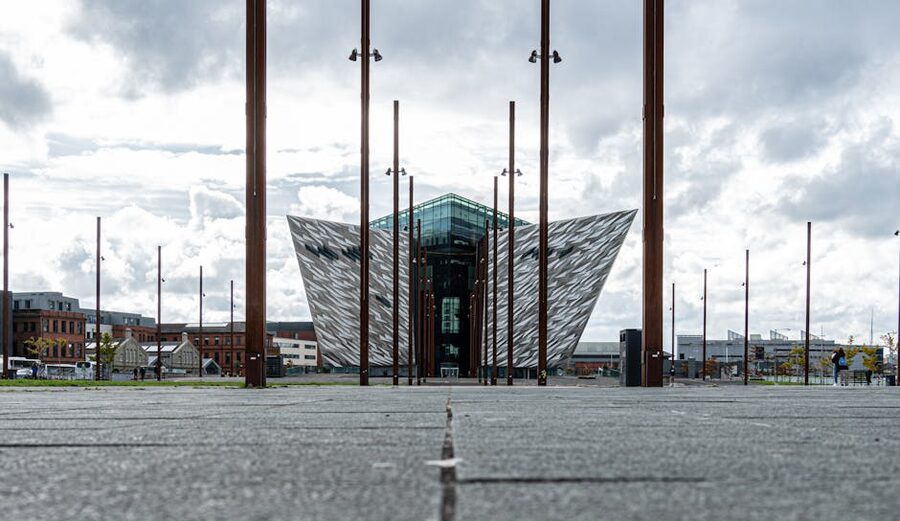
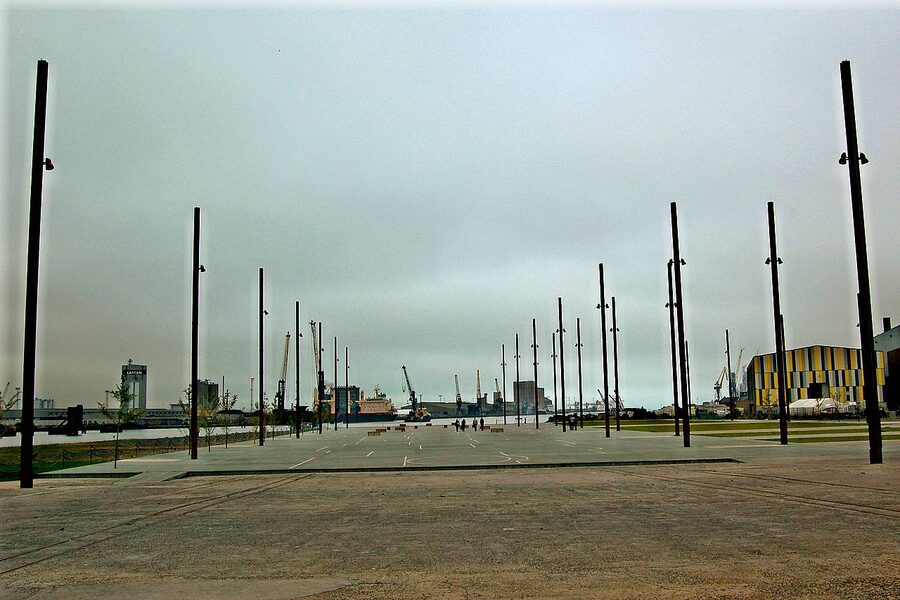
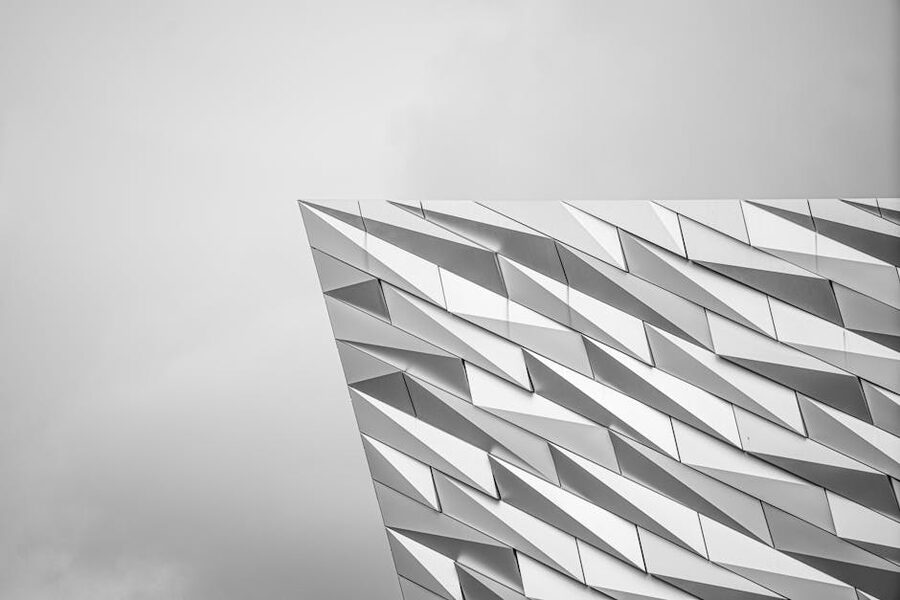
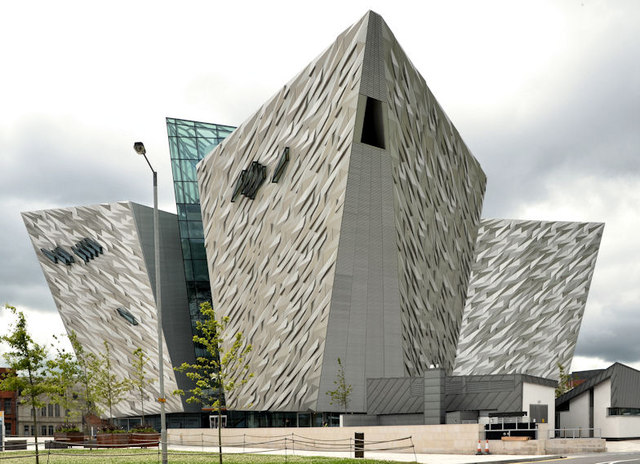
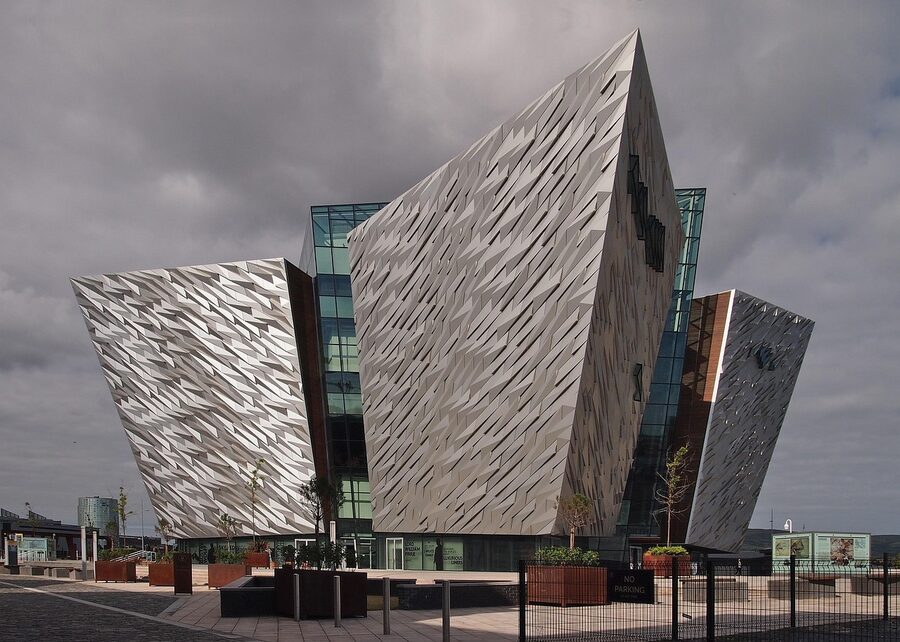
Stand on the polished concrete floor by the front entrance of Titanic Belfast and look down. There’s a long pale outline cut into the surface, narrow at one end, fanning out into a curve. That’s the bow of RMS Titanic. The mark traces exactly where the ship’s hull met the water on 31 May 1911, because the museum is built on the actual launch slipway. You’re not visiting a Titanic museum that happens to be in Belfast. You’re visiting the place itself.
This guide covers how to book Titanic Belfast tickets without queueing at the door, why the SS Nomadic combo upgrade is worth the extra fiver, and which day-trip combos make sense if you’re coming up from Dublin.
- In a Hurry: My Three Picks
- Why book ahead
- Where to book
- Standard versus Discovery ticket
- What you actually walk through
- SS Nomadic, the bit most people skip
- The three tours I’d actually book
- 1. Belfast: The Titanic Experience with SS Nomadic Visit, about
- 2. Belfast City Sightseeing Hop-On Hop-Off Bus, 24-hour ticket
- 3. Belfast Crumlin Road Gaol Experience, about
- Coming up from Dublin
- Getting there from Belfast city centre
- What it actually costs
- What’s not worth paying extra for
- The history under your feet
- When to visit, when to skip
- Practical bits I wish I’d known
- What pairs well with the museum
- Booking tips that actually save money
- More Belfast and Northern Ireland
In a Hurry: My Three Picks
Best overall: Titanic Experience plus SS Nomadic combo on GetYourGuide. About $36, includes the museum and the 1911 tender ship next door. This is the one to book.
Best with the city: Belfast hop-on hop-off bus 24-hour ticket on GetYourGuide. Stops outside the museum and 18 other places, useful if you’re staying in the city centre.
Best from Dublin: Causeway plus Belfast Titanic day trip from Dublin. One coach, one driver, both bucket-list sites in a long day.
Why book ahead
Titanic Belfast sells timed-entry tickets. You pick a day and a 30-minute arrival window, and you’re in within that slot. The walk-up booth exists, but in summer and on cruise-ship days it can sell out hours ahead. I’ve watched groups arrive at 10am and get told to come back at 2.30pm.
The museum runs about 9am to 7pm in peak summer and closes earlier (around 5pm) in winter. Arrive 10 minutes before your slot, not 30, because there’s nowhere comfortable to wait inside before the line opens.
Where to book
Three sensible routes:
- The official Titanic Belfast site for plain admission
- GetYourGuide or Viator for the SS Nomadic combo, often the same price as the official combo and you get the standard cancellation grace
- Klook if you’re already buying other Belfast activities through them and want one app receipt
I lean toward the GetYourGuide combo because of the free cancellation up to 24 hours. Belfast weather is fine for an indoor museum, but if you’re combining with the Causeway and a storm rolls in, that 24-hour buffer pays for itself.
Standard versus Discovery ticket
The Discovery upgrade adds a guided tour of the galleries with a museum host. It’s worth it if you’re a slow museum-goer who likes context. If you’re with kids or you’ve already read a Titanic book in the past five years, the standard ticket is plenty. The audio guide is included on both.
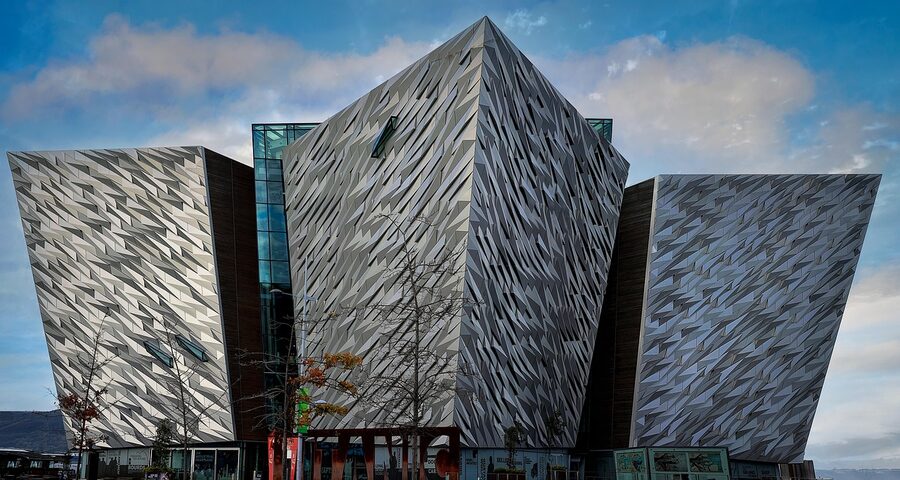
What you actually walk through
Nine galleries on six floors. Allow two hours. Push it to three if you want to read every panel. Here’s the rough order:
Boomtown Belfast sets up the city in 1900. Linen mills, rope works, more shipyard workers per capita than any city on Earth. The audio detail in this gallery is good. You hear the actual rivet hammers.
The Shipyard is the big one. There’s a small ride called the Shipyard Ride that takes you up through a recreated gantry, complete with heat, smell, and noise. It’s not a thrill ride, more like a slow-moving cable car. Skip it only if you’re claustrophobic.
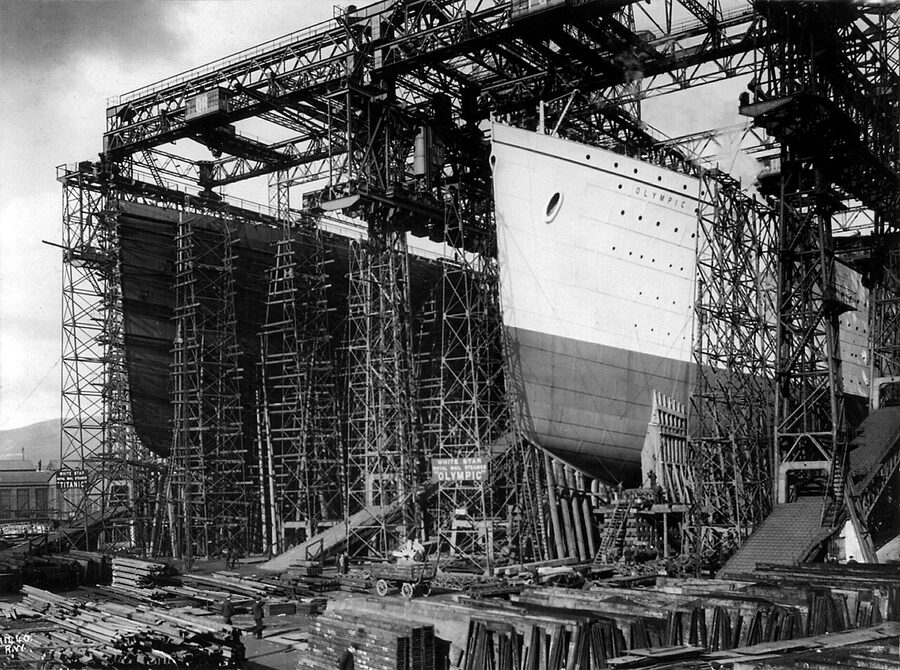
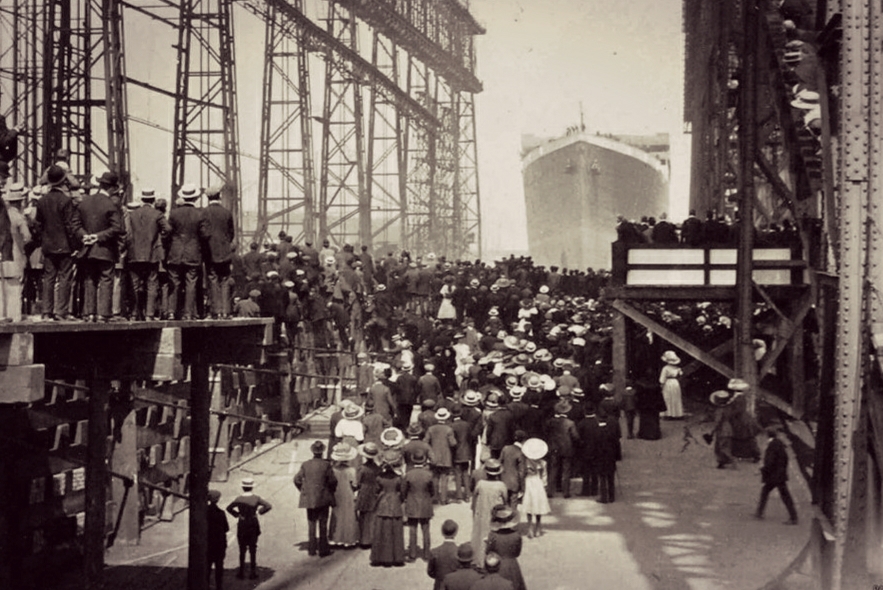
The Launch is where most people stop and just stare. There’s a cinema-style projection of the actual 1911 launch with original news footage. You’re standing roughly where the slipway terminates outside, so you can walk to the window after the film and see the same view the crowd of 100,000 had on that May day. The footage runs about three minutes.
Fit-Out covers the year between launch and maiden voyage, when the engines, funnels, and interiors went in. There’s a full-scale recreation of a first-class cabin and a second-class cabin side by side. The contrast is sharper than you’d expect.
Maiden Voyage is the cruise itself, told through telegrams and postcards. Some of the postcards are originals.
The Sinking drops the temperature, literally. The room is kept cool. There’s a lookout’s view of the iceberg, and the lighting shifts as the ship goes down across the timeline panels.
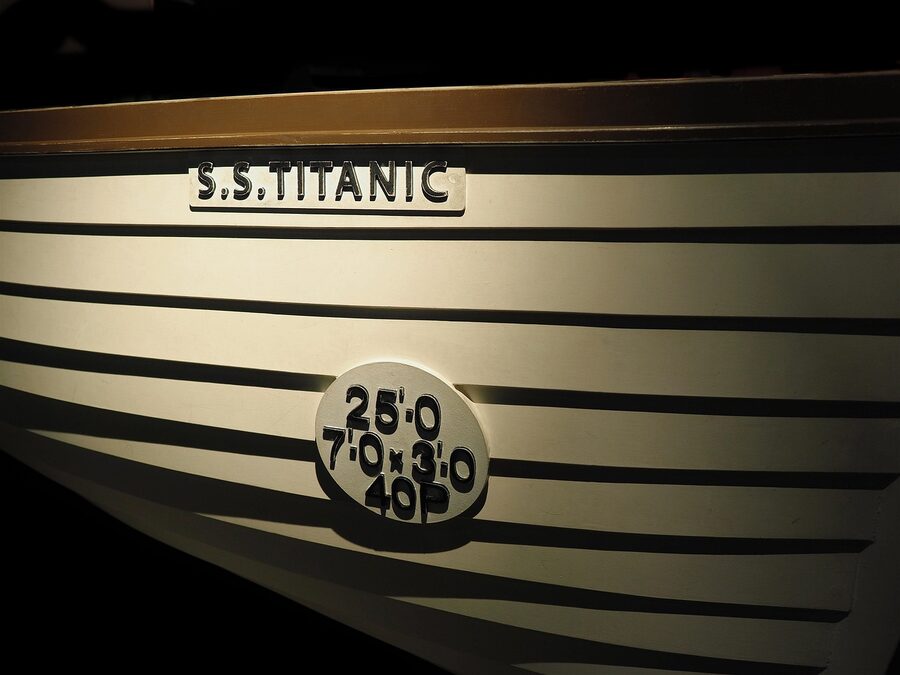
Aftermath covers the inquiries, the press storm, and the changes to maritime law. Myths and Legends handles the films and the conspiracy stories. Ocean Exploration finishes with Robert Ballard’s 1985 discovery and live footage of the wreck site, projected onto the floor. You walk over the bow.
By the time you exit you’re in the gift shop. Of course you are.
SS Nomadic, the bit most people skip
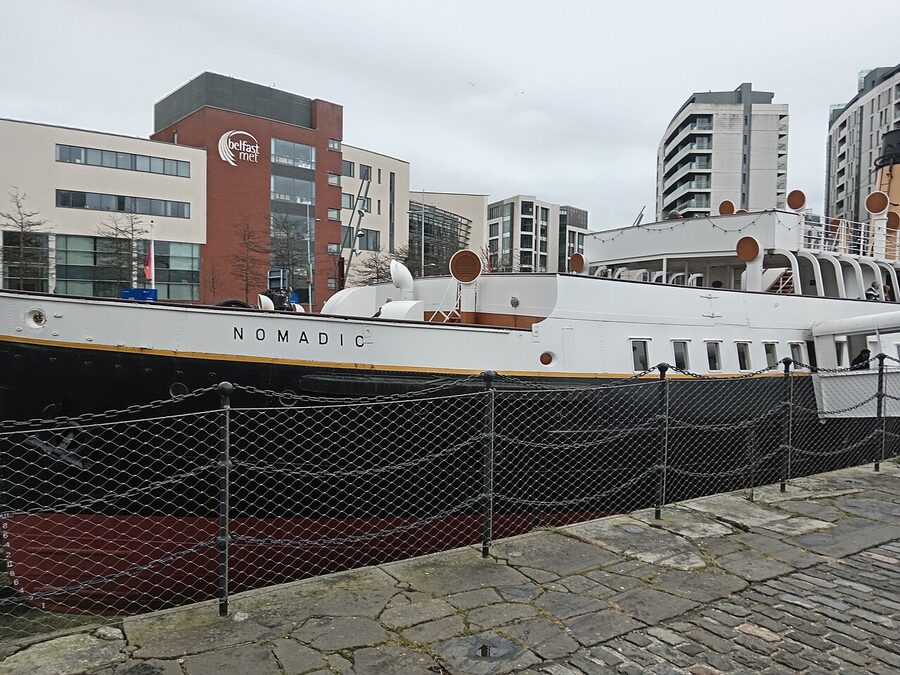
If you only buy one upgrade, make it the SS Nomadic combo. Nomadic is the last surviving White Star Line ship anywhere on Earth, and it’s docked 200 metres from the museum exit. About 90% of the original 1911 fabric is intact, including the first-class panelling, the brass fittings, and the wooden bar.
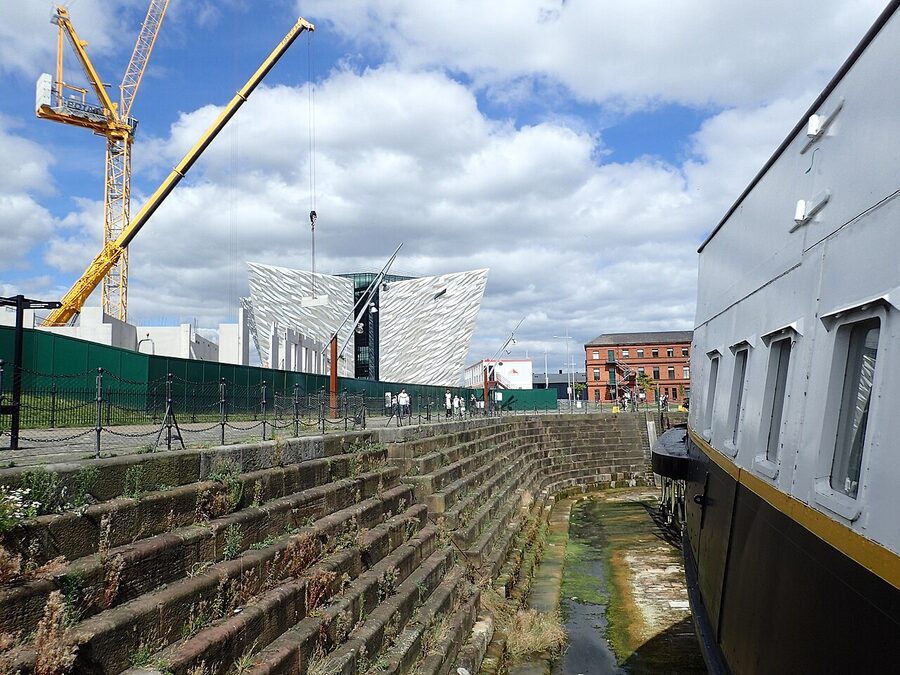
Nomadic ferried first and second-class passengers from Cherbourg out to Titanic on 10 April 1912. The Unsinkable Molly Brown stepped off her on that crossing. The benches you can sit on are the same benches Brown sat on. Most museum-fatigued visitors race through Nomadic in 20 minutes. Slow down. The detail is the point.
Combo tickets are about $36, plain Titanic admission is about $30. The five dollars for Nomadic is the easiest decision in this whole guide.
The three tours I’d actually book
I picked these three based on review volume and the calls I’d make myself. Each one solves a different problem.
1. Belfast: The Titanic Experience with SS Nomadic Visit, about $36
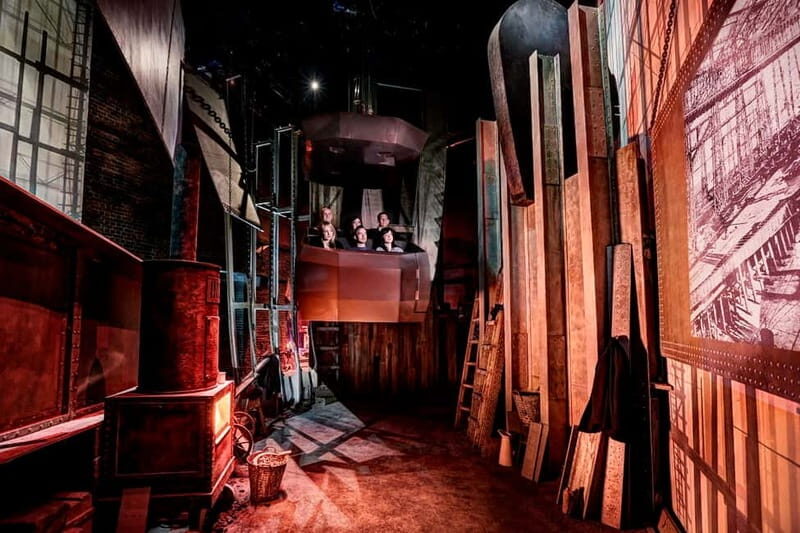
This is the default booking and the one most travellers should pick. Both museums, one ticket, and the saving versus buying separately is real once you add booking fees. Our full review walks through the timed-slot system in detail and covers the ride versus walk-only options inside the Shipyard gallery. Free cancellation up to 24 hours before, which I always take when the weather forecast is dodgy.
2. Belfast City Sightseeing Hop-On Hop-Off Bus, 24-hour ticket
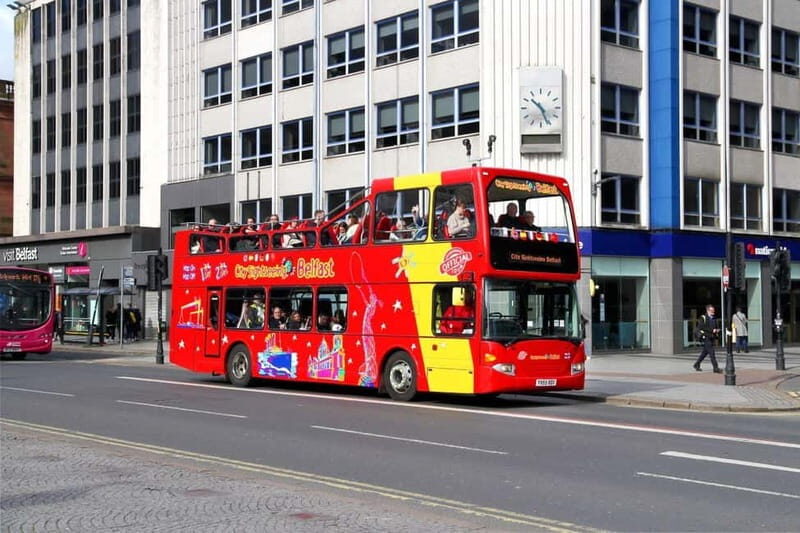
Pick this one if you’re staying in the centre and don’t want to fight the cab fare to the Titanic Quarter. The bus picks up by City Hall every 20 minutes and the Titanic stop is the museum’s front door. Our review covers which stops are worth jumping off at and which are filler. The 24-hour ticket pays for itself the moment you skip a single black-cab fare.
3. Belfast Crumlin Road Gaol Experience, about $20
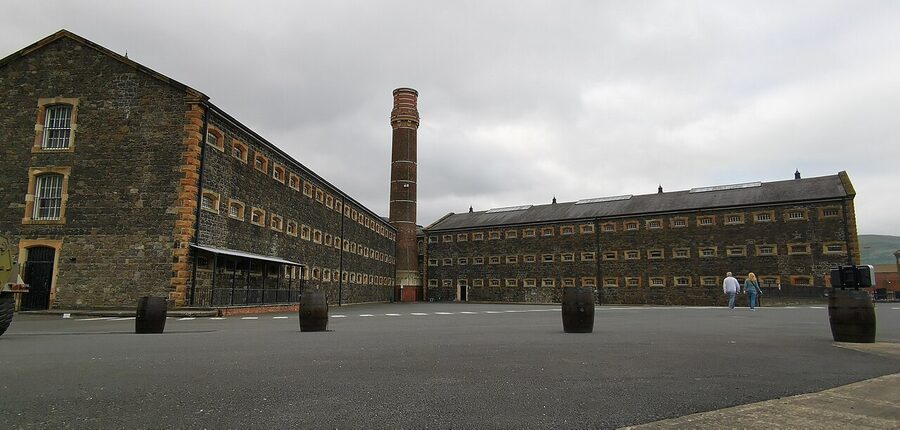
Not Titanic, but the obvious second-day booking once you’ve finished the museum. Crumlin operated as a working prison from 1846 to 1996 and the cell wings are kept exactly as they were on closing day. Our full Crumlin review rates it among the best heritage attractions in Northern Ireland. The walk between the two takes 25 minutes through North Belfast, or four minutes by black cab.
Coming up from Dublin
Most international visitors land in Dublin and ride the bus or train north to Belfast. The Enterprise train runs city-centre to city-centre in two hours and ten minutes. The Aircoach and Translink Goldline buses are about €20 one-way and run every two hours.
If you only have one day in Northern Ireland, a guided coach is the smarter call. You skip the Belfast city navigation, you get the Causeway thrown in, and you avoid the Titanic walk-up queue. Our Dublin to Northern Ireland day-trip guide compares the bus, train, and coach-tour options in detail.
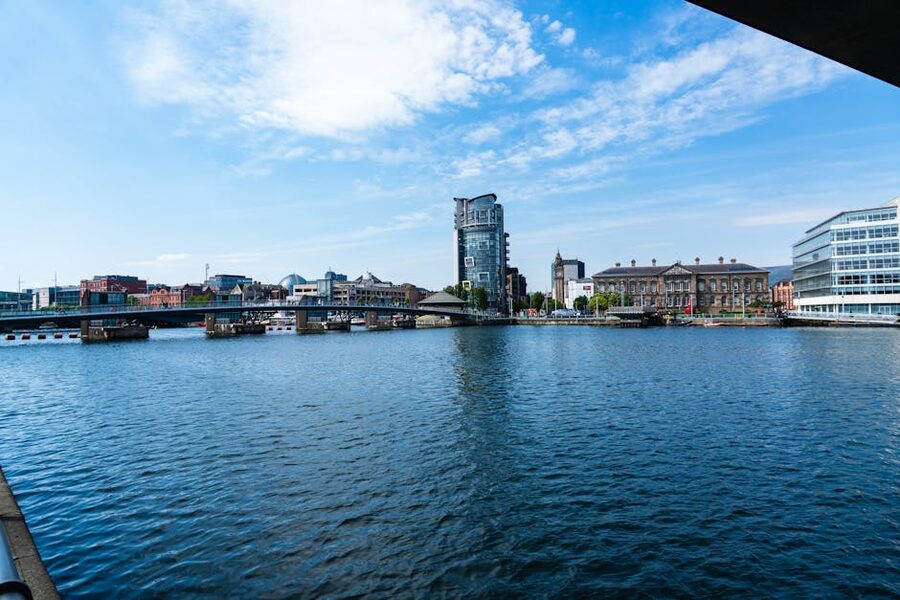
From Dublin, the Causeway plus Titanic combo coach tour bundles museum entry into the day-trip price, picks you up at one of three Dublin city-centre stops, and gets you back by 9.30pm. Long day. Worth it once.
Getting there from Belfast city centre
The museum is in the Titanic Quarter, on the east side of the Lagan. From City Hall it’s:
- 15 minutes on foot, mostly along the Maritime Mile
- 10 minutes on the Glider G2 bus, drops you at the Titanic Quarter halt
- 5 minutes by black cab, about £6
- One stop on the hop-on hop-off bus if you’ve already got a ticket
The walk is genuinely good. You cross the Lagan Weir bridge, pass the Big Fish sculpture, and follow signs past the cruise terminal. There’s nothing to stop for except the views, and on a weekday morning you’ll have the path mostly to yourself.
What it actually costs
Adult prices, peak season, in early 2026:
- Standard Titanic Experience: about $30
- Combo with SS Nomadic: about $36
- Discovery guided tour: about $46
- Belfast Visitor Pass with public transport: about $50, includes the museum and 48 hours of bus travel
Children under five are free. Family tickets cap at two adults plus three kids. Senior, student, and unemployed concessions all run at about $25. Bring an ID if you’re claiming a concession, the staff do check at the desk.
What’s not worth paying extra for
Skip the audio guide upgrade. The standard handset is included, and the so-called premium track adds about ten minutes of repetitive content. Skip the photo package at the green-screen point near the entrance, it’s $15 for one printed shot. Skip the cafe, the food is fine but pricey. There’s a Costa coffee at the Glider stop two minutes away.
The history under your feet
Harland and Wolff started building ships on Queen’s Island in 1861. By 1914 the yard employed 30,000 men and produced about 80% of the world’s largest passenger liners. Olympic, Titanic, and Britannic were the three Olympic-class sister ships, built in pairs on adjacent slipways. Olympic launched first in October 1910. Titanic followed on 31 May 1911. Britannic came in 1914.
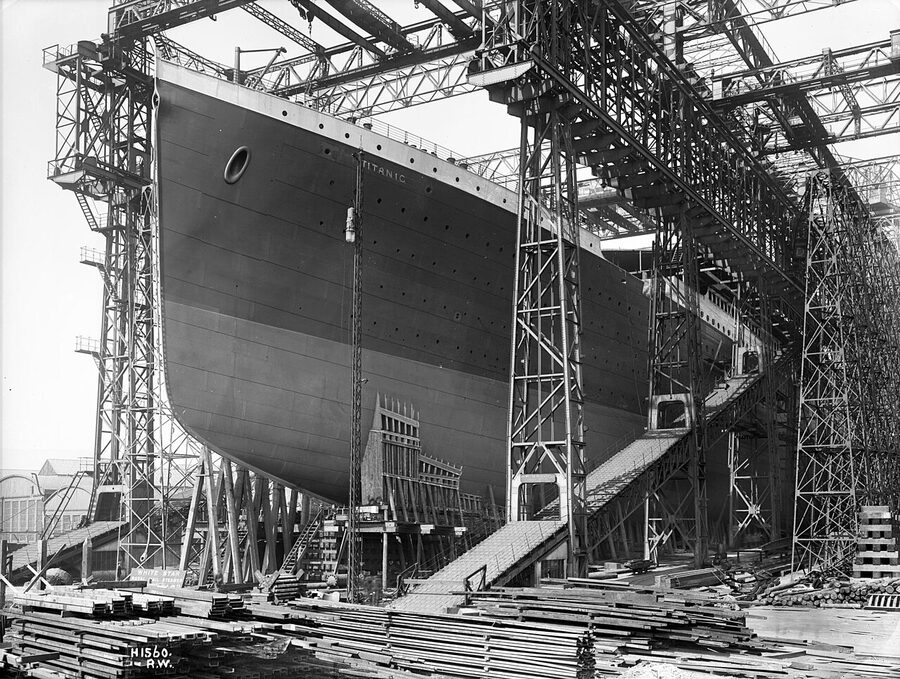
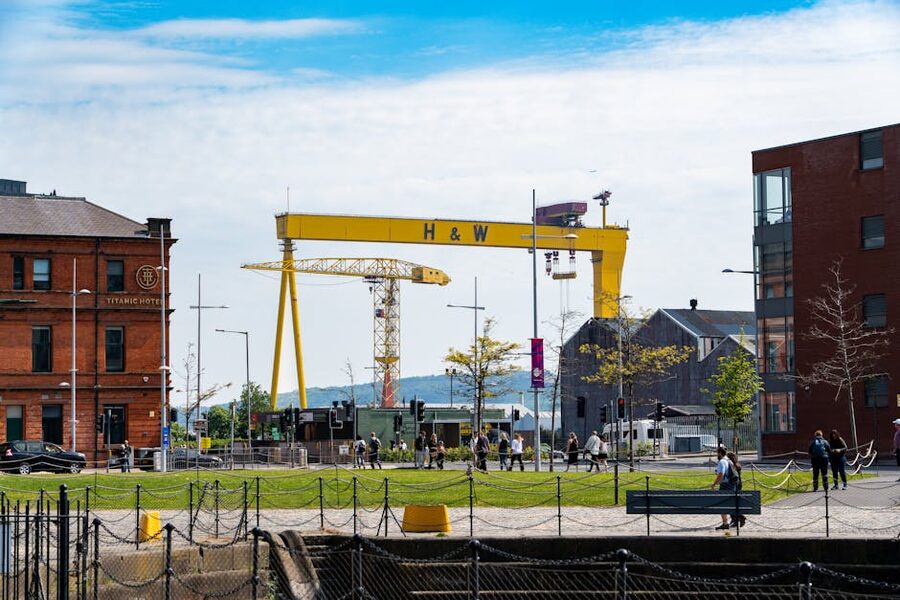
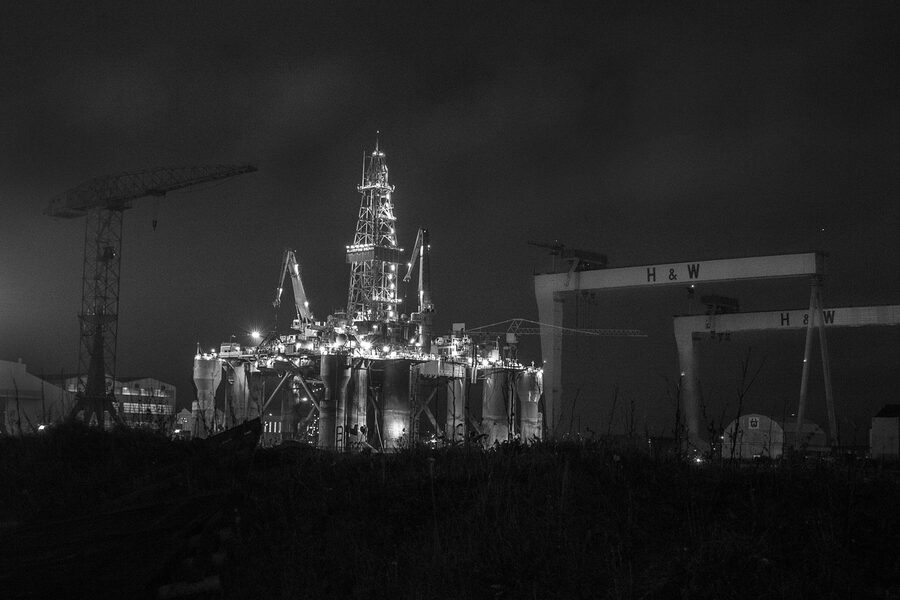
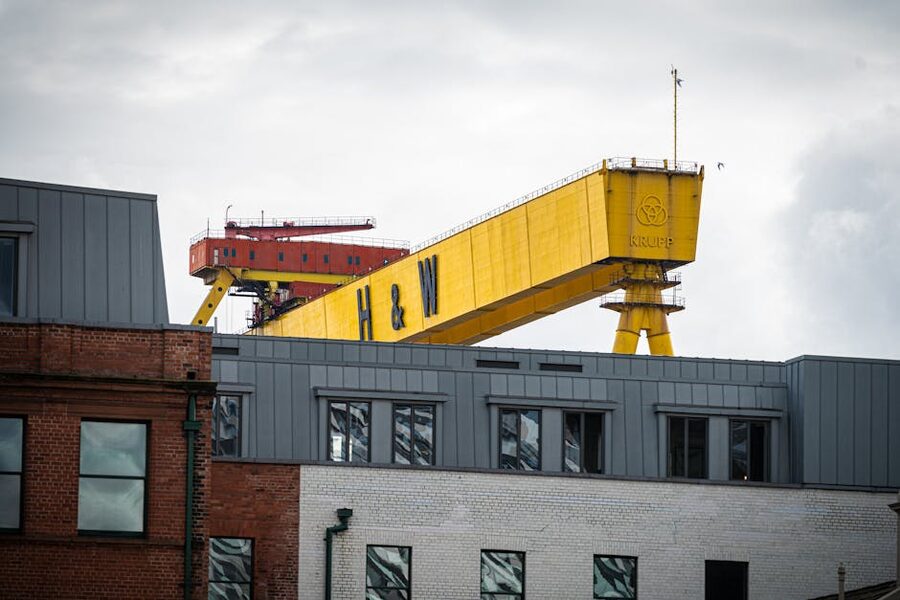
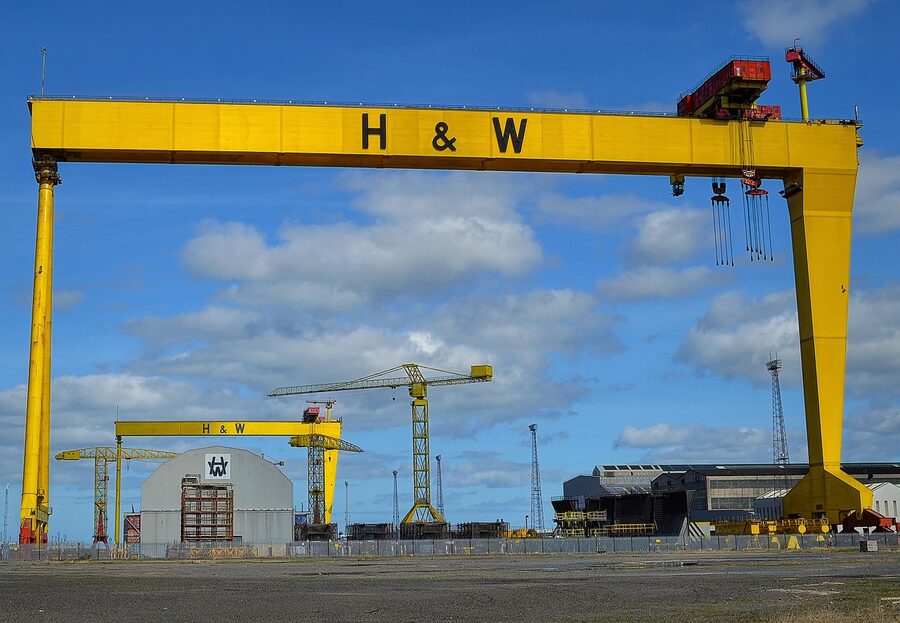
The two big yellow cranes you see from everywhere in Belfast are Samson and Goliath. They went up in 1969 and 1974, decades after the Titanic era, but the yard underneath is the same Queens Island that built her. Harland and Wolff is still operating, building offshore wind platforms and ferries. The shipyard horn still sounds at 7am, 12pm, and 4.30pm on weekdays.

The 1911 launch itself drew about 100,000 spectators, roughly a third of Belfast’s population at the time. Tickets to view from the Harland yard cost five shillings and went to the Samaritan Hospital. Most photographs you see of the launch were taken from the Albert Bridge or the south bank of the Lagan, looking back at the slipway you’ll walk past.
When to visit, when to skip
Best windows are Tuesday to Thursday in May, June, September, and early October. Weekends in July and August get cruise-ship crowds. The first hour after opening (9am to 10am) is reliably quiet year-round, the last hour before closing is the worst because school groups cycle through.
Skip it if you’re tight on time and you’re already planning the Crumlin Gaol or a Black Cab tour. The museum needs two solid hours minimum to be worth the ticket. If you have 90 minutes, just walk the slipway outside (free) and book Crumlin instead.
Practical bits I wish I’d known
The cloakroom is small. Big bags go in lockers (£2 coin) at the entrance, and they fill up by midday in summer. If you’ve got a wheeled suitcase coming straight off a flight, the cloakroom will refuse it. Stash it at Belfast Central Station instead, it’s six minutes by Glider.
Photography is allowed throughout, no flash. Most of the galleries are dimly lit by design, so you’ll need a phone with decent low-light. The Launch gallery and the Sinking room are the trickiest, prop the phone on a railing.
Toilets are on the ground floor at the entrance and on the third floor by the gift shop. The third-floor ones are emptier.
Family with kids? The Discover Titanic family backpack (free, ask at the desk) is genuinely good. It’s puzzles and a set of plastic objects to find in each gallery. My niece called it the best museum thing she’d done all year. She is eight and a hard sell.
Wheelchair access is full. Lifts to every gallery, accessible toilets on each floor, level access from the front plaza. Nomadic is also accessible up to the main deck level. The lower decks of Nomadic involve stairs.
What pairs well with the museum
Half a day at Titanic Belfast plus an afternoon Black Cab political tour is the classic Belfast one-day plan. Add Crumlin Gaol on the second morning if you have one. The Belfast hop-on hop-off ticket links all three of these into a single day with no taxi fares.
From Dublin, you can do a single big day with the Causeway plus Titanic combo and call it done. The Giant’s Causeway is the other Northern Ireland must-see, and pairing it with Titanic is the standard 12-hour day-trip itinerary. Our Cliffs of Moher day trip from Dublin covers the southern equivalent.
Booking tips that actually save money
If you’re staying two nights or more in Belfast, the Belfast Visitor Pass at about $50 includes the Titanic Experience plus 48 hours of unlimited bus and Glider travel. It pays back if you do museum-plus-Crumlin-plus-airport-bus.
If you’re a Dublin-based tourist with a tight budget, the Translink Goldline Belfast return at €25 plus walk-up Titanic admission still beats most coach tours on price. You give up the Causeway, but you get a full afternoon in Belfast on your own pace.
If you’ve already booked the Causeway separately, don’t double up. The Causeway plus Titanic coach tours include the Titanic ticket as part of the package, and you’ll waste money buying both.
More Belfast and Northern Ireland
If you’re sorting a full Belfast day, pair the museum morning with our Belfast political taxi tour booking guide for the afternoon, which is the city’s other unmissable two-hour experience. Game of Thrones fans should book a Belfast GOT filming locations day tour, the Dark Hedges and Cushendun caves take a full day. Coming up from Dublin, our Dublin to Northern Ireland day-trip guide covers the bus, train, and combined coach options. Liverpool’s Liverpool FC stadium tour works as a complementary industrial-heritage stop on the same trip.