A whale can turn a calm patch of Maui water into the main event: a tail lifts, a calf surfaces beside its mother, or a song comes through the hydrophone below deck. This two-hour cruise from Maʻalaea Harbor puts you on the water with naturalists who explain what you’re seeing, while the catamaran gives you room to watch without having to claim a spot at the rail from the first minute.
I like two things about this trip in particular: the underwater hydrophones, which let you listen for whale songs, and the free return cruise if no whales are seen. Both make the outing feel like more than a boat ride, and the Jr. Naturalist Program gives children a way to take part. One consideration: the 10:30 a.m. trip may not produce constant action. On one February outing, a passenger saw a mother and calf but only a few whales, and felt an evening trip might have been livelier.
- What to know before you sail
- Leaving Maʻalaea Harbor at 10:30
- Looking for humpbacks, not a guaranteed show
- Hearing whale songs through the hydrophones
- A practical choice for families
- What the fare covers, and what it doesn’t
- Pack for sun, spray, and a cashless boat
- Who should book this Maui whale sail?
- Should you book it?
- FAQ
- How long is the whale-watching sail?
- Where does the boat depart from?
- How early should I arrive?
- What happens if no whales are seen?
- Can I hear whale songs during the trip?
- Are children allowed, and is there anything for them to do?
- Are food and drinks included?
- What should I bring and wear?
- Is the boat wheelchair-accessible?
- The Best Of Maui!
- More Boat Tours & Cruises in Maui
- More Tours in Maui
- More Tour Reviews in Maui
- Not for you? Here's more nearby things to do in Maui we have reviewed
What to know before you sail
 1 / 4
 2 / 4
 3 / 4
 4 / 4
- Two hours on the water: Depart Maʻalaea Harbor at 10:30 a.m. and return at 12:30 p.m.
- Listen as well as look: Onboard hydrophones let you hear whale songs underwater.
- A return trip if whales stay shy: Whale sightings are guaranteed, or you can take another cruise free.
- A good family feature: Children can join the onboard Jr. Naturalist Program, and children aged 0 to 4 are free.
- Bring your own drink if you like: The trip is BYOB, with snacks and drinks also available for purchase.
- Arrive early: Be at Maʻalaea Harbor Shops 45 minutes before departure. Late arrivals and no-shows cannot be refunded.

👉 See our pick of the 25 Best Workshops And Classes In Maui
Leaving Maʻalaea Harbor at 10:30
Your meeting point is Maʻalaea Harbor Shops, at 300 Maʻalaea Road, Suite 211, Wailuku. The boat returns to the same address at 12:30 p.m., so this is a compact outing rather than a full-day commitment. You’ll need to make your own way there; hotel pickup and drop-off are not included.
Plan to arrive 45 minutes before sailing. That gives you time to find the departure point and board without turning the start of your morning into a sprint. The stated departure is 10:30 a.m., but the schedule can change with traffic and weather conditions, so keep an eye on your confirmation and any updates.
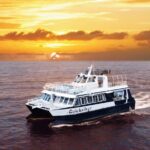
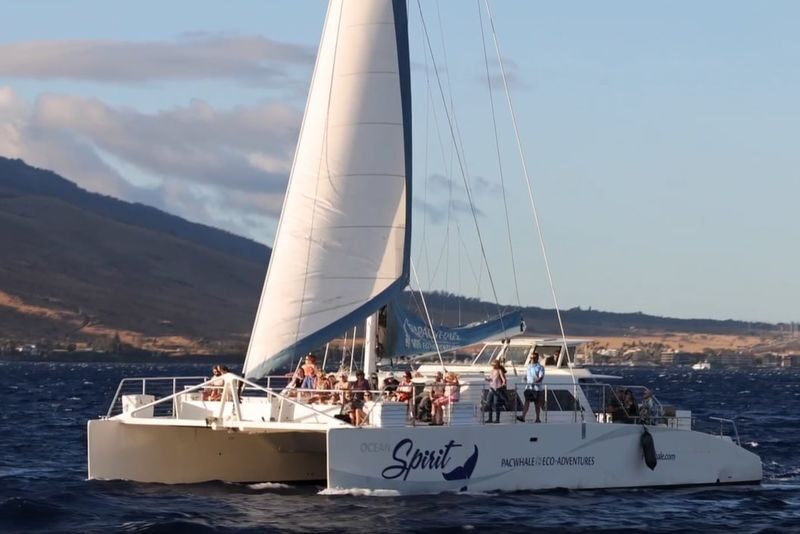
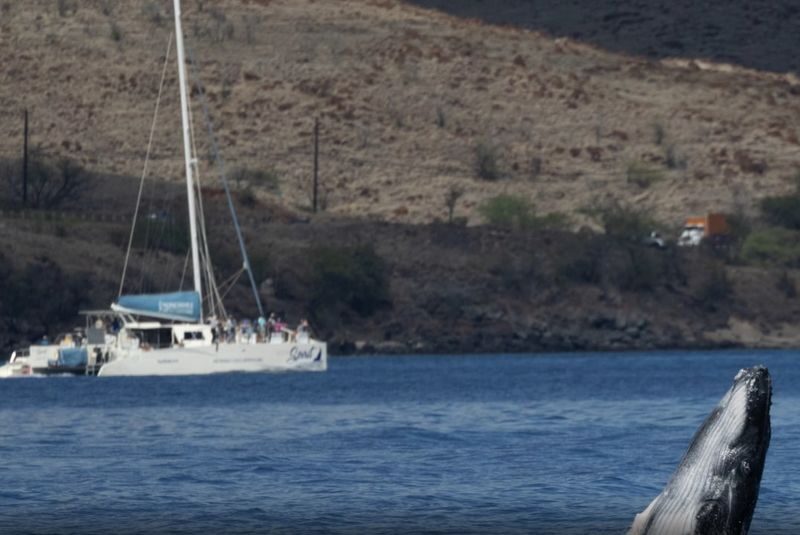
Once aboard, the spacious catamaran is designed to give you room to relax and watch. That matters on a whale trip: you may want to move between viewing areas as activity changes, and a little space makes two hours on the water more comfortable. The boat is not wheelchair-accessible, so that’s worth checking before you book.
You can also read our reviews of more boat tours in Maui

Looking for humpbacks, not a guaranteed show
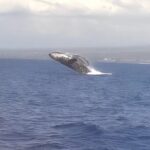
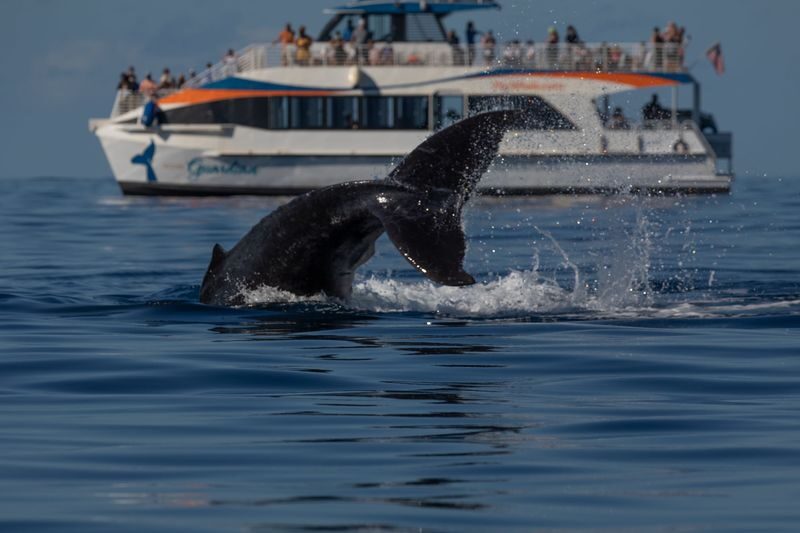
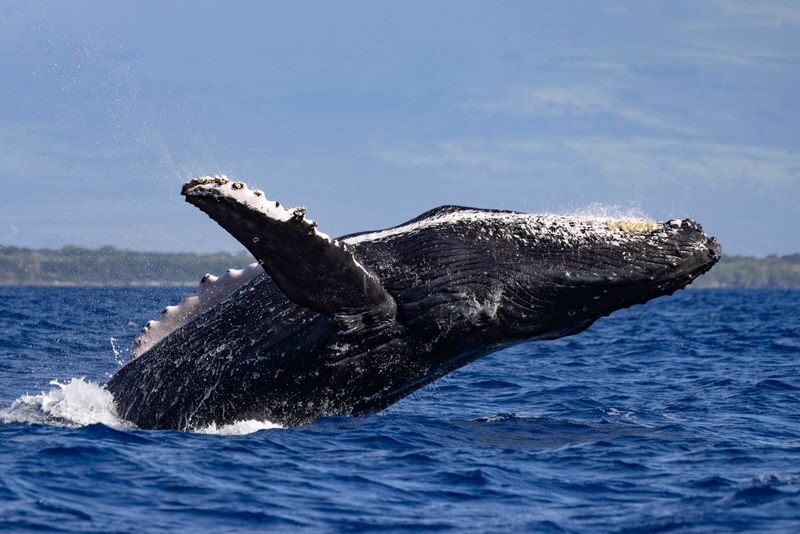
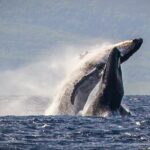
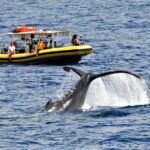
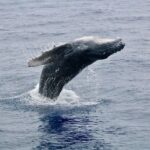
The purpose of the sail is to spot humpback whales and observe their behavior. You might see a whale surface, lift its tail, or travel with a calf. The naturalists help explain what’s happening, giving you context for the moments that can otherwise pass in a blink. The crew cannot control how many whales appear or how active they are, so it’s best to think of this as a wildlife watch, not a scheduled performance.
Sightings are guaranteed, with a free return cruise offered if no whales are seen. That’s a useful safeguard, but it doesn’t promise a particular number of whales, close encounters, or dramatic behavior on your chosen trip. One passenger on a February 26, 2025 morning departure saw a mother and calf, along with a few other whales. That’s a lovely sighting, but also a reminder that a successful whale watch can be quiet by theme-park standards.
The same passenger thought an evening sail might have brought more activity, based on what friends had experienced on other days. Treat that as one person’s impression, not a reliable rule about which time is best. This particular cruise leaves in the morning, so choose it if that timing suits your plans, rather than booking it on the assumption that every trip will be busy.
Hearing whale songs through the hydrophones
The hydrophone system is one of the most distinctive parts of this outing. Instead of relying only on what you can see above the water, you can listen for whale songs below the surface. It offers a different way to connect with the animals, especially during a stretch when you’re waiting for the next surface sighting.
The contrast is part of the appeal: keep watch across the water, then tune in to sounds you wouldn’t hear from shore. The exact listening experience will depend on what the system picks up during your trip, and the information provided does not promise a song on every sail. Still, having hydrophones aboard gives the naturalists another way to bring the whale world into view, even when the animals are not putting on a show at the surface.
An English-speaking guide leads the tour and shares whale facts along the way. No individual guide names are provided, so you should expect a guided outing without booking around a particular naturalist. The aim is not just to point at a whale, but to help you understand the behavior you’re seeing.
A practical choice for families
Families get a couple of useful extras. Children can take part in the onboard Jr. Naturalist Program, and kids aged 0 to 4 are free. That can make the trip more engaging for young passengers, though the two-hour duration still means you’ll want to bring whatever helps your child stay comfortable aboard a boat.
Filtered water is included. Snacks and beverages, including soda and juice, are available for purchase, and you can bring your own beverage. Meals are not included, so have lunch plans for after the 12:30 return if you’ll be hungry.
The crew asks you not to feed wild animals or do anything that could damage the ecosystem. That’s good whale-watching practice as well as a rule to follow: keep the encounter on the animals’ terms and leave their environment undisturbed.
What the fare covers, and what it doesn’t
The tour includes admission to the whale-watching sail, an English-speaking guide, filtered water, hydrophones, and the Jr. Naturalist Program. The guaranteed-sighting offer, with a free cruise if no whales are seen, is also part of the package. Hotel transport, accommodation, meals, other personal expenses, and tips are not included.
The displayed starting prices are not identical across the supplied details: the experience is shown from $128.79, while the join-in package is listed from US$111.99. Treat these as starting prices that may reflect different package or pricing details, and check the price for your selected date before booking. At either price, the value depends on what matters to you: you’re paying for a guided two-hour sail, wildlife viewing, the hydrophones, and the chance to return free if the trip produces no whale sightings.
The outing is a better value if you want the guided experience and the listening equipment, rather than simply getting out on a boat. It’s less compelling if you expect a large number of close encounters or want a full day at sea. The short duration is a plus for families and anyone fitting a whale watch between other Maui plans.
You can also read our reviews of more whale watching tours in Maui

Pack for sun, spray, and a cashless boat
Bring sunscreen, sunglasses, and a cap or hat. Reef-safe sunscreen in a sustainable tube made from sugarcane is available onboard for US$17, but you can bring your own. Wear flat or low-soled shoes, which are more practical on a boat than high heels or shoes with thick soles.
Onboard purchases are cashless: use a credit card, debit card, or digital payment method with a QR code. Cash is accepted for gratuities only. Binocular rentals are available while supplies last, so don’t count on a pair being available if you know you’ll want one.
You can bring your own beverage, but meals are not provided. If you plan to buy snacks or drinks, bring an accepted payment method. Keep the basics simple: sun protection, comfortable shoes, and a charged phone with your mobile voucher ready.
Who should book this Maui whale sail?
This trip suits you if you want a straightforward, two-hour whale watch with a guide, hydrophones, and a clear backup if no whales appear. It also fits families who value the kids’ naturalist activity and the free fare for children under five. The harbor departure and midday return make it easy to fit around other plans.
It may be a poor fit if you need wheelchair access, want transportation from your hotel, or are counting on a particular number of whale sightings. A wildlife trip always involves some uncertainty, even with the free-return offer. If a calm outing with a mother and calf would feel worthwhile, the morning sail can deliver a memorable glimpse; if you need constant action, adjust your expectations before you step aboard.
Should you book it?
Book this sail if a two-hour outing, naturalist commentary, and the chance to hear whale songs sound like a good use of your Maui morning. The free return if no whales are seen adds reassurance, while the catamaran and family program help make the trip accessible in spirit to a range of ages.
Skip it if you require wheelchair access or need hotel pickup, or if you’ll only be satisfied by a long, action-packed whale encounter. And don’t choose the morning departure expecting it to be more active than an evening trip: the available firsthand account points to that possibility, but it’s not enough to establish a pattern.
Whale Watching Sail in Maui
“we went off at 1030am sail with few whales in spot – mom & calf. personally I think evening might be a better session where whale will be more acti…”
FAQ
How long is the whale-watching sail?
The cruise lasts two hours. It is scheduled to leave at 10:30 a.m. and return at 12:30 p.m.
Where does the boat depart from?
Meet at Maʻalaea Harbor Shops, 300 Maʻalaea Road, Suite 211, Wailuku, Hawaii 96793. The boat returns to the same location.
How early should I arrive?
Arrive 45 minutes before departure. Latecomers and no-shows cannot be refunded.
What happens if no whales are seen?
Whale sightings are guaranteed. If no whales are seen, you can take another cruise free.
Can I hear whale songs during the trip?
The boat has onboard underwater hydrophones so you can listen for whale songs. The information provided does not guarantee that whale songs will be heard on every trip.
Are children allowed, and is there anything for them to do?
Yes. Children aged 0 to 4 are free, and the boat has an onboard Jr. Naturalist Program for kids.
Are food and drinks included?
Filtered water is included. Snacks and beverages, including soda and juice, are available for purchase, and you may bring your own beverage. Meals are not included.
What should I bring and wear?
Bring sunscreen, sunglasses, and a cap or hat. Wear flat or low-soled shoes. Reef-safe sunscreen is also available onboard for US$17.
Is the boat wheelchair-accessible?
No. This activity is not wheelchair-accessible.