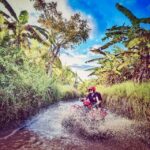
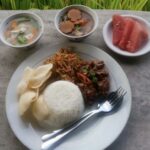
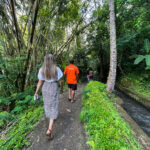
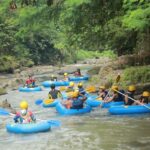
Campuhan’s ridge path and Gunung Kawi’s cliff-carved shrines give this full day a welcome mix of open-air walking and cultural history. Between them, you’ll visit Tegalalang’s working rice terraces and a Balinese coffee plantation, with a driver to connect the stops.
I like two things in particular: the variety, from a river valley walk to rice farming and a temple, and the private format, which lets you set your walking pace and ask your guide questions along the way. Past guides have included Ade, Agus and Ketut Balon, with guests praising their cultural explanations and help with photos.
The main trade-off is physical effort. Campuhan involves a substantial walk, Tegalalang can mean uneven paths, and Gunung Kawi requires about 270 steps, so this is not a good fit if stairs or walking are difficult for you.
- At a glance
- A full-day route through Ubud’s countryside
- Campuhan Ridge: walk where two rivers meet
- Tegalalang: terraces shaped by Subak
- Coffee plantation: taste, ask questions, take your time
- Jungle swing: an optional-feeling photo stop
- Gunung Kawi: shrines cut into the cliffs
- What the private format adds
- Price, transfers and practical planning
- Who should book this Ubud day tour?
- FAQ
- How long is the tour?
- Is hotel pick-up included?
- Is the Campuhan Ridge walk guided?
- How many steps are there at Gunung Kawi?
- What is included in the price?
- What should I bring and wear?
- Can children join the tour?
- The Best Of Ubud!
- More Private Tours in Ubud
- More Tours in Ubud
- More Tour Reviews in Ubud
- Not for you? Here's more nearby things to do in Ubud we have reviewed
At a glance

- Campuhan Ridge is an easy-to-follow, self-guided walk: Your guide gives directions, then you explore at your own pace.
- Tegalalang shows Subak in action: Look for the traditional irrigation system that feeds the steep rice fields.
- The coffee stop is more than a tasting: You can see how Balinese coffee is made and try coffee, tea, cocoa and tropical spices.
- Gunung Kawi takes legwork: The temple’s cliff-cut shrines sit across the Pakerisan River, reached by around 270 steps.
- Transfers make a long day easier: Hotel pick-up and drop-off are offered in several parts of Bali, though extra charges may apply outside the service area.
- Plan for a full day outdoors: The schedule runs about 6:30 a.m. to 4 p.m., and walking, sun and weather all matter.

👉 See our pick of the 25 Best Guided Tours In Ubud
A full-day route through Ubud’s countryside
This private tour is built around a simple idea: spend the day moving through Ubud’s cultural and agricultural setting, rather than staying in town. You start with a walk, visit Bali’s best-known rice terraces, stop at a plantation, and finish at an old temple complex.
The listed schedule is 6:30 a.m. to 4 p.m., or about nine and a half hours. That is a long outing, but the stops are spread around the countryside, so the vehicle is part of the day. Campuhan Ridge is about 20 minutes by car from Tegalalang, and the plantation is roughly five minutes from the rice fields.
A private format suits couples, families with older children and small groups who want a driver and guide without joining a large coach tour. The stated group range is two to 13 people. The minimum age is 12, and the route is not suitable for wheelchairs or strollers.
Your guide’s role matters. Drivers and guides named on past trips include Ade, Agus, Ketut Balon and Mertha Dana, also known as Ade. Their language skills can vary, so if you need a guide in a particular language, confirm availability before booking rather than assuming it.
You can also read our reviews of more private tours in Ubud



Campuhan Ridge: walk where two rivers meet
Campuhan means where two rivers meet. The ridge lies above the meeting of the Wos and Agung rivers, and its narrow paths offer a green, open start to the day. The walk is often described as roughly two kilometres and takes about an hour, though your pace and stops will shape the timing.
One practical point: the ridge walk is not guided on the path itself. Parking constraints mean your guide provides directions and lets you walk at your own pace. This gives you room to pause for photos or take the path slowly, but it also means you should pay attention to the route instructions before setting off.
I like this as the first stop because it puts walking at the heart of the tour, before the day’s drives and visits. It is also a gentler way to get moving than the temple stairs later on. Still, it is not a paved, effortless stroll for everyone. Wear shoes you can walk in, bring water, and be ready for weather exposure.
The tour’s early start helps fit in several places, but it means a 6:30 a.m. pick-up. If you are staying outside Ubud, the drive to the starting area can add to the day, even when hotel transfers are included.
Tegalalang: terraces shaped by Subak
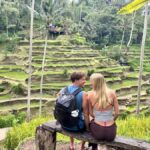
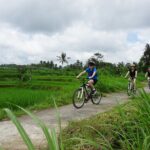
After Campuhan, the route heads to Tegalalang, about 20 minutes away. The rice fields sit on the slopes around Ceking Village, with narrow, stepped plots cut into the hillside. Coconut trees and the valley make this one of Bali’s most photographed agricultural views.
The terraces are more than a scenic backdrop. Look for the water channels that carry irrigation through the fields. The traditional Subak system is a community approach to managing water for rice cultivation, and it is recognized by UNESCO as part of Bali’s cultural heritage.
You may see farmers working the sloping plots, though the exact activity will depend on the season and time of day. Keep in mind that this is a popular stop. The famous view comes with other people, photo stops and, at times, a busy feel. Your guide can help point out good places for pictures, and one past guide, Ade, was specifically praised for giving photo advice.
Tegalalang’s paths can be uneven and steep. A past visitor with a fear of heights appreciated having a guide nearby on the up-and-down walk, but this should not be taken as a promise of hands-on assistance at every point. If you are uneasy with heights or have limited mobility, discuss that before booking and be prepared to skip sections if needed.
Coffee plantation: taste, ask questions, take your time
The plantation stop is close to Tegalalang, around five minutes by car. Kumulilir is named as a stop, and the day’s plantation visit is intended to show how Balinese coffee is made. Tastings can include different coffees, tea, pure cocoa and organic tropical spices.
The tour information also refers to luwak coffee, made from coffee beans that have passed through a civet’s digestive system. The beans are collected and processed after they pass through the animal. It is an unusual story and a well-known Balinese specialty, but you do not have to treat tasting it as compulsory. Ask what is included in the tasting and what costs extra before you order anything beyond the included drinks.
This stop can be a useful change of pace after the rice fields. You get a chance to sit, sample local products and ask how coffee is prepared, rather than moving straight from one viewpoint to another. The plantation setting is described as overlooking rice fields and a valley, so it also gives you another countryside view.
A practical note: the tour includes complimentary drinks, but meals and other beverages are not included. Do not count on the tasting as lunch. Carry cash for personal purchases, and check prices before buying coffee or other products.
Jungle swing: an optional-feeling photo stop
The jungle swing is listed among the day’s highlights, alongside the Campuhan walk, rice terraces, plantation and Gunung Kawi. A swing can add a playful stop and a different angle on the surrounding countryside, but the supplied details do not specify whether a swing ride is included in the tour price or what its separate cost may be.
Ask your operator what the swing visit involves before you go. Past tours have sometimes been adjusted to suit a guest’s interests, including replacing the plantation and swing with other sights. That suggests there may be room to discuss preferences, but do not assume changes are guaranteed. If you have already visited a coffee plantation or prefer more temple time, raise that with the operator in advance.
You can also read our reviews of more tours and experiences in Ubud

Gunung Kawi: shrines cut into the cliffs
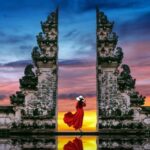
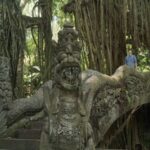
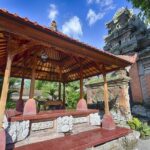
Gunung Kawi, near Tampaksiring northeast of Ubud, is the day’s most demanding stop. The 11th-century complex sits among rice paddies and thick jungle beside the Pakerisan River. Its large shrines are carved into the cliffs on both sides of the water, with a stone bridge linking the areas.
Getting there means descending and climbing about 270 steps. That count makes this a meaningful physical effort, especially after a day that has already included a ridge walk and rice-field paths. Take your time, wear proper walking shoes and keep your energy in reserve for the return climb.
The payoff is a setting that feels very different from the broad views at Tegalalang. At the temple, the focus shifts to stonework, river and history. Guides can add context about the site’s past and local legends, which helps make this more than a quick photo stop.
The order and time spent at each place may change with traffic and weather. If Gunung Kawi is a priority, tell your guide early in the day and keep an eye on the clock. The tour runs on a full schedule, and the drive between locations takes time.
What the private format adds
A private tour is valuable here because the route includes several kinds of stops, and not everyone moves at the same pace. You can take the ridge walk slowly, spend more time on photos or ask your guide to explain something you notice. Past guides have been praised for giving cultural context during drives, warning about tourist traps near attractions and offering to take photos.
That personal attention is not a guarantee of a specific guide or language. Ade and Agus are names that have come up, and Ketut Balon has guided in Japanese, but guide assignments can change. If language or a particular stop matters, ask before booking.
The private format also does not mean every minute is guided. Campuhan is specifically walked independently after your guide explains the route. That is a useful distinction: you get a driver and guide for the day, but one of the main walking sections is self-paced.
Price, transfers and practical planning
The advertised price starts at US$34.59, while a package option is shown from US$30.09. Prices can depend on the selected package and date, so check the final amount for your chosen option. For a private day with hotel transfers, an English-speaking guide, attraction admission, complimentary drinks and basic insurance, the starting price can be good value, especially if you are sharing the cost with another person.
Meals, other beverages, personal purchases and tips are not included. The plantation may offer products for sale, and the swing may involve costs that are not specified in the tour details, so bring cash and ask before committing to extras.
Hotel pick-up and drop-off are available in Ubud, Kuta, Jimbaran, Nusa Dua, Sanur, Denpasar, Seminyak, Canggu, Lovina, Munduk, Bedugul and Sidemen. A surcharge may apply outside those areas. Enter your hotel details when booking, wait for the operator to confirm the pick-up time, and be ready in the lobby ten minutes before collection.
Wear light, comfortable clothes, preferably quick-drying, and sturdy walking shoes. Bring sunscreen, a hat, personal medication, cash and a camera. The itinerary can change because of traffic or weather, and extreme weather or other unforeseen events can lead to cancellation.
Who should book this Ubud day tour?
I would choose this trip if you want a broad first look at Ubud’s countryside and are happy to spend much of the day moving between stops. The balance of ridge walking, rice farming, coffee and temple architecture gives you more variety than a day built around one attraction.
It is especially suitable if you value a private guide who can explain local culture and help with photos. It is less suitable if you want a slow, unstructured day, dislike early starts, or have difficulty with stairs, uneven ground or sustained walking. The age minimum is 12, and the tour is not wheelchair- or stroller-accessible.
Before booking, decide what matters most to you: the walk, the rice terraces, the temple or the plantation. Tell the operator if you have already seen one of the stops or have a mobility concern. If you want a compact introduction to Ubud with a driver, a guide and several distinct sights, this is a practical way to spend the day. If you want a relaxed outing with little walking, choose another plan.
Ubud Campuhan Ridge & Tegalalang Rice Terraces Private Full-Day Tour
“wonderful experience and a great way to start our Bali trip. Guide was punctual, message you beforehand to arrange the day trip. Shared knowledge a…”
FAQ
How long is the tour?
The scheduled day runs from about 6:30 a.m. to 4 p.m., for a total of roughly nine and a half hours. Traffic and weather can change the schedule.
Is hotel pick-up included?
Hotel pick-up and drop-off are available in listed areas including Ubud, Kuta, Seminyak, Canggu, Sanur and Nusa Dua. A surcharge may apply outside the service area, and the operator reconfirms the pick-up time.
Is the Campuhan Ridge walk guided?
The guide gives you directions, but the ridge walk itself is not guided. You walk at your own pace.
How many steps are there at Gunung Kawi?
The temple visit involves about 270 steps. The tour also includes considerable walking, so it is not recommended for people with impaired physical mobility.
What is included in the price?
The listed inclusions are attraction admission, an English-speaking guide, complimentary drinks, round-trip hotel transfers and basic insurance. Meals, other beverages, personal expenses and tips are not included.
What should I bring and wear?
Bring sunscreen, a cap or hat, personal medication, cash and a camera. Wear light, comfortable clothing and walking shoes.
Can children join the tour?
Participants must be at least 12 years old. The stated group size is two to 13 people, and the same price applies to all ages.