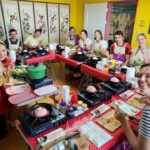
Kimchi is more than a side dish here. At Little Big Kimchi Lab, you learn how it fits into Korean food and family life, then make three types yourself with ingredients sourced from the family farm. Instructor Grace also teaches you to cook kimchi pancakes and serves a homemade Korean lunch.
I like that the class makes room for both hands-on cooking and cultural context. I also like that you leave with your own kimchi and printed instructions, so the lesson can follow you home.
One thing to consider: the class lasts about 2.5 hours, and some lengthy preparation, including cabbage salting, is done in advance. You’ll learn the key hands-on steps, but not every stage from start to finish.
- What to know before you book
- A family kimchi story, not just a cooking demo
- Three kimchis, with the long wait taken out
- Kimchi pancakes turn the lesson into lunch
- A take-home container with a useful second life
- Getting to the Mapo-gu kitchen
- Is the price worth it?
- Who should book this kimchi class?
- FAQ
- How long does the kimchi class last?
- Where is the class held?
- What age can take part?
- Is the class taught in English?
- How many types of kimchi will I make?
- Is lunch included?
- Can I take the kimchi I make home?
- How do I show my booking?
- What is the cancellation policy?
- The Best Of Seoul!
- More Workshops & Classes in Seoul
- More Tours in Seoul
- More Tour Reviews in Seoul
- Not for you? Here's more nearby things to do in Seoul we have reviewed
What to know before you book
 1 / 8
 2 / 8
 3 / 8
 4 / 8
 5 / 8
 6 / 8
 7 / 8
 8 / 8
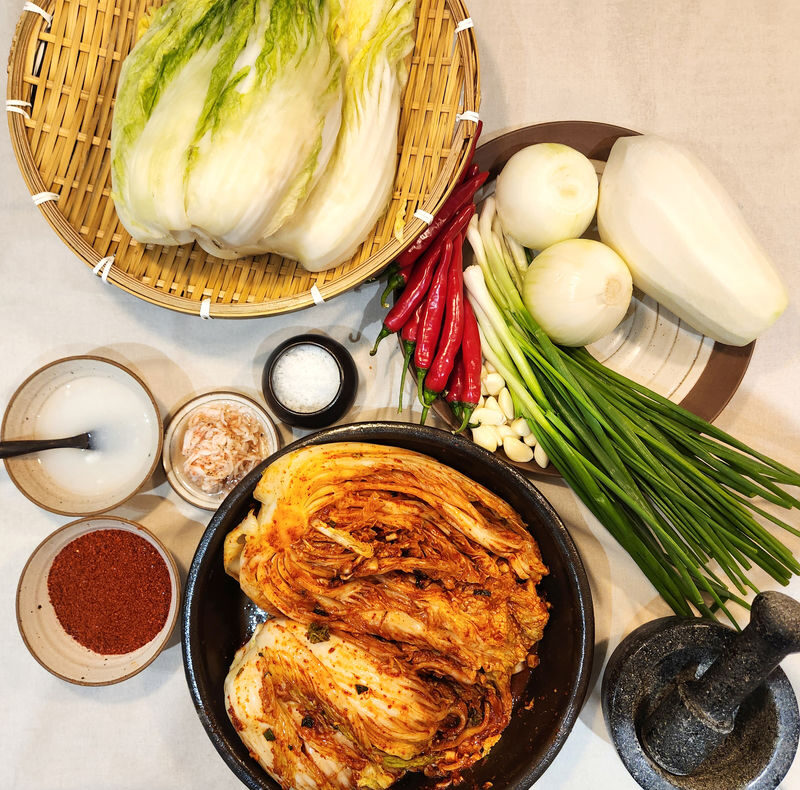
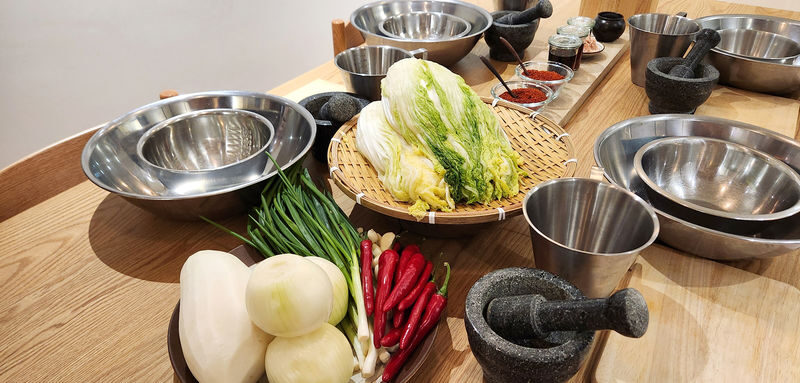
- Three kinds of kimchi: You’ll make three types using premium ingredients sourced from the family farm. The specific varieties aren’t listed.
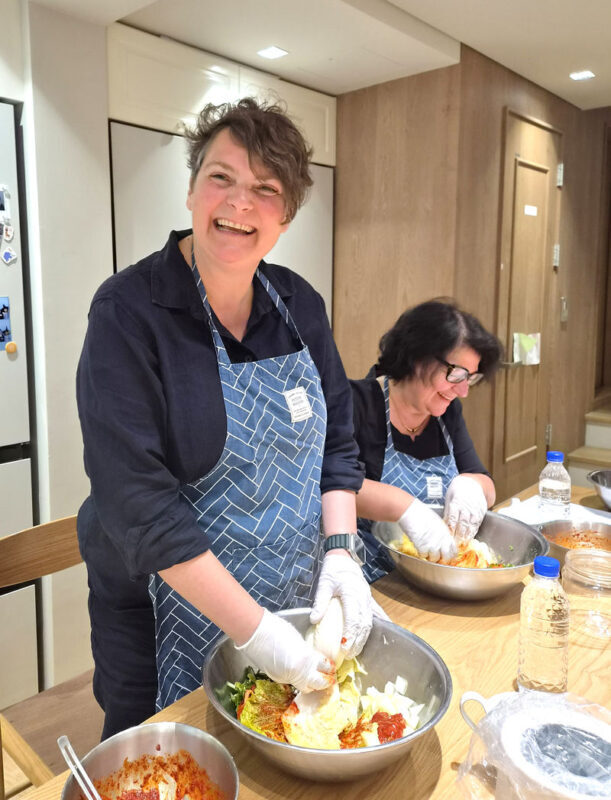
- Grace leads the class: Expect English-language instruction, clear demonstrations, and time to ask questions as you work.
- Cabbage prep happens ahead: Salting and brining can take around 10 hours, so this part is prepared before the class.
- Pancakes are part of the lesson: You’ll make kimchi pancakes with fermented kimchi, then enjoy them with a homemade Korean meal.
- Take-home kimchi: You get a container of the kimchi you make, plus printed instructions to help you recreate the process.
- A Mapo-gu address: The class meets at 29 Dokmak-ro 8-gil, less than a 10-minute walk from subway access, according to the directions shared for the class.
👉 See our pick of the 25 Best Guided Tours In Seoul
A family kimchi story, not just a cooking demo
The class begins with tea and a welcome from Grace, who introduces the family tradition behind the kimchi business. That opening matters: it puts the recipe in context before you start handling cabbage and seasoning. Kimchi is an everyday food in Korea, but its methods and flavors carry stories about family habits, regional tastes, and the practical art of preserving vegetables.
You’ll also learn about kimchi’s history, cultural role, ingredients, and health aspects. The health discussion is useful as cultural context, not a reason to treat kimchi as a cure-all. Fermented food can be part of a balanced diet, but this is a cooking class, not medical advice.
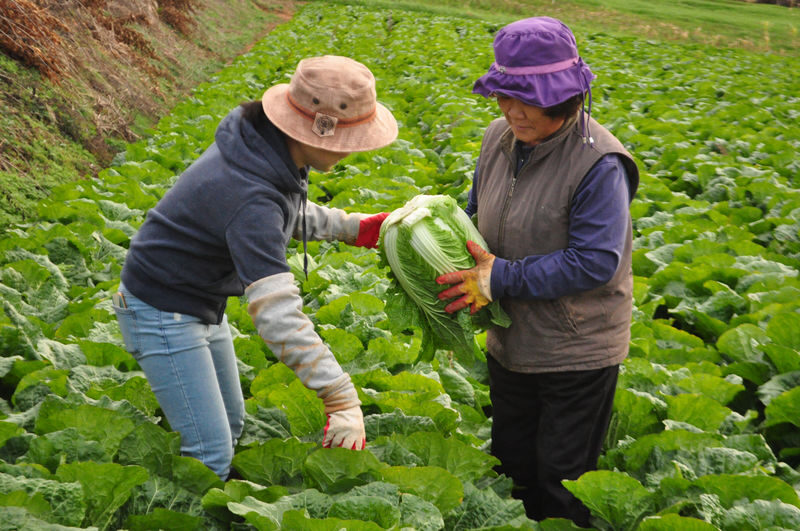
The family farm connection gives the ingredient lesson a practical focus. You can ask what each ingredient contributes and see how fresh produce becomes a food that changes over time through fermentation. The class is presented as a family-run experience with generations of tradition behind it, so you get a personal account alongside the cooking.
You can also read our reviews of more tours and experiences in Seoul



Three kimchis, with the long wait taken out
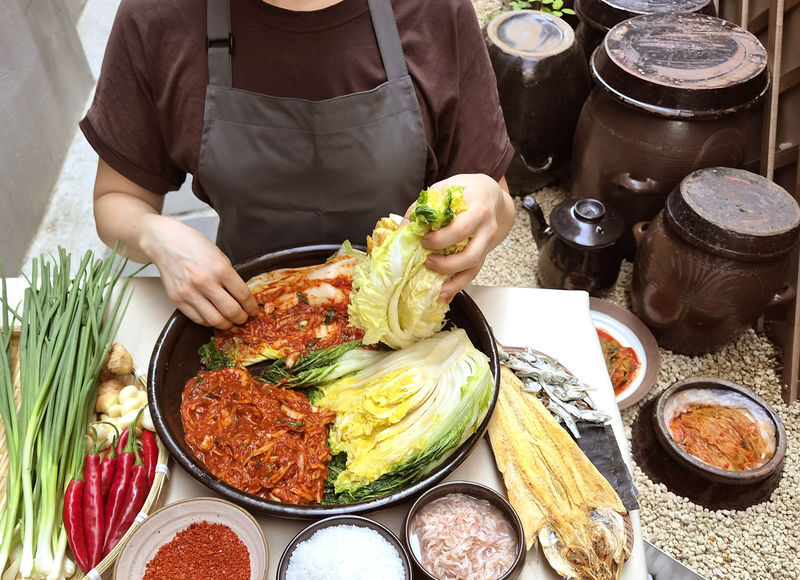
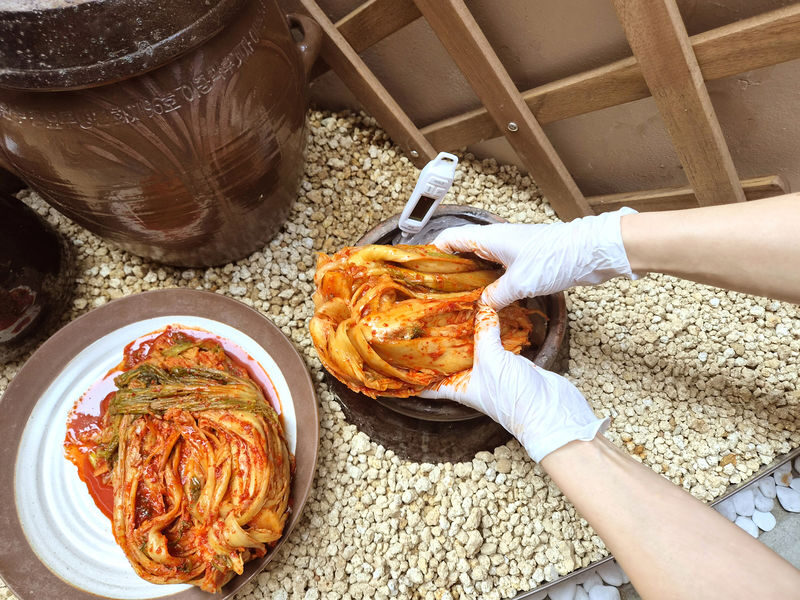
The main hands-on portion is making three types of kimchi. You’ll work with premium ingredients and learn the traditional techniques, with Grace explaining the role of each ingredient as you go. The exact varieties aren’t specified, so don’t book expecting a particular regional style or recipe.
There is one important shortcut to understand. Cabbage salting and brining take much longer than a short class allows. That work is prepared in advance, while you learn the remaining steps during the session. One class ran about 2.5 hours, which gives you a useful sense of the time commitment.
This setup is sensible for a short visit to Seoul, but it does limit what you see. You won’t watch the full process unfold from fresh cabbage to a fully salted batch. In return, you spend class time on the steps you can repeat at home, rather than waiting around for the cabbage to soften.
As you work, pay attention to how the ingredients are combined and distributed. Those details are the difference between watching a demonstration and learning a method you can use again. You’ll also get printed instructions, a useful backup when your memory of the recipe fades somewhere over the Pacific.
Kimchi pancakes turn the lesson into lunch
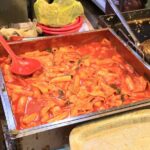
After making kimchi, you’ll use fermented kimchi to prepare kimchi pancakes. This is a practical second lesson: it shows how kimchi works as an ingredient in a cooked dish, not only as a condiment served beside rice or other food.
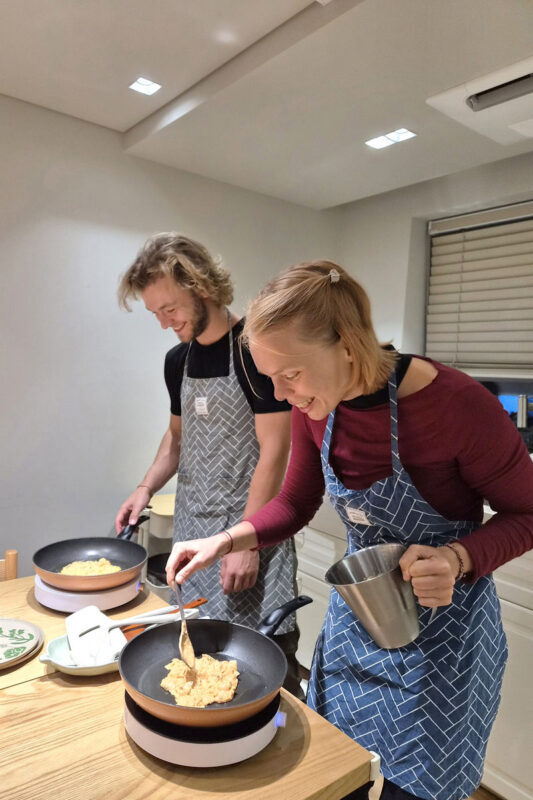
The pancakes are cooked during the class, giving you a chance to try a familiar Korean dish in a hands-on way. Lunch is included, and the experience is designed around homemade Korean food made with or paired with kimchi. Dumplings have also been served as part of the meal, though the exact menu is not specified, so treat them as a possibility rather than a guarantee.
I like this part because it answers a useful question: what do you do with kimchi once you’ve made it? You get to taste it in a meal and see how it fits into everyday cooking. Save room for lunch, especially if you’re planning to eat elsewhere soon afterward.
A take-home container with a useful second life
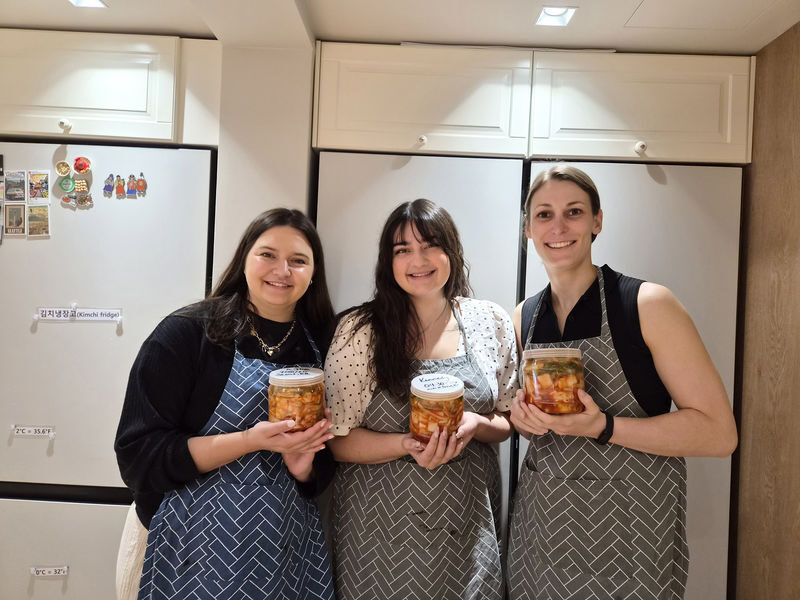
At the end, you take home a container of the kimchi you made. That makes the class feel more substantial than a tasting alone. The souvenir is edible, personal, and tied to a skill you’ve just practiced.
Do keep the practical side in mind. You’re carrying fermented food on the journey home, so check the rules that apply to your destination before you book. The class information says you can take the kimchi home, but it does not spell out customs or airline requirements. The printed instructions are easier to pack and remain useful even if you can’t bring the container across a border.
The class is a good fit if you want a food experience that has something to teach beyond a recipe. It suits curious cooks, kimchi fans, and anyone who wants a closer look at a familiar Korean staple. Since the minimum age is 10, it can also work for families with older children who enjoy cooking and food.
Getting to the Mapo-gu kitchen
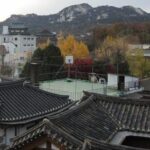
The address is 29 Dokmak-ro 8-gil, Mapo-gu, Seoul. The class is held in a home kitchen setting, and the kitchen has been described as clean, well lit, inviting, and sanitary. Directions indicate that it is less than a 10-minute walk from subway access and reachable via two subway lines. It is also two stops east of Mangwon Traditional Market, which could make a market visit a useful addition to your day.
The exact meeting point is listed simply as 29, so check the full street address before setting off. You’ll need to arrive on time: the cancellation terms say late arrivals of 10 minutes or more are not eligible for a refund. Build in a little extra time rather than trying to thread the needle between subway transfers.
The experience is offered in English, which helps if you want to ask detailed questions about ingredients and technique. You may also share the table with people from different countries, making the meal a natural chance to compare food customs and home cooking traditions.





Is the price worth it?
The advertised price starts at US$73.70, while the named Kimchi class week package is shown from US$67. Prices can vary by package or booking details, so check the amount for your chosen date before paying.
For the cost, you’re getting instruction, three kimchi-making activities, a pancake lesson, lunch, and kimchi to take away. The family-farm ingredients and cultural explanation add value if you’re interested in understanding how the food is made, not just sampling it. It’s a better fit for someone who wants a guided, participatory food experience than for someone seeking the cheapest meal in Seoul.
The price is less compelling if you mainly want a quick tasting or a full demonstration of every fermentation stage. The cabbage is pre-salted, and the class takes a few hours. But if you value clear instruction, a home-cooked meal, and a recipe you can try again, the mix of learning and eating makes the fare easier to justify.
Who should book this kimchi class?
Book it if you want to spend part of a Seoul day learning a hands-on skill and hearing how kimchi fits into Korean food culture. Grace’s teaching style is described as friendly, responsive, and clear, with explanations that make the steps approachable. The class also leaves room for practical cooking, rather than keeping you at a distance from the ingredients.
It’s especially suited to kimchi enthusiasts, home cooks, and visitors who like food experiences with a personal host. The age limit is 10 and older, and participants must be under 100. If you’re short on time, the roughly 2.5-hour session is a manageable half-day activity, though you’ll want to account for travel to Mapo-gu.
Skip it if you need a class that shows every stage of cabbage preparation, or if you don’t want to carry food home. Otherwise, this is a thoughtful way to connect a familiar Korean staple to its ingredients, methods, and place at the table.
Traditional Kimchi Making Class in Seoul
“Instructor Grace was incredibly welcoming, friendly, and engaging throughout the class, making the entire experience so fun and enjoyable! She prov…”
FAQ
How long does the kimchi class last?
A class has run for about 2.5 hours. Allow additional time for travel to and from the meeting point.
Where is the class held?
It meets at 29 Dokmak-ro 8-gil, Mapo-gu, Seoul, South Korea.
What age can take part?
Participants must be at least 10 years old and under 100.
Is the class taught in English?
Yes. English-speaking staff are included, and instructor Grace teaches the class.
How many types of kimchi will I make?
You’ll make three types of kimchi. The specific varieties are not stated.
Is lunch included?
Yes. Lunch is included, and the class also includes making kimchi pancakes with fermented kimchi.
Can I take the kimchi I make home?
Yes. You receive a container of the kimchi you make, along with printed instructions.
How do I show my booking?
Present your mobile voucher. It is valid only on the specified date and time, if a time is listed.
What is the cancellation policy?
A full refund is available if you cancel at least 48 hours before the activity date, in destination local time. Late arrivals of 10 minutes or more and no-shows are not eligible for refunds.